

Did you know that Chihuahuas, despite their tiny stature, possess a range of health quirks that can significantly affect their well-being? As a dedicated Chihuahua owner, understanding your furry friend’s health profile is essential for ensuring a long, happy life together. This breed, known for its big personality and vocal nature, faces specific health challenges, from dental issues to heart conditions, that every owner should be aware of. By diving into the intricate details of Chihuahua health, you’ll become equipped to recognize signs of discomfort, make informed decisions about care, and prioritize preventative measures. Join us as we explore the fascinating world of Chihuahua health, helping you navigate the unique needs of your little companion with confidence and love. Your journey to becoming the best dog parent starts here!
Are Chihuahuas Prone to Common Health Issues?
Chihuahuas, with their vibrant personalities and petite stature, bring immense joy to their owners-but they are not without their health challenges. This breed is notably prone to certain common health issues, mainly due to their unique genetic makeup. Understanding these potential problems is essential for any Chihuahua owner, as proper care and early detection can lead to a longer, healthier life for your little companion.
One of the most prevalent health issues seen in Chihuahuas is patellar luxation, where the kneecap dislocates, causing pain and difficulty in mobility. This condition can often be managed through weight management and, in severe cases, may require surgical intervention. Additionally, heart problems, especially mitral valve disease, are frequent in older Chihuahuas, making regular veterinary check-ups essential for early detection.
Another common concern is dental disease. Due to their small mouths, Chihuahuas are at a higher risk for periodontal issues. Regular dental care, including brushings and professional cleanings, helps maintain oral health and prevent more significant health issues down the line. Furthermore, Chihuahuas can suffer from hypoglycemia, particularly when stressed or if they skip a meal. Small, frequent meals or high-quality treats can help manage blood sugar levels effectively.
In recognizing these vulnerabilities, it’s crucial to listen to your Chihuahua and observe any changes in behavior or health. A prompt consultation with a veterinarian can make all the difference. The love and attention you provide your Chihuahua in terms of regular check-ups, balanced nutrition, and appropriate exercise will help mitigate these health risks and celebrate their spirited nature fully.
Understanding Chihuahuas’ Unique Genetic Factors
Chihuahuas are not just the tiniest dogs; they bring a unique set of genetic quirks that contribute to their health profile. These tiny companions, often referred to as “purse dogs,” can be quite delicate, but there’s so much more to them than their petite stature. Understanding the specific genetic traits that Chihuahuas possess can empower owners to better care for their furry friends and anticipate potential health concerns.
One of the most significant genetic factors influencing a Chihuahua’s health is their size. Due to their miniature dimensions, they can be prone to orthopedic issues, such as patellar luxation, where the knee cap can slip out of place. This condition not only affects their mobility but can lead to chronic pain if not managed properly. Regular check-ups with a vet who understands the breed’s unique issues can help catch such concerns early.
Moreover, Chihuahuas often exhibit diverse coat types-either short-haired or long-haired-each with its own set of grooming needs that can also affect health. For example, long-haired Chihuahuas may be more susceptible to certain skin conditions, necessitating more frequent grooming to prevent matting and skin irritations. In fact, maintaining a clean coat can help prevent not just discomfort but also contribute to overall health by minimizing the risk of infections.
Another vital aspect lies in their dental health. Chihuahuas are particularly prone to periodontal diseases, a situation exacerbated by their small mouths, which can hinder proper teeth alignment. Owners should be proactive with dental care, including regular brushing and routine vet dental cleanings, to guard against tooth decay and other health problems related to poor oral hygiene.
Every Chihuahua is unique, and paying close attention to these genetic predispositions can make a tremendous difference in how you care for your little companion. By being vigilant, providing a balanced diet, and ensuring regular veterinary visits, you can help your Chihuahua lead a vibrant and joyful life, filled with the energy and spirit that characterize this beloved breed.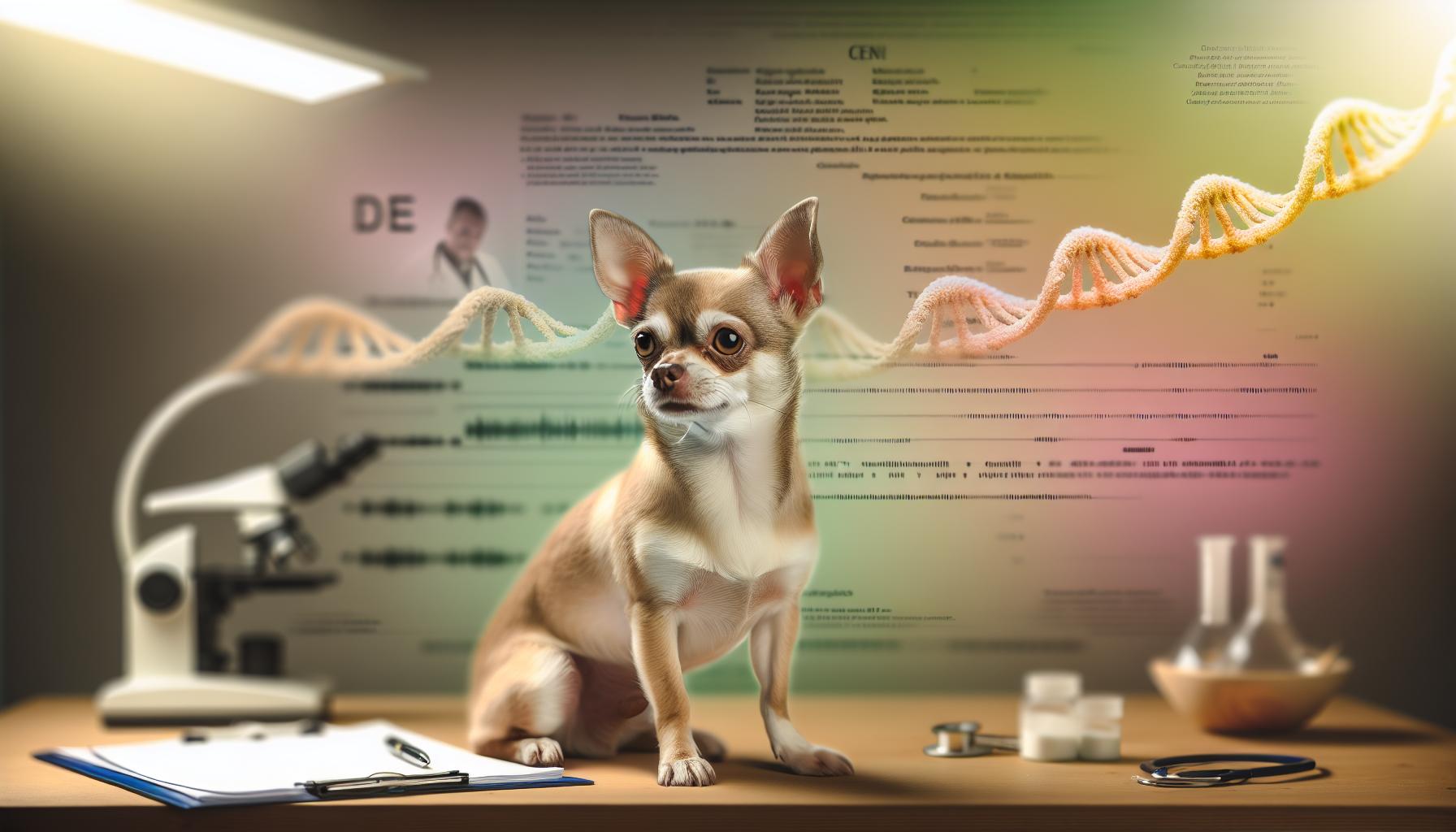
Essential Care Practices for a Healthy Chihuahua
Caring for your Chihuahua involves more than just love and cuddles; it requires a tailored approach that addresses their unique needs as a breed. These tiny dynamos, often bursting with energy, have specific healthcare requirements that can help them thrive well into their golden years. Over time, you’ll find that establishing a routine and understanding your furry friend’s quirks can pave the way for a happy, healthy life.
Chihuahuas are known for their close-knit bond with their owners, and this attachment can sometimes lead to anxiety if they’re left alone for too long. To minimize stress, ensure that your Chihuahua has a safe space to retreat to, filled with their favorite toys or blankets. Incorporating short play sessions throughout the day can help keep their mind stimulated and their body active. Consistency is key; establish a schedule for meals, walks, and playtime to create a sense of security for your little companion.
Regular grooming is vital, especially for long-haired Chihuahuas, who can suffer from mats and tangles if not properly maintained. A good brushing session a couple of times a week not only keeps your dog looking fabulous but also allows you to check for any unusual lumps or skin irritations that might need a vet’s attention. Remember, a clean coat reduces the risk of skin infections and promotes overall skin health.
Dental care is another essential part of your Chihuahua’s health regimen. These petite pups are prone to dental issues, so brushing their teeth regularly is significantly beneficial. Start by introducing them to the toothbrush gradually, using dog-friendly toothpaste to make it a positive experience. Schedule routine dental check-ups with your veterinarian to catch any signs of periodontal disease early on, ensuring those lovable barks remain healthy and free of pain.
Your Chihuahua’s nutrition plays a vital role in their well-being as well. Opt for high-quality dog food that suits their specific life stage, whether they’re a sprightly puppy or a wise senior. Pay close attention to portion sizes and consider the benefits of supplements like omega fatty acids for coat health or joint support, especially if your pup shows signs of orthopedic problems.
By implementing these essential care practices, you’re not only enhancing your Chihuahua’s life but also deepening the incredible bond you share. Each wag of their tiny tail is a testament to the loving care you provide, and as a devoted Chihuahua owner, you hold the key to their happiness and health.
Nutrition Tips for Optimizing Your Chihuahua’s Health
Chihuahuas are small dogs with big personalities, and their diet plays a crucial role in maintaining their energy levels and overall health. A balanced diet can prevent common health issues that may arise in this breed, including obesity, dental problems, and heart disease. As a dedicated Chihuahua owner, you’ll want to ensure your little companion receives nutrient-rich food that supports his unique needs.
Start by choosing high-quality dog food specifically formulated for small breeds. These formulas typically contain optimal protein levels, healthy fats, and appropriate calorie counts tailored to their metabolism. Look for ingredients like real meat as the first ingredient, along with fruits and vegetables for essential vitamins and minerals. Always avoid foods with fillers, artificial preservatives, or excessive grains, as they can lead to weight gain and digestive issues.
In addition to providing proper nutrition, consider the portion sizes carefully. Chihuahuas have tiny stomachs, so it’s essential to measure their food to avoid overfeeding. A common recommendation is to feed small meals two to three times a day to keep their energy steady and prevent hunger-related anxiety. For example, if your Chihuahua tends to beg for food or look for snacks between meals, try offering healthy treats such as carrot sticks or green beans. These low-calorie options can satisfy their curiosity and love for food without adding extra weight.
Pay attention to specific health needs as well. For instance, some Chihuahuas might benefit from supplements, such as omega-3 fatty acids, which promote healthy skin and a shiny coat, especially for long-haired types. Speak with your veterinarian about whether your dog might require joint support supplements, particularly if he shows early signs of mobility issues due to his small size and predisposition to certain health challenges.
Finally, always keep fresh water available and encourage your Chihuahua to stay hydrated, especially if he is active. This simple habit helps maintain kidney function and overall well-being. By providing well-balanced meals and being mindful of his dietary needs, you’re setting the stage for a long, vibrant life filled with the energy, loyalty, and exuberance that only a Chihuahua can bring.
The Importance of Regular Vet Check-ups
Regular vet check-ups for your Chihuahua are not just routine; they are essential for ensuring a long and healthy life for your little companion. These tiny dogs, often packed with larger-than-life personalities, come with specific health considerations that are best managed through preventative care. Many health issues can be subtle in Chihuahuas, making routine visits crucial for early detection and intervention.
During these check-ups, your veterinarian will assess your Chihuahua’s overall health, including weight, dental health, and heart function. Chihuahuas are prone to dental problems, which can lead to bigger health issues if left untreated. Regular professional cleanings can keep their pearly whites in check, maintaining not just their smile but also their internal health since poor dental hygiene can affect their heart and kidneys. Moreover, your vet can provide vaccination updates to protect against common canine diseases, ensuring your pup stays safe and healthy.
It’s important to ask questions during your visit. If your Chihuahua has any peculiar habits or behavioral changes, your vet can provide guidance tailored to his needs. Whether it’s about his barking habits, dietary concerns, or exercising needs, consulting with a professional can help you make informed decisions. Keep a note of any signs or symptoms you’ve observed at home-this information can be incredibly valuable during consultations, leading to better diagnostic outcomes.
Lastly, consider establishing a routine involving check-ups every six months for your Chihuahua, especially as he ages. Senior Chihuahuas may require more frequent visits to monitor for common age-related conditions such as arthritis or heart disease. By prioritizing these visits, you are not only helping to catch potential health issues before they escalate but also reinforcing the bond of trust between you, your veterinarian, and your precious pup. Regular check-ups are a proactive step that can enhance your Chihuahua’s quality of life immensely.
Signs Your Chihuahua Might Be Unwell
When it comes to Chihuahuas, it’s essential to stay attentive to their health. These charming little companions may be small, but they often possess strong personalities that can mask subtle signs of illness. Being proactive in recognizing when your Chihuahua might be feeling under the weather can make all the difference in ensuring a swift response and treatment. Here are some common signs that your Chihuahua may not be at their best.
One of the first indicators to look for is changes in appetite. If your Chihuahua suddenly refuses food or treats they typically relish, this can signal discomfort or illness. Similarly, an increase in thirst or changes in drinking habits should not be ignored. Pay attention to their energy levels as well; a normally playful and spirited Chihuahua that is lethargic or unusually withdrawn may be trying to communicate that something is amiss.
Another critical sign to watch for is alterations in their bathroom habits. This could include diarrhea, frequent urination, or straining to relieve themselves, which can indicate various health issues ranging from infections to more serious underlying conditions. You might also notice changes in behavior; excessive barking, aggression, or clinginess can all be signs that your darling is feeling stressed or uncomfortable.
Physical symptoms can also provide clues. Look for unusual coughing, sneezing, or nasal discharge, which may suggest respiratory infections. If you observe vomiting or any signs of pain-like flinching when touched, hiding, or a reluctance to move-it’s time to consult your veterinarian. Chihuahuas, particularly those with common breed-specific health issues, can be at risk for conditions such as patellar luxation or heart disease, so being attuned to their typical behavior is crucial.
When observing your Chihuahua, consider keeping a little notebook. Record any changes in behavior, appetite, or bathroom habits to discuss with your vet. Consultations are invaluable, especially if you can provide specific examples of what’s changed. By staying vigilant and responsive, you’re not just enhancing your Chihuahua’s quality of life but also ensuring that your beloved companion gets the help needed as soon as possible. Maintaining a keen eye on the signs can lead to a happier, healthier, and longer life for your tiny friend.
Mental and Emotional Wellness for Chihuahuas
Building a strong bond with your Chihuahua goes far beyond basic care; it deeply involves nurturing their mental and emotional wellness. Chihuahuas are known for their vibrant personalities-often fearless despite their tiny size-and fostering this aspect of their nature is crucial for their happiness. These little companions thrive on love and attention, so understanding their emotional needs can create a stable and nurturing environment.
One essential way to support your Chihuahua’s mental health is through consistent social interaction. They can be quite vocal and may express their feelings through barking when they feel anxious or bored. Regularly engaging in playtime, whether it’s a spirited game of tug-of-war or a gentle cuddle session, not only strengthens your bond but also provides mental stimulation that can alleviate anxiety. Additionally, consider exposing your Chihuahua to new experiences-like short trips in the car, visits to dog-friendly cafes, or playdates. This variety helps them become more adaptable and reduces the likelihood of behavioral issues stemming from fear or uncertainty.
Chihuahuas are particularly sensitive to their human’s moods and can easily pick up on stress or anxiety in their owners. Thus, it’s important to maintain a calm and positive atmosphere at home. Implementing routines, such as predictable feeding times and walks, can help your Chihuahua feel secure and more at ease in their environment. Positive reinforcement training also plays a vital role in emotional well-being by enhancing their confidence; rewarding them for good behavior builds trust and encourages them to continue learning.
In terms of understanding your Chihuahua’s unique personality traits, remember that each dog is different. For example, some may be naturally more social, while others might prefer quiet, one-on-one time with you. It’s important to respect these preferences-simply acknowledging her individuality allows you to tailor experiences that cater to her emotional needs. Consider setting aside a few minutes each day for one-on-one time where she receives your undivided attention-such moments go a long way in reinforcing trust and companionship.
Maintaining a focus on your Chihuahua’s emotional wellness not only enhances her quality of life but also ensures that you strengthen the bond that makes your relationship so special. With patience, understanding, and love, you’ll create an environment where your little friend can thrive both mentally and emotionally.
How to Manage Weight in Chihuahuas
Managing a Chihuahua’s weight can feel like walking a tightrope-easy to tip either way! These little dynamo dogs, often weighing under six pounds, are prone to weight gain due to their small size and slower metabolisms. However, keeping your Chihuahua at a healthy weight is crucial to their overall well-being, longevity, and energy levels.
Establishing a balanced diet is your first step. Look for high-quality dog food that specifies meat as the primary ingredient and contains wholesome grains and vegetables. It’s essential to control portion sizes; given their small stature, it’s easy to overfeed. Use a measuring cup to ensure you’re giving the right amount based on their age, activity level, and specific dietary needs. Treats can be a slippery slope; keeping them to about 10% of your dog’s daily caloric intake will help maintain balance. Opt for low-calorie treats, like carrots or small pieces of apple, which satisfy without adding too many extra calories.
Regular exercise is equally important. While Chihuahuas may not require extensive workouts, they thrive on daily walks and playtime. Engage your little one with short walks or interactive play sessions that stimulate both their bodies and minds. Chihuahuas are natural explorers; letting them sniff around during walks can be enriching and helps burn off excess energy. Consider activities they enjoy, like fetch or even agility training, which keeps things fun and interesting.
Monitor their weight consistently. A small scale can be a game changer for early detection of weight gain. Regular vet visits will also help you track changes while providing professional advice tailored to your dog’s specific needs. Watch for changes in their body shape; ideally, you should be able to feel their ribs, but they shouldn’t be visible. Lastly, if your Chihuahua is leaning towards the fluffier side, don’t hesitate to create a weight loss plan with your vet.
Achieving and maintaining a healthy weight in your Chihuahua isn’t just a matter of aesthetics; it’s about enhancing their quality of life. With love, patience, and a little discipline, your vibrant companion can remain energetic and healthy, ready to take on the world-one tiny step at a time!
Chihuahua Lifespan: What Influences Their Longevity?
The average lifespan of a Chihuahua typically ranges from 12 to 20 years, which is remarkably long compared to many other breeds. This longevity can be influenced by several critical factors, and as a proud Chihuahua owner, understanding these can greatly enhance your furry friend’s quality of life. A combination of genetics, lifestyle choices, and regular veterinary care play pivotal roles in how long your beloved companion will be by your side.
Genetic Factors
Chihuahuas possess unique genetic traits that can affect their longevity. For instance, they are less prone to certain hereditary diseases found in larger breeds. However, some genetic predispositions can pose health risks. Common issues include patellar luxation and heart problems like mitral valve disease, particularly in older Chihuahuas. Choosing a reputable breeder who screens for these conditions is essential when bringing home a new puppy.
Nutrition and Weight Management
Proper nutrition significantly impacts your Chihuahua’s lifespan. A balanced diet tailored to their size and activity level prevents obesity, one of the leading causes of health issues in small breeds. Feeding them high-quality dog food with real meat as the first ingredient, and being mindful of portion sizes, fosters good health. Regular exercise, combined with a nutritious diet, helps maintain a healthy weight and keeps their hearts strong. Many owners find success with structured feeding schedules and healthy treats, such as carrot sticks or blueberries.
Routine Veterinary Care
Frequent check-ups with a veterinarian can help catch potential health concerns early on. Annual vaccinations, dental cleanings, and regular heartworm prevention will ensure your Chihuahua remains healthy. Some owners opt for pet insurance, which can alleviate financial stress during unexpected medical emergencies, further promoting proactive healthcare for their pets. Tracking their health, weight, and any changes in behavior allows for timely interventions when necessary.
Environment and Emotional Well-being
Lastly, a loving environment greatly influences the emotional health of a Chihuahua. These little dogs thrive on companionship and can become anxious or depressed if left alone for long periods. Engaging them mentally and physically, whether through play, training sessions, or simple companionship, is vital. After all, a happy Chihuahua often leads to a longer life filled with joy and companionship.
By focusing on these key aspects-genetics, diet, healthcare, and emotional well-being-you not only enhance your Chihuahua’s lifespan but also ensure they lead a vibrant and fulfilling life alongside you. Celebrate their quirks, keep them healthy, and enjoy the years ahead!
Preventive Measures for Chihuahuas’ Health Challenges
Chihuahuas may be small, but their health is a big deal! As proud owners of this spirited breed, understanding preventive measures can significantly enhance their quality of life. Chihuahuas are particularly prone to certain health challenges, but with vigilant care, many issues can be mitigated or avoided altogether.
One essential preventive strategy lies in regular veterinary visits. These small dogs can benefit greatly from biannual check-ups, which allow veterinarians to monitor their health and catch any issues early. During these visits, make sure to discuss dental health, as Chihuahuas are notorious for dental problems. Daily tooth brushing and professional cleanings can prevent serious conditions-so get your pup habituated to this early on! Additionally, staying updated on vaccinations and flea/tick prevention is key, especially considering their sensitive size.
Nutrition also plays a crucial role in health maintenance. Providing a balanced diet that consists of high-quality dog food tailored to their specific needs is vital. Since Chihuahuas tend to be prone to obesity, it’s important to control portions and limit treats. Opt for healthy alternatives such as small carrot sticks or blueberries as rewards. Regular exercise is essential too; short yet frequent walks or play sessions can keep your Chihuahua both physically fit and mentally stimulated. Having an active routine will help stave off potential weight issues, which in turn can prevent joint problems and heart disease.
Finally, remember that mental and emotional health is just as important as physical well-being. Chihuahuas thrive on companionship and can become anxious if left alone for long periods. Providing them with toys, engaging training sessions, or even a cozy spot to curl up next to you can make a world of difference. Ensuring your Chihuahua feels secure and loved can encourage a longer, healthier life filled with joy. By adopting these preventive measures into your routine, you can enhance your Chihuahua’s wellbeing and create more cherished moments together.
Chihuahuas and Exercise: Finding the Right Balance
Chihuahuas may be small, but they possess a spirited energy that can put larger breeds to shame. Ensuring your little companion gets the right amount of exercise is crucial for his physical health, mental excitement, and overall happiness. Regular activity not only helps maintain a healthy weight but also mitigates the risk of conditions commonly associated with their breed, such as heart disease and joint issues. For instance, a Chihuahua that is regularly exercised is less likely to develop obesity-related problems, particularly since they have a tendency to gain weight easily.
To strike the perfect balance, aim for several short bursts of activity throughout the day instead of one long session. Typical routines can include quick neighborhood walks, playful sessions in the yard, or fun games like fetch or hide-and-seek inside the house. Chihuahuas thrive on their playful nature, so take advantage of his innate curiosity-incorporate agility toys or obstacles to keep things interesting. Keep an eye on his energy levels; if he wants to rest or seems overwhelmed, it’s crucial to take breaks to prevent exhaustion.
Types of Exercise Ideal for Chihuahuas
- Leashed Walks: Short walks (10-30 minutes) at a brisk pace help foster healthy cardiovascular function.
- Playtime: Interactive games not only burn energy but can strengthen your bond; consider toys that squeak or toys he can tug on.
- Socialization Outings: Visits to dog parks or playdates with other small dogs can enhance his social skills while providing crucial exercise.
Additionally, consider the weather when planning outdoor activities. Chihuahuas can be sensitive to extreme temperatures-too hot or too cold. Providing indoor alternatives, like chasing a laser pointer or playing tug-of-war, can be beneficial on days when outdoor exercise isn’t feasible.
Always be mindful of your Chihuahua’s individual preferences. Some may prefer chasing toys, while others enjoy snuggling after a brief play session. Understanding these likes and dislikes is key to creating an exercise routine that suits both his physical needs and his personality. After all, these little ones are full of zest for life and require consistent engagement from their humans to thrive.
Breed-Specific Diseases Every Owner Should Know
Despite their small size, Chihuahuas come with bold personalities and a unique set of health challenges. This breed is particularly prone to certain genetic conditions that can affect their well-being throughout life. Understanding these potential health issues is paramount for every Chihuahua owner, whether you’re a seasoned enthusiast or new to the breed. Knowledge is your best ally in ensuring a long, healthy life for your tiny companion.
One of the most common health concerns among Chihuahuas is patellar luxation, where the kneecap dislocates from its normal position. This condition can range from mild to severe, and while some dogs may live comfortably with it, others might require surgical intervention. Pay attention to any limping or difficulty getting up after resting, as these can be signs of this condition.
Another prevalent issue is dentition problems. Chihuahuas often have overcrowded teeth due to their compact jaw structure, leading to dental disease if not properly cared for. Regular teeth brushing and dental check-ups can be beneficial in preventing serious health problems.
Additionally, these spirited pups are at risk for heart disease, particularly mitral valve disease, which can develop as they age. Symptoms such as coughing, difficulty breathing, or lethargy should prompt a visit to the vet. Regular check-ups are crucial in catching these conditions early.
Lastly, Chihuahuas are sensitive to temperature extremes, making them susceptible to hypothermia or overheating. Always monitor their environment, especially during walks or when they’re outdoors.
By staying informed and proactive about these breed-specific conditions, you can help ensure that your Chihuahua lives a vibrant, happy life. Regular vet visits, a balanced diet, and attentive care are essential steps in managing their health. Whether your Chihuahua is a sassy apple-head or a daring deer-head, your dedication plays a significant role in her overall well-being.
Frequently asked questions
Q: What are the most common health issues in Chihuahuas?
A: Chihuahuas are prone to several health issues, including dental problems, heart disease, and patellar luxation. Preventive care, such as regular dental cleanings and routine vet check-ups, can significantly improve their overall health. For more details, refer to the section on *common health issues* in the article.
Q: How long do Chihuahuas typically live?
A: Chihuahuas usually live between 12 to 20 years, depending on genetics and care. Providing a balanced diet, regular exercise, and routine veterinary care can help maximize their lifespan. For insights on factors affecting their longevity, check our section on *Chihuahua lifespan*.
Q: Can diet impact a Chihuahua’s health?
A: Yes, diet plays a crucial role in a Chihuahua’s health. Feeding them high-quality dog food that meets their nutritional needs can prevent obesity and various health issues. Explore our *nutrition tips* for more guidance on keeping your Chihuahua healthy through diet.
Q: What signs indicate that a Chihuahua is unwell?
A: Signs that your Chihuahua may be unwell include lethargy, loss of appetite, vomiting, or changes in behavior. Early detection through awareness of these signs can aid in prompt veterinary care. Read the section on *signs of illness* for detailed information.
Q: How does exercise affect a Chihuahua’s health?
A: Regular exercise is vital for a Chihuahua’s physical and mental health. It helps maintain a healthy weight and reduces behavioral issues. Finding the right balance of playtime and exercise is essential, as discussed in our *exercise* section.
Q: What preventive measures can be taken for Chihuahua’s health issues?
A: Preventive measures such as regular vet visits, vaccinations, and proper dental care can effectively manage health risks in Chihuahuas. Implementing these practices early can enhance their quality of life. Refer to our *preventive measures* section for more insights.
Q: Are Chihuahuas susceptible to genetic diseases?
A: Yes, Chihuahuas can be genetically predisposed to certain diseases like hydrocephalus and various heart conditions. Understanding their *genetic factors* can help owners take preventive actions. For more details on these diseases, check the relevant section in the article.
Q: What can I do to support my Chihuahua’s mental health?
A: Supporting your Chihuahua’s mental health involves providing stimulation through training, toys, and social interactions. Engaging them in activities that challenge their mind can prevent boredom and improve their overall well-being. More on this is available in our *mental wellness* section.
Key Takeaways
As you’ve learned about the health profile of Chihuahuas, it’s clear that this lovable breed has unique needs and characteristics that every owner should embrace. Remember, addressing health proactively through regular vet check-ups and a balanced diet is key to ensuring your tiny friend thrives. If you have any lingering questions or want to dive deeper into specific concerns like common health issues or diet tips, check out our articles on “Top Health Issues in Chihuahuas” and “Feeding Your Chihuahua: A Complete Guide.”
Don’t forget to share your thoughts and experiences in the comments below or subscribe to our newsletter for the latest insights and tips on caring for your Chihuahua. Together, let’s celebrate their vocal, loyal, and bold nature while ensuring they lead happy, healthy lives. Continue exploring, and give your Chihuahua the love and care he/she deserves!
Get our latest guides, news, and insights highlighted in your Google Search & AI Overviews.