
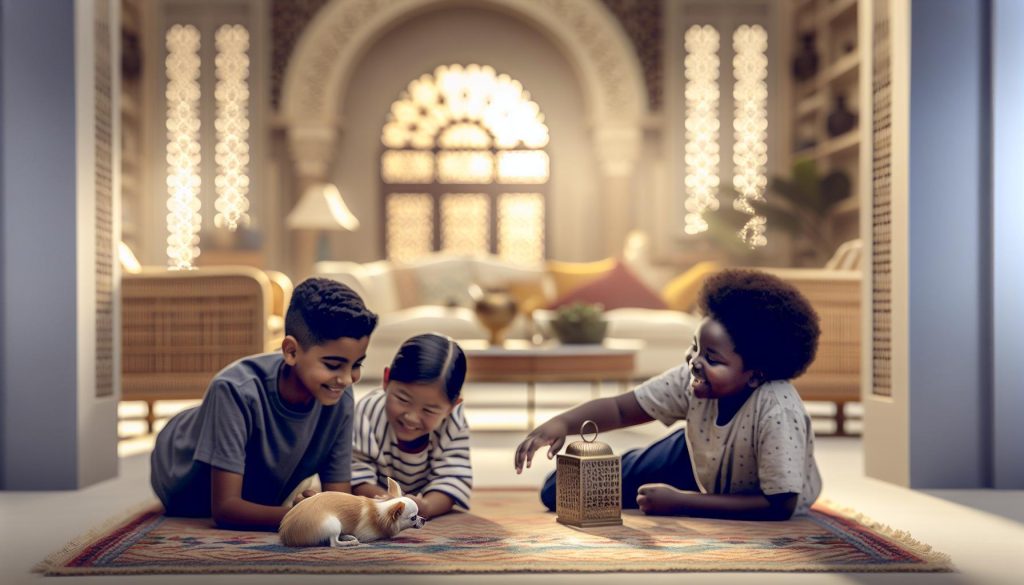
When considering a Chihuahua for your family, understanding their compatibility with children is crucial. Known for their bold personalities and unwavering loyalty, these tiny dogs can bring immense joy to family life. However, due to their small stature and unique temperament, not every Chihuahua is a match for young kids. This guide will delve into the safety aspects of having a Chihuahua in a household with children, highlighting key behaviors, potential challenges, and practical tips to ensure harmony between your family and your furry friend. By addressing common concerns and encouraging responsible pet ownership, we aim to help you make an informed decision that celebrates the lovable quirks of Chihuahuas while prioritizing the safety and happiness of everyone involved. Let’s explore what it takes to foster a delightful bond between your kids and this spirited breed!
Chihuahua Temperament: Understanding Their Nature with Kids
When considering bringing a Chihuahua into a home with kids, understanding the breed’s unique temperament is essential. Chihuahuas are renowned for their vibrant personalities, often displaying an intriguing mix of confidence and protectiveness. Their loyalty can sometimes manifest as a fierce attachment to their owners, leading them to act as guardians, even from the smallest perceived threats. This instinct, while adorable, can also lead to anxiety or protective behavior, particularly around young children who may not always understand how to interact gently.
In family life, Chihuahuas thrive on companionship and engagement. They do best in environments where they are not isolated but rather included in family activities. Their small stature can sometimes lead to misunderstandings; despite their size, these little dogs have big personalities that require just as much care and attention as larger breeds. It’s crucial to recognize that each Chihuahua has its own temperament based on genetics, environment, and early socialization experiences, so getting to know your specific dog is key.
Being aware of their sensitivity is vital when introducing them to children. Chihuahuas can be easily startled, so teaching kids to approach them calmly and respectfully is essential. Encouraging gentle interactions will help your Chihuahua feel secure and loved. Implementing structured playtime where both the child and the dog can engage in activities together, like interactive toys or simple commands, can foster a positive relationship.
Finally, patience is paramount. Gradual introductions, providing plenty of positive reinforcement during interactions, and creating a tranquil environment at home will help your Chihuahua feel comfortable and confident. By nurturing this bond, families can enjoy the delightful quirks that Chihuahuas bring while ensuring a safe and harmonious environment for both kids and dogs alike.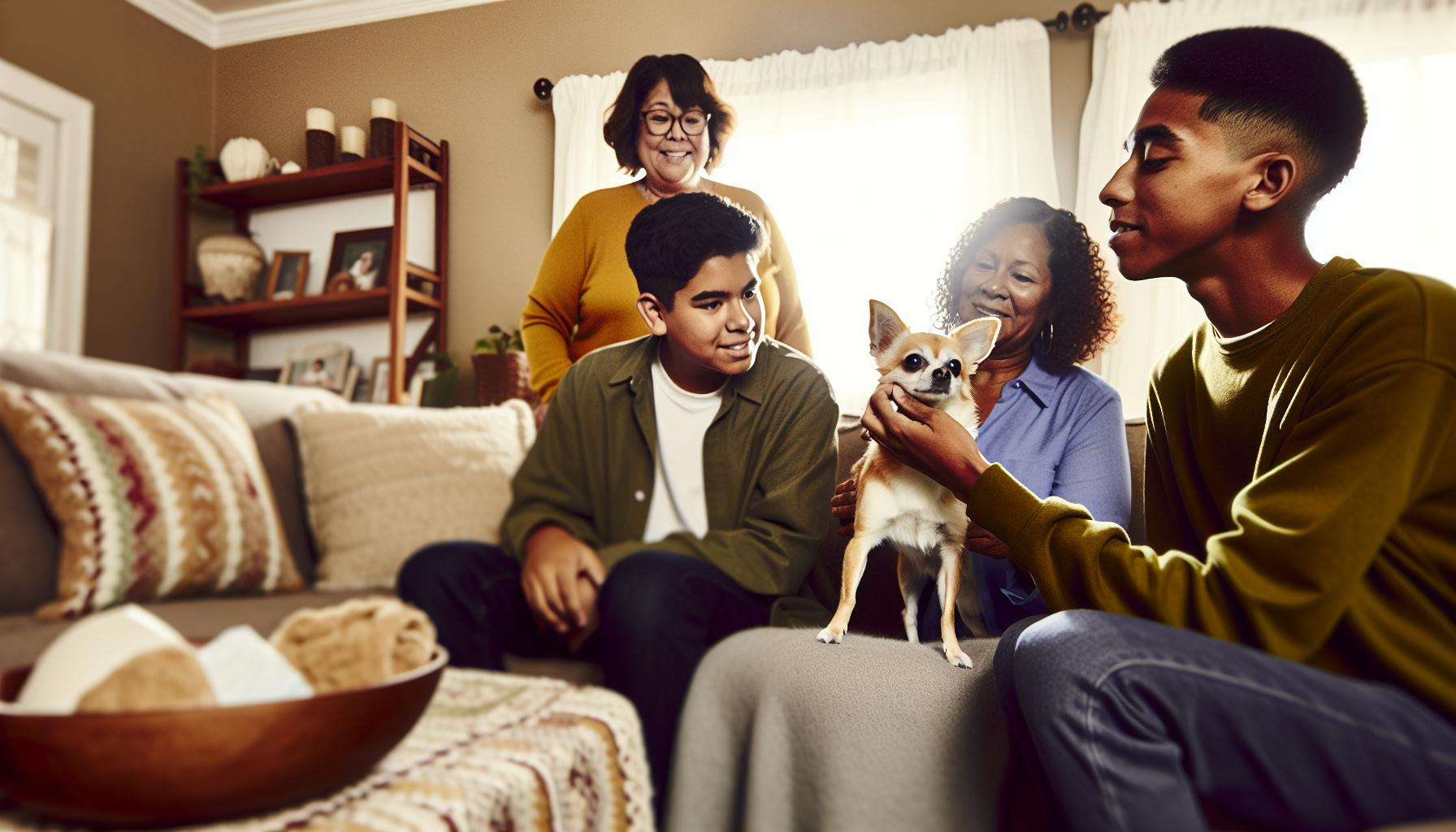
Socialization Tips: Preparing Your Chihuahua for Family Life
Bringing a Chihuahua into a home with children can be a rewarding experience filled with joy and companionship, but proper socialization is crucial. Chihuahuas, known for their bold and spunky personalities, can flourish in a family setting if introduced to kids with care and thoughtful preparation. These little dogs may be petite, but their needs for interaction and comfort are just as significant as those of larger breeds. Ensuring your Chihuahua is well-socialized helps pave the way for harmonious living alongside children.
One of the key aspects of socializing your Chihuahua is early exposure to different environments and people. Start small-let your pup explore safe areas around your home and gradually increase exposure to new sounds, sights, and smells. For instance, introduce your Chihuahua to children who are calm and gentle first. Observe how he reacts in these situations and reward him with praise or treats when he remains comfortable. Making these early interactions positive sets the stage for future fun with more boisterous kids.
Another important factor is teaching kids proper behavior around your Chihuahua. Explain to your children the importance of approaching her slowly and calmly to avoid startling her. Kids should be encouraged to use a soft voice when interacting and to respect her space, especially when she is resting. You can role-play with your children how to ask permission before picking up the dog or how to recognize signs that she might want to be left alone. This nurturing behavior not only protects the Chihuahua but also teaches children empathy and respect for all animals.
Lastly, make sure to provide supervised interactions regularly. Create structured playtime where both your Chihuahua and your kids can engage in games like fetch or chase, using toys that are safe for small dogs. Keep these sessions short and sweet, allowing your Chihuahua to take breaks as needed. This helps her associate fun experiences with the kids while reinforcing positive socialization. With patience and consistent effort, your home can be a joyful haven where both your Chihuahua and your children thrive together.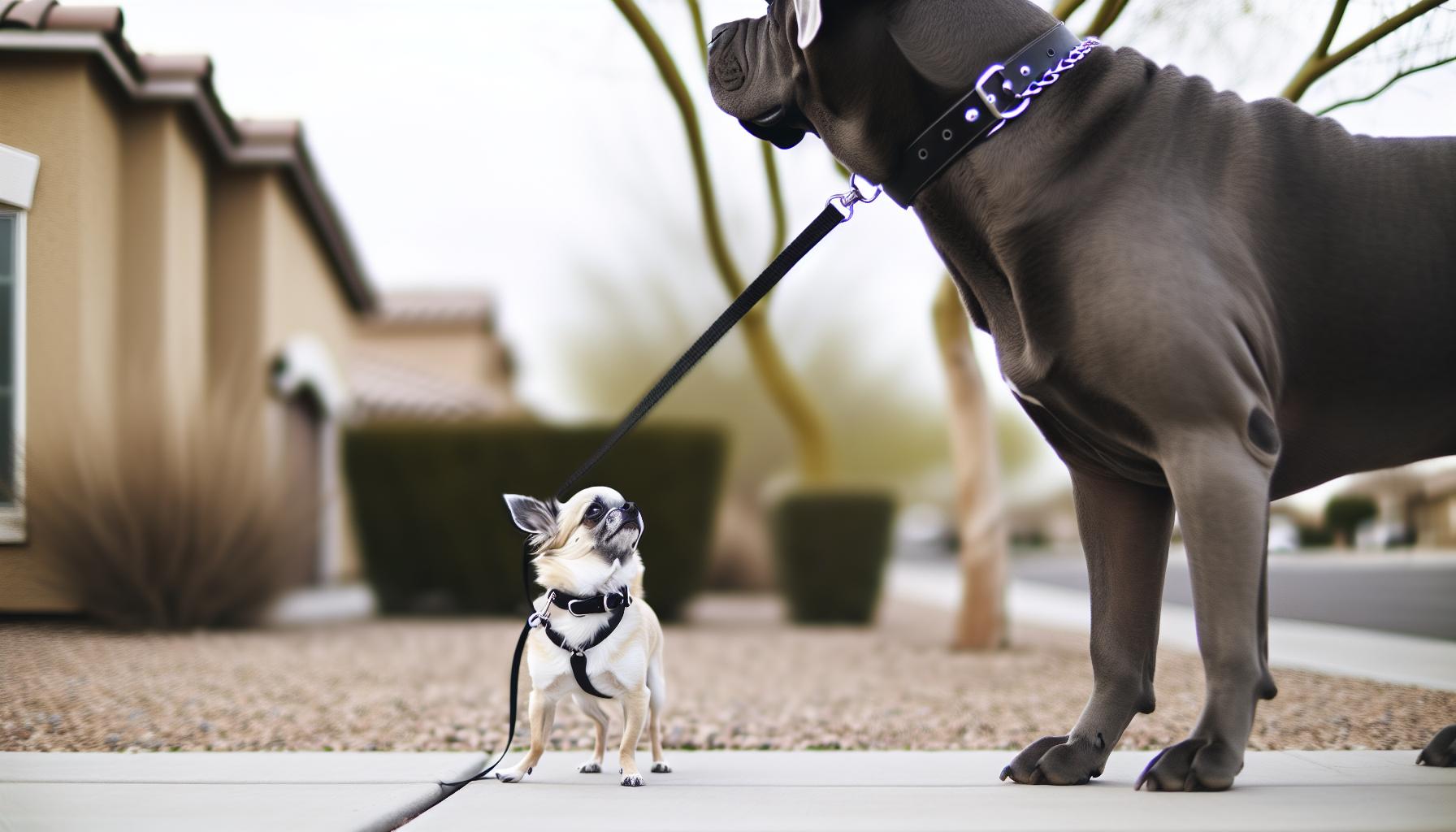
Size Matters: How a Chihuahua’s Small Stature Affects Interaction
Bringing a Chihuahua into a home with children can be a joy, but their small size brings unique considerations that every family should keep in mind. Chihuahuas, typically weighing between 2 to 6 pounds, are tiny compared to most household pets. This petite stature makes them particularly vulnerable during playtime with young kids who may not fully grasp their fragility. It’s essential to establish safe interaction protocols to ensure that both your Chihuahua and your little ones enjoy happy, harmonious experiences together.
One of the most crucial points is to foster an environment where your Chihuahua feels secure. Children should be taught to approach her gently, using a calm voice and quiet demeanor to prevent startling her. When your child is too exuberant, it may inadvertently lead to a stressful situation for your Chihuahua. Observe her body language-if she seems restless or tries to retreat, it’s a sign that she may need a break. Encourage children to respect these boundaries. For example, a simple game where your child tosses a soft toy can be great fun, but only if they remain mindful about your Chihuahua’s comfort and need for rest.
To create safe interactions, consider establishing specific zones where your Chihuahua can retreat when she feels overwhelmed. This might be a comfy bed or a crate in a quiet spot away from energetic play. Teach your children the concept of “quiet time”-a practice where everyone gives your Chihuahua a little space when she finds a cozy spot. Implementing these routines not only protects your little dog but also fosters a sense of responsibility and empathy in your children.
Lastly, it’s essential to supervise all interactions, especially with younger kids. Create opportunities for supervised play that are constructive and fun. Short, engaging sessions of fetch or gentle tug-of-war with a soft toy can reinforce healthy play while keeping your Chihuahua safe. Remember, her small size means she will tire more quickly than larger breeds, so always watch for signs of fatigue. Encouraging an understanding of these dynamics will help cultivate a loving bond between your Chihuahua and your family, allowing everyone to flourish in a joyful environment.
Chihuahua Behavior: Signs of Stress Around Children
Being small and spirited, Chihuahuas often express their emotions vividly, making it essential for families with children to recognize signs of stress around their tiny companions. Understanding these behaviors can prevent unpleasant situations and ensure that both your Chihuahua and your children coexist happily. Chihuahuas are wonderfully loyal and bold; however, their petite size and sensitive nature make them particularly vulnerable in lively households.
It’s vital to keep an eye on your Chihuahua’s body language. Signs of stress can manifest in various ways:
- Retreating: If your Chihuahua seeks out a quiet corner or tries to escape a situation, it’s a clear indication that she’s feeling overwhelmed.
- Tense body posture: Look for a stiffened body or an arched back. These are common signs of anxiety and discomfort.
- Excessive barking: While Chihuahuas are naturally vocal, a sudden increase in barking can signal that something is bothering her.
- Tail position: A tucked tail is a classic sign of fear. If your Chihuahua holds her tail low or between her legs, allow her some space.
- Panting or drooling: These can be signs of stress, especially if it occurs without physical exertion or heat.
Recognizing these signs is just the beginning; you can take practical steps to help ease your Chihuahua’s stress around children. For instance, teaching your kids how to read their puppy’s cues is crucial. Encourage them to approach her quietly and to respect her comfort zones. You might also establish regular ‘quiet time’ where your Chihuahua can rest undisturbed.
Creating a safe haven is also beneficial; a cozy bed or a designated room can be her retreat when the noise level rises. Involving your children in caring for the Chihuahua can foster a stronger bond, teaching empathy and responsibility. For instance, they can help with feeding or gentle playtime when she’s in a more playful mood.
By recognizing and responding appropriately to stressful signs in your Chihuahua, your family can enjoy a rewarding relationship filled with love and understanding. Each Chihuahua has her own personality quirks, and with a little care, you can ensure that every family member feels safe and happy.
Teaching Kids: Safe Ways to Interact with Your Chihuahua
Chihuahuas are tiny, spirited bundles of joy, and with the right guidance, your children can learn to interact safely and lovingly with these feisty companions. Kids should be made aware that their small size can make them feel vulnerable in a bustling environment. It’s essential to foster a gentle and respectful approach toward your Chihuahua to ensure both her safety and the happiness of your family.
Start by teaching your children how to approach your Chihuahua calmly and quietly. Encourage them to crouch down to her level rather than towering over her, which can be intimidating. Explain the importance of letting her come to them first; this empowers her to feel safe while getting accustomed to their presence. For instance, allow your children to hold out a hand with a treat, encouraging your Chihuahua to approach at her own pace. This reinforces positive interactions and can build her confidence.
It’s also crucial to establish boundaries. Guide your kids in understanding when the Chihuahua needs space-recognizing her resting or retreating behavior is vital. Create zones where the Chihuahua can feel secure, such as a designated bed or a quiet room. Teach your children to respect these areas, showing that if she retreats, it’s best to give her space.
Engaging in interactive play is a wonderful way for your kids to bond with their Chihuahua. Choose toys appropriate for her size-soft plush toys or tug ropes that are easy for her to handle. Encourage gentle games like fetch or hide-and-seek where they can practice commands like “come” or “sit.” This not only nurtures a loving relationship but also reinforces basic training principles.
To further enhance harmony in your home, make learning fun! Use role-playing to teach your kids the dos and don’ts of interacting with their new friend. For example, you might act out a scenario where the Chihuahua is feeling overwhelmed, prompting them to recognize the signs and respond appropriately. Such activities can not only educate your children but also deepen their empathy toward their tiny companion.
By fostering education around safe interactions, you can help your Chihuahua thrive in a household filled with love and laughter, creating a joyful environment for both your children and your playful little friend.
Health Considerations: Common Issues with Chihuahuas and Kids
Chihuahuas are adored for their vibrant personalities, but their small size can also make them more susceptible to certain health concerns, especially in busy family settings. Understanding these issues is essential for ensuring a harmonious and safe environment for both your Chihuahua and your kids. From dental problems to hypoglycemia, being aware of potential health challenges can greatly enhance the well-being of your pet while fostering a loving relationship with your family.
One common concern with Chihuahuas is dental health. Their small mouths often lead to overcrowding, which can cause tartar buildup and dental disease. It’s important to establish a dental hygiene routine early on. Regular brushing, offering dental chews, and scheduling professional cleanings with your veterinarian can prevent painful conditions. Teach your children how to gently handle your Chihuahua’s mouth during brushing sessions. Make it a fun activity by rewarding her with praise or treats afterward!
Another health issue to consider is hypoglycemia or low blood sugar, which can be particularly pronounced in smaller breeds like Chihuahuas. This can result from factors such as stress, skipping meals, or strenuous activity. Signs may include lethargy, weakness, or even fainting. Make sure your children understand the importance of offering small, frequent meals and never skip feeding times. Keep an eye out for symptoms for peace of mind during playtime to ensure your Chihuahua stays healthy and happy.
In addition, be aware of common injuries related to the Chihuahua’s small size. Their fragile bones make them susceptible to fractures or injuries if mishandled or dropped. Encourage your kids to be gentle and aware of their strength during play. Designate specific areas in the house where your Chihuahua can roam freely, reducing the chances of accidents. Investing in a safety harness for walks can also protect her little frame during outdoor adventures.
By keeping these health considerations in mind, you can help your Chihuahua thrive in a family environment. Regular veterinary check-ups, awareness of her unique health needs, and empathetic handling by your children will create a positive atmosphere of care and respect. With the right approach, your vibrant pooch can enjoy a long, healthy life filled with love and fun alongside your family.
Positive Reinforcement: Training Your Chihuahua for Harmony
To foster a loving relationship between your Chihuahua and your kids, utilizing positive reinforcement during training can be a game changer. Chihuahuas thrive on attention and affection, making them receptive to reward-based training methods. From treats and praises to playful interactions, reinforcing good behavior not only strengthens your bond but also helps your little companion feel secure in their home environment.
Start by establishing a routine that incorporates short, fun training sessions. Chihuahuas have relatively short attention spans, so aim for 5-10 minute sessions a few times a day. Using their favorite treats or toys as rewards will motivate them to learn commands like “sit,” “stay,” or even tricks like “spin.” Celebrate every success with enthusiastic praise; your Chihuahua will learn that good behavior leads to positive outcomes.
When your children assist in the training process, it can create a wonderful sense of teamwork. Teach your kids to use a gentle tone and to reward their Chihuahua promptly when she responds well. This not only reinforces the behavior but also instills a sense of responsibility in your kids. For example, if your child asks the Chihuahua to “come” and she obeys, rewarding her with a treat and affection encourages her to keep following that command. Children learning to train their pet can foster respect and understanding of their Chihuahua’s needs and quirks.
Moreover, it’s crucial to address any signs of stress or discomfort your Chihuahua may show, especially during training or interactions with kids. If she seems overwhelmed, taking a step back can help both her and your children learn the importance of patience and understanding. Incorporating calm breaks can be beneficial, allowing her to recharge and ensuring that training stays a positive experience.
By consistently applying positive reinforcement, your Chihuahua not only learns commands but also thrives in a household where she feels loved and included. With love and patience from both kids and adults, Chihuahuas can flourish, showcasing their vibrant personalities in an atmosphere of harmony. Remember, it’s all about building a relationship based on trust and respect-your Chihuahua’s unique character will shine even brighter as she knows she’s cherished by her family.
Safety Protocols: Creating a Kid-Friendly Environment
Creating a harmonious living environment where a Chihuahua and children can cohabit peacefully is essential for fostering safety and enjoyment. These tiny pups, known for their bold personalities, thrive in secure surroundings that respect their boundaries and build trusting relationships. To ensure an enriching experience for both your Chihuahua and your kids, implementing a few thoughtful safety protocols is key.
Establish a Safe Space
Every Chihuahua benefits from having a designated safe space-a quiet area where she can retreat when feeling overwhelmed. This could be a cozy bed in a corner of the living room or a crate with her favorite toys. Encourage your children to recognize when the Chihuahua needs some alone time, reinforcing the understanding that everyone has their space. Teach them that when the Chihuahua retreats to her safe zone, it’s not just a sign of needing privacy but also an essential aspect of her emotional well-being.
Supervise Playtime
Always supervise interactions between your Chihuahua and children, especially during playtime. Chihuahuas, particularly those with a more timid temperament, can be easily startled by sudden movements or loud noises. Create a calm atmosphere during play sessions by setting guidelines for gentle interactions. Teach your kids to engage with their furry friend in ways that respect her boundaries, such as gentle petting and avoiding roughhousing that could lead to injuries.
Teach Respectful Interaction
Children must understand the importance of being gentle with their Chihuahua. Encourage them to avoid picking her up without permission, as this can be stressful for her. Instead, show them how to let the Chihuahua come to them on her terms. Practicing polite interaction can include simple commands like “sit” and “stay,” where children learn to reward the Chihuahua for listening with treats and praise, fostering a sense of teamwork and respect.
Handle Potential Risks
Ensure that your Chihuahua’s environment is child-proofed. Store potentially harmful items out of reach, such as cleaning supplies, small playthings that can be swallowed, and food that may not be safe for her. Additionally, teach your children not to disturb the Chihuahua while she’s eating or playing with her toys, as this can lead to stress and anxiety, potentially triggering defensive behavior.
Building a kid-friendly environment where your Chihuahua feels safe is a step toward a lasting and affectionate bond between them and your family. With patience and understanding, your kids will learn the beauty of companionship, while your Chihuahua revels in the love and attention of her human siblings. As a result, you’ll create a home filled with laughter, love, and precious moments shared between tiny paws and little hands.
Chihuahua Quirks: Embracing Their Unique Personalities
Chihuahuas are not just tiny companions; they’re vibrant bundles of personality that bring joy and enthusiasm into family life. Known for their bold demeanor, these dogs often believe they are larger than life, which can lead to some wonderfully amusing moments. This breed is famous for its vocal nature-be it barking at passersby or alerting you to a delivery truck, their barks carry a sense of pride. Understanding and embracing these quirks is essential for harmonizing interactions between your Chihuahua and your children.
One standout characteristic of Chihuahuas is their loyalty. They form incredibly strong bonds with their human companions, often following family members from room to room, eager to be part of the action. This affectionate nature can be a wonderful addition to familial environments, as children learn the value of companionship and loyalty by interacting with their furry friend. Nonetheless, it’s crucial to create a safe space where your Chihuahua can retreat if she feels overwhelmed-an aspect that proves invaluable when energetic kids approach.
Chihuahuas can exhibit a variety of quirky behaviors, from dramatic reactions to playful antics that will surely bring smiles. Some might develop a strange dislike of certain household items, like a vacuum cleaner or a loud toy, while others relish the chance to play dress-up or nap in the sun. For example, one owner shared how her Chihuahua loves to perch on the back of her couch like a little queen, surveying her kingdom-behavior easily mistaken for a cat! Embracing these unique mannerisms not only enriches family life but helps children appreciate the individuality of their Chihuahua.
To cultivate a harmonious bond, it’s essential to guide kids on how to respect and understand these quirks. Encourage gentle interactions, promoting the idea that your Chihuahua communicates her comfort and discomfort through her barks, body language, and actions. Teach your children to recognize signs of stress, such as her retreating to her safe space or her withdrawing from play. By fostering mutual respect and understanding between your Chihuahua and children, you cultivate not only a safe environment but a loving and uplifting home for everyone involved.
Choosing the Right Moments: When to Introduce Kids and Chihuahuas
When introducing children to your Chihuahua, timing is everything. Understanding the right moments can ensure both your child and your dog feel secure and happy. Chihuahuas may be small, but they have big personalities and can be a bit fragile. It’s essential to consider your pet’s temperament and energy level, as well as your child’s behavior and maturity.
One effective approach is to wait until your Chihuahua has settled into your home and established trust with you. This typically takes about a week or two, allowing your pup to acclimate to their new environment without the added excitement of children. Once your Chihuahua is comfortable, choose calm moments for the introduction, ideally when your dog is relaxed or sleepy. This reduces the risk of overstimulation and keeps stress levels low for everyone involved.
Consider your child’s age and understanding when planning this introduction. For toddlers and younger kids, it’s best to have them sit on the floor while you hold your Chihuahua, offering treats to ease the dog into this new interaction. This method helps to promote gentle curiosity rather than overwhelming excitement. In contrast, older children can be taught how to approach your Chihuahua slowly, demonstrating calm behavior and gentle petting.
As your child grows more familiar with your Chihuahua, supervise every interaction closely. Watch for any signs your dog may be uncomfortable, such as retreating, growling, or barking. For example, if you notice your Chihuahua retreating to their safe space, it’s time to step back and allow for a break. Recognizing these signals early on not only protects your Chihuahua but also teaches your children important lessons in empathy and respect for their furry friend.
By choosing the right moments for introductions and being attentive to the needs of both your child and Chihuahua, you can foster a warm and joyful relationship. These early interactions set the stage for a lifelong friendship, filled with love, laughter, and countless adorable moments.
Success Stories: Real Families Thriving with Chihuahuas and Kids
In families across the world, Chihuahuas are proving to be not just great companions but also cherished playmates for children. These tiny, vibrant dogs are full of personality, and many families have shared heartwarming stories of the joyful bonds formed between their Chihuahuas and kids. For instance, the Thompson family from California decided to adopt a Chihuahua named Bella after seeing how gentle she was with their daughter, Lily. Initially hesitant due to Bella’s small size, they quickly discovered that her boldness and affectionate nature made her an ideal playmate for Lily, who is five. They report that Bella has become Lily’s confidante and playmate, sharing in both quiet moments and energetic play, seamlessly integrating into their family dynamic.
One key to these success stories is understanding and respecting each family member’s temperament. Families like the Garcias, who have an active household, found that their Chihuahua, Max, thrived in an environment filled with energy and laughter. They emphasized the importance of creating safe spaces for Max-elevated beds and designated quiet zones-allowing him to feel secure while also enjoying interaction with the energetic kids. This thoughtful approach not only ensures Max’s well-being but also teaches the children vital lessons about empathy and respect for individual needs.
Moreover, success stories often highlight the commitment to training and socialization. The Nguyen family took proactive steps to involve their children, aged six and eight, in Max’s training, where they learned to give positive reinforcement for good behavior. This engagement helped the kids understand how to interact safely and compassionately with their Chihuahua. Parents noted that by including their children in the training process, both the kids and Max developed strong, trusting relationships that ensured everyone’s comfort during playtime.
In essence, families are discovering that with patience, respect, and an understanding of Chihuahua quirks-like their tendency to vocalize and explore-the relationship between these delightful dogs and children can be incredibly fulfilling. The playful yet protective nature of Chihuahuas often shines through, showcasing their loyalty and affection, even in the smallest packages. With the right approach, Chihuahuas can become beloved family members, creating a harmonious and joyous household where laughter and love abound.
Frequently Asked Questions
Q: Are Chihuahuas naturally protective of children?
A: Yes, Chihuahuas can be naturally protective of children in their family. Their loyalty and alertness make them vigilant companions. Proper socialization from a young age enhances this trait, allowing them to form strong bonds with kids while ensuring they feel secure in their environment.
Q: What age is best to get a Chihuahua for families with kids?
A: The best age to get a Chihuahua for families with children is ideally when the children are old enough to understand basic pet care and interaction. Typically, this is around 5-7 years old, ensuring they can follow guidelines for gentle handling and safe play with the dog.
Q: How can I help my Chihuahua adapt to young kids?
A: To help your Chihuahua adapt to young kids, gradual introductions are key. Start by allowing the dog to observe the children from a distance. Use positive reinforcement to create favorable associations. Supervised play sessions can help him feel comfortable and secure around kids.
Q: Are there specific breeds better than Chihuahuas for kids?
A: While Chihuahuas can be great with kids, breeds like Labrador Retrievers or Golden Retrievers are often recommended for families. These breeds are typically more robust and can handle rough play better. However, with proper training and supervision, Chihuahuas can thrive with children.
Q: What should I do if my Chihuahua shows signs of anxiety around kids?
A: If your Chihuahua shows signs of anxiety around kids, provide a safe space for him to retreat when feeling overwhelmed. Gradually desensitize him to kids by allowing controlled interactions. Consult a veterinarian or a professional trainer for guidance on addressing anxiety effectively.
Q: Can Chihuahuas get along with other pets in a household with children?
A: Yes, Chihuahuas can get along well with other pets in homes with children, especially if they are introduced properly. Post introductions, it’s important to supervise interactions to ensure safety and harmony for all pets, particularly during the first few weeks.
Q: How can I prevent injuries when kids play with Chihuahuas?
A: To prevent injuries during play, teach children how to interact gently with Chihuahuas. Always supervise playtime, enforce rules about noise levels, and ensure the Chihuahua has a quiet space to retreat to when needed. Educating kids on respecting the dog’s space is crucial.
Q: What are common behavioral issues Chihuahuas exhibit around kids?
A: Common behavioral issues Chihuahuas may exhibit around kids include nervousness, barking, and possessiveness over toys. Early socialization and teaching children how to properly engage with the dog can help alleviate these issues, promoting a peaceful environment for both.
The Conclusion
In conclusion, Chihuahuas can be wonderful companions for families with kids, bringing joy and loyalty into your home. Remember, their small size and vibrant personalities make them unique, but also require proper training and supervision to ensure harmony for everyone. Now that you understand the essentials of keeping Chihuahuas safe and happy around children, don’t hesitate to explore more about their specific needs, like grooming techniques or best training practices for positive behavior.
For further insights, check out our guides on “Essential Chihuahua Health Tips” and “Training Your Chihuahua: A Step-by-Step Approach.” And while you’re here, consider subscribing to our newsletter to stay updated on the latest tips for caring for your beloved pup. Your Chihuahua’s unique quirks-like their bold attitude and vocal nature-are part of what makes them special, and with the right approach, you’ll foster a lifelong bond that you won’t regret. Let’s keep the conversation going; share your thoughts or experiences in the comments!
Get our latest guides, news, and insights highlighted in your Google Search & AI Overviews.