

Chihuahuas, the tiny titans of the dog world, often surprise us with their bold personalities and fierce loyalty. However, their small size and spirited demeanor can sometimes raise questions about safety. Are Chihuahuas dangerous? This is a concern many potential owners have, especially first-timers who want to ensure they’re making the right choice for their home and family. Understanding the unique traits of Chihuahuas-like their vocal nature, protective instincts, and adaptability-can help clarify their behavior and prevent misunderstandings. By delving into the realities of owning a Chihuahua, you’ll learn how to navigate their quirks while ensuring a harmonious relationship between your little companion and the world around them. Keep reading to discover essential safety facts that every Chihuahua owner should know!
Are Chihuahuas Dangerous: Understanding Their Temperament and Behavior
Chihuahuas are often misunderstood, a misconception that stems from their small size and fierce personalities. Many people wonder if these tiny dogs are dangerous, and the truth is, like any breed, their behavior largely depends on their upbringing and socialization. Chihuahuas are known for being bold and confident, traits that can sometimes be mistaken for aggression. Their vocal nature can also give the impression of them being aggressive protectors. However, this loudness is often just their way of communicating their feelings or alerting their owners to potential threats.
Understanding a Chihuahua’s temperament is crucial for responsible ownership. They are loyal companions, often forming strong attachments to their humans, which can make them feel defensive. A well-adjusted Chihuahua is one who has been properly socialized from a young age, learning to trust other people and pets. Engaging them in positive reinforcement training can greatly reduce aggressive tendencies. It’s essential to expose your Chihuahua to various environments, sounds, and people to help them become confident adults rather than fearful or overprotective.
Moreover, some unique traits influence their behavior and interactions. Their small size does not equate to fragility; their hearts are big, and they often feel like they must defend themselves or their territory. Chihuahuas can be good family pets but require supervision around young children who might not yet understand how to interact gently with them. Ensuring that your Chihuahua feels safe and secure in their environment is key to preventing harmful behaviors. With proper care, patience, and understanding, these little companions can bring immense joy without compromising safety for themselves or others.
Unique Traits of Chihuahuas That Impact Safety
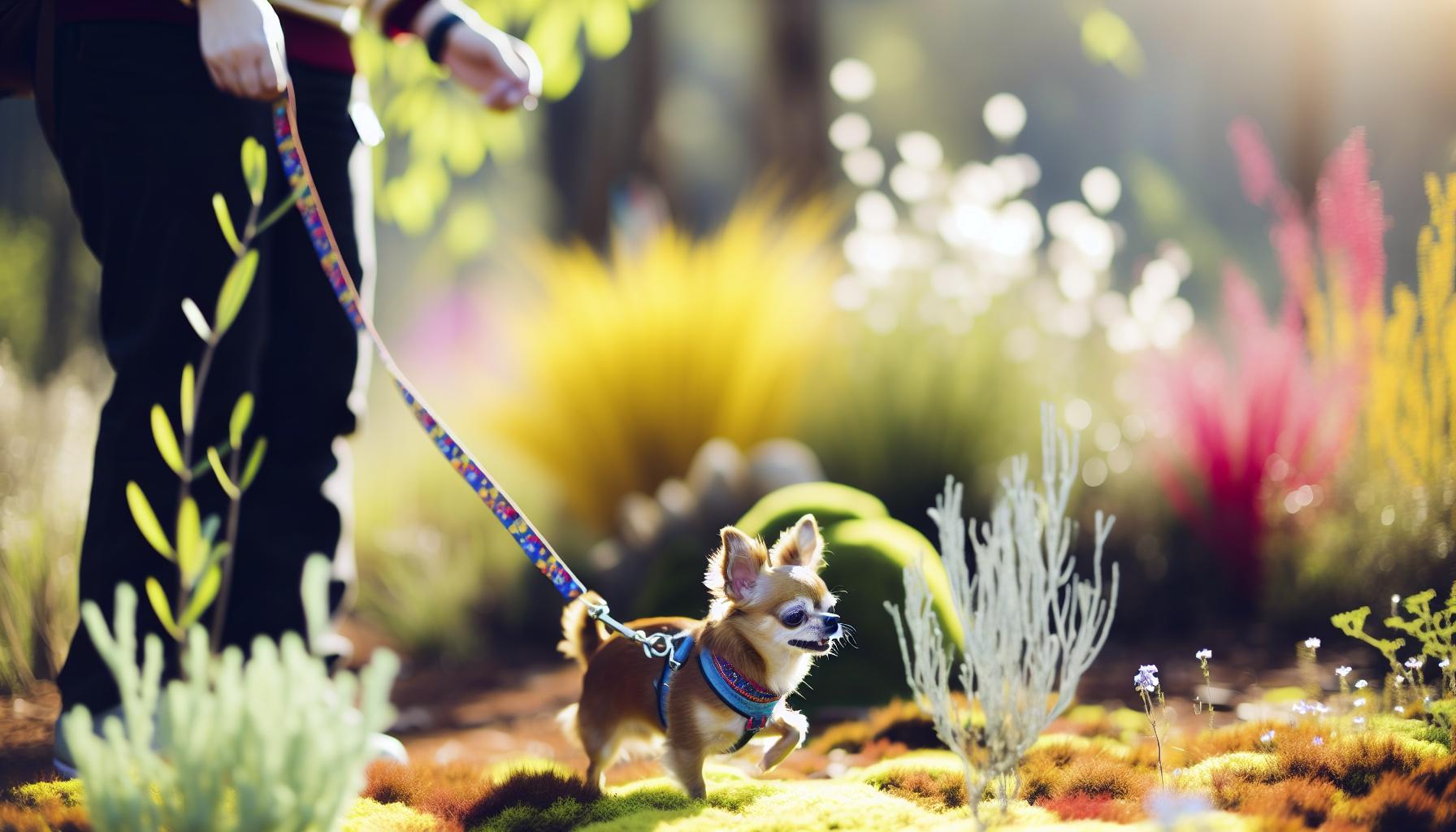
Chihuahuas may be small, but their personalities are anything but diminutive. Often characterized by their boldness and strong territorial instincts, their unique traits significantly impact how they interact with the world and, in turn, with people and other animals. Understanding these characteristics not only helps in fostering a safe environment but also enriches the bond between you and your tiny companion.
One striking feature of Chihuahuas is their remarkable loyalty. They form strong attachments to their owners, which can lead to protective behaviors when they sense a perceived threat. This sense of protectiveness, while endearing, can sometimes manifest as aggression if these dogs feel their territory or loved ones are in danger. Always remember that a Chihuahua’s bark can be far louder than their bite, and while they may seem fierce when alerting you to something odd, it often stems from love and a desire to keep you secure.
Additionally, their petite size often leads to misconceptions. Many people may underestimate a Chihuahua’s capabilities just because they are small; however, they embody a giant spirit. This conviction can make them less tolerant of larger dogs or even unfamiliar humans, which, if unaddressed, can lead to stress or defensive behavior. Socialization is crucial-all Chihuahuas should be exposed to various environments, sounds, and people from an early age to help mitigate overprotectiveness and anxiety.
To foster a safe atmosphere, ensure your Chihuahua has a secure, designated space that feels like their sanctuary. Supervision around small children is essential; children should be taught how to interact properly with a Chihuahua so that both parties remain comfortable and safe. Remember, Chihuahuas thrive in environments where they feel stable and supported. With the right care and attention, the strengths of your Chihuahua will shine, allowing you to enjoy the vibrancy and joy they bring without compromising safety.
Common Myths About Chihuahuas and Aggression

One of the most persistent misconceptions about Chihuahuas is that they are inherently aggressive just because of their feisty temperament. This stereotype is often reinforced by dramatic media portrayals and anecdotes of small dogs acting out. However, it’s important to understand that aggression in any dog, including Chihuahuas, is typically a result of fear, anxiety, or poor socialization, rather than an indication of their nature as a breed.
Chihuahuas have a reputation for being yappy and bold, which can be mistaken for aggression. Yes, they are vocal and may bark at unfamiliar faces or noises, but that’s part of their protective nature, not an aggression issue. Owners often find that the loud bark of a Chihuahua can be more alarming than their actual behavior. In reality, many Chihuahuas are friendly and affectionate companions. Socialization is key-the more your Chihuahua interacts positively with diverse people, animals, and environments, the more likely they are to develop confidence and less fear-based reactions.
Another common belief is that Chihuahuas are safe around young children because of their size. While they are small, their temperament can be delicate. Many will react defensively if they feel cornered or threatened. Proper supervision is crucial when Chihuahuas are around children. Teach your children to respect your Chihuahua’s space and feelings to avoid mishaps. Upbringing and exposure to various situations play significant roles in a Chihuahua’s behavior.
Finally, let’s debunk the myth that Chihuahuas will bite without warning. Biting is usually a last resort for them. Recognizing early signs of stress-like growling, snapping, or even just a tense body posture-can help you intervene before a situation escalates. Being attuned to your Chihuahua’s body language can help you create a more harmonious environment for both of you. Ultimately, experienced owners understand that with patience, guidance, and love, Chihuahuas can be delightful and well-adjusted pets.
How to Identify Signs of Stress in Your Chihuahua
Recognizing when your Chihuahua is stressed is crucial for ensuring her well-being. These tiny dogs have a rich emotional life, and their stress signals can be subtle yet highly indicative of their feelings. A stressed Chihuahua may exhibit changes in behavior that require an attentive owner to notice. Let’s explore some key signs of stress and how to respond appropriately.
Common Signs of Stress
It’s essential to be aware of your Chihuahua’s body language and vocalizations. Some common stress signals include:
- Tense Body Language: If your Chihuahua is rigid or her tail is tucked between her legs, she may be feeling anxious or threatened.
- Excessive Barking or Whining: While Chihuahuas are naturally vocal, a sudden increase in barking or whining can indicate stress.
- Avoidance Behavior: If she is hiding, avoiding eye contact, or attempting to escape a situation, these are clear signs she feels uncomfortable.
- Destructive Behavior: Chewing or scratching furniture can be a sign of stress, often stemming from boredom or anxiety.
For instance, a Chihuahua named Bella would often retreat to her favorite blanket when overwhelmed by loud noises. Her owner learned to recognize this behavior and would calmly encourage her to seek a quieter space, reducing her stress significantly.
Changes in Appetite and Bathroom Habits
Stress can also manifest in more subtle ways. Changes in appetite-either a sudden refusal to eat or overeating-can indicate emotional distress. Similarly, if your Chihuahua is experiencing accidents indoors or seems to be urinating excessively, it could be a sign of anxiety.
To illustrate, Max, a spirited 5-year-old Chihuahua, would sometimes lose interest in his meals when faced with visitors or chaotic environments. His owner found that providing a quiet feeding area away from distractions helped Max feel more secure during stressful times.
Managing Your Chihuahua’s Stress
Understanding these stress signals is the first step toward helping your Chihuahua feel safe. Here are a few strategies to create a calming environment:
- Safe Spaces: Designate a quiet area in your home where she can retreat when feeling overwhelmed.
- Routine: Maintain a consistent schedule for feeding, walks, and playtime to help her feel more secure.
- Positive Reinforcement: Reward calm behavior to encourage her to associate new situations with positive outcomes.
Being proactive about your Chihuahua’s emotional health will lead to a happier, more balanced pet. In time, as you familiarize yourself with her behaviors and adjust accordingly, stress-related incidents will become less frequent, allowing your bond to strengthen.
Socialization Tips for a Well-Adjusted Chihuahua
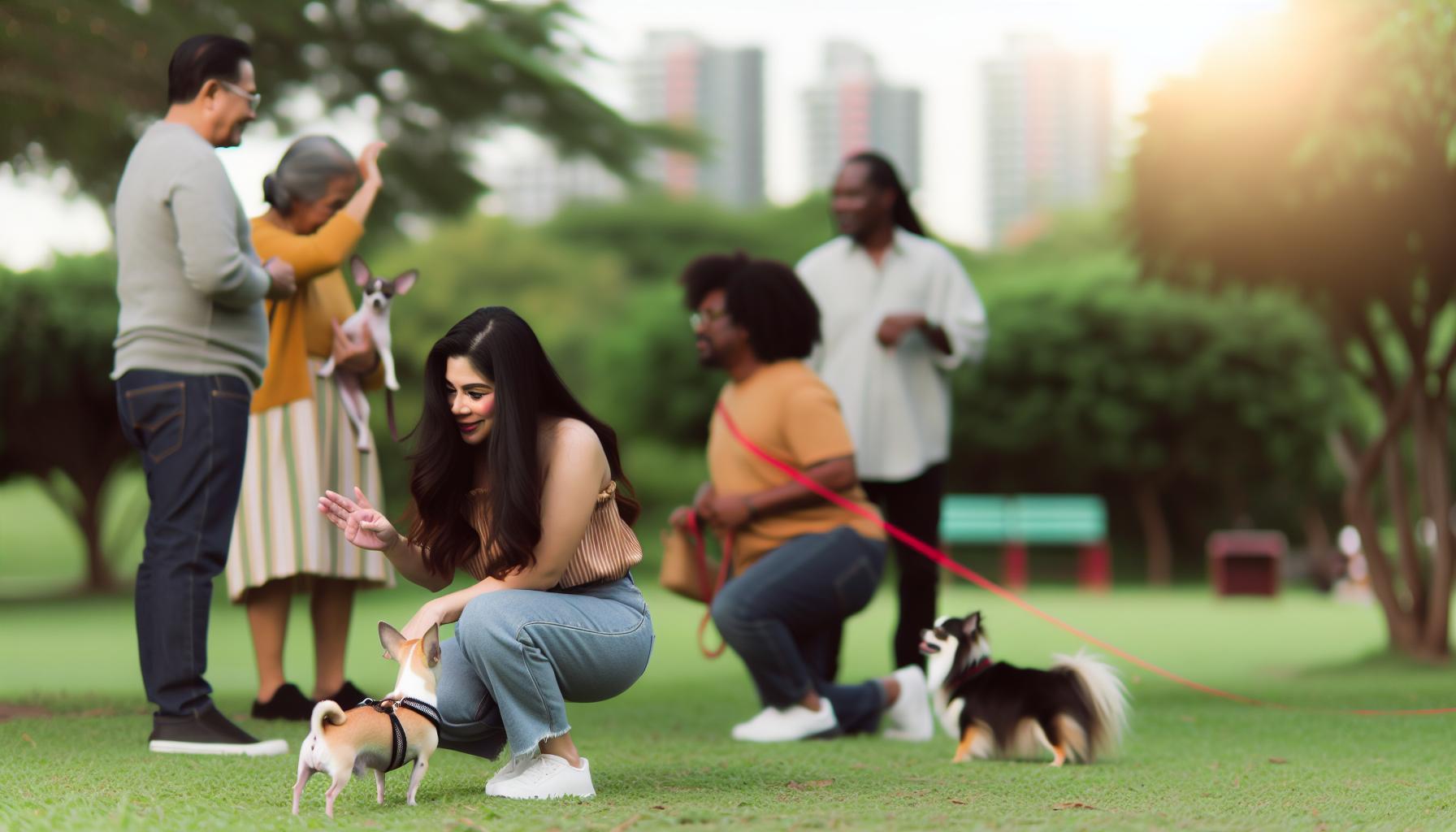
Socializing your Chihuahua is essential for helping her become a well-adjusted companion. Known for their bold personalities, Chihuahuas can come across as fearless, sometimes to the point of being aggressive if they feel threatened. This can lead to unfortunate misunderstandings about their temperament. By ensuring your tiny friend is well-socialized from a young age, you can reduce the likelihood of her becoming overly defensive or anxious in new situations.
Start socialization early by exposing your Chihuahua to various environments, people, and other pets. Positive experiences during her critical development window will set the foundation for a confident dog. For example, take her with you on casual outings where she can meet different people-friends, family, and even strangers (always ensuring it’s safe!). Encourage gentle interactions, allowing her to approach and sniff at her own pace, which will help her build confidence. If she meets someone new who makes her nervous, don’t force the interaction; rather, turn it into a positive experience, perhaps with treats or a favorite toy nearby.
Creating Positive Experiences
It’s vital to maintain a positive environment during socialization. Here are a few strategies to consider:
- Controlled Environment: Begin in familiar settings before introducing her to busy or challenging places. Gradually increase the complexity of the environment to help her adjust.
- Training Classes: Consider enrolling in obedience classes specifically designed for small breeds. These classes emphasize socialization while teaching essential commands.
- Regular Playdates: Arrange playdates with other friendly dogs. Choose dogs that are known to be gentle, as the aim is to foster secure interactions.
For instance, one owner found success by organizing weekly meet-ups with another Chihuahua. Initially, her pup was timid but gradually gained confidence, eventually enjoying their time together so much that she would excitedly greet her playmate.
Understanding Body Language
Being able to read your Chihuahua’s body language during social interactions is crucial. Watch for signs of relaxation, such as a wagging tail carried high, and invite her to explore new situations confidently. Conversely, be aware of signs of stress like cowering or excessive barking. If she displays these behaviors, it might be wise to take a step back and give her time to acclimate.
Ultimately, socialization is about forging a bond of trust between you and your Chihuahua. Through these interactions, you’ll not only enhance her comfort level and happiness but also reduce the chances of dangerous misinterpretations in her behavior. Remember, a well-socialized Chihuahua is a confident companion, ready to join you in your daily adventures!
Understanding Chihuahua Body Language and Barking
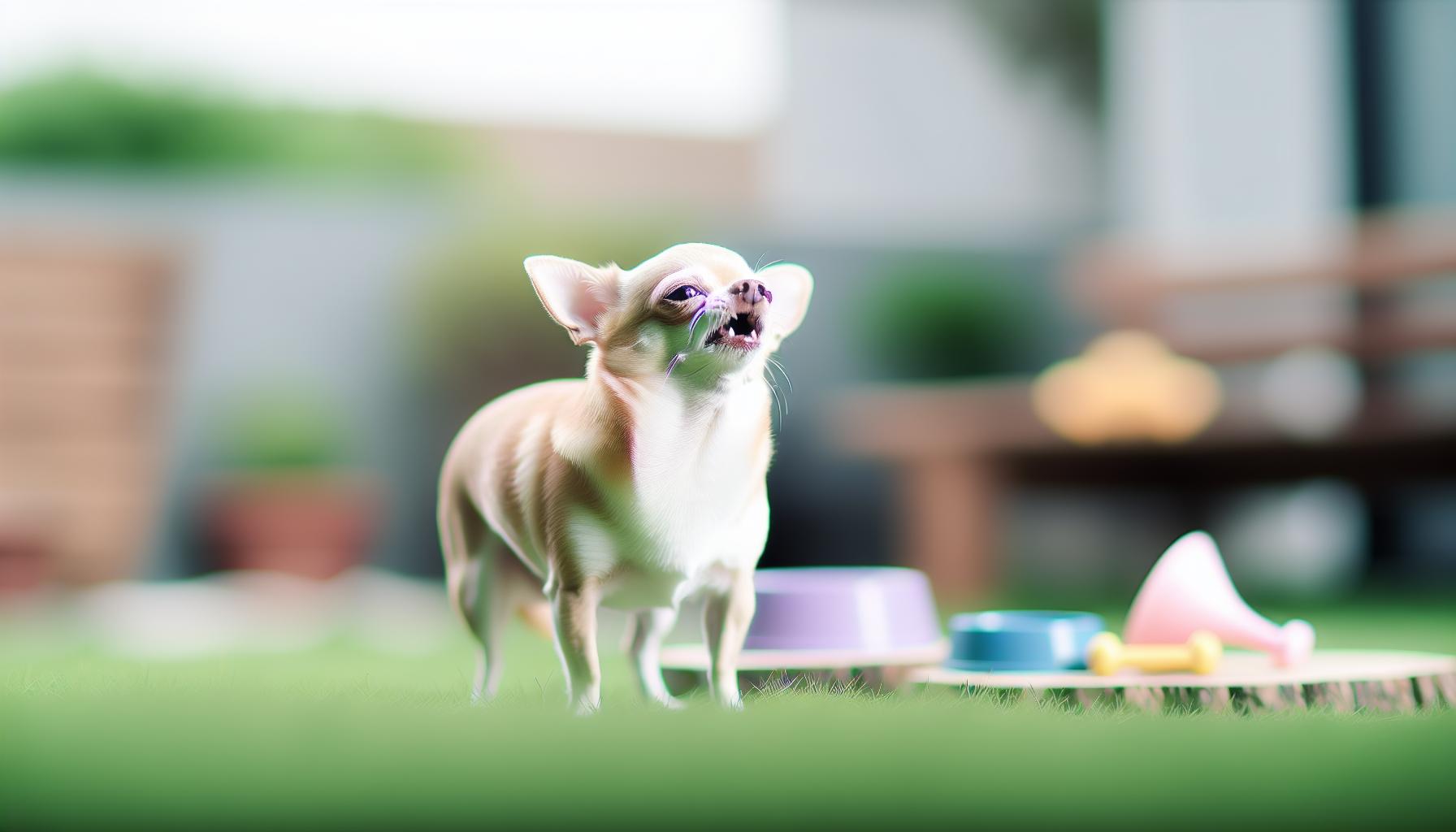
Understanding your Chihuahua’s body language and barking is essential not just for their communication but also for ensuring a safe and enjoyable environment for both you and your tiny companion. Chihuahuas, despite their small size, have a bold and assertive nature, and they express their feelings through a rich array of signals. Being able to interpret these signs can help you respond appropriately, alleviating misunderstandings that might lead to undesirable behavior.
Chihuahuas are known for their vocalizations, which can range from soft whines to sharp barks. Each type of bark can signify different emotions or situations. For instance, a quick, high-pitched bark may indicate excitement or playfulness, while a low, continuous bark could signify anxiety or a sense of threat. Pay attention to the context in which your Chihuahua barks; this will help you understand whether they are just being vocal or if they’re expressing a more profound concern or discomfort.
Key Body Language Cues
Recognizing your Chihuahua’s body language is vital for understanding her emotional state. Here are some common signs to look out for:
- Relaxed Posture: A calm Chihuahua will often have her body relaxed, tail wagging gently, and ears in a neutral position. This suggests she feels safe and content.
- Stiff Body or Raised Hackles: If you notice her standing rigidly with raised hackles, it indicates she may be feeling threatened or aggressive. It’s crucial to assess the situation and decide if it’s best to remove her from it.
- Cowering or Tucking Tail: These behaviors signal fear. If your Chihuahua exhibits these signs, provide her with a safe space to retreat and calm down.
- Play Bow: If she bows down with her front legs stretched forward, showing an inviting attitude, she is ready to play!
Being aware of these signals not only fosters better communication but also enhances safety around other pets and people. For instance, if your Chihuahua is anxious in a crowded setting, recognizing her need to step back can prevent her from feeling cornered, which could lead to a defensive reaction.
Addressing Excessive Barking
Chihuahuas are naturally alert, which makes them great watchdogs, but this can sometimes lead to excessive barking. If you find your Chihuahua barking too much, investigate the causes. Are they bored, anxious, or trying to get your attention? Addressing underlying issues can significantly reduce unwanted barking. Here are a few strategies:
- Provide Stimulation: Engage your Chihuahua with toys, puzzle games, or training exercises. Mental stimulation can reduce boredom, which is a common trigger for excessive barking.
- Establish a Routine: A consistent daily routine can help reduce anxiety. Knowing what to expect can reassure your Chihuahua and minimize disruptions that might provoke barking.
- Teach the Quiet Command: Training her to understand a command that signals her to stop barking can work wonders. Reward her with treats and praise when she listens.
is not just about managing their behavior; it fosters a deeper bond between you. The more you learn about her signals, the better you will be at meeting her needs, ensuring she feels safe and secure in any situation. Remember, when your Chihuahua barks or displays certain body movements, she’s trying to tell you something important. By being attuned to her, you’ll not only protect your own peace of mind but also enrich her quality of life.
Best Practices for Introducing Your Chihuahua to New People
Introducing your Chihuahua to new people can be a pivotal moment in ensuring her social comfort and safety. These tiny guardians, with their big personalities, often take a while to warm up to unfamiliar faces. By following some best practices, you can create a positive experience for both your canine companion and your guests, reducing any potential for anxiety or aggressive reactions.
Start by making introductions in a controlled environment. This could be your home or a quiet yard. When friends or family visit, keep your Chihuahua on a leash at first, allowing you to maintain control while she acclimatizes to the new presence. Encourage your guests to approach slowly and calmly, avoiding direct eye contact with her, which can be perceived as a threat. Instead, have them bend down to her level and extend a hand for her to sniff, ensuring she feels secure and in control of the situation.
Positive Reinforcement is Key
Use treats and praise liberally during these introductions. Have some of her favorite snacks on hand to reward her when she shows calm behavior. This helps her associate new people with positive experiences. You might say, “Look, it’s a new friend-here’s a treat!” Over time, she will learn to view newcomers as sources of joy rather than potential threats.
Reading Body Language
Be vigilant in observing your Chihuahua’s body language throughout the interaction. If you notice signs of stress such as cowering, raised hackles, or intense barking, it may be best to take a step back. Provide her with a safe space where she can retreat if overwhelmed. Remember, it’s perfectly okay to give her some time to adjust; patience is crucial. Each Chihuahua is unique, and some may take longer to feel comfortable than others.
As your Chihuahua becomes more accustomed to meeting new people, gradually increase the level of interaction. Allow shorter introductions with guests who can engage positively, such as offering treats or gentle toys. Always prioritize her comfort over social expectations, ensuring she knows that it’s okay to take her time. By following these practices, you’ll foster a trusting relationship between her and new friends, ultimately contributing to a well-adjusted, sociable Chihuahua.
Handling Bites: Why Do Chihuahuas Bite?
Chihuahuas, despite their petite size, can indeed display a fierce attitude, which sometimes translates into biting. Understanding the reasons behind this behavior is crucial for any owner hoping to foster a safe and loving environment. Chihuahuas often feel the need to defend themselves, which can lead to bites when they’re frightened, threatened, or simply overstimulated. This instinctual behavior is rooted in their history as tiny guardians, where their vocal nature served to alert their families to potential dangers.
In many cases, biting is a response to stress or discomfort. For instance, if a Chihuahua feels cornered or perceives a stranger as a threat, she may lash out. It’s essential to recognize the signs of stress before it escalates to biting; these can include cowering, raised hackles, or a stiffened body posture. When a Chihuahua signals that she is uneasy, it’s important to take a step back and give her space. As you learn to read your furry friend’s body language, you can better anticipate and mitigate situations that might lead to bites.
To reduce the likelihood of biting, socialization is key. Begin early with positive experiences involving various people and environments. Introduce her to new situations gradually, ensuring she feels secure at every turn. For example, you can invite friends over to meet your Chihuahua, allowing her to approach them at her own pace while rewarding her with treats for calm behavior. This approach not only builds her confidence but also fosters a sense of safety around others, reducing her inclination to bite when faced with unfamiliar faces.
Moreover, training plays a significant role in bite prevention. Teaching basic commands like “sit” or “stay” can help control your Chihuahua in potentially stressful scenarios. Consistent, positive reinforcement helps her understand expected behaviors, making her feel more secure and less likely to react with aggression. If biting becomes a persistent issue despite your efforts, seeking the help of a professional trainer or behaviorist who specializes in small breeds may provide tailored strategies to address the behavior effectively.
In summary, while Chihuahuas have a reputation for being feisty, understanding their triggers and working on socialization and training can significantly mitigate the risk of biting. With time, patience, and love, you can nurture a confident and well-adjusted Chihuahua who is a joy to have around, making her interactions with others enjoyable and safe for everyone involved.
Safety Precautions for Chihuahuas Around Children
Introducing a Chihuahua to a household with children can be rewarding yet requires some foresight and care. These tiny dogs are known for their bold and lively personalities, making them delightful companions, but their small size and spirited nature can sometimes lead to misunderstandings with younger family members. To ensure a harmonious living environment, it’s crucial to establish safe interactions between your Chihuahua and children.
Begin by teaching your children about appropriate ways to interact with your Chihuahua. Teach them to respect her space and to approach her gently. Chihuahuas, particularly those with a strong personality, may react negatively if they feel threatened or overwhelmed. Ensure children understand the importance of not picking up the dog suddenly or invading her personal space. Having calm and controlled playtime can help foster a positive relationship where both the Chihuahua and the children feel safe and respected.
Regular monitoring is essential during playtime. Always supervise interactions to prevent accidental roughhousing or over-stimulation, both of which can lead to stress for your Chihuahua. Set clear boundaries for your children about how to play, focusing on gentle games that don’t put too much pressure on your dog. For instance, using soft toys for retrieval games or teaching the children to offer treats can build a bond without overwhelming her.
It’s also beneficial to create a safe zone for your Chihuahua where she can retreat if she feels anxious. This could be a cozy bed or a designated area that is off-limits to children. Encourage your Chihuahua to use this space when she needs a break. By helping children understand this concept, they’ll learn to respect your dog’s need for downtime, which can significantly minimize stress and potential negative interactions.
Lastly, consider introducing positive reinforcement training that includes the kids. Teach your children the commands that your Chihuahua is learning and involve them in the training process. This not only helps bond the children with the dog but also teaches them responsibility and empathy for her feelings. An engaged and respectful relationship is the best way to ensure safety and joy for everyone in the household.
In summary, while Chihuahuas may be small, they have big personalities that deserve respect and understanding, especially around children. With proper education, supervision, and training, you can create a loving environment where both your Chihuahua and your kids thrive together, resulting in cherished memories and a strengthened bond.
Co-existing with Other Pets: Chihuahua Dynamics
To share your home with a Chihuahua and other pets can lead to fulfilling companionships, but understanding and managing the dynamics is essential. Chihuahuas, with their bold and sometimes feisty personalities, may not always recognize their small size when interacting with larger animals. This can lead to conflicts or stress if introductions and environments aren’t handled carefully.
When bringing a Chihuahua into a multi-pet household, gradual introductions are key. Start by allowing them to sniff each other through a barrier like a baby gate. This allows both your Chihuahua and the other pets to get used to each other’s scent without the added pressure of direct interaction. Ensure that each pet has a safe space to retreat to where they can feel secure, especially if they become overwhelmed.
Socialization is crucial for Chihuahuas. Early and consistent exposure to other pets can help them feel more comfortable and less threatened. This includes positive experiences with other dogs, cats, and even smaller household pets. Monitor playtime to prevent overly aggressive behavior, as Chihuahuas can sometimes react defensively, particularly if they feel cornered. Provide praise and treats for calm behavior during these introductions to reinforce positive interactions.
In cases where there’s a noticeable size difference, supervision is particularly important. For instance, if a Chihuahua meets a larger dog, keep initial interactions short and positive. Use a leash to manage your Chihuahua and intervene if play becomes too rough. This hands-on approach helps them learn proper boundaries while ensuring safety for all pets involved.
Recognizing Chihuahua body language can also improve co-existing dynamics. Be aware of their signals-if a Chihuahua is barking excessively or trying to hide, it might indicate they feel threatened. Teach your other pets to respect the Chihuahua’s space and cues, which helps reduce anxiety and fear.
Ultimately, patience and consistent training can lead to a harmonious household where a Chihuahua and other pets thrive together. Celebrate their unique roles in your home and cherish the relationships that blossom when they learn to co-exist respectfully. By taking proactive measures, your Chihuahua can safely embrace life with its fellow furry companions, creating a joyful and balanced family environment.
How to Train Your Chihuahua for Better Behavior
Training your Chihuahua can be one of the most rewarding aspects of pet ownership. These little pups may be small, but their personalities are anything but. Known for their boldness and loyalty, Chihuahuas often carry themselves with the confidence of a much larger breed. However, this can sometimes lead to behavioral challenges if not properly managed from a young age.
One effective training method is positive reinforcement. Chihuahuas respond best when rewarded for good behavior, making treats, praise, and affection powerful tools. For instance, if your Chihuahua responds to commands like “sit” or “stay,” immediately reward him with a tiny treat or verbal praise. This establishes a connection between the command and the reward, making it more likely he’ll repeat the desired behavior. Be consistent; use the same commands and rewards every time to avoid confusion.
Socialization should also be a priority. Introduce your Chihuahua to various environments, people, and other pets to help him develop confidence and reduce fearfulness. Scheduled playdates with friendly, well-behaved dogs can lay the groundwork for positive interactions. Remember, small dogs like Chihuahuas can sometimes exhibit defensive behaviors, particularly if they feel overpowered by larger pets. Supervise these interactions closely, offering calming words and reinforcement when all goes well.
Furthermore, teaching basic commands not only promotes good behavior but also enhances safety. Commands like “leave it” can prevent him from picking up harmful objects during walks, while “come” is invaluable for keeping him out of danger. Use your Chihuahua’s natural curiosity to your advantage; training sessions can be fun and engaging by incorporating playtime and exploring new places.
Lastly, if you find yourself struggling to manage your Chihuahua’s behavior, don’t hesitate to seek professional help. Trainers experienced with small breeds can offer invaluable insights tailored to the unique temperament of Chihuahuas. With patience and commitment, you can cultivate a well-behaved Chihuahua who thrives alongside you, continuing to express his delightful quirks while behaving appropriately in various situations.
When to Seek Professional Help for Your Chihuahua’s Behavior
When your remarkable Chihuahua exhibits behaviors that seem concerning or unmanageable, it might be time to reach out for professional guidance. Despite their tiny size, Chihuahuas possess a bold and spirited personality that can sometimes manifest in challenging ways. If you notice persistent issues like excessive barking, aggression, or anxiety in your little friend, professional help can make a world of difference.
One clear signal to consult a trainer or behaviorist is if your Chihuahua demonstrates aggressive tendencies. This might include growling, snapping, or biting, even during play. Understanding that these actions often stem from fear or insecurity can guide you to a resolution, but a skilled trainer can provide targeted strategies to foster confidence and calmness in your pup. For instance, the trainer may employ desensitization techniques to help your Chihuahua become more comfortable with previously intimidating stimuli.
Additionally, if you observe signs of severe anxiety-such as destructive behavior, refusal to eat, or inconsolable whining-it’s crucial to seek professional help. These issues can be more than just behavioral quirks; they may indicate underlying stress that needs addressing. Trainers trained in canine behavior can assess your Chihuahua’s environment and interactions, offering tailored advice that perhaps includes creating a safe space or incorporating relaxation techniques into your daily routines.
Don’t hesitate to consult if your puppy has trouble with basic commands after numerous attempts. Training should be an enjoyable journey for both of you, and, sometimes, a fresh perspective can illuminate effective techniques you may not have considered. Trainers can suggest engaging methods that align with your Chihuahua’s unique temperament, making lessons feel less tedious and more like play.
In summary, staying mindful of your Chihuahua’s behaviors and seeking professional help can lead to a happier, healthier relationship. Remember, early intervention can prevent problems from escalating, ensuring that your journey with your delightful little companion remains joyful and fulfilling.
Q&A
Q: Are Chihuahuas more aggressive than other dog breeds?
A: *Chihuahuas are not inherently more aggressive than other breeds.* Their behavior often depends on socialization and training. Proper socialization can help reduce aggressive tendencies. Understanding their temperament through sections like “Common Myths About Chihuahuas and Aggression” can guide owners toward fostering positive interactions.
Q: What are the common triggers for Chihuahua aggression?
A: Common triggers for aggression in Chihuahuas include fear, territorial behavior, and lack of socialization. To mitigate these triggers, introduce your Chihuahua to various environments and people gradually, referenced in “Best Practices for Introducing Your Chihuahua to New People.”
Q: How can I keep my Chihuahua safe around strangers?
A: Keeping your Chihuahua safe around strangers involves using a leash, positioning yourself between your dog and the person, and ensuring proper socialization. Training them to respond to commands can enhance their safety, as mentioned in the section “How to Train Your Chihuahua for Better Behavior.”
Q: Can Chihuahuas be trusted with small children?
A: Yes, Chihuahuas can be trusted with small children if they are properly socialized and trained. Supervise interactions, teach gentle handling, and establish safe spaces for the dog. The “Safety Precautions for Chihuahuas Around Children” section offers further insights.
Q: Are there specific body language signs that indicate a stressed Chihuahua?
A: Yes, signs of a stressed Chihuahua include cowering, excessive barking, and tail tucking. Recognizing these signs early can prevent aggressive behavior. Refer to “Understanding Chihuahua Body Language and Barking” for detailed descriptions to help identify stress.
Q: How can I help my Chihuahua feel comfortable around other pets?
A: To help your Chihuahua coexist peacefully with other pets, introduce them slowly and monitor interactions closely. Reward positive behavior during these introductions. More tips can be found in “Co-existing with Other Pets: Chihuahua Dynamics.”
Q: What should I do if my Chihuahua bites someone?
A: If your Chihuahua bites someone, it’s crucial to assess the situation and understand the trigger. Apply first aid to any injury and consult a professional for behavior assessment and training techniques as discussed in “Handling Bites: Why Do Chihuahuas Bite?”
Q: How do I know when to seek professional help for my Chihuahua?
A: Seek professional help if your Chihuahua displays persistent aggression, severe anxiety, or behavioral issues that don’t improve with training. Regular evaluations, as covered in “When to Seek Professional Help for Your Chihuahua’s Behavior,” can provide peace of mind and effective strategies.
Insights and Conclusions
Understanding the nuances of Chihuahua behavior is essential for their care and your safety. While they can be bold and protective, proper socialization and training are key to a harmonious relationship. If you’re curious about their unique traits or seeking tips on managing their spirited personalities, check out our articles on Chihuahua training techniques and health care tips to gain deeper insights.
Now that you have a clearer picture of whether Chihuahuas are dangerous, why not take the next step? Subscribe to our newsletter for expert advice, training tips, and updates tailored just for Chihuahua owners. Share your thoughts or experiences in the comments-your insights can help others on their Chihuahua journey. Remember, every dog deserves a loving home, and with the right guidance, Chihuahuas can be wonderful companions. Let’s celebrate their loyalty and quirks together!
Get our latest guides, news, and insights highlighted in your Google Search & AI Overviews.