
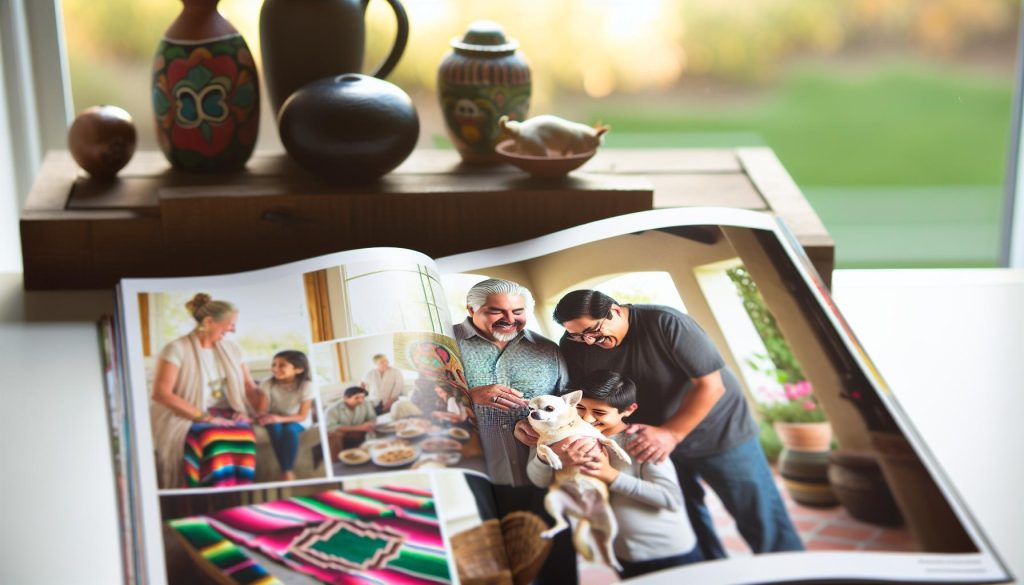
Did you know that Chihuahuas are one of the oldest dog breeds in the Americas, believed to have roots that stretch back to ancient civilizations in Mexico? This tiny yet mighty breed, known for their bold personalities and unwavering loyalty, carries a rich cultural heritage that many pet owners may not fully understand. Exploring whether Chihuahuas are indeed Mexican not only satisfies curiosity but also connects us to the heart of a breed that has become a beloved companion around the world. Understanding their origin can enhance your appreciation for your furry friend, offering insights into their behavior, health, and unique needs. Whether you’re a seasoned owner or new to the breed, uncovering the story behind your Chihuahua’s heritage can deepen your bond with them and provide valuable context for their quirky traits. Join us as we delve into the fascinating history and cultural significance of Chihuahuas in Mexico, revealing the heart and soul behind this enchanting breed.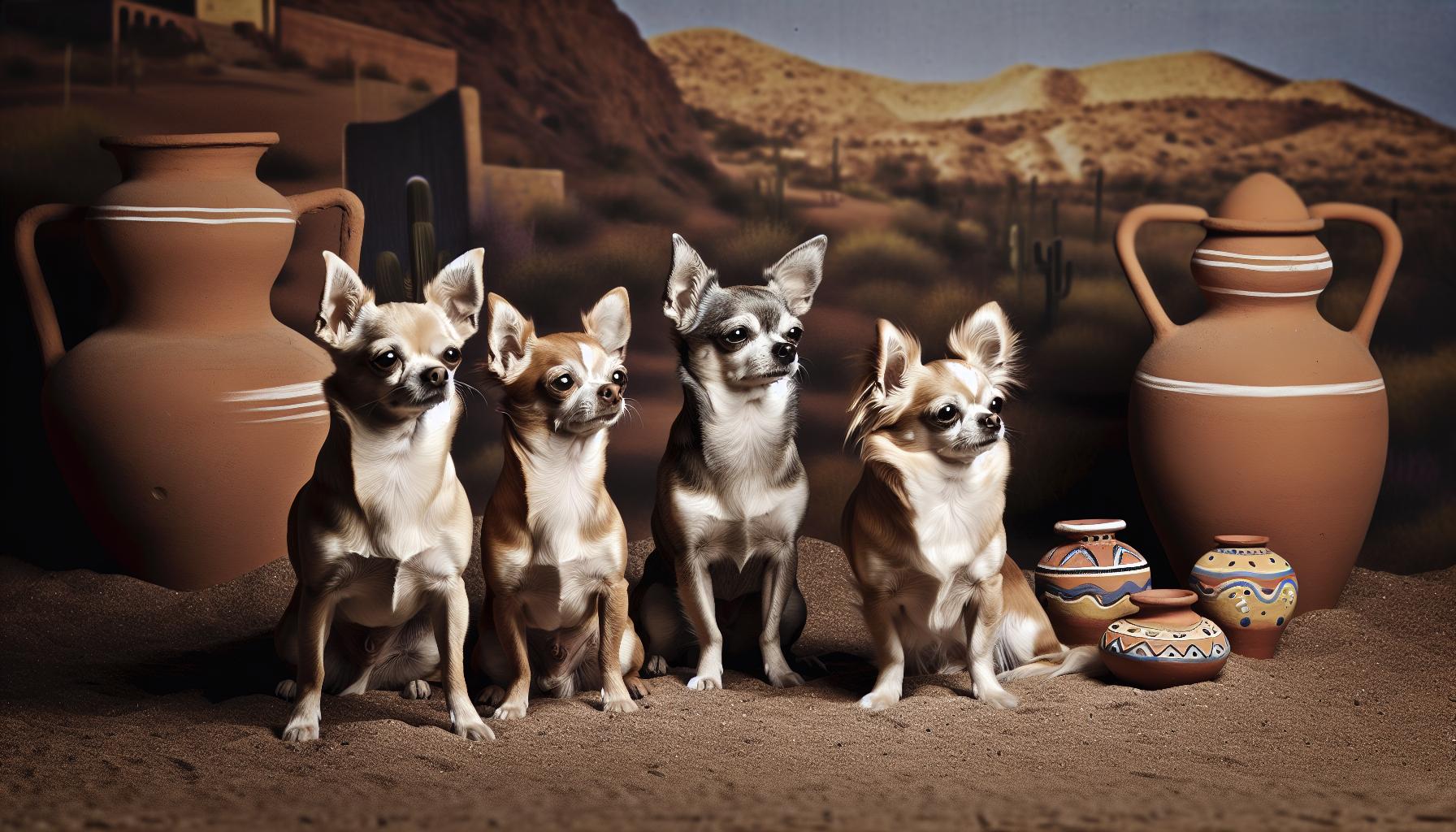
Heritage of the Chihuahua: A Detailed Overview
The Chihuahua, a beloved breed known for its petite size and bold personality, boasts a rich heritage that intertwines deeply with Mexican history and culture. These tiny companions, often weighing as little as two pounds, are not just pets-they embody centuries of tradition, folklore, and love. As one of the oldest dog breeds in the Americas, Chihuahuas are believed to have descended from the Techichi, a companion dog kept by ancient civilizations such as the Toltecs and Aztecs. These early dogs played significant roles in both spiritual and practical aspects of life, often being viewed as protectors of the soul in the afterlife.
Culturally, the Chihuahua is revered in Mexico as a symbol of loyalty and courage, often seen accompanying their owners through bustling streets or lounging in sunlit courtyards. Their presence is not only cherished in daily life; they also feature prominently in Mexican art and folklore. From vibrant paintings to traditional festivals, their lively character captures the heart of the nation. For instance, in many communities, it’s common to celebrate the bond between Chihuahuas and their owners with special pet events, emphasizing the joy they bring to their families.
Additionally, understanding their heritage is crucial for any Chihuahua owner. This breed’s rich background shapes their unique behavioral traits-such as being alert, protective, and surprisingly bold for their size. It also influences their health and care needs. Owners should prioritize socialization from an early age to foster well-rounded personalities. Engaging them in playtime and training sessions not only taps into their energetic nature but also strengthens the bond between human and dog, celebrating the vivid history that Chihuahuas bring to our homes. By embracing their origins, we ensure these spirited little dogs continue to thrive in our modern world, reflecting the heritage they proudly carry.
Tracing the Ancestry: From Ancient Mexico
The history of Chihuahuas is as rich as their vibrant personalities. Believed to descend from the ancient Techichi, these tiny companions have a backstory that intertwines with Mexico’s grand civilizations, including the Toltecs and Aztecs. Techichis were small, companion dogs revered by these cultures, often associated with spirituality and death, acting as guides to the afterlife. Archaeological findings, such as ancient burial sites, illustrate that these dogs were not merely pets but held significant spiritual importance.
In Mexico, the Chihuahua is deeply embedded in local culture. These dogs are not just seen as family pets; they embody loyalty and bravery, symbolizing the very essence of Mexican spirit. Their lively demeanor and tenacious attitude often remind owners of the resilience found in their heritage. For instance, many owners share stories of their Chihuahuas’ bold yet lovable dispositions, showcasing how these little dogs often lead their larger counterparts in play and antics.
As you explore the ancestry of your Chihuahua, consider how these historical roots shape their behavior today. Chihuahuas are known for being warm and affectionate but can also exhibit a protective nature, particularly towards their family. This behavior stems from their origins as vigilant guardians. Incorporating regular socialization and positive dog training techniques will help these charming traits flourish, ensuring your Chihuahua not only embodies the rich history of the breed but also thrives in a modern household environment. Celebrate their history by embracing their quirks and providing an environment that acknowledges and nurtures these instincts, creating a well-rounded companion that honors the lineage they come from.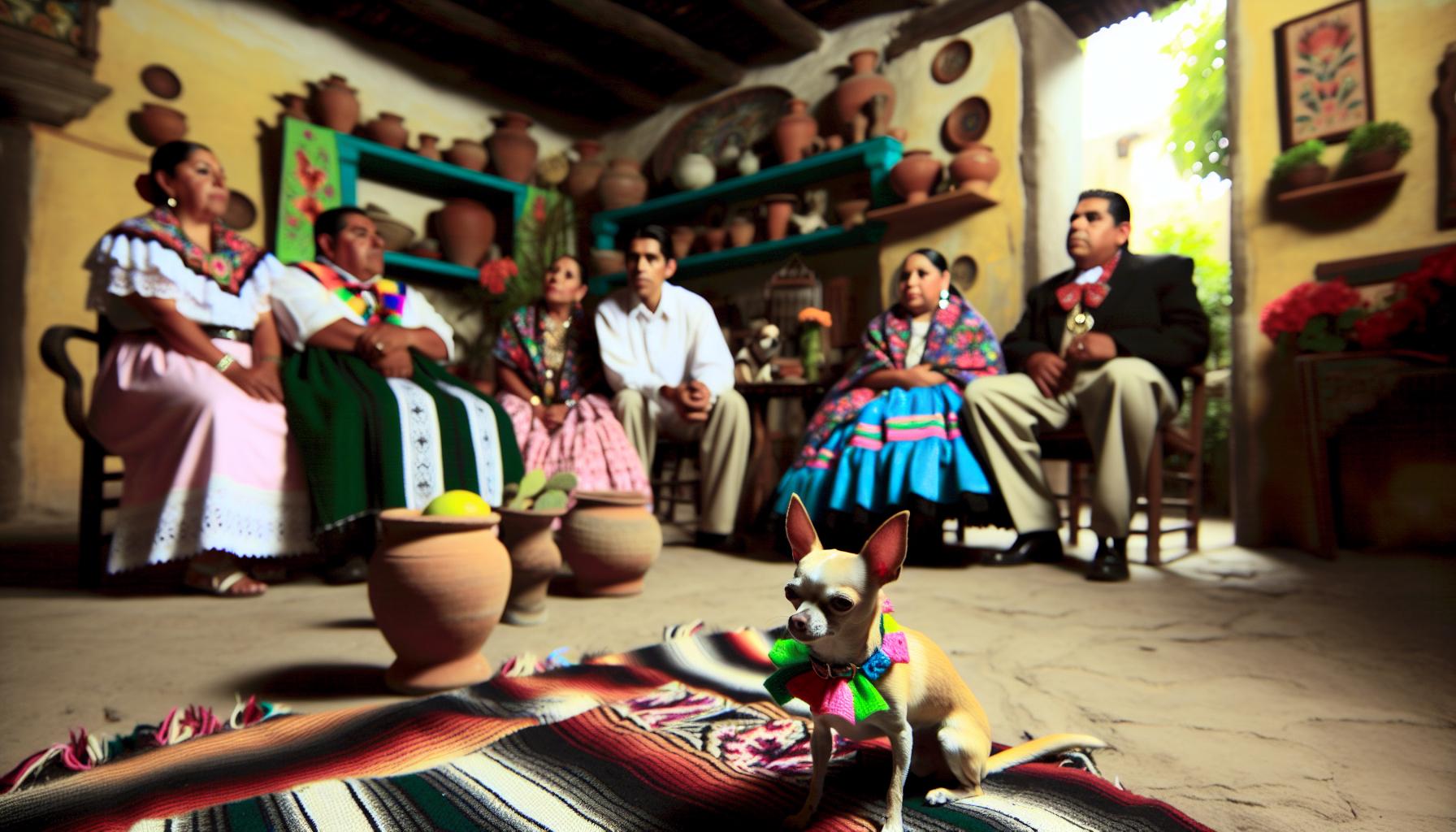
Cultural Significance of Chihuahuas in Mexican Society
The Chihuahua, a breed often seen as a mere companion, carries deep cultural significance in Mexican society that transcends its small size. Chihuahuas are not just pets; they are celebrated symbols of national pride, embodying the lively spirit and tenacity of the Mexican people. Their distinctive bark and bold personalities resonate with traditional Mexican values of loyalty, resilience, and familial devotion. From bustling urban areas to quiet rural settings, Chihuahuas can be seen accompanying their owners, reinforcing their status as beloved family members and cultural icons.
In traditional Mexican homes, Chihuahuas are often viewed as protectors and companions, a role they have held since their ancestral roots with the ancient Techichi. This historical perspective adds layers to their identity beyond that of a lap dog. Many families recount how Chihuahuas assert themselves, often fearlessly guarding their territory and their loved ones, showcasing their brave nature. For instance, a Chihuahua named Luna, known for her fierce loyalty, once alerted her family to a stranger approaching their home, proving that her small stature hides a fearless spirit. Such stories highlight how these dogs not only bring joy but also a sense of security to their owners.
Moreover, during festivals and celebrations, Chihuahuas are often included as part of the festivities, dressed in traditional attire or adorned with festive decorations. This practice celebrates their integration into Mexican culture and showcases the affection that locals hold for them. Owners take pride in their Chihuahuas, often sharing their quirky behaviors and charming antics that add to the joy of everyday life. The breed’s popularity has skyrocketed, not just in Mexico but worldwide, partly due to their representation in pop culture, further solidifying their status as an enduring symbol of Mexican heritage.
Embracing a Chihuahua means embracing a piece of Mexican culture-its vibrancy, its warmth, and its deeply entrenched traditions. By understanding their cultural significance, you can appreciate not just your Chihuahua’s adorable quirks but also their rich heritage that unites generations of families with their beloved dogs. Caring for a Chihuahua goes beyond mere ownership; it’s about nurturing a relationship that honors their legacy while enriching your home with love and companionship.
Physical Characteristics: Understanding the Chihuahua Breed
Chihuahuas may be small, but their physical characteristics reveal a robust and uniquely charming breed. Standing typically between 5 to 8 inches tall and weighing no more than 6 pounds, these dogs pack a lot of personality into their petite frames. Their small size not only makes them adorable but also gives them an undeniable presence, often more significant than larger dogs despite their stature.
One of the most distinguishing features of Chihuahuas is their head shape. You’ll come across two primary types: the apple head and the deer head. Apple-headed Chihuahuas have a rounded skull, giving them a distinctive look that many people adore. In contrast, deer-headed Chihuahuas possess a longer, more tapered head, resembling the graceful features of a deer. This diversity in head shape contributes to the breed’s charm and offers options for prospective owners based on aesthetic preferences.
Coat Types and Colors
Chihuahuas can sport two coat varieties: short coat and long coat. The short coat is sleek and smooth, requiring minimal grooming, while the long coat has a softer texture with a more luxurious appearance that may need regular grooming to prevent matting. Their coat colors vary widely, from fawn to black, white, chocolate, and even combinations of these colors, making each Chihuahua unique. For instance, a fawn Chihuahua may boast a beautiful white chest marking, setting her apart from others.
Physical Traits That Define the Breed
Understanding the breed’s physical traits is crucial for both proper care and appreciation of their beauty. Here are some notable characteristics:
- Eyes: Chihuahuas typically have large, round eyes that exude a lively expression. These eyes can be dark, bright, and expressive, highlighting their alert demeanor.
- Ears: Their ears are often large and stand erect, resembling little satellite dishes that pick up every sound in their environment. This contributes to their alert nature and ability to communicate highly with their owners.
- Tail: The tail of a Chihuahua is often carried high and may be curled over the back, which reflects their confident personality.
Caring for a Chihuahua involves being aware of their delicate bone structure, especially as they grow and play. Their small size makes them prone to injuries, so gentle handling is essential. Moreover, keeping their weight in check through a balanced diet and regular exercise will help them lead long, healthy lives full of adventure. You’ll find that their spirited nature and loyalty make every moment with them joyful, reminding you that sheer size doesn’t define the strength of a dog’s character.
Behavioral Traits: Why Chihuahuas Are So Unique
Chihuahuas possess a captivating blend of personality traits that make them one of the most unique breeds in the canine world. Known for their vibrant energy and remarkable loyalty, these little dogs often bask in the spotlight with a confidence that belies their small size. Chihuahuas have an unmistakable charm that captivates the hearts of their owners, often displaying a feisty demeanor that can surprise even the most seasoned dog lovers. These attributes, deeply rooted in their Mexican heritage, contribute to their distinct behavioral profile.
One of the defining traits of Chihuahuas is their remarkable vocal nature. These tiny dogs are often remarkable chatterboxes, using their voices to communicate everything from excitement to a warning bark at the slightest hint of a perceived threat. This characteristic makes them excellent watchdogs despite their stature; their boldness often compensates for their size. Owners often find their little companions “talking” to them or engaging in what can feel like a spirited conversation. Understanding this vocalization is key to fostering a strong and trusting relationship with your Chihuahua.
Chihuahuas are also known for their loyalty, forming intense attachments to their families. Many owners describe their Chihuahuas as being “one-person dogs,” meaning they often bond more closely with one family member than others. This bond can manifest in protective behaviors, as Chihuahuas are likely to shelter their favorite person from any perceived danger. However, it is essential for owners to socialize their Chihuahuas early with various people and environments to ensure they remain well-adjusted and friendly rather than overly protective or skittish.
Another endearing behavioral trait is their playful energy. Chihuahuas thrive on interactive play with their human companions, often delighting in games of fetch or chase. Their compact size allows them to fit into various spaces, making them adaptable to different living conditions, whether it be an apartment or a house with a garden. It’s important, however, to keep in mind that their playful nature requires not just physical exercise but also mental stimulation. Puzzle toys and training exercises can be great ways to challenge your Chihuahua and keep them engaged, promoting a happy and well-balanced dog.
As you navigate the quirks and charming idiosyncrasies of your Chihuahua, celebrating their bold personality will help strengthen your bond. Being patient and understanding of their sometimes stubborn willfulness is essential, as consistency is key when training these spirited little dogs. Remember, owning a Chihuahua is not just about having a small companion; it’s about embracing a dynamic and loving member of your family who will fill your life with joy and laughter.
Chihuahua Size and Variations: Miniature and Beyond
Chihuahuas are extraordinary not just for their personality but also for their remarkable diversity in size and type. Despite being one of the smallest dog breeds, they come in a delightful array of sizes and variations that can surprise even the most seasoned dog lovers. Generally, Chihuahuas weigh anywhere between 2 to 6 pounds, but there are stories of Chihuahuas reaching up to 12 pounds or more, much like the admirable large Chihuahuas often affectionately called “Chiweenies” when crossed with dachshunds. This compactness makes them ideal for both apartments and larger homes.
When it comes to size, there are primarily two recognized types: the apple head and the deer head. The apple-headed Chihuahua has a rounded skull and a more pronounced dome, contributing to their classic “cute” appearance. They often have shorter legs and are typically more delicate. The deer-head Chihuahua, on the other hand, boasts a flatter, longer skull resembling that of a deer, giving them a taller stance and a more athletic appearance. Both types possess that familiar spirited energy, which belies their small statures, embodying the fearless nature translated from their historical roots in Mexico.
Chihuahuas can also vary widely in coat length, which adds another layer to their size and appearance. You’ll find both short-haired and long-haired varieties among these little companions. The short-haired Chihuahuas are known for their sleek appearance, requiring less grooming, while the long-haired Chihuahuas sport a glamorous, flowing coat that may need regular brushing to prevent matting. Their coats come in an impressive range of colors and patterns-from fawn to black, spotted, and even merle-each adding to the unique charm of the individual dog.
Understanding these variations is essential for any prospective owner. Each type has its unique traits, but one constant remains: Chihuahuas, regardless of size or coat, bring an abundance of joy, companionship, and often a bit of mischief into their families. Celebrating their distinct characteristics, whether through choosing the right type for your lifestyle or simply appreciating the beauty of all they offer, ensures a joyful partnership with your tiny but mighty friend.
Coat Types and Colors: What Defines Your Chihuahua?
Chihuahuas are not just small; they are a vibrant tapestry of colors and coat types that reflect their unique personalities. Each Chihuahua can wear their own distinct coat like a badge of honor, showcasing traits inherited from their rich Mexican heritage. When you choose a Chihuahua, you are not only adopting a companion but also a remarkable representation of a storied lineage that celebrates diversity.
There are two primary coat types: short-haired and long-haired. Short-haired Chihuahuas are sleek and require minimal grooming, making them a practical choice for busy owners. Their benefits include less shedding and a more manageable upkeep routine. Long-haired Chihuahuas, on the other hand, may require regular brushing to keep their glamorous coats free from mats and tangles. These long-haired beauties can really shine, especially with a proper care regimen that fits into your daily routine.
In terms of colors, Chihuahuas boast an impressive palette. They can appear in various shades, including fawn, black, white, chocolate, and cream. From solid colors to stunning patterns, such as brindle, spotted, or merle, the array of possibilities is dazzling. A Chihuahua’s coat can even blend colors to create a truly one-of-a-kind look that captures hearts. For example, a friend of mine adopted a fawn and white spotted Chihuahua, who quickly became the star of their neighborhood with that charming look that turned heads and sparked conversations.
When selecting your Chihuahua, it’s beneficial to consider not just their color and coat type but also how these attributes might complement their unique personalities. Some owners find that their long-haired Chihuahuas often have a somewhat more laid-back demeanor, while the short-haired variety can be a bit more energetic and playful. Remember, whatever coat or color you choose, your Chihuahua will bring warmth, loyalty, and lots of love to your life. Embrace their quirks and celebrate their beauty, as each dog is simply a gem!
Common Health Issues: Vital Care Tips for Owners
Chihuahuas, with their tiny size and bold personalities, can be prone to specific health concerns that owners should be aware of. Maintaining their well-being involves not just regular vet visits, but also understanding the unique challenges this breed faces. For example, dental issues are quite common due to their small mouths. Chihuahuas often have crowded teeth, leading to a higher risk of periodontal disease. To combat this, it’s crucial to establish a dental care routine early on, including regular brushing and dental chews that promote oral health.
Another significant health concern is patellar luxation, a condition where the kneecap dislocates. This is especially prevalent in smaller dog breeds like Chihuahuas. Owners should observe their Chihuahuas for signs of discomfort or limping, and consult a vet if these symptoms arise. Regular exercise is essential to strengthen their muscles and joints, but it should be gentle to avoid injury. Ensuring your little friend maintains a healthy weight is equally important, as excess weight can exacerbate joint issues.
Chihuahuas are also susceptible to heart issues, particularly heart murmurs and congestive heart failure, given their prevalent breed traits. Keeping up with regular check-ups allows for early detection of any heart-related problems. Look for signs like coughing, difficulty breathing, or lethargy, as these can indicate cardiovascular stress. Owners should not overlook the importance of a balanced diet rich in nutrients that support heart health.
Lastly, due to their small stature, Chihuahuas can be prone to hypoglycemia, especially in puppies. This condition occurs when blood sugar levels drop dangerously low, which can lead to weakness and fainting. Ensuring your Chihuahua has access to food regularly can help prevent this. Many owners find that feeding small, frequent meals helps maintain their energy levels. Remember, each Chihuahua is unique, and understanding these common health issues will not only improve their quality of life but also forge a deeper bond with your lovable companion.
Training Your Chihuahua: Essential Techniques and Tips
Training a Chihuahua can be a delightful journey filled with both challenges and rewards. Given the breed’s spirited nature and strong personality traits, effective training techniques are essential to help your little friend thrive. Chihuahuas are often known for their loyalty and assertiveness, and these characteristics can sometimes manifest as stubbornness during training sessions. It’s important to remember that patience and consistency are your best tools as you embark on this training adventure.
One of the most effective methods for training your Chihuahua is using positive reinforcement. This approach focuses on rewarding good behaviors rather than punishing undesirable ones. Treats, praise, and playtime are great motivators for Chihuahuas. For instance, if your Chihuahua successfully follows a command like “sit,” reward him immediately with a small treat and an enthusiastic “Good boy!” This helps create a positive association with the behavior, making him more likely to repeat it. Start with simple commands, such as “sit” or “stay,” and gradually increase the difficulty as he learns.
Socialization is Key
Chihuahuas can be quite feisty and protective, which underscores the importance of early socialization. Exposing your puppy to a variety of people, pets, and environments can help cultivate a well-adjusted adult dog. Take him to dog parks, introduce him to other pets in controlled settings, and ensure he experiences different sights and sounds. This exposure will reduce the likelihood of fear-driven aggression and help him feel more comfortable in diverse situations. Remember, socialization should be a fun and positive experience; consider bringing along his favorite toys or treats to encourage a relaxed atmosphere.
Another aspect to focus on is leash training, which can be particularly vital in urban environments. Chihuahuas are small, but they possess a bold nature that often leads them to dart unexpectedly. Teaching her how to walk politely on a leash will keep her safe and make walks enjoyable for both of you. Use a lightweight harness instead of a collar to prevent any strain on her neck. When she pulls, stop walking and wait for her to return to your side. Reward her when she walks calmly beside you. This method not only keeps her safe but also teaches her who’s in charge-spoiler alert: it’s you!
最终,建立信任至关重要。通过耐心和一致性建立信任,您将发现在整个训练过程中能够加强这种联系。了解您的量角器并观察自己的进步,因为每只狗都是独特的。无论是外部诱惑还是固有的任性,拥抱这一过程并与您的 Chihuahua 共同庆祝小胜利。记住,您的时间、爱和努力将造就一个快乐、良好的犬只终身伙伴。
Chihuahua Care Essentials: Nutrition, Grooming, and More
Caring for a Chihuahua is both an important and rewarding venture, especially given their unique characteristics and lively personalities. These tiny dogs are known for their boldness and loyalty, making them beloved companions. However, their size and spirited nature require specific approaches to care that ensure they thrive in a loving and healthy environment.
When it comes to nutrition, providing a balanced diet is crucial for any Chihuahua. Due to their small size, they don’t need large portions, but the quality of their food is important. Look for high-quality dog food that lists real meat as the first ingredient and is appropriate for their age (puppy, adult, or senior). Chihuahuas tend to be prone to dental issues, so incorporating dry kibble can help keep their teeth cleaner. Many owners find success in feeding smaller, more frequent meals throughout the day rather than one or two larger ones to prevent hunger-related behaviors. Additionally, always keep fresh water available to keep her hydrated and healthy.
Grooming a Chihuahua can vary based on coat type. They either have a smooth coat or a long, luxurious double coat that needs regular attention. A smooth-coated Chihuahua requires less grooming, but it’s still beneficial to brush her occasionally to minimize shedding and create a bonding moment. A long-haired Chihuahua, on the other hand, needs more thorough grooming. Regular brushing not only prevents tangles but also reduces the chance of matting, especially around their sensitive underbelly and legs. Be sure to check and clean her ears regularly to avoid wax buildup, and don’t overlook routine nail trims-keeping her nails short is essential for mobility.
Regular veterinary visits are another cornerstone of Chihuahua care. These tiny dogs are prone to specific health issues such as patellar luxation and heart problems. Establishing a good relationship with a veterinarian who understands the breed can help catch any potential issues early. Vaccinations, dental care, and parasite prevention are all essential to ensure she lives a long and healthy life.
Training and socialization go hand-in-hand with care. Chihuahuas can be quite vocal and possess a protective nature, making early socialization vital to help her develop into a well-rounded adult. Engaging her with different people, pets, and environments can prevent fear or aggressive tendencies later on. Enrichment activities, like puzzle toys, can stimulate her mind and keep her playful attitude in check, addressing her intelligent but sometimes stubborn behavior.
Lastly, consider creating a safe and comfortable environment for your Chihuahua. Given their small stature, they can be prone to injuries from falls or rough handling. Ensuring that your home is a safe space, using dog-proofing where necessary, and providing cozy spots for her to rest can enhance her well-being. A little dog bed with a soft blanket in a quiet corner can be ideal; warmth and comfort go a long way for these petite canines.
By paying attention to their unique needs and quirks, you can ensure your Chihuahua not only flourishes but also enjoys a happy and fulfilling life by your side. Remember, it’s not just about meeting their basic needs-it’s about celebrating what makes them special every single day.
Integrating Chihuahuas into Your Family: Socialization Advice
Integrating a Chihuahua into your family can be one of the most delightful journeys you undertake. These spirited little companions bring joy and warmth, but their unique personalities mean that socialization is key to a harmonious household. Chihuahuas are often vocal, loyal, and bold. Early exposure to a variety of people, pets, and situations can help temper their sometimes feisty nature and prevent development of fear-based reactions.
To start, gradually introduce your Chihuahua to new environments and experiences. Begin with short visits to places where your pup can encounter different sounds and scents. Parks are a fabulous choice! Just a quick stop at a local park allows him to see other dogs and people without the overwhelming sensations of a crowded space. Remember to maintain a calm demeanor; Chihuahuas often pick up on their owner’s stress. Use treats and praise to reinforce positive behavior during these outings, creating a game-like atmosphere that makes these experiences enjoyable and rewarding.
Socialization doesn’t stop with the outdoors; it extends to integrating your Chihuahua with your family and pets at home. If you have children, encourage gentle play and interaction by establishing rules that promote respect for your dog’s space. For example, teaching kids to approach calmly and offering treats can foster a bond that lasts a lifetime. Similarly, if you have another pet, allowing them to meet in a controlled environment can mitigate jealousy or territorial behaviors.
Chihuahuas, especially the apple-head variety, can sometimes act as if they own the room. These feisty little dogs are known for their bold personalities. Regularly engaging them with other dogs can help teach proper behavior. Consider puppy classes or playdates with other Chihuahuas; even short meet-ups can assist in developing social skills.
Ultimately, remember that patience is crucial. Some may be naturally more confident than others. Each Chihuahua has a distinct personality-some may embrace new experiences with open paws, while others might take a little more time to warm up. Celebrate these quirks! By fostering a welcoming and positive atmosphere, you ensure that your Chihuahua not only fits seamlessly into your family but thrives within it, paving the way for years of companionship and love.
Chihuahua Personality: Loveable Traits and Challenges
The Chihuahua, with its bold personality packed into a tiny frame, often steals the spotlight in any gathering. These spirited little dogs are not just companions; they embody a rich heritage that traces back to the ancient civilizations of Mexico. Chihuahuas are renowned for their vocal nature, fierce loyalty, and strong-willed attitude, making them both lovable and challenging to understand. Their personalities can be as varied as their coat colors, which can range from smooth to long-haired, and include an array of shades, from fawn to chocolate.
Vocal and Expressive Nature
One standout trait that sets Chihuahuas apart is their vocalization. Many owners revel in their dog’s ability to alert them to every passing squirrel or neighbor. This trait can be endearing but challenging, particularly in a quiet home. It’s essential for Chihuahua owners to understand that their barks are a natural form of communication. Encouraging calmness through training can help manage excessive barking-teaching cues such as “quiet” can foster a more peaceful coexistence. Regular socialization, including exposure to new sounds and environments, can minimize excessive barking tendencies, as well.
Loyal Companions with a Bold Spirit
Chihuahuas are fiercely loyal to their humans, often forming strong attachments that can lead to protective behaviors. This loyalty can manifest as a delightful bond, but it may also result in jealousy if not managed properly. Introducing your Chihuahua to different people and pets from an early age is crucial. For example, if you have friends over, allowing your Chihuahua to see these new introductions gradually can help reduce his possessiveness over you. Always use positive reinforcement to reward him when he interacts positively with newcomers.
Unique Health Considerations
Understanding their personalities also means being aware of their health traits. Chihuahuas can suffer from specific health issues, such as patellar luxation and dental disease, largely due to their small size. Regular veterinary check-ups and dental care are essential to ensure a long, healthy life. Knowledgeable owners often find that being proactive about their dog’s health goes hand in hand with achieving a well-adjusted personality.
Celebrating Their Quirks
The challenge of understanding a Chihuahua’s distinct personality is worth celebrating. From their tiny size, which often leads to a “big dog” attitude, to the endless antics that keep us laughing, these dogs bring unique joy to their owners. They thrive on routine and are incredibly perceptive to their environments. Engaging them in activities such as obedience training or agility can provide mental stimulation and further strengthen your bond.
Ultimately, owning a Chihuahua is about embracing their lovable quirks and understanding the nuances of their behavior. Whether it’s cherishing their bold spirit or navigating their vocal tendencies, passionate Chihuahua owners create an enriching life for themselves and their delightful companions.
FAQ
Q: What is the historical significance of the Chihuahua in Mexico?
A: The Chihuahua breed holds historical importance as it is believed to descend from the Techichi, a dog kept by the ancient Toltecs. These small companions were regarded as spiritual guides and played a role in various rituals, highlighting their deep-rooted connection to Mexican culture and heritage.
Q: How did the Chihuahua breed get its name?
A: The breed is named after the Mexican state of Chihuahua, where it was first recognized by American tourists in the late 19th century. The name reflects both its geographical roots and the popularity it gained in this region as a beloved companion.
Q: Are Chihuahuas recognized as national symbols of Mexico?
A: Yes, Chihuahuas are often considered cultural icons of Mexico, representing the spirit of the nation. Their unique characteristics and close association with Mexican heritage make them a popular subject in art and folklore throughout the country.
Q: How have Chihuahuas influenced Mexican art and culture?
A: Chihuahuas frequently appear in Mexican art, folklore, and popular culture, symbolizing loyalty and companionship. Artists often depict them in traditional crafts, while their presence in media helps maintain their status as beloved cultural symbols.
Q: What are the different types of Chihuahuas recognized in Mexico?
A: In Mexico, Chihuahuas are often classified into two main types: apple-head and deer-head. Each type has distinct physical traits, which can influence their popularity among pet owners and breed enthusiasts.
Q: How can understanding Chihuahua heritage help in their care?
A: Recognizing the Chihuahua’s rich heritage can improve care by informing owners about their temperamental needs and instincts. Tailoring training and socialization based on their background can enhance well-being and strengthen the human-animal bond.
Q: What role did Chihuahuas play in ancient Mexican societies?
A: In ancient Mexico, particularly among the Toltecs and Aztecs, Chihuahuas were seen as sacred companions. They were often buried alongside their owners to aid in the afterlife, emphasizing their significance in spiritual practices and daily life.
Q: How do cultural beliefs about Chihuahuas differ from other dog breeds?
A: Unlike many other breeds, Chihuahuas are deeply entwined with Mexican folklore, representing not just companionship but also cultural identity. Their small size and bold personality set them apart in popular narratives, often symbolizing strength despite their delicate appearance.
Concluding Remarks
As we’ve explored, the Chihuahua’s rich heritage is an essential part of understanding this beloved breed. These tiny companions are not only charming but also boast distinct health and behavioral traits that can enhance your life. If you’re thinking about welcoming one into your family, remember they require proper care, like regular vet check-ups and socialization to thrive. For more insights, check out our articles on Chihuahua health tips and common behavior patterns-these will equip you with valuable knowledge!
Don’t hesitate to leave your comments or share your experiences with your Chihuahua! Your stories inspire our community. If you want to stay updated on all things Chihuahua, sign up for our newsletter for expert tips and resources delivered straight to your inbox. Continue your journey with us and discover more about the quirky, vibrant life of Chihuahuas-because every moment with these loyal pets is a treasure.
Get our latest guides, news, and insights highlighted in your Google Search & AI Overviews.