
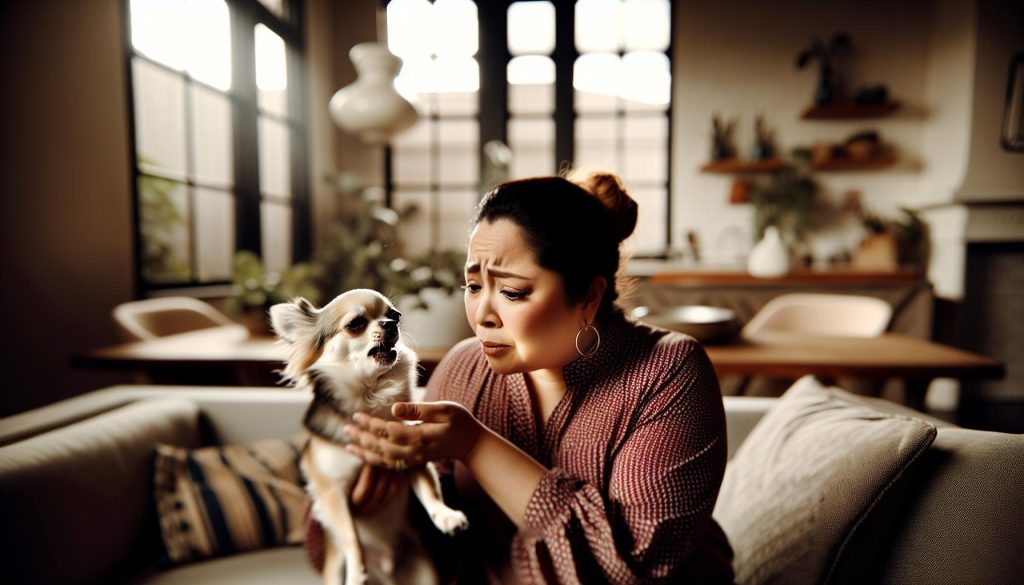
As a proud Chihuahua owner, you know how much personality these tiny pups pack into their small frames. But if you’ve noticed your Chihuahua sneezing more than usual, it can be concerning. Understanding why sneezing occurs is key to ensuring your little one stays healthy and happy. Sneezing can stem from various causes-ranging from minor irritants like dust or pollen to more significant health issues. By knowing when to worry and what signs to look out for, you can better safeguard your Chihuahua’s well-being. Let’s dive into the common reasons behind those adorable sneezes and help you determine the best course of action for your beloved companion.
Why Is My Chihuahua Sneezing? Common Causes
Chihuahuas are known for their vivacious personalities, but sometimes that boldness comes with a bit of sneezing. If your little companion has been sneezing more than usual, it could be more than just a quirk. There are several common causes that might be behind this behavior, ranging from environmental factors to underlying health issues. Understanding these can help you respond appropriately and keep your Chihuahua happy and healthy.
One of the most frequent culprits is allergies. Chihuahuas can have sensitive systems, and the presence of dust, pollen, or certain chemicals in the air can trigger sneezing. You might notice him sneezing after you’ve vacuumed or during certain seasons. Additionally, certain food ingredients can also lead to allergic reactions. Always keep an eye on your Chihuahua’s environment and diet to identify potential allergens.
Another common cause is respiratory infections. These tiny dogs can be prone to illnesses like colds or kennel cough, especially if they’ve been exposed to other dogs. Symptoms to look out for include a change in the sneezing pattern, discharge from the nose or eyes, and lethargy. If he’s displaying these signs, it’s crucial to seek veterinary advice.
Lastly, something as simple as a foreign object stuck in his nasal passage could be the cause. Chihuahuas are curious and love to explore their surroundings with their noses, which can sometimes lead to them inhaling delicate items like small seeds or grasses. If he seems particularly uncomfortable or if the sneezing persists, don’t hesitate to consult your veterinarian for a thorough examination.
Keeping these potential triggers in mind can help you manage your Chihuahua’s sneezing episodes effectively while ensuring he stays healthy and continues to share his vibrant personality with you. Remember, paying attention to changes in behavior is crucial for your little one’s well-being.
Allergies in Chihuahuas: Signs and Symptoms

If you’ve noticed your Chihuahua sneezing more often than usual, it could signal an allergy. These little pups are not only full of personality but are also sensitive to various allergens that might invade their immediate environment. Recognizing the signs of allergies can help you identify potential triggers and keep your furry friend comfortable.
Allergens can come from multiple sources: environmental, nutritional, and even household products. Common environmental allergens include pollen, dust mites, mold, and pet dander. If your Chihuahua seems to sneeze more during specific seasons or after you’ve cleaned, these could be your main suspects. Additionally, food allergies are also a concern; ingredients like corn, wheat, or certain proteins may be the culprits if you notice skin irritations or digestive issues alongside the sneezing. Owners should remain vigilant and consider keeping a diary of your Chihuahua’s sneezing episodes, noting when they occur and any changes in the environment or diet.
Watch for accompanying symptoms. If your little buddy is experiencing a runny nose, itchy eyes, or excessive scratching, it may be more than just a passing sneeze. These additional signs can indicate that allergies are indeed at play. For example, my friend’s apple-headed Chihuahua, Bella, would often battle sneezing fits during springtime. Along with her sneezes, she developed watery eyes and a little rash on her tummy. A quick visit to the vet confirmed her allergies to seasonal pollen, allowing her owner to adjust her environment accordingly.
To help diagnose allergies, a vet may suggest allergy testing to pinpoint specific triggers. In the meantime, keep your Chihuahua’s environment as clean and allergen-free as possible. Regularly washing bedding, using air purifiers, and avoiding harsh cleaning chemicals can greatly improve her comfort. If you suspect your Chihuahua’s sneezing is linked to allergies, it’s important to act quickly. The earlier you can identify and mitigate triggers, the happier and healthier your Chihuahua will be.
When Sneezing Becomes a Concern: Red Flags

If your Chihuahua’s sneezing has escalated from an occasional occurrence to a frequent habit, it’s essential to look for specific red flags that might indicate a more serious issue. While sneezing can be a benign reaction to environmental irritants or allergies, there are situations where it could signal underlying health problems that warrant prompt attention.
Pay close attention if your little buddy starts exhibiting the following symptoms alongside sneezing:
- Persistent Sneezing: If the sneezing continues for more than a few days, it could suggest an underlying infection or chronic condition.
- Discharge: Clear or colored nasal discharge, especially if it has a foul odor, may indicate an infection. Correctly identifying the type of discharge-whether it’s watery, sticky, or thick-can help in diagnosing the issue.
- Change in Appetite: A sudden decrease in appetite or refusal to eat could be linked to respiratory discomfort or illness.
- Coughing or Wheezing: These symptoms, combined with sneezing, could point to bronchitis or other respiratory ailments that need evaluation.
- Lethargy: If your Chihuahua seems more tired than usual or less interested in play, it may need closer examination.
- Labored Breathing: Any struggle to breathe, excessive panting, or open-mouth breathing can be serious and requires immediate veterinary attention.
For example, I once noticed that my friend’s tiny apple-head Chihuahua, Coco, not only sneezed frequently but also had a persistent cough and watery eyes. After a trip to the vet, it turned out that Coco had developed kennel cough, a highly contagious respiratory condition. Prompt treatment not only alleviated her symptoms but also prevented further complications.
If your Chihuahua’s sneezing is accompanied by any of these concerning signs, it’s crucial to schedule a veterinary appointment right away. Early intervention can be key in managing respiratory health issues, ensuring that your beloved companion remains happy and vibrant.
Home Remedies for Your Sneezing Chihuahua

If your Chihuahua is sneezing frequently, it can be concerning for any loving owner. Luckily, there are several home remedies you might consider that can help alleviate his discomfort and support his overall respiratory health. These gentle, holistic approaches can be particularly beneficial for Chihuahuas, who are known for their sensitive noses and respiratory systems.
One effective remedy is utilizing a humidifier in your home. Keeping the air moist can help soothe your Chihuahua’s nasal passages, especially if your home tends to be dry. Be sure to place the humidifier in a room where he spends ample time, like your living room or bedroom, ideally where he sleeps. For instance, a Chihuahua named Bella found relief from her frequent sneezing simply by enjoying bedtime snuggles in a more humidified environment. Ensuring he has a comfortable sleeping area conducive to rest can make a significant difference.
herbal remedies
Another option is to explore herbal remedies, which can support nasal health. Adding a bit of organic honey to his diet may help, as honey can soothe throat irritation and has antimicrobial properties. Just a small amount (about half a teaspoon) mixed into his food a couple of times a week can provide relief. However, it’s crucial to ensure that he is over one year old, as very young puppies should not consume honey.
You might also consider using a saline nasal spray specifically designed for dogs. This can help flush out irritants from your Chihuahua’s nose. Just be sure to follow the instructions carefully and consult with your veterinarian before using it, to ensure it’s safe for your little companion.
Monitoring & Care
Always keep an eye on your dog’s overall health. If his sneezing is accompanied by unusual behavior, decreased appetite, or any respiratory distress, it’s vital to consult your veterinarian promptly. For example, my friend’s dappled Chihuahua, Max, experienced a bout of sneezing that seemed harmless at first. However, with the introduction of home remedies and close monitoring, they were able to catch a respiratory infection early, leading to an easy recovery.
By being proactive and attentive, you can help your Chihuahua feel more comfortable and vibrant in no time!
Veterinary Treatments for Sneezing Issues

If your Chihuahua’s sneezing persists or worsens, it’s essential to visit your veterinarian to determine the underlying cause and discuss suitable treatments. Sneezing can range from a common annoyance to a sign of more serious health issues, particularly for a breed as small and sensitive as the Chihuahua. Your vet will conduct a thorough examination, considering factors such as the frequency and duration of sneezing, accompanying symptoms like nasal discharge, coughing, or lethargy, and your Chihuahua’s overall health history.
In some cases, your veterinarian may recommend diagnostic tests, such as blood work or X-rays, to rule out infections, allergies, or anatomical issues such as elongated soft palates, which are more prevalent in small dog breeds. These tests can help pinpoint why your clever little companion is having these sneezing fits. Once a diagnosis is made, your vet will decide on the most appropriate course of treatment.
For allergies, your veterinarian might prescribe antihistamines or corticosteroids to reduce inflammation and nasal irritation. If an upper respiratory infection is suspected, antibiotics may be necessary to combat any bacterial involvement, especially since Chihuahuas are prone to respiratory problems due to their small size and unique anatomy. With their bold personalities, Chihuahuas often deny they feel unwell, so observing subtle signs is crucial. An experienced vet can help determine how best to manage these conditions.
In rare cases, surgery could be an option if structural abnormalities are causing frequent sneezing or if there’s a foreign body lodged in the nasal passages. Post-operative care is crucial, so be prepared to support your Chihuahua as she recovers. Remember, as a devoted owner, staying attentive to changes in behavior is key. If your little buddy is sneezing excessively, timely veterinary intervention can make all the difference, ensuring your beloved Chihuahua stays vibrant and healthy.
Understanding Chihuahua Respiratory Health
Understanding your Chihuahua’s respiratory health is vital for ensuring their overall well-being. Chihuahuas are known for their vocal personalities and bold demeanor, but their small size and unique anatomy can make them particularly sensitive to respiratory issues. This breed often experiences sneezing fits that might seem minor at first, but it’s important to understand the underlying health dynamics at play.
Chihuahuas have a compact respiratory system, which can make them prone to conditions like allergies, infections, or even anatomical defects, such as a collapsed trachea or elongated soft palate. For instance, an apple-head Chihuahua may exhibit more pronounced respiratory issues due to their head structure. Sneezing can be a response to external irritants such as dust, pollen, or household cleaners, so observing the environment around your furry friend is key. If your buddy starts sneezing excessively, it’s crucial to evaluate whether there have been any recent changes in their surroundings that could be triggering these responses.
Another significant factor to consider is the dog’s temperament and behavior. Due to their bold nature, Chihuahuas might not always show obvious signs of discomfort when they’re feeling unwell. An astute owner will notice subtle changes, such as a decrease in playfulness or reluctance to eat, which can indicate underlying issues. If your Chihuahua shows signs of distress while sneezing-like wheezing or nasal discharge-it’s time to consult your vet. Regular health check-ups are essential for catching potential respiratory issues early, especially since Chihuahuas are more susceptible to respiratory infections and allergies as they age.
Finally, introducing preventive measures can go a long way. Maintain a clean living environment free from dust and allergens, and consider using air purifiers if your home is prone to airborne irritants. A balanced diet rich in nutrients can also support a robust immune system. Remember, when it comes to your little companion’s health, vigilance and proactive care can make all the difference. Keep a close eye on those tiny nuances, and you’ll be well-equipped to tackle any respiratory concerns that may come your way.
Preventing Sneezing in Chihuahuas: Tips for Owners
Keeping your Chihuahua sneeze-free involves a blend of environmental management, nutrition, and attentive care. Because Chihuahuas have sensitive respiratory systems, making your home a haven can significantly alleviate potential irritants. This breed is known for its curious nature, so ensuring a clean and safe environment for your lively companion is key.
Start with regular cleaning practices. Dust and allergens can easily accumulate, especially in smaller living spaces. Vacuum upholstery and floors frequently, and consider using hypoallergenic cleaning products when maintaining your home. Adding an air purifier can also help filter out airborne irritants, providing a fresher atmosphere for your furry friend. For outdoor adventures, be mindful of pollen levels and avoid walks during high count days, especially in spring and fall.
Nutrition plays a crucial role in your Chihuahua’s health. Providing a balanced diet rich in nutrients supports a strong immune system, helping your pooch fend off respiratory troubles. Incorporate foods that are high in omega fatty acids, which can help maintain skin and coat health while reducing inflammation. Keep treats natural and avoid additives that may trigger allergies.
It’s also important to monitor for any changes in your Chihuahua’s behavior or health. Regular vet check-ups can catch potential issues before they escalate. If your pup starts sneezing more frequently, look for patterns related to activities or environments-they may be sensitive to specific triggers like smoke or strong scents.
Lastly, engage with other Chihuahua owners for shared tips and experiences. You might find comfort in knowing you’re not alone in navigating the quirks of this proud little breed. Observing their needs and being proactive will ensure that you’re equipped to keep your Chihuahua happy and healthy.
Monitoring Chihuahua Sneezing: When to Seek Help
Monitoring your Chihuahua when she starts sneezing can be crucial to understanding her health and well-being. Chihuahuas are known for their sensitive respiratory systems, which means that even a slight change in their environment or health can lead to increased sneezing. Frequent sneezing may seem harmless at first, especially given their playful and vocal personalities, but it’s essential to pay close attention to specific signs that indicate when it’s time to seek professional help.
Start by observing the frequency and duration of your Chihuahua’s sneezes. If it’s a rare sneeze here and there, it might simply be due to a temporary irritant like dust or a sudden change in temperature. However, if your Chihuahua is sneezing repetitively for an extended period, or if those sneezes are accompanied by other concerning symptoms such as nasal discharge, coughing, or lethargy, it’s time to consult your veterinarian. For example, one Chihuahua owner noted that her pup started sneezing excessively after a move, which turned out to be an allergic reaction to dust in the new apartment.
- Notice accompanying symptoms: Monitor for signs like appetite loss, sudden weight changes, or unusual behavior. If any of these appear alongside sneezing, keep track of them to share with your vet.
- Avoid environmental triggers: During peak allergy seasons, keep to indoor play to limit exposure to pollen. If you notice a pattern in her sneezing linked to outdoor activities, take a mental note.
- Implement a sneeze journal: Keeping a record of when and where sneezes occur, along with any other health changes, can be invaluable information for your vet.
With Chihuahuas, a proactive approach is vital. For instance, if your Chihuahua is a particularly small or apple-headed variety, they might be more prone to respiratory sensitivities. Their narrow airway can exacerbate sneezing issues. Thus, if you’ve addressed common environmental irritants like strong scents or smoke and she’s still sneezing frequently, it’s essential to prioritize a vet visit. Healthcare professionals can pinpoint specific allergies or infections that may not be apparent initially. Remember, your attentive care is the best assurance of a happy and healthy future for your little companion!
Seasonal Changes and Sneezing: What to Watch For
As the seasons change, the environment can become a minefield of allergens for your delicate Chihuahua. From pollen in spring to dust and mold in fall, these tiny companions can be particularly susceptible to sneezing fits triggered by various seasonal shifts. Understanding the specific challenges each season presents can help you better navigate your pup’s health during these transitions.
In spring, with flowers blooming and trees releasing pollen, you might notice your Chihuahua sneezing more often. If she seems unusually bothered by the outdoors, it could be a sign of seasonal allergies. Pay close attention to when and where she sneezes-does it happen mainly during walks in the park? You might want to limit her outdoor time during peak pollen hours. Consider wiping her paws and coat with a damp cloth after you come inside to reduce the allergens she brings with her.
Summer can introduce a different set of challenges. Increased humidity can lead to mold growth, which may affect her respiratory health. Be on the lookout for sneezing episodes following damp, humid days. Use a dehumidifier in your home to keep mold at bay and ensure your Chihuahua’s living space is dry and clean.
As fall approaches, ragweed becomes a major allergy culprit, often resulting in increased nasal irritation and sneezing in our furry friends. If you notice a spike in her sneezing during this season, you might want to keep her indoors more often, especially on windy days when pollen disperses easily.
Winter might seem like a relief from allergens, but indoor heating changes the air quality, causing dust to circulate more. Frequent, vigorous cleaning can help reduce this problem, but ensure your Chihuahua isn’t exposed to heavy-duty cleaners, which can also aggravate her sensitive nose. Instead, opt for pet-safe cleaning products and create a comfortable indoor space where she can breathe easily.
By staying proactive and observant, you can help your little companion navigate the seasonal challenges that might trigger her sneezing. Keep track of her sneezing patterns, and if they become more frequent or are accompanied by other concerning symptoms, don’t hesitate to consult your veterinarian to ensure her health remains a top priority.
Chihuahua Specific Breeds: Sneezing Sensitivities
Chihuahuas, with their bold personalities and tiny frames, can be surprisingly sensitive to their environment, particularly when it comes to respiratory issues like sneezing. Understanding the nuances of specific Chihuahua breeds can shed light on why some seem more prone to sneezing than others. For instance, the apple-head Chihuahuas are beloved for their rounded skulls and sweet expressions, but their unique structural features can contribute to respiratory sensitivities. The shape of their skull can marginally affect nasal passageways, making them more susceptible to irritants and allergens.
The coat type of Chihuahuas plays a crucial role in their sneeze frequency too. Long-haired varieties might collect more dust, pollen, and other allergens in their luxurious fur, resulting in more sneezing episodes compared to their short-haired counterparts. Owners should regularly groom their long-haired Chihuahuas to help minimize allergens and keep their snouts clear, especially during peak allergy seasons. A dedicated brushing can be a delightful bonding experience and can go a long way in helping your furry friend feel comfortable and sneeze less.
Another factor is the environment where your Chihuahua lives. Chihuahuas tend to thrive in warm, controlled indoor settings. For example, those in urban areas may suffer more from pollution-related sneezing than those in rural zones. If you notice increased sneezing when your pup is outside, try to monitor their outdoor activities, avoiding areas with high traffic or pollen levels. As caretakers, being sensitive to your Chihuahua’s surroundings and adjusting their environment can significantly impact their respiratory health.
Lastly, it’s worth noting that every Chihuahua has its individual quirks and sensitivities. An owner shared that her Chihuahua, Bella, sneezed frequently around certain floral scents, prompting her to avoid scented candles and air fresheners altogether. Understanding each dog’s unique triggers is essential for providing a comfortable and sneeze-free environment. Keeping track of sneezing patterns and sharing any concerns with your veterinarian ensures that you stay ahead of potential health issues, allowing your little companion to thrive in their unique way.
Owner Experiences: Real Stories of Sneezing Chihuahuas
Experiencing a sneezing Chihuahua can be both amusing and concerning for owners. Many passionate dog lovers share stories that highlight the quirks of these tiny companions. For instance, Karen, a Chihuahua owner from Texas, recalls how her apple-head Amanda would start sneezing whenever she sniffed flowers in the garden. At first, Karen found it adorable, but soon realized that Amanda’s sneezes were more frequent during pollen-heavy seasons. Adjusting their outdoor activities and keeping Amanda indoors during peak allergy times proved to be the best remedy.
Another owner, Mike, discovered through trial and error that his long-haired Chihuahua, Pepper, was particularly sensitive to dust. He started vacuuming more regularly and even invested in an air purifier for their home. Since making these changes, Mike noticed a significant decrease in Pepper’s sneezing fits, allowing him to enjoy peaceful evenings cuddled up on the couch without interruptions.
Interestingly, experiences vary among Chihuahua owners. For instance, Nora, who has a short-haired Chihuahua named Max, found that certain cleaning products set off her dog’s sneezing episodes. After switching to chemical-free cleaners and keeping the house well-ventilated, Nora reported a marked improvement in Max’s respiratory comfort. It’s essential for owners to take note of their Chihuahuas’ reactions to different environments and substances, as this can provide valuable insights into managing their health effectively.
Overall, learning from fellow owners can significantly guide you in addressing your Chihuahua’s sneezing. Each dog’s response to allergens and irritants is unique, so continuous observation and a willingness to adapt are key. Sharing experiences in community forums or with your vet can also lead to a better understanding of how to keep your little buddy healthy and happy. Regular grooming, environmental adjustments, and being mindful of potential triggers can go a long way in ensuring your Chihuahua enjoys a sneeze-free life.
FAQ
Q: What are some common allergens that can cause sneezing in Chihuahuas?
A: Common allergens for Chihuahuas include pollen, dust mites, mold, and pet dander. Identifying these triggers can help in managing your dog’s sneezing. Keeping your home clean and minimizing outdoor exposure during high pollen seasons can also be beneficial.
Q: How can I tell if my Chihuahua’s sneezing is serious?
A: If your Chihuahua’s sneezing is persistent and accompanied by symptoms like nasal discharge, coughing, or difficulty breathing, it’s important to consult a veterinarian. These could indicate underlying health issues that need attention, as discussed in the section on “When Sneezing Becomes a Concern” of our article.
Q: Can environmental changes trigger sneezing in Chihuahuas?
A: Yes, environmental changes such as moving to a new home, seasonal shifts, or increased humidity can trigger sneezing. Adjustments in your Chihuahua’s surroundings can introduce new allergens, so monitor your dog’s reaction and consider consulting your vet if symptoms persist.
Q: What are some homemade remedies for a sneezing Chihuahua?
A: Homemade remedies include steam therapy to help relieve nasal congestion and using a humidifier to maintain moisture in the air. Always consult with your veterinarian before trying new remedies to ensure they are safe for your dog.
Q: Are there any specific breeds that are more prone to sneezing?
A: Certain breeds, including some toy breeds like Chihuahuas, can be more prone to sneezing due to their unique anatomical structures, such as their short snouts. Understanding breed-specific sensitivities can aid in preventative care.
Q: How do I prevent my Chihuahua from sneezing?
A: To prevent sneezing, maintain a clean living environment, avoid exposure to known allergens, and ensure regular veterinary check-ups. A structured routine as outlined in our “Preventing Sneezing in Chihuahuas” section can also be very helpful.
Q: When should I take my Chihuahua to the vet for sneezing?
A: If your Chihuahua’s sneezing persists for more than a few days, worsens, or is accompanied by other symptoms such as fever or lethargy, it’s time to visit the vet. Early intervention is key to addressing potential health issues effectively.
Q: What signs indicate that my sneezing Chihuahua might have a respiratory infection?
A: Signs of a potential respiratory infection in your Chihuahua include persistent sneezing, coughing, loss of appetite, and nasal discharge. These symptoms warrant a veterinary visit for proper diagnosis and treatment, as discussed in our “Veterinary Treatments for Sneezing Issues” section.
The Conclusion
Understanding why your Chihuahua is sneezing can help you keep her happy and healthy. Remember, occasional sneezes might not be a cause for alarm, but persistent or severe sneezing warrants a vet visit. Explore our detailed guides on common Chihuahua health issues and essential care tips to ensure your little companion thrives.
Don’t forget to sign up for our newsletter for the latest insights on Chihuahua health and behavior, and check out our articles on training techniques and diet recommendations. Your feedback matters-share your thoughts in the comments or let us know your Chihuahua’s story! Staying informed is key to being a confident owner, so continue exploring our resources to support you and your furry friend on this journey.
Get our latest guides, news, and insights highlighted in your Google Search & AI Overviews.