
Chihuahuas are not just one of the tiniest dog breeds; they boast a stunning variety of coat colors that reflect their vibrant personalities. From bold fawns to striking chocolate and even rare blue tones, the coat color of your Chihuahua can reveal much about their character and charm. Understanding the full spectrum of Chihuahua coat colors not only enhances your appreciation for this breed but also helps prospective owners make informed decisions when choosing their perfect companion. Whether you’re a first-time dog owner or a seasoned Chihuahua enthusiast, learning about these colors opens a window into the breed’s unique traits and helps you celebrate their individuality. Let’s delve into the colorful world of Chihuahuas and discover what each hue brings to the table!
What Are the Most Common Chihuahua Coat Colors?
Chihuahuas come in an impressive variety of coat colors, making each little companion unique. When considering what colors these delightful dogs can be, you’ll find that they can typically exhibit solid, spotted, or brindle patterns. The most common colors include fawn, black, chocolate, white, and cream, each bringing its own charm to the breed. Fawn is perhaps the most popular choice, often seen in both smooth and long-haired varieties. It’s a warm, sunny hue that can range from light to deep tan, creating a spectrum that many enthusiasts adore.
In addition to these basic colors, Chihuahuas can also showcase a fascinating range of combinations and patterns. For instance, some might flaunt a striking black and tan coat while others sport a chocolate and cream mix, resulting in an eye-catching appearance. It’s worth noting that each color can be further influenced by genetics, meaning that unexpected shades can arise in litters. This genetic diversity not only makes every Chihuahua visually distinct but can also reflect their health and temperament traits, with some colors being more prone to certain health issues.
When you’re choosing a Chihuahua, it’s essential to consider that color can indeed affect how you perceive your pup and how others perceive him or her. For example, a regal black Chihuahua may come across as more sophisticated, while a sunny fawn companion can radiate warmth and friendliness. However, personality does not solely depend on coat color; every dog is an individual with unique traits. Regular grooming and proper care will help maintain the vibrancy and health of your Chihuahua’s coat, regardless of its color.
Lastly, understanding these common Chihuahua colors can guide you as you welcome one into your home. Embrace the uniqueness of your Chihuahua, knowing that both personality and color contribute to the joy they bring into our lives. Whether you fall for a playful fawn or a striking chocolate, your little companion will undoubtedly fill your days with love and laughter.
Understanding Chihuahua Coat Patterns and Variations
Chihuahuas are truly a canvas of color and pattern, showcasing a delightful variety that makes each one unique. Understanding the coat patterns and variations is essential for appreciating the breed’s diversity. While many Chihuahuas exhibit solid colors, they can also display stunning combinations and patterns. Each color or pattern carries its own charm, and many enthusiasts find joy in this rich tapestry of hues.
The most familiar coat patterns in Chihuahuas include:
- Solid: This is when the dog’s coat is a single color throughout, and common shades include fawn, black, white, and chocolate.
- Brindle: Characterized by a base color with streaks of a different color, usually appearing as tiger stripes. Brindle patterns can be found in colors like fawn and black.
- Spotted: This pattern features a base color punctuated with patches of a contrasting color, creating a visually striking effect. Common variations include black and tan or white with brown spots.
In addition to these primary patterns, you may also encounter rare combinations, such as merle, which features a mottled or cloud-like effect. It’s fascinating to note that genetics plays a significant role in determining these colors and patterns. A litter of puppies can present a stunning variety of colors, sometimes surprising even experienced breeders.
For those looking to adopt a Chihuahua, the coat pattern may influence your choice. Some owners gravitate toward a smooth-coated Chihuahua for easy maintenance, while others prefer the lush, long-haired beauties. Ultimately, each coat type has its own appeal, complementing the Chihuahua’s quirky personality-whether they’re tiny, bold, and full of confidence or the epitome of charm and affection.
Caring for a Chihuahua’s coat, regardless of its pattern, involves regular grooming tailored to the type of fur. Smooth coats typically require less maintenance, simply needing occasional brushing, while long-haired Chihuahuas might need more frequent combing to prevent tangles. This basic care not only helps maintain the dog’s appearance but also strengthens your bond, making grooming time a shared experience of love and companionship. Embrace the unique colors and patterns of your Chihuahua; they are as distinctive as their spirited personalities!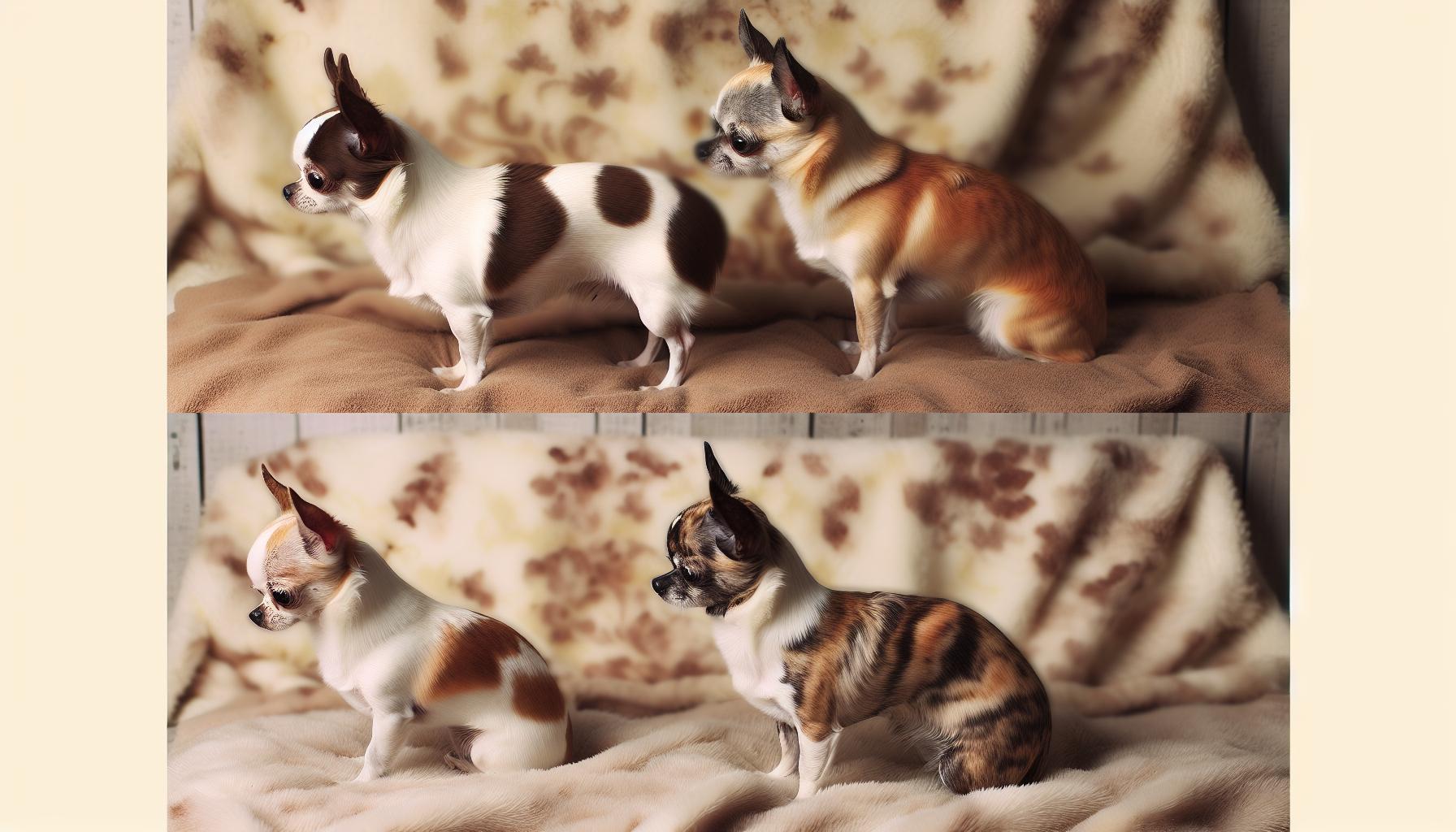
The Fascinating Genetics Behind Chihuahua Colors
Chihuahuas are not just diminutive dogs with big personalities; they are also a fascinating study in genetics when it comes to coat colors and patterns. Each hue and pattern you see on these spirited little companions is influenced by unique genetic combinations inherited from their parents. This breeds a captivating diversity that can vary significantly even within the same litter, making the world of Chihuahua colors all the more intriguing.
The genetics behind Chihuahua coat colors is controlled by a variety of genes that dictate not only the primary color of the coat but also the presence of patterns like brindle, spotted, or merle. For instance, a gene called the “Agouti” gene can result in various shades of brown and fawn, while other gene combinations can produce the striking blue or chocolate hues. The merle pattern, which is particularly sought after for its unique splotchy appearance, is caused by a specific allele that modifies the base color, creating that mottled effect. This genetic complexity means that two Chihuahuas of the same color can produce a wildly different range of colors and patterns in their offspring.
Additionally, it’s important to understand that while genetics plays a critical role, environmental factors and breeding practices can also influence color expression. Responsible breeders often keep a close eye on genetic history to ensure the health and beauty of their pups, which includes not only color but also potential health issues that may arise from certain genetic combinations. Owners who are keen on specific colors should inquire about the ancestry of their potential pups, making this an exciting journey of discovery into both genetics and breeding histories.
This colorful gene pool does not only represent aesthetic variations; it also resonates with Chihuahuas’ vibrant personalities. Just as a Chihuahua’s color can reflect its genetic background, its character often mirrors the traits associated with that lineage. So when you choose a Chihuahua, remember that you aren’t just picking a color-you’re embracing a dynamic mix of genetics and traits that make your pup uniquely yours.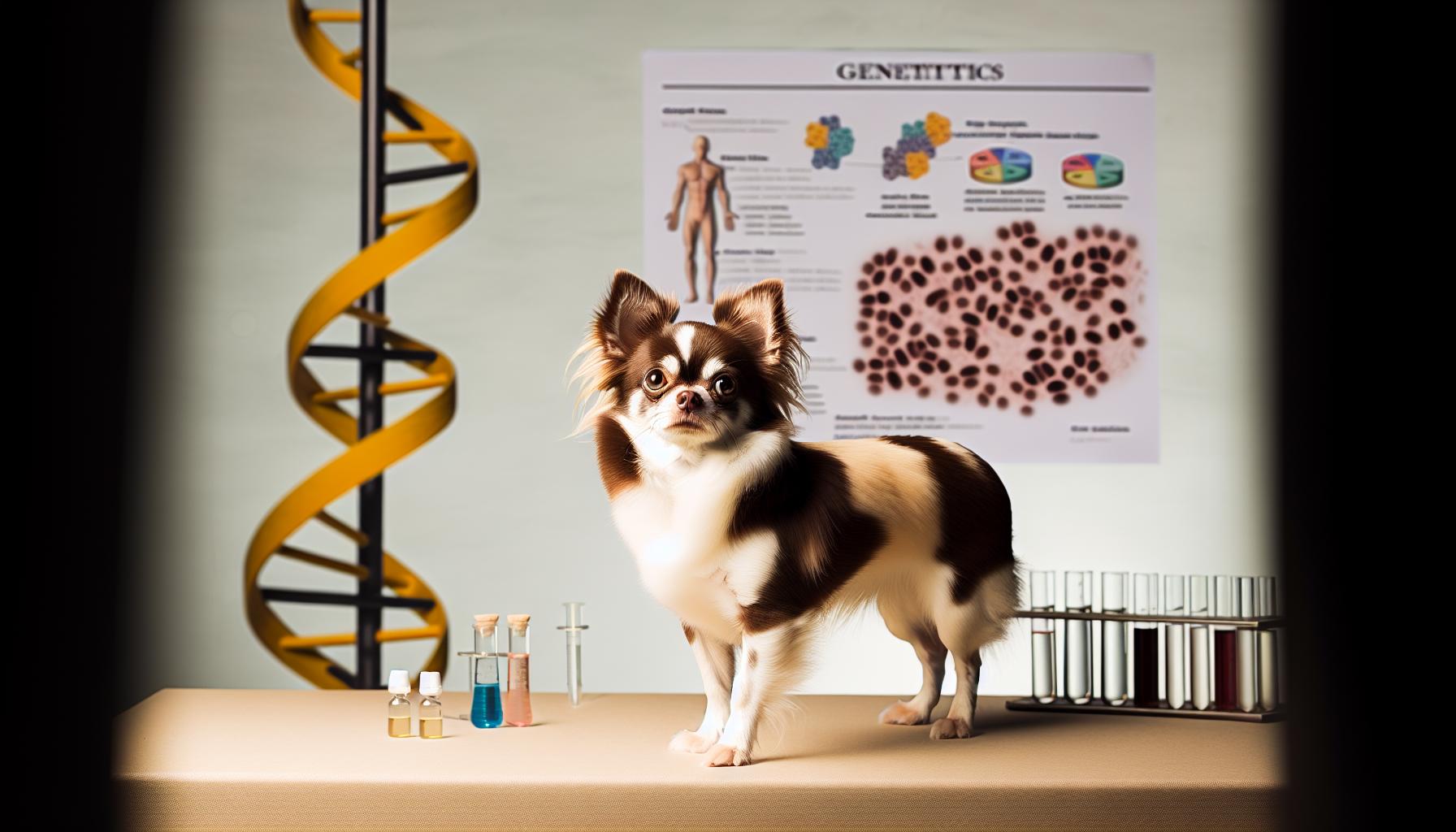
Unique Color Combinations: Rare Chihuahua Shades
Chihuahuas are not only adorable companions but also showcase a stunning array of coat colors that can truly set them apart. Among these canines, there are rare shades that capture the hearts of enthusiasts and potential owners alike. One of the most sought-after unique combinations is the blue Chihuahua, which features a striking coat often compared to a misty sky. This color is due to a dilution gene that affects the black pigmentation, resulting in a soft, muted tone that’s both rare and beautiful.
The chocolate and lilac shades are similarly captivating. Chocolate Chihuahuas boast a rich, warm hue that gives them a luxurious look, while lilac embodies an enchanting blend of grey and lavender, created by a combination of genes that dilute the standard coloration. These fascinating color variations don’t just add to their aesthetics; they often spark conversations and become a point of pride among proud owners.
Another unique combination can be found in merle Chihuahuas. The merle pattern is recognized by its mottled, patchy appearance, where solid colors are interspersed with lighter or darker spots. This genetic trait can lead to an array of beautiful color pairings, including blue merle and chocolate merle. However, it’s essential for potential owners to be informed about the potential health issues associated with merle genetics, including deafness or eye abnormalities, which can sometimes accompany this striking coat.
Lastly, don’t overlook the rare fawn variations, which can range from very light cream to deep tan. Some Chihuahuas may be born with distinct markings or even brindle patterns that stand out beautifully against a fawn background. These striking patterns not only add uniqueness but also celebrate the individual personality of each dog. When selecting a Chihuahua, keep in mind that while the color may catch your eye, it’s their spirited personality and charm that will truly win your heart.
The Impact of Coat Color on Chihuahua Personality
While the coat color of a Chihuahua may be a captivating aspect of their appearance, many owners wonder if these colors can correlate with personality traits. Interestingly, the answer isn’t straightforward; a Chihuahua’s temperament is influenced by a mix of genetics, upbringing, and socialization rather than coat color alone.
For instance, some owners have observed that fawn Chihuahuas, often viewed as the quintessential Chihuahua color, tend to display a more outgoing and playful demeanor. Their sunny dispositions may align with their vibrant coat, making them engaging and affectionate companions. On the other hand, chocolate Chihuahuas are frequently associated with a loving yet strong-willed personality, often displaying a hint of independence that ensures they are not easily overlooked or dismissed.
However, it’s important to note that individual personalities can vastly differ regardless of color. For example, an owner of a black and tan Chihuahua might share tales of her pup’s stubborn yet charming antics, showcasing loyalty and alertness-traits that are beloved in the breed. Ultimately, the experiences each owner has reinforce that while color may catch the eye, it is the dog’s unique personality that truly shines through, shaping a profound bond with their humans.
Just as fascinating are the stories behind unique color combinations like the blue merle Chihuahuas, whose mottled patterns may attract admiring attention, but their temperament can vary widely. A well-socialized blue merle Chihuahua may exude confidence and curiosity, while others may retain a more reserved nature. This subtlety reminds us that, as with people, no two Chihuahuas are precisely alike.
As you bond with your Chihuahua, pay attention to their behavior, as much of it will stem from their environment and training. Whether you welcome a spirited lilac or a reserved cream into your home, embrace the individuality that each Chihuahua brings, creating a loving and understanding atmosphere that allows their true personality to flourish.
Caring for Your Chihuahua’s Coat: Maintenance Tips
To keep your Chihuahua’s coat in prime condition, it’s essential to develop a regular grooming routine that caters to their unique coat type. Chihuahuas come in two primary coat types: smooth and long-haired. Understanding the basics of care for each will help you enhance their natural beauty while maintaining a healthy coat.
For smooth coat Chihuahuas, grooming is relatively simple. A soft-bristle brush or grooming mitt will effectively remove loose hair and distribute natural oils throughout their coat. Aim for a gentle brushing session once a week or more during shedding season, which can help prevent excessive hair from covering your furniture. Additionally, regular baths using a mild dog shampoo will keep their coat clean and fresh without stripping essential oils. Just be cautious not to bathe too frequently, as this can lead to dry skin.
In contrast, long-haired Chihuahuas require a bit more attention. Regular brushing, at least two to three times a week, is key to preventing tangles and mats. A slicker brush works wonders for removing debris and maintaining a smooth appearance. Pay special attention to areas behind the ears and under the legs, as these spots can mat easily. Bathing should also be done as needed, but remember to follow with a conditioner to keep their coat from becoming dull and brittle.
Aside from brushing, it’s important to check your Chihuahua’s coat for any signs of irritation, pests, or skin issues, which can affect their coat quality. Maintaining a proper diet rich in essential fatty acids can also enhance the health of their coat. Foods that promote a healthy coat may include fish oils or foods specifically formulated for skin and coat health.
Lastly, be mindful of your Chihuahua’s living environment. Keeping their bedding clean and avoiding harsh chemicals will contribute to a healthier coat and skin. Regular veterinary check-ups can also catch any health issues early, ensuring your furry friend stays vibrant and lively.
Embracing your Chihuahua’s unique coat characteristics not only enhances their beauty but also showcases the love and care you provide as a dedicated owner.
Identifying Color Changes in Aging Chihuahuas
As your Chihuahua ages, you may notice subtle transformations in her coat that are both beautiful and fascinating. Just like us, these pint-sized companions can experience changes in color, texture, and overall coat health as the years go by. Understanding these changes is an essential part of caring for your loyal friend, especially given the array of colors Chihuahuas come in-from fawn to black, white to chocolate, and more.
First, it’s common for older Chihuahuas to develop graying in their fur, particularly around their face and muzzle, much like humans. This graying can create a distinguished look that reflects her personality and experiences. Depending on your Chihuahua’s original coat color, this change can result in a beautiful salt-and-pepper effect or may simply fade the vibrant hues she once sported. Keep in mind, however, that graying can sometimes indicate health issues; it’s wise to monitor any significant changes and consult your vet if necessary.
Additionally, aging can also affect the texture of her coat. An older Chihuahua might develop dry or brittle fur, which can be exacerbated by dietary deficiencies or environmental factors. To counter this, ensure she is receiving a balanced diet rich in omega fatty acids. Foods containing fish oil or specially formulated supplements can help maintain a healthy, shiny coat.
Don’t forget to adjust your grooming routine as she ages. Regular brushing can help distribute natural oils and keep her coat healthy, but be gentle and attentive to any sensitive areas. Consider using conditioners or moisture-rich shampoos when bathing to combat dryness and promote softness. Owners often share how their dogs respond positively to gentle grooming sessions, which not only maintains coat quality but also provides a comforting bonding experience.
Understanding these natural transitions in your Chihuahua’s coat can deepen your appreciation for her unique beauty. Regular grooming, a nutritious diet, and frequent vet check-ups can ensure her coat remains lush and vibrant, celebrating her life and loyalty as she ages gracefully.
Coat Types: Smooth Coat vs. Long-Haired Chihuahuas
The Chihuahua breed showcases a delightful variety of coat types, prominently smooth and long-haired, each bringing its unique charm. Understanding these differences not only enhances your appreciation of your furry companion but also helps you provide appropriate care and grooming tailored to their specific needs.
Chihuahuas with smooth coats have a sleek, shiny appearance that feels soft to the touch. Their fur is short, lying close to the body, which makes grooming relatively straightforward. Regular brushing a couple of times a week is generally sufficient to remove dead hair and distribute natural oils, keeping the coat healthy and vibrant. Plus, their minimal shedding is often appreciated by owners who prefer a low-maintenance option. Despite their streamlined appearance, these Chihuahuas boast a plethora of colors-from fawn and cream to chocolate, black, and more-as well as varied patterns like brindle or spotted.
In contrast, long-haired Chihuahuas flaunt a luxurious, flowing coat that exudes elegance. This type requires more dedication when it comes to grooming; daily brushing is essential to prevent tangles and mats, especially around sensitive areas such as the ears and underbelly. Their coats can come in a rich palette of colors and patterns as well, and this diversity makes every long-haired Chihuahua unique. You might find a beautiful sable long-haired Chihuahua or one showcasing striking patches of white and chocolate. The longer fur tends to accumulate dirt and moisture more easily, so regular baths using gentle, moisturizing shampoos will help maintain their coat’s health and appearance.
Both coat types are equally susceptible to the impact of external factors like nutrition and environmental conditions. Regardless of whether your Chihuahua is sporting shorter or longer fur, a balanced diet rich in essential fatty acids supports a healthy coat and skin. Additionally, keep an eye out for any changes that may indicate health issues, such as excessive shedding or dull fur, and consult your veterinarian if necessary.
Choosing which coat type resonates with you often comes down to personal preference and lifestyle considerations. Some owners adore the ease of caring for a smooth-coated Chihuahua, while others cherish the beauty and flair of long-haired companions. Whichever type you choose, both are sure to bring joy, loyalty, and lively personality into your home.
How to Choose the Right Chihuahua Color for You
Choosing a Chihuahua’s color can be an exciting yet overwhelming decision, especially given the rich variety of hues that these small dogs can exhibit. From the classic fawn to striking patterns of chocolate and cream, each color brings its own personality and charm. Consider what resonates most with you and fits your lifestyle. For example, if you’re drawn to stunning visual contrasts, you might love a black and tan Chihuahua, whose bold colors often make them stand out in a crowd.
When selecting a color, think about how it complements your home environment and your personality. Some owners prefer earthy tones that blend seamlessly into their décor, while others are attracted to vibrant colors that reflect their lively spirit. It’s also useful to consider practical aspects; for instance, lighter-colored Chihuahuas may show dirt and stains more visibly than darker shades, requiring more frequent grooming and cleaning.
Another aspect to keep in mind is the genetic background of the Chihuahua. Sometimes, specific colors can be associated with certain breed types or lines. For those who appreciate the unique aesthetics of their pets, learning about the breed standards and variations within coat colors can be both interesting and beneficial. You might find that specific shades are particularly valued in dog shows or among breeders, which could influence your choice if you’re considering showing your furry friend.
Additionally, it’s important to recognize that coat color can sometimes correlate with behavior and temperament, although this is not a hard rule. For example, some owners report that their fawn-colored Chihuahuas tend to be friendly and outgoing, whereas those with darker coats might exhibit a more reserved nature. Ultimately, your choice should be not only about appearance but also about finding a Chihuahua whose personality aligns with your family and lifestyle. Remember, every Chihuahua, regardless of color, has the potential to be a loving companion, ready to bring joy and warmth into your life.
Debunking Myths About Chihuahua Coat Colors
Many people harbor misconceptions about the various coat colors of Chihuahuas. It’s important to dispel these myths to truly appreciate the diversity and charm this breed offers. One common belief is that certain colors inherently affect temperament or behavior. While it’s easy to assume that a fawn Chihuahua might be more social than a chocolate one, reality tells us that personality is more a product of environment and upbringing than of coat color. Every Chihuahua, whether sand-hued or black-and-tan, can exhibit a wide range of behaviors depending on their experiences and socialization.
Another prevalent myth is that rare coat colors are an indication of a “better” or more valuable dog. While certain colors like merle or brindle can be less common, they do not equate to superior health or quality in breeding. In fact, some health issues can be more prevalent in dogs with unique colors due to the way they are bred. It’s crucial for potential owners to remember that the love and companionship a Chihuahua provides far outweighs any perceived prestige associated with their coat color.
Additionally, first-time Chihuahua owners might believe that all Chihuahuas have short fur and a uniform look. This isn’t true, as Chihuahuas can be categorized into two main coat types: smooth coat and long-haired. Smooth coats are sleek and require less grooming, while long-haired Chihuahuas, with their flowing locks, do need regular brushing to avoid matting. Both types come in an array of colors and patterns, including spotted, sable, and solid tones.
Lastly, there’s the unfounded notion that owning a lighter-colored Chihuahua will be more challenging, due to concerns over visible stains and dirt. While it’s true that fawn and white coats may highlight dirt more readily, it doesn’t diminish the joy a bright, bubbly Chihuahua brings to your life. Regular grooming and a bit of vigilance can keep any Chihuahua looking their best, regardless of coat color. Embrace your Chihuahua’s unique coloring and personality, and remember that all dogs are individuals deserving of love, attention, and care.
The Role of Color in Chihuahua Breed Standards
The variety of coat colors in Chihuahuas not only makes them visually striking but is also significant in terms of breed standards. For those considering welcoming a Chihuahua into their home, understanding how color plays a role in breed recognition and preferences can be enlightening. Each color’s rarity and recognition can vary, influencing both aesthetic appeal and, somewhat, the popularity among breeders and enthusiasts.
Breed standards set forth by major organizations like the American Kennel Club (AKC) outline acceptable colors and patterns, ranging from the common fawn and black to rarer shades like chocolate and lilac. Here’s an overview of some typical colors seen in Chihuahuas:
- Fawn: The most recognized color, often seen with a black mask.
- Black: Solid black Chihuahuas are striking and sleek.
- Chocolate: A rich, warm brown, chocolate Chihuahuas can vary in shade.
- White: Pure white is less common but very desirable for its rarity.
- Blue: A rare and beautiful color that carries with it unique genetic implications.
- Merle: Known for its mottled coat pattern, merle is both sought after and controversial due to health considerations.
A key aspect of these standards is that they not only help in the identification of purebred Chihuahuas but also in assessing their quality when bred. While many owners choose a Chihuahua based on personal preference for color, it’s essential to consider how certain colors might still be prone to issues. For example, merle Chihuahuas, while visually appealing, can face health challenges related to genetics, something more experienced breeders will take into account.
Choosing a Chihuahua based on color alone can sometimes overshadow more important factors such as health, temperament, and lineage. Therefore, when selecting your future companion, it’s advisable to look beyond the coat color and focus on a well-bred individual that fits into your lifestyle and personality. Each color brings out different characteristics in your Chihuahua’s appearance, but remember, they all embody the same bold spirit and loyalty that make the breed so beloved.
Celebrating the Unique Beauty of Chihuahuas
The dazzling variety of coat colors in Chihuahuas is a true celebration of their unique beauty. Each color not only enhances their distinctive appearance but also reflects the diversity within the breed, showcasing what makes them so beloved by dog enthusiasts. From the most common shades to striking rarities, every Chihuahua carries a personality that shines through their coat.
For first-time owners and seasoned enthusiasts alike, recognizing the impact of a Chihuahua’s coat can help foster a deeper connection with these endearing companions. A fawn Chihuahua, often enveloped in warm hues, might exude a playful energy, while a rare blue or chocolate Chihuahua may come with a quieter charm that draws admiration. Each coloration brings a unique flair, allowing you to choose one that resonates with your lifestyle and preferences.
Caring for your Chihuahua’s coat is essential to preserving its vibrant beauty. Regular grooming helps maintain the health of their fur, which can vary significantly between the smooth coat and long-haired varieties. For example, long-haired Chihuahuas may require more frequent brushing to prevent tangles, while smooth coats can often be managed with a simple rubdown to keep them sleek. Ensuring a proper diet full of nutrients can also contribute to a shiny, lush coat, enhancing their natural allure.
As you navigate the wonderful world of Chihuahuas, remember that every coat color tells a story. From passionate barks to heartwarming cuddles, these little dynamos thrive on love and care, regardless of their coat’s palette. Embrace the joys and quirks that come with your Chihuahua-each one is not just a dog but a vibrant piece of art in your life.
Faq
Q: What are some rare Chihuahua coat colors?
A: Rare Chihuahua coat colors include merle, chocolate with tan markings, and blue fawn. These unique colors are less common and may not be found in every breeder’s lineup. Always seek reputable breeders who prioritize health alongside beauty when searching for unique Chihuahua colors.
Q: How do Chihuahua coat colors affect their personalities?
A: While there is no scientific evidence to directly link coat color to personality, some owners believe that lighter-colored Chihuahuas can be friendlier, while darker shades may be more reserved. It’s essential to remember that individual personality varies widely regardless of color.
Q: Are there specific coat care tips for different Chihuahua colors?
A: Yes, lighter-colored Chihuahuas may require sun protection to avoid skin damage, while darker colors might show dirt more easily. Regular grooming is essential for all coat types, and using gentle shampoos can help maintain their unique coat vibrancy.
Q: Can Chihuahua coat colors change as they age?
A: Yes, it’s common for Chihuahuas to experience coat color changes as they age. Factors such as genetics, health, and sun exposure can lead to fading or darkening of their coats. Regular check-ups with a vet can help monitor these changes.
Q: What color combinations are most sought after in Chihuahuas?
A: Popular color combinations include chocolate and tan, cream and white, and black and tan. These combinations are often favored for their striking appearance and can enhance the dog’s overall charm and marketability.
Q: Do certain coat colors indicate specific health issues in Chihuahuas?
A: Certain rare colors, like merle, may be associated with increased risks of genetic health issues, such as hearing problems or vision impairment. Always consult with breeders about health screenings and potential risks related to coat color.
Q: How do breed standards evaluate Chihuahua coat colors?
A: Breed standards recognize a variety of colors but typically favor brindle, fawn, and chocolate. Each color has specific guidelines on shades and markings, influencing how well a Chihuahua conforms to breed standards during competitions.
Q: What should I consider when choosing a Chihuahua color for my family?
A: When selecting a Chihuahua color, consider factors like lifestyle, environment, and personal preference. Lighter dogs may need more sun protection, while darker colors can hide stains better. Ultimately, choose a color that resonates with your family while considering the dog’s well-being.
Final Thoughts
Understanding the stunning variety of Chihuahua coat colors is just one part of being a committed owner. From the vibrant hues to the unique patterns that enhance their charming personalities, knowing how colors can reflect your Chihuahua’s individuality can help you connect even deeper with your furry friend. Don’t forget, choosing a Chihuahua means embracing their vivacious spirit, whether he’s a lilac beauty or a classic fawn.
Ready to learn more? Explore our guides on Chihuahua care tips or behavioral insights that every owner should know. And if you’re curious about the best products tailored for their unique size and needs, check out our recommendations! We invite you to share your favorite Chihuahua color stories below-your input not only enriches our community but can inspire others in their Chihuahua journey. Join us, and let’s celebrate the wonderful world of Chihuahuas together!
Get our latest guides, news, and insights highlighted in your Google Search & AI Overviews.