
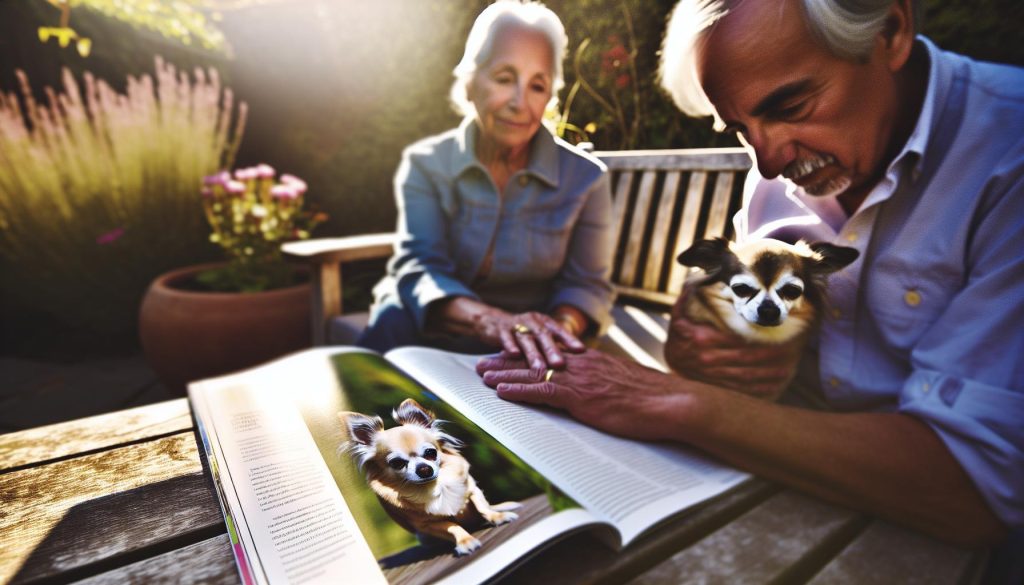
Chihuahuas are more than just tiny companions; they’re vibrant personalities wrapped in fur, known for their loyalty and boldness. As a Chihuahua owner, understanding their lifespan is crucial in providing the best care and love throughout their lives. On average, Chihuahuas live between 12 to 20 years, but various factors can influence their longevity. From health issues like dental disease to the impact of lifestyle and genetics, being informed can help you ensure your little friend thrives. This insight into their lifespan can help you navigate their needs, preparing you to cherish every moment together. Let’s explore the expectations surrounding your Chihuahua’s life and what you can do to enhance their quality of life, making those years truly count.
Life Expectancy of Chihuahuas: What to Expect
Chihuahuas are remarkable little companions, known for their bold personalities and unwavering loyalty. On average, the life expectancy of a Chihuahua ranges from 12 to 20 years, making them one of the longer-lived dog breeds. Several factors can influence how long your furry friend will be by your side. Genetics plays a significant role; those with a strong ancestry of health tend to live longer. Additionally, their small size often contributes to a longer lifespan compared to larger breeds.
Another vital aspect is proper care, which includes a balanced diet, routine veterinary check-ups, and a nurturing environment. Chihuahuas are prone to certain health issues, such as dental problems and patellar luxation, which can affect their longevity. Early detection and management of these conditions are crucial. Owners often find that engaging their Chihuahuas in regular physical activity and mental stimulation can also enhance their overall well-being.
You might consider your Chihuahua’s lifestyle choices; for example, whether they lead an active life or face challenges like obesity can greatly impact their health. Ensuring they receive quality nutrition tailored to their needs helps maintain a healthy weight and supports their longevity. Ultimately, the love you provide them, along with the mindful choices you make regarding their care, from diet to exercise, can contribute significantly to a longer, healthier life for your tiny friend.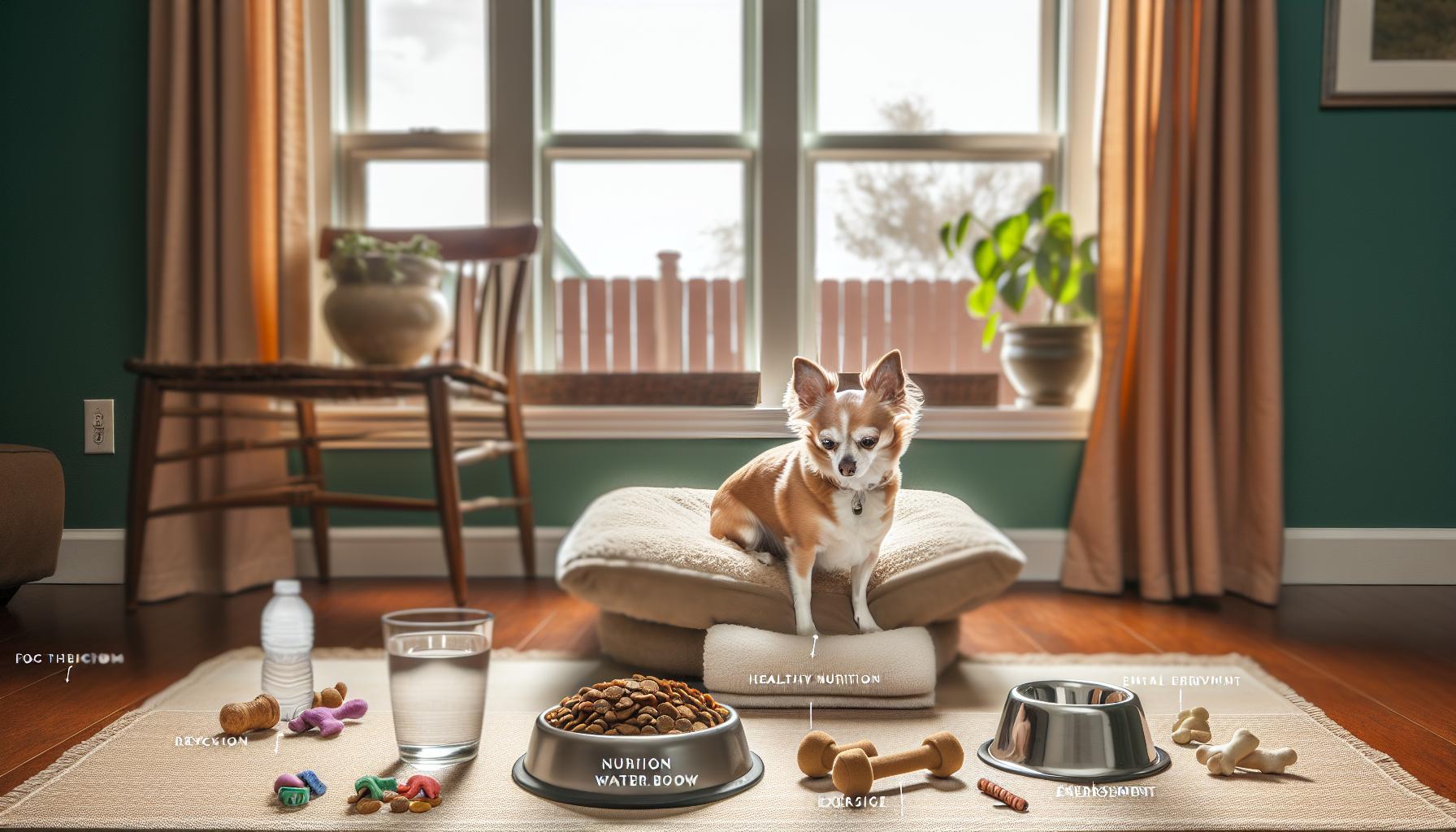
Factors Influencing Chihuahua Lifespan
Chihuahuas are incredible little companions with a lifespan that can stretch impressively from 12 to 20 years, but how long she thrives depends on several key factors. Understanding these influences can help maximize your furry friend’s years and ensure her quality of life is as vibrant as her personality.
First and foremost, genetics play a crucial role in the lifespan of a Chihuahua. Dogs with strong ancestry free from chronic health issues generally have better odds of a longer life. For instance, apple-headed Chihuahuas, often prized for their unique appearance, can face different health challenges than their deer-headed counterparts. When choosing a Chihuahua, it’s essential to consider reputable breeders who prioritize health testing and responsible breeding practices.
Next, a balanced diet is paramount. Chihuahuas may be tiny, but their nutritional needs are significant. Obesity can sneak up on these little ones, especially if they’re indulged with treats or human food. It can lead to heart disease and joint problems, both of which can shorten their lifespan. Owners often find that feeding her high-quality, breed-specific food helps maintain a healthy weight and provides the necessary nutrients for her energy levels and overall well-being.
Another major influence is the environment and lifestyle choices. Regular exercise is vital for a Chihuahua’s physical health as well as her mental sharpness. Activities like daily walks or playtime not only keep her fit but also help stave off boredom. Mental stimulation through toys and training games is equally important. For example, one owner noted how her Chihuahua thrived after she introduced puzzle toys that challenged her intellect-resulting in a happier, healthier dog.
Lastly, embracing a routine of regular veterinary check-ups can’t be stressed enough. Regular visits help catch health issues early, allowing for timely interventions that can make all the difference. In addition, ensuring she feels loved and secure in her environment contributes significantly to her emotional health, fostering resilience against stress and illness.
By paying attention to these critical factors-genetics, nutrition, environment, and health monitoring-you can significantly influence the longevity and quality of your time with your beloved Chihuahua. Your commitment to her care is the best way to ensure that her life is filled with happiness and health for many years to come.
Common Health Issues in Chihuahuas
Chihuahuas are known for their vibrant personalities and unwavering loyalty, but like all breeds, they come with their own set of health challenges. Understanding these common health issues is vital for ensuring a long and healthy life for your little companion. From heart problems to dental diseases, awareness and preventive care can go a long way in enhancing their quality of life.
A frequent concern among Chihuahua owners is patellar luxation, a condition where the kneecap dislocates from its normal position. This issue can lead to discomfort and mobility problems, particularly in the active and playful Chihuahuas. If you notice your furry friend limping, or if she seems to struggle getting up or climbing stairs, it’s worth discussing with your veterinarian. Regular weight management can also help minimize the risk since excess weight places additional strain on their joints.
Dental health is another crucial factor to consider. Chihuahuas are prone to dental issues due to their small mouths and crowded teeth, which can lead to gum disease and tooth loss. Establishing a dental care routine early on, including regular dental cleanings and at-home brushing, can help keep her pearly whites in check. For instance, one owner shared how introducing dental chews significantly improved her Chihuahua’s oral health, reducing the need for professional cleanings.
Additionally, monitor your Chihuahua for signs of heart disease, particularly congestive heart failure, which can be common in older Chihuahuas. Symptoms include persistent coughing, difficulty breathing, or fatigue. Regular veterinary check-ups are essential for early detection, as many heart conditions can be managed effectively if caught in time.
Lastly, obesity is a significant concern that can exacerbate many health issues. Chihuahuas may love treats, but it’s important to balance their diet. Keeping her active with daily walks and playtime helps not only maintain a healthy weight but also contributes to her overall well-being. Owners often find that interactive toys not only keep their Chihuahuas entertained but also provide the exercise needed to stay fit.
By being proactive and informed about these common health issues, you can help your Chihuahua lead a healthy and happy life. Celebrate her unique quirks-like her bold bark and affectionate nature-by ensuring her health is a top priority. Your commitment will go a long way in enhancing her years and ensuring many joyful moments together.
Nutrition and Its Impact on Longevity
Chihuahuas may be small, but they have huge hearts, and as owners, we must ensure their nutrition supports their vibrant personalities and overall health. What you feed your little companion can significantly influence his longevity and quality of life. A well-balanced diet empowers him to thrive, keeping his energy high and his health in check.
Start with high-quality dog food specially formulated for small breeds. Look for options that contain real meat as the first ingredient, ensuring he’s getting the protein essential for maintaining strong muscles and a healthy weight. Many veterinarians recommend focusing on dog foods that feature omega-3 and omega-6 fatty acids, which are beneficial for skin and coat health-a must for those adorable Chihuahuas with long hair. Don’t forget to check the label for adequate fiber content, as this aids digestion and helps prevent obesity, a common concern for the breed.
It’s important to note that Chihuahuas have unique dietary requirements depending on their age, size, and activity level. Puppy Chihuahuas need a nutrient-rich diet that fuels their rapid growth and development. Adult Chihuahuas, on the other hand, require a balanced intake to maintain their weight and prevent obesity-related health conditions. For senior Chihuahuas, lighter formulas that are lower in calories but still rich in minerals are essential to support their aging bodies.
Apart from commercial dog food, consider incorporating fresh foods into his diet. Safe fruits and vegetables can provide vital nutrients. Many owners find that adding small pieces of cooked chicken, carrots, or blueberries as treats not only adds variety but also promotes a healthy weight. However, always introduce new foods slowly and consult your vet for advice on what’s safe for him.
Some owners also choose to prepare homemade meals. If you go this route, balance is key. Ensure you include a mix of proteins, vegetables, and carbohydrates, keeping portions in line with your Chihuahua’s needs. Consulting with a vet or a pet nutritionist can help guide you in creating a balanced homemade diet tailored to your companion’s specific requirements.
In short, pay close attention to what goes in your Chihuahua’s bowl. A nutritious diet helps set the stage for a longer, healthier life, filled with the joy and antics that only a sweet little Chihuahua can bring. By making informed choices about his food, you invest in his health and happiness, creating many cherished moments together.
Lifestyle Choices that Affect Your Chihuahua’s Life
Chihuahuas thrive on a lifestyle filled with love, attention, and proper care, all of which can significantly affect their longevity and quality of life. These spirited little companions may be small, but their needs are big, particularly when it comes to mental and physical stimulation. Engaging your Chihuahua in daily activities-whether it’s a brisk walk, games of fetch, or simply exploration-helps maintain their physical health and enriches their spirits.
Exercise and Mental Stimulation
Regular exercise is essential. Chihuahuas tend to be active and playful, and they can easily become bored if not given enough to do. Incorporating short walks into your daily routine, ideally two or three times a day, can help keep them fit and maintain optimal weight, preventing obesity-related conditions that are common in the breed. Additionally, think about varying your routes to keep things fresh and exciting for your little adventurer.
Mental stimulation is just as important as physical activity. Chihuahuas are intelligent and can benefit from puzzle toys, training sessions, or socialization with other dogs. These activities can prevent anxiety or destructive behaviors that may emerge from boredom. For instance, using treat-dispensing toys during playtime keeps your Chihuahua engaged and rewards them for their efforts, making those bright-eyed moments even more fulfilling.
Socialization and Environment
Socialization is another key component of a healthy lifestyle for your Chihuahua. Introducing them to different environments, people, and situations can help them become well-adjusted adults. Aim for safe, controlled social interactions during their critical early development stages. This is especially important for Chihuahuas, who can be reactive or timid around unfamiliar acquaintances. Regular trips to dog parks or classes with other dogs can also promote positive interactions.
Creating a safe home environment is essential. Chihuahuas are prone to injuries due to their small size, so securing stairways and removing sharp objects or small items that they might chew or swallow is vital. Setting up a cozy, designated space for your Chihuahua to retreat and relax can alleviate stress and provide a sense of security, especially during noisy situations like thunderstorms or fireworks.
Ultimately, your commitment to integrating these lifestyle choices into your Chihuahua’s everyday routine not only enriches their life but can lead to a longer, healthier, and more joyful existence. By understanding their unique needs, you ensure that your relationship remains vibrant, full of engaging moments that celebrate the lovable nature of this remarkable breed.
Understanding Genetic Factors in Chihuahua Lifespan
Understanding the genetic factors that influence the lifespan of Chihuahuas can equip you with insights crucial for enhancing your furry friend’s health and longevity. These delightful little companions possess a unique genetic background that can significantly impact their life expectancy, making it essential for owners to understand both inherited traits and the challenges they may face due to their lineage.
Chihuahuas are known for their bold personalities and charming quirks, but they also come with a variety of genetic predispositions. Certain health issues are more common in this breed, such as patellar luxation, heart disease, and dental problems. Each of these conditions can affect lifespan, underscoring the importance of responsible breeding practices. When selecting a Chihuahua, try to choose breeders who prioritize health testing and genetics. For instance, a reputable breeder will screen for hereditary conditions to help ensure that your little buddy stands the best chance for a long, happy life.
Another fascinating aspect to consider is the variation within the breed itself. Both apple-headed and deer-headed Chihuahuas have different genetic traits that can affect their health outlook. For example, apple-head Chihuahuas might be more prone to certain skull and dental issues due to their unique head shape. Being aware of these differences can better prepare you to care for your Chihuahua’s specific needs.
Regular genetic screening can also play a pivotal role in preventing severe health problems. Many veterinarians recommend genetic testing for various common issues, enabling early intervention and better management of potential health conditions. This proactive approach not only allows for personalized care but can also promote a healthier, longer life for your Chihuahua.
Ultimately, a loving owner relationship paired with a solid understanding of genetic factors can profoundly influence your Chihuahua’s well-being. By integrating knowledge about genetics into your care routine, you can create a nurturing environment that celebrates their vibrant spirit and aids them in living a fulfilling life-just as they deserve.
How to Care for Aging Chihuahuas
Caring for a Chihuahua in their golden years is a rewarding journey that requires a bit more thoughtfulness and attention. These spirited little companions, known for their fierce loyalty and bold personalities, can face unique challenges as they age. By embracing their quirks and adjusting your care routine, you can help your Chihuahua remain active and comfortable throughout their senior years.
First and foremost, regularly scheduled veterinary visits become increasingly important. Senior Chihuahuas often develop health issues such as heart disease, dental concerns, or joint problems. A vet can provide tailored health screenings that take your Chihuahua’s age into account, detect potential problems early, and recommend appropriate treatments or lifestyle changes. Many owners find that a vet’s advice on dental care, in particular, is crucial, as this breed can be prone to periodontal disease.
Nutrition plays a pivotal role as well. Opting for high-quality dog food specifically formulated for seniors can ensure your Chihuahua receives the necessary nutrients while managing their weight. Since smaller breeds can be prone to obesity, maintaining a healthy weight is vital for reducing strain on their joints and overall health. You might consider adding fresh fruits or vegetables to their diet, but always consult with your vet for safe options.
Moreover, creating a cozy environment can greatly enhance your pet’s comfort. As your Chihuahua ages, they may require softer bedding to support their joints and lower their risk of developing pressure sores. Keeping their living space free from excessive noise and providing them with a warm blanket can also improve their sense of security. Don’t forget to adapt your home to prevent falls-rugs should be secured, and stairs can be restricted if your Chihuahua is unsteady.
Mental stimulation is equally essential. Engage your senior Chihuahua in gentle play that matches their energy level, whether it’s a new puzzle toy for their mind or some slow-paced fetch in a safe area. Many older dogs still love to interact with their favorite squeaky toys or participate in light training sessions, keeping their brains active while reinforcing your bond. Having a routine can also give them a sense of stability and peace.
Every Chihuahua is unique, so tuning into your furry friend’s specific needs and behaviors as they age is essential. Listen to what they communicate through their actions. If your little buddy is slowing down or seems less interested in their usual activities, adjusting their daily routine to focus more on relaxation and comfort can help.
As you delve into the rewarding experience of caring for your aging Chihuahua, remember that your warmth and companionship mean everything to them. Each moment spent nurturing their golden years is a chance to celebrate the relationship you’ve built, honoring the spirit of your spirited, tiny friend.
Emotional Wellbeing and Lifespan
The emotional wellbeing of a Chihuahua plays a crucial role in their overall health and longevity. These little bundles of joy are not only known for their fierce loyalty and big personalities but are also remarkably sensitive to their environments and the emotions of those around them. Ensuring a supportive and loving atmosphere can significantly contribute to a longer, happier life for your Chihuahua.
To foster emotional wellbeing, it’s essential to engage in regular bonding activities. Chihuahuas thrive on companionship and can experience anxiety if left alone for too long. Simple daily routines like snuggling on the couch or short family outings can make a world of difference for your little friend. Consider using interactive toys or puzzle games to engage their minds, as mental stimulation can alleviate stress and keep their spirits high.
Socialization is another critical factor. Chihuahuas often develop strong attachments to their families but may be wary of unfamiliar faces. Gradually introducing your Chihuahua to various people and other pets can help build their confidence and reduce anxiety. This kind of exposure encourages a well-rounded and emotionally stable dog, which can positively impact their lifespan. Owners have shared stories of their Chihuahuas transforming from timid little beings to confident companions simply through gentle encouragement and social interactions.
Finally, be mindful of changes in your Chihuahua’s behavior as they age. Just like humans, these small dogs can experience shifts in their emotional health. Increased clinginess, changes in appetite, or alterations in their vocalizations (like more barking or silence) can all be signs that something may be troubling them. Engaging with your vet for behavioral consultations can provide insights on how to best support their emotional needs, ensuring that your Chihuahua continues to lead a joyful and fulfilling life well into their senior years.
Creating a Safe Environment for Your Chihuahua
Creating a safe space for your Chihuahua is essential for their health and happiness. Given their small size and spirited personalities, these little dogs often encounter risks that larger breeds might navigate with ease. By understanding the nuances of their environment, you can significantly enhance both their wellbeing and longevity.
First and foremost, pay attention to your home’s layout. Small dogs are notoriously curious, and this can lead to dangerous situations. Ensure that hazardous items like cords, small objects, and toxic plants are well out of reach. For example, using baby gates can help section off areas that may contain stairs or large furniture that your Chihuahua might attempt to jump onto, exposing them to potential falls. Chihuahuas are also prone to temperature extremes, so create a cozy nook with soft bedding in a draft-free location, especially during colder months. A warm, designated area not only keeps them comfortable but also encourages restful sleep, which is vital for their overall health.
Another aspect of safety is to prepare your Chihuahua for social interactions. Because they can be bold and vocal, introducing them to new situations and people should be done with care. Gradually expose your Chihuahua to various environments to reduce anxiety. For instance, if your Chihuahua is apprehensive about meeting other dogs, start with a calm, one-on-one interaction before expanding to larger groups. This approach helps to foster positive social experiences that build confidence and stability.
Lastly, consider their playtime environment. Interactive toys designed for small breeds can stimulate your Chihuahua mentally and physically while keeping them safe. You might opt for toys that squeak to appeal to their playful nature, or even engaging puzzle toys that challenge them. Just remember to supervise playtime and periodically check their toys for wear and tear. A safe environment isn’t just about protecting them physically; it also encompasses their emotional safety, ensuring they feel secure and confident while exploring the world around them.
By maintaining a watchful eye on your Chihuahua’s surroundings and preparing them for various experiences, you’ll not only keep them safe but also enhance their quality of life, paving the way for a longer, happier future together.
The Importance of Regular Vet Checks
The health of your Chihuahua hinges significantly on routine veterinary check-ups. Regular visits allow your vet to identify potential health issues before they become serious. Did you know that smaller breeds like Chihuahuas often face unique health challenges, such as dental disease and heart murmurs? Keeping proactive appointments can mean the difference between catching a developing condition early or facing a more severe problem down the road.
Chihuahuas, known for their bold personalities and vibrant energy, also can be sensitive to changes in their health. A minor cough or a change in appetite might seem trivial, but these can signal underlying conditions that require attention. Regular vet checks ensure that your Chihuahua is up-to-date on vaccinations and preventative care, which is crucial given their predisposition to certain ailments, like patellar luxation or hypoglycemia, especially in younger dogs.
Consider scheduling biannual vet visits as a best practice, flipping the convention of annual check-ups. This is particularly beneficial for senior Chihuahuas, who may need more frequent assessments to monitor age-related health changes. For instance, at these tailored appointments, your veterinarian can conduct comprehensive dental checks, which are vital because Chihuahuas tend to accumulate tartar more quickly than larger breeds. Dental care in small breeds is often overlooked, yet it plays a crucial role in their overall well-being.
Don’t underestimate the value of your vet’s insights during these visits. They can provide guidance on nutrition, exercise, and weight management tailored to your Chihuahua’s specific needs. Keeping your furry friend in a healthy weight range can greatly enhance their longevity, helping them live a longer and happier life. Real-life anecdotes from owners show that those who prioritize regular vet checks often notice their Chihuahuas thriving well into their senior years, maintaining that signature playfulness that makes them so special.
Ultimately, regular vet check-ups are more than just a routine-you’re investing in your Chihuahua’s health. Create a health diary and jot down any observations, including changes in behavior or eating habits. Bring this to every visit to keep your vet informed, ensuring that your precious little companion receives the best care possible. With this proactive approach, you’ll not only contribute to a longer lifespan but also improve the quality of life for your lively little friend.
Owner Stories: Enhancing Your Chihuahua’s Life
Chihuahuas have a special place in the hearts of many dog lovers, and their vibrant personalities often lead to unforgettable bonding moments between owners and their tiny companions. Just like any breed, enhancing your Chihuahua’s life involves a few thoughtful choices and understanding the quirks that make them so unique. From their tiny size to their bold and loyal demeanor, these dogs thrive on the love and attention they receive from their humans.
One owner, Lisa, shares her experience with her apple-head Chihuahua, Bella. “Bella is my little shadow,” she says. “She loves exploring the yard but gets cold easily, so I made her cozy sweaters. These not only keep her warm but also keep her stylish!” This highlights how investing in appropriate attire for your Chihuahua can dramatically improve her comfort, especially during colder months. Keeping your Chihuahua cozy helps promote an active lifestyle, reducing stress for both you and your furry friend.
Nutrition also plays a crucial role in enhancing the longevity of your Chihuahua. Mike, another devoted owner, emphasizes the importance of a balanced diet. “I’ve switched you NutriBites for smaller breeds. The right portion sizes tailored to her activity level have worked wonders for her energy and weight management,” he explains. Proper nutrition ensures that your dog receives all necessary nutrients without causing obesity-something that Chihuahuas can be prone to. Being proactive about diet can encourage a longer, healthier life full of playful antics.
Routine engagement and mental stimulation are equally vital for this breed known for its vivacity. Owners can create daily play sessions that incorporate toys designed for small breeds, ensuring that your little one stays mentally sharp and physically active. “We play fetch with her favorite squeaky toy every morning, and it keeps her excited and helps her let out extra energy,” shares Sarah, who recently adopted her first Chihuahua. This simple yet effective activity not only supports physical health but also strengthens the bond between owner and pet, keeping their spirits high.
When it comes to enriching your Chihuahua’s life, creating a stable environment fosters emotional well-being. Establishing daily routines for feeding, walks, and playtime creates a secure atmosphere where they feel appreciated and valued. Additionally, recognizing their individual personalities allows owners to tailor interaction styles-some Chihuahuas thrive on cuddles, while others prefer cheeky games. Observing your Chihuahua’s preferences can lead to personalized care that meets their emotional needs.
Life with a Chihuahua can be an adventure filled with immense joy and delightful challenges. By sharing these experiences, we not only celebrate our little companions but also encourage each other in providing the best care possible. So, embrace the quirks of these joyous little dogs, and know that your investment of time, care, and love plays a significant role in extending their vibrant lives.
Celebrating Your Chihuahua’s Senior Years
As your beloved Chihuahua ages, this phase can be a rewarding part of their life filled with unique moments to cherish. Celebrating your senior Chihuahua involves recognizing their needs while honoring their spirited nature. This breed, known for its bold personality and deep bond with their owners, deserves special attention as they transition into their golden years. By adopting thoughtful practices, you can ensure that their twilight years are as vibrant and loving as their younger days.
One important aspect of caring for a senior Chihuahua is maintaining an adaptive lifestyle. As their energy levels may decline, it’s crucial to adjust their daily activities. Gentle walks can help keep them healthy, but make sure to keep the pace slower and choose softer surfaces that are easier on their joints. For instance, Judy, a dedicated Chihuahua owner, shares, “I’ve noticed that shorter, more frequent walks keep Max engaged without overexerting him.” Gradually incorporating playtime with softer toys can also stimulate their minds without straining their bodies.
Nutrition plays a vital role, especially for senior Chihuahuas who may face weight issues or sensitive stomachs. Switching to a high-quality, age-appropriate diet can significantly impact their health and energy levels. Mike’s Chihuahua, Coco, thrives on a blend of wet and dry food tailored for older dogs, which not only keeps her weight in check but also helps improve her coat condition. Paying attention to portion sizes and introducing supplements like omega-3 fatty acids can boost their heart and joint health, providing them with the vitality needed for their playful moments.
Equally important is the emotional well-being of your aging companion. This breed thrives on affection and companionship, so spending quality time is crucial. Create cozy spaces in your home where your Chihuahua can rest comfortably, adorned with soft blankets and their favorite toys. Encouraging calm bonding activities, such as gentle massages or cuddling sessions, fosters a sense of security. Sophia, whose Chihuahua Bella is now a senior, finds comfort in saying, “Our evening cuddle sessions have become a cherished routine, making Bella feel loved and safe as she ages.”
In , remember to embrace their personality. Each little quirk, from their feisty barks to their adorable quirks, deserves to be cherished. By providing a supportive environment filled with love, tailored care, and gentle stimulation, you can ensure that your small companion continues to feel like the vibrant little dog they’ve always been. Every moment shared is a precious gift, making each day a celebration of the joy they bring to your life.
Q&A
Q: What is the average lifespan of a Chihuahua?
A: The average lifespan of a Chihuahua is typically between 12 to 20 years. Factors such as genetics, health care, and lifestyle choices can influence their longevity. Providing proper nutrition and regular veterinary check-ups can help maximize their lifespan.
Q: At what age do Chihuahuas start showing signs of aging?
A: Chihuahuas often start showing signs of aging around 8 years old. This may include decreased energy, changes in mobility, or dental issues. Being observant of these changes helps ensure timely veterinary care and adjustments to their lifestyle.
Q: How can I ensure my Chihuahua lives a long life?
A: To help your Chihuahua live a long life, provide a balanced diet, regular exercise, and routine veterinary visits. Ensure their emotional wellbeing by offering companionship and mental stimulation. Avoid exposing them to extreme temperatures, as Chihuahuas are sensitive due to their small size.
Q: What health issues are common in older Chihuahuas?
A: Older Chihuahuas may face health issues such as heart disease, dental problems, arthritis, and obesity. Regular vet check-ups can help detect and manage these issues early on. Maintaining a healthy weight is crucial for preventing complications associated with these conditions.
Q: Can diet affect my Chihuahua’s lifespan?
A: Yes, diet significantly affects your Chihuahua’s health and lifespan. Feeding high-quality, nutrient-rich foods tailored to their age and health needs can promote longevity. Consult with your veterinarian to choose the best diet for your pet’s specific requirements.
Q: How often should I take my aging Chihuahua to the vet?
A: It’s recommended to take your aging Chihuahua to the vet at least twice a year. Regular check-ups allow for early detection of health issues and adjustments in care as they age. This proactive approach is vital for maintaining their health and quality of life.
Q: How can I keep my senior Chihuahua mentally stimulated?
A: To keep your senior Chihuahua mentally stimulated, engage in interactive play, provide puzzle toys, and teach new tricks. Short training sessions not only stimulate their mind but also strengthen your bond. Regular social activities can also enhance their emotional wellbeing.
Q: Is there a specific time when I should be concerned about my Chihuahua’s health?
A: You should be concerned about your Chihuahua’s health if you notice sudden weight loss, lethargy, changes in appetite, or unusual behavior. These signs may indicate underlying health issues. Consult your veterinarian promptly to address any concerns and ensure your dog’s wellbeing.
Concluding Remarks
As we’ve explored, understanding the lifespan of Chihuahuas gives you valuable insight into their unique care needs. These vibrant little companions can live long, fulfilling lives with the right attention to their health, diet, and emotional well-being. If you’re considering adopting a Chihuahua, or already have one, remember that their quirky personalities-like their bold, vocal nature-deserve your love and commitment every step of the way. Stay proactive about their health to ensure you enjoy every moment together.
For more tips on keeping your Chihuahua healthy and happy, check out our articles on essential Chihuahua care and common health issues. Feel free to leave a comment below sharing your thoughts or experiences, and don’t forget to subscribe to our newsletter for updates and resources tailored to all things Chihuahua. Your adventure with your tiny friend is just beginning, so let’s make it a joyous one!
Get our latest guides, news, and insights highlighted in your Google Search & AI Overviews.