
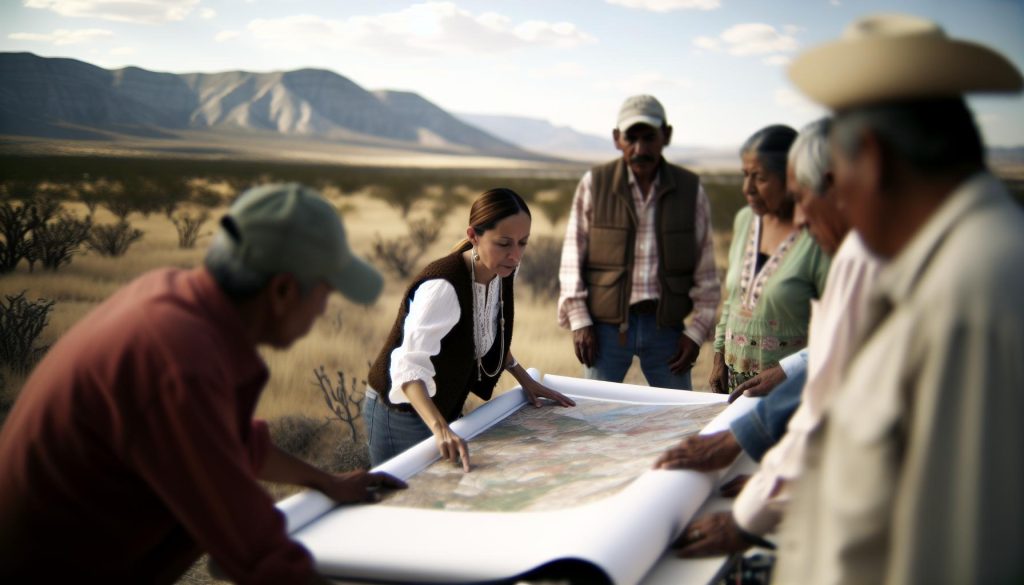
Did you know that the state of Chihuahua, Mexico, is not only the largest state in the country but also spans an impressive 94,572 square miles? Understanding the size and geography of Chihuahua is important for anyone interested in the region, whether for travel, cultural exploration, or simply academic purposes. From its breathtaking landscapes to its rich cultural heritage, this expansive area offers a wealth of unique experiences. In this article, we will delve deeper into Chihuahua’s size, exploring how it compares to other regions and what makes its vastness so significant. Join us as we uncover fascinating facts and insights that highlight the importance of this remarkable state, and discover why its immense scale is worthy of your attention.
How Big Is the State of Chihuahua?
The state of Chihuahua is a vast expanse that captures the imagination with its remarkable size and diverse geography. Covering an area of approximately 247,455 square kilometers (95,543 square miles), Chihuahua is not only the largest state in Mexico but also ranks among the largest subnational entities in the world. To put this into perspective, it is larger than many countries, such as the United Kingdom or the Czech Republic. This immense area is characterized by a variety of landscapes, from sprawling deserts to rugged mountains, and a rich tapestry of ecosystems.
Chihuahua stretches across a substantial portion of northern Mexico and shares a long border with the United States to the north. This location not only contributes to its significant size but also to its strategic economic importance. The state is roughly equivalent in size to the U.S. state of Texas, which is its neighbor to the east, offering a valuable comparison in terms of scale. Chihuahua’s expansive terrain presents a unique blend of natural resources and scenic beauty, including majestic peaks and fertile valleys that contribute to both agriculture and tourism.
Urbanization varies dramatically across the state; while the capital city, Chihuahua City, boasts a large population and economic activity, many rural areas retain a traditional way of life, often centered around agriculture and mining. The state’s population density is relatively low, which means that vast stretches of land remain uninhabited, offering a sense of open space and natural beauty. These characteristics make Chihuahua an intriguing destination for exploration, whether for its historic cities, stunning landscapes, or rich cultural heritage.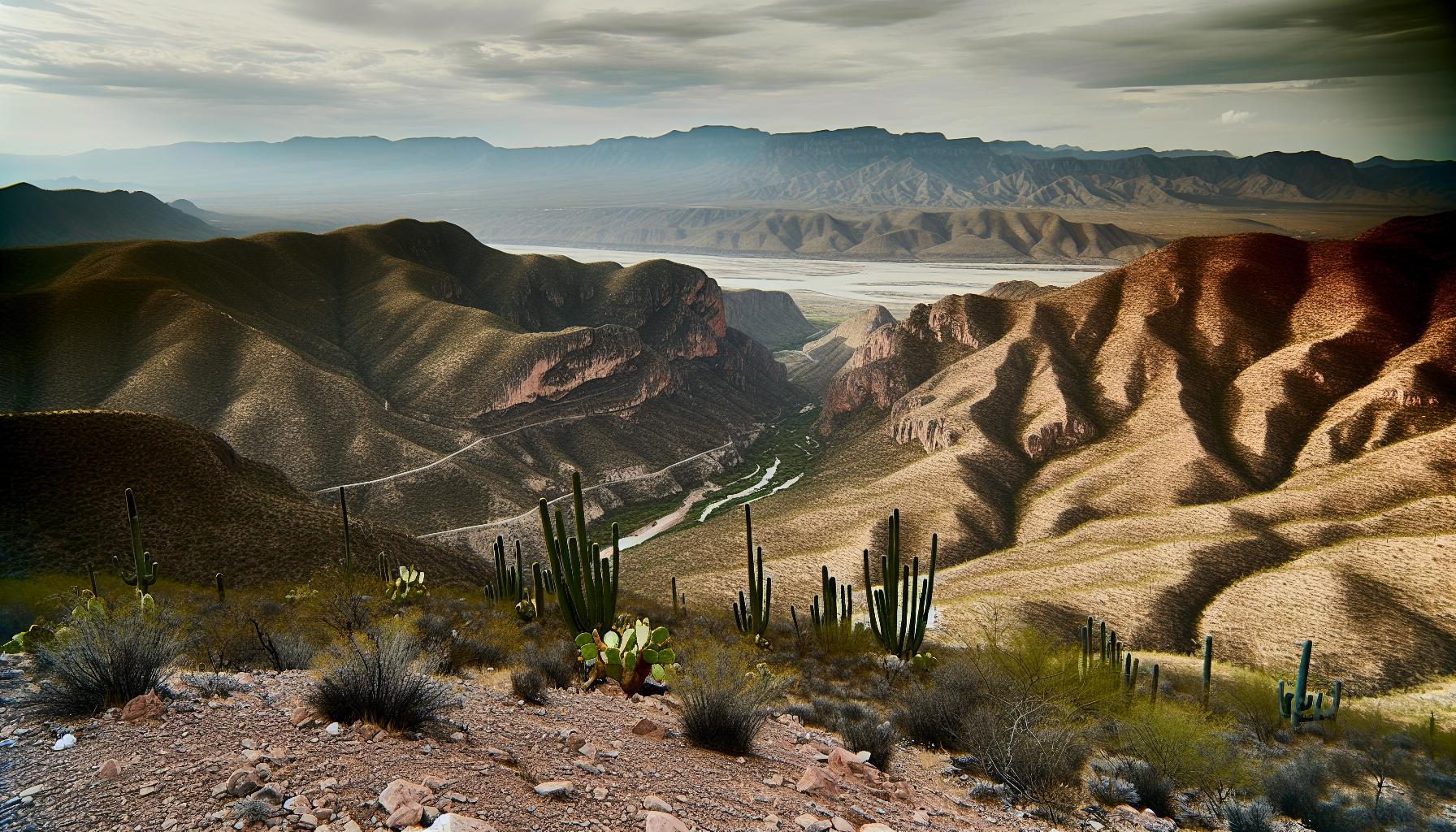
Geographical Overview of Chihuahua
The state of Chihuahua stands out not just for its size but also for its dramatic geographical diversity. Covering approximately 95,543 square miles (247,455 square kilometers), it claims the title of the largest state in Mexico, eclipsing many nations in land area. To visualize its vastness, consider that Chihuahua is larger than the United Kingdom and is roughly equivalent in size to the state of Texas, which lies just to the east across the Rio Grande.
Chihuahua is characterized by a variety of landscapes that contribute to its unique geographic identity. The western part of the state is dominated by the Sierra Madre Occidental mountain range, home to breathtaking canyons such as the Copper Canyon, which is deeper and larger than the Grand Canyon. These ranges give way to the high plains and rolling hills of central Chihuahua, transitioning into expansive desert regions that dominate the eastern part. This mix of terrain supports a rich variety of ecosystems, from arid deserts home to resilient flora and fauna to lush, mountainous areas that provide vital agricultural resources.
Urbanization in Chihuahua is varied; while the capital city, Chihuahua City, is a bustling hub with a significant population density, many rural areas maintain a slower pace of life closely tied to agriculture and mining. This contrast creates a unique social fabric where traditional practices coexist with modern developments. The relatively low population density across the vast state means that extensive stretches of land remain untouched, allowing residents and visitors alike to experience the serene beauty of Chihuahua’s expansive landscapes.
Chihuahua’s geographical features not only shape its environment but also play a critical role in its cultural and economic dynamics, making it an intriguing area for exploration and understanding.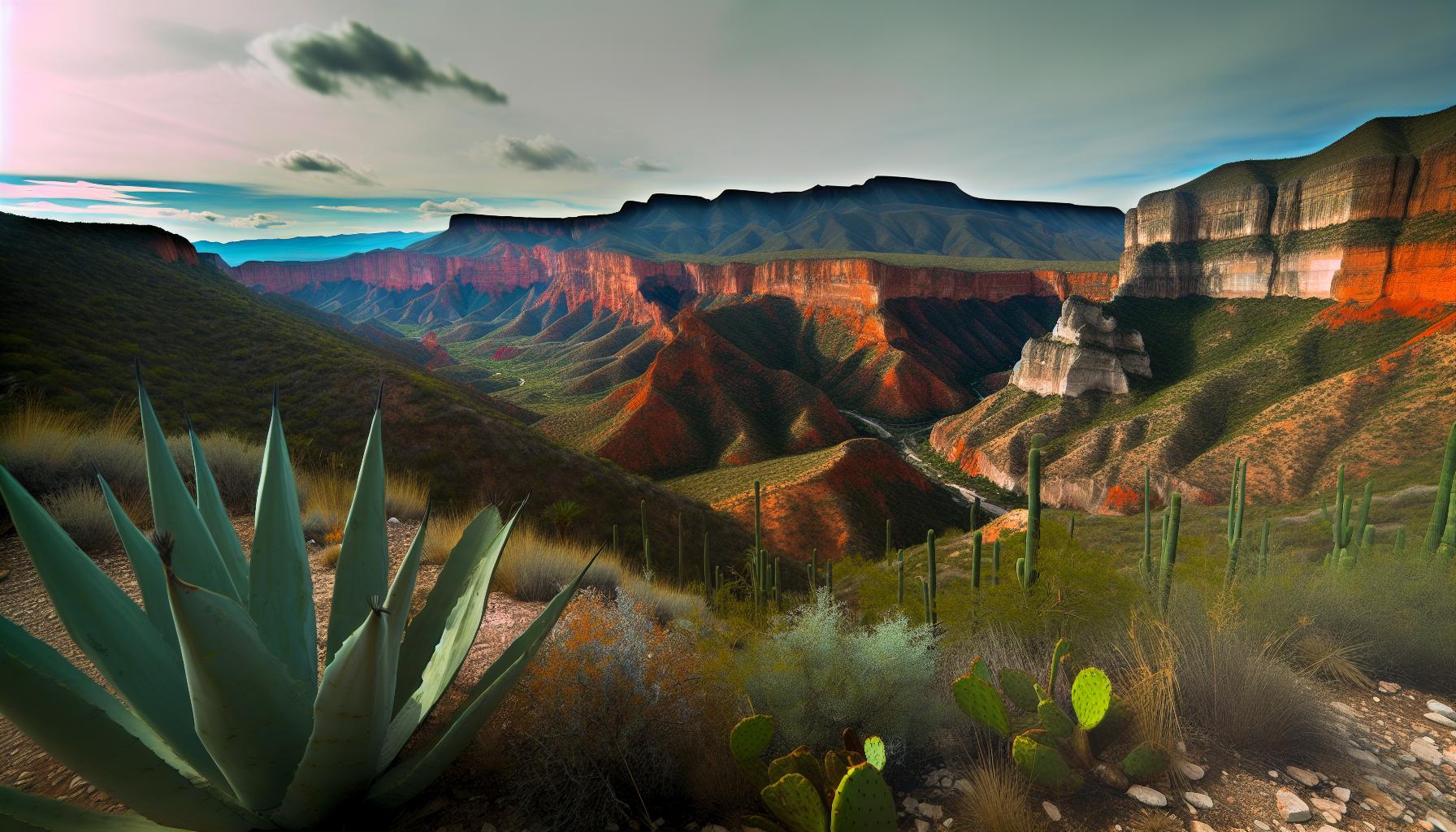
The Unique Features of Chihuahua’s Landscape
Chihuahua’s landscape is a breathtaking tapestry of natural wonders and unique geographical features that highlight the vastness of the state, which spans approximately 95,543 square miles. One of its most striking characteristics is the dramatic contrast between its mountainous regions and expansive deserts. The Sierra Madre Occidental mountain range runs along the western border, home to the stunning Copper Canyon, which is not only deeper but also larger than the Grand Canyon. This natural marvel attracts adventurers and nature lovers alike, offering opportunities for hiking, rock climbing, and breathtaking views that showcase the rugged beauty of the region.
As you move eastward, the landscape transforms into the vast high plains and rolling hills of central Chihuahua, which are ideal for agriculture and ranching. These plains are dotted with ranches and farmland, contributing significantly to the state’s economy. The eastern part of Chihuahua features arid desert regions characterized by vast stretches of sand and hardy vegetation, such as yucca and cacti, showcasing an ecosystem that thrives in extreme conditions. This diversity allows for a rich array of wildlife, making it a vibrant region for those who appreciate nature and its resilience.
Chihuahua’s varied terrain also influences its climate, which ranges from temperate in the mountainous areas to arid in the deserts. This climatic variety creates distinct seasonal changes, where summer months can be scorching in the plains while winter brings snowfall to the higher elevations. The interplay of geography and climate not only shapes the environment but also plays a pivotal role in the cultural and economic activities of the state, making it an intriguing place to explore and understand. Whether you’re trekking through the canyon’s depths or traversing the endless deserts, each part of Chihuahua’s landscape tells a story of resilience and diversity, waiting to be discovered.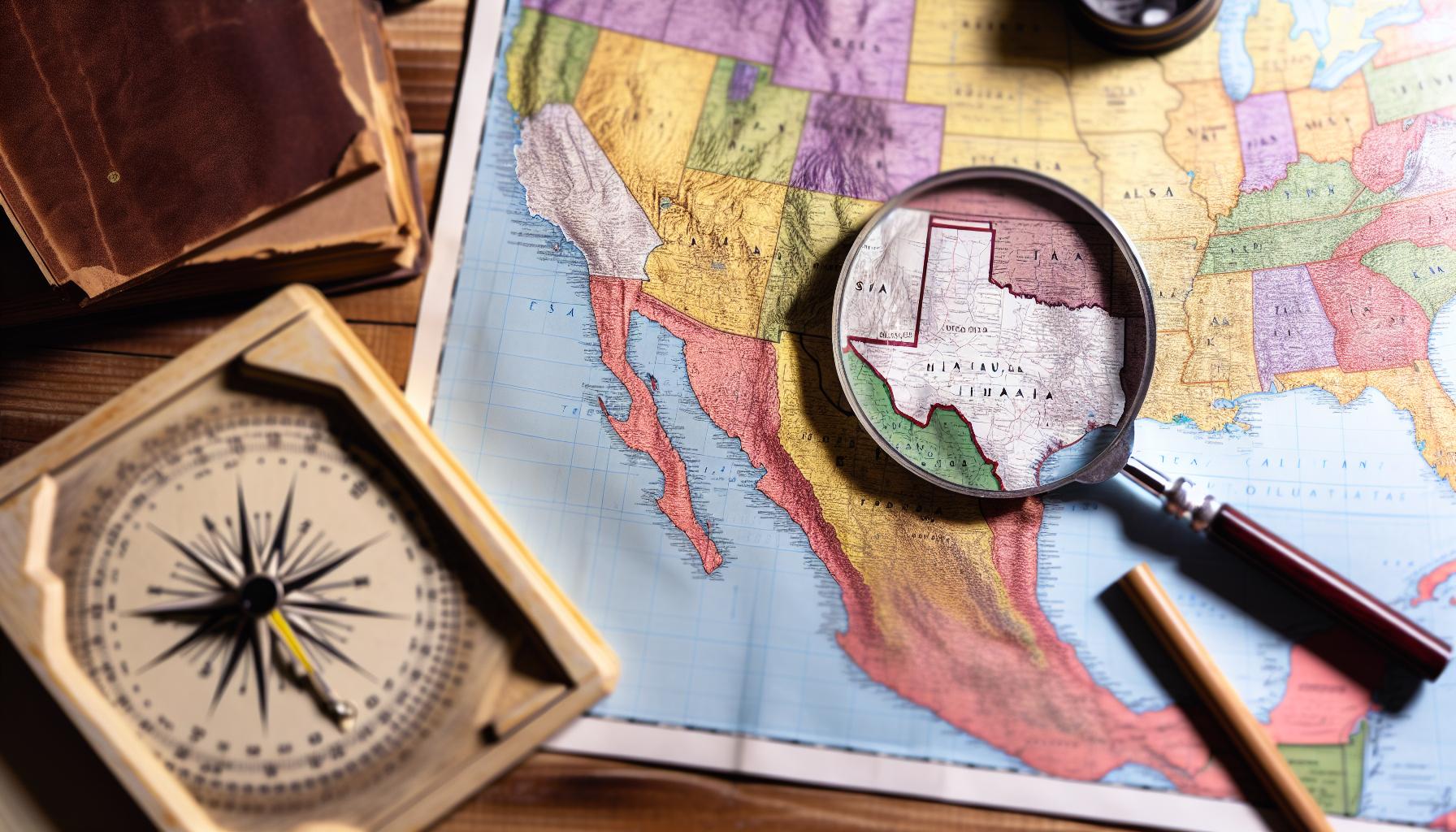
Comparative Size: Chihuahua vs. Other US States
Chihuahua is an impressive expanse, covering around 95,543 square miles, making it the largest state in Mexico. To put this into perspective, if Chihuahua were a U.S. state, it would rank just behind Texas in size. For example, Texas spans approximately 268,596 square miles, which is substantially larger than Chihuahua. However, when comparing it to states like California (about 163,696 square miles) or Montana (about 147,040 square miles), Chihuahua’s vastness is highlighted, showcasing its extensive deserts, mountain ranges, and expansive plains.
In terms of proportions, Chihuahua is slightly larger than the entire country of Greece, which covers about 50,949 square miles, and also exceeds the area of the Czech Republic and Portugal. This remarkable size allows for a rich diversity of landscapes and ecosystems within the state. The topography ranges from arid deserts in the east to the high Sierra Madre mountains, giving residents and visitors alike a broad variety of environments to explore.
This substantial size contributes significantly to Chihuahua’s unique identity, influencing everything from local economies to cultural practices. Regions of Chihuahua are dedicated to agriculture and ranching, while others are remarkable for their untamed natural beauty, such as the breathtaking Copper Canyon, which attracts tourists eager to experience its majestic vistas. Thus, Chihuahua’s considerable area is not merely a measurement of land; it represents a vibrant tapestry of life and culture, deeply woven into the very fabric of this vast territory.
Key Comparisons
| State | Area (Square Miles) |
|---|---|
| Texas | 268,596 |
| California | 163,696 |
| Montana | 147,040 |
| Chihuahua | 95,543 |
| Greece | 50,949 |
Chihuahua’s scale is not just a number; it reflects the richness of its geography, culture, and economy. Whether traversing its vast plains or exploring its mountainous regions, the state offers a compelling invitation to experience its grandeur firsthand.
Population Density and Urban Areas in Chihuahua
Chihuahua is not just vast in size; it also has a unique demographic landscape that reflects its rich cultural diversity and varied urbanization. The state boasts a relatively low population density, with over 3.7 million residents spread across its impressive 95,543 square miles. This translates to an average density of about 39 people per square mile, a stark contrast to more densely populated regions of Mexico. Urban areas, however, are significant hubs of activity and culture, supporting the state’s thriving economic landscape and providing vital services.
The capital city, Chihuahua, is the most populous urban area, home to over 900,000 people. This bustling city is a center for education, commerce, and culture in the region. Other key urban areas include Ciudad Juárez, which is nearby the U.S. border and is known for its strong manufacturing and trade sectors, and Delicias, which has a robust agricultural base. As Chihuahua’s population continues to expand, these urban centers are pivotal in shaping the social and economic trends within the state.
Despite its overall low density, various regions within Chihuahua are densely populated due to economic opportunities and migration patterns. For instance, Ciudad Juárez has seen rapid growth due to international trade dynamics and offers a vibrant atmosphere full of cultural influences from both Mexico and the United States. Each urban area presents distinct characteristics that contribute to the state’s identity, with some areas reflecting rich indigenous cultures and others showcasing modern developments.
As you explore Chihuahua, you will discover that its towns and cities celebrate diverse traditions, cuisines, and festivals that highlight the region’s heritage. This urban vibrance is often juxtaposed against the backdrop of expansive rural landscapes, agricultural fields, and stunning natural landmarks, making Chihuahua a fascinating blend of the urban and the natural. Whether you’re in the heart of Chihuahua City or enjoying the smaller towns, the dynamics of urbanization within this vast state offer a unique experience woven into its rich cultural tapestry.
Key Cities Within the State of Chihuahua
Chihuahua, a sprawling state in northern Mexico, features several key cities that not only serve as economic and cultural centers but also showcase the unique characteristics that define the region. The capital city, Chihuahua, is the largest urban area, boasting a rich history that dates back to colonial times and a vibrant cultural scene. With a population exceeding 900,000, it offers a mix of historical architecture, modern amenities, and a thriving educational system. The city is renowned for its municipal palace and the iconic Cathedral of Chihuahua, inviting visitors to explore its artistic and historical treasures.
Nearby, Ciudad Juárez stands as a significant border city, closely linked to El Paso, Texas. This bustling metropolis is recognized for its vital role in international trade and manufacturing, driven by a dynamic economy that attracts workers from both sides of the border. The city’s lively atmosphere reflects a blend of Mexican and American cultures, evident in its food, music, and festivals. For anyone visiting, the iconic Paso del Norte International Bridge provides stunning views and a direct gateway to the U.S.
Delicias, another key city, diverges from the urban hustle with its agricultural roots. Known as the “Mexican Garden,” Delicias thrives on farming and livestock, producing a variety of crops that support local commerce and the economy. This city’s community-oriented vibe is ideal for those interested in experiencing a more rural lifestyle while still enjoying urban conveniences.
Each city in Chihuahua contributes to the state’s overall identity, creating a rich tapestry of experiences for residents and visitors alike. From the youthful energy of its major urban areas to the serene agricultural landscapes surrounding Delicias, Chihuahua’s cities foster a sense of community and heritage that celebrates the state’s vast size and diverse character. Exploring these urban centers offers a glimpse into the life, culture, and economic vitality of Chihuahua, making it a unique destination for travelers and locals.
Important Natural Landmarks in Chihuahua
Chihuahua, the largest state in Mexico, is home to a stunning array of natural landmarks that showcase its geographical diversity. With an area of approximately 247,455 square kilometers (about 95,500 square miles), the state boasts everything from towering mountains to expansive deserts. These natural features not only define the landscape but also play a crucial role in the ecology and culture of the region.
One of the most remarkable natural landmarks is the Sierra Madre Occidental mountain range. This rugged terrain offers breathtaking vistas and is a hotspot for biodiversity, housing numerous species of plants and animals unique to the region. Hiking enthusiasts will find the trails in this area both challenging and rewarding, with opportunities to encounter stunning waterfalls and scenic overlooks. The Sierra Tarahumara area, in particular, is celebrated for its dramatic canyons, creating a stark contrast with the surrounding plains.
The state is also home to the vast and awe-inspiring Barranca del Cobre (Copper Canyon), a series of canyons that are actually larger and deeper than the Grand Canyon. This stunning network of canyons exemplifies Chihuahua’s dramatic topography. Visitors can explore this natural wonder by hiking, biking, or taking a scenic train ride along the Chepe railroad, which offers breathtaking views of the canyons and the rich culture of the indigenous Tarahumara people who inhabit the area.
Moreover, within Chihuahua lies the impressive desert landscapes, particularly the Bolson de Mapimi. This unique region is marked by its chihuahuan desert terrain and showcases an incredible variety of flora and fauna. The area’s stark beauty attracts both nature lovers and researchers interested in the adaptation of life in arid conditions. For those looking to explore off the beaten path, the desert invites adventurous travelers to experience its tranquility and vastness.
The natural landmarks of Chihuahua are not merely scenic views; they are integral to the state’s identity, providing a backdrop for outdoor activities and a setting for local culture. Whether you’re hiking in the mountains, witnessing the grandeur of the Copper Canyon, or exploring the desert landscapes, you’re experiencing the true essence of Chihuahua. These sites not only celebrate the state’s size but also its natural beauty and ecological significance, drawing visitors who seek adventure and appreciation for Mexico’s grandeur.
Climate and Weather Influences on Chihuahua’s Size
The unique climate of Chihuahua plays a significant role in shaping the state’s geographical features and ecology. This vast area, roughly 247,455 square kilometers (95,500 square miles), is characterized by a diverse range of weather patterns that influence everything from the natural vegetation to the daily lives of its inhabitants.
One of the most notable aspects of Chihuahua’s climate is its dramatic temperature variations. The state experiences a semi-arid climate in the plains and valleys, leading to hot summers and cold winters. For instance, temperatures can soar to over 100°F (38°C) in the summer months, while winter nights can drop below freezing. This significant temperature range is pivotal in developing the region’s iconic landscapes, such as the high mountains of the Sierra Madre and the expansive desert regions, including the Chihuahuan Desert.
Precipitation patterns also add to the complexity of Chihuahua’s climate. Most rainfall occurs during the summer months, with the Sierra Madre Occidental receiving more moisture due to orographic lift from the mountains. This seasonal rainfall influences the state’s agricultural viability, allowing the growth of crops in certain areas while limiting it in others. For example, agricultural regions typically thrive in the wetter, more temperate areas, while arid regions depend heavily on irrigation from rivers and reservoirs to support farming.
The interplay of these climatic factors not only determines the size of ecosystems within Chihuahua but also enhances its natural beauty. From towering pines in the cooler mountainous areas to the hardy cacti of the deserts, the biodiversity of the state owes much to its climate. The majestic sustenance of life in such a large area underscores the importance of understanding weather patterns and their impact on both the environment and human activity throughout Chihuahua.
History of Chihuahua: Size and Expansion
The history of Chihuahua is intricately linked to its impressive size and geographical expansion over the centuries. At approximately 95,500 square miles, it stands as the largest state in Mexico and has been a significant player in various historical narratives, from Indigenous cultures to modern-day developments. The vastness of Chihuahua is not merely a number but a testament to its diverse ecosystems, ancient civilizations, and economic potential.
Fronted by the Sierra Madre mountain ranges and the expansive Chihuahuan Desert, Chihuahua’s landscape has shaped its history through both natural and human activity. Indigenous tribes such as the Tarahumara and the Conchos inhabited these geographical features long before Spanish colonization, utilizing the region’s resources for their sustenance. The arrival of Spanish explorers in the 16th century brought about dramatic changes, introducing new societal structures while exploiting the land’s rich mineral resources, particularly silver. This period saw the establishment of towns that would grow into today’s major cities like Chihuahua City, contributing to the state’s prominence.
During the 19th century, Chihuahua continued to expand in both size and influence. The impact of wars, such as the Mexican-American War and the Revolution, played crucial roles in defining its borders and governance. The state’s population swelled as economic opportunities proliferated, particularly with the development of railroads that connected Chihuahua to other parts of Mexico and the United States. Each expansion phase reshaped not only the physical boundaries but also the cultural landscape, making the state a melting pot of influences.
Understanding the historical context of Chihuahua allows us to appreciate its significant size as more than just geographical data. It reflects the complexities of human interaction with its stunning landscapes-consolidating the culture, economy, and heritage of this vibrant region. This engaging history is what makes Chihuahua not just the largest state in Mexico, but a dynamic canvas of ecological and human stories waiting to be explored.
Cultural and Economic Significance of Chihuahua’s Size
The vastness of Chihuahua, covering approximately 95,500 square miles, is not just a number; it embodies a rich tapestry of culture and economic potential. This size allows for a broad variety of climates and ecosystems, playing a pivotal role in shaping the state’s cultural identity and its economic activities. From the rugged Sierra Madre mountains to the expansive Chihuahuan Desert, the state provides an environment that fosters diverse communities, each contributing uniquely to Chihuahua’s economy and culture.
Culturally, the size of Chihuahua has allowed for a blend of traditions and influences. You’ll find a mosaic of Indigenous, Colonial Spanish, and modern Mexican heritages coexisting. Each area within the state boasts distinct festivals, crafts, and culinary styles, reflective of the diverse populations that have settled in these vast lands. For instance, in the northern regions, the Tarahumara people celebrate their rich history and crafts, which include intricate woven baskets and traditional clothing, attracting tourists and enhancing cultural pride. Meanwhile, the influence of Colonial architecture in cities like Chihuahua City showcases the historical depth and artistic expression shaped by the state’s expansive timeline.
Economically, the sheer size of Chihuahua provides ample natural resources and agricultural potential. The state is a significant producer of various minerals and has a robust agricultural sector thanks to its varied climates. The fertile valleys, particularly in the southwestern area, are perfect for cultivating crops such as apples, nuts, and grapes. The economic landscape extends beyond agriculture, with the manufacturing sector benefiting from Chihuahua’s strategic location along the U.S.-Mexico border, facilitating trade and commerce.
With the state’s significant size comes a responsibility to preserve its unique environments and promote sustainable practices. This includes recognizing the importance of its landscapes in attracting ecotourism, which is becoming increasingly important as visitors seek experiences that highlight the natural beauty and cultural richness that Chihuahua has to offer. The commitment to sustainability and cultural preservation will not only enhance the state’s economic stability but also ensure that its diverse heritage continues to thrive for future generations.
Traveling Through Chihuahua: Must-See Attractions
Exploring the vast and culturally rich state of Chihuahua is an adventure that promises unforgettable experiences and breathtaking sights. With approximately 95,500 square miles to explore, this sprawling region is home to some of Mexico’s most remarkable attractions. Every corner of Chihuahua holds a treasure waiting to be discovered, from stunning natural parks to historic cities.
One must-visit site is Chihuahua City, the state capital, where you can delve into the history of the region. The Museum of the Mexican Revolution offers an insightful look into the events that shaped the nation, while the stunning Architectural Heritage of the city boasts colonial-era structures that reflect its rich past. Just a short drive away lies Bocoyna, known for the breathtaking Copper Canyon system, which is larger than the Grand Canyon. This natural wonder offers opportunities for hiking, canyoning, and the iconic Chepe train, which scenic route showcases dramatic landscapes.
Traveling through the state also leads you to the charming town of Creel, the gateway to the Sierra Tarahumara. Here, you can immerse yourself in the local culture by visiting Tarahumara communities or enjoying the stunning vistas at Valley of the Monks. Make sure to also stop by Las Barrancas del Cobre, where you’ll find awe-inspiring overlooks and the chance to experience the local gastronomy, featuring traditional dishes prepared by the indigenous people.
For those seeking natural beauty, the Río Bacanachi National Park is another highlight. With diverse flora and fauna, the park is perfect for nature lovers and outdoor enthusiasts alike. Furthermore, the Desierto de Chihuahua, featuring its unique landscapes and wildlife, showcases the beauty of the Chihuahuan Desert, making it an essential stop for anyone wanting to experience the desert ecosystem.
With these attractions and many more, Chihuahua invites you to explore the contrasts of its expansive landscapes, vibrant cultures, and historical richness. Whether you’re a nature enthusiast, a history buff, or a foodie eager to sample local treats, Chihuahua’s attractions will provide a memorable and enriching journey through its magnificent terrain.
Fun Facts About Chihuahua and Its Size
Exploring the vast state of Chihuahua reveals not only its significant land size but also its rich tapestry of cultures and ecosystems. Did you know that Chihuahua is the largest state in Mexico? Spanning approximately 95,500 square miles, it covers more area than several U.S. states combined, including West Virginia and Maryland. This immense size contributes to the diversity of landscapes, ranging from arid deserts and rugged mountains to lush forests and picturesque canyons.
Chihuahua’s extensive geography includes notable features such as the Sierra Madre Occidental mountain range, which is teeming with biodiversity. The region is also home to Copper Canyon, a stunning natural wonder that is larger and deeper than the Grand Canyon. These geographic distinctions not only make it a site of natural beauty but also affect the local climate, which can vary significantly from one area to another, providing an array of habitats for wildlife.
When it comes to population density, Chihuahua is home to over 3.5 million residents, with the majority concentrated in urban centers like Chihuahua City, the state capital. This urbanization juxtaposed with vast expanses of natural terrain makes the experience of living in and visiting Chihuahua uniquely compelling. Its cities pulsate with life while vast remote areas promise adventure and exploration.
Lastly, Chihuahua’s size offers a wealth of travel opportunities. Whether you’re interested in the thrilling historic narratives of the Mexican Revolution, the rich indigenous cultures, or simply the exhilarating outdoor activities available in its national parks, this state truly has something for everyone. From hiking in the Sierra Tarahumara to savoring the local cuisine, the experiences tied to its size and diversity are endless and await those eager to explore.
Q&A
Q: What is the total area of the state of Chihuahua?
A: The total area of the state of Chihuahua is approximately 247,455 square kilometers (95,542 square miles), making it the largest state in Mexico by land area. This vast expanse contributes to its diverse geography and unique landscapes.
Q: How does Chihuahua’s size compare with other states in Mexico?
A: Chihuahua is the largest state in Mexico, significantly outpacing others like Sonora and Coahuila. Its extensive area allows for varied climates and ecosystems, making it unique among Mexican states.
Q: What are some geographical features of Chihuahua?
A: Chihuahua is home to the Sierra Madre Occidental mountain range, extensive plateaus, and the Chihuahuan Desert. These features influence the climate and biodiversity of the region, contributing to its ecological significance.
Q: How many municipalities are there in Chihuahua?
A: Chihuahua has 67 municipalities, making it not only large in area but also diverse in governance and local cultures. Each municipality varies in population density and landscape features.
Q: What is the population density of Chihuahua?
A: Chihuahua has a population density of around 10.5 inhabitants per square kilometer (27.2 per square mile), which is relatively low due to its vast land area compared to its population, allowing for spacious living conditions.
Q: What natural landmarks can be found in Chihuahua?
A: Chihuahua is notable for its Copper Canyon, one of the largest canyon systems in the world, and the Biosphere Reserve of the Copper Canyon. These landmarks attract tourists and showcase the state’s natural beauty.
Q: What climate can be expected in the state of Chihuahua?
A: Chihuahua experiences a semi-arid to arid climate, characterized by hot summers and mild winters. This climate influences both its agriculture and lifestyle, as different regions within the state may experience variation in weather patterns.
Q: Are there any UNESCO World Heritage sites in Chihuahua?
A: Yes, Chihuahua features the Ancient Monuments of the Americas, recognized as a UNESCO World Heritage site, highlighting its cultural and historical significance alongside its notable size and diverse landscapes.
Closing Remarks
Now that you know how many square miles the state of Chihuahua covers, you’re equipped with fascinating insights into its vast landscapes and rich culture. This knowledge is not just trivia; it enhances your understanding of the area whether you’re planning a visit or delving into its geography. If you’re curious about other regions or specific attractions in Chihuahua, explore our articles on the best places to visit in Mexico and the unique wildlife found in the desert.
Don’t miss out on the latest updates; subscribe to our newsletter for more engaging content tailored to your interests. What have you found most intriguing about Chihuahua? Join the conversation in the comments below! Your thoughts could spark valuable discussions among fellow explorers. Keep discovering the wonders of Mexico and enhance your adventures with us!
Get our latest guides, news, and insights highlighted in your Google Search & AI Overviews.