
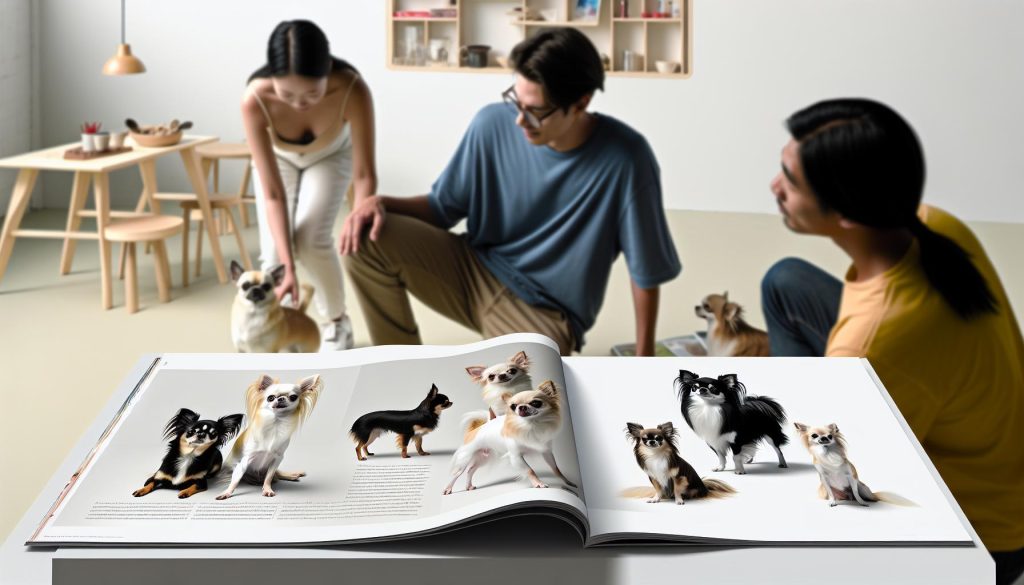
Chihuahuas are more than just a one-size-fits-all breed; they come in a variety of shapes, sizes, and temperaments that make each one unique. Did you know that their differences stem not only from their distinctive physical traits-like the apple-head or the deer-head-but also from their various coat types and colors? Understanding these varieties is essential for potential owners who wish to match a Chihuahua’s personality and care needs with their lifestyle. Whether you’re a first-time dog owner or an experienced enthusiast, exploring the world of Chihuahuas can reveal a treasure trove of information to enhance your bond with your furry companion. Join us as we delve into the delightful diversity of Chihuahuas, celebrating their quirks and ensuring you find the right fit for your family. Get ready to discover just how captivating this tiny breed can be!
Different Types of Chihuahuas: An Overview
Chihuahuas are beloved for their vibrant personalities and unique characteristics, making them one of the most endearing breeds among dog lovers. Understanding the variety within this small but mighty breed can enhance your experience as a Chihuahua owner, enriching both your life and that of your canine companion. Each type of Chihuahua brings its own distinct traits, quirks, and health considerations, making it essential to recognize and appreciate these differences.
You may encounter two primary head shapes in Chihuahuas: Apple-Head and Deer-Head. The Apple-Head Chihuahua has a rounded skull and a more defined muzzle, often displaying a more traditional appearance according to breed standards. They are typically the more commonly recognized type, featured prominently in pop culture. On the other hand, Deer-Head Chihuahuas have a longer, more elongated head and a less pronounced stop. This type emulates the deer’s graceful appearance and tends to be a bit larger in size as well.
Chihuahuas also showcase a variety of coat types. The two main types are smooth-coated and long-haired. Smooth-coated Chihuahuas have a sleek, shiny coat that requires minimal grooming, making them easier to maintain. In contrast, long-haired Chihuahuas possess luscious, flowing fur that can come in various styles-some even sport feathering on their legs and tails. Both coat types come in a delightful array of colors, ranging from classic fawn and black to more unusual shades like chocolate and blue.
In addition to the physical characteristics, personality traits can vary widely among Chihuahuas. Whether they’re bold and confident or more reserved, these little dogs often form deep bonds with their owners. Their size can give them a larger-than-life attitude, often leading them to act as if they own the world around them. As with any breed, understanding these variations allows you to provide better care, tailored socialization, and appropriate training methods to nurture their unique traits.
As you explore the different types of Chihuahuas, you’ll likely find that each variety brings its special charm and companionship, making them exceptional pets for those who appreciate their spirited nature. Whether you’re a first-time owner or a seasoned Chihuahua enthusiast, recognizing these differences will help you celebrate the breed’s rich diversity and meet the needs of your furry friend effectively.
Understanding Chihuahua Size Variations
Chihuahuas are fascinating dogs, renowned not only for their striking personalities but also for their size variations. These beloved companions generally weigh between 2 to 6 pounds, with most falling into the 4 to 5-pound range. However, understanding the subtle differences in size can help you choose the right Chihuahua for your lifestyle and set realistic expectations for their care and exercise needs.
Chihuahuas typically come in two recognized types regarding their size and build: the standard Chihuahua and the teacup Chihuahua. The standard Chihuahuas, as mentioned, usually weigh between 4 to 6 pounds, and they embody the breed’s famously confident demeanor. These dogs are compact yet sturdy, making them great companions for both urban and rural settings. Teacup Chihuahuas, on the other hand, weigh under 4 pounds and are often characterized by their fragility. While they may seem appealing due to their pint-sized stature, potential owners should be aware of their specific health considerations, as smaller dogs can be more prone to certain health issues.
When selecting your furry friend, consider the implications of her size not just on her daily needs but on your lifestyle as well. For instance, if you lead an active life and enjoy outdoor adventures, a standard Chihuahua might be better suited to join you. In contrast, if you live in a small apartment and prefer more indoor activities, a teacup could fit in snugly by your side. Regardless of size, each Chihuahua’s character shines brightly, with their boldness often surprising those who meet them for the first time.
It’s also important to focus on health and well-being. Smaller Chihuahuas may require extra care, especially in social situations and around larger breeds. They often need guidance and gentle handling, as their tiny frames can be easily overlooked. Always consult your vet about the best practices for maintaining a healthy weight and ensuring they’re getting adequate exercise for their size.
By embracing the unique characteristics of smaller Chihuahuas or standard-sized Chihuahuas, you not only enhance your bond with them but also set them up for a happy and fulfilling life. Recognizing these differences equips you with the knowledge to cater to each dog’s specific needs while celebrating the delightful variety within the breed.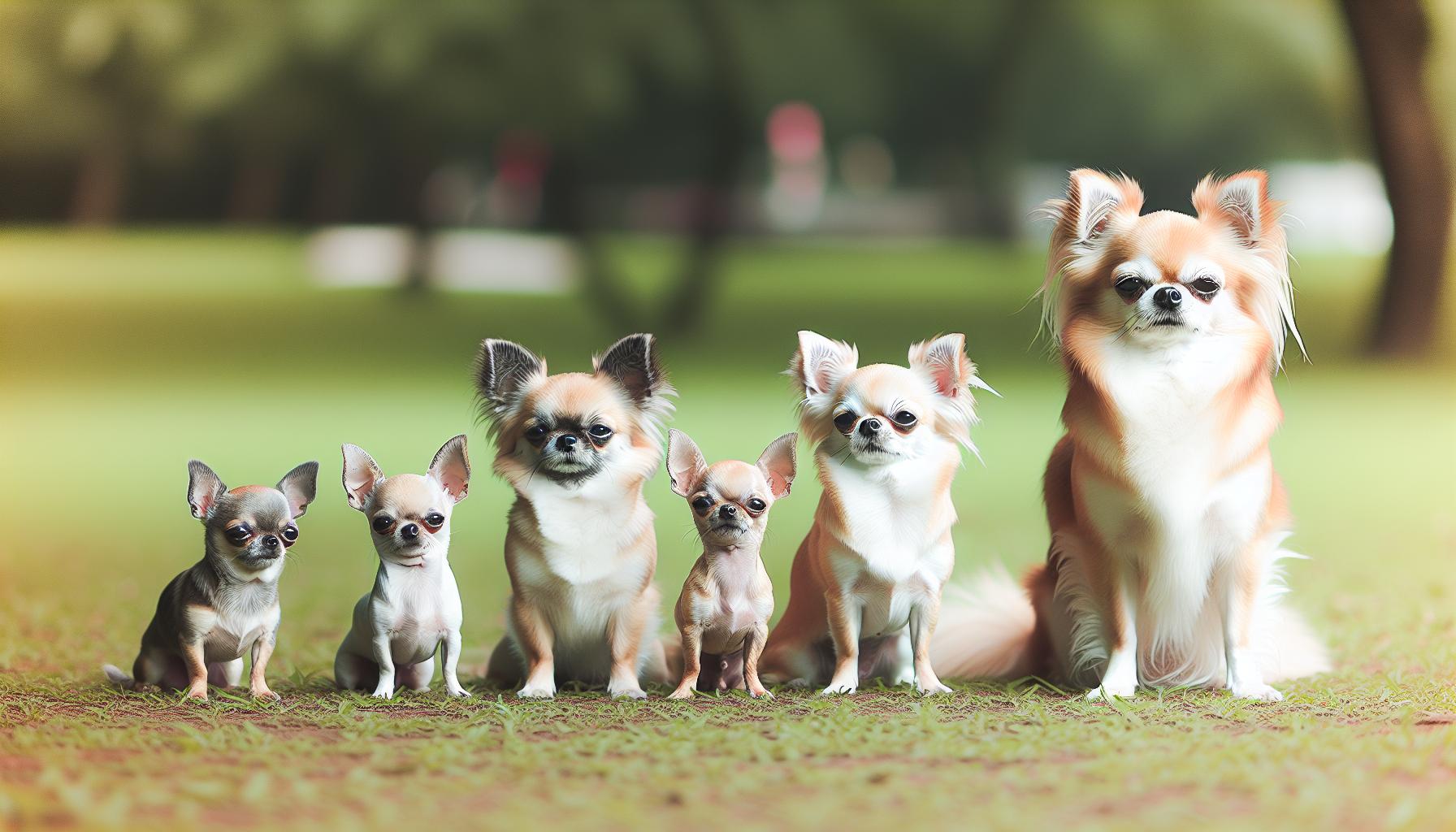
Distinct Coat Types: Smooth vs. Long-Haired
Chihuahuas boast a delightful variety in their coat types, primarily categorized into two distinct forms: the smooth coat and the long-haired coat. Each type offers its own unique charm, and understanding these differences can enhance your experience as a Chihuahua owner. The smooth-coated Chihuahuas feature a sleek, glossy texture that lies close to the body. They tend to be lower maintenance, making them popular among first-time dog owners. Their short hair helps them stay cool, which can be beneficial in warmer climates. Grooming typically involves minimal brushing to remove loose hair, allowing you more time to enjoy your Chihuahua’s spirited personality.
On the other hand, long-haired Chihuahuas exhibit a stunning array of flowing fur that can be silky or slightly wavy. This coat type requires a bit more attention to keep it healthy and tangle-free. Regular grooming is essential to prevent matting, especially in areas like the ears, tail, and behind the legs. Many owners find this grooming routine an excellent bonding opportunity with their pets. Long-haired Chihuahuas often attract compliments due to their luxurious appearance, and their fluffy coats can be particularly appealing in colder weather, providing extra warmth on chilly days.
Regardless of coat type, Chihuahuas possess distinctive personalities that shine through their unique hair. Some owners mention that their long-haired Chihuahuas often seem more laid-back and affectionate, while smooth-coated ones might display more playful and audacious traits. This isn’t a hard rule-individual personalities vary widely, but these observations can help you in understanding your furry friend better.
When caring for a Chihuahua, consider the coat type not just for grooming needs, but also for overall health and well-being. Both types can be prone to dental issues, so regular dental care is crucial. Additionally, regardless of whether your Chihuahua has short or long hair, keeping an eye on your dog’s skin health is important. Watch for signs of irritation, which can affect any coat type.
Whichever coat type you choose to welcome into your home, each Chihuahua brings joy, loyalty, and undeniable character. Your care routine can be adjusted based on coat type, ensuring that your little companion thrives and enjoys a happy, healthy life.
Personality Traits Across Chihuahua Varieties
Chihuahuas possess a remarkable diversity in personality traits, shaped by their unique characteristics as a breed. Despite their tiny stature, these little dogs often have larger-than-life personalities. Whether they’re zooming around the living room or snuggling on your lap, Chihuahuas exhibit a complex range of behaviors that can both amuse and challenge their owners. Understanding these traits helps you form a stronger bond with your Chihuahua and adjust your care techniques accordingly.
One prominent trait among many Chihuahuas is their vocal nature. Many are known to be quite chatty, barking at everything from the mailman to a rustling leaf. This can vary across individual dogs, but it’s essential to recognize that this barking is often an expression of their need to communicate or alert their owners. For instance, a smooth-coated Chihuahua might bark more spiritedly out of the sheer excitement of play, whereas a long-haired companion may do so to establish their presence and maintain loyalty within the household.
Chihuahuas also tend to display an affectionate side, often forming strong attachments to their owners. They are renowned for their loyalty and may even exhibit protective behaviors, especially towards their families. This can manifest in a desire to follow you from room to room or curl up in your lap during quiet moments. For example, an apple-head Chihuahua named Bella is known to greet her owner with an enthusiastic whine each evening, ready to settle in for cuddles. This deep bond underscores the importance of socialization from a young age to foster healthy relationships with both humans and other pets.
While many Chihuahuas are bold and sassy, you might find variations in personality depending on their types. Apple-head Chihuahuas often come across as slightly more laid-back and can have a more affectionate demeanor, while deer-head Chihuahuas might be a bit more playful and energetic, ready to engage in spirited activities. Incorporating structured playtime into your routine can help channel their energy positively, keeping them mentally and physically stimulated.
In summary, while personality traits can vary between individual Chihuahuas, some common themes emerge across the breed. They are vocal, affectionate, loyal, and can sometimes display a feisty attitude. Embracing these traits while providing ample socialization and structure makes for a harmonious life with your little companion. Remember, every Chihuahua is unique, and taking the time to understand their specific personality will enhance your journey together.
Colors and Patterns: What Can You Expect?
Chihuahuas are stunning little dogs, not just in personality but also in their appearance, thanks to the wide array of colors and patterns they exhibit. When selecting a Chihuahua, you may be intrigued by the various hues and markings that come with this charming breed. Recognizing these color variations can help you appreciate the uniqueness of your companion and add to the joy of ownership.
Chihuahuas can sport a broad spectrum of colors, including but not limited to:
- Fawn: A popular choice, fawn Chihuahuas can range from light tan to a deeper, richer tone.
- Black: Solid black Chihuahuas tend to have a sleek appearance and can possess striking personalities.
- Chocolate: This rich, warm color is less common but adored.
- White: A solid white coat is often mistaken for being rare, but these beautiful dogs are quite evident in the breed.
- Brindle: Featuring a mix of brown and black stripes, brindle Chihuahuas have a distinct and eye-catching appearance.
- Blue: A rarer color, blue Chihuahuas exhibit a unique grayish hue that stands out in the breed.
Alongside these solid colors, patterns can also play a significant role in a Chihuahua’s appearance. You may encounter:
- Spotted: These Chihuahuas have a base color with a different color sprinkled throughout their coat, giving them a playful yet charming appearance.
- Merle: Characterized by a mottled coat, merle patterns often come with unique patches of color, enhancing their visual appeal.
- Brindle with White Markings: A mix of stripes with white accents can bring an elegant complexity to their look.
The individuality of Chihuahuas isn’t solely about color-it’s also tied to their body types, such as the apple-head versus deer-head variations. An apple-head Chihuahua, with its rounded skull, often has a more delicate structure that complements its unique color patterns. Meanwhile, the deer-head Chihuahua is typically taller and more elongated, which can result in a different visual balance with the coat colors.
Understanding these colors and patterns is not just fun; it also factors into the care and health considerations of your Chihuahua. For instance, some coloring, particularly in the “blue” category, can be linked to health issues that require attentive care. It’s essential to connect with reputable breeders who prioritize health and breed standards.
As you add personality and vibrancy to your home with a Chihuahua, ensure you choose a companion whose colors and patterns resonate with you. Each little dog is not only a feast for the eyes but also carries a rich character waiting to be explored and cherished.
Exploring the Apple-Head vs. Deer-Head Differences
The distinct differences between apple-head and deer-head Chihuahuas are fascinating and significant for any aspiring or current owner of these charming little dogs. While both varieties fall under the same breed, their appearances, temperaments, and care needs can vary greatly, influencing your decision when selecting your perfect companion.
Apple-head Chihuahuas are easily recognizable by their rounded skulls and short snouts, giving them a perky and adorable appearance. This particular head shape is often associated with the traditional Chihuahua look, and many enthusiasts consider it to be the “classic” standard. In terms of personality, apple-heads tend to be quite bold and sassy. They often display strong loyalty to their owners and can be vocal, making their presence known! It’s not uncommon for apple-heads to form a deep bond with one person in the household. Since they can be sensitive to new environments and changes, early socialization is crucial. Encourage positive interactions with other pets and people, and expose her to various situations to build her confidence.
On the other hand, deer-head Chihuahuas possess a more elongated face with a flatter skull, resembling a miniature deer-hence the name. They are typically taller and have a leaner body structure, giving them a different silhouette altogether. While some might think deer-heads may be a less desirable option, many owners appreciate them for their gentle personalities. They tend to be calmer than their apple-headed counterparts, which can make them more adaptable to new situations and quieter in nature. However, don’t mistake their calm demeanor for a lack of personality; they are just as affectionate and can be playful when the mood strikes!
When considering the health aspects, both types may face breed-specific challenges. Apple-heads, due to their unique skull shape, can be prone to certain health issues, such as dental problems or even hydrocephalus in some cases. Regular veterinary check-ups, a balanced diet, and dental care are paramount for their well-being. Deer-head Chihuahuas might have a lower risk of some genetic issues related to head structure, but that doesn’t make them exempt from other breed-related health concerns. Always source your new furry friend from reputable breeders who prioritize health testing and genetic screening.
Each Chihuahua is a unique treasure, whether she has the charming apple-head or the elegant deer-head silhouette. Celebrating these differences not only enriches your understanding of the breed but also enhances your companionship with your new friend. Whichever type you choose, your Chihuahua will undoubtedly bring joy, loyalty, and plenty of personality to your home!
Recognizing Purebred vs. Mixed-Breed Chihuahuas
Determining whether you have a purebred or a mixed-breed Chihuahua can be an exciting journey for dog lovers. Each type has its unique charm and personality traits, impacting your experience as an owner. Purebred Chihuahuas typically conform to specific breed standards set by organizations such as the American Kennel Club (AKC). These dogs can be easily recognized by their distinctive characteristics, whether they are apple-head or deer-head varieties. For example, purebred apple-head Chihuahuas exhibit those adorable rounded skulls and short snouts, while deer-heads have longer, more elongated faces. Both varieties, when purebred, often showcase particular coat types-smooth or long-haired-that align with breed expectations.
On the flip side, mixed-breed Chihuahuas can embody a delightful blend of traits. When two breeds come together, the result can be a unique mix of physical features and personality traits that may surprise you. For instance, a Chihuahua crossed with a Dachshund could present elongated bodies with a blend of both parent breeds’ temperaments. Owners often appreciate these mixed varieties for their one-of-a-kind looks and unpredictable, quirky personalities. However, it’s essential to remember that mixed-breeds might not adhere to the standard behaviors or health issues typically associated with purebred Chihuahuas, making each mixed-breed an exciting individual.
When considering the benefits of purebreds versus mixed-breeds, health can play a significant role in your decision-making process. Purebreds may be predisposed to genetic issues due to limited genetic diversity. While health screening is crucial for purebred Chihuahuas-especially regarding conditions like patellar luxation or heart problems-mixed-breeds often benefit from hybrid vigor, potentially reducing the risk of certain genetic disorders. However, always pay attention to your dog’s specific background, as health considerations can vary widely based on lineage.
In your journey with Chihuahuas, both purebreds and mixed-breeds bring joy and companionship to your life. Whether you’re drawn to the distinct looks of a purebred or the charming unpredictability of a mixed-breed, embracing your dog’s unique traits will enhance your experience as a loving owner. Regular veterinary check-ups, a balanced diet, and socialization are essential for all Chihuahuas, regardless of their breed status, to ensure a happy, healthy life together. Enjoy each quirk and character trait your Chihuahua has; after all, they are remarkable companions no matter their pedigree!
Popular Chihuahua Varieties Among Owners
Chihuahuas, with their pint-sized stature and larger-than-life personalities, come in a variety of forms that appeal to many dog lovers. Among the most popular varieties are the apple-head and deer-head Chihuahuas, each showcasing unique physical traits and charismatic qualities that endear them to their owners. The apple-head variety, known for its rounded skull and short snout, is often sought after for its classic “cute” appearance. Owners of apple-head Chihuahuas frequently rave about their playful, loyal natures, describing them as fiercely devoted companions who thrive on human interaction.
On the other hand, deer-head Chihuahuas-with their elongated snouts and taller, leaner builds-represent a slightly different appeal. These dogs are often characterized by their calm demeanor, making them a fantastic choice for families seeking a more laid-back pet. Owners appreciate their easy-going nature and tend to find them adaptable to various living situations, whether in small apartments or larger homes.
In addition to these distinct types, coat variations play a key role in the popularity of Chihuahuas. Smooth-haired Chihuahuas require less grooming, appealing to busy owners, while long-haired Chihuahuas offer a luxurious aesthetic that many find irresistible. Each coat type comes with its own maintenance needs, allowing owners to select a companion that fits their lifestyle.
Colors and patterns further enhance the breed’s diversity. From the classic fawn to rare shades like blue or chocolate, potential owners often find themselves charmed by the variety of coat colors and markings available. This visual appeal adds to the overall allure, as owners proudly showcase their Chihuahuas’ unique appearances at dog parks and showcases.
In summary, the popularity of specific Chihuahua varieties often boils down to individual owner preferences regarding appearance, temperament, and care needs. Whether you’re enchanted by the charming apple-head, prefer the elegant deer-head, or are drawn to a specific coat color, there’s a Chihuahua variety that will resonate perfectly with you. Each dog brings its unique quirks and joyful spirit, making them a beloved choice for many dog lovers.
Health Considerations by Chihuahua Type
Chihuahuas, despite their compact size, can experience a variety of health issues linked to their unique genetics and physical traits. Understanding these considerations is essential for ensuring your furry friend lives a healthy and happy life. Different types of Chihuahuas-each with their own characteristics-may face specific health challenges that owners should be vigilant about.
For apple-head Chihuahuas, their distinctive rounded skulls can lead to a condition called hydrocephalus, where excessive cerebrospinal fluid builds up in the brain. Symptoms may include behavioral changes, seizures, or difficulty with coordination. Regular veterinary check-ups are crucial to monitor for any signs and to ensure early intervention if necessary. Additionally, their short snouts can predispose them to dental issues, so maintaining a proper dental care routine is vital.
Deer-head Chihuahuas generally have fewer congenital health issues but are not exempt from concerns. They can also suffer from patellar luxation, a condition where the kneecap dislocates, which is particularly pertinent for a breed that loves to jump and run. Depending on the severity, this might require lifestyle adjustments or even surgical intervention. Owners should prioritize weight management and low-impact exercise to minimize joint stress.
Chihuahuas of all kinds also share some common health concerns. These include heart issues such as mitral valve disease, which can manifest as coughing or lethargy. Regular veterinary visits can help catch any developing problems early. It’s also important to note that Chihuahuas, regardless of type, are prone to hypoglycemia, especially when they are puppies. Keeping a supply of high-protein treats on hand can be a lifesaver in these situations.
In short, being aware of these health considerations can empower you as an owner to give your Chihuahua the best possible care. Create a routine that involves regular vet visits, a proper diet, and tailored exercise. Your pup’s health is a reflection of the love and attention you provide, and with the proper care, you can enjoy many joyful years together.
Care Needs for Different Chihuahua Breeds
Caring for Chihuahuas is as unique as their various breeds. Each type-be it an apple-head or deer-head-has its own set of care needs that enhance their overall well-being. Understanding these needs is key to fostering a healthy, happy lifestyle for your tiny companion.
Diet and Nutrition
Chihuahuas have fast metabolisms, which means they require a high-quality diet tailored to their size and energy levels. For apple-heads, who may have dental issues, opting for soft food can ease chewing difficulties. In contrast, deer-heads might manage crunchier kibble well, which can help with dental health. Regardless of type, a balanced diet rich in protein, healthy fats, and essential nutrients is vital. Here’s a quick checklist for feeding them:
- Choose grain-free or low-grain options for easier digestion.
- Incorporate high-quality protein sources, such as chicken or fish.
- Provide a mix of wet and dry food to keep their diet interesting.
Exercise and Mental Stimulation
Even small dogs like Chihuahuas require daily exercise to stay fit and happy. Apple-heads, who can be more delicate, may benefit from gentle play sessions, while deer-heads, often more athletic, might enjoy brisk walks or playdates with friends. Keep in mind that mental stimulation is just as important:
- Engage in interactive games like hide and seek.
- Utilize puzzle toys to keep their minds sharp.
- Take short trips to new environments to enhance social skills.
Grooming Needs
Coat type plays a significant role in grooming routines. Smooth-coated Chihuahuas require less maintenance, with occasional brushing to remove loose hair. On the other hand, long-haired varieties need more frequent grooming sessions to prevent matting. Regular baths using gentle dog shampoo will help keep their coats clean without stripping essential oils.
Additionally, don’t forget about nail trimming and ear cleaning. Keeping nails short is crucial for both breeds to prevent discomfort and mobility issues. Regular dental care, especially for apple-heads, is essential due to their predisposition to dental problems. Daily tooth brushing can work wonders.
These elements of care help ensure your Chihuahua thrives, no matter which variety you choose to welcome into your family. Remember, each pup is an individual, so tailor your approach to suit her unique personality and needs, and you will be rewarded with a loyal and loving companion for years to come.
Socialization and Training Tips for Chihuahuas
Chihuahuas may be small, but their personalities can fill a room. One of the most vital aspects of raising a happy Chihuahua, whether you have an apple-head or a deer-head, is ensuring they are well-socialized and properly trained. Chihuahuas are naturally vocal and can exhibit strong protective instincts, so early socialization is crucial. Introducing your Chihuahua to a variety of people, animals, and environments while they are young can help them grow into well-adjusted adults.
Start by taking your Chihuahua on short trips to dog-friendly parks, pet stores, or even just around the neighborhood, allowing them to encounter different sights, sounds, and scents. Make these experiences positive by bringing along their favorite treats and plenty of praise. For example, one owner found that her apple-head, Lily, became more confident when given a treat for every new friend they met at the park. This not only reinforced positive behavior but also helped Lily associate new experiences with good things.
Training sessions should be short but consistent, leveraging their intelligence and eagerness to please. Incorporate basic commands like “sit,” “stay,” and “come” into your daily routine, using positive reinforcement techniques. Chihuahuas respond best to reward-based training methods, so be sure to have treats readily available. For example, when teaching commands, reinforce with a small piece of high-value food each time your Chihuahua responds correctly. This builds a strong bond and enhances their learning process.
Remember that training can vary between individual Chihuahuas. Some may learn quickly, while others require patience and repetition. A deer-head Chihuahua, often perceived as more laid-back, might adapt to commands swiftly, while a feistier apple-head could be more stubborn and require more encouragement. Always take their unique personality into account during training. Make it fun by introducing games and play as part of the learning experience-think of games that engage them mentally and physically, like fetching a toy or practicing agility with small jumps.
Finally, socialization doesn’t stop after puppyhood. Regularly expose your Chihuahua to new experiences to maintain their comfort level with change. Arrange playdates with other dogs, either small or calm larger breeds, to foster their social skills. The more varied their interactions, the better equipped they’ll be to handle the world confidently. Embrace their quirks as part of their charm-after all, that bold bark in a tiny frame is just part of being a proud Chihuahua owner!
The Unique Lifestyle of Chihuahua Owners
Living with a Chihuahua is an experience unlike any other. These small dogs pack a big personality, and as an owner, you’ll quickly learn that your life revolves around more than just providing food and shelter. Chihuahuas thrive on companionship and often view their humans as part of their pack. Whether you have an apple-head or a deer-head Chihuahua, embracing their unique quirks is part of the joy of ownership.
Chihuahuas are known for their loyalty and intelligence, but they also demand attention and social interaction. As a Chihuahua owner, you may find yourself on daily adventures, from leisurely walks around the neighborhood to impulse trips to dog parks, as they love to explore their surroundings. One owner shared how her long-haired Chihuahua, Coco, turns every outing into an exciting expedition, eagerly greeting every passerby and sniffing out new scents. This makes socialization vital-not only for your dog’s happiness but also to help them learn to navigate the world around them.
In addition to their energetic nature, Chihuahuas are often quite vocal. You may find your little friend expressing themselves through barking, whether it’s to alert you of a visitor or simply to initiate playtime. It’s important to recognize this behavior as an expression of their personality. For some owners, like the proud parent of a feisty apple-head named Max, this vocalization adds a layer of charm to daily life. However, for others, managing this tendency may involve training and setting boundaries during play.
Chihuahua owners also need to consider the grooming and health needs specific to their dog’s coat type and size. Long-haired Chihuahuas might need more frequent brushing to avoid mats, while shorter-haired ones may require less maintenance. Regardless of coat type, regular health check-ups are essential to catching any potential issues early. A comprehensive approach to care, which includes proper nutrition and exercise, sets the foundation for a long, healthy life for your Chihuahua.
Finally, embracing the lifestyle of a Chihuahua owner means finding joy in simple, everyday moments together. Whether it’s cuddling on the couch or engaging in playful antics at home, these cherished bonds are what make life with a Chihuahua truly unique. Most importantly, celebrating their spirited nature and nurturing their well-being will enrich both your lives tremendously, turning each day into a delightful journey.
Faq
Q: How many different types of Chihuahuas are there?
A: There are two main types of Chihuahuas based on head shape: Apple-head and Deer-head. Each type has unique physical characteristics and quirks, influencing their appearance and behavior. For a deeper understanding of these varieties, refer to the section on Apple-Head vs. Deer-Head Differences in our article.
Q: What are the different Chihuahua coat types?
A: Chihuahuas come in two distinct coat types: smooth (short-haired) and long-haired. Smooth Chihuahuas have a sleek, glossy coat, while long-haired Chihuahuas feature a softer, fuller coat, often requiring more grooming. Learning about these coat types helps in choosing the right care routine.
Q: What personality differences exist among Chihuahua varieties?
A: Personality can vary between different Chihuahua types, often influenced by size and head shape. Generally, Apple-head Chihuahuas are seen as more confident and assertive, while Deer-head Chihuahuas may be a bit more laid-back. Refer to the section on Personality Traits Across Chihuahua Varieties for detailed insights.
Q: Are there size variations among Chihuahuas?
A: Yes, Chihuahuas present size variations classified typically as standard and teacup. Standard Chihuahuas weigh around 6 pounds, while teacups are smaller, often weighing less than 4 pounds. Understanding these size options can aid in selecting a dog that fits your lifestyle.
Q: How do colors and patterns affect Chihuahua varieties?
A: Chihuahuas can be found in a wide range of colors and patterns, including fawn, black, white, and chocolate, among others. These variations add to the breed’s appeal and can influence individual characteristics. You can explore specific examples in the section about Colors and Patterns.
Q: What should I consider about health in different Chihuahua types?
A: Health concerns can vary between Chihuahua types. For example, Apple-heads may experience more dental issues, while Deer-heads could face musculoskeletal problems. Always consider these factors when choosing a Chihuahua and look for more detailed health considerations in our article.
Q: How can I socialize a Chihuahua puppy?
A: Socializing a Chihuahua puppy is crucial for healthy development. Start with controlled exposure to new experiences, people, and pets. Training classes and regular outings are effective methods. You can find helpful tips in the Socialization and Training Tips for Chihuahuas section.
Q: What are the typical care needs for Chihuahuas?
A: Chihuahuas generally require regular grooming, dental care, and exercise. Their care needs can vary slightly depending on coat type and size. Referencing our Care Needs for Different Chihuahua Breeds section can provide tailored advice for meeting your Chihuahua’s specific requirements.
Final Thoughts
As you explore the fascinating world of Chihuahuas, remember that understanding their different varieties-from the charming Apple Head to the spirited Deer Head-enhances your bond with these loyal companions. Each type boasts unique traits in behavior, health, and care, so whether you’re a first-time owner or a seasoned enthusiast, your journey with them can be even more rewarding.
Don’t miss out on our articles about Chihuahua health tips and training techniques! Your next step? Dive deeper into the breed’s quirks or join our community of Chihuahua lovers by subscribing to our newsletter for exclusive insights. Share your experiences and connect with other owners-your voice matters in our vibrant community! Finish your exploration today, and let the adventure with your furry friend only just begin.
Get our latest guides, news, and insights highlighted in your Google Search & AI Overviews.