

If you’ve found yourself wondering, “Why does my Chihuahua have floppy ears?” you’re not alone! Many Chihuahua owners share this concern, especially when considering the breed’s typical alert, upright ears. Floppy ears can be a normal variation for your little companion, influenced by factors like genetics and age. Understanding why your Chihuahua’s ears may droop can ease your worries and help you better appreciate the unique quirks of this lively breed. As a proud Chihuahua enthusiast, I’m here to guide you through what floppy ears might mean for your fur baby-whether you’re a first-time owner or a seasoned pro-so you can ensure he or she remains happy and healthy. Curious about the details? Let’s dive deeper into this endearing trait together!
Why Do Chihuahuas Have Floppy Ears?
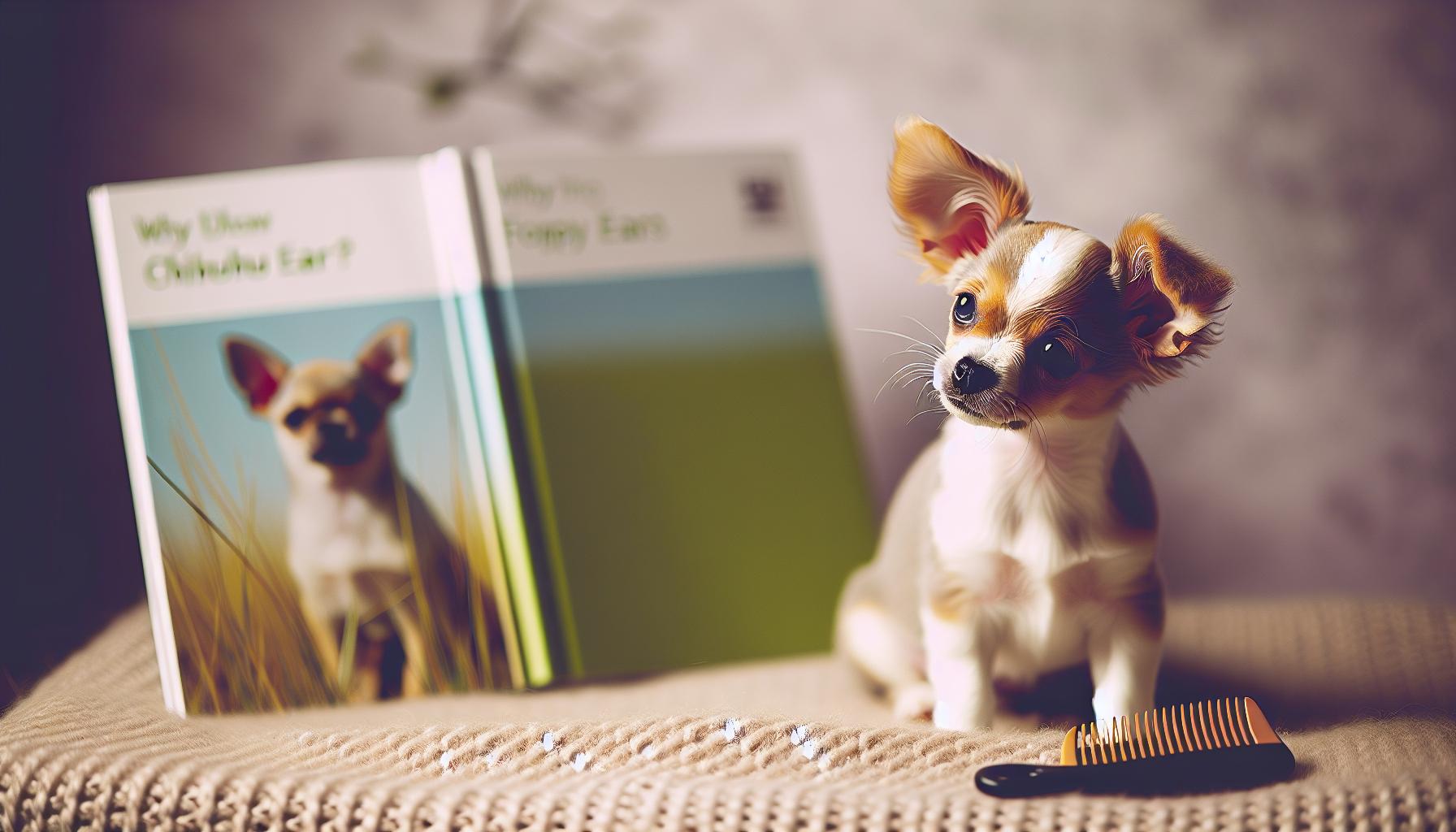
Chihuahuas are known for their charming personalities and distinctive appearances, and their ears are no exception. While many Chihuahuas sport those iconic upright ears, you may notice that your little friend has floppy ears. This trait can be quite common and results from a variety of factors related to their unique breed characteristics and developmental stages. Understanding why your Chihuahua might have floppy ears can help you appreciate their individuality-after all, every Chihuahua has her own distinct charm, whether she’s a daring apple-head or a more sculpted deer-head.
Floppy ears in Chihuahuas can often be attributed to their puppyhood. Just like human babies, puppies undergo a developmental phase where their ears may not stay upright. During these early months, their cartilage can still be soft and pliable, causing their ears to flop over. As they grow, typically by the time they reach six months to one year of age, you may notice that their ears begin to stand up as the cartilage strengthens. However, this isn’t a hard and fast rule-some Chihuahuas retain their floppy ears well into adulthood, and that’s entirely normal.
It’s important to recognize that floppy ears don’t usually indicate any health issues, though genetic factors can play a significant role. If you notice a sudden change in your Chihuahua’s ear position or if there are signs of discomfort-like scratching or ear infections-it might be a good idea to consult your veterinarian. Otherwise, embrace your Chihuahua’s unique look! Floppy ears can add to their endearing character, turning heads and sparking conversations about the distinctive quirks of this beloved breed. Remember, whether your Chihuahua’s ears are upright or floppy, she’s still the same loyal companion who fills your days with love and laughter.
Understanding Ear Structure in Chihuahuas
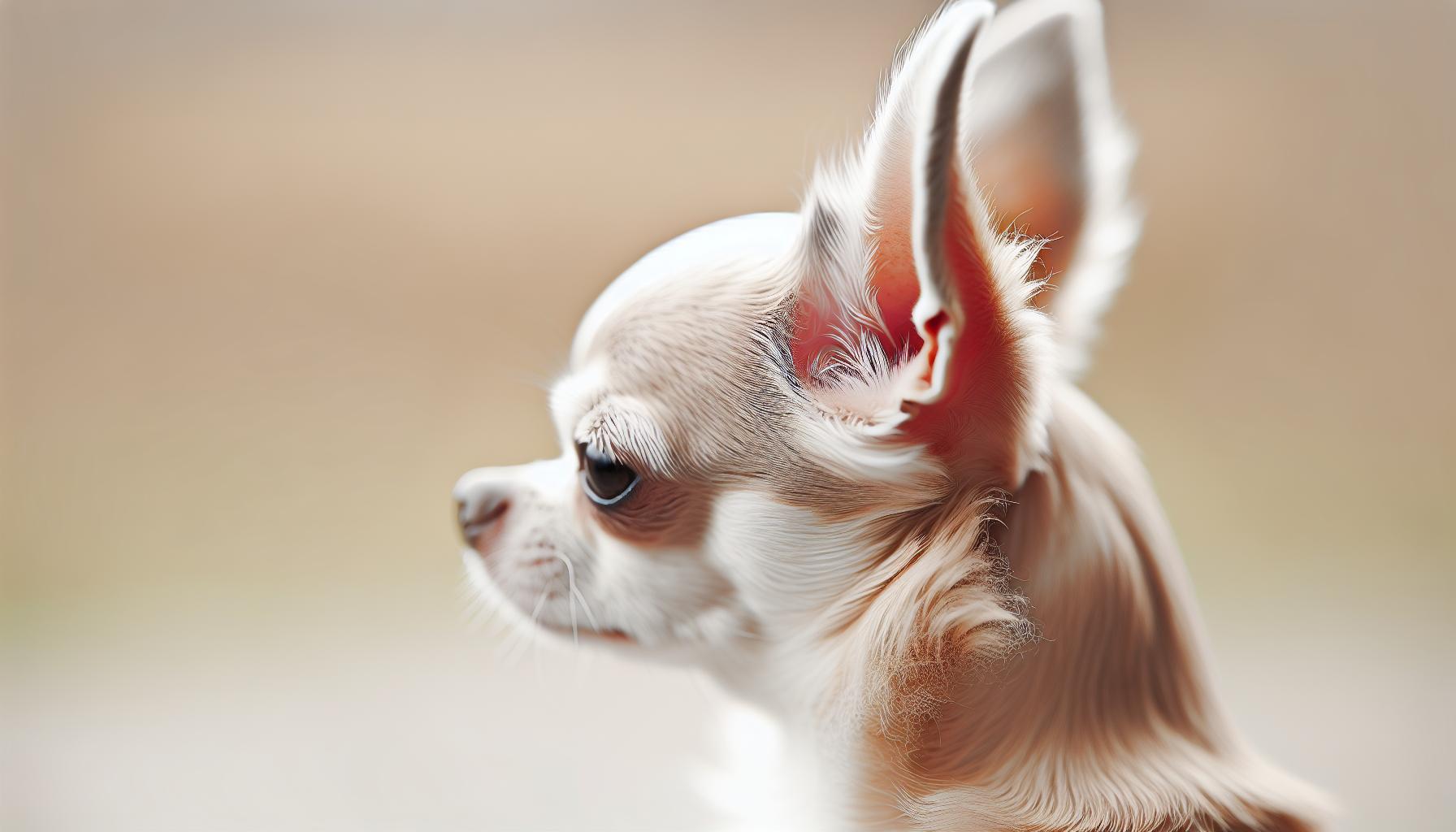
Chihuahuas are renowned for their adorable features, and their ears play a significant role in their overall charm. Understanding the ear structure of these little pups can shed light on why some Chihuahuas sport floppy ears while others boast those striking upright ones. A Chihuahua’s ears are primarily composed of cartilage, which gives them their shape and support. In puppies, this cartilage is still developing and may be soft, leading to varying ear positions.
During the early months of a Chihuahua’s life, their ears can be quite floppy. This is completely natural and usually tied to their growth and development stages. As they mature, around six months to one year, the cartilage strengthens, often allowing the ears to stand more upright. However, some Chihuahuas, especially those with genetics that favor floppy ears, may keep that adorable, relaxed look even into adulthood. This variety in ear positions is just another wonderful quirk of the breed that makes each dog unique.
It’s also important to note that the ear shape is influenced by the Chihuahua’s head shape. For example, apple-head Chihuahuas often show different ear set characteristics compared to their deer-head counterparts. In some cases, the expected upright ear structure may vary significantly based on this distinction, reflecting the individuality among Chihuahuas.
When managing a Chihuahua with floppy ears, remember that this trait is typically not a cause for concern. These lovable little furballs carry their character and demeanor through their entire being. Embrace your Chihuahua’s unique look, as those floppy ears contribute to the breed’s endearing character and charm. Whether your Chihuahua has floppy or upright ears, she remains a beloved companion, full of personality and love.
Common Reasons for Floppy Ears in Puppies
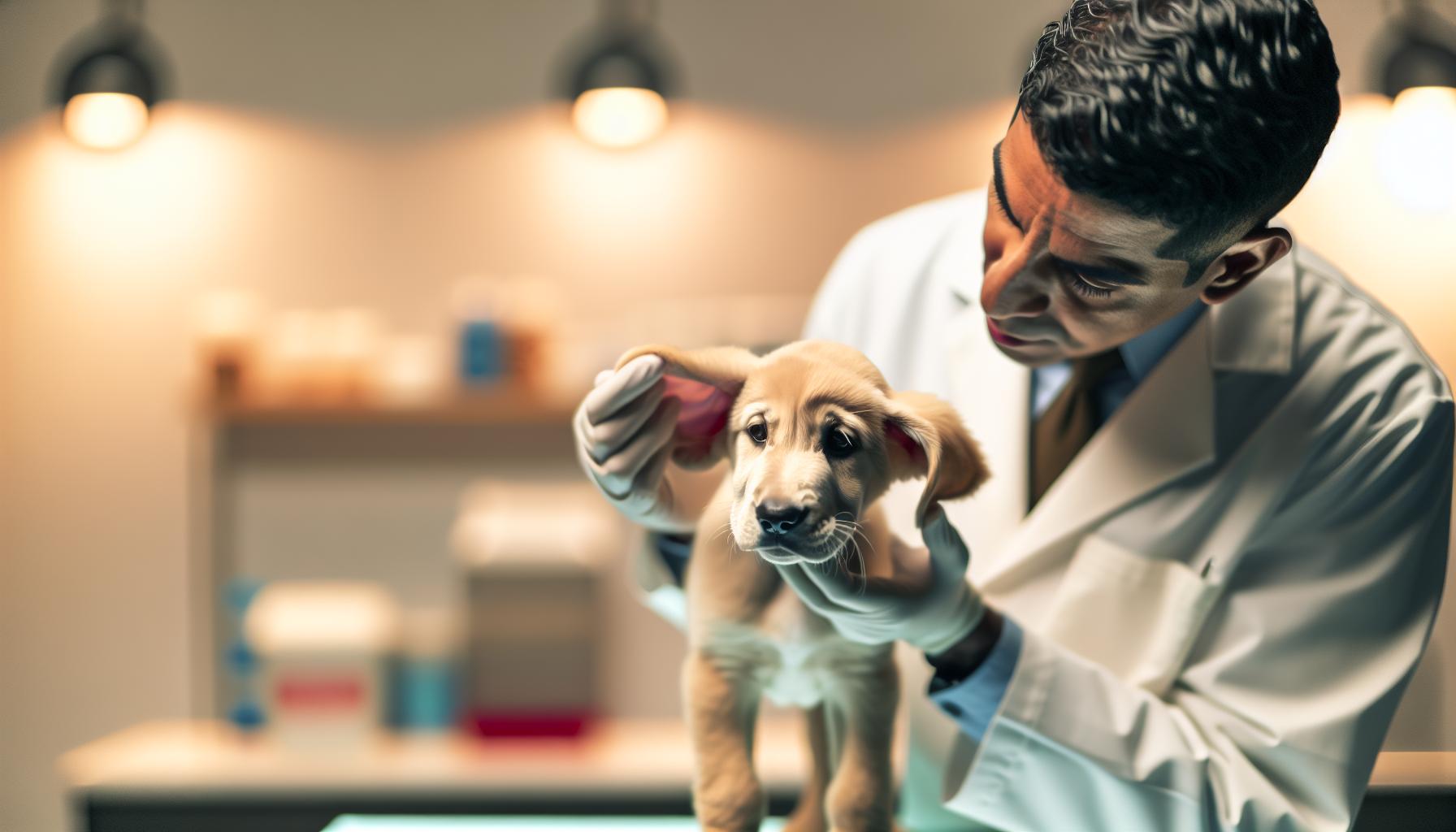
Chihuahuas are sassy little companions, known for their bold personalities and, of course, those charming ears! You might notice that your puppy’s ears are floppy, and that’s totally normal during their early development. In fact, there are several common reasons for this delightful feature.
Firstly, developmental stages play a huge role in ear posture. In the first few months of life, the cartilage in a Chihuahua’s ears is still soft and pliable, which often results in those floppy ears. As they grow, around six months to a year, this cartilage becomes stronger, and many puppies’ ears will gradually stand up. However, not all Chihuahuas will develop upright ears; some may retain their floppy charm, especially if they come from a lineage known for that trait.
Another factor contributing to ear position is genetics. Just like humans, puppies inherit different physical traits from their parents. Some Chihuahuas, particularly those with an ‘apple-head’ structure, might display floppy ears even as adults, while their ‘deer-head’ counterparts are more likely to have upright ears. This natural variation indicates that floppy ears are part of what makes each Chihuahua unique.
Lastly, environmental elements can influence ear position as well. Factors like health, diet, and the general well-being of your puppy can affect how their ears develop. Puppies with a well-rounded diet are more likely to grow strong cartilage, which can lead to perkier ears.
Understanding these elements can reassure you that floppy ears in Chihuahuas are typically nothing to worry about. Embrace this adorable feature, and remember that each Chihuahua carries its own personality and quirks, whether they have floppy ears or not!
Floppy Ears vs. Upright Ears: What’s Normal?
The adorable characteristics of Chihuahuas, including their ears, can vary significantly from one dog to another. While some might have the proud, erect ears that many envision, others showcase floppy ears that add to their charm. It’s important for Chihuahua owners to understand that both floppy and upright ears are normal and can coexist within the breed, indicating the diverse variations that make each pup unique.
Floppy ears often suggest a relaxed and charming demeanor in your furry friend. Many Chihuahuas, especially those with an apple-head structure, might naturally retain floppy ears throughout their life. This trait does not indicate any health issues; rather, it’s a delightful characteristic that adds to their individuality. For example, if you meet a sweet Chihuahua named Bella whose ears flop over, you’ll quickly realize she holds all the personality typical of the breed-lively, vocal, and fiercely loyal.
In contrast, Chihuahua puppies typically experience a transition in ear positioning during their growth phases. Initially, their ears may be floppy due to soft cartilage, but as they mature-around six months to a year old-many will develop standing ears. However, it is crucial to remember that not every Chihuahua will develop upright ears. Variations in ear shape often stem from genetic factors and breeding lines, making it completely normal for some Chihuahuas to keep their floppy ears as they grow.
As a proud Chihuahua owner, embrace your dog’s unique ear shape, whether they be floppy or upright. Celebrating these quirks is part of what makes owning a Chihuahua such a joyful experience. Remember, each dog carries its own personality traits and charm, and that’s what makes the bond with your Chihuahua truly special.
Can Floppy Ears Indicate Health Issues?
Floppy ears in Chihuahuas can be as adorable as they are intriguing, but some owners may wonder if this trait signals any underlying health issues. The good news is that for most Chihuahuas, floppy ears are a normal part of their anatomy and do not typically indicate health problems. However, while floppy ears are often just a charming characteristic, there are a few situations where they might warrant your attention.
First, it’s important to observe whether your Chihuahua’s floppy ears are accompanied by other unusual symptoms. If your pup seems to be shaking his head frequently, scratching at his ears, or showing signs of pain when you handle their ears, it could indicate an ear infection or mite infestation. These conditions often present with additional signs such as an unpleasant odor, discharge, or changes in behavior, like increased irritability. For example, an owner named Sarah noticed her Chihuahua, Max, started shaking his head more often. A visit to the vet confirmed a mild ear infection, which was easily treated with medication.
Genetic factors can also play a role in your Chihuahua’s ear shape and overall ear health. Chihuahuas with a pronounced apple-head structure might naturally retain floppy ears, as their head shape can influence ear development. This does not mean there’s anything wrong-just that genetics is at play. In rare cases, if your Chihuahua’s ears suddenly become floppy after previously being upright, it may also be a sign of an underlying health concern, such as trauma or a more serious medical issue, so it’s wise to consult with your veterinarian in those instances.
Regular ear care is essential for all Chihuahuas, regardless of ear shape. Keeping the ears clean and dry can help prevent infections and other health issues. Monthly ear checks and cleaning, using a vet-recommended solution, can keep your pup’s floppy ears in tip-top shape while ensuring any potential problems are spotted early on. Floppy or not, your Chihuahua’s health and comfort should always be the priority, and being attentive to changes can enhance the joyful companionship you share.
The Impact of Genetics on Ear Shape
The delightful quirks of Chihuahuas often include floppy ears, a trait that many owners adore. But why do some Chihuahuas end up with these floppy ears, while others sport the more commonly seen upright ears? The answer lies significantly in the genetics of this unique breed. Chihuahuas exhibit a variety of ear shapes due to their diverse genetic backgrounds.
Genetics plays a pivotal role in determining physical characteristics, including ear shape. Chihuahuas with pronounced apple-shaped heads, for instance, may naturally inherit floppy ears as part of their breed characteristics. These apple-head types often retain a more relaxed ear posture compared to their deer-head counterparts. Floppy ears can also be influenced by the breeding practices employed by responsible breeders focusing on specific traits. However, not all floppy-eared Chihuahuas are alike; environmental factors, such as diet and overall health, can influence how ears develop and remain during puppyhood.
For instance, a Chihuahua named Bella, known for her floppy ears, is a charming example of how genetic variance can express itself. Her owner found that her ears became increasingly floppy as she grew, reflecting her apple-headed lineage. Conversely, dogs belonging to bloodlines that emphasize erect ears might not experience this same development. Understanding your Chihuahua’s background can provide insights into what to expect as they grow and help clarify whether their ear shape is typical for their genetic makeup.
While floppy ears are often simply an adorable quirk, it’s crucial for owners to remain observant. If you notice changes, such as your Chihuahua’s ears becoming floppier over time or showing signs of distress, it may be worth discussing with your veterinarian. Remember, every Chihuahua is unique, and factors like genetics, care, and environment together shape these lovable little companions and their distinct features.
When to Consult Your Veterinarian
While floppy ears are often a unique and endearing characteristic of Chihuahuas, it’s essential for owners to stay vigilant about any changes that may suggest underlying health issues. Many owners may wonder when it becomes necessary to consult a veterinarian, especially if their Chihuahua’s ear shape or position seems unusual or is accompanied by other symptoms.
Changes in your Chihuahua’s ears that warrant a vet visit could include signs of infection-such as redness, swelling, or discharge from the ear, which can indicate ear mites or an inflammatory condition. Keep an eye on behaviors that might suggest discomfort, such as excessive scratching at the ears, shaking of the head, or a noticeable odor emanating from the ears. If your Chihuahua suddenly develops a preference for one ear being upright or consistently appears to be favoring one side, this can also be a signal to seek veterinary advice.
Additionally, if you have a puppy with floppy ears, observing their development is crucial. Floppy ears are common in young Chihuahuas, but if the ears remain down past puppyhood or if the ear cartilage seems abnormal, it could suggest a developmental issue. For instance, Bella, a beloved apple-headed Chihuahua, experienced mild ear infections during her teething phase, leading her owner to realize that regular vet check-ups were vital for monitoring her health.
As a responsible owner, ensuring your Chihuahua receives regular veterinary check-ups will help detect any potential health issues early. Don’t hesitate to reach out to your veterinarian if you have any concerns or questions about your Chihuahua’s ear position or any other health-related issues. After all, keeping that delightful little personality healthy and happy is the goal!
Caring for Chihuahuas with Floppy Ears
Caring for a Chihuahua with floppy ears can be an enjoyable journey, filled with bonding moments and tailored care strategies. These little ones stand out with their unique personalities and ear shapes. It’s not just about how they look; it’s about ensuring their floppy ears remain healthy and functional.
Regular ear cleaning is paramount for Chihuahuas, especially those with floppy ears that can trap moisture and debris. Use a soft, damp cloth or pet-safe ear cleaner to gently wipe the outer ear areas, avoiding the inner ear canal unless advised by your veterinarian. This can help prevent infections, which are more common in dogs with ear structures that retain moisture. Owners often rely on tips from their fellow dog enthusiasts, sharing stories of how regular ear checks and cleanings helped their Chihuahuas stay comfortable. For example, Claire found success by incorporating ear cleaning into her dog’s grooming routine, which made the process smoother.
While floppy ears are often a normal trait for Chihuahuas, monitoring for any changes is crucial. If your Chihuahua seems to scratch excessively at their ears, displays signs of discomfort, or has a foul odor from the ears, it may be time to consult your veterinarian. Moreover, keep an eye on how their ears are positioned. For instance, if one ear suddenly starts standing upright or remains down beyond the typical growing period for puppies, this could be a sign of a health concern that needs attention.
Lastly, providing a nourishing diet and regular exercise can promote overall well-being, translating into better ear health. Owners often see a difference in their Chihuahuas’ vitality when they ensure their little companions get the right nutrients and playful engagement. Embrace your Chihuahua’s floppy ears as a charming aspect of their identity, reflecting the unique and loyal spirit inherent to this breed! Always seek to celebrate their individuality while prioritizing their health.
How Environment Affects Ear Position
Chihuahuas, with their vibrant personalities and distinctive features, can exhibit a range of ear positions that often reflect not just their genetics but also their environment. Did you know that factors such as temperature, humidity, and even the social atmosphere can significantly influence whether your furry friend’s ears are perked up or floppy? Understanding this connection can help you foster a comfortable setting for your little companion, enhancing their overall well-being.
The temperature in your home plays a key role in your Chihuahua’s ear position. For example, if your living space is cooler, you might notice that her ears tend to flop more due to the relaxation of muscles. Conversely, in warmer environments, the muscles responsible for keeping those ears upright may be more active. Ensuring your home is neither too hot nor too cold can promote a healthy ear posture and can encourage her to feel more comfortable.
Humidity is another crucial environmental factor. Chihuahuas with floppy ears are more susceptible to moisture getting trapped, which can lead to infections or discomfort. If you live in a humid area, consider using a dehumidifier to maintain a comfortable atmosphere not just for your Chihuahua’s ears but for their overall health. Regularly checking her ears, especially during warm and damp months, can prevent issues from arising.
The social environment can also significantly impact your Chihuahua’s demeanor and, consequently, her ear position. A calm and reassuring atmosphere might encourage her to display more relaxed ear positions. In contrast, stressful situations-like loud noises, new environments, or the presence of unfamiliar people-may cause her to alert with her ears standing tall or perked in response. Creating a peaceful space for training and socialization can help manage these reactions and may lead to a more stable ear position.
Ultimately, when you take the time to align your Chihuahua’s environment with her physical and emotional needs, you’re not just supporting her ear health-you’re enhancing her happiness. Regular interaction with her, creating a nurturing environment, and recognizing how external factors can influence her behavior will allow you to celebrate her unique charm while keeping her ears happy and healthy.
Training Tips for Chihuahuas with Floppy Ears
Training your Chihuahua with floppy ears can be a delightful experience, especially since their unique features add to their charm. It’s essential to remember that floppy ears are entirely normal for many Chihuahuas and do not impact their intelligence or ability to learn. Embrace this distinctive trait, and use it to enhance your training process!
One effective approach is to incorporate positive reinforcement techniques. Chihuahuas are known for being vocal and sometimes a bit stubborn, but they respond incredibly well to praise, treats, and affection. Create a training routine that involves short, engaging sessions. For instance, when teaching him basic commands like “sit” or “stay,” reward your Chihuahua with a treat and lots of enthusiastic praise when he gets it right. This not only motivates him but also fosters a strong bond between you two, making him feel secure and appreciated, which can help with any anxiety related to his ear position.
Additionally, socialization is crucial for Chihuahuas with floppy ears. Environments filled with new sounds and sights can help them become more comfortable with their surroundings, which may influence their ear position over time. Take him to dog parks or organize playdates with other small breeds. The exposure to noises and social interactions can make a significant difference. For example, a Chihuahua named Bella thrived in a busy dog park where she learned to feel at ease amidst the chaos, and her ears gradually became less floppy as she grew more confident.
Lastly, be mindful of your training environment. Keep training sessions calm and in a familiar space where your Chihuahua feels secure. If you notice him getting stressed-his ears may drop or flatten-you might want to take a break or switch to a quieter area. Always observe his reactions and adjust accordingly. Keeping the atmosphere relaxed will give him the confidence to thrive and perhaps stand a bit prouder with those adorable floppy ears!
By blending these strategies into your training regimen, you can celebrate your Chihuahua’s unique look while fostering a happy, well-adjusted pet. Turn each training session into a bonding experience that highlights your Chihuahua’s personality-all while keeping those floppy ears as an endearing feature of his charm!
Celebrating Your Chihuahua’s Unique Look
Chihuahuas are like little bundles of personality, and their floppy ears are just one of the many charming features that make them so unique. Embracing this trait not only enhances their adorable appeal but also fosters a deeper connection between you and your furry friend. Floppy ears can be just as normal and endearing as the traditional upright ones, and they come in various shapes and sizes depending on your Chihuahua’s genetics and individual characteristics. It’s essential to celebrate these quirks as part of what makes your dog, well, your dog.
Many Chihuahua parents have shared heartwarming stories of their pups with floppy ears. Take Max, for example: his floppy ears gave him an extra bit of character that always drew compliments during neighborhood walks. Owners often find that their Chihuahuas’ ears can be expressive, reacting to sounds, emotions, and even their playful banter. These little nuances add to their robustness as companions and highlight the playful spirit inherent in the breed. Acknowledging floppy ears as part of their unique charm encourages a positive atmosphere for both you and your pet.
Integrating your Chihuahua’s floppy ears into your daily life can also be a fun way to reinforce positive behavior. Making it a habit to showcase and celebrate their ears-by taking beautiful photos or engaging in a playful grooming routine-can enhance your bond. Not only does this create joyful moments, but it also affirms confidence in your Chihuahua. Remember, each little quirk, from their vocal tendencies to those darling floppy ears, contributes to the vibrant personality that makes Chihuahuas such beloved companions.
Finally, don’t hesitate to share your Chihuahua’s charm with friends and family. Whether it’s through social media or just sharing stories, let others revel in the delight that your floppy-eared companion brings. Every ear, upright or floppy, is a badge of honor that tells the story of your unique bond and the joys of dog ownership. By celebrating these traits, you cultivate a loving environment where your Chihuahua can thrive, happily flaunting those floppy ears as part of their bold and beautiful existence.
Faq
markdown
Q: Why are my Chihuahua's ears floppy?
A: Floppy ears in Chihuahuas can be normal depending on their age and genetics. Puppies often have floppy ears that may become upright as they mature. If your Chihuahua is still a young puppy, floppy ears are typically nothing to worry about.

Q: Is it common for Chihuahuas to have floppy ears?
A: Yes, it is common for Chihuahuas to have floppy ears, especially when they are puppies. Many will experience some change in ear posture as they grow. If your Chihuahua's ears remain floppy beyond the puppy stage, it could simply be part of their unique appearance.

Q: Can floppy ears be a sign of health problems in Chihuahuas?
A: Floppy ears do not usually indicate health problems. However, if you notice other symptoms such as unusual odors, discharge, or excessive scratching, it is advisable to consult a veterinarian to rule out any infections or allergies.

Q: How can I help my Chihuahua's ears stand up?
A: To encourage your Chihuahua's ears to stand up, ensure they are getting proper nutrition and check for any ear infections. Some owners have successfully used gentle taping techniques, but consult with a vet before trying these methods to avoid injury.

Q: When should I be concerned about my Chihuahua's ear position?
A: If your Chihuahua's ears remain floppy into adulthood or if you observe signs of discomfort, such as frequent scratching or shaking of the head, you should consult your veterinarian. They can provide insights into whether there are underlying issues that require attention.

Q: Are certain Chihuahua varieties more likely to have floppy ears?
A: Yes, the genetic background of your Chihuahua can influence ear structure. Some lines may genetically predispose them to have floppy ears. Understanding your Chihuahua's lineage can give you insights into their likely ear shape throughout life.

Q: Can diet influence the ear position in Chihuahuas?
A: A nutritious diet is crucial for overall health, including ear development. Deficiencies can affect the skin and ear cartilage. Make sure your Chihuahua receives a balanced diet to support healthy ear formation and overall well-being.

Q: How can I care for my Chihuahua's floppy ears?
A: Maintaining ear hygiene is key. Check your Chihuahua's ears regularly for dirt and wax. Clean them with a vet-recommended solution to prevent infections. This care helps keep their ears healthy and can influence their posture positively.
Key Takeaways
Understanding why your Chihuahua has floppy ears is just one step in celebrating their unique quirks and health needs. Remember, floppy ears can be perfectly normal and often indicate your dog’s personality. As a dedicated Chihuahua owner, you can help your furry companion thrive by staying informed about their health and behavior. If you’re curious about more Chihuahua care tips, check out our articles on Chihuahua nutrition essentials and common health issues in Chihuahuas.
Don’t let your concerns linger-reach out to your veterinarian for personalized advice and embrace your tiny friend’s charming quirks. Join our community by signing up for our newsletter or sharing your experiences in the comments! Let’s continue exploring the wonderful world of Chihuahuas together. Your engagement fuels our passion for providing valuable resources for Chihuahua lovers like you!
Get our latest guides, news, and insights highlighted in your Google Search & AI Overviews.