

When it comes to keeping our tiny companions healthy, nutrition is paramount, especially for Chihuahuas who are known for their bold personalities and distinctive needs. Did you know that Chihuahuas can be prone to certain health issues due to their size and breed characteristics? Understanding the healthiest diet for your Chihuahua goes beyond just feeding; it involves choosing the right balance of nutrients to support their vitality and longevity. In this guide, we’ll explore essential dietary tips tailored to your pint-sized friend’s unique requirements. Whether you’re a first-time owner or a seasoned Chihuahua enthusiast, you’ll discover how to ensure your furry friend thrives with a nutrition plan designed just for them. Join us in unlocking the secrets to a happy and healthy Chihuahua!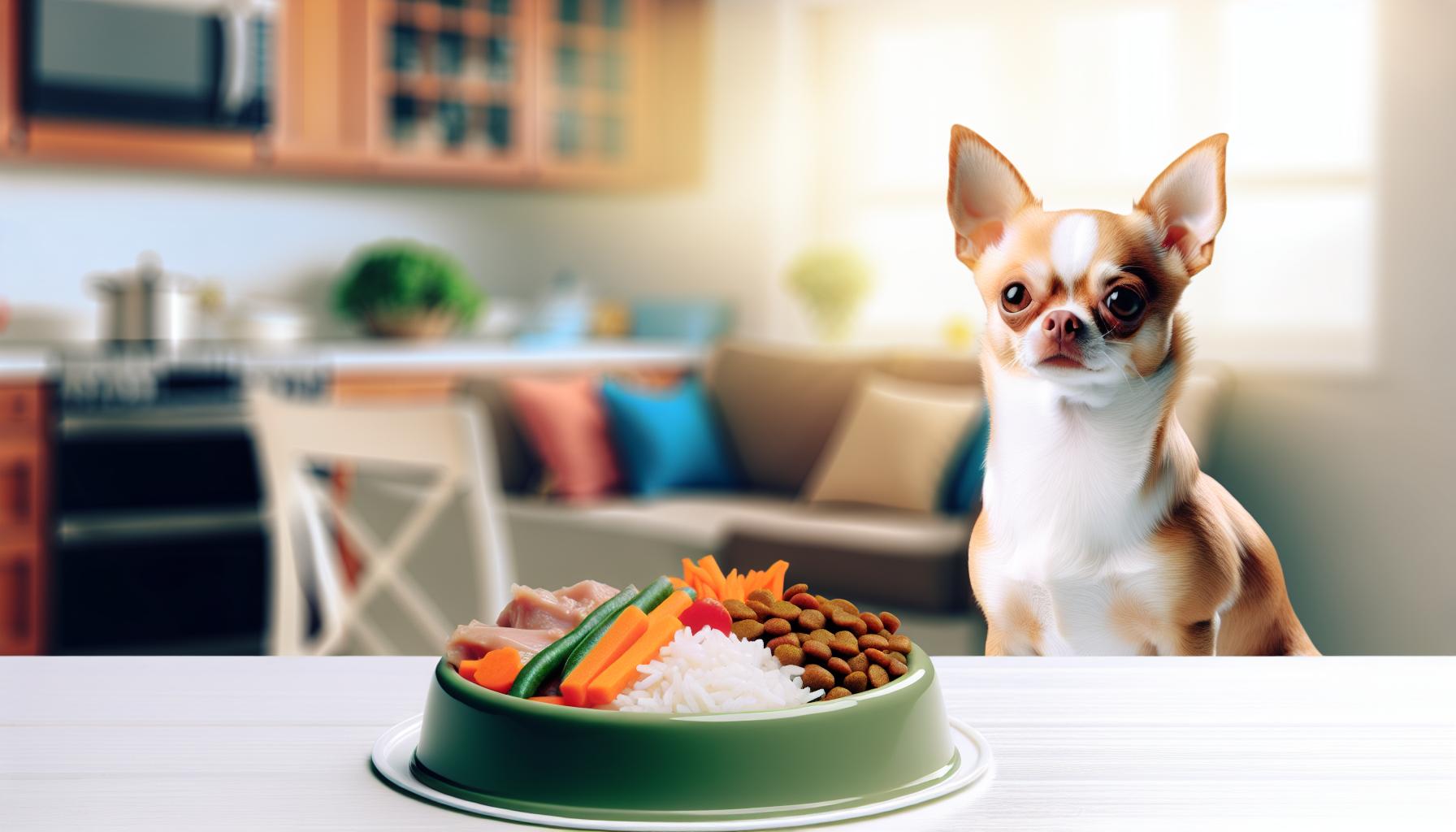
What Makes the Chihuahua Unique in Nutrition Needs?
Chihuahuas are a unique breed with distinct nutritional needs that arise from their tiny size and energetic personality. These little dynamos may weigh as little as a few pounds, but they often have big appetites and even bigger hearts. An essential factor to consider is their fast metabolism; Chihuahuas tend to burn through calories quickly due to their high activity levels, which requires a nutrient-dense diet. Because of their small stature, even a slight imbalance in nutrition can lead to health issues, making it crucial for owners to provide a balanced, high-quality diet tailored to their specific needs.
One key aspect that sets Chihuahuas apart is their susceptibility to dental issues. Given their small mouths, it’s important to choose food that supports dental health. Many owners find that incorporating kibble designed for small breeds can help maintain oral hygiene. The shape and texture of the kibble can encourage chewing, helping to prevent plaque buildup. Additionally, ensuring that your Chihuahua has access to dental chews and regular teeth brushing is vital.
Chihuahuas also have unique preferences when it comes to food texture. They may be picky eaters, favoring wet food over kibble or vice versa. It can be beneficial to experiment with different types of food to see what your Chihuahua prefers, as some may thrive with a mix of both kibble and wet food to enjoy a varied diet while ensuring proper hydration. Pay close attention to how your Chihuahua responds to certain foods; if they seem lethargic or have digestive issues, it may be time to reassess their diet.
In summary, a Chihuahua’s unique needs-stemming from their size, metabolism, dental health, and dietary preferences-highlight the importance of a tailored nutrition plan. Understanding these factors not only supports their health but also enhances their quality of life, helping them stay vibrant and playful, just like their spirited personalities.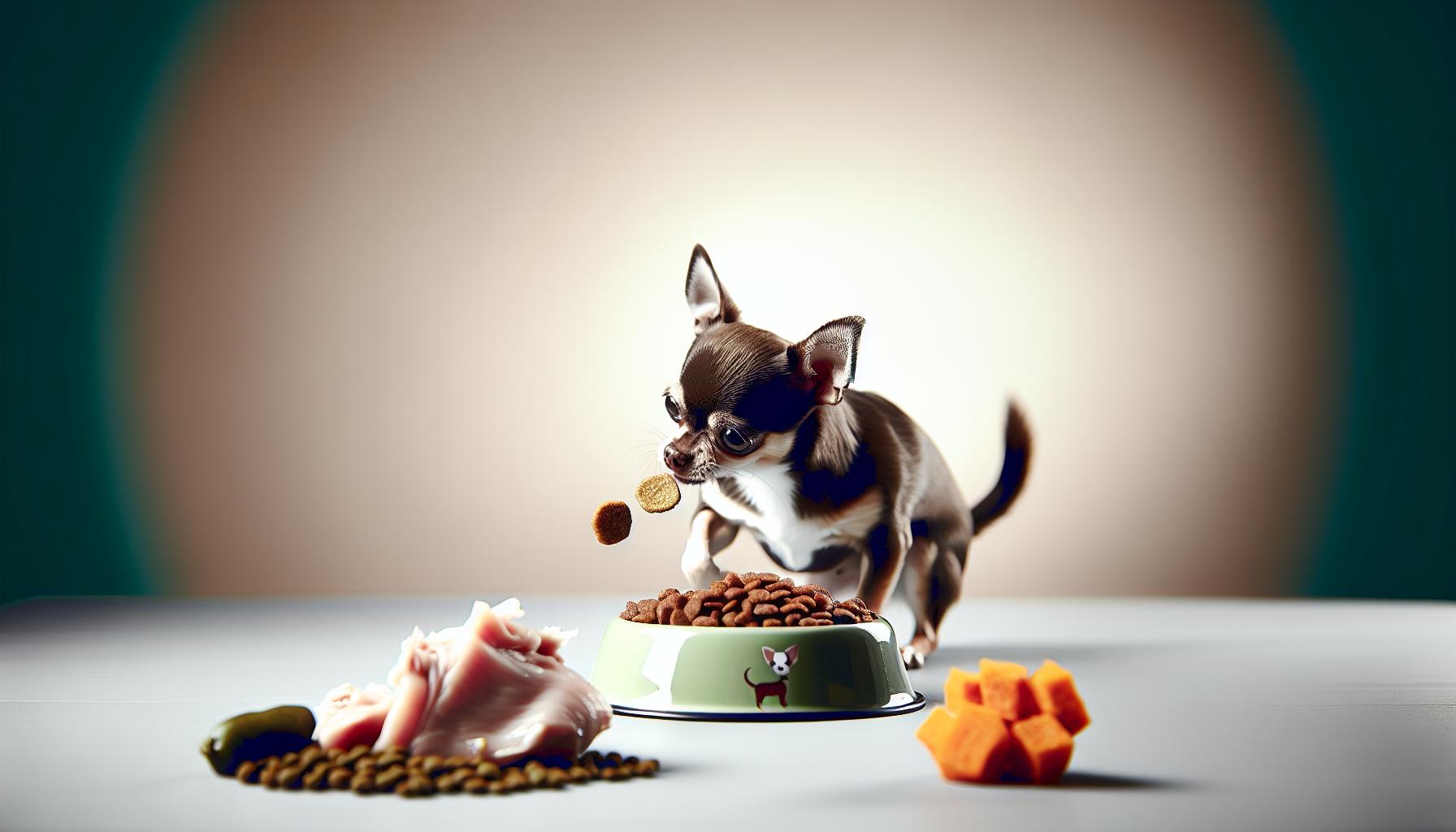
Essential Nutrients for a Healthy Chihuahua Diet
A well-rounded diet is crucial for keeping your spirited Chihuahua happy and healthy. Given their tiny size and energetic nature, Chihuahuas have unique nutritional requirements that go beyond standard pet food offerings. By focusing on essential nutrients, you can ensure your little companion thrives.
First, consider the importance of high-quality protein. Protein is vital for building and maintaining muscle mass, especially for Chihuahuas who are often more active than they appear. Look for dog foods where real meat is the first ingredient, such as chicken, beef, or fish. Many owners have found success with specific formulas designed for small breeds, which often contain higher protein levels tailored for their tiny, high-energy bodies.
Another critical nutrient is fat, which provides a concentrated source of energy. Healthy fats also support coat health, critical for both smooth and long-haired Chihuahuas. Ingredients like omega-3 and omega-6 fatty acids, commonly sourced from fish oil or flaxseed, are fantastic for promoting a shiny coat and reducing allergic reactions that these small dogs sometimes face.
Don’t forget about carbohydrates. While Chihuahuas don’t require a high-carb diet, moderate amounts can be beneficial for energy. Look for whole grains like brown rice or oats, as they are easier to digest. This balance helps maintain stable energy levels throughout the day, encouraging activity and play.
Lastly, vitamins and minerals play a pivotal role in supporting overall health. You want to ensure that your Chihuahua gets sufficient calcium and phosphorus for strong bone development, especially as some of them can be prone to skeletal issues. Vitamins, particularly E and B vitamins, aid in boosting the immune system and supporting energy metabolism.
In crafting the best dietary plan for your Chihuahua, make sure to consult with your veterinarian to tailor it to her individual health needs and preferences. With the right balance of these essential nutrients, your little friend will not only feel great but also show her vibrant personality through playful antics and loving companionship.
Comparing Kibble vs. Wet Food: What’s Best?
Kibble and wet food are the two primary options for feeding your beloved Chihuahua, each with its unique benefits and challenges. Understanding these can help you make informed choices tailored to your dog’s specific needs. Chihuahuas, known for their lively personalities and small stature, often have varying preferences and dietary requirements, which means there’s no one-size-fits-all answer.
Kibble is a popular choice among many dog owners due to its convenience and longer shelf life. It’s dry, which can be beneficial for dental health by helping to reduce plaque buildup as your Chihuahua chews. Kibble also tends to be more economical and easier to measure out, making portion control straightforward. Moreover, many kibble brands formulate their recipes specifically for small breeds, ensuring that the kibble size is appropriate for tiny mouths and that it contains the higher protein levels necessary for your active Chihuahua.
On the other hand, wet food offers a different set of advantages. It is highly palatable, often drawing in even the pickiest eaters. The moisture content in wet food can help keep your Chihuahua hydrated, which is particularly important for smaller dogs that can be prone to urinary issues. Additionally, wet food is generally easier to chew, making it a great option for older Chihuahuas or those with dental problems. If your dog struggles with maintaining weight, the richer composition of wet food can also be beneficial, as it typically contains more calories than dry food.
As you consider your options, remember to observe your Chihuahua’s preferences and overall health. It might be worth experimenting by mixing both types of food to create a balanced diet that meets her needs while appealing to her taste. Speaking with your veterinarian can also provide personalized insights, especially if your little companion has any health concerns or special dietary needs. Balancing kibble and wet food can result in a fulfilling mealtime that celebrates your Chihuahua’s spirited and vibrant personality.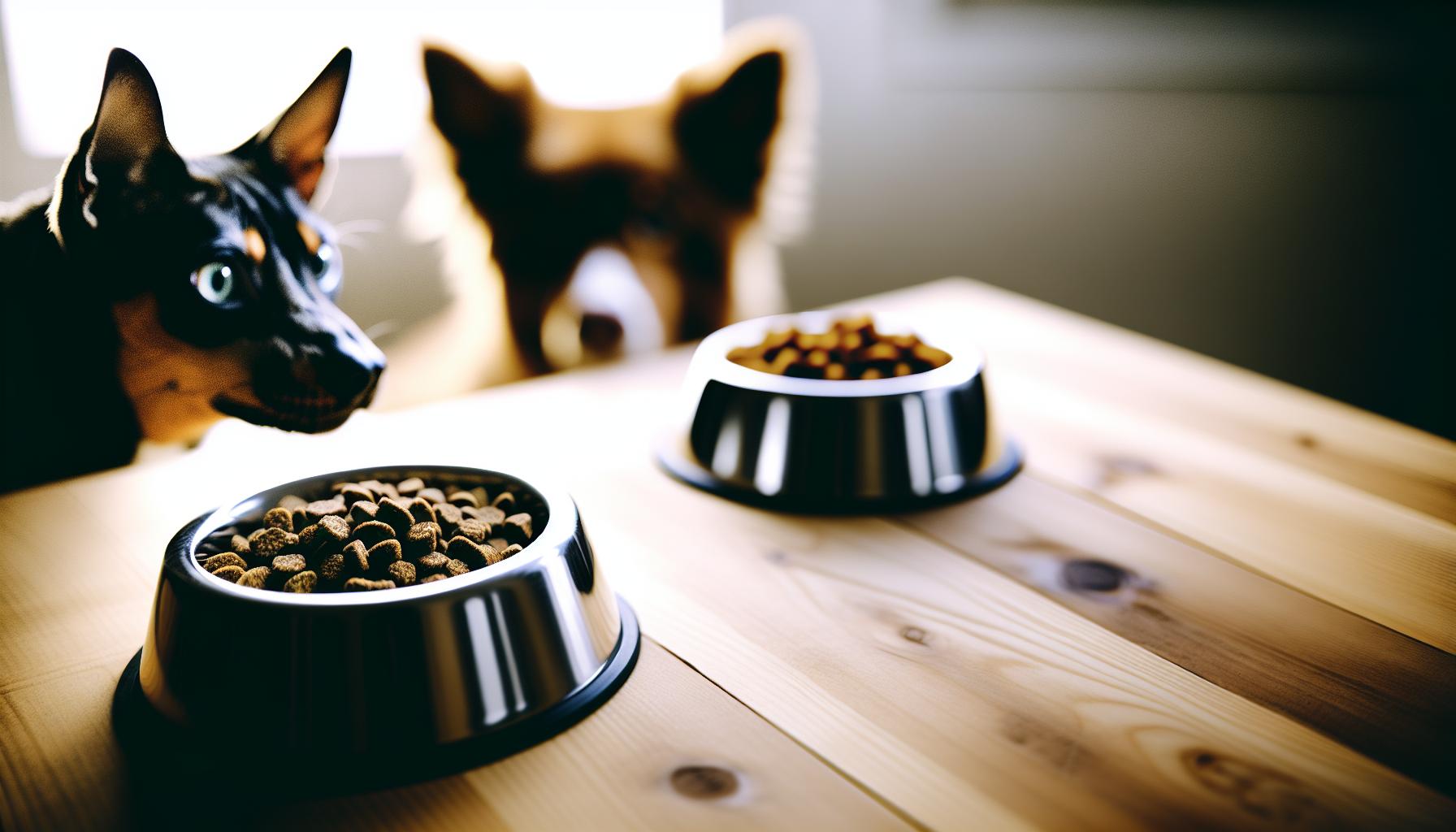
Homemade Chihuahua Meals: Recipes and Tips
Crafting homemade meals for your Chihuahua can be a rewarding experience that not only caters to her unique taste but also ensures she gets the right nutrients. These little dogs are often prone to weight issues and dental problems, making it vital to control what goes into their meals. A well-balanced homemade diet can provide better quality nutrition than many commercial brands while accommodating your Chihuahua’s specific health needs.
When preparing meals, focus on incorporating a variety of ingredients to create balanced dishes. Here are some essential components and tasty recipes to inspire you:
Essential Ingredients
- Protein: Include lean meats like chicken, turkey, or fish. These provide essential amino acids for muscle maintenance.
- Carbohydrates: Add cooked grains such as brown rice or quinoa. These provide energy and help maintain digestive health.
- Vegetables: Use dog-friendly options like carrots, green beans, or peas, which offer vitamins and minerals.
- Fats: A small amount of healthy fats, like olive oil or omega-3 fatty acids from fish, are beneficial for skin and coat health.
- Supplements: Depending on his needs, you may consider adding a multivitamin or specific supplements recommended by your vet.
Simple Recipes
Try these recipes for homemade meals that your Chihuahua will love:
Chicken and Rice Bowl
| Ingredients | Instructions |
|---|---|
| 1 cup cooked chicken, diced | 1. Cook the chicken thoroughly and chop it into small pieces. |
| 1/2 cup brown rice, cooked | 2. Boil the rice according to package instructions. |
| 1/4 cup peas and carrots, boiled | 3. Mix all ingredients in a bowl. |
| 1 teaspoon olive oil | 4. Drizzle with olive oil and serve at room temperature. |
Beef and Vegetable Stew
| Ingredients | Instructions |
|---|---|
| 1 cup ground beef, lean | 1. In a pot, brown the ground beef over medium heat. |
| 1/2 cup carrots, diced | 2. Add the carrots and simmer until tender. |
| 1/2 cup sweet potato, diced | 3. Add the sweet potatoes and a cup of water; simmer until cooked through. |
| 1 cup green beans, chopped | 4. Stir in green beans before serving. Let it cool before serving. |
Always introduce new foods gradually to observe your Chihuahua’s response. And don’t forget, while homemade meals are great, they should be balanced and vary daily to ensure all nutritional needs are met! If you’re ever uncertain about your Chihuahua’s dietary needs, consulting with your veterinarian is a wise move. Striking the right balance in their diet celebrates their joyful, vibrant spirit while keeping them healthy and happy.
Identifying Food Allergies in Chihuahuas
can be a bit challenging, but it is crucial for ensuring their health and happiness. With their tiny frames and delicate digestive systems, these lively companions can develop sensitivities to certain ingredients in their diet. As a devoted Chihuahua owner, knowing how to spot these allergies will help you support his well-being and keep his food experience as enjoyable as possible.
Look for common signs of food allergies, which can include persistent itching, red or inflamed skin, excessive scratching, or gastrointestinal issues like vomiting or diarrhea. Some Chihuahuas may even experience chronic ear infections or paw licking. If you notice any of these symptoms, it’s essential to consider the possibility of food allergies and consult your veterinarian for a thorough evaluation. They may suggest an elimination diet, which involves removing potential allergens from your dog’s meals to identify the culprits.
Common Allergens
Many times, sensitive Chihuahuas react to proteins, grains, or additives commonly found in dog food. Some of the most frequent offenders include:
- Beef
- Chicken
- Dairy
- Wheat
- Eggs
Understanding these allergens can help you make better dietary choices. When switching foods or introducing new ingredients, do so gradually over several days. This approach minimizes potential digestive upset and allows you to monitor your Chihuahua’s response more easily.
Tracking Symptoms
Keeping a detailed journal of your Chihuahua’s food intake along with any symptoms can be extremely beneficial. Note what he eats, how often he eats, and any reactions you observe. This record can be invaluable when discussing concerns with your veterinarian, as it provides a clear picture of patterns that might indicate food allergies.
In conclusion, being vigilant and proactive about your Chihuahua’s diet is key to preventing food-related issues. If allergies do develop, don’t hesitate to work closely with your vet to tailor a nutrition plan that suits your pup’s specific needs, keeping her vibrant and healthy. Your little friend deserves to enjoy every meal without discomfort!
Understanding Portion Control for Your Chihuahua
As a Chihuahua owner, you know that your little companion has unique nutritional needs that can significantly impact their health and happiness. One of the key aspects of a healthy diet for your Chihuahua is understanding portion control. These pint-sized pups have tiny tummies and can easily overeat, leading to weight gain and related health issues. Proper portioning ensures they get the right amount of nutrients without excess calories.
When deciding how much to feed your Chihuahua, it’s crucial to consider their age, weight, activity level, and overall health. For most Chihuahuas, the recommended daily food intake ranges from a quarter to one full cup of high-quality dog food, divided into two meals. However, it’s essential to adjust portions according to individual needs. For example, a senior Chihuahua, like 10-year-old Bella, who prefers lounging over playtime, may require less food than her energetic puppy brother, Max, who runs around all day.
Measuring Out Portions
Using a standard measuring cup can help you control portions accurately. It’s easy to fall into the trap of “eyeballing” food, especially with such small quantities, but this can lead to inconsistencies. Consider using a kitchen scale for more precision if you’re mixing different types of food, such as kibble and wet food.
- Measure out the total daily amount for your Chihuahua.
- Divide this amount into the number of meals you’re serving each day.
- Adjust based on your Chihuahua’s weight and activity level.
Adjusting Portions Based on Lifestyle
Watch your Chihuahua’s weight and body condition closely. If you notice that he’s gaining too much weight, consider reducing portions slightly or increasing activity – perhaps a few more walks or play sessions with toys that spark his interest. Conversely, if he’s losing weight, it might be time to increase portions. Always consult your veterinarian before making significant changes to your dog’s diet, especially if you’re unsure about the ideal amount.
By practicing diligent portion control and aligning it with your Chihuahua’s lifestyle, you can foster a healthier, happier life for your furry friend. Remember, each meal should be a source of nutrition and joy. Your little one deserves the best, so stay attentive to her needs, and she’ll thrive!
The Role of Treats in Your Chihuahua’s Diet
Whether it’s for training, rewarding good behavior, or simply expressing love, treats play a vital role in your Chihuahua’s diet. These little morsels can be fantastic tools to reinforce positive habits, but it’s crucial to remember that not all treats are created equal, especially for our tiny companions. Given their petite stomachs and unique nutritional needs, the right choice of treats can make a big difference in their overall health and happiness.
When selecting treats for your Chihuahua, consider the ingredients carefully. Look for options that are low in calories and made with wholesome, natural ingredients. As a breed prone to weight gain, Chihuahuas benefit greatly from treats that are nutritionally sound. Treats should not constitute more than 10% of their daily caloric intake, so it’s essential to measure them out just like you would with their regular meals. For instance, if your Chihuahua’s main food provides around 300 calories per day, aim to keep treat calories below 30. This not only helps maintain a healthy weight but also prevents digestive issues that can arise from overindulging in snacks.
Types of Treats to Consider
When pondering which treats to use, consider a mix of commercial and homemade options. Look for high-quality commercial treats that cater specifically to small breeds and offer added benefits, such as dental health support. Alternatively, homemade treats can be a delightful way to ensure you’re only using the best ingredients. Simple recipes, such as pumpkin and peanut butter bites, can be a hit, containing nutritious elements while being delicious.
- Commercial Treats: Look for grain-free options with natural ingredients.
- Homemade Treats: Prepare treats using baby food (meat-based) or pureed vegetables.
- Fruits and Veggies: Small pieces of carrot, apple, or blueberries can serve as healthy snacks.
Keep the Treats Coming, but Mindful!
A great way to incorporate treats into your Chihuahua’s routine is to offer them during training sessions or as part of a new trick, ensuring that your little friend stays engaged and happy. Additionally, think about seasonal treats! During the holidays, you could make special dog-safe cookies, celebrating the occasion while providing your Chihuahua with tasty rewards. But always keep your furry friend’s safety in mind; avoid treats that contain harmful ingredients like chocolate, onions, or garlic.
By mindfully incorporating treats into your Chihuahua’s diet, you ensure they not only feel cherished and rewarded but also maintain optimal health. Remember, even the smallest dog deserves to enjoy their snacks responsibly!
Hydration: How Much Water Should Your Chihuahua Drink?
To keep your Chihuahua healthy and vibrant, hydration is just as crucial as balanced nutrition. Small but mighty, these little dogs have unique hydration needs, often overlooked by owners who may not realize that even slight dehydration can lead to serious health issues. A well-hydrated Chihuahua will have more energy, better digestion, and a shinier coat, contributing to their overall well-being and happiness.
The general guideline for water intake is that dogs should drink about 1 ounce of water per pound of body weight daily. For a Chihuahua weighing around 5 pounds, this translates to about 5 ounces, or just a little over half a cup of water each day. However, this amount can vary based on factors such as age, activity level, weather, and diet. If your Chihuahua consumes primarily dry kibble, they may need more water compared to a dog eating wet food, which contains a higher moisture content.
Encouraging Water Consumption
Getting your Chihuahua to drink enough water might take some creativity. Some Chihuahuas can be picky drinkers, so consider these strategies to encourage hydration:
- Fresh Water Daily: Always provide fresh, clean water. Change it at least once a day to keep it appealing.
- Water Bowls: Use a shallow bowl, as Chihuahuas can be sensitive to deep bowls that may cause stress.
- Flavored Water: If your dog is reluctant to drink, try adding a splash of low-sodium chicken or beef broth to entice him.
- Ice Cubes: Many dogs enjoy chewing on ice cubes. Try freezing some chicken broth into cubes or simply provide plain ice for some hydration fun.
Signs of Dehydration
Be vigilant for signs of dehydration, especially in hot weather or after playtime. Common indicators include dry gums, lethargy, and a loss of skin elasticity. You can check hydration levels by gently pinching the skin on the back of your Chihuahua’s neck; if it doesn’t spring back quickly, he may be dehydrated.
Keeping your Chihuahua well-hydrated is integral to his health. By being proactive about his water intake, you’re ensuring he stays energetic, playful, and ready to face the world-just like the bold little personality he is! Always consult your veterinarian if you’re unsure about your dog’s hydration needs or notice any concerning symptoms. Happy sipping!
Common Nutritional Mistakes Chihuahua Owners Make
Many Chihuahua owners might not realize that their tiny companions have specific nutritional needs due to their size and metabolic rates. One common mistake is assuming that all dog foods are created equal; however, Chihuahuas require high-quality, nutrient-dense diets tailored to their unique requirements. Feeding your Chihuahua the wrong food can lead to health issues like obesity, dental problems, or gastrointestinal disorders.
Another frequent pitfall is not paying attention to portion sizes. It’s easy to underestimate how much a little dog should eat, leading to overfeeding. Owners might think, “She’s so small; she can’t eat that much,” but many Chihuahuas still tend to overindulge if given the chance. Keeping track of her weight is crucial, and it’s important to follow guidelines tailored for her specific size and age. Use a measuring cup instead of free-feeding to prevent extra nibbles that can quickly add up.
Moreover, treating your Chihuahua with human food can also lead to nutritional imbalances. While those puppy dog eyes can be hard to resist, many human foods are not suitable for her. Foods like chocolate, onions, or grapes are toxic to dogs, and high-fat foods can upset a Chihuahua’s delicate stomach. Instead, consider healthier alternatives like small pieces of cooked chicken or specialized dog treats that meet her dietary needs.
Another mistake is neglecting dental health. Many owners might overlook the importance of crunchy kibble or dental chews that help promote oral hygiene. Chihuahuas are prone to dental disease, so including food options that support dental health can prevent costly vet visits later on.
By avoiding these common missteps and tailoring your Chihuahua’s diet with mindful choices, you can ensure she stays happy, healthy, and full of life. Celebrating this breed’s charms and quirks while providing thoughtful care is the best way to enjoy your journey together.
Special Dietary Considerations for Senior Chihuahuas
As Chihuahuas age, their nutritional needs change significantly, requiring careful attention to ensure they remain healthy and vibrant. Senior Chihuahuas, typically those over the age of 7, may face challenges such as weight management, dental problems, and reduced energy levels. This is the ideal time to rethink their diet, keeping in mind their special requirements to support their aging bodies and maintain their playful personalities.
One of the most important considerations is adjusting calorie intake. Senior Chihuahuas often become less active, which means they need fewer calories to maintain a healthy weight. Monitoring your dog’s weight becomes crucial; weigh your Chihuahua regularly and adjust portions accordingly. A high-quality senior dog food, specially formulated with reduced calories and increased fiber, can help manage weight while providing essential nutrients. Ingredients rich in antioxidants, such as blueberries and carrots, can support their aging immune systems.
Dental health is another critical aspect to monitor. Chihuahuas are prone to dental issues, and senior dogs are at an even higher risk. Offering your Chihuahua crunchy kibble or incorporating dental chews into their diet can help prevent plaque buildup and keep their teeth healthy. You might also consider wet food options that are easier on their teeth but ensure these contain the necessary nutrients without excess fillers. Remember, sometimes a little warmth and moistened kibble can entice an elderly Chihuahua who may have lost some of his appetite.
Additionally, hydration is essential for seniors. Older dogs may not drink as much water, which can lead to dehydration and urinary tract problems. Always provide fresh water and consider adding wet food to their meals to boost their moisture intake. Finely chopped vegetables added to their meals can also provide hydration along with extra fiber.
Real-World Example
Take for instance Bella, a 9-year-old apple-head Chihuahua. Her owner noticed Bella slowing down and gaining weight. They switched her to a senior-specific dry food that included joint supplements, such as glucosamine, to support her aging joints. Along with portion control and regular vet check-ups, Bella not only shed some extra pounds but also gained back her playful spirit at the park.
By acknowledging these dietary needs and adjusting accordingly, you can significantly enhance the quality of life for your senior Chihuahua. Celebrate their unique personality and quirks while ensuring they enjoy their golden years with health and happiness. Remember, the goal is to provide a nutrition plan that promotes longevity and joy for your beloved companion.
The Impact of Weight Management on Chihuahua Health
Navigating the delicate balance of weight management is crucial for ensuring your Chihuahua enjoys a long, healthy life. Despite their small size, Chihuahuas are energetic and full of personality, but obesity can quickly turn their playful nature into lethargy. This breed is particularly susceptible to weight gain due to their tiny frames and unique metabolic rates, which means every extra ounce can significantly impact their health.
Monitoring your Chihuahua’s weight is essential. Regular weigh-ins can help you spot any gradual increases that could lead to obesity. For instance, if your little apple-head starts to lose his “waist” or feels a bit heavier during cuddles, it’s time to reassess his diet and activity level. The ideal weight for most Chihuahuas typically ranges from 2 to 6 pounds, but always consider your individual dog’s body structure. A healthy diet consists of high-quality dog food with the right balance of proteins, fats, and carbohydrates, ensuring your dog has the energy required for daily activities without excess calories.
Engaging your Chihuahua with daily exercise not only helps maintain weight but also supports their mental well-being. Chihuahuas thrive on walks and playtime. Use their natural curiosity to your advantage-incorporate short training sessions with tricks to keep their minds active, as well. For example, a 4-year-old Chihuahua named Max lost 2 pounds after his owner committed to daily play sessions. His mom found that the simple act of tossing a toy around the living room was just enough to keep Max moving and stimulate his mind, leading to healthier weight management.
Moreover, be cautious of portion sizes and treat intake. Treats should make up no more than 10% of your Chihuahua’s daily calorie intake. Opt for low-calorie options or healthy snacks like bits of carrot or apple, which can keep your pup satisfied without adding unnecessary calories. By keeping an eye on both diet and exercise, you can manage your Chihuahua’s weight effectively, promoting not just a healthy body but also an energetic spirit that shines through in everything they do.
Consulting a Veterinarian About Your Chihuahua’s Diet
Getting expert advice about your Chihuahua’s diet can be a game-changer for their health and happiness. While online resources can provide a wealth of information, discussing your unique situation with a veterinarian is invaluable. This expert guidance can help ensure that you’re meeting the specific nutritional needs of your tiny companion, who may be prone to various health issues such as dental problems or heart disease, common in the breed.
When you’re ready to consult your vet, come prepared with a few important questions. First, ask about the best diet plan tailored to your Chihuahua’s age, weight, and activity level. Puppies, adults, and seniors have distinct needs, and your vet can recommend the right type of food, whether it be kibble, wet food, or homemade options. Consider bringing notes on your dog’s eating habits, any treats you may provide, and changes in weight or behavior you’ve observed. This information can help your vet make informed recommendations.
It’s also beneficial to inquire about specific brands or formulations that align with your dog’s health needs. For example, if you’ve noticed your Chihuahua is more prone to weight gain, your vet might suggest a high-fiber, lower-calorie diet to help manage weight effectively. Additionally, if your Chihuahua has been experiencing digestive upset, your vet can guide you in selecting easily digestible foods or what common allergens to avoid.
Lastly, don’t hesitate to discuss the role of supplements. Chihuahuas may benefit from added nutrients such as omega fatty acids for skin health or glucosamine for joint support, especially as they age. Your vet can provide guidance on whether these additions are necessary based on your dog’s overall health profile.
In all, nurturing a partnership with your veterinarian will empower you to provide a balanced and nutritious diet tailored perfectly for your Chihuahua, ensuring they lead a vibrant and energetic life.
FAQ
Q: What should I feed my Chihuahua for optimal health?
A: To ensure optimal health, feed your Chihuahua a balanced diet that includes high-quality protein, healthy fats, and essential vitamins and minerals. Look for dog food specifically formulated for small breeds, featuring real meat as the primary ingredient. Consult with your veterinarian for tailored recommendations based on your dog’s specific needs.
Q: How often should I feed my Chihuahua?
A: Chihuahuas should typically be fed two to three small meals per day to maintain their energy levels and support digestion. This feeding schedule helps prevent overeating and bloating, common concerns in small breeds. Adjust portions based on your vet’s advice and your Chihuahua’s activity level.
Q: Can Chihuahuas eat fruits and vegetables?
A: Yes, Chihuahuas can eat certain fruits and vegetables, such as carrots, blueberries, and apple slices. Always introduce new foods gradually and in small amounts. Ensure that any fruits or vegetables are safe and free from harmful substances or seeds. Check with your vet if you are unsure.
Q: What signs indicate that my Chihuahua has dietary issues?
A: Common signs of dietary issues include vomiting, diarrhea, excessive gas, or changes in appetite. If your Chihuahua is scratching frequently, it may also indicate food allergies. Monitor your pet closely and consult your vet if any of these symptoms persist, as they may require dietary adjustments.
Q: Are there specific dietary supplements recommended for Chihuahuas?
A: Chihuahuas may benefit from omega-3 fatty acids for skin and coat health, glucosamine for joint support, and probiotics for digestive health. It’s important to use supplements specifically designed for dogs and to discuss any additions with your veterinarian for appropriate dosages.
Q: How can I transition my Chihuahua to a new diet?
A: To transition your Chihuahua to a new diet, mix a small amount of the new food with the old food, gradually increasing the new food over 7-10 days. This slow change helps prevent digestive upset. Always monitor your pet’s reaction to the new food and consult your vet if you notice any issues.
Q: What is the best treat for a Chihuahua?
A: The best treats for a Chihuahua are small, low-calorie options that are grain-free and protein-rich. Consider healthy snacks like freeze-dried meat or small bits of fruits. Limit treats to no more than 10% of their daily caloric intake to prevent obesity.
Q: Should I consider a grain-free diet for my Chihuahua?
A: A grain-free diet can be beneficial for some Chihuahuas, especially those with grain sensitivities. However, it’s essential to choose balanced food that provides all necessary nutrients. Consult your veterinarian to determine if a grain-free diet is suitable for your dog to avoid nutritional deficiencies.
Key Takeaways
As you embark on ensuring the healthiest diet for your Chihuahua, remember that proper nutrition is the cornerstone of their overall well-being. Balance high-quality proteins with essential nutrients tailored to his unique needs, and always consider his playful, bold personality. Have you thought about incorporating a variety of wholesome ingredients? Doing so can boost his energy and keep him looking vibrant.
For more tips on Chihuahua care, check out our articles on “Understanding Chihuahua Behavior” and “Best Treats for Small Dogs.” These resources will further enhance your knowledge and strengthen your bond with your little companion. Don’t forget to subscribe to our newsletter for the latest insights and expert advice. Join our community of passionate Chihuahua lovers by sharing your experiences in the comments below! Your feedback is invaluable as we continue to celebrate the quirks and joys of our beloved Chihuahuas.
Get our latest guides, news, and insights highlighted in your Google Search & AI Overviews.