
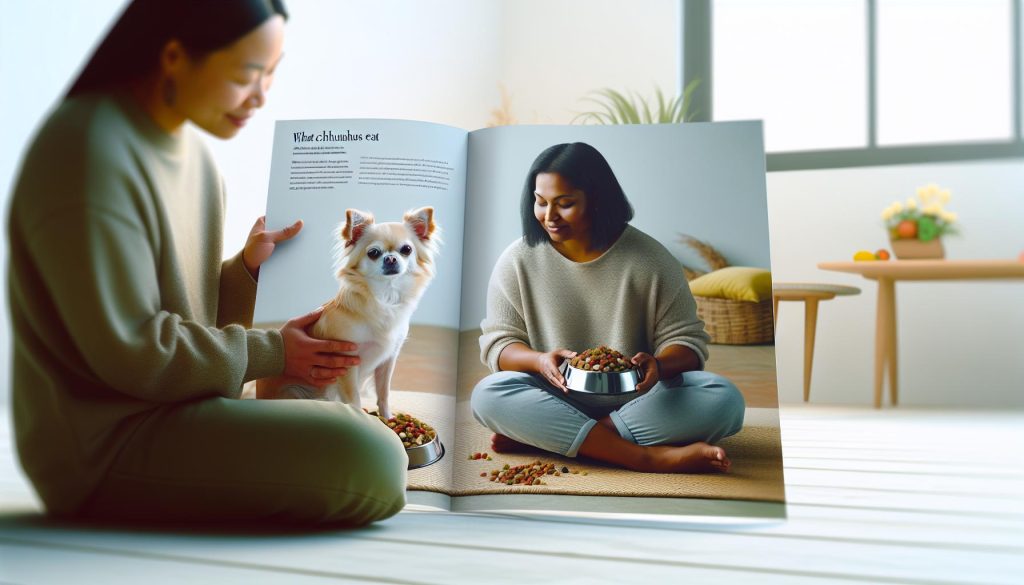
Did you know that Chihuahuas, despite their tiny stature, have big personalities and unique dietary needs? Proper nutrition is crucial for their health, behavior, and overall well-being. Understanding what your Chihuahua should eat can be a challenge, especially for new owners. The right diet not only keeps them sprightly and energetic but also helps prevent common health issues like obesity and dental problems.
In this guide, we’ll explore the ideal diet for your Chihuahua, breaking down essential nutrients and discussing portion sizes tailored to their vibrant yet delicate nature. Whether you have a lively apple-head or a sleek deer-head, knowing what to feed your furry companion is key to ensuring a long, happy life together. Join us as we navigate the ins and outs of Chihuahua nutrition, empowering you to make informed choices that enhance your bond with your loyal little friend!
Understanding the Nutritional Needs of Chihuahuas

Understanding the unique nutritional needs of Chihuahuas is essential for their health and happiness. These tiny dogs, characterized by their bold personalities and loyal nature, require a well-balanced diet that caters specifically to their size, age, and activity level. Since Chihuahuas have fast metabolisms and can be prone to certain health issues, selecting the right food and maintaining a proper feeding routine is critical.
Chihuahuas thrive on high-quality dog food that provides the necessary nutrients in appropriate quantities. Protein is vital for building and maintaining muscle, while healthy fats contribute to their energy levels and coat condition. Look for dog foods that list meat as the first ingredient and are tailored specifically to small breeds. It’s also essential to consider their dental health, as small dogs can suffer from dental issues. Including kibble that helps reduce plaque buildup can support dental hygiene.
When planning your Chihuahua’s diet, consider their age and activity level. Puppies require more calories and nutrients for growth, while older Chihuahuas may need formulas designed for senior dogs to support joint health and weight management. Regularly check your Chihuahua’s weight and consult with your veterinarian to adjust portions and food types as needed. Remember, every little bite counts when it comes to these petite pups!
Essential Nutrients for Your Chihuahua’s Diet
Chihuahuas might be tiny, but their nutritional needs are as significant as their personalities! These little bundles of energy require a balanced diet that supports their high metabolism and love for play. Understanding the essential nutrients your furry friend needs can significantly affect their health and happiness, so let’s dive into what makes for an ideal diet tailored especially for Chihuahuas.
First and foremost, protein is crucial. It provides the building blocks for their muscles and helps maintain energy levels throughout the day. Look for dog foods that list real meat, such as chicken, beef, or fish, as the primary ingredient. Small breed formulas often have higher protein content to meet their energetic lifestyle. The protein source should be easily digestible, making it gentle on their petite stomachs.
Healthy fats also play a vital role in your Chihuahua’s diet. They aid in the absorption of fat-soluble vitamins and support skin and coat health. Seek out omega-3 and omega-6 fatty acids, which can be found in fish oils and flaxseed oil. A shiny coat and healthy skin will reflect your Chihuahua’s well-being and vitality.
Additionally, ensure your Chihuahua’s diet includes carbohydrates from high-quality sources. Carbs provide energy, and fiber from vegetables aids in digestion. Make sure that the carbs are whole grains or vegetables-think brown rice and sweet potatoes rather than low-quality fillers.
Lastly, never overlook the importance of vitamins and minerals. These micronutrients support various bodily functions, including immune health and bone density. A good commercial diet designed for small breeds typically includes these nutrients, so it’s wise to choose a reputable brand.
In summary, a mix of protein, healthy fats, carbohydrates, and essential vitamins will keep your Chihuahua healthy and thriving. Remember, what goes into your tiny companion makes all the difference in their joyful spirit and playful attitude! Keep an eye on their weight and activity levels, and always consult your veterinarian when making significant changes to their diet.
Best Commercial Dog Foods for Chihuahuas

The right commercial dog food can make a world of difference for your Chihuahua’s health and vitality. Given their small size and unique nutritional needs, selecting a high-quality food designed specifically for small breeds is essential. Look for options that emphasize real meat as the primary ingredient, which is crucial for supporting their energetic lifestyle. Many top brands offer formulas that not only cater to the Chihuahua’s preference for smaller kibble sizes but also balance macronutrients perfectly.
When considering dog food, prioritize brands that have undergone rigorous nutritional testing and have a good reputation among dog owners. Key ingredients to look for include:
- High-quality protein sources: Chicken, turkey, and fish are great options that provide the necessary amino acids.
- Healthy fats: Look for omega-3 and omega-6 fatty acids for skin and coat health, often sourced from fish oil or flaxseed.
- Whole grains and vegetables: Ingredients such as brown rice and sweet potatoes offer digestible carbohydrates and beneficial fiber.
Here are a few highly recommended commercial dog foods tailored for Chihuahuas:
Top Picks for Chihuahua Food
| Brand | Key Ingredient | Special Features |
|---|---|---|
| Royal Canin Chihuahua Adult | Chicken by-product meal | Designed with a small kibble size and tailored formula for dental health. |
| Hill’s Science Diet Small Paws | Real chicken | Rich in antioxidants and made specifically for small breed puppies and adults. |
| Wellness CORE Small Breed | Deboned turkey | Grain-free formula promoting lean body mass and muscle tone. |
| Nutro Ultra Grain Free Small Breed | Chicken, turkey, and lamb | A blend of 15 superfoods to promote a healthy immune system. |
As a proud Chihuahua owner, your dog’s unique personality-whether they’re a bold apple-head or a lively deer-head-deserves the best nutrition you can provide. By choosing a commercial food that meets their specific dietary requirements, you support not only their physical health but also their spirited and often feisty demeanor. Remember to introduce any new food gradually to avoid stomach upset; adjust their diet slowly over the course of a week. Your furry friend will thrive when you give them the right fuel for their adventurous spirit!
Homemade Diet Recipes for Your Chihuahua

Crafting homemade meals for your Chihuahua can be both rewarding and beneficial for their health. These tiny companions often have unique nutritional needs, and making food at home allows you to control the ingredients and tailor meals specifically to their preferences and dietary requirements. Homemade diets can enhance your dog’s quality of life, contribute to better digestion, and even help prevent food allergies.
When preparing meals, focus on incorporating essential nutrients that Chihuahuas require. They thrive on high-quality protein, so options like lean meats (chicken, turkey, or fish) should be the primary ingredient in their meals. Here’s a simple recipe that your pup might enjoy:
Chicken and Sweet Potato Recipe
- 1 cup of cooked, shredded chicken (ensure bones are removed)
- 1 medium sweet potato (cooked and mashed)
- ½ cup of steamed carrots (diced)
- 1 tablespoon of olive oil (for healthy fats)
Mix all the ingredients in a bowl, ensuring they are well combined. This dish is not only tasty but also packed with vitamins and minerals essential for maintaining energy levels in your feisty little friend.
Another excellent choice for variety is a Beef and Rice Dish. Combine:
Beef and Rice Dish
- 1 pound of ground beef (cooked thoroughly)
- 2 cups of cooked brown rice
- 1 cup of peas and carrots (frozen or fresh)
- 1 tablespoon of fish oil (to promote a shiny coat)
Allow the mixture to cool before serving, and store leftovers in the refrigerator.
Consistency is key. When transitioning your Chihuahua to a homemade diet, do so gradually to avoid digestive upset. Keep an eye on her coat, energy levels, and overall health. As each Chihuahua is unique-whether your furry friend has feathers of an apple-head or the sleek lines of a deer-head-pay attention to how she responds to different ingredients. If she shows any signs of allergies or sensitivities, consult with a vet to guide you on suitable alternatives.
Ultimately, cooking for your Chihuahua can deepen your bond and ensure she gets the high-quality nutrition she deserves. Enjoy the process, and give your beloved companion the variety she craves!
Feeding Guidelines for Different Life Stages
As your Chihuahua journeys through various life stages, their dietary needs will evolve, reflecting their changing energy levels, metabolism, and health requirements. Understanding these differences can help ensure your tiny companion remains vibrant and healthy.
During the puppy stage (up to 1 year), Chihuahuas require a diet rich in calories and nutrients to support their rapid growth and development. Puppy food formulated with higher protein and fat content is ideal. Aim for high-quality kibble or wet food specifically designed for small breeds. You might also consider supplementing their meals with small amounts of cooked chicken or mashed vegetables to enhance their taste and appeal. Offer food three to four times a day to encourage steady energy levels, and always monitor their weight to prevent obesity, which is a common concern in this breed.
Once they reach adulthood (1-7 years), Chihuahuas typically require fewer calories and can be shifted to a balanced adult dog food. Focus on maintaining muscle tone and overall health by choosing high-quality meals that list real meat as the primary ingredient. This is also the time to foster dental health; choose kibble that promotes tartar control and consider dental chews. In this period, two meals a day is often sufficient. Keep an eye on their weight, as this breed can be prone to both obesity and dental issues. Tailor the portions based on their activity level and adjust as needed.
As your Chihuahua enters their senior years (7+ years), their metabolism may slow down, and their dietary needs will change yet again. Senior dog food is formulated with lower calories but higher fiber, which helps manage weight and supports digestive health. You should also look for formulas rich in omega fatty acids and antioxidants which promote joint health and enhance the immune system. It’s beneficial to feed smaller, more frequent meals to prevent gastrointestinal upset. This is a great time to adjust their diet to address any specific health concerns, such as heart conditions or kidney disease, by consulting with your veterinarian.
In each of these stages, hydration is crucial. Always ensure your Chihuahua has access to fresh water. Also, observe for any changes in behavior or health, as these could indicate dietary adjustments are needed. Remember, food should never be a barrier to enjoyably bonding with your Chihuahua-sharing mealtime can reinforce your relationship and provide comfort as they navigate through each exciting phase of their life.
Dealing with Common Chihuahua Dietary Issues
When it comes to Chihuahuas, their small size belies their bigger-than-life personalities. This breed is prone to several dietary issues that can stem from their unique metabolisms and specific health concerns. Proper attention to their diet can help prevent and manage these problems, ensuring your little buddy stays happy and healthy.
One of the most common issues Chihuahua owners encounter is sensitivity to certain ingredients in commercial dog foods. Many Chihuahuas experience food allergies that can lead to skin irritations or digestive troubles. The typical culprits include grains, beef, and chicken. If you notice your Chihuahua scratching frequently, experiencing gastrointestinal upset, or showing changes in coat quality, consider discussing a diet change with your vet. Switching to a limited-ingredient diet or exploring hypoallergenic dog foods might be necessary. Pay attention to high-quality proteins and avoid fillers that can contribute to allergies.
Another dietary concern is obesity, which can occur because of overfeeding or lack of exercise-common pitfalls for this breed given their tiny stature. Chihuahuas can be incredibly vocal about wanting treats or additional meals, but it’s crucial to maintain portion control. Implement a regular feeding schedule that provides the right amount of calories for their size and activity level. If your Chihuahua is on the heavier side, gradual portion reductions and increased playtime can help manage their weight effectively. Use a food scale for accurate servings, and consider low-calorie treats to satisfy their cravings without compromising their health.
Digestive problems are also prevalent among Chihuahuas, particularly when it comes to transitioning between diets. This breed is known for its delicate stomachs, so any sudden changes can lead to diarrhea or vomiting. To avoid this, always transition to a new diet slowly-over a week or more-mixing the old food with the new in gradually increasing amounts. Additionally, ensure that fresh water is always available to help keep their digestive system in balance. Regular vet check-ups can help identify underlying issues that may contribute to chronic digestive upset.
Lastly, dental issues are another significant concern in Chihuahuas, given their prone-to-dental-health status. Providing dental chews and selecting kibble that promotes dental health can help combat plaque buildup. Regular dental cleanings, whether at home or by your veterinarian, can further protect their pearly whites and prevent dietary-related illnesses.
By staying attuned to your Chihuahua’s dietary needs and being proactive about common issues, you can help ensure that your furry friend remains healthy, vibrant, and full of life. Remember, a happy Chihuahua is a well-fed Chihuahua!
How to Transition Your Chihuahua to a New Diet
Transitioning your Chihuahua to a new diet is a crucial step that requires patience and care, particularly because of their sensitive stomachs. Sudden changes can lead to digestive upset, which is something every Chihuahua owner wants to avoid! Just like our little companions, who can be quite vocal and stubborn about their preferences, they also need a gentle approach when it comes to dietary shifts.
To begin, start by mixing the new food into your Chihuahua’s current diet gradually. A common rule of thumb is the 70/30 method: for the first couple of days, feed your pup 70% of their old food and 30% of the new. Over the next three to seven days, you can slowly shift the ratios, moving to 50/50, then 30/70, until you reach a full serving of the new diet. This gentle transition helps avoid gastrointestinal issues like diarrhea or vomiting, which are particularly problematic for Chihuahuas.
Additionally, monitor your Chihuahua closely during this period. Some signs to watch for include changes in appetite or bowel movements. If your little one seems hesitant or refuses to eat, it might be necessary to slow down the transition. Each Chihuahua is unique, and some may take longer to adjust than others. Real-life experiences from fellow Chihuahua owners indicate that sometimes their dogs prefer warmer or more aromatic food. Warming the new kibble slightly or mixing in a bit of low-sodium chicken broth can help entice them to explore the new flavors without undue stress.
Don’t forget about hydration! Ensure that fresh water is always available as this supports not just digestion but overall health. Chihuahuas can be prone to urinary issues, and staying hydrated is key in preventing complications. Also, bear in mind that small size means they often require smaller portions, so adjusting the quantity during transitions is equally important to avoid overfeeding. By patiently guiding your Chihuahua through this dietary shift, you contribute visibly to their comfort and well-being, reinforcing that trust and bond you already share.
Understanding Chihuahua Food Allergies and Sensitivities
Chihuahuas, with their vibrant personalities and delicate systems, can experience food allergies and sensitivities that every owner should be aware of. These little dogs might be more prone to dietary issues than larger breeds, often due to their unique genetic makeup and sometimes picky natures. Allergy symptoms may manifest in various ways, including skin irritations, gastrointestinal upset, or even behavioral changes. As an owner, recognizing these signs early is crucial for maintaining your Chihuahua’s health and happiness.
Common Allergens
Understanding what can trigger these reactions is key. Many Chihuahuas may react to common protein sources like chicken, beef, or lamb. Grain allergies have also been noted, with some responding poorly to wheat or corn. Introducing new foods gradually and observing your pup’s reaction can help you identify any problematic ingredients. Keep a food diary to track what your Chihuahua eats and any signs of distress, which can help pinpoint allergens.
Identifying Allergies
Detecting allergies can be a bit of a puzzle. Look out for signs such as:
- Itchy Skin: Excessive scratching or biting at their skin, ears, and paws.
- Frequent Digestive Upsets: Vomiting, diarrhea, or flatulence.
- Changes in Behavior: Increased irritability or reluctance to engage in activities.
If you notice any of these symptoms, consider consulting your veterinarian, who may recommend an elimination diet to help identify the exact trigger. This process involves feeding your Chihuahua a limited diet of novel proteins and carbohydrates, gradually reintroducing other foods to monitor their reactions.
Managing Food Sensitivities
If your Chihuahua is diagnosed with a food allergy or sensitivity, managing their diet becomes essential. Focus on high-quality, hypoallergenic dog foods that use limited ingredients. Brands that cater specifically to food sensitivities often have formulas that steer clear of common allergens, making them a safe choice. Homemade diets can also be an option, allowing you to control ingredients completely, though it’s wise to consult with a vet or a canine nutritionist to ensure balanced nutrition.
Including more healthy alternatives like sweet potatoes or pumpkin can also be beneficial, as these provide essential nutrients while being easier on sensitive stomachs. Always remember, changing diets should be done gradually to prevent further digestive issues.
In essence, being a Chihuahua parent means staying alert to their unique dietary needs. With a little attention and care, you can help your beloved companion thrive while celebrating their quirky, vocal personalities and unwavering loyalty.
Hydration Tips for Keeping Your Chihuahua Healthy
Keeping your Chihuahua well-hydrated is essential for their overall health and vitality. These little companions, with their high metabolism and playful nature, can easily become dehydrated, especially in hot weather or after an exciting play session. Maintaining optimal hydration not only supports their organ function but also aids digestion and keeps their skin and coat healthy.
To ensure your pint-sized friend is drinking enough water, consider these practical tips. Firstly, always provide fresh, clean water in a shallow bowl that suits your Chihuahua’s size. Many owners find that their Chihuahuas prefer ceramic or stainless steel bowls as these materials don’t retain odors and are easier to clean. Keep the water bowl in a consistent spot; familiarity will encourage her to drink regularly. If your Chihuahua is reluctant to drink, try adding a little low-sodium chicken or beef broth to the water to make it more enticing.
Signs of Dehydration
It’s crucial to recognize the signs of dehydration early. Watch for these symptoms in your Chihuahua:
- Dry mouth and gums: Their tongue may feel sticky or dry.
- Reduced energy levels: If your usually sprightly friend seems sluggish or less playful, it might be a dehydration signal.
- Sunken eyes: This can indicate they need more fluids.
- Loss of skin elasticity: Gently pinch the skin at the back of her neck; if it doesn’t return quickly, dehydration might be present.
If you notice any of these signs, it’s important to get water into your Chihuahua immediately and consult your veterinarian if symptoms persist.
Hydration through Diet
Another way to keep your Chihuahua well-hydrated is by incorporating moisture-rich foods into her diet. Many dog foods, especially wet varieties, contain more water, which contributes to hydration and provides nutrients too. Adding some watermelon or cucumber slices can also be a fun treat that adds hydration while keeping snack time interesting. Just ensure any fruits or veggies you offer are safe and appropriate for dogs.
In conclusion, keeping your Chihuahua properly hydrated means more playful days and fewer health concerns. By monitoring her water intake, recognizing signs of dehydration, and supplementing her diet with moisture-rich foods, you’ll be investing in her long-term health and happiness. For our beloved little companions, every wag of their tails and playful bark is a testament to the love we share, and ensuring they stay hydrated is a simple yet vital part of that caring relationship.
Treats: What’s Safe and What to Avoid
To keep your Chihuahua happy and healthy, it’s essential to know which treats are safe and which ones to steer clear of. Given their size, Chihuahuas require particular attention to their diet, including the occasional indulgence. Treats can be a fantastic way to bond with your little companion, but they must be safe and nutritious.
When selecting treats, prioritize those that are specifically designed for small breeds. These treats often come in bite-sized portions, making them perfect for Chihuahuas, who may struggle with larger pieces. Look for options that are high in protein and low in fillers. Natural ingredients like chicken, turkey, or fish should be at the top of the list, while avoiding those with excessive sugars or artificial additives. Additionally, some Chihuahuas may have sensitivities to common ingredients like wheat or corn. Always check for any allergens specific to your Chihuahua.
Safe Treats
Here’s a handy list of tasty and safe treat options for your Chihuahua:
- Small pieces of cooked chicken or turkey: A great source of protein and easy to digest.
- Carrots or sweet potato slices: Provide vitamins and minerals while being low in calories.
- Commercial small breed treats: Specifically formulated with their size and dietary needs in mind.
- Peanut butter: A favorite for many dogs, but opt for unsweetened and xylitol-free varieties.
- Cheese: A rich and tasty treat in moderation; some dogs love a little cheese on their kibble for added excitement.
Treats to Avoid
Conversely, there are treats that should never come close to your Chihuahua’s bowl. Here are some common dangers to be mindful of:
- Chocolate: Toxic to dogs, even in small amounts.
- Onions and garlic: Can lead to serious health issues, including anemia.
- Grapes and raisins: Known to cause kidney failure in dogs.
- Fatty or seasoned meats: These can upset your Chihuahua’s stomach and lead to obesity.
- Xylitol: A sweetener found in many sugar-free products that is extremely harmful to dogs.
Treats are not just rewards but a way to enrich your Chihuahua’s life. Experiment with healthy options to see which your little friend enjoys the most. Remember, moderation is key; treats should only make up about 10% of your Chihuahua’s daily caloric intake. By being selective with the goodies you choose, you’ll help maintain her health and happiness. After all, a happy Chihuahua equals a happy household!
Balancing Treats and Meals for Chihuahuas
To truly pamper your Chihuahua and keep her vibrant and healthy, understanding how to strike a balance between nutritious meals and tasty treats is essential. Given their small size and unique metabolism, Chihuahuas thrive on a careful diet that ensures they receive all the essential nutrients without overindulging in treats. Remember, these little bundles of joy are not just pets; they are beloved companions that deserve the best care you can offer.
When it comes to meals, focus on high-quality kibble specifically formulated for small breeds. This will ensure your Chihuahua receives the right mix of proteins, fats, and carbohydrates necessary for her energy levels and health. It’s helpful to measure her meals carefully, as Chihuahuas can be prone to obesity if overfed. Formulate her daily intake so that treats supplement her diet rather than replace balanced meals. Experts suggest that treats should constitute no more than 10% of her daily caloric intake. For a Chihuahua weighing around 5-6 pounds, that might translate to about 25-30 calories of treats spread throughout the day.
Chihuahuas can be very vocal and expressive, especially when food is involved! Use mealtime to create a healthy routine. For example, you might offer a couple of small training treats during the day to reinforce good behavior, but make sure these are factored into her total caloric allowance. Incorporate these small rewards when she obeys commands or engages in playtime to keep her motivated. Remember, Chihuahuas love to please their owners, and your enthusiastic praise enhances their happiness immensely.
Hydration is equally important as balancing food and treats. Always have fresh, clean water available, especially if you start introducing new treats or homemade options. Chihuahuas can be sensitive to changes in their diet, so keep an eye out for any allergic reactions or digestion issues. By providing a stable routine that emphasizes both meals and occasional treats, your Chihuahua can enjoy a fulfilling diet that promotes her well-being and energy. After all, a well-fed Chihuahua is a happy Chihuahua!
Maintaining a Healthy Weight for Your Chihuahua
To ensure your Chihuahua remains healthy and lively, maintaining an appropriate weight is crucial. This breed is known for its bold personality packed into a tiny frame, and while they might not take up much space, they can be prone to weight-related issues. The ideal weight for an adult Chihuahua typically ranges between 2 to 6 pounds, but the specifics can vary based on factors like genetics, age, and overall health. Regular monitoring of their weight will help prevent obesity and related health problems, such as diabetes and heart disease.
Understanding how to effectively manage your Chihuahua’s weight begins with emphasizing a balanced diet. High-quality, small-breed-specific kibble will provide the necessary nutrients while helping to avoid overeating. Serving sizes should be proportionate to their weight and activity level. A helpful strategy is to divide her daily food intake into two or three meals rather than offering free access to food throughout the day; this can prevent excessive snacking and help regulate her appetite.
Additionally, consider incorporating physical activity into her daily routine. Chihuahuas may be small, but they have plenty of energy! Short walks, play sessions with toys, and even engaging in activities like agility can keep her active and mentally stimulated. Not only does this benefit her physical health, but it also strengthens your bond, as many Chihuahuas thrive on interaction and companionship.
Tracking your Chihuahua’s weight through regular vet check-ups and at-home weigh-ins can help catch any fluctuations early on. Always be mindful of portion sizes and the calories found in treats. As a rule of thumb, treats should not make up more than 10% of her total daily caloric intake. If your Chihuahua tends to be vocal and persuasive during snack time, consider low-calorie treat options, such as tiny bits of cooked carrots or specialized low-calorie dog treats, to satisfy her without compromising her health. By fostering a consistent routine around meals, exercise, and treats, you can help your spirited little companion maintain an ideal weight and lead a happy, active life.
Faq
Q: What fruits and vegetables are safe for Chihuahuas to eat?
A: Chihuahuas can safely enjoy fruits like apples, blueberries, and bananas, as well as vegetables such as carrots and green beans. Always serve in small, manageable pieces and monitor for any adverse reactions. For more on safe treats, refer to our section on Treats: What’s Safe and What to Avoid.
Q: How often should I feed my Chihuahua?
A: Most adult Chihuahuas thrive on two to three meals per day. Puppies may require more frequent feeding. Ensure consistent feeding times to establish a routine. Explore specific feeding guidelines in our Feeding Guidelines for Different Life Stages section.
Q: Are there any common food allergies in Chihuahuas?
A: Yes, Chihuahuas can be prone to allergies, particularly to proteins like beef and dairy. If your dog shows signs of itching or gastrointestinal upset, consult your vet and consider an elimination diet. More details are available in our Understanding Chihuahua Food Allergies and Sensitivities segment.
Q: Can Chihuahuas eat human food?
A: Some human foods are safe for Chihuahuas, such as cooked chicken and rice, but avoid high-fat, sweet, or salty items. Stick to fresh, unprocessed foods for best health. Check our Dealing with Common Chihuahua Dietary Issues for more insights.
Q: How can I tell if my Chihuahua is overweight?
A: A Chihuahua is likely overweight if you cannot easily feel their ribs and they lack a defined waist. Regular exercise and a balanced diet are crucial. For tips on maintaining a healthy weight, see our Maintaining a Healthy Weight for Your Chihuahua section.
Q: What should I include in a homemade diet for my Chihuahua?
A: A homemade diet for Chihuahuas should include proteins, healthy fats, vegetables, and a source of carbohydrates. Incorporate balanced ingredients like lean meats, rice, and veggies for optimal nutrition. Check out our Homemade Diet Recipes for Your Chihuahua for ideas.
Q: How do I transition my Chihuahua to a new diet?
A: To transition your Chihuahua to a new diet, mix the new food with the current one gradually over about a week. Start with a small amount of the new food and increase as tolerance builds. For a detailed guide, refer to How to Transition Your Chihuahua to a New Diet.
Q: What are the signs of a sensitive stomach in Chihuahuas?
A: Symptoms of a sensitive stomach include vomiting, diarrhea, and changes in appetite. If you notice these signs, consider basic digestion-friendly diets and consult your vet for further advice. For management strategies, visit our Dealing with Common Chihuahua Dietary Issues section.
In Summary
Thanks for exploring “Que Comen Los Chihuahuas: Dieta Ideal”! A well-balanced diet tailored to your Chihuahua’s size and personality-whether he’s a tiny apple-head or a spirited teacup-can significantly enhance his health and happiness. Remember, choosing high-quality, breed-specific nutrition not only supports his energy but also his playful, bold behavior. Don’t wait; take the next step in ensuring your furry friend thrives!
For more insights, check out our guide on common Chihuahua health concerns or discover the best treats that cater to their unique needs. Your goal of a happy, healthy Chihuahua is just a few clicks away! Join our community of Chihuahua enthusiasts by signing up for our newsletter, where you can find helpful tips and share your experiences. We’d love to hear about your little companion’s quirks and diet successes! Let’s keep the conversation going-drop a comment or share your thoughts below!
Get our latest guides, news, and insights highlighted in your Google Search & AI Overviews.