

Have you noticed that your Chihuahua seems a bit too thin? You’re not alone-many Chihuahua owners face the challenge of helping their tiny companions gain weight in a healthy way. Chihuahuas, with their bold personalities and delightful antics, can sometimes struggle to maintain a healthy weight due to their fast metabolisms and picky eating habits.
Understanding how to effectively and safely bulk up your Chihuahua is crucial for their health and happiness. In this article, we’ll explore practical, vet-approved tips and strategies that are not only tailored to suit the unique needs of your little friend but also celebrate their quirky nature. Whether you’re a first-time owner or have years of experience, you’ll find valuable insights that will help your cherished companion thrive. Let’s dive into the world of healthy bulking for your Chihuahua, ensuring they have plenty of energy to strut their stuff!
Understanding Your Chihuahua’s Nutritional Needs
is vital to ensuring her health and well-being, especially if you’re looking to help her gain weight. Chihuahuas, with their tiny stature and big personalities, can face unique challenges regarding their diet. These little companions may have fast metabolisms, making it essential to provide them with nutrient-dense foods that contribute to healthy weight gain while also ensuring they receive balanced nutrition.
When considering what to feed your Chihuahua, it’s important to understand the specific dietary requirements of the breed. Chihuahuas typically thrive on a high-quality diet that includes proteins, healthy fats, vitamins, and minerals. Protein is especially crucial for weight gain as it helps build muscle mass, while healthy fats offer concentrated energy. Look for dog foods with meat as the first ingredient, and consider options supplemented with Omega-3 and Omega-6 fatty acids that can promote healthy skin and a shiny coat, which are classic traits of Chihuahuas, whether they have a long or short coat.
Each Chihuahua is unique, and personalizing their diet based on age, activity level, and individual health conditions is key. For example, a young, energetic Chihuahua will have different calorie needs than a senior Chihuahua who is less active. Regularly consulting with your veterinarian can guide you in identifying the specific nutritional needs of your furry friend.
Here are a few essential components to keep in mind when assessing your Chihuahua’s dietary needs:
- Protein Sources: Chicken, turkey, and fish are great sources. Some owners also opt for lean beef or lamb.
- Carbohydrates: Look for whole grains like brown rice or sweet potatoes that provide energy and are gentle on their digestion.
- Fats: Incorporate healthy fats from fish oil or flaxseed oil to enhance calorie intake and overall health.
- Vitamins and Minerals: Ensure that the diet contains necessary vitamins and minerals for overall wellness, including calcium for strong bones.
Understanding these nutritional principles not only supports your Chihuahua’s weight gain efforts but also helps maintain her happiness and overall health. By paying close attention to her dietary needs, you’ll celebrate her vibrant personality with the energy and health she deserves!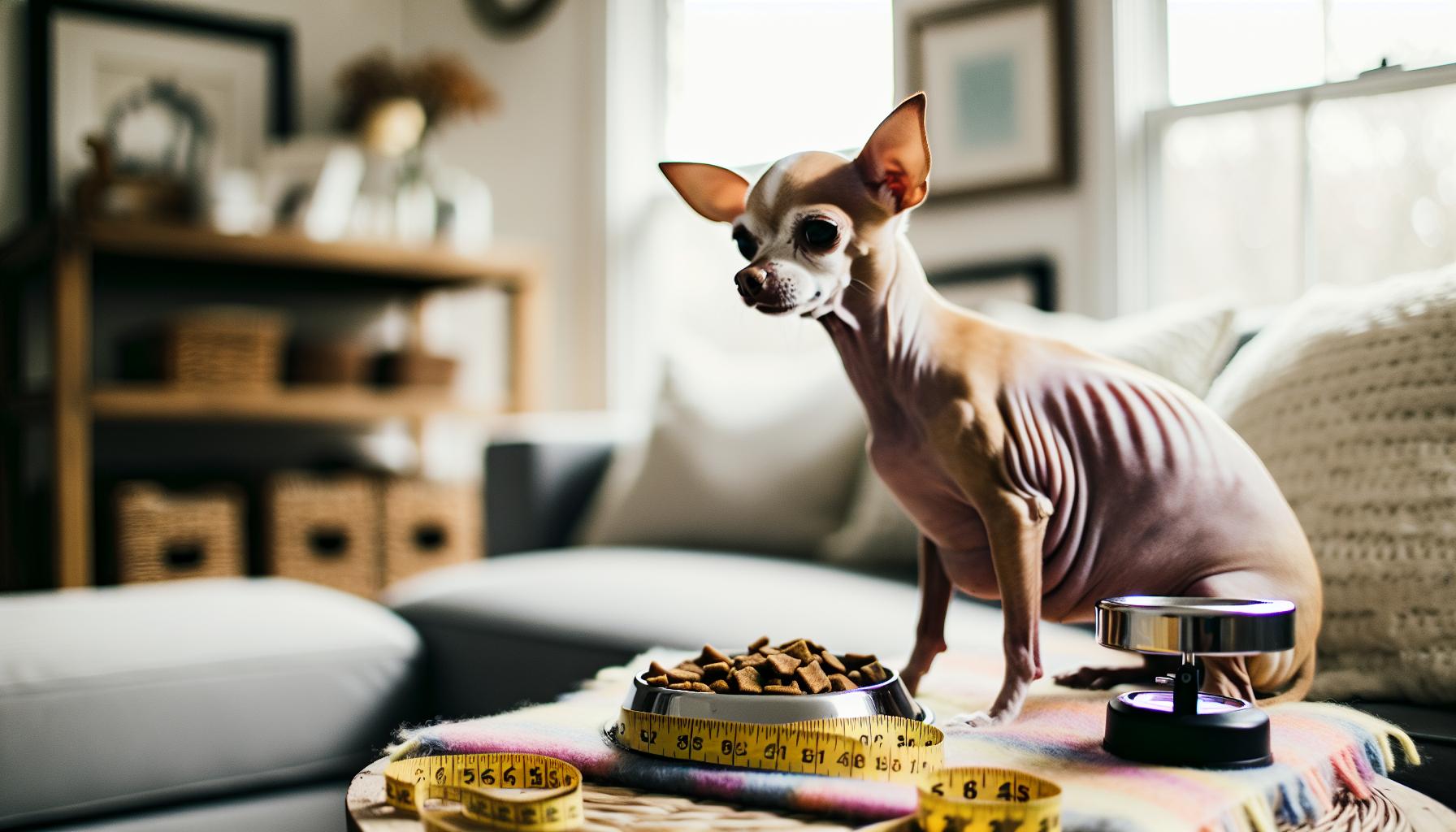
Signs Your Chihuahua Needs to Gain Weight
Noticing if your Chihuahua needs to gain weight can sometimes be tricky, especially given their petite frames. These little dynamos often hide their weight issues well due to their vivacious personalities and boundless energy. However, several telltale signs can indicate that your loyal companion may need a little help putting on those much-needed pounds.
One of the most evident signs is the visibility of your Chihuahua’s ribs. While a healthy Chihuahua may have a slight outline of ribs visible, if they are prominently protruding under the skin and you can easily feel them without any layer of fat, it may be time to reevaluate their diet. Additionally, if you notice that your furry friend has a more pronounced waist than is typical for Chihuahuas, with a noticeable indentation just behind their ribs, it may be another indicator that they could benefit from weight gain.
Another sign to pay attention to is their energy levels and overall behavior. If your Chihuahua seems more lethargic than usual or struggles to keep up with their usual excitement during playtime, it could be linked to inadequate nutrition. Remember, Chihuahuas are typically bold and sassy; if your little companion seems less vocal or playful, this shift can be a signal of concern. Regular monitoring of their eating habits is also vital. If you find your Chihuahua is not finishing meals or seems disinterested in their food, this could point to a lack of adequate calorie intake.
To contextualize with real-life experiences, consider a scenario where a Chihuahua owner, Maria, noticed her apple-head Chihuahua, Peanut, becoming less eager to chase after his favorite toy. Upon a weight check, she discovered Peanut was under the ideal weight for his age and size. By incorporating high-calorie treats and more protein-rich foods into his diet, not only did Peanut regain his playful spirit, but he also became more energetic and lively around the house.
Keeping these signs in mind will help you ensure your Chihuahua remains not just fashionable and full of spunk but also healthy and strong. Regular vet check-ups can provide additional insights into your furry friend’s weight status, helping you identify if gaining weight is necessary for overall well-being.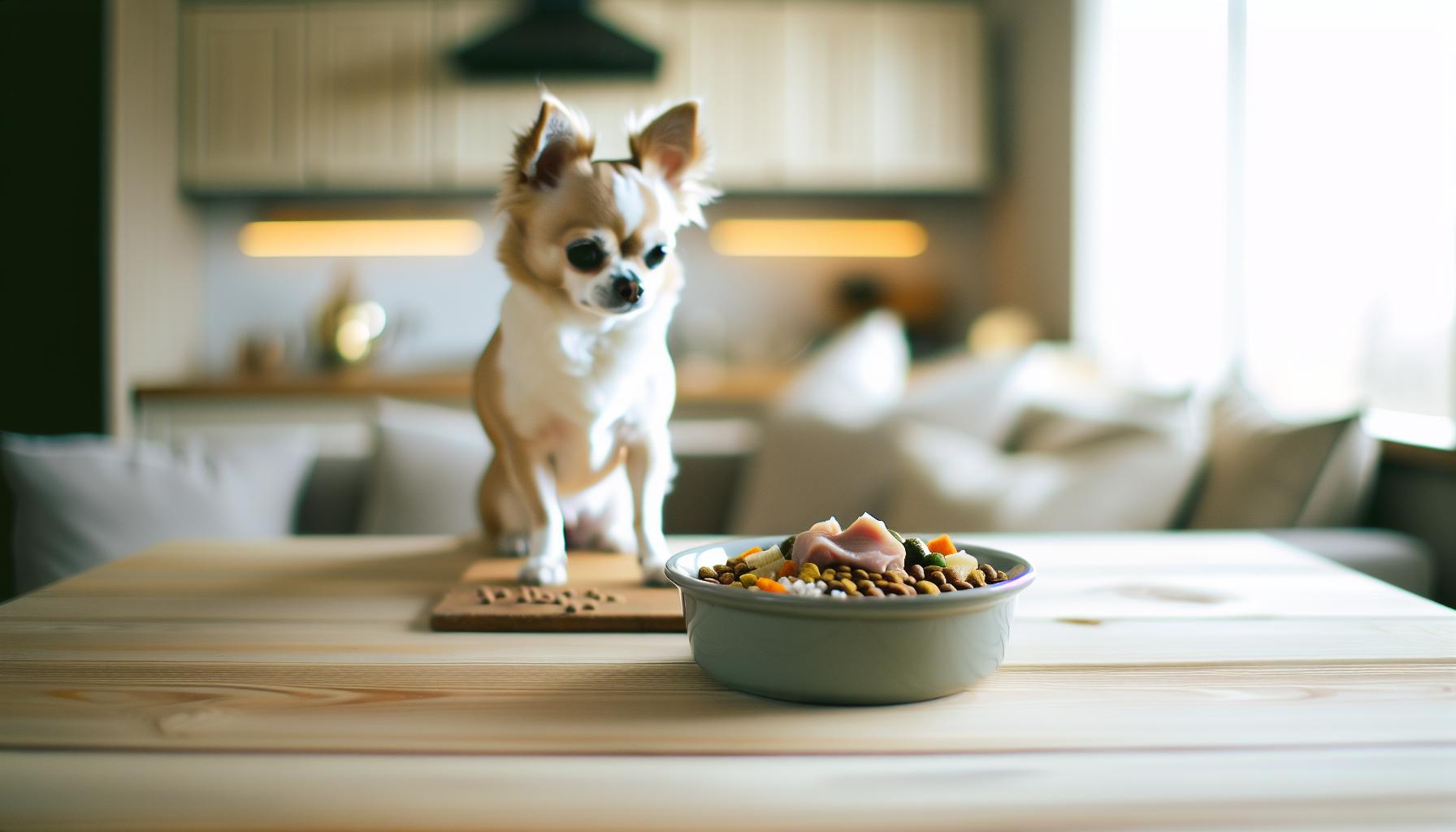
Healthy Diet Options for Your Chihuahua
Chihuahuas, with their bold personalities and compact frames, may sometimes struggle to maintain a healthy weight. However, understanding and implementing healthy diet options can be a game changer for your little one. The right diet not only supports weight gain but also promotes overall wellness and vitality in these feisty little companions.
When it comes to selecting nutritious food for your Chihuahua, prioritize high-quality ingredients. Look for dog foods specifically formulated for small breeds, as they typically contain the right balance of protein, fat, and nutrients tailored for their unique metabolism. Foods rich in protein, such as chicken, turkey, beef, and fish, can effectively help your furry friend pack on some healthy pounds. Additionally, incorporating foods with healthy fats-like fish oil or chicken fat-can significantly enhance calorie density while keeping their coat shiny and beautiful.
Consider the following options when planning your Chihuahua’s diet:
- Commercial Dog Food: Choose brands known for their wholesome ingredients, avoiding fillers like corn and soy. Look for options that list meat as the first ingredient and include wholesome grains like brown rice or oats.
- Wet Food: Canned food can be a delicious way to entice your Chihuahua to eat more. The moisture content helps with hydration, and the richer flavors often appeal to picky eaters.
- Fresh Food Diets: If you’re up for it, consider incorporating fresh food into your Chihuahua’s meal plan. Cooked lean meats, steamed vegetables (like carrots or peas), and small amounts of grains can provide excellent nutrition and boost their calorie intake.
A practical example comes from Jake, a dedicated Chihuahua owner who noticed his apple-head Chihuahua, Bella, was starting to look a bit too slender. After consulting with her vet, Jake started to mix high-calorie wet food with Bella’s regular kibble. He also introduced small bits of boiled chicken into her meals. Within weeks, Bella became more engaged in playtime, and her coat started to shine even more!
Remember to consider your Chihuahua’s unique preferences and adjust their diet accordingly. It’s wise to monitor their reactions to new foods, ensuring they are not allergic or intolerant to certain ingredients. Sticking to wholesome, nutrient-rich options will set the stage for a robust diet and promote healthy weight gain in your spirited companion.
Portion Control: Finding the Right Amount
Portion control is an essential factor in ensuring your Chihuahua gains weight in a healthy manner. These spirited little companions tend to have tiny stomachs but big personalities, so finding the right balance of food can be a challenge. When it comes to their diet, quality matters, but quantity can be just as crucial. Knowing how much to feed your Chihuahua can not only help with weight gain but also prevent unnecessary health issues associated with overfeeding or underfeeding.
To start off, consider your Chihuahua’s age, activity level, and current weight. Adult Chihuahuas generally require about 30 calories per pound per day to maintain their weight. However, to facilitate weight gain, you might consider increasing their intake by about 10-15%. For puppies and active dogs, calorie requirements can be even higher, so it’s vital to tailor portions to their specific needs.
A helpful approach to portion control is using a measuring cup or a kitchen scale. This allows for precise servings, helping you avoid the common pitfall of feeding by guesswork, which can lead to over-or underfeeding. For example, if your Chihuahua weighs 5 pounds, and you decide on a caloric intake of 40 calories per pound, that would translate to 200 calories per day. You can split this into two to three meals a day, gradually introducing higher-calorie additions as needed.
- Weekly Monitoring: Keep a journal of what and how much you feed your Chihuahua, noting any changes in behavior, energy levels, and weight. This will help you make informed adjustments.
- Divide Meals: Instead of giving your Chihuahua a single large meal, divide the total daily portion into smaller meals. This can help manage their digestion and make mealtime more exciting.
For instance, Laura, an experienced Chihuahua owner with a feisty little apple-head named Max, found that splitting his meals into three portions instead of two made a noticeable difference. Max was more enthusiastic about mealtime; he didn’t feel overwhelmed by a large serving, and he was able to enjoy his food without rushing through it. Observing how her furry companion reacted to the portion adjustments helped Laura keep Max on track toward a healthy weight gain.
Ultimately, establishing a consistent feeding routine is vital. Chihuahuas thrive on routine, and regular meal times can help regulate their appetite. As you monitor your Chi’s progress, remain flexible with the serving sizes, making adjustments as needed based on their weight changes and overall health. With a patient approach focused on portion control, you can help your beloved Chihuahua attain the weight he needs while keeping him healthy and happy.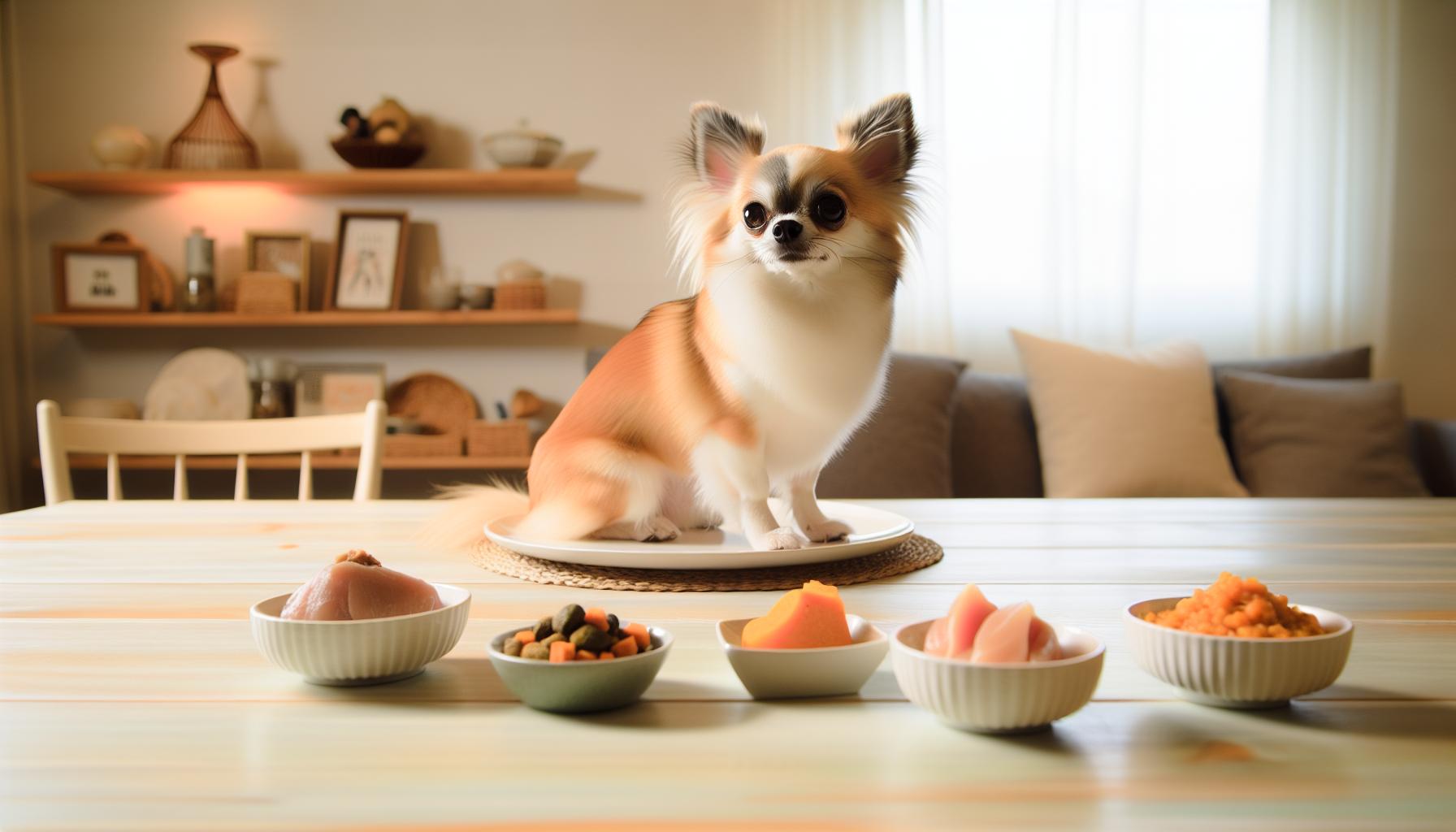
Best High-Calorie Foods for Chihuahuas
While Chihuahuas are small in size, their energy and enthusiasm for life are larger than life! If you’re looking to help your little companion gain a few pounds, choosing high-calorie foods is essential. These precious pups can benefit from nutrient-dense options that not only pack in the calories but also support overall health.
One of the best ways to start is by incorporating high-quality dog food that is specifically formulated for small breeds. Look for brands that have a rich protein source as the first ingredient. Foods that contain beef, chicken, or fish provide essential amino acids that aid in building muscle. Additionally, consider foods that contain moderate to higher-fat content, ideally around 20-25%. This fat is crucial for both energy and promoting a healthy coat.
Here are some fantastic high-calorie foods to consider including in your Chihuahua’s diet:
- Premium Kibble: Look for brands that contain high-quality ingredients, targeting small breed formulas. Many reputable brands have formulas rich in calories and proteins.
- Canned Wet Food: Often more calorically dense than kibble, wet food can entice even the pickiest eaters. Mixing it with kibble can also add moisture and enhance palatability.
- High-Calorie Treats: Look for treats specifically designed for weight gain. Options such as peanut butter treats or freeze-dried meats can be delightful bonuses in their diet.
- Cooked Meat and Carbohydrates: Incorporating cooked chicken, turkey, or lean beef can be a tasty addition. Adding a side of sweet potatoes or quinoa can provide extra calories in a healthy manner.
Feeding your Chihuahua nutrient-dense snacks can be equally beneficial. Consider options like full-fat yogurt, which contains good fats and probiotics, or tiny morsels of cheese, which can be great for adding calories and are often loved by Chihuahuas.
Keep an eye on caloric intake to ensure that your pup is gaining weight steadily without overdoing it. Regular monitoring, as mentioned in the previous section, helps you stay on track. After all, our little amigos deserve the best-amazing food that fuels their bold and lively personalities while also nurturing their health. By focusing on nourishing, high-calorie foods, you’ll create a well-rounded approach to support your Chihuahua’s healthy weight gain journey, one delightful meal at a time.
Homemade Treats: Recipes for Healthy Weight Gain
Chihuahuas are known for their bold personalities and vibrant energy, and what better way to nurture that vigor than with delicious homemade treats designed to help them gain weight healthily? Crafting treats at home allows you to control the ingredients, ensuring that each morsel is packed with the nutrients your little friend needs to thrive-plus, they’ll love the fresh flavors you can provide!
Making nourishing treats doesn’t have to be complicated; here are a couple of simple recipes that aim to pack in the calories while remaining delightful for your Chihuahua:
Peanut Butter Banana Bites
These treats combine the rich taste of peanut butter with the natural sweetness of bananas for a calorie-dense option your pup won’t be able to resist!
Ingredients:
- 1 ripe banana
- 1/2 cup peanut butter (ensure no xylitol)
- 1 cup rolled oats
Instructions:
1. Preheat your oven to 350°F (175°C).
2. In a mixing bowl, mash the banana until smooth.
3. Add the peanut butter and oats. Mix until all ingredients are well combined.
4. Drop spoonfuls of the mixture onto a baking sheet lined with parchment paper.
5. Bake for about 10-12 minutes until they are slightly golden.
6. Allow to cool completely before serving.
These treats can be stored in an airtight container for up to a week, making them a perfect snack to add to your Chihuahua’s diet for a healthy weight gain!
Sweet Potato Chews
Sweet potatoes are not only nutritious but also a great source of carbohydrates, making them ideal for weight gain.
Ingredients:
- 1 medium sweet potato
Instructions:
1. Preheat your oven to 250°F (120°C).
2. Wash and peel the sweet potato, then slice it into thin strips or rounds.
3. Place the slices on a baking sheet lined with parchment paper, ensuring they don’t overlap.
4. Bake for 2-3 hours, flipping halfway, until they are dried and chewy.
5. Let them cool completely before giving them to your pup.
These chews are not only satisfying but also provide necessary vitamins and minerals, making them a wholesome treat your Chihuahua will adore!
When making homemade treats, keep in mind your Chihuahua’s size and activity level. Start with small servings to gradually introduce these calorie-dense goodies into their diet. Always monitor their weight and adjust as necessary. It’s important to aim for a balance-treats should complement a well-rounded diet without overwhelming their digestive system.
With a splash of creativity in the kitchen and a love for your little companion, you’ll soon discover that making homemade treats can be both fun and fulfilling. Plus, you’ll strengthen that bond, one savory bite at a time!
Adding Nutritional Supplements Safely
Adding nutritional supplements to your Chihuahua’s diet can thoughtfully enhance their weight gain journey, helping your little companion achieve a healthier physique while maintaining their vibrant energy levels. When it comes to selecting supplements, it’s essential to prioritize quality and safety, as your Chihuahua’s unique needs can vary significantly based on factors like age, size, and activity level.
One popular option for Chihuahuas is fish oil, rich in omega-3 fatty acids, which not only supports healthy skin and coat but also aids in overall weight gain. These fatty acids can provide extra calories while promoting a shiny coat-a common trait among the breed’s many coat types, from sleek short coats to fluffy long-haired varieties. Another beneficial supplement is probiotics, which can enhance digestive health. A healthy gut is crucial as it ensures your Chihuahua is absorbing all the nutrients they consume, making their meals more effective for weight gain.
When introducing any supplement, it’s wise to start slowly. For example, if you decide to include fish oil, begin with a modest dose, such as a few drops mixed into their food. This gradual introduction helps avoid gastrointestinal upset and allows you to monitor how your pup reacts. Always consult your veterinarian for guidance on appropriate dosages, especially since Chihuahuas can be quite sensitive due to their small size.
Key Supplements to Consider
- Fish Oil: Supports skin, coat, and overall health.
- Probiotics: Aids digestion and nutrient absorption.
- Multivitamins: Provides essential nutrients that may be lacking in diet.
- Calorie-Dense Powders: Sprinkle on food to boost calorie intake.
While these supplements can be beneficial, it’s crucial to remember that they should complement, not replace, a well-rounded diet tailored to your Chihuahua’s specific needs. The integration of supplements allows you to customize weight gain strategies while still honoring your pup’s distinct personality and preferences. With the right approach, you can ensure your precious apple-head or deer-head Chihuahua thrives in both health and happiness! As always, keep in tune with your tiny friend’s reactions and consult with your vet before making significant dietary changes.
Creating a Balanced Meal Plan
Creating a nutritional meal plan for your Chihuahua can feel overwhelming, especially when focusing on healthy weight gain. However, a thoughtful approach helps ensure your tiny companion gets the right balance of nutrients while enjoying meals they love. Chihuahuas, whether they are apple-heads with their adorable round faces or the sleek deer-head variety, thrive on diets rich in high-quality proteins, fats, and carbohydrates.
Start by determining the ideal amounts based on your Chi’s age, weight, and activity level. A balanced meal plan typically consists of premium dog food that lists real meat as the first ingredient. Look for foods that specifically mention being high in calories and fats. Protein sources, such as chicken, beef, or fish, contribute to muscle health and energy, while healthy fats from fish oil or chicken fat provide the added calories necessary for weight gain.
Incorporate a variety of meal options to maintain interest and flavor-Chihuahuas can be quite particular about their food! Rotate between dry kibble and moist food or even homemade meals to keep him engaged. When crafting homemade meals, consider a mix of lean meats, rice, and vegetables tailored to canine nutritional needs. For example, a dish of boiled chicken with sweet potatoes and peas can be both nutritious and delectable for your furball.
To assist in meal planning, here’s a simple sample meal schedule:
| Meal | Contents | Calories Approx. |
|---|---|---|
| Breakfast | ½ cup of high-quality kibble mixed with a tablespoon of fish oil | 250 |
| Lunch | ¼ cup of boiled chicken, ¼ cup of brown rice, and peas | 200 |
| Dinner | ½ cup of canned dog food or wet food with added probiotics | 300 |
| Treats | Healthy homemade treats (see recipes in the next section) | Variable |
This basic framework can be adjusted based on your Chihuahua’s preferences and needs. Regularly monitor his weight and energy levels, adjusting portions accordingly. If he seems to be gaining weight too quickly, slightly reduce calorie intake. Remember, an ideal weight gain is gradual, about 1-2% of his body weight a week, to ensure health and safety. Engaging with your Chihuahua and understanding his likes can turn mealtime into a delightful bonding experience, ensuring he remains vibrant and joyful!
Exercise Considerations for Gaining Weight
Chihuahuas are known for their bold personalities and can be quite vocal, but when it comes to gaining weight, their small stature can pose unique challenges. You might think that exercise is only essential for weight loss, but for our tiny companions, it plays a crucial role in maintaining healthy muscle mass while encouraging safe weight gain. Balancing calorie intake with the right kind and amount of exercise will ensure that your Chihuahua fills out optimally without compromising his health.
While you may not envision a petite Chihuahua as a traditional athlete, engaging him in the right activities can stimulate his metabolism and promote muscle development. Choose exercises that suit his small size and energy level. Short and gentle walks are ideal for providing fresh air and exercise without overexerting him. Consider using a soft harness to avoid straining his neck, especially since these little ones can be prone to tracheal issues.
Types of Exercise for Healthy Weight Gain
To keep your Chihuahua excited and engaged, mix up his exercise routine with a variety of activities. Here are some perfect ideas tailored to his needs:
- Playtime: Interactive games like fetch or tug-of-war can be invigorating. Just a few minutes of play can boost his heart rate and stimulate his appetite.
- Short Walks: Aim for two short walks each day-one in the morning and another in the evening-to avoid any strain while still providing workout benefits.
- Obstacle Course: Set up a mini agility course in your home or backyard using cushions, tunnels, or boxes where he can jump or weave. This provides mental stimulation and physical activity.
- Social Play: Arranging playdates with other friendly dogs can give him the motivation to move. Just ensure the playmates are of appropriate size and temperament.
Pay Attention to His Cues
Chihuahuas are distinct with their fiery spirit and enthusiasm, but always keep an eye on how he responds during exercise. If he starts to slow down or show signs of fatigue, it’s essential to respect his limits. Watching for behaviors like excessive panting or reluctance to continue can guide you in determining when to stop. Incorporating short breaks with cool water, especially during warmer weather, allows him to catch his breath while keeping the experience positive.
Involving a well-planned exercise routine plus a calorie-rich diet will lead to steady weight gain and a bolstered sense of adventure for your Chihuahua. You are building muscle while providing a stimulating environment as he explores his surroundings. Balancing both worlds creates a happy, healthy little companion who continues to share his bold personality with you for years to come!
Monitoring Progress: When to Adjust the Diet
Monitoring your Chihuahua’s weight gain journey is just as essential as the diet and exercise plan you set in motion. With their distinctively spirited and sometimes stubborn personalities, Chihuahuas don’t always give clear signals when it’s time to adjust their food intake or exercise routine. This makes it crucial to regularly assess their progress to ensure they’re on the right track to healthy weight gain.
One of the first indicators that you may need to tweak your Chihuahua’s diet is his body condition score. Ideally, he should have a slight waistline when viewed from above and easily palpable ribs without excessive fat covering. If you notice that he’s not gaining weight after a few weeks on a specific diet, or if he seems overly lean despite your efforts, it’s time to take a closer look at his caloric intake. Additionally, observing his energy levels can provide insight into whether he’s reaching his potential. If he appears lethargic or if his activity levels drop, revisiting his nutrition may be necessary.
Keep a Weekly Log
Tracking your Chihuahua’s weight on a weekly basis can be beneficial. Consider using a simple chart where you jot down his weight, any dietary changes, and notes on his behavior or activity levels. This will help you identify trends over time that can inform decisions about his diet or exercise regimen.
- If weight gain is steady: Maintain the current diet and exercise levels.
- If weight is stagnant: Increase daily caloric intake by incorporating high-calorie foods or adding an additional meal.
- If he gains too quickly: Reassess portion sizes and consider whether his exercise routine is sufficient.
Consulting with a Vet
Regular check-ins with your veterinarian can also guide your monitoring. They can provide tailored advice based on your Chihuahua’s age, activity level, and health status. If your little one isn’t gaining weight as expected, the vet may suggest blood work or other tests to rule out any underlying health concerns. Remember, these tiny dogs can sometimes hide issues due to their bold demeanor, so maintaining an open line of communication with your vet is vital.
Ultimately, fine-tuning your Chihuahua’s diet requires patience, observation, and a willingness to adapt. Each dog is unique, and what works for one might not be ideal for another. By staying attuned to his needs and making adjustments based on his response, you’re ensuring that your beloved companion thrives and continues to share his vibrant personality with you!
Common Mistakes in Feeding Chihuahuas
Feeding your Chihuahua can sometimes feel like navigating a culinary minefield, especially when you’re aiming to help him gain weight. This breed, with its diminutive stature and enthusiastic personality, has unique nutritional needs that can easily be overlooked. Owners often make common mistakes that can hinder a Chihuahua’s weight gain journey. Let’s explore these pitfalls and how you can avoid them to help your little companion thrive.
One frequent error is choosing the wrong types of food. Chihuahuas can be picky and may turn up their noses at bland kibble or low-quality ingredients. Always opt for high-quality dog food specifically formulated for small breeds, which provide the necessary nutrients in denser calories. If your Chihuahua’s food isn’t appealing, he may not eat enough to gain weight. For instance, a Chihuahua named Bella was given generic dog food for years, resulting in persistent underweight issues. Once her owner switched to premium, high-calorie options, Bella’s appetite improved, and she began to gain weight steadily.
Another common mistake is neglecting portion sizes. While it might seem logical to simply feed your tiny pup more, overfeeding can lead to digestive upset or obesity. Pay attention to recommended serving sizes based on your Chihuahua’s weight and activity level. It’s better to offer smaller, more frequent meals-around three to four a day-to facilitate healthier weight gain. A Chihuahua owner, Mark, learned this lesson the hard way after attempting to bulk up his dog, Coco, by giving her large meals. After adjusting to a multiple meal routine, Coco thrived and began to gain weight in a healthier manner.
Lastly, failing to recognize the benefits of supplements can hinder weight gain efforts. While a balanced diet is crucial, some Chihuahuas may need an additional boost, especially if they are older or have special dietary needs. Omega-3 fatty acids or protein supplements can help promote muscle growth and overall health. For example, a Chihuahua named Max benefitted from a dietary supplement introduced by his vet, leading to improved weight and vitality when paired with his regular meals.
Avoiding these feeding mistakes can set your Chihuahua up for success in his weight gain journey. By selecting high-quality food, managing portion sizes wisely, and considering appropriate supplements, you’ll encourage a healthy appetite in your vibrant little friend.
When to Consult a Veterinarian
When your adorable Chihuahua struggles to gain weight, it can be a perplexing challenge, especially for first-time owners. Understanding when to seek professional help is crucial in ensuring that your little buddy achieves a healthy weight in a safe manner. Chihuahuas, known for their feisty personalities and distinct size variations, also come with unique health considerations that can complicate their dietary needs.
One of the first signs that it’s time to consult a veterinarian is if you’ve made adjustments to your Chihuahua’s diet and routine but haven’t seen any significant changes in weight. For instance, if you’ve switched to high-calorie foods or started feeding more frequent meals but your pup remains underweight, this could indicate an underlying health issue. Issues like dental problems, gastrointestinal disorders, or even underlying metabolic conditions can prevent your Chihuahua from absorbing the nutrients they need.
Signs to Look Out For
Keep an eye out for specific signs that may necessitate a vet visit:
- Persistent Weight Loss: If you notice your Chihuahua continuously losing weight even with a higher calorie intake, it’s time to seek advice.
- Change in Appetite: A sudden decrease in interest in food, especially for a breed known for its engaging personality around meals, may signal a health concern.
- Behavioral Changes: Increased lethargy or unusual behavior, such as hiding or excessive whining, can signal your Chihuahua is not feeling well.
Another reason to involve a veterinarian is if your Chihuahua exhibits symptoms that suggest potential health issues. Conditions such as vomiting, diarrhea, or persistent coughing warrant professional evaluation. You want to ensure that your furry companion’s health is prioritized. For example, a Chihuahua named Daisy was unable to gain weight not just due to picky eating habits but because she suffered from a food intolerance that had gone unnoticed. Once her owner consulted the vet, they discovered a suitable dietary plan that helped Daisy thrive.
Lastly, if your Chihuahua is a senior or has existing health conditions, it’s wise to have regular consultations with your vet regarding diet and weight management. A personalized dietary plan, often adjusted with the help of a professional, can make all the difference in safely achieving weight gain while considering your dog’s specific health needs.
By being proactive and attentive, you can play a significant role in your Chihuahua’s health journey, providing them with not only a healthier weight but an overall better quality of life. Remember, it’s always better to be safe than sorry, particularly when it comes to the well-being of your beloved companion!
Frequently asked questions
Q: What are the best treats for Chihuahuas that help gain weight?
A: The best treats for Chihuahuas looking to gain weight include high-calorie options such as peanut butter, plain yogurt, and freeze-dried meats. Always check ingredients for added sugars or fillers. Consider adding homemade treats, which can be tailored to provide necessary calories while being nutritious.
Q: How often should I feed my Chihuahua to help them gain weight?
A: To help your Chihuahua gain weight, consider feeding them smaller, more frequent meals throughout the day instead of one or two larger ones. This can improve digestion and allow for better calorie intake. Consult your vet for the best schedule based on your Chihuahua’s specific needs.
Q: Can I give my Chihuahua human food to help them gain weight?
A: Yes, you can give your Chihuahua certain human foods, such as cooked chicken, sweet potatoes, and rice, to help them gain weight. However, avoid ingredients like onion and chocolate, which are toxic to dogs. Ensure these foods are served in moderation and as part of a balanced diet.
Q: What nutritional supplements are safe for Chihuahuas trying to gain weight?
A: Nutritional supplements such as fish oil and protein powders specifically designed for dogs can be beneficial for weight gain. Always consult your veterinarian before introducing any new supplements to ensure they are safe and appropriate for your Chihuahua.
Q: How do I know if my Chihuahua is underweight?
A: You can determine if your Chihuahua is underweight by checking their ribs, spine, and hips. If you can easily see or feel these bones without a layer of fat, it may be time to adjust their diet. Consulting a vet can also provide a proper assessment and recommendations.
Q: Are there specific breeds of dog that are more prone to being underweight?
A: While any dog can become underweight, small breeds like Chihuahuas are particularly susceptible due to their high metabolism and potential picky eating habits. Regular monitoring and a tailored diet can help prevent weight issues in these dogs.
Q: What common mistakes should I avoid when trying to help my Chihuahua gain weight?
A: Common mistakes include overfeeding low-quality food, not adjusting portion sizes based on activity level, and neglecting to monitor progress. Stick to nutrient-dense high-calorie foods and make gradual changes. Regular vet check-ups can also aid in ensuring proper weight gain.
Q: When should I seek veterinary advice regarding my Chihuahua’s weight?
A: You should consult a veterinarian if your Chihuahua is not gaining weight after dietary adjustments, shows signs of illness, or exhibits changes in appetite or behavior. A vet can eliminate underlying health issues and provide personalized guidance for healthy weight gain.
Closing Remarks
As you embark on this journey to help your Chihuahua gain healthy weight, remember that patience is key. A well-rounded diet, consistent feeding schedule, and regular vet check-ups are essential steps to ensure your little companion thrives. Don’t hesitate to explore other resources, such as our detailed guide on “Chihuahua Nutrition Essentials” and tips for “Maintaining a Healthy Weight in Small Breeds.”
Now is the perfect time to act-start implementing these tips today to see the difference in your furry friend’s health and happiness. If you have any questions or need further guidance, feel free to share your thoughts in the comments below! We’re here to support you and your Chihuahua every step of the way. And don’t forget to sign up for our newsletter for more helpful tips and exclusive content. Your journey with your vibrant, loyal companion deserves all the knowledge you can get!
Get our latest guides, news, and insights highlighted in your Google Search & AI Overviews.