

Did you know that Chihuahuas are one of the smallest dog breeds, yet their weight can vary significantly? Understanding how heavy Chihuahuas should be is crucial for any owner, as maintaining a healthy weight is key to their overall well-being. Typically, a Chihuahua should weigh between 2 to 6 pounds, but several factors-like genetics and lifestyle-can influence this range. As a loving owner, you’re likely concerned about your little companion’s health and energy levels, and recognizing the signs of weight-related issues can help you provide the best care possible. In this article, we’ll explore the ideal weight for Chihuahuas, the implications of being overweight or underweight, and practical tips to keep your feisty friend in tip-top shape. Let’s dive in and ensure your Chihuahua thrives in every aspect of life!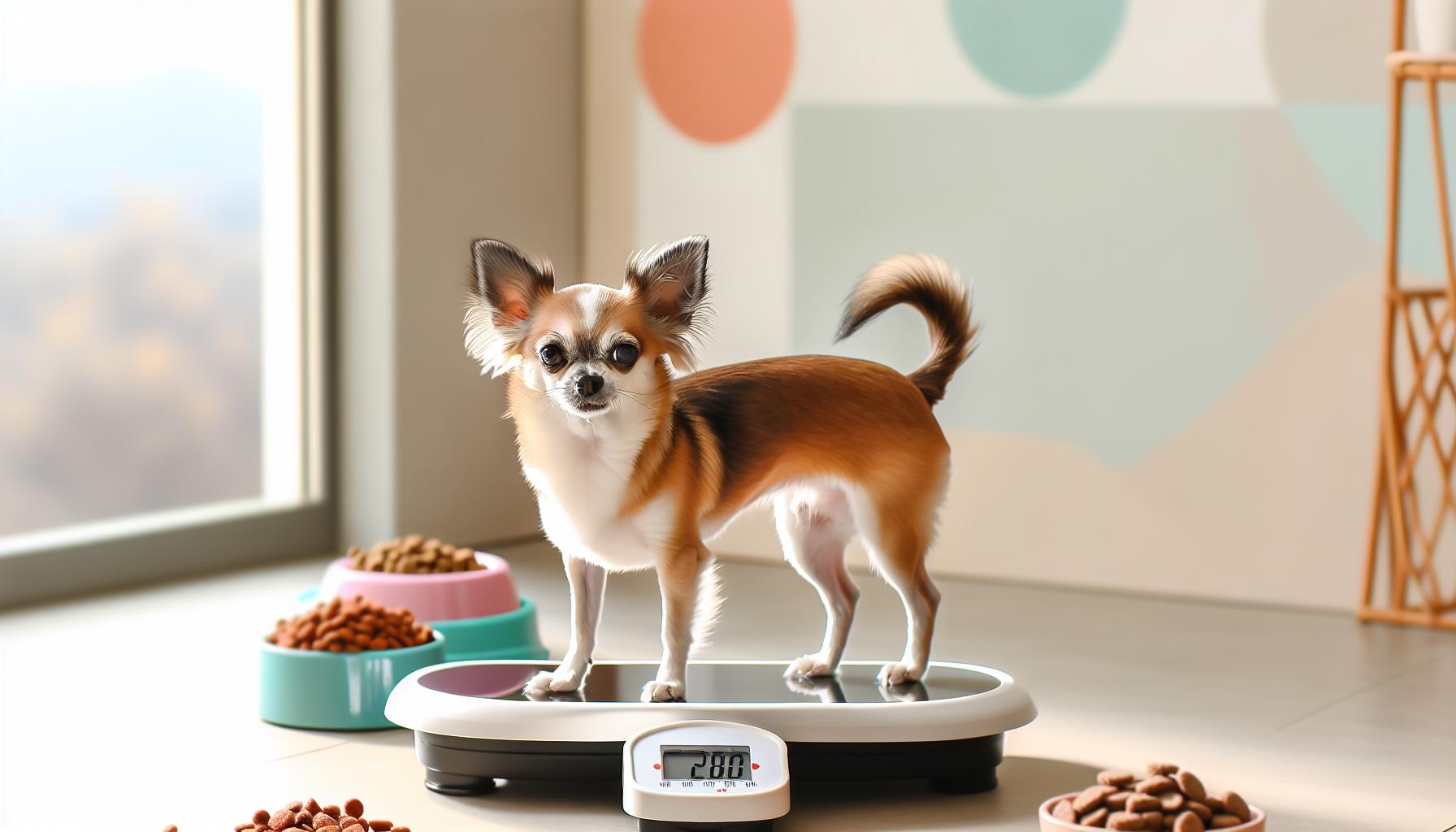
Understanding the Ideal Chihuahua Weight
Understanding the ideal weight for a Chihuahua goes beyond just numbers-it’s about ensuring her health, happiness, and vibrant personality shine through. Typically, a healthy Chihuahua weighs between 2 and 6 pounds, but understanding the nuances of “ideal weight” involves considering various factors. Each Chihuahua is unique, not just in their adorable size and appearance, but also in their bone structure, muscle mass, and overall body composition.
It’s essential to remember that while there are general weight guidelines, the best way to assess whether your Chihuahua is at an ideal weight is through her shape and behavior. If you’re able to feel her ribs on light pressure without excess fat covering, and you can see a defined waist when viewing her from above, then your Chihuahua is likely within the healthy range. In contrast, if her ribs are not easily felt or if she has an overly rounded shape, she may be overweight, while a gaunt appearance could indicate she is underweight.
The weight that’s ideal for your Chihuahua can be influenced by factors such as age, genetics, and lifestyle. Puppies have different weight considerations than senior dogs, and even individual personalities can play a role-some Chihuahuas are simply more active than others. Therefore, it’s crucial to tailor her diet and exercise based on her unique needs. As a loving owner, keep an eye on her eating habits, activity level, and any behavioral changes that might indicate an issue with her weight. By being proactive and attentive, you can ensure your little friend remains healthy and thrives at her perfect weight.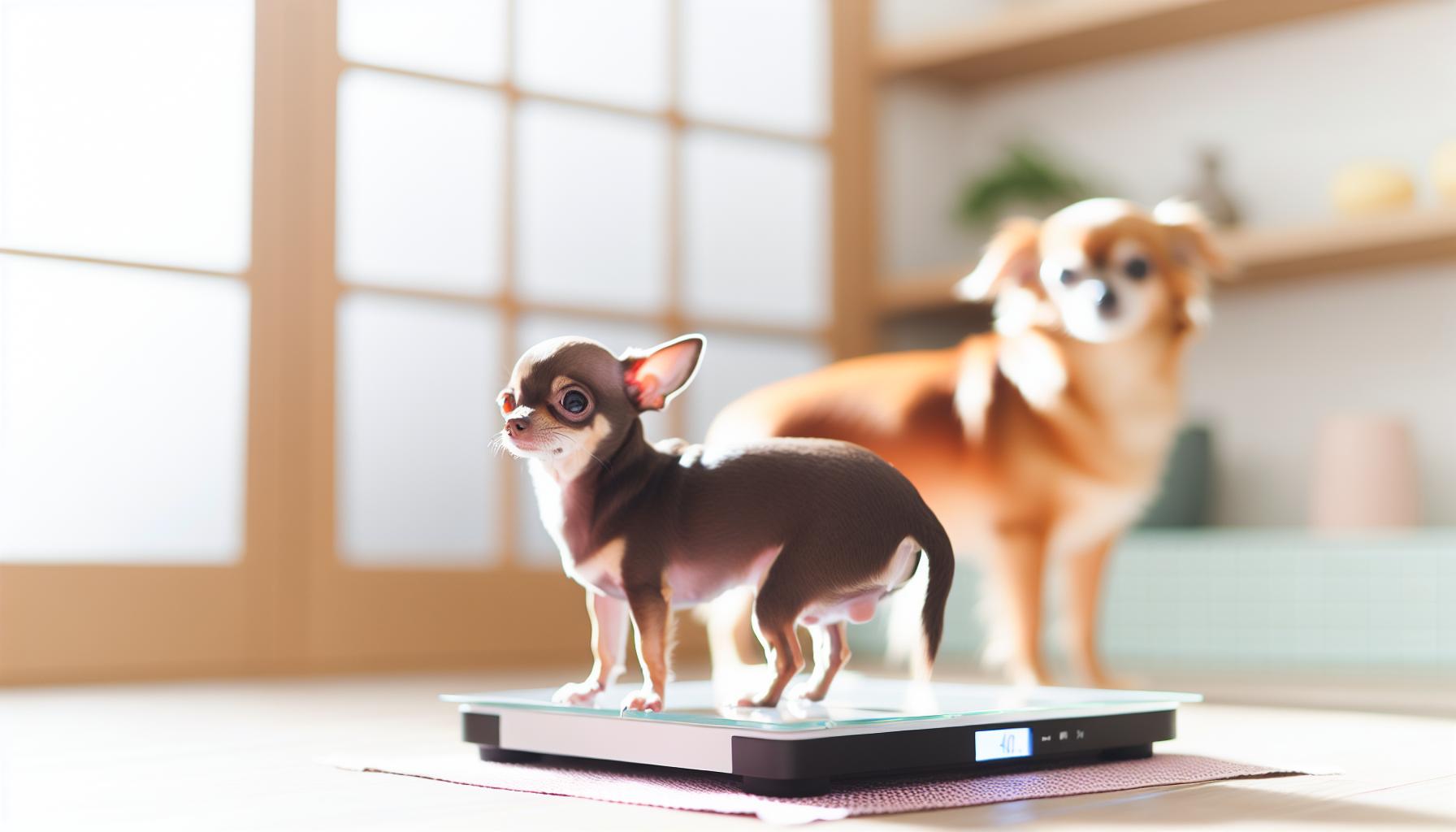
Factors Influencing Chihuahua Weight
Understanding what influences your Chihuahua’s weight can be quite enlightening and crucial for maintaining their health and well-being. The uniqueness of each pup means that a variety of factors come into play, from genetics to daily lifestyle choices. Since Chihuahuas can range in size and shape-even among those considered “standard”-the ideal weight is not a strict range but rather a guideline that accommodates individual differences.
Genetics play a significant role in your Chihuahua’s weight. Just like people, dogs inherit traits from their parents. Some Chihuahuas have naturally smaller body frames, while others may have more robust builds. This genetic predisposition can affect everything from muscle development to fat distribution. For example, an apple-headed Chihuahua may appear stockier, potentially influencing how much they should weigh compared to a deer-headed counterpart, who might have a leaner appearance.
Another important factor is age. Chihuahua puppies have different nutritional needs than seniors. Younger dogs tend to have faster metabolisms and higher energy levels, requiring specific diets to support their growth. In contrast, older Chihuahuas often slow down, which may require adjustments in their food quantities and types to prevent weight gain. Always keep an eye on your Chihuahua’s activity levels; a more active dog can usually handle a few more treats or a slightly larger portion than one who prefers lounging on your lap all day.
Lastly, consider lifestyle elements such as diet and exercise routines. High-quality dog food tailored to your Chihuahua’s age and activity level can help maintain a healthy weight. Regular playtime or short walks are essential for keeping your pup fit. Each small thing you do-like taking her for a few extra minutes of play or making her perform tricks for treats-adds to her overall health and happiness. As a loving owner, consistently monitoring these aspects will ensure your little companion stays within a healthy weight range, helping her lead a vibrant, active life.
Signs Your Chihuahua is Underweight or Overweight
It’s vital for Chihuahua owners to recognize the signs that indicate whether their little companion is underweight or overweight, as a proper weight directly influences their overall health and happiness. Chihuahuas, while tiny, can carry varying degrees of muscle and fat, making what’s considered an “ideal” weight subjective. However, there are specific indicators you can look out for to assess your pup’s health more effectively.
Several tell-tale signs can help you determine if your Chihuahua’s weight is in a healthy range. First, check their ribs and waistline. A well-proportioned Chihuahua should have a noticeable waist when viewed from above; you should be able to feel their ribs without too much pressure. If you’re unable to feel the ribs easily, your pup might be overweight. Conversely, if your Chihuahua’s ribs are prominently visible and they have no visible waist or fat coverage, they may be underweight.
Another important aspect is their energy levels and activity. An overweight Chihuahua may become lethargic and show less enthusiasm for play. In contrast, an underweight Chihuahua could exhibit hyperactivity or excessive begging for food. Behavior changes like these are often linked to weight issues. For example, one owner noticed that her normally vocal and playful apple-headed Chihuahua started to rest more than usual, prompting a vet visit that revealed she had gained excess weight.
If you’re uncertain, observing your Chihuahua’s overall shape and muscle tone can help. They should have a slight tuck in their belly when viewed from the side. Any noticeable sagging or bloated appearance could indicate excessive weight. On the flip side, a very bony appearance and lack of muscle definition could signify undernourishment.
In sum, it’s crucial to make regular weight checks a part of your care routine. If you suspect your Chihuahua is significantly outside the healthy weight range, consulting with a veterinarian is essential. They can provide tailored guidance to help you manage your furry friend’s weight effectively, focusing on achieving a healthier, more active lifestyle that enhances the joy of both you and your Chihuahua.
How to Accurately Weigh Your Chihuahua
To ensure your Chihuahua maintains a healthy weight, knowing how to accurately weigh her is fundamental. Regular weight checks are not only a practical aspect of responsible pet ownership but also an essential step in monitoring your pup’s overall health. Chihuahuas, with their petite frames and charming personalities, can quickly fluctuate in weight, which makes accuracy crucial.
Using a digital scale is the best method for getting an accurate reading. If you have one at home, here’s a simple way to get your Chihuahua’s weight without the fuss:
- Prepare the Scale: Place the scale on a flat, hard surface to avoid any inaccuracies that might arise from uneven flooring or carpet.
- Weigh Yourself First: Step on the scale to get your own weight. Make a note of this number; you’ll use it to calculate your pet’s weight.
- Weighing Your Chihuahua: Next, pick up your Chihuahua gently and hold her close to your body for comfort. Step on the scale again and note the combined weight.
- Calculate: Subtract your weight from the combined weight to find out your Chihuahua’s exact weight. For example, if you weigh 150 pounds and together with your pup it’s 153 pounds, then your Chihuahua weighs 3 pounds.
If your Chihuahua is particularly squirmy or fidgety, try placing her on the scale by herself. You can also make it a fun experience by luring her onto the scale with a treat or her favorite toy. Always ensure that the environment is calm and distraction-free, as Chihuahuas can be sensitive to changes in their surroundings.
Regular weighing is especially important for Chihuahuas, as they can be prone to obesity if not carefully monitored. If you notice she’s gaining weight, consider discussing a tailored diet with your vet. Remember, capturing these small weight changes can help guide you in maintaining a healthy lifestyle for your loyal companion and ensure she remains as bold and vibrant as ever.
Healthy Weight Guidelines by Age and Size
Maintaining a healthy weight for your Chihuahua is crucial to ensuring her overall health and vitality. Chihuahuas are small and often compactly built, but their ideal weight can vary based on age, size, and other factors. To navigate this effectively, understanding some healthy weight guidelines can help you provide the best care.
Typically, adult Chihuahuas weigh between 2 to 6 pounds, but this can depend on factors such as breed type and individual health. For young Chihuahuas, establishing a baseline as they grow is essential. For instance, a Chihuahua puppy at 3 months might weigh around 1.5 to 3 pounds and should aim to gain about 1 pound per month until reaching maturity.
Weight Guidelines by Age
- Puppies (0-6 months): Aim for a steady gain of about 1 pound per month.
- Young Adults (6 months – 1 year): Should weigh between 2-4 pounds, depending on whether they’re apple-head or deer-head types.
- Adults (1 year and older): Most will stabilize around 4-6 pounds.
Recognizing the unique needs of your Chihuahua’s specific type is also important. Apple-head Chihuahuas typically have large heads with a more rounded shape and may weigh on the heavier end of the scale compared to deer-head Chihuahuas, who usually possess a more elongated facial structure. This minor variance in physique can lead to different ideal weight ranges within the same breed.
For a quick reference, here’s a simple table that outlines acceptable weight ranges based on size:
| Size Type | Weight Range (pounds) |
|---|---|
| Teacup | 2-4 |
| Standard | 4-6 |
| Weighty | 6-8 (considered overweight) |
Regular check-ins at the vet to monitor weight can help detect any potential issues early. By understanding and adjusting to your Chihuahua’s weight needs as she ages, you’ll contribute to a longer, healthier life filled with playful adventures!
Nutritional Needs for Maintaining Healthy Weight
For your beloved Chihuahua, maintaining a healthy weight hinges significantly on nutrition. These little companions may be small in size, but their dietary needs are substantial and should cater specifically to their unique body composition and energy levels. It’s essential to know that not all dog foods are created equal, and choosing the right one can have a remarkable impact on your dog’s health, especially given that Chihuahuas are prone to certain weight-related health issues.
When selecting food, look for high-quality sources of protein, as this will help support muscle maintenance and overall energy. Chihuahuas thrive on a diet rich in chicken, turkey, or fish. Besides protein, ensure their diet includes healthy fats, found in ingredients like fish oil, which not only provides energy but also promotes a shiny coat and healthy skin. Pay attention to the carbohydrate sources as well; opt for whole grains and vegetables over fillers like corn or wheat, which can lead to weight gain without offering substantial nutrition.
Additionally, portion control is crucial. A general guideline is to feed adult Chihuahuas about 1/4 to 1/2 cup of high-quality food per day, divided into two meals. However, adjusting this based on your dog’s activity level and individual metabolism is vital. For instance, an active Chihuahua might need a bit more, while a more laid-back pup may require less. Always observe your dog’s body condition and make responses. If you notice them becoming more rotund, it’s a clear sign to evaluate their intake and possibly switch to a weight management formula.
Finally, keep treats to a minimum, as they can sneak up in calories! If you like to reward your furry friend, consider healthy options like small pieces of apple or carrot instead of processed treats. These snacks can contribute to their fiber intake while satisfying their cravings without adding unnecessary weight. Remember, it’s not just about feeding; it’s about understanding what your Chihuahua needs nutritionally to stay playful, vibrant, and healthy throughout their small but mighty life.
Weight Management Tips for Chihuahuas
Maintaining a healthy weight for your Chihuahua is crucial for ensuring their overall well-being and longevity. These tiny companions may seem robust, but their small frames can make them especially vulnerable to weight-related health issues. Establishing a consistent routine and being mindful of their behaviors can help your furry friend stay in shape and full of energy.
Regular Monitoring
Keep a close eye on your Chihuahua’s weight and body condition. Weigh him regularly, potentially monthly, to track any significant changes. Look for signs of being underweight or overweight-ribs should be easily felt without excess fat covering, and you should see a noticeable waist when looking from above. If you notice any drastic weight changes, consult with your veterinarian to rule out underlying health concerns.
Proper Nutrition
Choosing the right food is essential. Feed him high-quality dog food that meets his specific dietary needs, focusing on protein and healthy fats. Chihuahuas thrive on diets rich in meats like chicken, turkey, or fish, accompanied by nutritious veggies and grains. Always adjust portion sizes based on his activity level; a more active Chihuahua may require a bit more food than a less active one. As a guideline, adult Chihuahuas generally do well on about 1/4 to 1/2 cup of food daily, split into two meals.
Smart Treats and Snacks
Keep treats to a minimum, as they can add up quickly in calories. Instead, opt for healthier choices like baby carrots, green beans, or small bits of apple without the seeds. These snacks not only satisfy his cravings but also contribute to his fiber intake without packing on the pounds. A great tip is to make treats work for you-incorporate them into your training sessions, so they double as rewards for good behavior.
Engaging Exercise Routine
Chihuahuas may be small, but they have big personalities and love to play! Regular exercise is vital for weight management. Aim for at least 20-30 minutes of playtime each day. This might include walks, fetch, or even interactive toys that keep him mentally stimulated. Remember, even a short burst of energetic play can help maintain a healthy weight.
By paying attention to nutrition, portion control, and regular exercise, you can help your Chihuahua thrive. Every little change can lead to big improvements in his health and happiness. Enjoy every playful moment with your loyal companion, knowing you’re doing right by him!
Common Health Issues Related to Weight
Maintaining a healthy weight is vital for your Chihuahua’s overall health, and being aware of the potential health issues related to weight can make a significant difference in his well-being. While these adorable little companions are known for their big personalities, excess weight can lead to serious health complications that may impact their quality of life. As a Chihuahua owner, understanding these risks is crucial for proactive care.
Chihuahuas are prone to a variety of health problems exacerbated by weight issues. One major concern is obesity, which can lead to diabetes. This condition affects how your Chihuahua processes sugar, potentially resulting in serious health complications if not managed properly. Additionally, extra weight can put stress on their delicate joints, leading to conditions like arthritis. Given the Chihuahua’s small size, even a slight increase in weight can disproportionately affect their joints, making mobility difficult and painful.
Another risk is heart disease. Chihuahuas that carry extra pounds are at a greater risk of developing heart issues, such as congestive heart failure. This is particularly concerning because heart disease in small dogs often goes unnoticed until it reaches advanced stages. Routine check-ups and monitoring his weight can help catch these issues early.
To combat these health issues, it’s essential to integrate a balanced diet with regular exercise into your Chihuahua’s routine. Create a daily activity schedule that includes walks, playtime, and mental exercises, which are vital to keeping your Chihuahua fit and stimulated. Owners can also help by keeping track of their dog’s food intake and ensuring portion sizes are appropriate for his size and activity level. Remember, a little attention to your Chihuahua’s weight can lead to a significant improvement in his health and happiness, allowing him to enjoy a longer, more active life by your side.
How Exercise Impacts Your Chihuahua’s Weight
Chihuahuas may be small, but they have big energy! Regular exercise plays a crucial role in maintaining a healthy weight for these spirited companions. Contrary to the notion that small dogs need little activity, Chihuahuas thrive with daily movement; it keeps them fit, mentally stimulated, and happy. Establishing a regular exercise routine helps you manage their weight effectively and promotes overall well-being.
Going for daily walks is just one way to keep your Chihuahua active. A simple stroll around the neighborhood can do wonders. You can engage them with short bursts of playtime, using toys they love. For instance, throwing a soft ball for them to chase can add excitement to your exercise routine. Remember, Chihuahuas are naturally curious and love exploring, so varying your paths can keep things fun and engaging.
Understanding Exercise Needs
Every Chihuahua is unique, and their exercise needs may vary based on age, size, and overall health. For a playful 2-year-old Chihuahua, about 30 minutes of active playtime combined with a couple of short walks can suffice. On the other hand, senior Chihuahuas or those with health issues may require gentler, shorter sessions.
Some owners find that their Apple-Head Chihuahuas, known for their slightly rounder faces and stockier builds, also benefit from shorter, more frequent exercise bursts. These sessions help maintain a healthy weight and prevent joint strain. Alongside physical activity, consider incorporating mental challenges, such as puzzle toys, to keep their minds sharp.
Finally, it’s essential to keep an eye on your Chihuahua during exercise. Watch for signs of fatigue or overexertion, especially in hot weather. Hydration is crucial, so always have water available. A happy and healthy Chihuahua often showcases their vibrancy through physical activity; managing their exercise routine is a wonderful way to celebrate their unique spirit.
Finding the Right Diet for Your Chihuahua
Chihuahuas, despite their small stature, have big personalities and specific nutritional needs that are crucial for maintaining a healthy weight. A well-balanced diet is key to ensuring your little companion thrives. Since Chihuahuas are prone to weight fluctuations, being vigilant about their food intake is essential. A nutritious diet can help keep their energy levels high and their weight stable, setting them up for a long, vibrant life.
The ideal diet for your Chihuahua should include high-quality protein sources, healthy fats, and a controlled amount of carbohydrates. Look for dog foods that list meat or meat meal as the first ingredient, as this will provide the essential amino acids needed for muscle maintenance. Considering their small mouths and teeth, smaller kibble sizes are also beneficial; they make it easier for your Chihuahua to chew and digest.
When selecting food, consider their age and activity level. Puppies have different energy requirements than seniors. For instance, young Chihuahuas might require higher calorie content to support their playful antics, while older dogs may benefit from lower-calorie options to maintain a healthy weight. Regularly consulting with your veterinarian can help tailor your dog’s diet to their unique needs.
Portion control is another crucial factor. Since Chihuahuas can be quick to snack, be mindful of their meal sizes. A daily feeding regimen can help establish a routine and prevent overeating. Many owners find success by measuring their dog’s food portions and avoiding the temptation to offer too many treats. Instead, consider using healthy, low-calorie snacks, such as small pieces of carrots or green beans, to reward your little friend.
Finally, monitoring your Chihuahua’s weight regularly can provide insights into their health status. Even minor weight gains can be significant for such a petite breed. Observing their body condition-such as feeling for ribs without excessive fat covering-can assist in maintaining a healthy weight. By staying attentive to your Chihuahua’s diet and adjusting as needed, you can ensure your bold, loyal friend lives a full, happy life.
Special Considerations for Apple-Head Chihuahuas
Apple-head Chihuahuas are cherished not only for their distinctive skull shape but also for their unique needs regarding weight management. These adorable little companions, often smaller than their deer-head counterparts, can face different challenges when it comes to their health. Apple-head Chihuahuas typically weigh between 2 to 6 pounds, but maintaining a healthy weight is crucial since even a minor increase can affect their well-being significantly.
Understanding Their Build
The rounder skull and shorter muzzle of apple-head Chihuahuas make them particularly prone to dental issues. As a devoted owner, you should be aware that these health risks often correlate with their weight. Overweight apple-heads might struggle more with complications related to breathing and dental health due to their unique anatomy. Regular dental check-ups and a diet low in sugar can significantly enhance their health and help prevent weight gain.
Nutritional Needs
When it comes to diet, focus on high-quality food tailored to the small size and energy levels of your apple-head. Look for dog food specifically formulated for small breeds, as these often offer smaller kibble sizes that are easier for them to chew and digest. Aim for a diet rich in proteins and healthy fats, but avoid overfeeding. Use the recommended serving sizes as a starting point, and adjust as needed based on your Chihuahua’s activity level and weight changes. Keep an eye on their body condition to ensure they’re neither overweight nor underweight-ideally, you should be able to feel their ribs without excessive fat covering.
Regular Monitoring
Routine weigh-ins can be a great way to keep tabs on your apple-head’s weight. Many owners find that weighing their Chihuahua at home, perhaps every two weeks, helps maintain accountability. Investing in a quality digital scale can make this process easier. Additionally, track their food intake carefully, noting any treats offered throughout the day. This simple practice can prevent unintentional weight gain, allowing your little friend to live a healthy, vibrant life full of activity and joy.
Recognizing the means understanding their particular vulnerabilities and providing them with the tailored care they need. With proper nutrition, regular monitoring, and a lot of love, your apple-head can thrive beautifully!
Celebrating Your Chihuahua’s Unique Body Type
Chihuahuas come in a delightful array of shapes and sizes, each with their unique charm and personality. It’s essential to embrace and celebrate the distinct body types within this breed, as they significantly influence both their health and happiness. For instance, the apple-head Chihuahua, with its rounder skull and shorter muzzle, often weighs between 2 to 6 pounds and has specific health needs that owners should keep in mind. Recognizing her unique body structure helps appreciate the care and considerations that go into nurturing her wellness.
Understanding your Chihuahua’s build is crucial for both new and seasoned owners. Apple-head Chihuahuas may appear petite, but they pack a lot of personality into their small frames. Their bold nature and vocal tendencies are part of what endears them to us. However, owners need to be mindful of potential health risks, such as dental problems and respiratory issues. Regular vet checkups and tailored dental care can help mitigate these concerns, ensuring she maintains a healthy weight.
When it comes to managing your Chihuahua’s weight, consider her lifestyle and dietary requirements. High-quality food formulated specifically for small breeds is vital. This ensures she gets the nutrients she needs without the risk of overfeeding. Owners often find that mixing her kibble with some wet food not only enhances taste but can also make mealtime more enjoyable for her. Always monitor her body condition; you should be able to feel her ribs without excess fat. Remember, a balanced approach to feeding and exercise is key, helping her not just to manage weight but to thrive.
Finally, goes beyond physical care-it’s also about embracing her personality. From cozy snuggles on the couch to her enthusiastic little barks as she guards her territory, she adds joy and vibrancy to your life. Encourage her quirks and provide opportunities for her to shine! Whether it’s dressing her up for a family photo or enabling playdates with her furry friends, the relationship you nurture is what truly matters. Your Chihuahua is not just a pet; she is a cherished member of your family, deserving of love, attention, and understanding.
Frequently Asked Questions
Q: What is the average weight range for adult Chihuahuas?
A: The average weight range for adult Chihuahuas is typically between 2 to 6 pounds. It’s important to monitor their weight closely due to their small size, as being outside this range can indicate health issues. For more details on weight management, refer to our section on Healthy Weight Guidelines by Age and Size.
Q: How can I tell if my Chihuahua is overweight?
A: To determine if your Chihuahua is overweight, check for a visible waist when viewed from above and the ability to feel their ribs easily without excess fat covering. If your Chihuahua lacks these signs, consult our guide on Signs Your Chihuahua is Underweight or Overweight for comprehensive tips.
Q: What factors can influence my Chihuahua’s weight?
A: Factors affecting a Chihuahua’s weight include genetics, diet, exercise levels, and age. Each Chihuahua is unique, so it’s essential to tailor their care to these factors to maintain a healthy weight. Explore our section on Factors Influencing Chihuahua Weight for more insights.
Q: When should I weigh my Chihuahua for optimal health?
A: You should weigh your Chihuahua every month or every two weeks if they are on a weight management plan. This regular check will help you monitor any changes and allow for timely adjustments in their diet or exercise. See our section on How to Accurately Weigh Your Chihuahua for proper techniques.
Q: How can I help my Chihuahua lose weight safely?
A: To help your Chihuahua lose weight safely, reduce their calorie intake gradually, increase physical activity, and consider switching to a low-calorie diet specifically designed for small breeds. For specific tips, check our Weight Management Tips for Chihuahuas section.
Q: Are some Chihuahua types heavier than others?
A: Yes, some Chihuahua types, like apple-head Chihuahuas, may weigh more due to their larger head and body structure. It’s crucial to understand that variations in size and weight exist within the breed. Refer to our section on Special Considerations for Apple-Head Chihuahuas for more information.
Q: What is the best diet for maintaining my Chihuahua’s weight?
A: The best diet for maintaining a Chihuahua’s weight consists of high-quality, balanced dog food with specified proportions of protein and fats. Look for foods designed for small breeds and consult our section on Finding the Right Diet for Your Chihuahua for tailored recommendations.
Q: How much exercise do Chihuahuas need to stay healthy?
A: Chihuahuas need at least 30 minutes of exercise daily. This can be a mix of walks and playtime to help maintain a healthy weight and muscle tone. Learn more about the impact of exercise on your Chihuahua’s weight in our related section.
To Conclude
Understanding the healthy weight range for your Chihuahua is crucial for his overall well-being. Remember, maintaining a balanced diet and regular exercise will not only keep him healthy but also enhance his playful personality. If you’re still unsure about your Chihuahua’s weight, consider reaching out to a vet for personalized advice.
Looking for more insights? Check out our articles on “Best Food Options for Chihuahuas” and “How to Keep Your Chihuahua Active.” These resources will guide you in providing the best care for your little companion. Don’t hesitate to leave a comment below sharing your Chihuahua’s weight story or any tips you have! Together, let’s celebrate the unique joy Chihuahuas bring into our lives.
Get our latest guides, news, and insights highlighted in your Google Search & AI Overviews.