

Did you know that a Chihuahua’s stomach is about the size of a golf ball? This tiny breed may be small in size, but their appetite and nutritional needs can be surprisingly complex. Understanding how big a Chihuahua‘s stomach is not only helps with portion control but also with overall health management. As a dedicated Chihuahua owner, you might be concerned about how to keep your little companion at a healthy weight while ensuring he has enough energy for his bold personality. Feeding practices can play a major role in tackling issues such as obesity, which can lead to various health problems in these pint-sized pups. In this article, we’ll explore the capacity of a Chihuahua’s stomach, discuss the ideal feeding amounts, and share tips to keep your furry friend thriving. Let’s delve into the feeding habits that will keep your Chihuahua happy and healthy!
Understanding the Size of a Chihuahua’s Stomach

Chihuahuas, despite their tiny stature, have unique dietary needs that reflect their bold personalities. Understanding how small their stomachs are can empower you as an owner to ensure your furry friend stays healthy and happy. On average, a Chihuahua’s stomach can hold approximately ½ cup of food at a time, depending on their individual size and age. This petite capacity can often lead new owners to underestimate how carefully they need to manage their Chihuahua’s feeding habits, particularly since these little dogs can often act like they’re still ready for more!
Chihuahuas thrive on a diet formulated specifically for their size and energy levels. Because they are so small, they can be more prone to gastrointestinal upset if they overeat or consume too much at once. Therefore, understanding their stomach size not only helps you gauge portion sizes but also allows you to become more adept at recognizing when they might be overindulging. When managing their daily diet, remember that their caloric needs vary with their activity levels and age, so adjustments may be needed to keep their belly feeling just right.
To help visualize and manage portion sizes better, consider dividing their total daily food allowance into multiple, smaller meals throughout the day. Chihuahuas typically do well with 2 to 3 meals, which mirrors their natural grazing behaviors. It’s crucial to also monitor how your Chihuahua responds to these meals; if they are consistently hungry or seem disinterested, these cues can guide you in making adjustments.
Maintaining an appropriate portion size is essential for preventing obesity, a common issue in small breeds due to their tendency to gain weight easily. By being mindful of your Chihuahua’s stomach size, you help ensure a healthy balance that allows them to live life to the fullest-full of energy and sass!
Typical Feeding Amounts for Chihuahuas
Chihuahuas may be small, but their personalities are larger than life! As a proud owner, you might already know that one of the keys to keeping your little companion healthy and thriving is understanding their specific feeding needs. On average, a Chihuahua’s daily food intake should be around ½ to 1 cup of high-quality dog food, divided into multiple meals. This amount varies depending on their age, weight, and activity level, so being attuned to your pup’s unique requirements is paramount.
To ensure your Chihuahua gets the right amount of nourishment, consider breaking their daily portion into 2 to 3 smaller meals. This approach mimics their natural grazing behavior and helps prevent any potential digestive upset caused by overeating. For example, if your Chihuahua weighs around 5-6 pounds, you might find that feeding them about a ¼ cup of kibble twice a day keeps them satisfied without overwhelming their tiny stomach.
It’s essential to choose a dog food specifically formulated for small breeds, as these options typically contain the right balance of nutrients tailored to their energy levels. Always check the feeding guidelines on the dog food package; they often provide a good starting point. Remember, Chihuahuas can be prone to obesity, so keep an eye on their weight and adjust feeding amounts as necessary. If you notice your pup gaining a little extra fluff, it might be time to cut back on treats or adjust their portions accordingly.
Lastly, hydration plays a crucial role alongside nutrition. Ensure your Chihuahua has access to fresh water at all times. Keep an eye on them during mealtime and monitor their food intake; consistent hunger or disinterest can indicate a need for dietary adjustments. You’re on this joyful journey as a Chihuahua owner, so celebrate their quirks and pride yourself on giving them the best care!
Signs of Overfeeding: Recognizing Health Risks
Recognizing when your Chihuahua has been overfed is crucial for maintaining their health and happiness. Given their tiny stomachs, even a little extra food can lead to significant health concerns. Overfeeding often results in obesity, which can introduce a range of issues, including diabetes, joint problems, and heart disease. Your enthusiastic, bouncy little companion deserves the best care, and part of that care is monitoring their food intake.
As a loving owner, you might sometimes fall victim to those puppy-dog eyes begging for more food, but being vigilant about portion control is essential. Common signs of overfeeding include:
- Weight Gain: If your Chihuahua seems to be gaining weight quickly, it might be time to reassess their diet. A good rule of thumb is to consult your vet for weight recommendations based on your dog’s size and breed standard.
- Loss of Energy: An overly full tummy can make your Chihuahua feel sluggish. If your little one seems less adventurous during walks or playtime, consider cutting back on the treats.
- Digestive Upset: Regular vomiting or diarrhea can be red flags. Chihuahuas are particularly sensitive to sudden changes in their diet or excessive food intake.
- Behavior Changes: If your typically sprightly Chihuahua starts being extra vocal or moody, especially around meal times, it could indicate discomfort from overindulging.
Keeping an eye on their body shape is also important; you should be able to feel their ribs without too much pressure, and they should have a defined waist when viewed from above. If you notice changes in their physique, take action by adjusting food portions or switching to a lower-calorie option. Always remember to introduce any dietary changes gradually to avoid further upset. Your Chihuahua, with their fearless little heart, deserves to be healthy and full of energy-just like their bold personalities!
What Affects a Chihuahua’s Stomach Capacity?
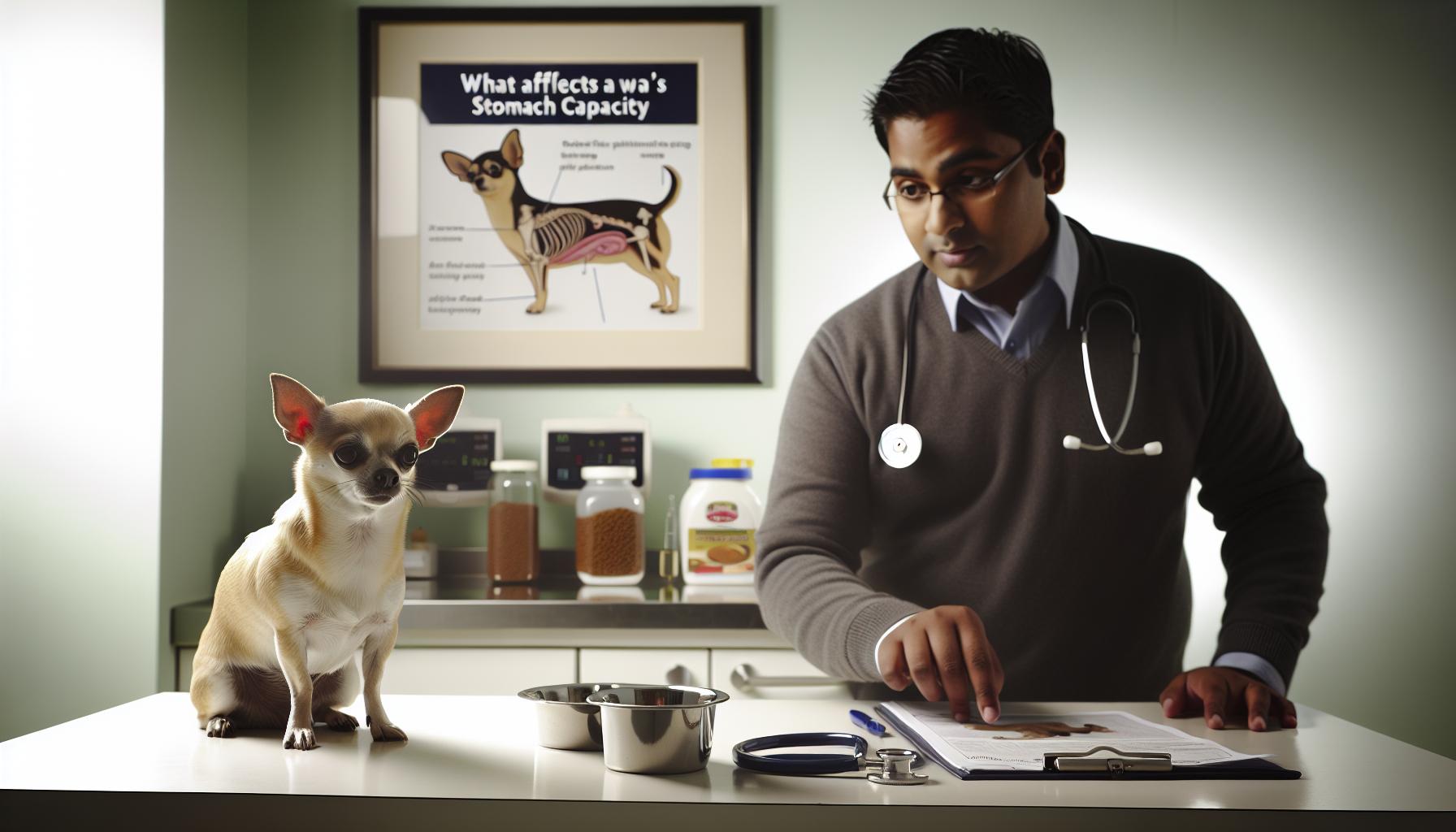
Chihuahuas are known for their bold personalities, but their stomachs are surprisingly small, making various factors critical in determining how much they can comfortably eat. One major aspect influencing a Chihuahua’s stomach capacity is their size and genetics. Due to their diminutive stature, most Chihuahuas can only consume a small amount of food at any given time. For example, a standard Chihuahua usually has a stomach capacity around 1/4 to 1/2 cup per meal, while a teacup Chihuahua may require even less. Differences in genetic makeup, such as whether your Chihuahua is an apple-head or deer-head, can also subtly affect their appetite and food preferences.
Another important factor is age. Puppies have growing bodies that demand more frequent, smaller meals throughout the day compared to adults. As Chihuahuas mature, their caloric needs decrease, and transitioning them to fewer, more substantial meals becomes necessary. For instance, an energetic puppy may need meals spaced about four times a day, while an adult Chihuahua typically thrives on two meals daily. Additionally, older Chihuahuas may experience reduced activity levels and might need lesser portions to maintain a healthy weight.
Activity level plays a crucial role in a Chihuahua’s dietary needs. A Chihuahua that engages in regular play and exercise will have a different food requirement compared to a more sedentary counterpart. If your little pal enjoys long walks or playtime, keep in mind that they may require a slightly higher portion to fuel their energy. However, it’s vital to monitor their weight and adjust as necessary to prevent obesity, which is a prevalent issue in the breed.
Finally, special dietary considerations should be taken into account. Some Chihuahuas may have particular health issues, such as allergies or sensitivities, that require tailored diets. In such cases, the type of food you select can significantly impact how much they can comfortably digest. Certain high-quality, calorie-dense foods allow for smaller portion sizes, ideal for maintaining both their energy levels and waistlines. Always consult with your veterinarian for recommended food choices suited to your Chihuahua’s unique needs and lifestyle.
In summary, understanding these factors can empower you to make informed decisions about your Chihuahua’s diet, helping to ensure they stay healthy, energetic, and, most importantly, happy!
Feeding Frequency: Best Practices for Chihuahuas
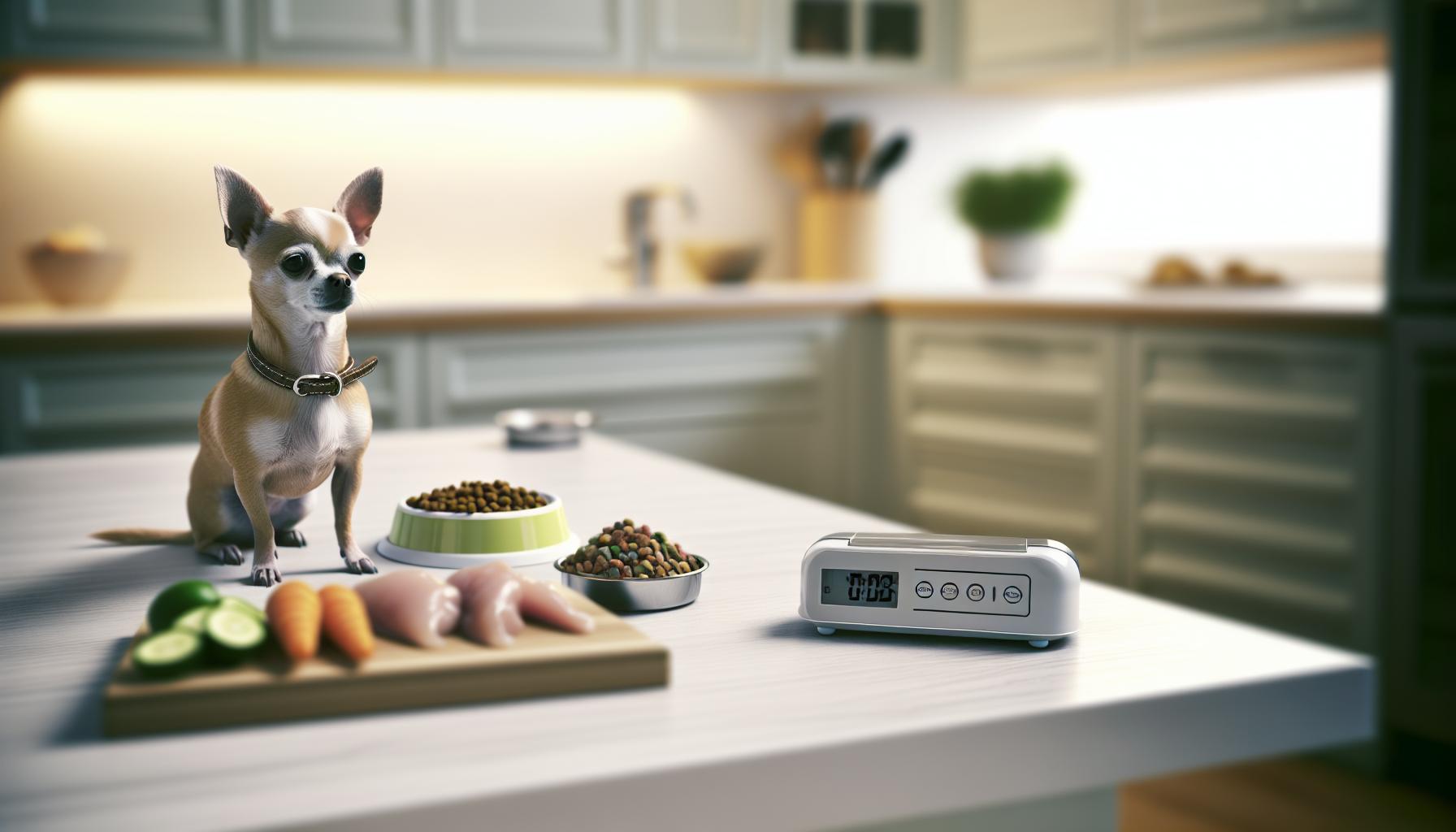
Feeding a Chihuahua can feel like a balancing act, especially given their petite size and unique personalities. These tiny companions thrive on consistent feeding schedules that keep them happy and healthy. A regular routine helps manage their small stomach capacity and ensures they receive the nutrients they need without the risk of overfeeding, which can lead to obesity-a common problem in the breed.
For growing puppies, frequent meals are critical. A typical approach might involve feeding your energetic little bundle about four times a day. This frequency supports their rapid growth and helps maintain stable energy levels throughout the day. As your Chihuahua matures, usually around one year old, you can gradually transition to two meals a day, offering larger portions at each feeding. This change not only accommodates their smaller stomachs but also aligns with their decreasing caloric needs.
Daily Feeding Guide:
- Juveniles (6 months – 1 year): 3 meals a day
- Adults (1 year and older): 2 meals a day
Consistency is key! Stick to the same times each day to help your Chihuahua anticipate meal times. This predictability can also alleviate anxiety around feeding and improve their overall behavior. When introducing new feeding schedules, do so gradually to avoid upsetting your little one’s stomach, which is particularly sensitive.
Another important aspect to consider is portion control based on your Chihuahua’s activity level. A more active Chihuahua, perhaps one that enjoys regular walks or playtime, may require slightly more food compared to a less active counterpart who prefers lounging on the couch. Monitor your dog’s weight and adjust food portions accordingly. If she’s becoming too round, it might be time to cut back her portions or increase her activity.
Remember, staying attentive to your Chihuahua’s overall health is vital. Consult your veterinarian to get personalized advice about your pup’s specific needs. With the right feeding frequency and a bit of care, your Chihuahua can enjoy a delightful, healthy life!
Best Foods to Keep Your Chihuahua Healthy
Chihuahuas may be small, but their nutritional needs are significant. Choosing the right foods for your little friend is crucial to ensuring he lives a healthy and vibrant life. Proper nutrition not only supports his playful demeanor but also helps sustain his energy levels. With their petite stomachs, every meal counts, so selecting high-quality foods that pack a nutritional punch is essential.
When choosing the best foods for your Chihuahua, focus on premium dog food formulated specifically for small breeds. Look for high-quality protein sources, such as chicken, turkey, or fish, listed as the first ingredient. This ensures that your pup gets the necessary amino acids for muscle growth and overall health. Additionally, incorporating healthy fats, like omega-3 fatty acids found in fish oil, can contribute to a shiny coat and healthy skin-an essential trait for this breed, known for its variety of coat types, from smooth to long-haired.
Recommended Ingredients
- High-quality animal protein (e.g., chicken, turkey, beef)
- Healthy fats (e.g., fish oil, chicken fat)
- Whole grains (e.g., brown rice, oats) for energy
- Fruits and vegetables (e.g., sweet potatoes, blueberries) for vitamins and minerals
Chihuahuas are also prone to dental issues, so feeding them small, crunchy kibble can help maintain their oral hygiene. Some owners find that incorporating dental chews or specially formulated treats can further promote good dental health. Just remember to monitor treat portions, as these can add up quickly and contribute to weight gain.
Understanding specific health needs is essential, especially for aging or special-needs Chihuahuas. For example, if your furry companion has a sensitive stomach or food allergies, looking for grain-free options or limited-ingredient diets might be beneficial. Always consult with your veterinarian to tailor your Chihuahua’s diet to his individual health requirements and lifestyle.
With the right foods, your Chihuahua can thrive and enjoy life. As a loving owner, always be attentive to his specific needs and how different foods affect his energy and temperament. With care and the right choices, your tiny powerhouse will be ready for any adventure!
How to Adjust Portions for Age and Activity
Chihuahuas may be tiny, but their energy and playful nature often surprise new owners. Adjusting their food portions based on age and activity level is crucial to keeping your little friend healthy and happy. As your Chihuahua grows from a playful pup into a senior, his nutritional needs will change, and so will the appropriate feeding amounts.
Young Chihuahuas (up to about one year old) typically need more frequent meals due to their rapid growth and high energy. Feeding them three to four small meals a day ensures they get enough calories and nutrients to support their development. A good rule of thumb is to offer about a quarter to a half cup of high-quality small breed puppy food daily, divided into those meals. Active young Chihuahuas will require slightly larger portions, so keep an eye on their energy levels and adjust portions accordingly.
As your Chihuahua matures into adulthood (around one to seven years), his diet can shift to two meals per day. A general guideline for adult Chihuahuas is one half to three-quarters of a cup of food daily, depending on their activity level. If your Chihuahua enjoys long walks or spirited playtime, he may need the upper end of this range. On the other hand, if he leads a more laid-back lifestyle, stick to the lower end to prevent unnecessary weight gain.
When your Chihuahua reaches senior status (around eight years and older), you might notice a decrease in activity. This is the time to revisit his diet again. Seniors often thrive on food that is lower in calories but still rich in nutrients to maintain overall health. Adjusting his portions to around one quarter to half a cup daily can be beneficial, focusing on easy-to-digest options that cater to joint health and metabolism.
In summary, monitoring your Chihuahua’s activity level, weight, and overall health is essential for adjusting his food portions throughout his life. Always consult with your veterinarian for personalized recommendations, especially if you notice any changes in behavior or health. Providing the right portion at each life stage will help ensure that your tiny companion remains the lively little character you adore.
Managing Special Dietary Needs in Chihuahuas
Managing a Chihuahua’s special dietary needs is crucial, as their tiny stomachs can quickly become a source of health issues if not properly cared for. These little dynamos, barely tipping the scales at 2 to 6 pounds, have specific nutritional requirements that can change due to age, health conditions, or lifestyle. Whether your furry friend is a sprightly puppy, a busy adult, or a wise senior, understanding how to cater to their unique needs can make all the difference in their health and happiness.
For Chihuahuas, diet modification may be necessary if they have sensitivities or allergies. Many owners notice symptoms like skin irritations or digestive upset that can signal the need for a specialized diet. Common allergens can include grains, beef, and certain artificial additives. Switching to a grain-free or limited-ingredient formula might help alleviate these issues. Brands that offer hypoallergenic options can be beneficial, but always consult your veterinarian before making any drastic changes.
Another aspect to consider is weight management, particularly with Chihuahuas who tend to be food-motivated. Obesity in small breeds can lead to serious health conditions, including heart disease and diabetes. If your little companion has gained weight, a calorie-controlled diet is key. You can also incorporate low-calorie treats like vegetables-carrots and green beans can be excellent options-to satisfy their cravings without the extra calories.
Lastly, senior Chihuahuas often require specific dietary adjustments as they age. Foods formulated for senior dogs typically provide joint support and are easier to digest. Consider softening their dry kibble with water to make it easier for them to chew. Any sudden changes in their appetite or weight should prompt a vet visit, as these can be signs of underlying health issues. Regular visits to the vet, combined with your attention to their dietary needs, can help your Chihuahua live a long, happy, and healthy life.
In summary, effective dietary management for your Chihuahua means staying attuned to their individual needs and making adjustments as necessary to promote their overall well-being. It’s a journey that can deepen the bond you share, ensuring your tiny companion thrives and remains the joyful, vibrant presence in your life.
Why Portion Control Is Crucial for Chihuahuas
Chihuahuas, despite their small stature, can have a surprisingly large appetite. However, their tiny stomachs present unique challenges regarding portion control. Overfeeding can quickly lead to obesity, which is a significant health risk for this spirited breed. With their small frames, even a few extra calories can make a noticeable difference on the scale. Therefore, understanding how much to feed your Chihuahua is crucial for maintaining their health and vitality.
One essential aspect of portion control is recognizing the appropriate serving size based on your Chihuahua’s age, weight, and activity level. For instance, a young and active Chihuahua may require more calories than a senior who prefers to lounge. Typically, the recommended daily amount of high-quality dog food for adult Chihuahuas ranges from 1/4 to 1/2 cup, divided into two meals. Adjusting this amount can help prevent issues like obesity or gastrointestinal distress.
Practical Steps for Portion Control
To manage your Chihuahua’s diet effectively, consider the following tips:
- Careful Measuring: Always use a standard measuring cup to ensure consistency in portion sizes.
- Food frequency: Feeding smaller, more frequent meals can aid digestion and help your Chihuahua feel satisfied.
- Monitor Weight: Regularly check your Chihuahua’s weight. A sudden gain or loss can indicate the need for dietary adjustments.
- Use Treats Wisely: Limit treats to no more than 10% of the total daily calorie intake to avoid excess calories.
It’s also important to pay attention to your Chihuahua’s behavior during meals. If she seems unsatisfied and is constantly begging for food, it might be tempting to give in – but sticking to controlled portions can help build healthy eating habits. Additionally, using food puzzles or slow feeders can stimulate your Chihuahua mentally and slow down her eating, making mealtime more engaging.
In conclusion, portion control plays a vital role in your Chihuahua’s overall health and longevity. By being mindful of what and how much you feed her, you’ll help prevent potential health issues and ensure that she remains the lively, loving companion you cherish. Regular vet visits combined with conscious feeding practices will keep her feeling fantastic and full of life!
Tips for Transitioning to New Foods
Transitioning your Chihuahua to new food can seem daunting, but with a little patience and preparation, it can become an easy and positive experience for both of you. Chihuahuas are known for their vibrant personalities and often strong preferences, so a gradual change is essential to ensure they adapt well without upsetting their sensitive stomachs. Did you know that Chihuahuas have stomachs about the size of a golf ball? This makes them particularly susceptible to dietary changes, emphasizing the need for a carefully planned transition.
Start by mixing a small amount of the new food with their current food. A good rule of thumb is to begin with about 25% new food blended with 75% of the old. Pay attention to your Chihuahua’s reactions; if they seem to enjoy it without any issues, you can gradually increase the new food ratio over the next week or so. By the end of this transition period, you should aim for a complete switch to the new food, assuming everything goes smoothly. For example, if you’re switching to a grain-free diet, consider how your little ‘apple-head’ responds to the texture and flavor differences.
While this gradual approach minimizes the risk of digestive upset, monitoring your Chihuahua during this time is equally important. Keep an eye on their behavior and bathroom habits. If you notice any signs of discomfort-such as vomiting, diarrhea, or decreased appetite-it’s best to slow down the transition or consult with your veterinarian. Sometimes Chihuahuas can be a bit stubborn or picky, and they might reject new flavors altogether. If this happens, try incorporating the new food into a favorite treat or using it for training. Chihuahuas love attention, so engaging them with positive reinforcement can ease the process.
Lastly, don’t forget about the importance of hydration during this transition. Ensure your Chihuahua has access to fresh water, as this can help with digestion and keep them comfortable as they adjust to their new diet. Each Chihuahua is unique, so be patient and flexible with the transition process. By taking the time to introduce the new food thoughtfully, you’ll help set the stage for your Chihuahua’s continued health and happiness, celebrating their quirky and adorable traits while keeping them well-fed.
The Importance of Hydration for Little Dogs
Providing proper hydration for your Chihuahua is as crucial as selecting the right food. With their tiny stomachs-about the size of a golf ball-these little dogs can quickly become dehydrated if they don’t have consistent access to fresh water. Hydration plays a vital role in maintaining their overall health, supporting digestion, and regulating body temperature. A well-hydrated Chihuahua is not only more active and playful but also more resilient against potential health issues.
It’s important to ensure that your Chihuahua has a clean water bowl filled with fresh water at all times. Some Chihuahuas can be picky about their water, so consider using a pet fountain that keeps water circulating and fresh. You might be surprised-many Chihuahuas love drinking from these fountains! Additionally, keep an eye on their water intake, especially during hot weather or after exercise. If your little companion seems lethargic or refuses to drink, it may be time to consult your veterinarian.
Offering water-rich foods can also help with hydration. Consider incorporating wet dog food into their diet or adding a little broth to their dry kibble. Just ensure any additives are low in sodium, as too much salt can be harmful. You can also provide dog-safe fruits, like watermelon or cucumber, as treats to help with their hydration. Remember, keeping your Chihuahua well-hydrated supports their energetic lifestyle and helps counteract any dryness or irritation in their little mouths.
Lastly, never underestimate the importance of hydration during transitions to new food. As mentioned earlier, changing a Chihuahua’s diet can upset their sensitive stomachs. Keeping them hydrated during this period can ease digestive discomfort and foster a smooth transition. By paying special attention to her hydration needs, you’re not only contributing to your Chihuahua’s happiness and health but also ensuring her vibrant personality shines through every day!
Common Misconceptions About Chihuahua Nutrition
When it comes to Chihuahua nutrition, misconceptions can lead to serious health issues for these tiny dynamos. For instance, many people believe that because Chihuahuas are small, they can eat any food that’s safe for dogs-this is far from true! Given their unique physiology, including a stomach roughly the size of a golf ball, their dietary needs are quite specific and should be approached with care. Feeding them a diet intended for larger breeds can lead to overeating and subsequent health risks, such as obesity and pancreatitis.
Another common myth is that all commercial dog foods are created equal. In reality, the nutritional content can vary greatly, and many brands do not cater to the specific needs of small breeds. Chihuahuas, especially the apple-head variety, require a higher calorie intake per pound of body weight than larger dogs, as they have faster metabolisms. Thus, looking for high-quality dog food formulated for small breeds is essential. Ingredients should be easily digestible, with real protein sources at the top of the list-think chicken, beef, or salmon.
Additionally, some owners mistakenly believe that since their Chihuahua is active, they can free-feed throughout the day. However, this can lead to overeating, a particularly dangerous situation for Chihuahuas, who are prone to gastrointestinal issues. Instead, offering controlled portions spread throughout the day is vital for their digestive health. Owners might see benefits by sticking to a measured feeding schedule, which can significantly improve their fur baby’s energy levels and overall well-being.
Lastly, there’s a notion that Chihuahuas do not require any treats or fresh food in their diet. In fact, healthy treats can not only serve as great training tools but also provide additional nutrients. For example, offering small pieces of cooked chicken or dog-safe fruits like apples or blueberries can be a fun way to enhance their diet. Always remember to introduce any new foods gradually to avoid upsetting their sensitive stomachs. By debunking these common misconceptions and understanding their unique dietary needs, you can help ensure that your Chihuahua thrives and stays as vibrant and lively as ever.
Faq
Q: What is the average stomach capacity of a Chihuahua?
A: The average stomach capacity of a Chihuahua is about 2 to 3 ounces or 60 to 90 milliliters. This small capacity means it’s crucial to feed them smaller portions more frequently to ensure proper digestion and nutrient absorption.
Q: How often should Chihuahuas be fed throughout the day?
A: Chihuahuas should generally be fed two to three times a day. This feeding frequency helps prevent overeating, as their small stomachs require careful portion control to maintain optimal health.
Q: What are the signs of an upset stomach in Chihuahuas?
A: Signs of an upset stomach in Chihuahuas can include vomiting, diarrhea, lethargy, or loss of appetite. If you notice these symptoms, consult your veterinarian promptly to ensure their health.
Q: How can I help my Chihuahua manage their weight?
A: To help your Chihuahua manage their weight, monitor portion sizes based on their age and activity level, and avoid overfeeding. Regular exercise and choosing low-calorie treats can also support their weight management.
Q: What foods should be avoided to ensure a Chihuahua’s stomach health?
A: Foods that should be avoided for a Chihuahua’s stomach health include chocolate, grapes, onions, and garlic. These can be toxic to dogs and lead to serious health issues. Always choose dog-specific food for proper nutrition.
Q: How do stress and anxiety affect a Chihuahua’s eating habits?
A: Stress and anxiety can lead to changes in a Chihuahua’s eating habits, resulting in decreased appetite or overeating. Providing a calm and stable environment can help mitigate these effects and encourage healthy eating.
Q: When should I consult a vet about my Chihuahua’s eating habits?
A: You should consult a vet if your Chihuahua shows persistent changes in appetite, frequent vomiting, or signs of discomfort during or after eating. Early intervention can prevent more serious health issues.
Q: Can I give my Chihuahua human food occasionally?
A: Yes, you can give your Chihuahua certain human foods as occasional treats, like cooked chicken or carrots, but be cautious. Always check which foods are safe and ensure they are given in moderation to avoid stomach upset.
Insights and Conclusions
Understanding how big a Chihuahua’s stomach is can greatly enhance your feeding strategy and overall care for your furry friend. Remember, these tiny pups have unique needs that must be met to ensure they thrive. If you’re still unsure about portion sizes or the best diet, check out our related articles on “Best Foods for Chihuahuas” and “Chihuahua Health Tips” for more guidance.
Don’t hesitate-your Chihuahua’s health depends on it! Join our community of passionate Chihuahua owners by signing up for our newsletter for expert tips and tricks straight to your inbox. Share your experiences or questions in the comments below, as we’d love to hear about your little companion’s quirks and habits. Keep exploring, and remember, every small change you make can lead to big improvements in your Chihuahua’s well-being!
Get our latest guides, news, and insights highlighted in your Google Search & AI Overviews.