
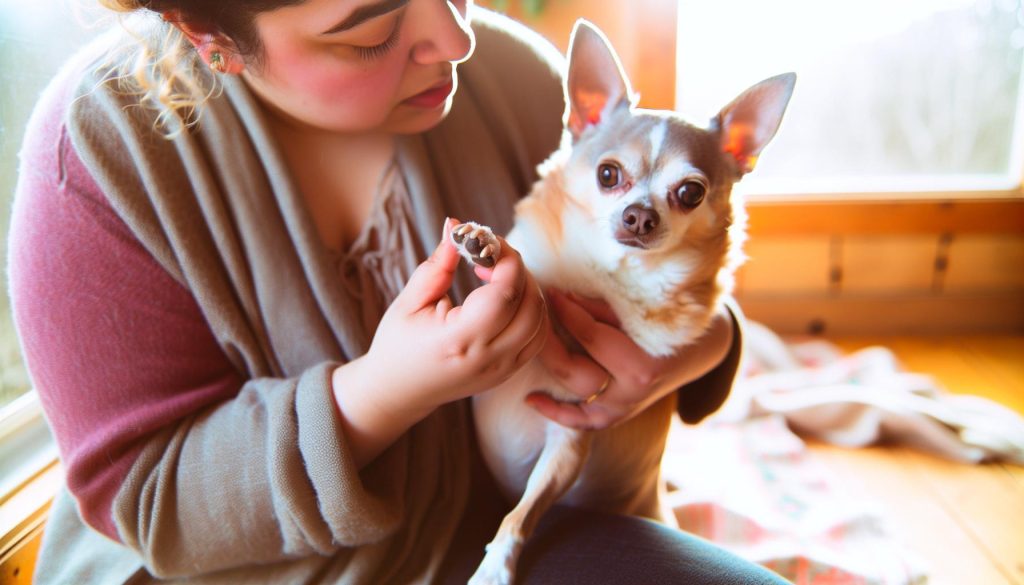
Chihuahuas, with their bold personalities and tiny frames, are endearing companions cherished by many. However, like any breed, they are prone to specific health issues that every owner should be aware of. From dental problems to heart conditions, understanding these common health challenges is crucial in ensuring your little friend lives a happy and healthy life.
As a devoted Chihuahua owner, you might worry about your pet’s well-being, especially given their unique vulnerabilities. By recognizing these potential health risks early, you can take proactive steps to provide the best care possible. This article will guide you through the most common health problems that Chihuahuas face, empowering you with knowledge to better support your furry friend. Let’s dive into what to watch for and how to keep your Chihuahua healthy and thriving!
Do Chihuahuas Experience Common Health Issues?
Chihuahuas, despite their petite size, can face several health challenges throughout their lives. These little pups may be bold and lively, but certain common health issues often arise due to their unique genetic structure and diminutive stature. Understanding these potential problems can significantly enhance your Chihuahua’s quality of life and help you become a more informed owner.
One of the most prevalent concerns for Chihuahuas is dental disease, often caused by their small mouths that can become overcrowded with teeth. This situation can lead to plaque and tartar buildup, which may result in gum disease or tooth loss if proper dental care isn’t maintained. Regular brushing and providing dental chews can help mitigate this risk.
Also notable are patellar luxations, a condition where the kneecap slips out of its normal position. This issue can cause limping or a reluctance to engage in physical activities. If your Chihuahua seems to be favoring one leg, it’s essential to consult your veterinarian, as early intervention can lead to better outcomes.
Moreover, heart problems, particularly heart murmurs and heart disease, are common in Chihuahuas as they age. Frequent vet check-ups including heart evaluations can help detect these issues early. Providing a balanced diet and maintaining a healthy weight are crucial measures to support heart health.
Hypoglycemia or low blood sugar is another concern, especially for younger Chihuahuas. Symptoms may include lethargy, seizures, or disorientation. Keeping an eye on your pup’s eating habits and providing small, frequent meals can help prevent this condition.
Being proactive and attentive to your Chihuahua’s specific needs can make a lasting difference in their health. Regular vet visits, a nutritious diet, dental care, and being alert for signs of discomfort are vital steps in ensuring your tiny companion thrives. With a little diligence, you can help your Chihuahua live a long, happy, and healthy life.
Understanding the Unique Health Risks of Chihuahuas
Chihuahuas are more than just tiny companions; they bring bold personalities and unwavering loyalty to our lives. However, their small size also makes them vulnerable to a unique set of health risks. Understanding these challenges is essential for every Chihuahua owner who wants to ensure a long and happy life for their furry friend. For instance, many Chihuahuas often face dental issues due to overcrowded teeth in their small mouths. This can lead to plaque buildup and, subsequently, gum disease if not managed properly. Regular dental care, such as brushing and dental chews, can significantly reduce these risks.
Another common health concern is patellar luxation, which occurs when the kneecap dislocates from its normal position. This condition can cause your Chihuahua to limp or avoid physical activity altogether. If you notice your pup favoring a leg or showing signs of discomfort, it’s crucial to consult your veterinarian. Early intervention can lead to better treatment outcomes and help your pet regain mobility more swiftly.
Heart problems, including murmurs and more severe heart diseases, are prevalent in aging Chihuahuas. Routine check-ups and heart health evaluations are pivotal in catching these issues early. Maintaining a healthy weight through a balanced diet and regular exercise can also support heart health, which is vital for our little friends.
Hypoglycemia poses another threat, particularly for younger Chihuahuas. Symptoms like lethargy or seizures can indicate low blood sugar levels. To prevent this, ensure you feed your pup smaller, frequent meals to keep their energy stable. By being aware of these unique health risks and taking proactive measures, you can help your Chihuahua lead a vibrant, fulfilling life filled with love and joy.
Top 5 Health Problems Chihuahua Owners Face
For Chihuahua owners, understanding the common health issues their beloved companions face is essential. These tiny dogs, known for their bold personalities and loyalty, can often experience a variety of challenges due to their small size and unique genetics. Here, we’ll explore five prevalent health problems that can affect Chihuahuas, ensuring you’re well-informed to keep your pup healthy and happy.
Dental Issues
Chihuahuas are particularly prone to dental problems, largely due to their smaller jaws that can lead to overcrowded teeth. This congestion can create an environment ripe for plaque buildup, which may result in gum disease if not addressed. Regular dental care is crucial. Brush your Chihuahua’s teeth several times a week and consider dental chews or toys to help keep their teeth clean and their gums healthy. A healthy mouth can prevent numerous health problems down the line!
Patellar Luxation
This condition occurs when the kneecap slips out of its normal position, causing discomfort and limping. It’s a common ailment in small breeds like Chihuahuas. Symptoms include reluctance to exercise or favoring one leg. If you notice such signs, a vet visit is essential. Early diagnosis is key; in many cases, lifestyle adjustments or surgical options can improve your dog’s quality of life significantly.
Heart Problems
As our Chihuahuas age, heart health becomes a critical concern. Conditions such as heart murmurs and congestive heart failure can emerge as they grow older. Routine vet check-ups are essential for monitoring heart health. Focus on maintaining a balanced diet and encouraging regular exercise to support their heart. A healthy weight is vital; even slight excess weight puts additional strain on their tiny hearts.
Hypoglycemia
Hypoglycemia, or low blood sugar, especially affects young Chihuahuas. Symptoms can range from lethargy to severe seizures. To help prevent these episodes, ensure that your Chihuahua has frequent, small meals throughout the day. Keeping their blood sugar stable is crucial for maintaining energy levels and overall well-being.
Obesity
Obesity is a growing concern among all dog breeds, and Chihuahuas are no exception. Their small size makes them prone to weight gain, which can lead to various health issues, including diabetes and joint problems. To combat obesity, provide a balanced diet and maintain an active lifestyle. Engage in regular playtime and consider interactive toys to keep them physically and mentally stimulated.
By being proactive and aware of these common health issues, you can ensure your Chihuahua lives a long, vibrant life filled with joy and companionship. Regular vet visits, a balanced diet, and attentive care can significantly influence your pup’s health trajectory, allowing you both to enjoy many happy years together.
How Size Impacts Chihuahua Health Challenges
Chihuahuas, with their pint-sized frames, face specific health challenges that can often be attributed directly to their small size. These adorable companions, while filled with personality and charm, are not immune to a variety of health issues that can arise as a result of their unique anatomical features. Understanding how their diminutive stature influences their well-being is crucial for ensuring they lead happy and healthy lives.
One notable concern is their susceptibility to dental issues. Due to their small jaws, Chihuahuas frequently have overcrowded teeth, increasing the likelihood of plaque buildup and gum disease. Regular dental care, including daily brushing and dental treats, can make a significant difference. Owners should prioritize oral hygiene, as a healthy mouth contributes to overall health.
Another common issue is patellar luxation, a condition where the kneecap dislocates from its normal position. This issue is more prevalent in smaller breeds and can lead to limping or reluctance to play. Early intervention is key. Regular check-ups with the veterinarian can catch this condition early and allow for lifestyle adjustments or, in severe cases, surgical options. Keeping your Chihuahua at a healthy weight through proper diet and exercise is essential in minimizing the risk of joint problems related to their size.
Moreover, the impact of size extends to gastrointestinal problems. Chihuahuas are particularly prone to low blood sugar (hypoglycemia), especially in puppies or those who have not been fed consistently. Keeping their meals small and frequent can help manage blood sugar levels. Administering 2-3 small meals daily rather than one or two large meals can aid in preventing these sudden drops.
Being aware of these size-related health challenges empowers Chihuahua owners to take proactive steps in care. By focusing on specific needs-like dental hygiene, weight management, and feeding schedules-owners can significantly improve their furry friend’s quality of life. Celebrating their quirks while being mindful of their health ensures that these tiny companions thrive in a loving and supportive environment.
The Importance of Regular Vet Visits for Chihuahuas
Regular veterinary check-ups are vital for ensuring the health and well-being of your Chihuahua. These little dogs may be small in size, but their unique anatomical structure leads them to face a range of health challenges that only a trained professional can accurately identify and manage. Regular vet visits allow for timely vaccinations, health screenings, and preventative care that can help detect potential issues before they evolve into serious problems.
One of the significant concerns with Chihuahuas is dental health. Due to their small mouths, overcrowded teeth can be commonplace, paving the way for dental disease. During visits, your vet can check for early signs of gingivitis or periodontal disease and recommend appropriate dental care strategies tailored for your pet. This regular monitoring is crucial as dental issues can lead to more systemic health problems, impacting your Chihuahua’s heart and kidneys.
Another critical aspect is the monitoring of weight and joint health. Many Chihuahuas are prone to patellar luxation and other joint-related issues, which can severely affect their quality of life. Regular vet check-ups provide opportunities for your veterinarian to assess weight, recommend exercise routines, and offer guidance on maintaining an ideal body condition score. By addressing these matters early, you can help your Chihuahua live a longer, healthier, and more comfortable life.
Moreover, regular visits to the vet can also aid in nutritional guidance. Given the Chihuahua’s specific dietary needs, particularly in preventing low blood sugar (hypoglycemia), your vet can help you create a balanced diet tailored to your little companion’s unique requirements. They can educate you on portion sizes, feeding schedules, and valuable supplements, ensuring your furbaby stays fit and energetic.
Ultimately, establishing a routine for vet visits fosters a trusting relationship with your veterinarian. This bond encourages open communication about any behavioral changes or health concerns, enabling you to provide the best possible care for your Chihuahua. Your tiny, vibrant companion deserves careful monitoring and proactive health management-regular vet visits are an indispensable part of that commitment.
Nutrition’s Role in Preventing Chihuahua Health Issues
Chihuahuas, those tiny bundles of joy, hold a unique place in the hearts of dog lovers, but their charming stature comes with specific health considerations that owners must be proactive about. Nutrition is a key player in keeping these spirited little dogs healthy and vibrant. A well-balanced diet can significantly prevent common health issues, making it crucial for every Chihuahua owner to understand the dietary needs specific to this breed.
Understanding Nutritional Needs
Given their small size, Chihuahuas have special dietary requirements that differ from larger breeds. They are prone to weight fluctuations and hypoglycemia, conditions exacerbated by poor nutrition. Choosing high-quality dog food designed for small breeds is essential. Look for formulas that are high in protein-chicken or fish should ideally be among the first ingredients-while also being rich in essential vitamins and minerals. Supplements might also be beneficial; omega fatty acids can promote a healthy coat, while probiotics can support digestive health.
Portion Control and Feeding Schedule
One of the biggest challenges for Chihuahua owners is managing portion sizes. It’s easy to overfeed these dogs due to their small appetites, which can lead to obesity and associated health problems, such as joint issues. A general guideline is to feed a Chihuahua two meals a day, with the amount depending on their age, activity level, and specific dietary needs. Always consult with your veterinarian to create a feeding plan that works for your furry friend.
Additionally, maintaining a regular feeding schedule can aid in preventing hypoglycemic episodes, especially in younger Chihuahuas who are at greater risk. It may help to include snacks that are healthy, like baby carrots or small pieces of apple, to keep their energy levels up between meals.
Real-Life Example
Take Luna, for instance, a lively apple-head Chihuahua who loves to chase her tail. Her owner noticed that her coat was starting to look dull and her energy levels were dropping. After consulting with her vet, they adjusted Luna’s diet to include a small amount of fish oil and added a high-protein kibble. Within a few weeks, Luna’s coat shone more brightly, and she bounced back with her lovable energy. This demonstrates how proper nutrition can turn things around, fostering a happier, healthier life for her.
In conclusion, being mindful of your Chihuahua’s nutrition not only aids in preventing health issues but also enhances their overall well-being. A thoughtful approach to their diet can lead to a happier and more energized little companion, making both your lives even more fulfilling. Remember, your tiny friend’s health is in your hands, and a balanced diet is the foundation for a long-lasting, joyful relationship.
Identifying Signs of Illness in Your Chihuahua
Recognizing when your Chihuahua might be unwell is crucial, especially given their small stature and unique health needs. Because Chihuahuas are so expressive, their changes in behavior might be subtle, yet these changes are often the first signs that something is off. Whether it’s a normally spirited apple-head who suddenly becomes lethargic or a feisty long-haired Chihuahua who stops barking, it’s important to be observant and proactive.
One of the primary signs of illness is a shift in appetite. If your Chihuahua refuses to eat or shows a disinterest in their usual treats, this could indicate dental issues, gastrointestinal problems, or more serious conditions. Moreover, sudden weight loss or gain can signal health issues. Regularly weighing your pet can help monitor these changes, so you can discuss any concerning trends with your veterinarian.
Changes in energy levels can also be telling. Chihuahuas are naturally lively, so if your little companion is unusually tired or seems disinterested in activities they typically love-like chasing after toys or going for walks-it could be time for a vet visit. Additionally, keep an eye on bathroom habits. If your Chihuahua is experiencing diarrhea or constipation, or if they are urinating more frequently than normal, these can be signs of infections or other health concerns.
Another critical aspect to watch for is your Chihuahua’s coat condition. A healthy coat should be shiny and free of excessive shedding or bald patches. If you notice your Chihuahua scratching more than usual or if their skin appears red or flaky, this could indicate allergies or skin infections. It’s also essential to monitor for any unusual lumps or bumps on their body, as these could be benign or warrant further investigation.
In summary, being attentive to your Chihuahua’s behavior, appetite, energy levels, and physical condition is key to identifying potential health issues early. As a devoted owner, you are your best ally in ensuring your furry friend maintains a healthy, happy life. Celebrate your Chihuahua’s quirks, but also be vigilant about their health-after all, prevention is always better than cure. Regular check-ups with your veterinarian will also help you stay ahead of any health concerns and keep your bold, tiny companion thriving.
Grooming and Its Impact on Your Chihuahua’s Health
Chihuahuas are not just adorable companions; their grooming needs play a pivotal role in their overall health and well-being. Regular grooming helps identify potential health concerns early, from skin issues to more serious conditions. With their tiny bodies and sensitive skin, the grooming routine you establish can significantly influence your Chihuahua’s comfort and health.
For your Chihuahua, grooming goes beyond simple aesthetics. Depending on whether you have a long-haired or short-haired variety, the grooming approach will differ. Long-haired Chihuahuas, for instance, require regular brushing to prevent mats and tangles, which can lead to skin irritation or infections if not managed. Aim for at least two to three times a week, and don’t forget to check for any hidden pests like fleas or ticks during these sessions. Short-haired Chihuahuas might shed more, but they still benefit from regular brushing to remove loose fur and reduce allergens in your home.
Paying attention to your Chihuahua’s ears is just as important. Their ears can trap dirt and moisture, creating an environment for infections. Regularly check and clean your Chihuahua’s ears with a vet-recommended solution, ensuring you dry them thoroughly afterward. If you notice any redness, swelling, or a bad odor, it’s time to consult your veterinarian.
Lastly, dental care is a crucial yet often overlooked aspect of grooming. Chihuahuas are prone to dental issues due to their small mouths, so dental hygiene is vital. Brushing your Chihuahua’s teeth several times a week can help prevent plaque buildup. Consider incorporating dental treats as a reward; not only do they clean teeth, but they also make your furry friend feel cherished and happy.
In summary, regular grooming tailored to your Chihuahua’s specific coat type and health needs can prevent numerous issues, keeping your pet comfortable and content. Embrace these grooming sessions not just as a chore, but as precious bonding time with your vocal, loyal, bold, tiny companion. Your observant care will aid in their health and happiness for years to come.
Genetic Disorders Commonly Found in Chihuahuas
Chihuahuas, with their bold personalities and vibrant presence, are generally healthy little creatures, but like any breed, they are not immune to genetic disorders. As a loving owner, understanding these potential health issues can help you take proactive steps in ensuring your furry friend lives a long, happy life. Awareness is crucial; being on the lookout for symptoms can help catch problems early, making veterinary intervention more effective.
One common genetic issue faced by Chihuahuas is patellar luxation, a condition where the kneecap dislocates from its normal position. This problem may lead to limping or difficulty walking, particularly after exercise or upon waking. Regular check-ups can help identify any tendency towards this condition early, allowing for preventive measures or treatments to be implemented.
Another significant concern is heart disease, particularly mitral valve disease, which is common among older Chihuahuas. Symptoms can be subtle initially-watch for persistent coughing or lethargy. Regular vet visits are essential as your vet can perform heart checks, and managing your Chihuahua’s weight can help reduce strain on the heart.
Chihuahuas are also prone to dental issues due to their small mouths, which can lead to overcrowding of teeth and subsequent periodontal disease. Establishing a dental care routine early on is vital. This includes regular tooth brushing, providing dental chews, and scheduling professional cleanings with a veterinarian.
Lastly, keep an eye out for signs of hydrocephalus, a condition characterized by an accumulation of cerebrospinal fluid around the brain. This mostly affects the apple-headed Chihuahua and can cause a range of symptoms from lethargy to an unusually shaped skull. If you suspect anything unusual, seeking a veterinary opinion promptly can make a difference.
Overall, by staying informed and maintaining regular veterinary care, you can address these genetic disorders effectively. Cherish those moments with your spirited companion, and remember that knowledge is your best tool for ensuring her health and happiness.
Tips for Keeping Your Chihuahua Healthy and Happy
Ensuring your Chihuahua remains happy and healthy is not just about regular check-ups; it’s a lifestyle that embraces their unique quirks and needs. These spirited little companions thrive on affection and attention. With their bold personalities, Chihuahuas need tailored care that considers their size, temperament, and specific health concerns.
Nutrition Matters
A well-balanced diet is foundational for your Chihuahua’s health. Given their small size, it’s crucial to choose high-quality dog food that meets their nutritional needs without overloading them on calories. Look for brands that list meat as the first ingredient and have limited fillers. Alongside quality kibble, consider incorporating fresh fruits and vegetables like carrots or blueberries in moderation as tasty treats. Just remember to avoid toxic foods such as chocolate, grapes, and onions.
Regular Vet Visits
Annual check-ups are essential to catch potential health issues early. During these visits, your vet can monitor weight, dental health, and perform screenings for common genetic issues. Don’t hesitate to discuss any changes in behavior, energy levels, or appetite, as these can be key indicators of underlying problems. An ounce of prevention often leads to a pound of cure!
Daily Exercise and Playtime
Despite their tiny stature, Chihuahuas are bundles of energy. Regular exercise is essential not only for weight management but also for mental stimulation. Daily walks, interactive playtime, and even puzzle toys designed for small breeds will keep your Chihuahua engaged and happy. Owners often share how a simple game of fetch in the living room has transformed a typical rainy day into a joyful adventure for their pup!
Grooming and Dental Care
Grooming isn’t just about aesthetics; it plays a key role in your Chihuahua’s health. Regular brushing helps prevent matting and reduces shedding, especially in long-haired varieties. Additionally, dental care is vital. Chihuahuas are prone to dental issues, so establishing a routine that includes brushing their teeth and offering dental chews can significantly reduce the risk of periodontal disease.
Incorporating these practices into your daily routine will not only help maintain your Chihuahua’s health but also deepen the bond you share. Celebrating their bold, loving nature with dedicated care ensures that your tiny companion enjoys a long and happy life by your side.
Managing Anxiety and Behavioral Problems in Chihuahuas
Chihuahuas are charming little companions, known for their bold personalities and unwavering loyalty. However, their spirited nature can sometimes lead to anxiety and behavioral issues. Understanding how to manage these challenges is essential for every Chihuahua owner. Whether it’s separation anxiety when you leave the house or fear responses to loud noises, recognizing these behaviors early can make a significant difference in your dog’s well-being.
A loving and stable environment is crucial for reducing anxiety in Chihuahuas. Consistent routines can help them feel secure, as predictability is key for managing their stress levels. Try to establish a daily schedule for feeding, walks, and playtime. For example, if your Chihuahua tends to get agitated during thunderstorms, create a safe space for him with his favorite toys, blankets, and perhaps some calming music, which can provide comfort when checking the weather isn’t an option.
Engagement through socialization can also combat anxiety. Gradually introducing your Chihuahua to various environments, people, and other dogs can help them become more adaptable and less fearful. Start with short outings and gradually extend the time you spend in new situations. During each outing, reward your Chihuahua with praise or treats for calm behavior, reinforcing confidence. Owners often share that their Chihuahuas have blossomed with just a little patience and exposure to the world outside their front door.
Physical exercise plays a vital role in dealing with anxiety as well. Daily walks and interactive play sessions can channel excess energy, which might otherwise lead to destructive behaviors or anxiety-driven barking. Puzzle toys designed for small breeds can also provide mental stimulation and help keep your Chihuahua focused and calm during times when you need to leave them alone.
In instances where anxiety seems particularly severe, it may be beneficial to consult with a veterinarian or a dog behaviorist. They can offer tailored strategies and may recommend behavioral therapy or, if necessary, medications to assist in managing anxiety. Always remember to celebrate the unique quirks of your Chihuahua; their vocalizations and spirited antics are part of what makes them special. With understanding and a bit of extra attention, you can help your beloved companion navigate his world comfortably and confidently.
When to Seek Specialist Care for Your Chihuahua
Recognizing when your Chihuahua needs specialist care is crucial in ensuring their health and happiness. Due to their petite size and unique physical characteristics, Chihuahuas can be predisposed to specific health issues that may require the expertise of a veterinarian or specialist. Signs that it’s time to seek specialized care often include persistent symptoms that don’t improve with standard treatment, notable behavioral changes, or the emergence of conditions that are common within the breed.
When considering the delicate health of your Chihuahua, keep an eye out for these key indicators:
- Unexplained Weight Loss or Gain: Sudden changes in weight can signal underlying health issues, such as dental diseases, hormonal imbalances, or even gastrointestinal problems.
- Persistent Coughing or Difficulty Breathing: Breathing troubles can be serious, especially in Chihuahuas, who are prone to tracheal collapse. If your dog shows signs of a chronic cough or wheezing, it’s time to consult a veterinary specialist.
- Joint Pain or Stiffness: Due to their small frames, Chihuahuas can develop issues like luxating patellas. If your little one shows discomfort when jumping or difficulty in movement, a visit to an orthopedic specialist can help.
- Incessant Vocalization or Changes in Behavior: If your Chihuahua’s typically bold and vocal demeanor shifts to excessive barking or uncharacteristic withdrawal, this may indicate anxiety or other behavioral issues that require professional intervention.
Chihuahuas can also be prone to genetic disorders, such as heart problems or eye issues. If your vet suspects any hereditary conditions, they may refer you to a specialist who can provide more comprehensive testing and treatment options that cater specifically to Chihuahuas. For instance, if your Chihuahua is diagnosed with patellar luxation, consulting with a specialist can offer targeted therapy, potentially including surgery if necessary.
Ultimately, keeping a close watch on your Chihuahua’s health and behavior is key. Regular vet visits are essential for monitoring their overall well-being, but trusting your instincts as an owner is equally important. If you feel that your Chihuahua isn’t quite themselves or if something seems off, don’t hesitate to seek a specialist’s care. Remember, your furry friend relies on you to advocate for their health, and addressing issues early can lead to better outcomes. Celebrate their vibrant personality by ensuring they receive the best care possible, keeping them happy and healthy for years to come.
Q&A
Q: What are the most common health concerns for Chihuahuas?
A: The most common health concerns for Chihuahuas include dental issues, patellar luxation, heart diseases like mitral valve disease, and obesity. Monitoring their weight and scheduling regular veterinary check-ups are essential to maintain their health and address any emerging issues early on.
Q: How can I prevent health problems in my Chihuahua?
A: To prevent health problems in your Chihuahua, provide a balanced diet, maintain a healthy weight, ensure regular exercise, and schedule routine veterinary check-ups. Important preventive care includes vaccinations and dental cleanings to avoid common diseases associated with the breed.
Q: At what age do health issues typically start in Chihuahuas?
A: Health issues in Chihuahuas can begin as early as three years old. However, many issues, like dental problems and obesity, can arise as they age. Consistent veterinary care and monitoring can help identify potential issues early.
Q: How does weight affect Chihuahua health?
A: Excess weight significantly impacts a Chihuahua’s health, leading to joint problems, heart disease, and diabetes. Keeping your Chihuahua at a healthy weight enhances their quality of life and longevity. Regular exercise and a controlled diet are key to prevention.
Q: What are the early signs of health problems in Chihuahuas?
A: Early signs of health problems in Chihuahuas include lethargy, changes in appetite, coughing, or difficulty breathing. Additionally, look for unusual behavior such as excessive whining or hiding, which may indicate discomfort. Regular monitoring can help catch issues early.
Q: Are Chihuahuas prone to specific genetic disorders?
A: Yes, Chihuahuas are particularly prone to genetic disorders such as brachycephalic airway syndrome, eye issues like cataracts, and certain heart conditions. Choosing a responsible breeder who screens for common genetic issues can help reduce the risk of these disorders.
Q: What role does grooming play in Chihuahua health?
A: Grooming plays a vital role in Chihuahua health by preventing skin issues and promoting hygiene. Regular brushing can help minimize matting, while routine dental care helps avoid periodontal disease. Incorporate grooming into your Chihuahua’s regular care routine for optimal health.
Q: When should I seek specialist care for my Chihuahua?
A: Seek specialist care for your Chihuahua if you notice persistent health issues like respiratory difficulties, severe allergies, or genetic disorders. Early referral to a veterinary specialist can provide targeted treatment and improve outcomes for chronic conditions.<|vq_776|>
In Summary
Understanding the common health issues that affect Chihuahuas empowers you as a devoted owner to provide the best care for your tiny companion. With proper attention to their unique needs-whether it’s regular vet check-ups for heart health or maintaining an optimal weight to prevent joint problems-you can ensure your pup lives a happy, healthy life.
If you’re eager to dive deeper into Chihuahua care, explore our articles on “Chihuahua Nutrition Tips” and “Top 5 Training Techniques for Miniature Dogs.” Don’t hesitate to share your experiences or questions in the comments below; we love hearing from fellow Chihuahua enthusiasts! Remember, staying informed and proactive is your best strategy. Subscribe to our newsletter for the latest insights and tips that celebrate your Chihuahua’s vibrant personality and address their health challenges. Your beloved fur friend deserves it!
Get our latest guides, news, and insights highlighted in your Google Search & AI Overviews.