

Did you know that Chihuahuas, despite their tiny stature, can have a surprisingly long lifespan? On average, these little companions live between 12 to 20 years, depending on various factors like genetics, health care, and environment. Understanding the longevity of your Chihuahua is crucial for every dog owner, as it helps you provide the best care tailored to their needs throughout their lives. Whether you’re a first-time owner or a seasoned Chihuahua enthusiast, knowing how to maximize their longevity can enhance your relationship and ensure a happy, healthy life for your feisty friend. In this guide, we’ll explore what contributes to the lifespan of Chihuahuas, including health tips, common concerns, and how to care for these bold little beings to help them thrive for many years to come.
Understanding Chihuahua Lifespan: Key Factors Affecting Longevity
Understanding the lifespan of Chihuahuas can be both a comforting and a challenging topic. These tiny companions, known for their bold personalities and unwavering loyalty, typically live a remarkable average of 12 to 20 years if they receive proper care. Several key factors contribute significantly to their longevity, including genetics, health care, and lifestyle choices.
Genetics play a crucial role in determining your Chihuahua’s lifespan. For instance, apple-headed Chihuahuas may have slightly different health considerations compared to deer-headed Chihuahuas. This genetic variance can influence susceptibility to certain health issues, such as heart problems or patellar luxation. Regular veterinary care, tailored to your Chihuahua’s specific breed characteristics, is essential. Conditions like dental issues are common in Chihuahuas due to their small size, making regular dental check-ups non-negotiable for maintaining their overall health and preventing more serious complications.
The environment you provide also has a significant impact on your Chihuahua’s life expectancy. Safe, engaging living spaces that cater to their unique needs help ensure they thrive. For example, a calm indoor environment can alleviate stress, which is crucial as Chihuahuas can be quite vocal and sensitive to their surroundings. Additionally, a nutritious diet is vital; high-quality, breed-specific food can enhance their energy levels and immune function. Regular exercise, appropriate for their stamina, keeps them fit and mentally stimulated, further contributing to a longer, happier life.
Ultimately, fostering a loving and safe environment while attending to their health needs can lead to a fulfilling life together with your Chihuahua. Consider not only the physical aspects but also the emotional companionship you share, as a happy Chihuahua is a healthy Chihuahua.
Common Health Issues in Chihuahuas and Their Impact
One of the most vital aspects of ensuring a long and happy life for your Chihuahua is being aware of the common health issues that can affect this tiny, vibrant breed. Chihuahuas, despite their small size, are known for their bold personalities, but they also come with their share of health challenges that can impact their longevity. Recognizing these potential issues early can lead to better management and care.
Chihuahuas are prone to a few specific health conditions, and understanding these can significantly influence how you care for your furry friend. Dental problems are among the most common issues; due to their small mouths, Chihuahuas often suffer from overcrowded teeth, leading to gum disease and tooth loss. To combat this, regular dental check-ups and at-home dental care, such as brushing their teeth and providing dental chews, are essential.
Another concern is patellar luxation, where the kneecap dislocates. This condition can lead to pain and difficulty in walking, and it’s more common in smaller breeds. If you notice your Chihuahua limping or holding up a leg, a vet visit is critical for proper diagnosis and management.
Additionally, heart disease is a significant threat, particularly in older Chihuahuas. They can be susceptible to mitral valve disease, which can develop silently until advanced stages. Regular vet check-ups and monitoring are key to catching any heart issues early. Ensure that your Chihuahua maintains a healthy weight, as obesity can exacerbate heart problems and lead to other health complications.
Finally, be on the lookout for signs of hypoglycemia, especially in newborns or young Chihuahuas. Low blood sugar can lead to weakness, lethargy, or even seizures. Regular feeding, along with treats or kibble, helps maintain their energy levels. In general, a balanced diet tailored to your Chihuahua’s needs plays a crucial role in preventing many health issues.
By staying proactive and attentive to these common health concerns, you not only enhance your Chihuahua’s lifespan but also improve their overall quality of life. Your dedication to their health can foster the loving companionship you both cherish, ensuring many vibrant years together.
Nutritional Needs for a Long, Healthy Life
To ensure your Chihuahua lives a long, vibrant life, a tailored diet is essential. Chihuahuas, known for their spunky personalities, have specific nutritional needs that support their health and energy levels. Their tiny bodies require nutrient-dense foods to maintain optimal health without overfeeding, which can lead to obesity-a common issue in this breed.
When selecting a diet for your Chihuahua, look for high-quality, commercial dog foods formulated for small breeds. These formulations are specifically designed to meet their energy requirements and promote dental health, which is crucial considering Chihuahuas are prone to dental issues. Consider the inclusion of protein sources like chicken, beef, or fish, as protein is vital for muscle maintenance and overall vitality.
Key Nutritional Considerations
- Portion Control: Due to their small size, Chihuahuas need smaller but frequent meals. Splitting daily food into multiple portions can prevent hunger and hypoglycemia, especially in puppies.
- Ingredient Quality: Look for foods that list meat as the first ingredient. Avoid foods with fillers like corn and soy, which provide little nutritional value.
- Fat Content: Healthy fats, like those from fish oil, support skin and coat health, keeping your Chihuahua‘s fur shiny and soft.
- Hydration: Always provide fresh water. Chihuahuas can be prone to urinary issues, so proper hydration is key to their health.
Real Owner Insights
Many Chihuahua owners find that incorporating fresh fruits and vegetables into their diets as treats-such as small bits of apple or carrot-can contribute benefits without excessive calories. However, be careful with common dog toxins like grapes or avocados.
Incorporating a raw food diet or homemade meals is also an option but should be balanced with careful consultation with your veterinarian to ensure you meet all essential nutrients. An owner shared that their Chihuahua thrived on a mix of high-quality kibble and home-cooked chicken and vegetables, resulting in a lively companion with great energy.
Ultimately, prioritizing your Chihuahua’s dietary needs through balanced and quality nutrition is a cornerstone of their care. A little diligence in their diet will pay off in their playful antics and companionship for many years.
The Role of Regular Exercise in Chihuahua Longevity
Regular exercise is a cornerstone of a healthy, long life for your Chihuahua. These little dogs might be small in stature, but they are packed with energy and curiosity. Engaging in regular physical activity not only helps maintain their weight but also supports their mental health and strengthens their bond with you. A well-exercised Chihuahua is typically a happier and less anxious companion, which can translate to fewer health issues over time.
Chihuahuas, whether they are feisty apple-heads or the more robust deer-head types, require different levels of exercise based on their age, size, and energy levels. Generally, a couple of short walks each day, combined with playtime, is sufficient. You might find that your pup enjoys a quick game of fetch in the yard or a fun chase with their favorite toy. Even a playful sprint down the hallway can get their heart rate up! Keeping those sessions varied and fun can support their physical well-being and keep them mentally stimulated.
It’s important to be mindful of the environment during exercise. Avoid very hot or cold weather, as Chihuahuas can be quite sensitive to extreme temperatures. Opt for indoor activities when conditions are less than ideal. Simple tricks and obedience training can be a fantastic way to tire them out mentally while also reinforcing good behavior. Some owners have shared how they incorporate small agility courses using household items to make exercise both stimulating and enjoyable. Each session should be tailored to your Chihuahua’s specific needs and preferences, ensuring they stay engaged and excited.
Ultimately, consistent exercise is vital for promoting a longer lifespan and enhancing your Chihuahua’s quality of life. By making exercise a regular part of your routine, you are investing in their health. Whether it’s a leisurely stroll or an energetic play session, these moments keep your little companion agile, happy, and ready for more adventures with you.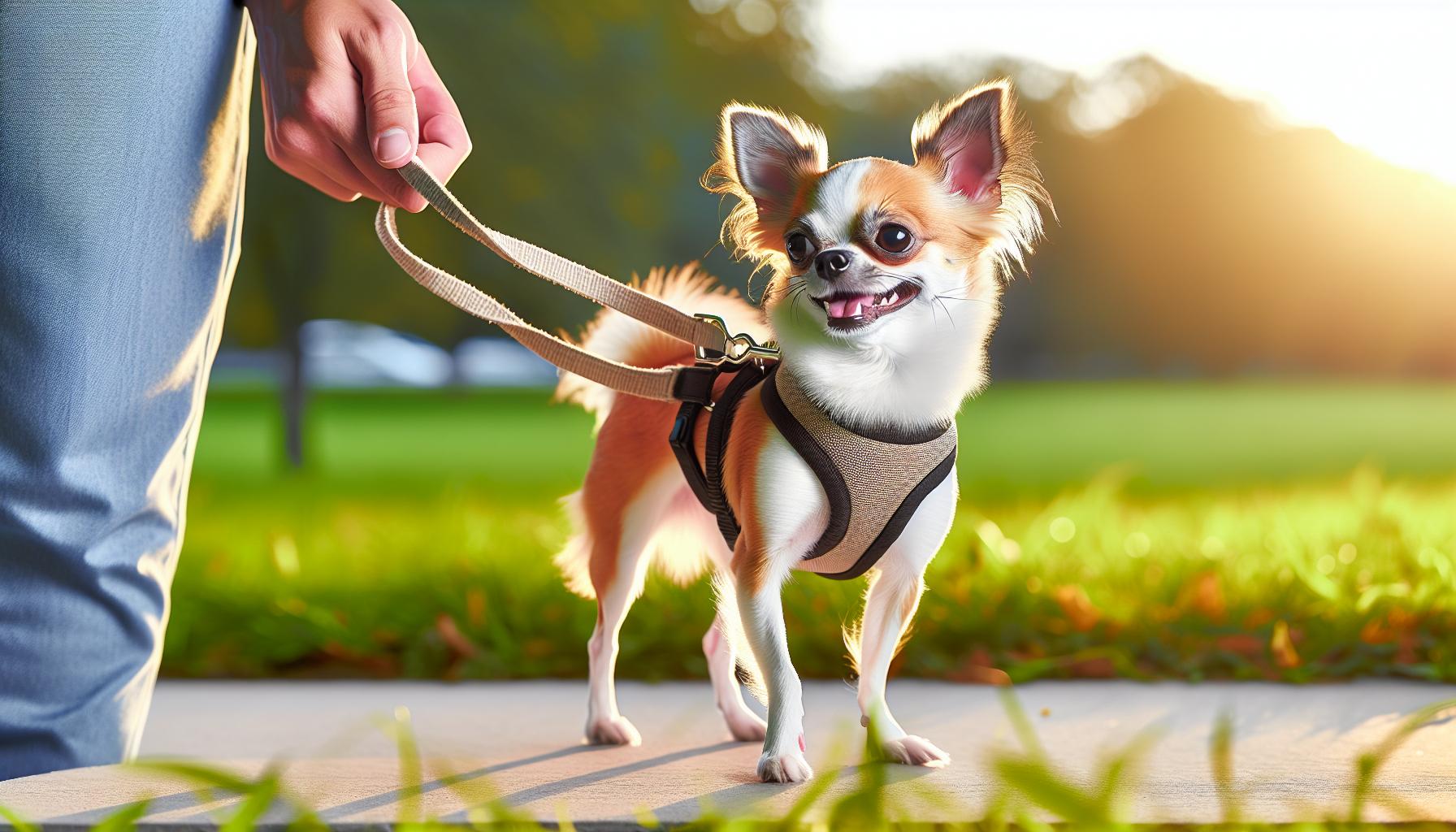
Grooming Tips to Enhance Your Chihuahua’s Lifespan
Maintaining a regular grooming routine is crucial for enhancing the lifespan of your beloved Chihuahua. These spirited little dogs, whether they sport a sleek coat or a fluffy, furry appearance, thrive on consistent care that goes beyond mere aesthetics. Grooming not only keeps them looking fabulous but also plays a vital role in their overall health and well-being.
One of the most essential aspects of grooming is brushing. For Chihuahuas, coat type dictates the frequency and method of brushing. Smooth-coated varieties typically require less maintenance and can be groomed once a week with a soft brush to remove loose hairs and distribute natural oils. In contrast, long-haired Chihuahuas will benefit from more regular brushing-aim for every other day to prevent mats and tangles, especially around the ears and tail. A little tip from seasoned Chihuahua owners: consider setting aside time for grooming as a bonding activity. Most Chihuahuas enjoy the attention, so use this time to cuddle and reassure your pup with gentle words.
Bathing and Nail Care
Bathing your Chihuahua is another critical component of their grooming regimen. Ideally, bathe her every three months, or as needed when she gets particularly dirty. Use a mild dog shampoo to avoid skin irritation. After bathing, thoroughly dry her with a soft towel, being wary of any drafts that could chill your little companion. Don’t forget about nail trimming; regular maintenance-every 3 to 4 weeks-can prevent painful tears and ensure she stays active and happy.
Dental Hygiene
Oral health is often overlooked but is crucial for prolonging your Chihuahua’s life. Small breeds are prone to dental issues, so establish a routine for brushing her teeth at least a few times a week. You can use a small dog toothbrush and toothpaste specially formulated for dogs. Many owners find that their Chihuahuas love the process, especially if they incorporate a tasty dental chew or treat afterwards.
In addition to these grooming practices, keep an eye out for signs of discomfort or skin issues. Regularly check her ears for dirt or wax buildup, and keep her eyes clean from tear stains. This proactive approach not only enhances her comfort but also helps catch potential health issues early.
By making grooming an enjoyable and consistent part of your Chihuahua’s life, you’re nurturing not just her beauty but also her happiness and health. Remember, a well-groomed Chihuahua is not just a joy to look at; she is also a happier, healthier companion by your side.
Vaccinations: Essential for Protecting Your Chihuahua
Keeping your Chihuahua safe and healthy starts with proper vaccinations, which are a vital part of their preventive healthcare. Vaccinations help shield your spirited little companion from serious diseases that can significantly impact their lifespan. For instance, diseases like parvovirus, distemper, and rabies can be fatal if contracted. By ensuring your Chihuahua is vaccinated according to your vet’s recommendations, you not only protect her health but also contribute to the overall well-being of the canine community.
It’s essential to begin vaccinations early in your Chihuahua’s life. Puppies typically receive their first vaccinations between six and eight weeks of age, and this regimen continues every few weeks until they are about four months old. After this initial series, regular booster shots will be required to maintain immunity as she grows into adulthood. Serious owners often share experiences about how their Chihuahuas thrived after they followed a diligent vaccination schedule, emphasizing how these preventative measures can extend their beloved companions’ lives.
In addition to standard vaccinations, discuss with your veterinarian about any region-specific vaccines that may be pertinent, such as for kennel cough or Lyme disease, particularly if you frequently visit dog parks or hiking trails. Your vet can create a tailored vaccination plan based on your Chihuahua’s age, health status, and lifestyle.
Finally, keep in mind that vaccinations not only protect your dog but also help prevent the spread of contagious illnesses to other dogs. Being a responsible owner means ensuring your Chihuahua’s health while contributing to community welfare. By staying on top of vaccinations, you lay the groundwork for a longer, healthier, and happier life for your cherished companion.
Creating a Safe Home Environment for Your Chihuahua
Creating a safe and nurturing environment for your Chihuahua is vital to ensuring their long, happy, and healthy life. These spirited little companions are renowned for their bold personalities and quirky behaviors, which can often lead to mischief if not properly channeled. For example, Chihuahuas are known to be vocal and protective, so establishing boundaries and safety measures within your home will help keep your tiny friend out of harm’s way and reduce potential stress for both of you.
Start by assessing your home for any hazards. Chihuahuas, particularly the apple-head variety, can be incredibly curious, so securing potentially dangerous areas is essential. Here are some key points to consider:
- Hazardous Materials: Store cleaning supplies, medications, and chemicals in cabinets that are out of reach. Chihuahuas often investigate new scents, and accidentally ingesting something toxic can have serious consequences.
- Small Objects: Keep small items like coins, buttons, and rubber bands out of reach, as these can pose choking hazards. Chihuahuas’ inquisitive nature means they might swallow something dangerous in their exploration.
- Furniture Stability: Ensure that furniture they might jump on is sturdy. A little Chihuahua can easily topple small tables or knock over decorative items in their excitement.
Designate a cozy and safe space within your home where your Chihuahua can retreat. This could be a quiet corner with a bed where they feel secure, or a dedicated crate that serves as their personal sanctuary. This space will not only provide comfort during stressful moments but also aid in training as they learn where they’re welcome to relax.
Moreover, be mindful of your Chihuahua’s interactions with other pets, especially larger dogs. Understanding their boundaries and providing appropriate supervision can prevent misunderstandings. If they are threatened or feel cornered by a bigger canine, their instinct may lead them to defend themselves in ways that might put them at risk.
Lastly, consider implementing baby gates if you have staircases or other areas where access should be limited. This simple measure can significantly reduce the possibility of accidents. Keeping your Chihuahua secure and safe in your home allows you to focus on nurturing the bond you share, making it easier for them to thrive in your loving care.
Mental Stimulation: Keeping Your Chihuahua Happy and Healthy
Engaging your Chihuahua’s mind is just as important as providing for their physical needs. These spirited little dogs, known for their bold personalities, thrive on mental challenges that keep them stimulated and happy. Boredom in Chihuahuas often leads to destructive behaviors, ranging from incessant barking to chewing furniture. Stimulating their minds can enhance their overall well-being and contribute significantly to a longer, healthier life.
Incorporating a variety of activities into your Chihuahua’s daily routine can make a world of difference. Here are some effective ways to keep their brains sharp and their spirits high:
- Interactive Toys: Invest in toys that require problem-solving skills, such as treat-dispensing puzzles. These toys not only entertain your Chihuahua but also encourage them to think critically to obtain their rewards.
- Training Sessions: Regular training not only teaches new commands but also reinforces good behavior. Chihuahuas are intelligent and enjoy the challenge of learning tricks. Positive reinforcement, like treats or praise, makes these sessions even more rewarding.
- Hide and Seek: This classic game can be modified for your Chihuahua by hiding treats around the house. Encourage your furry friend to sniff them out-the search taps into their natural instincts and keeps their minds active.
- Socialization: While Chihuahuas can be protective and vocal, exposing them to new environments, people, and pets can stimulate their social skills. Arranging playdates with other small dogs can foster social interaction and reduce anxiety.
Promoting mental stimulation can also be as simple as varying your daily walks. Instead of the usual route, explore new parks or neighborhoods, allowing your Chihuahua to experience fresh sights and smells. This not only keeps their interest piqued but also provides excellent sensory engagement, which is highly beneficial for their mental health.
Lastly, remember that a tired dog is a happy dog. Engaging your Chihuahua in mental activities, paired with regular physical exercise, can reduce anxiety and promote a sense of well-being. Some owners have found that introducing daily routines of playtime and learning can transform their dog’s behavior. For instance, one Chihuahua owner shares how teaching her apple-head Chihuahua to fetch not only provided exercise but also gave her dog a new outlet for energy, leading to a calmer household.
Mental stimulation is a key component of a fulfilling life for your Chihuahua. By keeping their minds active, you’re not only nurturing their happiness but also supporting their longevity.
The Importance of Regular Vet Check-Ups
Regular vet check-ups are an essential component of keeping your Chihuahua happy and healthy throughout her life. These tiny dogs, often surprisingly resilient, can face a number of health issues that could affect their longevity. Regular visits to the veterinarian allow for early detection and prevention of potential problems, ensuring that your furry companion lives her fullest life.
For Chihuahuas, common health concerns include dental disease, heart issues, and patellar luxation, among others. Your vet can help monitor these conditions and provide preventative care tailored to your dog’s specific needs. For example, Dr. Karen, a Chihuahua owner, shared her experience with her apple-head Chihuahua, Bella. During a routine check-up, the vet discovered early signs of dental disease, which Dr. Karen was able to address immediately. By keeping up with dentistry, she avoided a more serious condition that could have compromised Bella’s health down the road.
It’s not just about treating ailments; regular check-ups also ensure that your Chihuahua is up-to-date on vaccinations and preventative medications. These can guard against serious diseases, such as parvovirus and distemper, which can be fatal. Your vet can also recommend the appropriate flea and tick preventatives, keeping your Chihuahua safe from parasites that could interfere with her health.
Moreover, these appointments are opportunities to discuss behavioral changes or concerns you may have noticed in your Chihuahua. Is she more anxious than usual? Has she lost interest in her favorite activities? Open communication with your vet allows for tailored advice that can help manage her unique temperament. Just like nurturing her physical health, considering her mental well-being during these visits is crucial.
In summary, regular vet check-ups are vital in promoting a long and healthy life for your Chihuahua. They provide an invaluable opportunity for early detection, preventative care, and a chance to address behavioral questions. By fostering this routine, you not only celebrate every cherished moment with your tiny companion, but also take important steps to ensure many more years of joy together.
How Genetics Influence Your Chihuahua’s Lifespan
Genetics plays a crucial role in determining the lifespan of your Chihuahua, influencing not only their overall health but also their susceptibility to specific conditions. Each Chihuahua is a unique blend of inherited traits that can affect longevity. For instance, a Chihuahua’s genetic makeup may predispose her to certain health issues like heart problems, patellar luxation, and dental diseases, all of which can shorten her life if not properly managed.
Breed Variations
Chihuahuas come in two primary types: the deer-head and the apple-head. The apple-head Chihuahuas, while often favored for their distinct looks, may be more susceptible to certain health issues, particularly those related to their skull and jaw structure. Issues such as dental overcrowding and heart defects can appear more frequently in this variety. Understanding these genetic nuances can help owners provide better care tailored to their specific Chihuahua’s needs.
Importance of Responsible Breeding
When selecting a puppy, it’s essential to look for a responsible breeder who prioritizes health testing in their breeding program. Breeders should screen their Chihuahuas for genetic conditions common to the breed. By choosing a puppy from health-tested parents, you may enhance your chances of a longer-lived companion. Moreover, asking breeders about the lineage and known health issues can illuminate the genetic history that may influence your dog’s future.
Aging and Genetics
As your Chihuahua ages, her genetic predisposition will influence how well she copes with the challenges of seniority. For example, certain genetic markers can indicate a greater likelihood of developing age-related conditions like arthritis or diabetes. Regular vet check-ups become increasingly vital as your Chihuahua gets older. Discussing her genetic background with your veterinarian can inform a tailored health care plan, addressing any specific concerns or preventive measures needed to enhance her quality of life.
Ultimately, your Chihuahua’s genetic background is just one piece of the puzzle that makes up her lifespan. With attentive care, a balanced diet, regular exercise, and wellness checks, you can positively influence her health and longevity, allowing you both to enjoy many cherished years together.
Living Arrangements: Indoor vs. Outdoor for Chihuahuas
Chihuahuas thrive in environments that cater to their unique needs and personalities, making living arrangements a crucial factor in their overall well-being and longevity. This breed is known for its loyal and bold nature, often forming strong bonds with their human companions. While some owners may consider allowing their Chihuahua to spend time outdoors, the realities of this tiny breed make it essential to evaluate whether an indoor or outdoor lifestyle is more suitable for them.
Living indoors provides Chihuahuas with a safe, controlled environment, protecting them from potential dangers such as predatory animals, extreme weather conditions, and traffic. Chihuahuas are particularly vulnerable due to their small size; even a brief moment outside can lead to unexpected accidents. An indoor living space allows for temperature regulation, reducing the risk of overheating or hypothermia, which can be life-threatening for these little dogs. Plus, indoor living means they can be close to their humans, which is vital for their happiness and mental health.
However, physical activity is equally important for your Chihuahua’s well-being. To keep them physically fit and mentally stimulated, regular walks and playtime in a secure outdoor space is essential. Owners often devise routines that incorporate short outdoor sessions, which cater to their dog’s exercise needs while ensuring safety. Providing a secure leash, a fenced yard, or a designated play area can allow your Chihuahua to enjoy the outdoors without the associated risks.
In conclusion, while indoor living is generally safer for Chihuahuas, creating a balance that includes outdoor time in a secure manner can help enhance their quality of life. By understanding their needs and addressing both aspects, you can create an environment that nurtures her happiness, health, and longevity. Celebrate the playful energy and vocal spirit of your Chihuahua through engaging activities that keep her both physically active and emotionally fulfilled.
Owner Experiences: Real Stories on Caring for Chihuahuas
From their spirited barks to their tiny, but bold, personalities, Chihuahuas bring immense joy to their owners’ lives. Many owners have shared heartwarming stories that highlight the unique experiences of caring for these remarkable little companions. For example, Maria, who has an apple-head Chihuahua named Bella, recalls how Bella’s quirky habit of burrowing under blankets has not only provided her with comfort during cold nights but also keeps her family entertained. It’s these little idiosyncrasies that make every moment with a Chihuahua a treasured one.
Caring for a Chihuahua often involves addressing their specific health needs. John, a long-time Chihuahua owner, emphasizes the importance of regular vet check-ups. His beloved dog, Max, experienced early signs of dental issues-a common concern for the breed. After a few regular visits, coupled with a proper dental care routine, John saw a remarkable improvement in Max’s health and happiness. He shares, “Caring for Max properly means I get to enjoy his lively spirit for years to come.”
Nutrition is another critical aspect that owners passionately discuss. Sarah, a newer Chihuahua parent, learned early on that not all dog food is created equal. With her Chihuahua, Leo, she noticed that a high-quality diet made a significant difference in his energy levels and coat quality. She switched to a premium kibble specifically designed for small breeds, and she’s delighted by how much more vibrant and lively Leo has become. “It’s not just about feeding them; it’s about feeding them right,” Sarah advises, highlighting the profound impact nutrition has on a Chihuahua’s longevity.
Lastly, the role of social interaction and mental stimulation cannot be overlooked. Tom, who adopted his Chihuahua, Daisy, from a shelter, found that incorporating daily playtime into their routine not only bonded them but also kept Daisy sharp and engaged. Whether it’s hide-and-seek or teaching her new tricks, Tom ensures that every day offers new challenges. “Chihuahuas thrive on attention,” he points out, “and it shows in how happy and healthy Daisy is.”
These stories resonate with many Chihuahua owners, illustrating a common thread: the commitment to providing love, proper care, and attention ultimately enhances their Chihuahuas’ lives and longevity. Every story is a testament to the joys and challenges of this vibrant breed, and through shared experiences, owners can learn from each other and better understand their cherished companions.
Frequently asked questions
Q: What is the average lifespan of a Chihuahua?
A: The average lifespan of a Chihuahua ranges from 12 to 20 years. Factors influencing their longevity include genetics, diet, and overall health care. Providing them with a healthy diet and regular veterinary check-ups can help maximize their lifespan.
Q: How can I improve my Chihuahua’s lifespan?
A: To improve your Chihuahua’s lifespan, ensure they receive proper nutrition, regular exercise, and routine veterinary care. Engage them in mental activities and create a safe home environment to reduce stress and health risks. Regular grooming also contributes to their overall well-being.
Q: Do Chihuahuas have health issues that affect their lifespan?
A: Yes, Chihuahuas are prone to certain health issues, such as heart disease, dental problems, and obesity, which can impact their longevity. Regular vet visits and preventive care are essential to manage these risks and ensure a healthier life for your pet.
Q: What are common signs of aging in Chihuahuas?
A: Common signs of aging in Chihuahuas include reduced energy levels, changes in mobility, dental issues, and behavioral changes. Keeping a close eye on these signs can help you seek veterinary advice early on, potentially extending their quality of life.
Q: At what age should I start taking my Chihuahua for regular check-ups?
A: You should begin taking your Chihuahua for regular veterinary check-ups at around one year old. Routine visits can help catch any health issues early and include vaccinations, dental checks, and advice tailored to their age and health status.
Q: How does diet affect the lifespan of my Chihuahua?
A: A balanced diet directly impacts your Chihuahua’s lifespan, promoting healthy weight and disease prevention. Opt for high-quality dog food formulated for small breeds and consider consulting your vet for dietary recommendations tailored to their specific needs.
Q: Can spaying or neutering affect my Chihuahua’s lifespan?
A: Yes, spaying or neutering can positively affect your Chihuahua’s lifespan by reducing the risk of certain cancers and preventing health issues related to the reproductive system. This procedure also helps reduce behavioral issues often seen in unaltered pets.
Q: What is the impact of genetics on a Chihuahua’s longevity?
A: Genetics plays a significant role in a Chihuahua’s longevity. Inherited traits can predispose them to health conditions that affect their lifespan. Choosing a reputable breeder who screens for common genetic issues can enhance the chances of a longer, healthier life for your Chihuahua.
To Wrap It Up
As a Chihuahua owner, understanding their lifespan can help you provide the best care for your tiny companion. With proper nutrition, regular vet visits, and plenty of love, these spirited little dogs can thrive well into their senior years. Remember, a healthy lifestyle is key to maximizing their longevity. If you want to dive deeper into Chihuahua care, check out our guides on “Essential Health Tips for Chihuahuas” and “Understanding Chihuahua Behavior” for more insights.
Don’t forget to share your own experiences in the comments below! We love hearing about how your Chihuahuas are doing and tips that have worked for you. For ongoing tips and resources, consider signing up for our newsletter. Every little effort you make contributes to your Chihuahua’s happiness and health-let’s celebrate these bold and loyal companions together!
Get our latest guides, news, and insights highlighted in your Google Search & AI Overviews.