

Chihuahuas are known for their bold personalities and unique quirks, but when your little one yelps in pain upon being picked up, it can be concerning. This behavior often indicates an underlying health issue, such as injury or discomfort due to sensitivity in their tiny bodies. Understanding why your Chihuahua might react this way is crucial for both their well-being and your peace of mind. As a devoted Chihuahua parent, you want to ensure your companion feels safe, comfortable, and pain-free. In this guide, we will explore common causes of yelping and effective solutions to help you care for your beloved pet. Addressing these concerns promptly can lead to a happier, healthier life for your furry friend. So, let’s dive in and equip ourselves with the knowledge to enhance your Chihuahua’s quality of life!
Understanding Chihuahua Pain: Common Causes Explained
Understanding why a Chihuahua yelps when picked up can be key to ensuring their comfort and health. This little breed, known for its bold personality and strong bond with their owners, can sometimes express distress through vocalizations. Pain in Chihuahuas often stems from various underlying issues, which can be quite common given their unique physical characteristics and temperament.
One prevalent cause of discomfort is patellar luxation, where the knee cap dislocates from its normal position. This condition is more frequent in small breeds like Chihuahuas and can lead to sudden yelping, especially when they are lifted awkwardly. Another cause could be back or spinal issues, particularly because Chihuahuas have long spines relative to their body size. Conditions like intervertebral disc disease can cause significant pain and discomfort, prompting vocal reactions.
In addition to physical conditions, Chihuahuas can be prone to anxiety, which can manifest as yelping when picked up. Their size often means they feel vulnerable, and improper handling can exacerbate this feeling, leading to fear-based vocalizations. Furthermore, dental issues might also contribute to pain and discomfort. Chihuahuas are known for having dental problems, so if your furry friend has been yelping unexpectedly, consider checking their mouth for any signs of decay or infection.
Recognizing the signs of pain and understanding its common causes can empower you as an owner. It’s important to observe your Chihuahua’s behavior closely. Are they limping? Refusing to play? Such signs, combined with vocalizations, can guide you to the source of their discomfort. Remember, addressing pain quickly and compassionately can lead to a happier, healthier life for your beloved companion.
Signs Your Chihuahua is in Pain
Dogs, especially our beloved Chihuahuas, communicate a lot through their body language and behaviors. When they’re in pain, subtle signs may indicate something is wrong. Recognizing these signs is crucial to ensuring their well-being.
One of the first things you might notice is a change in behavior. If your Chihuahua is suddenly more withdrawn, avoids interacting with you, or fails to join in on playtime, this could signal discomfort. Look for physical changes too. Limping or favoring one leg, reluctance to jump off furniture, or difficulty getting up are key indicators your furry friend may be hurting.
Vocalizations extend beyond the characteristic barks and yelps we adore. If your Chihuahua frequently yelps when picked up or during normal activities, it’s a crucial sign of pain or discomfort. Many owners have noted this response, especially if their Chihuahua has a history of health issues like patellar luxation or spinal problems. Additionally, watch for any signs of aggression or irritability – if your normally cuddly companion suddenly snaps or growls when touched, he may be trying to tell you he’s in pain.
Another tell-tale sign of pain could be changes in their eating and drinking habits. A Chihuahua in pain may eat less or refuse food completely, so keep an eye on their bowl. Also, if they’re excessively licking a particular area or avoiding certain movements, it may indicate where they’re experiencing discomfort.
Here are some key signs to watch for:
- Unusual vocalizations (yelping, whimpering)
- Changes in behavior (withdrawn or aggressive demeanor)
- Limping or favoring a leg
- Reduced appetite or changes in drinking habits
- Excessive licking of a specific area
Connecting the dots between these signs and your Chihuahua’s behavior can help you better understand what he is feeling and help you respond with the care he needs. The most important thing is to trust your instincts as an owner; if you feel something is off, don’t hesitate to consult your veterinarian. Addressing discomfort early on can make all the difference, leading to a happier, healthier life for your little companion.
The Most Common Health Issues in Chihuahuas
Chihuahuas, with their lively personalities and strong bond with their human companions, can be prone to certain health issues that might explain why your little friend yelps when picked up. Understanding the most common health problems is key to ensuring a happy and healthy life for your pup. One of the most prevalent issues is patellar luxation, where the kneecap dislocates from its normal position. This condition often leads to sudden yelping or limping, especially if your Chihuahua jumps down from a height or is abruptly picked up.
Another significant issue to be aware of is intervertebral disc disease (IVDD), which can affect the spinal column, leading to pain and difficulty in mobility. Small breeds like Chihuahuas are particularly susceptible to this condition, and symptoms often include reluctance to jump and unusual vocalizations-most notably, a yelp when touched in certain areas. Dental problems are also common, as Chihuahuas can develop periodontal disease, which may cause pain that leads to changes in eating habits. Watch for signs such as reluctance to chew or visible discomfort while eating.
Recognizing Other Common Health Issues
It’s important to consider heart issues as well; Chihuahuas can suffer from heart disease such as mitral valve disease, which may show up with subtle signs like decreased energy or coughing, but can also cause sudden, painful responses if the heart is under strain. Additionally, some Chihuahuas may experience hypoglycemia, or low blood sugar, particularly if they skip meals or exert themselves more than usual. Symptoms include weakness, disorientation, and yelping due to sudden discomfort.
To keep your Chihuahua healthy, regular veterinary check-ups are essential. These visits provide an opportunity to catch any potential issues early and to monitor your dog’s weight and dental health. Being proactive in your dog’s care, understanding their unique needs, and providing a comfortable environment can help minimize the risk of these common health problems and ensure a long, happy life for your beloved companion. Use a gentle hand when lifting or handling your Chihuahua to avoid triggering any discomfort, paying close attention to their cues so you can respond swiftly to their needs.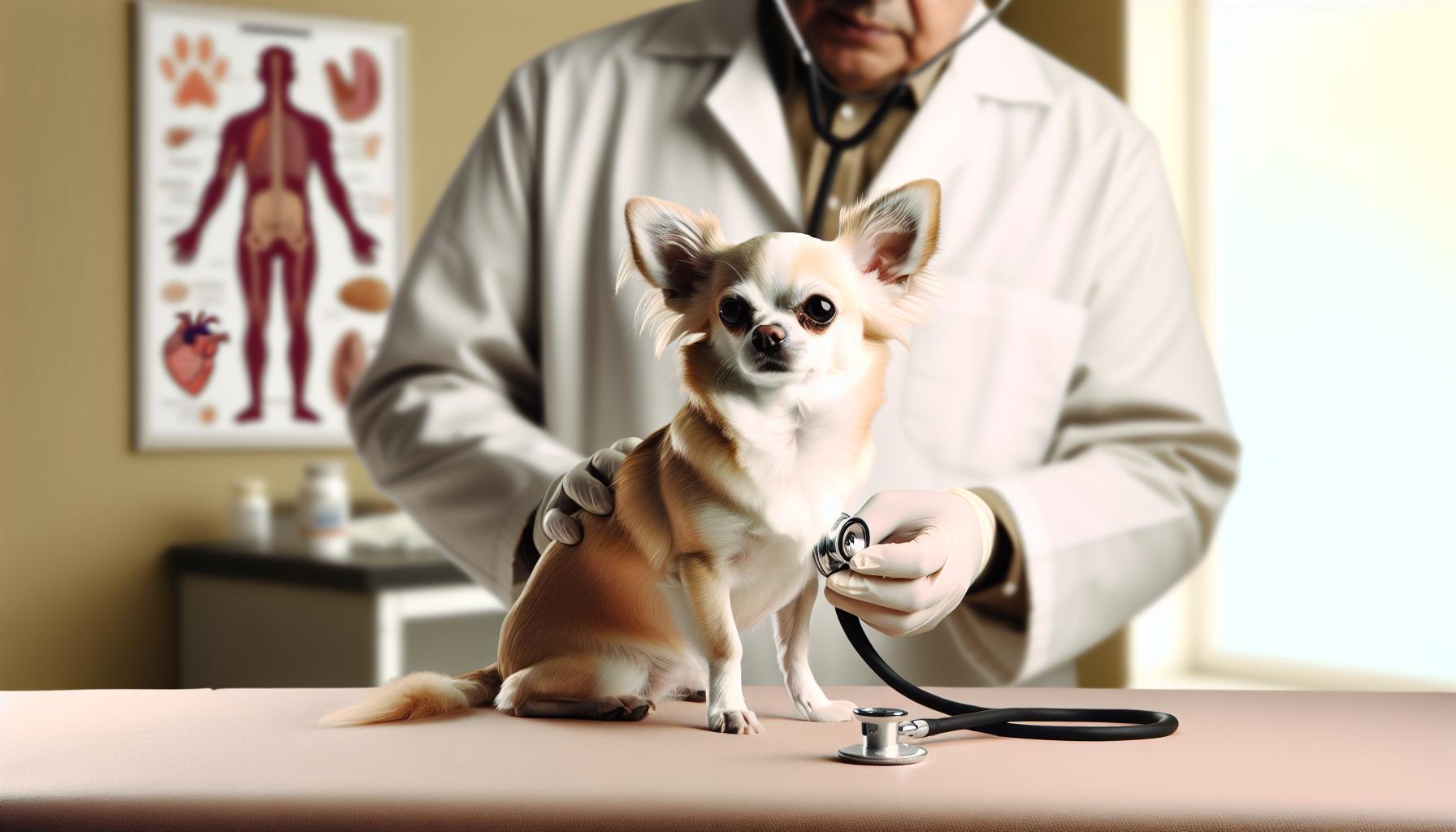
Why Do Chihuahuas Yelp When Picked Up?
When you hear your Chihuahua yelp as you pick him up, it can be distressing for both you and your little companion. This behavior often signals discomfort or pain, particularly given the breed’s sensitive nature and delicate physique. Chihuahuas are known for their bold, spunky personalities, but they also have a vulnerability due to their small size and specific health issues. Factors like patellar luxation, intervertebral disc disease (IVDD), or even a simple bruise can cause sudden yelping when they’re lifted.
Chihuahuas might yelp when picked up for several reasons, and understanding these triggers is essential for their care. Patellar luxation, a common disorder in small breeds, occurs when the kneecap dislocates. Often, you might notice your dog yelping or limping after jumping down from furniture or being abruptly lifted-a scenario that can put pressure on that dislocated knee. Similarly, if they have IVDD, any pressure on their back while being picked up could exacerbate their pain, leading to vocalizations that indicate distress.
It’s also important to highlight that Chihuahuas can be incredibly vocal for a reason. This expressive breed uses barking and yelping as a way to communicate their feelings. Sometimes, if your Chihuahua is feeling anxious or frightened, he might yelp not because of physical pain but due to emotional discomfort caused by being lifted in a way that seems threatening to him. Always approach your pup slowly and gently, reassuring him with your voice as you pick him up.
To help him feel secure and comfortable, use proper handling techniques. Always support his bottom and back, avoiding lifting from under the front legs, as this can create an unbalanced feeling. With time, patience, and gentle handling, you can build confidence in your furry friend, making lifting a more pleasant experience that fosters the strong bond you share with your Chihuahua. By recognizing the signs of pain and adjusting your approach, you can help ensure his safety and comfort, celebrating those vibrant quirks that make Chihuahuas so special.
Assessing Your Chihuahua’s Pain Level
can feel daunting, especially since they are small and sometimes difficult to read. Unlike larger breeds, Chihuahuas, with their bold yet delicate nature, may not always express discomfort in the way we expect. Pay close attention to subtle signs and changes in behavior, as these can indicate pain levels and help you make informed decisions about their care.
Start by observing his behavior. If your little companion suddenly seems withdrawn, refuses to play, or avoids certain activities like jumping or climbing stairs, these could be red flags. Look for physical signs such as limping, a hesitance to be touched, or changes in posture-he may hunch his back or tuck his tail if feeling discomfort. Extra vocalizations, such as whining or growling when you pick him up, can also indicate that he is in pain or uncomfortable, particularly in sensitive areas.
Behavioral Changes to Watch For
- Appetite Changes: A decrease in food intake can signify underlying issues.
- Increased Aggression or Irritability: If he becomes more snappy or irritable than usual, pain could be the cause.
- Sleep Patterns: Notice if he seems restless or has trouble finding a comfortable sleeping position.
In addition to behavioral observations, you might consider using a simple pain scale for your evaluation. On a scale from 1 to 5, with 1 being no pain and 5 being severe pain, rate how often you see signs of discomfort. If he reacts strongly to touch or movement, it could suggest a higher pain level. Consulting with your veterinarian can help confirm your observations and rule out any serious health issues.
Ultimately, being proactive about his pain assessment and understanding his unique signs will enhance your ability to care for him. Regular check-ups and thoughtful monitoring of his mood and demeanor will not only ensure he stays healthy but will also strengthen the bond you share with your feisty little friend.
Effective Home Remedies for Pain Relief
When your Chihuahua yelps upon being picked up, it can be heartbreaking to witness. It often signals discomfort or pain, prompting the search for effective home remedies to ease their distress. Fortunately, there are several ways you can provide relief right at home, allowing your little companion to feel more comfortable and secure.
First, consider using warm compresses for localized pain relief. A warm, damp cloth applied gently to the area where your Chihuahua seems to be hurting can help soothe muscle tension and improve blood circulation. Ensure the compress is not too hot-after all, Chihuahuas have sensitive skin and can easily become overheated.
It’s also essential to create a calm environment. Stress can amplify pain, so provide a quiet, cozy area for her to rest. A thick, soft blanket can act as a source of comfort, especially for older Chihuahuas who may feel extra vulnerable. Adding a few favorite toys can distract and cheer up your little friend, encouraging them to relax.
Additionally, consider natural supplements that promote joint health and pain relief. Glucosamine and chondroitin can support joint function and alleviate discomfort in Chihuahuas prone to arthritis or hip dysplasia. Always consult with your veterinarian before introducing any supplements to ensure they are appropriate for your Chi’s specific needs and health conditions.
Monitoring your Chihuahua’s diet can also play a significant role in her overall well-being. Ensure she is receiving a balanced diet rich in omega fatty acids, which promote skin and joint health. Adjusting her meals may not provide immediate relief but can contribute to her long-term comfort and vitality.
Implementing these remedies, coupled with attentive care and love, can significantly enhance your Chihuahua’s quality of life. Always pay attention to her behavior and consult your veterinarian if you notice persistent changes, as they can help tailor a more comprehensive pain management plan suited to her unique needs.
When to Seek Veterinary Attention for Your Chihuahua
When your Chihuahua yelps in pain, it’s like an alarm bell ringing-immediate attention is needed. Understanding when to consult your veterinarian can make all the difference in your pup’s health and happiness. Chihuahuas, with their petite frames and bold personalities, can be particularly sensitive to pain and discomfort. It’s crucial to listen to those little signals, as they may indicate underlying issues that need professional evaluation.
Monitor any behavioral changes closely. If your fur baby is suddenly more withdrawn, refusing to eat, or displaying unusual aggression or fear, these could be signs of pain. Additionally, look out for physical symptoms such as limping, excessive licking of a specific area, or difficulty standing up or jumping down. If your Chihuahua was once sprightly, darting across the room, and now seems reluctant to move, it’s time to take action. Record any changes in behavior to share with your vet, which can help them identify potential health issues more efficiently.
Chihuahuas are also prone to specific health conditions like patellar luxation, disc disease, and dental problems, all of which can cause significant discomfort. If your little one experiences continual yelping-especially if it occurs without clear provocation-or if you notice swelling or a limp that persists for more than a day, it’s essential to get them checked. Often, conditions caught early can lead to better outcomes, so never hesitate to reach out to a clinic if you feel uncertain.
Pain management in small dogs can be particularly nuanced, and your veterinarian will have the best insight into the specific needs of your Chihuahua. They may recommend diagnostic tests or X-rays to assess any injuries or health problems. Equally important, they can also suggest safe pain management strategies, tailored to the unique needs of the breed. In short, when in doubt, trust your instincts; you know your pet best. Taking swift action ensures your Chihuahua can return to their fiesty, lovable self in no time.
Safe Handling Techniques for Sensitive Chihuahuas
When handling your Chihuahua, especially if she’s sensitive or showing signs of pain, the approach is everything. These little sweethearts, known for their bold personalities tucked into tiny frames, require gentle and specific handling techniques to ensure their comfort and safety. Incorrect handling can not only cause physical harm but can also contribute to anxiety, leading to those heart-wrenching yelps we all dread when picking them up.
Start by always positioning yourself at her level. This means kneeling or sitting down, allowing your Chihuahua to approach you on her terms. A low posture reduces the pressure she might feel from above and helps her feel more secure. As you reach for her, use a calm and soothing voice to let her know you’re there to help, not to hurt. It’s crucial to be attentive to her body language-if she pulls away or seems uncomfortable, give her a moment before trying again.
When you successfully engage her, use both hands to support her body properly. Place one hand under her chest and the other under her hindquarters. This method provides her with full support, helping her feel secure as you lift her. Avoid sudden movements; Chihuahuas can be sensitive to abrupt shifts in position, and a jerk of your hand or arm could startle her, leading to yelping and potential injury. Always keep her close to your body to provide warmth and security as you carry her around.
Lastly, consider creating a designated “safe space” for your Chihuahua where she can retreat when feeling overwhelmed or in pain. This could be a cozy bed or a quiet spot within your home that she can access easily. Accustoming her to this space will not only provide comfort but will also make handling her easier-when you need to pick her up for grooming or vet visits, it’s likely she’ll feel more relaxed knowing she has a familiar place to return to afterwards. Always remember, a little love and extra caution go a long way in ensuring your Chihuahua remains the feisty and expressive companion you adore.
Tailoring Care for Older Chihuahuas
As your Chihuahua ages, their care needs evolve significantly. Older Chihuahuas often experience issues like joint pain, decreased mobility, and cognitive decline, which can lead to yelping when picked up-either from discomfort or fear. Understanding how to tailor their care during this stage is essential in ensuring their comfort and happiness.
First, focus on their environment. Create a cozy, accessible space where your Chihuahua can rest comfortably. Consider using soft, orthopedic bedding that provides support for their joints, especially if they have arthritis. Keep their living area free from hazards-like slippery floors or obstacles-to minimize the risk of falls. If your home has stairs, use baby gates to prevent unnecessary strain.
Nutrition also plays a vital role in your Chihuahuas’ health as they age. Consult your veterinarian for dietary recommendations that address their specific health issues. You might want to look into senior dog food that is lower in calories but rich in nutrients to support aging joints and maintain a healthy weight. Additionally, including supplements like omega fatty acids can have beneficial effects on their coat and joint health. Pay attention to body language; if your Chihuahua seems hesitant to jump onto their favorite perch, consider providing ramps or steps to make access easier.
Regular vet check-ups become increasingly important to catch and manage age-related health issues early. Be proactive about discussing any changes in behavior, such as increased yelping or reluctance to be handled, as these could indicate underlying pain or discomfort. If your Chihuahua has developed aversions to being picked up, it’s crucial to assess their pain levels and adapt your handling techniques accordingly. Always lift them gently and securely, ensuring they feel supported.
Lastly, don’t underestimate the emotional aspect of their aging. Just like us, older Chihuahuas can experience anxiety and confusion. Routine is comforting-keeping a consistent schedule for feeding, walks, and playtime can reduce stress. Treat them like the little royalty they are and shower them with love and attention, making sure they know they are your cherished companion, no matter their age. Your dedication to their well-being will not only help alleviate pain but will also contribute to a joyful and fulfilling life for your beloved Chihuahua.
Preventive Measures to Keep Your Chihuahua Pain-Free
Keeping your Chihuahua pain-free requires a proactive approach tailored to their unique needs, especially given their small size and delicate frames. One of the best preventive measures is to create a safe and accommodating environment. Ensure your home is well-structured for your furry companion by eliminating hazards like slippery floors and sharp corners. Using area rugs with anti-slip backs can provide traction; this is especially helpful for older Chihuahuas who may be prone to slips. A pet-safe space that’s easy for your Chihuahua to navigate reduces the risk of injury, keeping them happier and more secure.
Another crucial aspect to consider is proper nutrition. As a proud Chihuahua parent, feeding your dog a balanced diet specifically formulated for their age and health condition is essential. Speak with your veterinarian about tailored dietary plans that may include joint supplements or omega fatty acids, as these have been known to support joint health and mobility. Additionally, monitor your Chihuahua’s weight closely; maintaining a healthy weight can significantly decrease strain on their joints and back, minimizing pain and discomfort.
Regular veterinary check-ups are essential in catching potential health issues before they escalate. Given the breed’s predisposition to certain conditions, such as patellar luxation or dental problems, routine examinations will help keep track of their health. By staying on top of vaccinations and wellness checks, you can identify problems early on and address them promptly. Inform your vet about any behavioral changes, such as reluctance to be picked up or changes in activity level, as these may indicate underlying pain.
Finally, nurturing your Chihuahua’s emotional well-being is equally important. Chihuahuas thrive on attention and bonding. Establish a consistent routine for feeding, playtime, and cuddling-these simple actions can provide comfort and security. Remember, this little dog has a brave heart, often possessing a big personality, so don’t hesitate to shower your companion with love. By fostering a supportive and affectionate environment, you create a home where your Chihuahua feels safe and cherished, ultimately contributing to a pain-free and joyful life.
Understanding the Emotional Impact of Pain in Chihuahuas
Understanding your Chihuahua’s emotional landscape is crucial, especially when she’s experiencing pain. These petite powerhouses, known for their vibrant personalities, are acutely sensitive to discomfort, and their emotional state can significantly influence their behavior. When in pain, a Chihuahua may become withdrawn or uncharacteristically aggressive, which can bewilder and distress even the most seasoned owners. Recognizing their emotional response to pain is key in providing the support they need during these challenging times.
Chihuahuas tend to display a wide range of emotions, and their vocalizations can be particularly telling. If your little one yelps when picked up, it may not only signal physical discomfort but also anxiety or fear associated with the pain. For instance, a gentle apple-head Chihuahua like Bella, known for her playful antics, started yelping whenever her owner lifted her after a recent fall. This could have stemmed from a combination of lingering pain and fear of being hurt again. Understanding these layers of emotion can help owners respond with more care and tenderness, fostering a sense of security.
Emotional pain can also manifest in changes in behavior. You might notice your Chihuahua being less interested in play or cuddling, activities that typically bring her joy. This reluctance can be heartbreaking but is an essential red flag. By adjusting your approach and providing a calm, supportive environment, you can help your furry friend feel more at ease. Regular, gentle handling and positive reinforcement when she exhibits bravery can help restore her confidence and strengthen your bond.
Always remember that Chihuahuas thrive on routines and familiar interactions. Consistency in your approach-biting down on anxious moments with soft words and gentle gestures-can aid your little companion’s emotional recovery. Look for signs of comfort, such as relaxed body language or moments of playfulness, and celebrate those small victories. By staying attuned to their emotional needs, you can create a nurturing environment that not only addresses their physical discomfort but also promotes their overall well-being and happiness.
Frequently Asked Questions
Q: Why does my Chihuahua cry when I pick him up?
A: Your Chihuahua may cry due to pain, fear, or discomfort when being picked up. Common causes include joint issues, muscle strain, or anxiety. It’s essential to observe his behavior closely and consult with a veterinarian if the crying persists, especially if accompanied by other signs of distress.
Q: What should I do if my Chihuahua yelps when I hold him?
A: If your Chihuahua yelps when held, immediately stop lifting him to avoid causing further discomfort. Gently assess for any injuries or sensitive areas. If the yelping continues, contact your veterinarian for a thorough examination to rule out serious health issues.
Q: Can anxiety cause my Chihuahua to yelp when picked up?
A: Yes, anxiety can trigger yelping in Chihuahuas when picked up. They may feel insecure or fear falling. Providing a calm environment and utilizing supportive handling techniques can help alleviate this fear. Training and gradual acclimatization can also reduce anxiety.
Q: How can I tell if my Chihuahua is hurt or just scared?
A: Look for specific signs: if your Chihuahua is trembling, hiding, or avoids movement, he may be scared. Conversely, if he shows signs like limping, excessive whining, or sensitivity when touched, he might be in pain. Monitoring behavior can help differentiate these states.
Q: What are some safe ways to lift my Chihuahua without causing pain?
A: To lift your Chihuahua safely, support his body properly: place one hand under his chest and the other under his hindquarters. Use gentle and calm movements, maintaining a close hold to prevent sudden drops. This technique can minimize discomfort and promote safety.
Q: Are there any natural remedies for Chihuahua pain relief?
A: Yes, natural remedies such as warm compresses, turmeric supplementation, and omega-3 fatty acids can help relieve pain. Always consult your veterinarian before starting any new treatments to ensure they are safe and appropriate for your Chihuahua’s specific condition.
Q: When should I take my Chihuahua to the vet for pain-related yelping?
A: You should seek veterinary attention if your Chihuahua yelps continuously, exhibits unusual lethargy, refuses to eat, or shows signs of limping or swelling. Prompt veterinary care is crucial for identifying and treating underlying health issues effectively.
Q: How can I prevent my Chihuahua from becoming anxious when picked up?
A: To prevent anxiety, gradually get your Chihuahua used to being handled. Use treats and praise during short handling sessions to create positive associations. Consistency and patience are key in building his confidence when being picked up, making him feel secure and loved.
The Way Forward
If you’ve noticed your beloved Chihuahua yelping when picked up, it’s crucial to understand the underlying pain causes and effective solutions. Remember that our tiny friends can be sensitive due to their delicate size and specific health needs. Don’t ignore any signs of discomfort! Consider taking action today-whether it’s consulting your vet or adjusting how you handle your pup.
For more insights on Chihuahua care, check out our articles on common health issues and behavioral quirks. Curious about how to improve your Chihuahua’s comfort during handling? Explore our helpful guide on safe lifting techniques. Your tiny companion deserves the best care, and we’re here to support you every step of the way. Join our community of Chihuahua enthusiasts by signing up for our newsletter to receive tips and share your experiences in the comments below. Together, we can celebrate the unique boldness and loyalty of our Chihuahuas while ensuring their health and happiness!
Get our latest guides, news, and insights highlighted in your Google Search & AI Overviews.