

Did you know that the average Chihuahua weighs between 2 and 6 pounds? This tiny but spirited breed packs a lot of personality into a small package, making them beloved companions for dog lovers everywhere. Understanding the typical weight ranges of Chihuahuas is essential for both first-time owners and seasoned enthusiasts alike. Keeping track of your furry friend’s weight not only helps you ensure they’re healthy, but also allows you to embrace their unique quirks and strengths. Whether you’re contemplating adding a Chihuahua to your home or simply want to learn more about your existing buddy’s health, delving into their weight can provide valuable insights into their overall wellbeing. By the end of this article, you’ll have a clearer picture of what affects a Chihuahua’s weight and how to maintain their ideal size, ensuring a happy and healthy life together.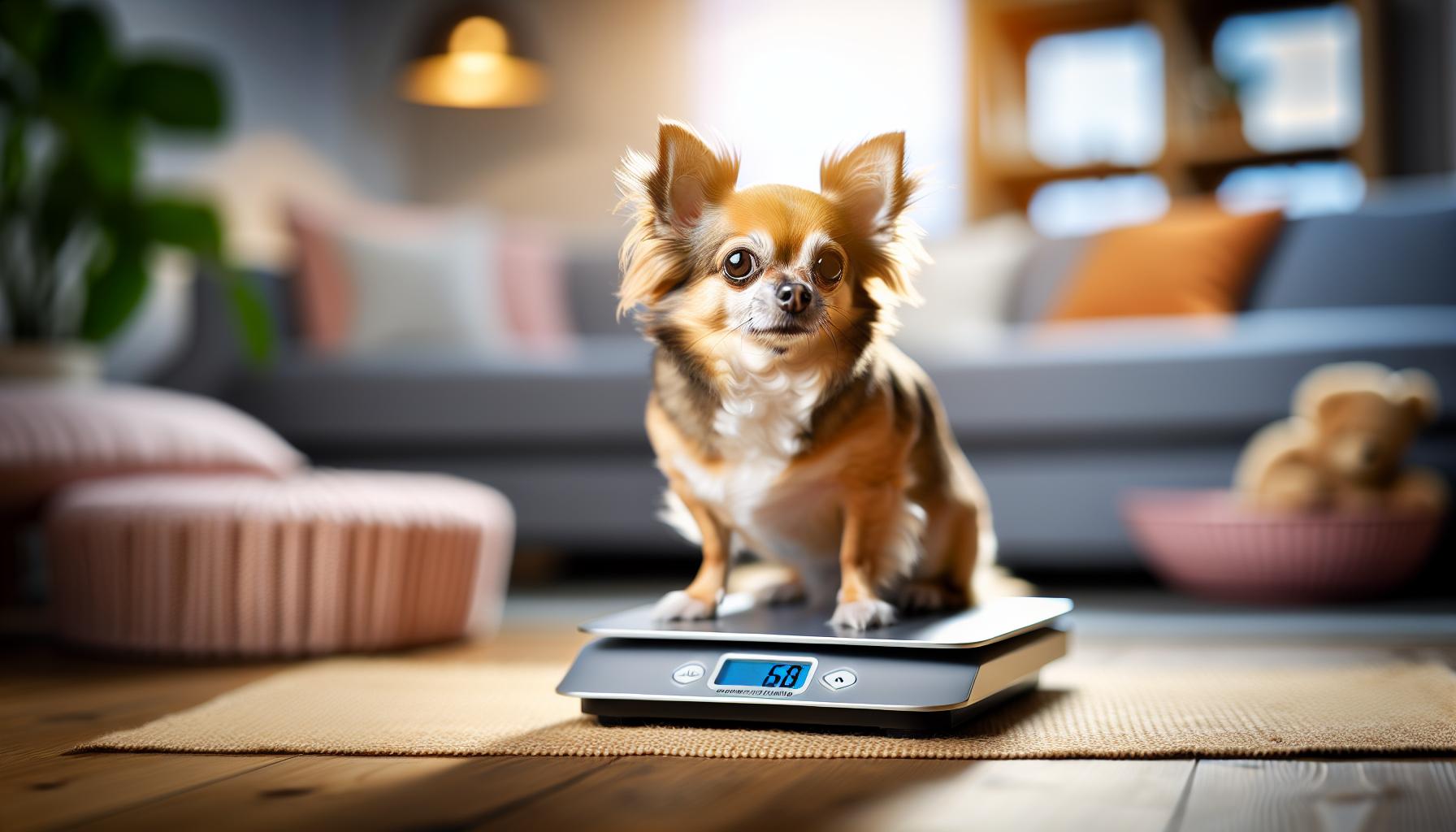
Average Weight of a Chihuahua: What to Expect
Chihuahuas are known for their petite size and big personalities. On average, these little companions weigh between 2 to 6 pounds. This weight range can vary significantly based on a few factors, including genetics, diet, and overall health. While it’s common for Chihuahuas to hover around the 4-pound mark, many factors can influence their individual weight, making it crucial for every owner to understand the unique needs of their furry friend.
Understanding Weight Differences
A Chihuahua’s size can be influenced by its breed type. For example, there are two primary head shapes: the apple head, known for its round, prominent skull, typically leans toward the smaller side, while the deer head has a longer muzzle and body, which can affect weight. Additionally, coat types, whether short or long-haired, don’t play a direct role in weight but can indicate differences in care and maintenance.
Weight Ranges by Age
When assessing the weight of your Chihuahua, it’s also important to consider their age. Puppies will weigh less but should be closely monitored as they grow. Here’s a simple breakdown of expected weight ranges:
| Age | Typical Weight Range |
|---|---|
| Newborn to 8 weeks | 1 – 2 pounds |
| 8 weeks to 4 months | 2 – 4 pounds |
| 4 months to 1 year | 3 – 6 pounds |
| 1 year and older | 3 – 6 pounds |
Maintaining a healthy weight is vital; owning a Chihuahua is about embracing their adorable quirks-like their bold personality packed into such a small frame. Regular weighing and monitoring will help ensure they’re not veering too far from their ideal weight range, promoting a longer and healthier life.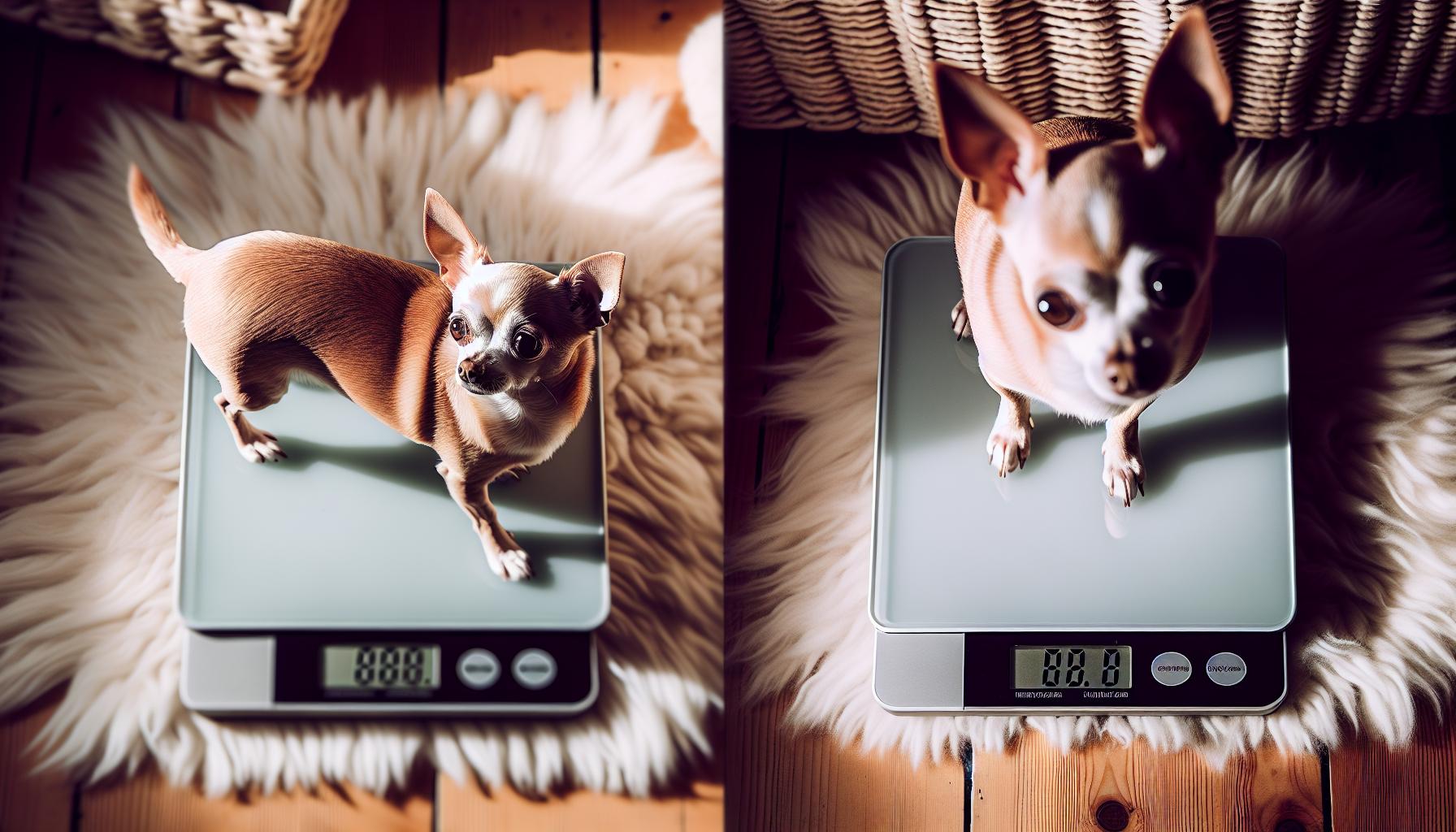
Factors Influencing Chihuahua Weight
Chihuahuas are charming little dogs, but their delicate size can be influenced by a variety of factors that every owner should understand. One of the primary influences is genetics. Just like in humans, a Chihuahua’s weight can be predetermined by their ancestry. If their parents were on the smaller side, it’s likely your dog will also be petite. This is especially true for Apple Head Chihuahuas, who tend to be smaller and lighter compared to their Deer Head counterparts.
Diet plays a crucial role as well. The type and amount of food you give your Chihuahua directly affect their weight. Since Chihuahuas have tiny stomachs, they need a balanced diet that provides sufficient nutrients without excessive calories. It’s essential to feed high-quality dog food tailored for their age and size, ensuring they’re not overfed or undernourished. Real owners have found success with portion control and regular feeding schedules to maintain a healthy weight.
Furthermore, activity level greatly impacts their overall weight and health. Chihuahuas are energetic little creatures, and they thrive on regular playtime and exercise. A couple of short walks or play sessions throughout the day can help burn off excess calories and keep them fit. Owners who incorporate interactive toys often notice their pets staying more active, which supports their weight management and overall well-being.
Lastly, health issues can also affect weight. Conditions like hypothyroidism or diabetes can lead to weight fluctuations, making it critical for owners to observe any sudden changes in their Chihuahua’s weight and consult a veterinarian when necessary. By being aware of these factors-genetics, diet, activity, and health-you can better understand and manage your Chihuahua’s weight, ensuring a happy, healthy life for your furry friend.
Understanding Different Chihuahua Types
Chihuahuas captivate dog lovers with their vibrant personalities and unmistakably petite stature. The breed comes in two main types that differ not only in appearance but also in temperament and care requirements: the Apple Head and the Deer Head. Understanding these differences is essential for any Chihuahua owner looking to provide the best environment for their dog.
The Apple Head Chihuahua features a rounded skull and a short muzzle, giving it a distinct appearance that is both cute and charming. This breed type typically weighs between 2 to 6 pounds and is often regarded as the more delicate of the two. Their larger, more prominent eyes can give them a curious and alert expression. Because of their small size, Apple Head Chihuahuas may be more prone to dental issues, so regular dental care is a priority. Their affectionate nature can also make them very attached to their owners, resulting in strong bonds that might lead to separation anxiety if not addressed early on.
On the flip side, the Deer Head Chihuahua sports a more elongated head and a longer muzzle, resembling a miniature deer in stature. These Chihuahuas can weigh slightly more, typically ranging from 4 to 8 pounds. They are often perceived as having a calmer demeanor compared to their Apple Head counterparts. Owners of Deer Head Chihuahuas frequently note their adaptability and sociability, making them excellent companions for families and other pets. While they may also encounter health issues, they tend to be a bit hardier and less prone to some genetic conditions associated with the Apple Heads.
Regardless of the type, every Chihuahua comes with unique quirks that reflect their lineage. They may be vocal, loyal, and unabashedly bold, embodying an essence that is larger than life despite their small size. As a proud owner, understanding the type of Chihuahua you have can guide you in providing tailored care that addresses their specific health needs, dietary preferences, and exercise requirements. Whether your furry friend is an Apple Head or a Deer Head, celebrating their individuality is what makes the Chihuahua experience a truly enriching one for both owner and companion.
Weight Ranges for Chihuahuas by Age
Knowing what to expect in terms of weight can help you keep your Chihuahua healthy and happy. Generally, a Chihuahua’s weight fluctuates through different stages of life, and understanding these ranges can be instrumental in ensuring your furry friend remains at an optimal weight.
Chihuahuas are tiny dogs, but their weight can vary significantly based on age and type. Puppies, for instance, will have a drastically different weight compared to fully grown adults. On average, during their first year, you can expect:
Puppy Weight Ranges
- Birth to 8 weeks: Chihuahua puppies typically weigh between 1 to 3 ounces at birth. By the time they reach 8 weeks, they can weigh anywhere from 1.5 to 2 pounds.
- 8 weeks to 6 months: From 2 to 5 pounds, Chihuahuas will grow rapidly. This period is crucial for their development and nutrition.
- 6 months to 1 year: By the end of their first year, most Chihuahuas will weigh between 3 to 6 pounds, depending on whether they are Apple Head or Deer Head.
Adult Weight Ranges
Once they reach maturity, their weight stabilizes. For adult Chihuahuas, the typical weight ranges are:
- Apple Head Chihuahuas: These charming little ones usually weigh between 2 to 6 pounds. They may be lighter, but that doesn’t affect their lively disposition.
- Deer Head Chihuahuas: Generally, they tend to range from 4 to 8 pounds and often appear a bit sturdier.
It’s essential to monitor your Chihuahua’s weight throughout their life. Engaging with other Chihuahua owners can be helpful. For instance, one owner shared that frequent weigh-ins helped her identify that her Apple Head Chihuahua was gaining weight too quickly, prompting her to adjust his diet. Regular vet visits can also aid in keeping your pet’s weight in check, allowing for timely intervention if needed.
Maintaining these weight standards not only ensures your Chihuahua stays fit but also promotes their overall health, preventing conditions such as heart disease and diabetes. Remember, each Chihuahua is unique, and individual factors such as genetics, diet, and lifestyle can influence their weight, so it’s always best to tailor care to your specific pup’s needs.
How to Accurately Weigh Your Chihuahua
To ensure your Chihuahua is maintaining a healthy weight, regular weigh-ins are essential. This tiny breed can be sensitive to weight fluctuations, and catching changes early can make all the difference in their long-term health. So how can you accurately weigh your little companion? Let’s break it down into simple, manageable steps.
First, you have a couple of choices for weighing your Chihuahua: a digital kitchen scale or a veterinary scale. Each has its pros and cons. If you opt for a kitchen scale, make sure it’s well-calibrated and can accommodate small weights, as Chihuahuas typically weigh only a few pounds. For a more precise measurement, you might consider visiting your vet, where a scale specifically designed for pets will provide an accurate reading.
Here’s a practical tip: for home weighing, place your Chihuahua on the scale while you’re holding them initially, note the weight, and then weigh yourself. After that, weigh yourself holding your Chihuahua again. The difference will give you her weight. Make this a routine, perhaps once a month, to monitor any fluctuations. Keep a record of these weights, as tracking changes over time can help you discuss concerns with your vet if needed.
When getting your Chihuahua onto the scale, make it a fun experience! Use treats or toys to encourage her to stand still. Remember, a calm pup will yield the most accurate results. Weighing after playtime or food can lead to inconsistencies, so aim to weigh her around the same time of day each time, ideally in the morning before meals.
Establishing this habit not only helps in maintaining her health but also reinforces your bond with her. Regular weigh-ins are a wonderful way to pay attention to her overall well-being, making sure this little ball of energy stays fit and vibrant. Keeping an eye on her weight should be an enjoyable part of taking care of her unique, bold personality, ensuring she remains the healthy, happy Chihuahua that you adore.
Common Health Issues Related to Weight
Chihuahuas, with their larger-than-life personalities packed into tiny bodies, can face several health issues related to weight. Understanding how body weight impacts their health is crucial for any Chihuahua owner aiming to maintain optimal well-being for their furry companion. Both underweight and overweight conditions can lead to serious health problems that affect their quality of life and longevity.
One common issue with overweight Chihuahuas is joint strain. Due to their small stature, excess weight puts added pressure on their joints, particularly in the knees and spine. This can lead to arthritis or other joint-related ailments, causing pain and mobility issues. For instance, a Chihuahua that is even slightly overweight might struggle with jumping on furniture or walking long distances, activities they love and thrive on.
In addition to joint problems, obesity also heightens the risk of heart disease in Chihuahuas. Like many small breeds, Chihuahuas are prone to heart conditions such as heart murmurs and more serious cardiovascular diseases. Fat accumulation around the heart can impair its function, leading to lethargy, fainting, or, in severe cases, life-threatening complications. Owners should closely monitor their pet’s weight and overall activity level to help mitigate these risks.
Conversely, an underweight Chihuahua can also experience health complications. They are at a higher risk for weakness, compromised immune function, and malnutrition. This can lead to increased susceptibility to infections and a gradual decline in health. For example, a newly adopted Chihuahua that appears too thin may not be receiving the appropriate nutrition or might be dealing with underlying health problems that need addressing. Regular veterinary check-ups can help identify these issues early on.
Preventing weight-related health issues involves a proactive approach to your Chihuahua’s diet, exercise, and regular veterinary care. By ensuring that your Chihuahua receives a balanced diet tailored to their specific weight and age, engaging in consistent play, and maintaining regular veterinary visits, you can help support their overall health and happiness. Recognizing that each Chihuahua is unique will help you cater to their individual needs, celebrating their quirks while ensuring they remain a vibrant part of your life for many years to come.
Maintaining a Healthy Weight for Your Chihuahua
is crucial, not just for their appearance but for their overall health and longevity. Chihuahuas may be small, but they come with big personalities that require careful management of their nutrition and exercise. Did you know that maintaining just a few extra ounces can significantly impact your Chihuahua’s joints and heart? This tiny breed is especially susceptible to weight-related health issues, making it essential for you to stay vigilant.
To ensure your furry friend stays within a healthy weight range, focus on a balanced diet tailored to his specific needs. Look for high-quality dog food that is appropriate for small breeds. Pay attention to the ingredients; protein should be the first item on the label, and it’s best to avoid foods with lots of fillers. Your Chihuahua may have different energy needs based on factors like age, activity level, and whether she is spayed or neutered. For a dog that is highly active, consider increasing her intake slightly, while a more sedentary pup may require less.
Portion control is key. Use a measuring cup to serve her meals to avoid overfeeding. It’s recommended to divide daily rations into two or more meals to keep her metabolism steady. Additionally, always be mindful of treats; these can quickly add up. Healthy options like baby carrots or small bits of apple can be great for rewarding good behavior without loading her up on empty calories.
Understanding Exercise Needs
Regular exercise is another cornerstone of maintaining a healthy weight. Chihuahuas might be small, but they have a lot of energy to burn! Aim for at least 30 minutes of exercise daily, which could include walks, playtime in the yard, or engaging in interactive games that stimulate her mind. Routine activities not only support her physical health but also strengthen your bond.
Monitoring her weight is critical too. Weigh your Chihuahua regularly to track any changes. Generally, a healthy adult Chihuahua should weigh between 2 to 6 pounds, depending on her age and build. If you notice she’s consistently gaining weight, consult your vet for advice tailored to her specific lifestyle and dietary needs.
Ultimately, keeping your Chihuahua at a healthy weight is about forming good habits early on that can be sustained throughout her life. Embrace her quirks and celebrate her size; a healthy Chihuahua not only looks good but feels vibrant and happy. Encouraging a loving routine around her care will make both of you thrive together, ensuring that your tiny companion enjoys a long and active life.
Nutrition Tips for Weight Management
Proper nutrition is the cornerstone of maintaining your Chihuahua’s health and ideal weight. As a proud owner of this spirited breed, you may already know that even a few extra ounces can affect their well-being. Chihuahuas require a balanced diet, and selecting the right food is crucial. Aim for high-quality dog food specifically formulated for small breeds, as these are designed to meet their particular needs. Look for options where protein is the first ingredient, as Chihuahuas thrive on protein-rich diets that support their energy levels and overall health.
When it comes to mealtime, portion control is vital. Many owners find success by using a measuring cup to serve their Chihuahua’s meals, eliminating the guesswork and helping to prevent overfeeding. Instead of providing one large meal, consider dividing her daily food into two or more smaller portions. This approach not only helps in managing their weight but also aids digestion and regulates metabolism. Remember, treats can significantly contribute to their daily caloric intake, so choose them wisely. Healthy options like tiny bits of cooked chicken or vegetables, such as carrots and green beans, can serve as nutritious rewards without the excess calories.
Chihuahuas come in various shapes and sizes, influenced by their genetics and individual activity levels. If your furry friend is on the more active side, her calorie intake may need a slight increase, whereas a more sedentary pup will thrive on fewer calories. It’s essential to monitor her weight and adjust her diet as needed-tracking her weight regularly will give you a better indication of any adjustments required in her feeding routine.
Lastly, incorporating a consistent feeding schedule helps your Chihuahua develop a healthy eating habit. A well-regulated routine, paired with quality food, not only keeps your little companion at her ideal weight but also ensures she’s vibrant and playful. Celebrate her unique personality while providing the necessary structure for her health, and enjoy the journey together as you nurture her into a thriving, energetic member of your family.
Exercise Needs for Your Chihuahua
Chihuahuas may be small, but their exercise needs are mighty! Despite their petite size, these feisty little companions require regular physical activity to maintain their health, energy levels, and mental stimulation. Engaging in daily exercise not only helps manage their weight but also fosters a strong bond between you and your Chihuahua, contributing to their overall happiness.
Incorporating playtime into your Chihuahua’s routine is essential. He may be tiny, but Chihuahuas are spirited and can outlast larger breeds in playful energy. Here are some effective ways to get your furry friend moving:
- Short Walks: Aim for two short walks a day, ideally in quiet, dog-friendly areas. This will not only expend energy but also satisfy their curiosity and social needs.
- Play Sessions: Use toys like balls or plush squeaky toys to engage your Chihuahua. Keep the sessions lively and interactive to stimulate his mind and body.
- Agility Games: Setting up small agility courses using household items can be a fun challenge! Chihuahuas are intelligent and can learn to navigate simple obstacles like cushions or chairs.
Remember, Chihuahuas are known for their bold personalities, so it’s crucial to make exercise enjoyable. He might not need hours of running, but consistent movement will keep him fit and happy. Also, pay attention to the weather; Chihuahuas can be sensitive to extreme cold or heat due to their small size. Offering indoor play options, such as tug-of-war or fetch, on particularly harsh weather days ensures he still gets his exercise without the elements affecting his health.
Lastly, watch for signs of overexertion. Unlike their larger counterparts, Chihuahuas can tire quickly, so it’s vital to strike a balance and adjust the activity level based on his age and physical condition. With regular exercise tailored to his unique needs, you’ll not only maintain a healthy weight but also celebrate the vibrant spirit that makes your Chihuahua one-of-a-kind!
Recognizing Signs of Overweight in Chihuahuas
Chihuahuas are marvelously bold and full of personality, but being tiny doesn’t mean they’re immune to weight issues. Understanding how to recognize when your Chihuahua may be overweight is crucial for their health and well-being. Being vigilant about their weight can prevent a host of health problems, ensuring your little companion remains vibrant and full of life.
One of the first things to note is how easily Chihuahuas can conceal weight gain due to their small stature. Generally, a healthy adult Chihuahua ranges between 2 to 6 pounds, depending on their type and genetics. If your furry friend is pushing the upper end of this range (or beyond), it’s time to take a closer look. Here are some key indicators to help you assess your Chihuahua’s weight:
Physical Appearance
- Rib Check: You should be able to feel your Chihuahua’s ribs without having to press too hard. If they’re buried beneath a layer of fat, he may be carrying excess weight.
- Waistline: Look from above; there should be a noticeable waist between the ribs and hips. An absent or rounded waistline can indicate overweight status.
- Abdominal Tuck: When you look at your Chihuahua from the side, his belly should have a slight upward tuck. A sagging belly is a common sign of weight gain.
Behavioral Signs
Additionally, monitor any changes in behavior. An overweight Chihuahua may show signs of lethargy, reduced playfulness, or difficulty in performing typical activities like jumping into your lap or chasing a toy. If your Chihuahua seems less enthusiastic about outdoor adventures or struggles to keep up during walks, it’s crucial to reassess his weight and activity levels.
Being a loving owner means being proactive in your Chihuahua’s care. Regular weigh-ins, combined with a balanced diet and consistent exercise, will help your little buddy maintain a healthy physique. Remember, it’s not just about looks; keeping your Chihuahua at a healthy weight is vital for his longevity and quality of life. A few simple checks and adjustments can ensure that your spirited little companion remains the joyful, active Chihuahua you adore.
When to Consult a Vet About Weight Issues
Recognizing when it’s time to consult a veterinarian about your Chihuahua’s weight can save you both from potential health issues down the line. Since this breed is small and can easily hide weight gain, being proactive is essential. If you notice your little companion consistently tipping the scales towards, or beyond, the 6-pound mark, it’s a good cue to get expert advice. Weight-related health problems, such as diabetes, heart disease, or joint issues, can stem from being overweight, and catching them early can make all the difference.
There are specific signs and circumstances that should prompt a visit to the vet. For example, if you’ve assessed your Chihuahua’s weight and found him to exhibit physical traits indicating excess pounds-like a lack of a defined waistline or difficulty performing everyday activities-these are strong indicators. Furthermore, even if your dog is within a generally healthy weight range but seems increasingly lethargic or disinterested in activities he once loved, it’s worth getting a professional opinion.
During your visit, a vet can provide a thorough weight assessment and recommend a tailored weight management plan. This may include dietary changes and customized exercise regimens. Your vet can also guide you on creating a weight chart specific to your Chihuahua’s age and type, helping you track his progress effectively. Keep in mind that even slight adjustments to his diet or exercise routine can lead to significant improvements over time.
Finally, consult with your veterinarian whenever you’re unsure. As a loving owner, it’s vital to prioritize your Chihuahua’s health. By taking these steps, you ensure not only longer life but a happier, more active life for your loyal, vibrant companion. Remember, every little thing counts, and your commitment to his health will strengthen that special bond you have with your tiny superstar.
Celebrating Your Chihuahua’s Unique Size and Personality
Chihuahuas are not just small dogs; they are vibrant little personalities wrapped in fur! With an average weight ranging typically from 2 to 6 pounds, these tiny companions come packed with charm and character that are larger than life. Whether your Chihuahua is an adorable apple-headed beauty or a sleek deer-head with a unique coat, each has a captivating presence that can light up any room. Their size allows them to fit snugly in your lap, making them perfect cuddle buddies, yet they often carry a bold demeanor that can surprise any visitor.
Every Chihuahua brings its own quirks. Many are known for being vocal, using their voices to express joy or alert you to any happenings around the house. Their loyalty is unmatched; they often form strong bonds with their chosen humans and show immense affection in their playful antics. It’s not uncommon to find a Chihuahua proudly patrolling their territory, despite their small stature, barking at much bigger dogs. This fearless spirit truly defines the breed, making them delightful companions.
Celebrate your Chihuahua’s one-of-a-kind personality by embracing their uniqueness. Encourage play and exploration, and understand that their size does not limit their energy levels or intelligence. Engage them with toys, puzzles, and interactive play. For first-time owners, remember that consistency and positive reinforcement are key to training. Experienced owners will appreciate the distinct behavioral traits that make this breed both challenging and rewarding.
In essence, each Chihuahua, regardless of their weight, embodies a spirit that is both playful and affectionate. With the right care, they thrive not just as pets but as essential members of the family, bringing joy and laughter into your life. Embrace the quirks and celebrate their individuality-these are what make Chihuahuas such beloved companions.
Frequently Asked Questions
Q: What is the ideal weight range for a Chihuahua?
A: The ideal weight range for a Chihuahua is typically between 2 to 6 pounds. This range can vary based on the Chihuahua’s size and frame. Ensuring your Chihuahua remains within this healthy weight range is crucial for their overall health and longevity.
Q: How does aging affect a Chihuahua’s weight?
A: As Chihuahuas age, their metabolism slows down, which may lead to weight gain if their diet and exercise routine aren’t adjusted. Regular health check-ups can help monitor weight changes and ensure your Chihuahua maintains a healthy weight throughout its life.
Q: Are there behavioral signs that indicate a Chihuahua is overweight?
A: Yes, common behavioral signs that your Chihuahua may be overweight include difficulty in jumping or climbing stairs, reluctance to engage in play, and excessive panting after light activities. Monitoring these behaviors can help you manage your dog’s weight effectively.
Q: What can I do to help my Chihuahua lose weight?
A: To help your Chihuahua lose weight, focus on portion control and a high-quality diet with lower calories. Incorporating more exercise such as daily walks or playtime is essential. Consider consulting your vet for a personalized weight loss plan.
Q: How often should I weigh my Chihuahua?
A: It’s advisable to weigh your Chihuahua at least once a month. Regular weigh-ins can help track any weight fluctuations and ensure that your dog stays within the healthy weight range. Use a consistent scale for accurate measurements.
Q: Can health conditions affect a Chihuahua’s weight?
A: Yes, various health conditions can influence a Chihuahua’s weight. Conditions like hypothyroidism and diabetes may cause weight gain or loss. It’s important to consult your veterinarian if you notice significant weight changes, as they can help identify underlying issues.
Q: What is the difference in weight between male and female Chihuahuas?
A: Generally, male Chihuahuas tend to be slightly larger than females, with males typically weighing around 3 to 7 pounds while females may weigh 2 to 6 pounds. However, weight can vary significantly based on individual genetics and health.
Q: What type of diet is recommended for maintaining a Chihuahua’s weight?
A: For maintaining a healthy weight, a high-quality, balanced diet rich in proteins and low in fillers is recommended. Consult your veterinarian for specific diet recommendations that suit your Chihuahua’s age, size, and activity level.
To Conclude
Understanding a Chihuahua’s average weight and size is just the beginning of caring for this unique breed. Whether you’re a first-time owner or a seasoned Chihuahua enthusiast, knowing how to meet their health and behavioral needs is crucial. Don’t forget, their adorable quirks-like being vocal and fiercely loyal-make them the delightful companions they are.
Ready to dive deeper? Explore our articles on Chihuahua care tips and health resources to ensure your little friend thrives. Have questions or experiences to share? We invite you to join the conversation in the comments below! If you’d like to stay updated on all things Chihuahua, consider signing up for our newsletter for expert advice and community stories. Your journey with your furry companion is just starting-let’s make it a great one together!
Get our latest guides, news, and insights highlighted in your Google Search & AI Overviews.