

Did you know that understanding when Chihuahuas stop growing can significantly impact their care and training? As tiny but mighty companions, Chihuahuas have unique growth patterns that every owner should be aware of. Typically, these spirited little dogs reach their full height around 9 to 12 months, but their weight and overall health can fluctuate well into their second year. This growth trajectory is crucial for first-time and seasoned owners alike, as it informs everything from nutritional needs to exercise routines. By grasping the stages of growth, you can ensure your Chihuahua thrives, maintaining both their physical health and bold personality. So, let’s explore just how long your Chihuahua will continue to grow, and what it means for their overall well-being!
Understanding Chihuahua Growth Stages

Chihuahuas grow at a fascinating pace, and understanding their growth stages can help you provide the best care possible during their formative years. Typically, these little companions reach their full height around 6 to 9 months of age, but their weight can continue to fluctuate until they are about a year old. This period is crucial for your Chihuahua’s development, as they experience not just physical changes but also emotional growth and behavioral maturation.
During the first few months, your Chihuahua will undergo rapid growth. As a puppy, he might weigh just a few ounces, but by the time he reaches his first birthday, he could weigh anywhere from 3 to 6 pounds, depending on whether he is an apple-head or a deer-head. It’s essential to monitor this growth closely, as it can provide insights into his overall health. A well-balanced diet with appropriate calories is vital-look for puppy formulas that support their energy needs without causing excessive weight gain.
As your Chihuahua matures, you may notice changes in behavior, too. Young Chihuahuas are often exuberant and playful, but as they transition into adulthood, they may become more laid-back and even a little more selective about their playmates. Keep in mind that socialization during these early growth stages is crucial, as it can help him develop confidence and reduce anxiety in unfamiliar situations.
Be attentive to signs of healthy growth, such as a shiny coat, clear eyes, and appropriate energy levels for his age. Any drastic changes in weight or behavior should prompt a visit to your veterinarian to rule out potential health issues. Regular check-ups and vaccinations are not just good for health but also help track your Chihuahua’s growth and development stages.
In conclusion, by familiarizing yourself with the various stages of growth, monitoring your Chihuahua’s diet and behavior, and providing a nurturing environment, you’ll not only support his physical health but also foster a strong, loving bond that lasts throughout his life.
When Do Chihuahuas Reach Their Full Size?
The journey of a Chihuahua from a tiny puppy to a fully grown companion is both exciting and enlightening. Many owners wonder at what age their Chihuahua will stop growing, and while the answer varies among individuals, there are some general guidelines. Typically, Chihuahuas reach their full height around 6 to 9 months of age. However, their weight can continue to fluctuate and stabilize until they are about a year old. This means that while their bones and height have settled, their little bodies may still be filling out and adjusting to their adult size, reaching an ideal weight between 3 to 6 pounds.
Understanding the growth stages of your Chihuahua is crucial for ensuring they thrive. Factors like genetics, diet, and overall health can influence their growth trajectory. For example, an apple-head Chihuahua may have different weight expectations compared to a deer-head. Keep in mind that although size and weight are important, the health of your pup is paramount. Regular veterinary check-ups will help monitor any potential growth issues and keep their health in check during these formative months.
As your Chihuahua matures, you’ll notice not just physical growth, but behavioral changes as well. Young Chihuahuas are often bundles of energy, but as they approach adulthood, they may mellow out a bit. This is a great time to reinforce training and socialization practices, which are essential for their well-being. By 12 months, most Chihuahuas will have established their personality traits, and understanding these changes can greatly enhance your relationship with your loyal companion. Remember, growth isn’t just physical; it’s also about developing a bond built on trust and understanding as your Chihuahua steps confidently into adulthood.
Factors Affecting Growth in Chihuahuas

The growth journey of a Chihuahua is influenced by a blend of factors, each playing a vital role in shaping your little companion. First and foremost, genetics cannot be overlooked. The size and build of both the puppy’s parents significantly affect how big he is likely to grow. For instance, if both parents are on the smaller side-3 to 5 pounds-you can expect similar traits in their offspring. In contrast, a Chihuahua with larger parents may reach a heavier weight, even if he looks delicate in stature.
Another critical element is nutrition. It’s essential to provide a balanced diet that meets your puppy’s specific needs throughout his growth stages. Chihuahuas, particularly during their formative months, require high-quality protein and fat for healthy muscle development and energy. Foods rich in Omega fatty acids not only boost growth but also support a shiny coat and healthy skin. Be mindful of portion sizes to prevent overfeeding, as Chihuahua’s small frame can be prone to obesity, affecting both their growth and overall health.
Environmental conditions also play a role. Stressful situations-such as loud noises, frequent changes in the home environment, or even a busy household-can impact a young dog‘s growth. A calm, stable environment encourages better physical and emotional development. Regular veterinary check-ups are vital as well; they help monitor your pup’s growth and health, ensuring that any potential issues are addressed early.
Lastly, overall health and activity levels cannot be ignored. An active Chihuahua, one who engages in play and exercise, typically grows more robust than one who leads a sedentary lifestyle. This breed, known for its vocal loyalty and sprightly demeanor, should be encouraged to explore and interact. Not only does this support physical health, but it also nurtures their bold and brave personality traits, shaping them into well-rounded adults.
Understanding these elements helps you provide the best care possible for your Chihuahua and ensures a smooth transition through her growth stages, allowing her to thrive as she matures.
Recognizing Growth Patterns in Chihuahuas
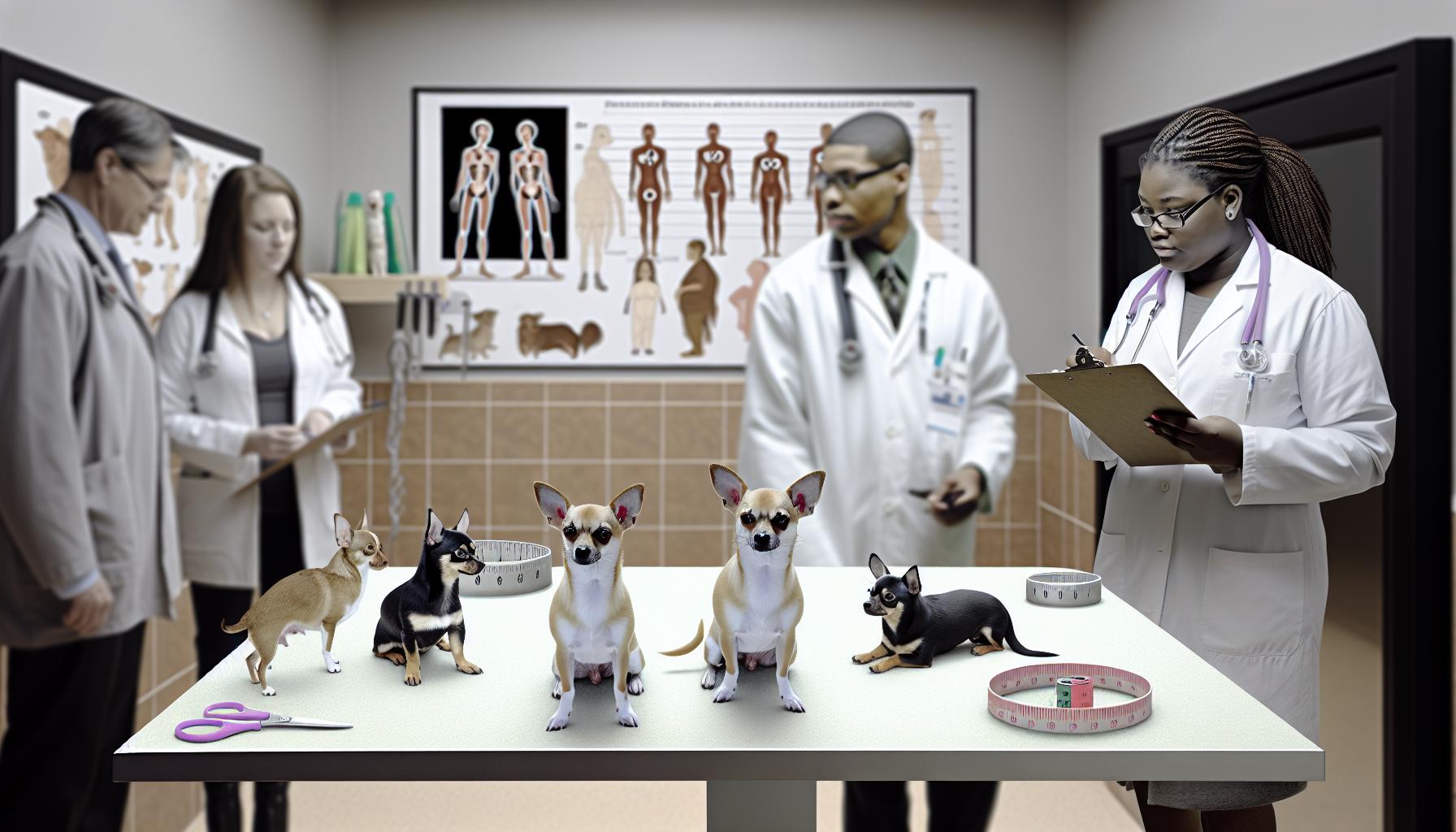
As you embark on the journey of caring for your Chihuahua, it’s essential to recognize their unique growth patterns. These tiny companions grow quickly in their early months, but the pace and significance of this growth can vary significantly among individuals. Typically, Chihuahuas reach their near-full size by around 6 to 12 months, with most achieving their adult weight by about 1 year of age. However, some may continue to fill out until they are 18 months old.
Understanding these growth stages is crucial for monitoring their health and development. During the first few weeks, Chihuahuas gain weight rapidly and can double their birth weight within the first week. As they progress through the puppy stage, you may notice fluctuations in appetite and energy levels, which can be entirely normal. Around the 4 to 6-month mark, you’ll often see a growth spurt where they may appear to get taller or larger almost overnight. It’s essential to pay attention to any sudden changes in behavior that might indicate discomfort or health issues during these important phases.
Another captivating aspect of Chihuahuas is the differentiation between apple-head and deer-head types, which can influence growth patterns and overall appearance. Apple-head Chihuahuas, known for their rounded skulls and short snouts, may have a compact build, whereas deer-head Chihuahuas, characterized by longer snouts and legs, can appear taller and leaner. This breed diversity also affects how you’ll perceive their growth, so it’s vital to consider these traits when monitoring their development.
During their growth, providing a balanced, nutritious diet tailored to their age and size is fundamental. It ensures that they not only achieve but maintain a healthy weight throughout adulthood. Owners frequently note changes in their Chihuahuas’ demeanor as they grow, from the rambunctious puppy antics to a more settled, loyal companion. Regular vet check-ups will help you track these changes, allowing you to celebrate milestones in their growth journey while ensuring they stay healthy and vibrant. Embrace this time of change, as each stage of growth is a unique chapter in your Chihuahua’s life!
The Impact of Nutrition on Growth
As your Chihuahua grows, nutrition plays a pivotal role in their overall development and health. Providing the right balance of nutrients is essential for supporting the growth of their tiny, yet dynamic bodies. A well-rounded diet not only supports physical growth but also enhances energy levels and immune function, ensuring your little buddy remains as spirited as ever.
Chihuahuas experience rapid growth during the first six months, so their food needs are particularly significant during this period. High-quality, protein-rich puppy food is vital, as it supplies the necessary building blocks for their muscles, bones, and tissues. Look for foods that list meat as the first ingredient. These foods should also contain healthy fats for energy and Omega-3 and Omega-6 fatty acids to promote a healthy coat and skin. Remember, your Chihuahua is not just any dog; they require specialized nutrition tailored to their unique size and activity level.
Here are some key nutritional components to focus on during your Chihuahua’s growth phase:
- Protein: Essential for muscle development and overall growth. Aim for puppy food with at least 22% protein content.
- Fats: Healthy fats are crucial for energy, especially in such an active breed. Look for sources like chicken fat or fish oil.
- Vitamins and Minerals: Calcium and phosphorus are vital for bone development. Ensure your selected food contains appropriate amounts to support their skeletal health.
It’s also important to be mindful of portion sizes. Chihuahuas can easily become overweight, particularly once their growth slows down around 12 months. Regularly check in with your veterinarian to assess your Chihuahua’s weight and make dietary adjustments as needed.
For instance, a happy Chihuahua owner, Lisa, shared her experience with Bella, her apple-head Chihuahua. Initially, Bella was on a standard puppy food, but Lisa noticed that Bella was a bit sluggish. After switching to a higher-protein formula specifically designed for small breeds, Bella’s energy levels skyrocketed, and she turned into the little firecracker we know and love.
As you navigate this journey, always celebrate your Chihuahua’s growth milestones. Keep in mind that a balanced diet is just one piece of the puzzle in raising a healthy, happy companion. Regular vet visits, exercise, and plenty of love are also crucial components of nurturing your growing fur baby into a thriving adult.
Chihuahua Health: Monitoring Growth Rates
Monitoring the growth rates of your Chihuahua is essential as they transition from playful pups to dignified adults. Unlike bigger breeds, Chihuahuas reach their appropriate size relatively quickly, so keeping a close eye on growth can help ensure they remain healthy and vibrant. Typically, Chihuahuas reach their full size around 9 to 12 months, but this can vary based on individual genetics and nutrition. Regular check-ins on their weight and body condition can help you make informed decisions about their care.
It’s beneficial to establish a routine for weighing your little companion. Weigh her once a month during her growth stages and keep a record. This practice allows you to spot any rapid weight changes that might indicate health issues. A Chihuahua should ideally maintain a lean, muscular frame; if you start seeing ribs poking out or if she appears overweight, it might be time to consult your veterinarian. For instance, a concerned Chihuahua mom named Sarah noticed her apple-head pup, Coco, was gaining weight faster than expected. With guidance from her vet, Sarah adjusted Coco’s diet, resulting in a healthier, happier pup.
Pay attention to the signs of healthy growth too. If she is playful, energetic, and her coat is shiny, chances are she’s doing well. Conversely, lethargy or a dull coat might suggest a nutritional imbalance or health concern that warrants further investigation. Providing a balanced diet rich in quality ingredients is instrumental during this stage, helping them develop robust bones and muscles. Always keep those toys around-play is great for not just exercise but for monitoring coordination and agility, key indicators of healthy growth.
Lastly, don’t hesitate to reach out to fellow Chihuahua owners or online communities for advice and support. Sharing experiences can be immensely beneficial. Remember, every Chihuahua is unique, and celebrating your own pup’s growth milestones can enrich your bond, making the experience as delightful as it is vital for her health.
Signs of Healthy Growth in Your Chihuahua
To understand the signs that your Chihuahua is growing healthily, it’s essential to observe not just their physical appearance but also their behavior and overall vitality. Typically, a well-growing Chihuahua will exhibit certain positive traits that reflect their development.
A shiny, vibrant coat is one of the first indicators of your pup’s good health. Chihuahuas often have glossy fur that exudes a healthy sheen, reflecting proper nutrition and care. If your Chihuahua’s coat appears dull, or becomes patchy, it may be time to reevaluate their diet or consult with a veterinarian. Another telltale sign of a healthy growing Chihuahua is their energy level. A lively demeanor, characterized by playful antics and curiosity, is a strong indicator of good health. If your little companion bounces back quickly from playtime and maintains interest in toys and activities, it’s likely they are thriving.
Maintaining a healthy weight is crucial, and you should keep an eye on their body condition. Regular weigh-ins can help track this; aim to record weights monthly. Chihuahuas should have a lean, muscular build without excessive fat. If you notice ribs prominently sticking out or, conversely, a round belly, these could be signs of nutritional imbalance. Adjusting their diet or consulting with a veterinarian can help keep their weight in check. For example, many Chihuahua owners, like Lisa with her apple-head named Bella, find themselves adjusting portion sizes or switching to higher-quality food based on weight fluctuations.
Lastly, a balanced diet plays a vital role. Ensure your Chihuahua’s meals are rich in nutrients suitable for their growth stage. Providing a well-rounded mix of proteins, fats, and carbohydrates ensures they develop strong bones and muscles. Regular exercise not only maintains physical health but also enhances coordination and agility. Activities like short walks or playful sessions around the house can provide great stimulation and allow you to observe their growth dynamics closely.
Celebrating every milestone in your Chihuahua’s growth journey is rewarding. Engaging with other Chihuahua owners or communities can offer additional support and shared experiences, affirming you’re on the right track. Remember, each Chihuahua is unique, and understanding these signs can help you nurture your little companion’s development into a vibrant adult.
Common Growth Issues: What to Watch For
When caring for your Chihuahua, it’s essential to be aware of common growth issues that might arise during their formative years. Understanding these potential pitfalls can help you provide the right support for your little companion and ensure they reach their full potential. One notable concern is the risk of overweight or obesity, which can occur if a Chihuahua is fed too much or lacks adequate exercise. Owners should regularly monitor their pet’s weight and body condition; a visibly rounded belly or difficulty in feeling ribs might indicate the need for dietary adjustments. For instance, Jenna learned the hard way when her apple-head, Coco, put on extra pounds after some overly generous treat portions during training sessions.
Another issue many owners encounter is nutritional deficiencies. Chihuahuas, being small, require a well-balanced diet that caters to their specific needs, especially in the growth stage. A diet lacking in proteins, vitamins, or minerals can affect their development severely. It’s advisable to choose high-quality, breed-specific kibble and consult with a veterinarian about any necessary supplements, particularly if your Chihuahua is particularly active or has been through growth spurts. For example, Mark switched to a premium food after noticing that Bella’s coat wasn’t as shiny as it should be, leading to a noticeable improvement in her health and energy levels.
Lastly, dental issues can also be a concern. Chihuahuas are prone to dental problems due to their small size, so it’s imperative to include dental care in their routine. Regular teeth brushing and providing dental chews can help prevent plaque buildup. Early intervention with any dental issues not only contributes to overall health but also can enhance their growth. For instance, Lucy’s Chi, Buddy, thrived once his dental health was addressed, leading to better nutrition absorption, which ultimately affected his weight and energy positively. By being proactive and observant, you can help your Chihuahua navigate these challenges and enjoy a healthy, happy growth journey.
Understanding Size Variations: Apple-Head vs. Deer-Head
When it comes to Chihuahuas, the breed exhibits fascinating size variations primarily distinguished by their head shapes: the apple-head and the deer-head. Understanding these differences is key for any Chihuahua owner looking to provide the best care for their furry companion.
Apple-head Chihuahuas are the quintessential image of the breed, recognized for their rounded skulls, short muzzles, and expressive large eyes. Typically, they embrace a more stocky build compared to their deer-headed counterparts. This round appearance is not just adorable; it often signifies a certain lineage and is favored in breed standards. Owners like Sarah often rave about how their apple-head Chihuahuas, such as her little Bella, embody a sweet and sassy disposition that captures everyone’s attention.
On the other hand, deer-head Chihuahuas carry a more elongated face and a less pronounced stop (the point where the forehead meets the nose), giving them an elegant, almost regal appearance. They tend to have longer legs and a leaner body structure, resembling a much smaller version of a deer. Many owners, like Tom with his deer-head Chi named Max, find that their pets have a unique charm and are particularly sprightly and energetic, often making them the life of the party.
With the breed’s striking variations, it’s important to remember that each type has its health considerations. Apple-head Chihuahuas can be more susceptible to certain health issues like heart problems, partly due to their rounded heads. Regular vet check-ups, a balanced diet, and moderate exercise are essential to ensure they maintain a healthy weight and lifestyle. Conversely, deer-head Chihuahuas might face challenges related to their longer limbs and joints; agility and mobility assessments might be necessary to avert injury during playtime.
As you nurture your growing Chihuahua, understanding these nuances can empower you in your care approach. Whether your furry friend is an apple-head or a deer-head, celebrating their unique traits and addressing their specific needs will enrich your bond and foster their overall happiness.
Behavioral Changes as Chihuahuas Mature
As Chihuahuas grow, their behavior evolves in fascinating ways. Initially, these pint-sized pups are bundles of energy, often displaying a spunky attitude that can be both endearing and overwhelming. However, as they mature, you may notice them becoming slightly more composed. This shift can be attributed to their increasing confidence and understanding of their environment. An owner named Lisa shares how her apple-head Chihuahua, Coco, transformed from a hyperactive puppy to a more serene companion after reaching about a year old.
One major behavioral change is in their social interactions. Younger Chihuahuas may be more inclined to play with anything and everything, regardless of size or temperament. As they reach maturity, their playstyle typically becomes more selective. An owner named Daniel observed this with his deer-head Chihuahua, Rufus, who developed a preference for playing with smaller toys and showed more patience with younger dogs at the park. Maturation helps them better gauge appropriate playmates, which can lead to healthier, more satisfying socialization experiences.
Additionally, the level of attachment and loyalty often deepens with age. By the time Chihuahuas reach maturity, you may notice them becoming more protective and affectionate towards their human companions. This loyalty is often seen in behaviors such as following you from room to room or wanting to sit on your lap more frequently. Sarah, who has a 2-year-old Chihuahua named Bella, remarked how Bella has turned into an incredibly loving lap dog, always eager to cuddle after a long day.
Understanding these behavioral changes is crucial for nurturing your Chihuahua’s development. Providing consistent training and socialization opportunities at every stage can help guide these behaviors positively. Rewarding good behavior, offering affectionate reinforcement, and ensuring regular exposure to different environments will support your Chihuahua’s transition from a playful pup to a well-rounded adult, ready to take on the world by your side.
Chihuahua Lifespan: Beyond Growth
As Chihuahuas mature, one poignant truth becomes apparent: their journey doesn’t end at physical growth. While many owners wonder when their Chihuahua will stop growing-typically around 12 months for most-there’s so much more to explore in terms of their lifespan and overall health. Understanding that Chihuahuas can live into their late teens or even early twenties with proper care highlights the importance of nurturing them beyond just their early years.
Maintaining a healthy lifestyle is crucial for enhancing your Chihuahua’s lifespan. Proper nutrition tailored to their specific needs is fundamental. Chihuahuas, especially those who are apple-heads, tend to have unique dietary requirements due to their smaller size and differences in metabolism. Quality dog food that lists meat as the first ingredient and is rich in essential vitamins and minerals will support their growth into adulthood and help maintain their health throughout their lives. Regular vet check-ups are essential for monitoring their health, as this breed can be prone to dental issues, heart problems, and patellar luxation. Consider scheduling routine dental cleanings; even the tiniest mouths can harbor significant health risks.
An owner named James shared how his 15-year-old Chihuahua, Luna, still displayed a youthful spirit thanks to his attentiveness to her health. He credits daily walks and interactive playtime for keeping her active and engaged. This kind of lifestyle can counteract common health concerns such as obesity, which is particularly detrimental for Chihuahuas given their small frame. Keep an eye on their weight with gentle adjustments to their diet or activity level as they age.
Additionally, socialization is a critical aspect of a Chihuahua’s well-being throughout their life. Introduce them to various environments, experiences, and companions to enrich their social skills. This not only fosters their mental health but can also preserve their spirited personality. Owners often notice that well-socialized Chihuahuas, like Maya, who grew up meeting different dogs and people, tend to be more balanced and relaxed as they mature.
Every Chihuahua has a unique personality, characterized by their vibrant quirks-from their little barks to their big attitudes. Loving and fostering these traits while prioritizing health and socialization will significantly contribute to their happiness and longevity. By providing appropriate care and companionship, you ensure your Chihuahua leads a fulfilling and spirited life well beyond their growth stages. Embrace this journey with your tiny friend, as their love and loyalty will certainly enrich each day of your lives together.
Tips for Caring for Your Growing Chihuahua
As your Chihuahua transitions from puppyhood to adulthood, providing the right care is essential for their physical and emotional development. One common question many owners have is how to ensure their growing Chihuahua remains healthy and happy. Start by prioritizing a nutritious diet. Because Chihuahuas have unique metabolic needs, select high-quality dog food designed specifically for small breeds. The first ingredient should be meat, providing the protein needed for muscle growth and overall health. Consider gradual changes in their diet as they grow; puppies require different nutrients than adult dogs.
Regular exercise is vital for your Chihuahua’s health, too. Although they’re small, these little furballs have plenty of energy to burn! Daily walks and play sessions not only help maintain a healthy weight but also stimulate their curious minds. Try incorporating interactive toys that encourage physical activity and mental engagement. For example, toys that dispense treats can keep your Chihuahua entertained and active, fostering a playful spirit that defines this breed.
Socialization should also be a primary focus during this critical growth phase. Exposing your Chihuahua to diverse environments and various companions will help them develop into a well-adjusted adult. Arrange playdates with other dogs and involve them in family activities, or simply take them on different walks to encounter new sights and sounds. Reference the experience of Rosa, who found that her Chihuahua, Bingo, thrived after discovering new parks and meeting other pets. Bingo became more confident and less prone to timid behavior after these experiences.
Pay close attention to your Chihuahua’s health as they grow. Routine veterinary check-ups are crucial for monitoring their weight, dental health, and overall well-being. Many small breeds are predisposed to specific health issues, so proactive care is essential. Watch for any signs of discomfort or health problems, and don’t hesitate to reach out to your vet for guidance. Together, proper nutrition, exercise, socialization, and regular health checks will set your tiny companion on a path to a vibrant, happy life. Embrace this rewarding journey with your Chihuahua and enjoy every quirky moment along the way!
Frequently Asked Questions
Q: At what age do Chihuahuas stop growing?
A: Chihuahuas typically reach their full size between 9 to 12 months of age. However, some may continue to fill out slightly until they are 18 months old. Proper nutrition and health monitoring during this period are essential.
Q: How can I tell if my Chihuahua is growing properly?
A: Monitor your Chihuahua’s weight and height against breed standards. Healthy puppies should show consistent weight gain and increase in size. Check for a balanced diet to support growth. Consulting with a veterinarian can provide tailored guidance.
Q: Do males grow larger than females in Chihuahuas?
A: Generally, male Chihuahuas may be slightly larger than females, often weighing between 4 to 6 pounds, while females typically weigh around 3 to 5 pounds. However, size variations can occur due to genetics and health factors.
Q: What signs indicate my Chihuahua is not growing properly?
A: Look for signs like lack of weight gain, lethargy, or noticeable changes in appetite. If your Chihuahua is not meeting growth benchmarks, it’s crucial to consult your veterinarian to rule out health issues.
Q: How does nutrition affect my Chihuahua’s growth?
A: Nutrition plays a vital role in your Chihuahua’s development. A diet rich in proteins, vitamins, and minerals helps achieve optimal growth. Choose high-quality dog food formulated for small breeds and ensure adequate hydration.
Q: When do Chihuahuas reach maturity?
A: Chihuahuas usually reach full maturity around 1 to 2 years of age. This period is when they settle into their adult personalities and behaviors, making it essential to provide proper training during this stage.
Q: Are there health concerns related to Chihuahua growth?
A: Yes, Chihuahuas can encounter health issues such as patellar luxation and heart problems related to rapid growth. Regular vet check-ups can help monitor these risks and ensure healthy development.
Q: How do I care for my growing Chihuahua?
A: Ensure your Chihuahua has a balanced diet, regular exercise, and routine vet visits. Monitor their growth closely and provide training to support their behavioral changes as they mature. Always consult with your veterinarian for personalized advice.
Closing Remarks
As we’ve discovered, Chihuahuas typically stop growing around 12 months, but their unique health and behavioral needs will continue to evolve. Remember, whether you’re nurturing an adorable apple-head or a sassy teacup, understanding their personality is key. To ensure your little friend thrives, consider exploring our guides on Chihuahua care and health essentials.
We’d love to hear from you-share your thoughts in the comments below or check out our community forums for more tips and shared experiences! Don’t miss your chance to become part of our Chihuahua-loving family; subscribe to our newsletter for exclusive insights and resources that will enhance your journey. Keep celebrating the quirks and charms of your beloved companion-after all, every moment with your loyal Chihuahua is a treasure!
Get our latest guides, news, and insights highlighted in your Google Search & AI Overviews.