

When it comes to Chihuahuas, size matters! These delightful little dogs typically weigh between 2 to 6 pounds and stand about 6 to 9 inches tall at the shoulder, making them one of the smallest dog breeds. Understanding the average size of Chihuahuas isn’t just a fun fact; it influences their health, care needs, and how they fit into your home. Whether you’re a first-time owner curious about what to expect or a seasoned Chihuahua enthusiast looking for insights, knowing what an average Chihuahua looks like can help you provide the best environment for your furry friend. Their tiny stature is coupled with a bold personality that can be endearing and challenging. Join us as we dive into the nuances of Chihuahua size, including what to expect as they grow and how to care for each unique body type. With proper knowledge, you’ll ensure your little companion thrives-so let’s explore this exciting breed together!
Understanding the Average Size of a Chihuahua
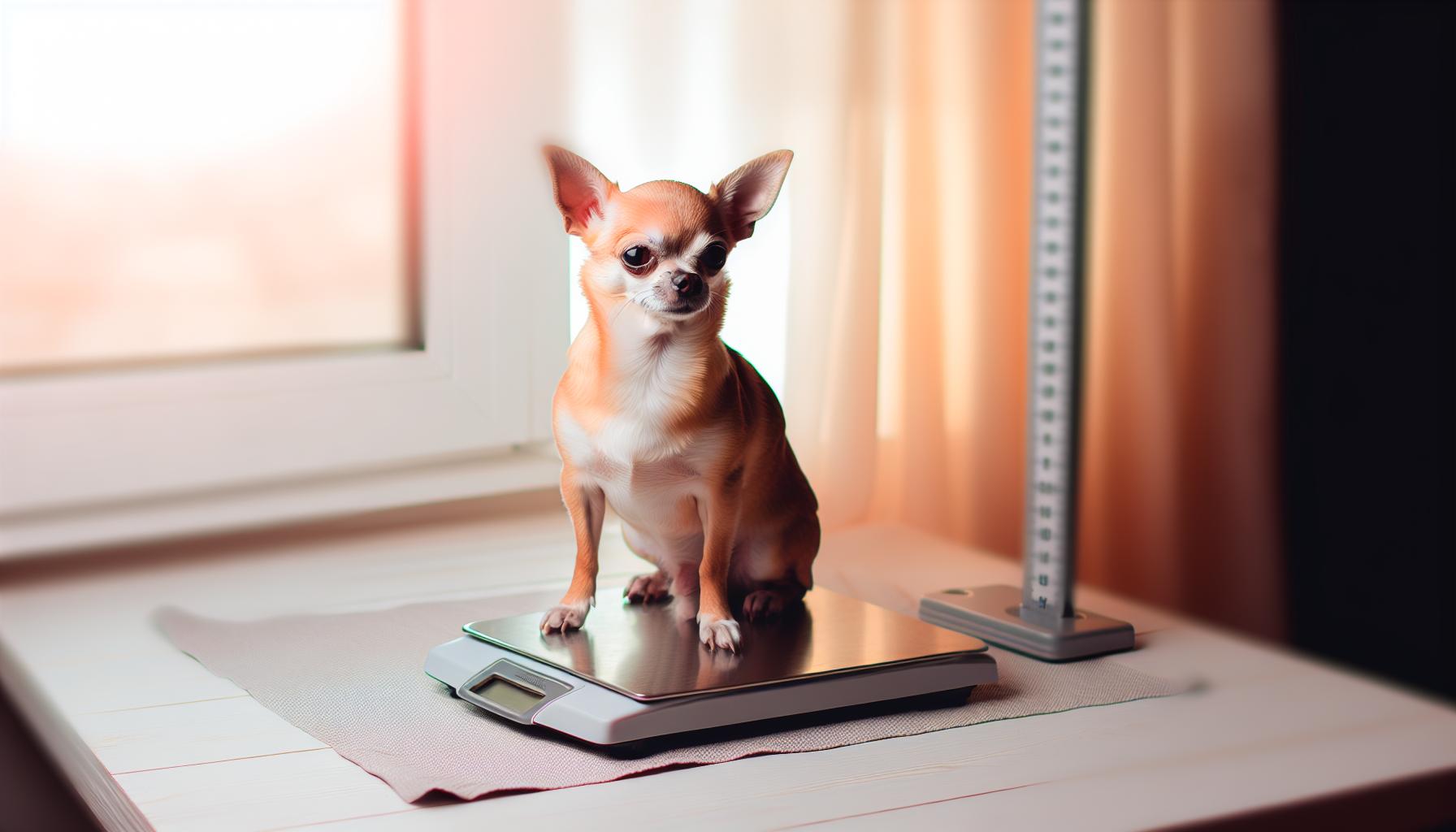
Chihuahuas are truly a breed apart, known for their unique personalities packed into a petite frame. On average, Chihuahuas weigh between 2 to 6 pounds and stand about 6 to 9 inches tall at the shoulder. These measurements can vary depending on several factors, including genetics, nutrition, and whether the dog is of the apple-head or deer-head variety. Apple-head Chihuahuas typically have a more rounded skull and tend to maintain a smaller stature compared to their deer-head counterparts, who have a more elongated face and can reach the upper size limit.
To better understand how to care for your Chihuahua, it’s crucial to recognize that their small size comes with specific health considerations. For instance, their tiny frames make them more susceptible to injuries, particularly when they jump or fall. Therefore, providing a safe environment is essential. Chihuahuas thrive in a loving household that accommodates their bold and vocal nature, ensuring they feel secure while also managing their unique challenges.
In terms of general health, monitoring your Chihuahua’s weight is vital. Overweight Chihuahuas can face serious health issues, including heart problems and joint stress. Regular vet check-ups can help you stay on top of your pup’s health. Additionally, engaging sessions of play and exercise are important-not just for physical health, but also for mental stimulation. Chihuahuas are energetic and need daily activity to keep their spirits up.
Remember, each Chihuahua is an individual and may fall outside of these averages. Some owners report their Chihuahuas being larger or smaller than expected, depending on personal lineage and health history. Always consider your Chihuahua’s unique characteristics and temperament as you navigate their care, and you’ll be rewarded with a companion who closely bonds with you, showcasing their loyalty and charm every day.
Factors That Influence Chihuahua Size

The size of a Chihuahua can vary significantly, influenced by various factors that are crucial for owners to understand. One of the primary elements is genetics. Just like humans, dogs inherit traits from their parents, which can include size and body structure. If both parents are on the smaller side of the size spectrum, it’s likely their puppies will follow suit. Conversely, if larger Chihuahuas are present in the lineage, you’ll want to prepare for the possibility of a bigger fur baby.
Nutrition plays a vital role as well. A well-balanced diet tailored to your Chihuahua’s age and activity level supports proper growth and weight management. Overfeeding or providing an unhealthy diet can lead to excessive weight gain, adversely affecting their size and overall health. Owners are often surprised by the impact of portion control and quality food on their tiny companions, which can lead to healthier, happier dogs.
Additionally, understanding the different types of Chihuahuas can shed light on size variations. There are primarily two types: the apple-head and the deer-head. Apple-head Chihuahuas tend to be smaller and have a characteristic rounded skull, while their deer-head counterparts exhibit a more elongated shape and can weigh more. It’s fascinating how these distinguishing features not only affect size but personality and behavior as well. For instance, some owners of deer-head Chihuahuas mention that their pets seem to have a slightly more mellow demeanor, likely influenced by their physical proportions.
Lastly, environmental factors play a role, too. A stress-free environment can help your Chihuahua grow according to their genetic potential. Stressful situations or a lack of socialization may inhibit developmental progress. Therefore, ensuring that your Chihuahua has a calm household with appropriate mental stimulation is just as critical as their diet and genetics in influencing their size. By paying attention to these various elements, you can better support your Chihuahua’s unique growth journey and celebrate their distinct personality traits along the way.
Comparing Chihuahua Sizes: Different Types
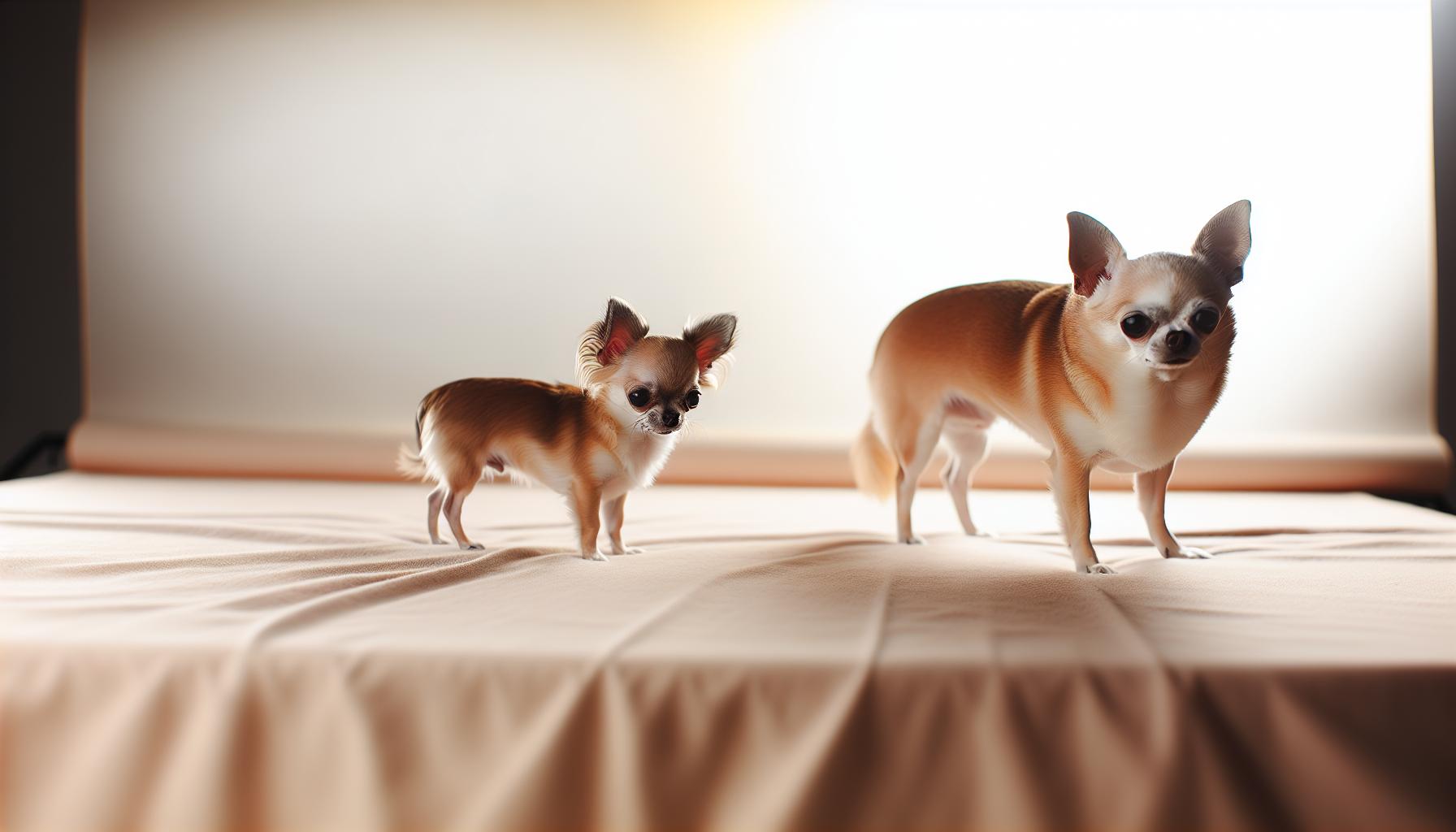
Chihuahuas are known for being one of the smallest dog breeds, but there’s a charming diversity within their sizes and types that every owner should appreciate. When it comes to comparing Chihuahua sizes, two primary types stand out: apple-head and deer-head, each presenting unique characteristics that influence not just their appearance but also their demeanor and behavior.
Starting with the apple-head Chihuahua, these little cuties are often considered the classic image of the breed. They typically have a rounded skull, prominent eyes, and a compact, stocky body. Most apple-head Chihuahuas weigh between 2 to 6 pounds and stand about 6 to 9 inches tall at the shoulder. Their petite size can make them seem delicate, but they possess a bold personality that belies their stature. Many owners report that their apple-heads are fiercely loyal, often forming an unbreakable bond with their humans.
In contrast, the deer-head Chihuahua tends to be slightly larger, usually weighing between 4 to 10 pounds and measuring around 8 to 12 inches tall. They feature a more elongated head, longer legs, and a leaner body structure, which gives them a unique and elegant appearance. Many owners have noted that deer-head Chihuahuas often display a calmer disposition compared to their apple-headed counterparts, making them great companions for a more laid-back lifestyle.
Understanding these differences not only helps in appreciating the breed but also in making informed decisions about care, training, and socialization. For example, because of their various physical builds, apple-head Chihuahuas may be more prone to dental issues, while deer-heads might require different approaches to exercise due to their energy levels.
Ultimately, whether you have an apple-head or a deer-head, loving care and an understanding of their unique needs will ensure your Chihuahua thrives. Their traits and personalities offer a delightful array of companionship, each enhancing the breed’s charm in different ways. As you embark on your journey with your Chihuahua, remember that regardless of size, the love and loyalty they offer are truly immeasurable.
Growth Stages: From Puppy to Adult Chihuahua
Chihuahuas experience several distinct growth stages from the moment they enter the world as adorable, tiny puppies until they reach their full adult size. Understanding these stages will help you provide your little friend with the best care possible and anticipate any unique needs based on their development.
When Chihuahuas are born, they typically weigh just a few ounces and are completely reliant on their mother. During the first few weeks of life, they grow rapidly, doubling their weight in the first week alone. This period, known as the neonatal stage, lasts until about three weeks old. It’s essential during this time for your Chihuahua pup to have access to their mother and a safe, warm environment, as they are unable to regulate their body temperature effectively.
As they venture into the socialization stage (around three to twelve weeks), their growth slows but still remains steady. This crucial time is when they begin to explore their surroundings and develop their personalities. Exposing them to various sights, sounds, and other animals will help prevent fearful or aggressive behaviors later in life. Owners often share that their Chihuahuas show unique quirks during this stage, such as bold explorations or vocalizations at new stimuli-embracing these characteristics will foster a confident adult.
By around six months, most Chihuahuas have reached 50-75% of their adult size. If you have an apple-head Chihuahua, expect her to weigh between 2 to 6 pounds, while a deer-head Chihuahua may reach 4 to 10 pounds by this point. During the juvenile stage, your pup will benefit from regular physical activity-short walks and playtime will help maintain a healthy weight and improve their social skills, as they often exhibit high energy levels.
The transition to adulthood happens around one year old when your Chihuahua reaches their full size. Regular veterinary check-ups are vital at this stage to monitor overall health and adjust their diets as needed. Maintaining a well-balanced diet tailored to their size-smaller portions for smaller breeds-is crucial. Additionally, understanding that both types of Chihuahuas may have different exercise needs due to their energy levels will help ensure a well-rounded care regimen.
Remember, each Chihuahua is unique, so be patient and attentive during their development. Celebrate their individual quirks-whether it’s a loud bark or a penchant for cuddling-and enjoy the journey as they grow from tiny pups into beloved companions.
Health Implications of Chihuahua Size
Chihuahuas are among the smallest dog breeds, and their size brings a unique set of health considerations that every dedicated owner should be aware of. When it comes to health, understanding the implications of their petite stature is crucial. For instance, their small frames make them particularly prone to certain issues, such as dental problems, patellar luxation, and heart conditions. Regular veterinary check-ups are essential to catch any potential health concerns early, especially considering that Chihuahuas may not always show visible signs of illness until conditions become serious.
It’s important to be mindful of weight management as well. Chihuahuas, especially those on the smaller side, can easily become overweight, which can exacerbate health issues. Owners should aim to maintain a balanced diet appropriate for their size, avoiding overfeeding and ensuring that treats make up no more than 10% of their daily caloric intake. Engaging in regular but moderate exercise, such as short walks or play sessions, is essential for maintaining a healthy weight while also catering to their energetic nature.
Moreover, Chihuahuas’ size can pose risks during handling. Their delicate frames require gentle handling to prevent injuries. For example, when lifting your Chihuahua, it’s best to support their body fully to avoid straining their back or legs. Similarly, keeping safety in mind is crucial, as even small drops can lead to serious injuries. Owners should also keep an eye on their surroundings, especially during outdoor activities, to protect their little companions from larger dogs or high-impact play.
Lastly, the unique personality traits of Chihuahuas can sometimes complicate health management. Their bold and vocal nature means they might not readily show signs of discomfort, making it essential for owners to be attuned to their behavior and any changes that occur. Understanding how stress can impact their health, particularly in vet settings or around new environments, will also help in reducing anxiety-related issues-anxiety is common in the breed due to their small size and sensitive demeanors. Regularly providing a comforting space and exposure to new experiences can help build their confidence and overall well-being.
In summary, the health implications of a Chihuahua’s size encompass a range of considerations from diet and exercise to gentle handling and attention to behavior. Every owner has a role to play in ensuring their little companion lives a healthy, happy life, embracing every quirky trait along the way.
Common Misconceptions About Chihuahua Size
Every Chihuahua owner has likely encountered a range of misconceptions about the size of this beloved breed. Many people assume that all Chihuahuas are the same small size, but this could not be further from the truth. Chihuahuas can vary significantly, from the tiny “teacup” varieties that weigh less than a pound to the more robust standard Chihuahuas that can weigh around six pounds or slightly more. It’s essential to acknowledge these variations because they influence not only appearance but also health and care requirements.
One prevalent myth is that smaller Chihuahuas are inherently less healthy. While size can affect certain health risks, the overall health of your Chihuahua is more closely linked to genetics, diet, and lifestyle rather than sheer size alone. For example, a well-cared-for Chihuahua that is slightly heavier may be healthier than an overly thin one. The focus should be on maintaining a healthy weight through a balanced diet and regular exercise rather than on adhering strictly to an arbitrary size standard.
Another common misconception is that all Chihuahuas are fragile and cannot handle any kind of physical activity. This is not true! While they are indeed one of the smallest breeds, Chihuahuas are energetic and adventurous. Engaging them in daily playtime or walks is essential for their physical and mental well-being. Owners should also be aware of their Chihuahua’s personality; many are confident and bold, benefiting from challenges and social interactions, which further dispels the myth that they are simply delicate house pets.
Moreover, it’s important for owners to remember that a Chihuahua’s size doesn’t dictate its personality. Whether he is an apple-head or deer-head Chihuahua, the unique temperament traits, including loyalty and vocality, shine through regardless of size. When considering a Chihuahua, potential owners should focus on the individual dog’s character and how it fits into their family dynamic rather than solely on its physical dimensions. Understanding these facts can help dispel myths and foster a better relationship between Chihuahuas and their loving owners.
How to Care for Your Chihuahua’s Unique Size
Caring for a Chihuahua means understanding the uniqueness of this delightful breed, especially regarding their size. Chihuahuas are known for their petite stature, yet this doesn’t diminish their vibrant personalities or their need for proper care. Whether you’re welcoming a teacup or a standard Chihuahua into your home, embracing their quirks while providing the right environment is essential for their well-being.
Diet and Nutrition
A balanced diet is crucial for maintaining your Chihuahua’s health. Due to their small size, they can be more susceptible to weight-related issues. Choose high-quality kibble formulated specifically for small breeds, as it will contain the necessary nutrients in smaller kibble sizes that are easier for them to chew. Regularly monitor their food intake and avoid overfeeding, as it’s easy for these tiny dogs to gain excess weight. Consider feeding them multiple small meals throughout the day rather than one or two larger ones, which can help stabilize their energy levels.
Exercise Needs
Despite their small size, Chihuahuas are energetic and require regular exercise to stay happy and healthy. Daily walks and interactive playtime not only keep them physically active but also mentally stimulated. Incorporate short games of fetch or hide-and-seek in your living room or backyard. Always pay attention to your Chihuahua’s energy levels – while they can handle a good amount of activity, they also tire quickly due to their small bodies. As a loving owner, you should ensure that exercise is fun and not overly strenuous.
Grooming Considerations
Chihuahuas come in both smooth and long coat varieties, which affects grooming needs. Smooth-coated Chihuahuas require minimal grooming, while long-haired varieties need more frequent brushing to prevent matting. Regular baths are also important to keep their coat clean and healthy. Regardless of coat type, check their ears regularly for dirt and wax buildup, and keep their nails trimmed to avoid discomfort while walking.
Understanding Health Risks
Chihuahuas can be prone to certain health issues, including dental problems and heart disease, which can be influenced by their size. Regular veterinary check-ups are essential for early detection and treatment of any potential issues. Additionally, to support their dental health, provide chew toys and consider dental treats designed to reduce plaque and tartar buildup. Awareness of their health needs will help ensure a long, happy life for your Chihuahua.
By addressing these aspects of care specific to your Chihuahua’s unique size, you will not only foster a loving and supportive environment but also enhance their overall quality of life. Remember, when you invest time in understanding and nurturing your Chihuahua’s individual needs, you’re not just caring for a pet – you’re enriching the life of a cherished member of your family.
Real Owner Insights: Chihuahua Size Experiences
Finding the right size for your Chihuahua can feel like a puzzle at times, but owners know their little companions come with a rich variety of personality traits regardless of their stature. Many Chihuahuas fall within the typical weight range of 2 to 6 pounds and reach heights of about 6 to 9 inches at the shoulder, but just like people, there are exceptions! For instance, one owner recalls their tiny apple-headed Chihuahua, Bella, tipping the scales at just under 3 pounds-quite petite but bursting with boldness and character. Bella’s small size made her a frequent target for other dogs’ curiosity, but her confidence always shone through, proving that size doesn’t limit bravery.
Owner Experiences and Comparisons
Owners often share their insights on how size impacts their Chihuahua’s behavior and interactions. Take Jake, a standard-sized Chihuahua weighing in at 6 pounds. His owner noticed that while Jake was playful and outgoing, his larger size gave him a calmer demeanor compared to smaller, more energetic Chihuahuas. This difference influenced how they choose playmates during park visits. “I gravitated toward other small breeds because Jake feels more secure with similar-sized friends,” she mentioned. Understanding these dynamics can guide you in selecting suitable playdates for your puppy.
Another owner, who has a long-haired Chihuahua named Lulu, highlights the coat’s influence on perceptions of size. “Lulu’s fluffy fur can make her appear bigger than she actually is!” she laughs. This added dimension to her appearance can impact how other folks approach Lulu, often mistaking her for a larger breed at first glance. Knowing that owners might perceive her as more significant helps in managing interactions, especially with children or larger dogs.
Real Talk on Size Challenges
Size also brings its unique set of challenges. Owners frequently express concerns over the common health risks associated with smaller breeds. “I had to learn that even though Sammy only weighs 4 pounds, he still needs robust dental care,” one owner shared. This insight emphasizes the importance of specialized vet check-ups to monitor not just their weight, but their overall health as Chihuahuas can face breed-specific issues more acutely based on size.
The stories from fellow Chihuahua owners highlight that no matter the size, these small wonders will have enormous impacts on our hearts and homes. Through understanding the unique experiences related to their size, you can provide tailored care that ensures your furry friend thrives, bringing you joy every single day.
Tips for Measuring Your Chihuahua Accurately
Measuring your Chihuahua accurately is a crucial part of his care, helping you make informed decisions about everything from the right size of collar to choosing the perfect pet carrier. A well-measured Chihuahua ensures comfort and safety, particularly given their tiny stature and unique body shapes. Here’s how to get the most reliable measurements for your furry friend!
Start by gathering the right tools: a flexible measuring tape (like the kind used in sewing) will work best, as it can easily curve around your Chihuahua’s body. It’s helpful to have someone assist you, especially if your Chihuahua is as energetic as many in the breed tend to be! To measure your Chihuahua’s height, have him stand on a flat surface with his front legs extended. Measure from the ground to the highest point of his shoulder. For weight, a digital scale where you can gently hold him is an ideal choice. Always ensure he’s calm for accurate readings; try treats or gentle praise to keep him relaxed during the process.
To capture his length, measure from the base of his neck (where the collar sits) to the start of his tail. This measurement is especially important when it comes to buying clothing or harnesses. Remember to measure around the widest part of his chest and waist to find the correct size for harnesses or sweaters, recognizing that some Chihuahuas may carry more weight due to their coat type or body structure, which can affect sizing.
It’s also helpful to keep a record of these measurements, noting any changes especially as your Chihuahua grows or ages. For example, an owner of a long-haired Chihuahua noted that her dog’s fluffy coat added a half inch to her perceived size during measurements. These little quirks matter, as they influence how you shop for your Chihuahua’s accessories. Staying mindful and measuring him regularly will not only ensure a good fit for all his gear but also help monitor his health over time, adjusting for any weight changes that may occur.
By taking the time to measure accurately and regularly, you’re setting up your Chihuahua for comfort and safety, enhancing both his style and your peace of mind!
The Importance of Weight Management in Chihuahuas
Weight management is a critical aspect of caring for your Chihuahua, primarily due to their small size and unique health considerations. Chihuahuas are known for being vocal, loyal, and a bit bold, but their petite frames make them susceptible to various health problems, particularly when it comes to obesity. In fact, keeping your Chihuahua at a healthy weight can significantly extend their lifespan, enhance their quality of life, and reduce the risk of serious conditions such as diabetes, heart disease, and joint problems.
To effectively manage your Chihuahua’s weight, it’s essential to understand their specific caloric needs based on age, activity level, and overall health. Here are some practical steps to help you maintain their ideal weight:
- Portion Control: Measure your Chihuahua’s food based on the recommendations provided on the pet food packaging, adjusted to their specific needs. Consider using a scale for accuracy.
- Healthy Treats: Chihuahuas love to snack, but it’s important to provide nutritious treats that won’t contribute excessive calories. Opt for fruits and vegetables like apple slices or carrot sticks.
- Regular Exercise: Engage your Chihuahua in daily walks and playtime. Their energetic bursts can help burn off calories and maintain muscle tone. Aim for at least 30 minutes of activity spread throughout the day.
- Routine Vet Visits: Regular check-ups with your veterinarian will help you monitor your Chihuahua’s weight and overall health, making adjustments to their diet or exercise routine as necessary.
It’s important to recognize that Chihuahuas can vary in size, depending on whether they are apple-heads or deer-heads, and their coat type can also influence their perceived size. An owner of a deer-head Chihuahua shared her experience of how slight changes in diet helped her dog shed a few extra pounds, which led to increased energy and a livelier temperament. Monitoring their weight not only helps with physical health but also boosts their confidence and happiness.
Maintaining a healthy weight for your Chihuahua is not just about looking good; it’s about ensuring she feels good and has the energy to engage with you and her environment. By fostering good habits now, you can help your Chihuahua thrive and celebrate all the joys of shared adventure and companionship.
Size Variations in Coat Types and Their Impact
Whether you’re a seasoned Chihuahua parent or new to the breed, understanding how coat types can influence size variations is crucial. Coat type plays a significant role in not only the appearance of your Chihuahua but also in how others perceive their size. Chihuahuas typically come in two main coat types: smooth and long-haired.
Chihuahuas with smooth coats are often perceived as slightly smaller due to their sleek appearance. Their short fur clings to the body, highlighting their petite frame and accentuating their natural size. In contrast, the long-haired Chihuahuas can look a bit bulkier because the fluffy fur adds volume. This can create a soft, rounded appearance that might lead some people to erroneously assume they are larger than a smooth-coated Chihuahua of the same weight.
Impact on Health and Care
From a health perspective, differences in coat type may also influence care requirements. Long-haired Chihuahuas require more grooming to prevent mats and tangles, which means you might find yourself spending extra time brushing them. While grooming doesn’t directly impact their size, neglecting gyrooming can lead to skin issues that could affect their overall health and wellness.
Consider how coat type might affect your Chihuahua’s temperature regulation. Long-haired Chihuahuas may be better insulated against cold weather, but they can also overheat in the summer if not properly managed. Always ensure your Chihuahua remains comfortable, regardless of coat type, by providing appropriate shelter and a climate-controlled environment.
Real Owner Insights
Owners often share varied experiences about their Chihuahuas’ coat types affecting daily life. For instance, a proud owner of a long-haired Chihuahua mentioned that her pup’s luxurious coat can make her seem larger and fluffier in photos, leading to compliments and admiration from friends. Meanwhile, another owner of a smooth-coated Chihuahua emphasized how easy grooming makes daily care a breeze, allowing more time for play and bonding.
Quantifying the difference in perception based on coat type can be enlightening. Although the actual height and weight might be similar, the visual variations can change how we interact with these charming companions. Understanding these nuances allows us to appreciate the unique traits of each Chihuahua while ensuring their specific care needs are adequately met.
Understanding Breed Standards for Chihuahuas
The Chihuahua, one of the tiniest dog breeds, has specific breed standards that help define its physical characteristics and overall health. Recognizing these standards is essential for any owner who wants to understand what to expect when welcoming a Chihuahua into their home. The American Kennel Club (AKC) provides guidelines that categorize the ideal Chihuahua into two main types: the apple head and the deer head.
Chihuahuas typically weigh between 2 and 6 pounds, with an average height ranging from 6 to 9 inches at the shoulder. These figures are vital for ensuring that your Chihuahua remains within a healthy weight range, as size can greatly influence their behavior and health. An apple-headed Chihuahua often appears slightly smaller due to its rounded skull and short muzzle, while a deer-headed Chihuahua has a longer, more refined profile. Both types are equally beloved in the breed community, but recognizing these distinctions can help set expectations regarding their appearance and personality.
Key Characteristics
Understanding breed standards includes knowing the expected characteristics of Chihuahuas:
- Coat Type: Chihuahuas can be smooth or long-haired, affecting grooming needs and visual perceptions of size.
- Temperament: They are known for their vibrant personalities-vocal, loyal, and often quite bold despite their small stature.
- Health Considerations: Adhering to breed standards can help prevent health issues. For example, overbreeding certain types may lead to dental problems common in smaller breeds.
Progressing from puppyhood to adulthood presents changes in size and temperament. A Chihuahua’s personality can evolve, so early socialization and training are crucial for developing a well-adjusted adult. Real-life experiences shared by Chihuahua owners often highlight the playful curiosity of these dogs, but also the challenges related to their size-like navigating their environment safely.
When considering a Chihuahua, it’s beneficial to consult detailed resources or breed clubs. These can provide insights into maintaining your dog’s health and ensuring they stay within breed standards as they grow. Remember, while size is an important aspect of any dog, it’s their unique traits and loving nature that truly define them as cherished companions. Embrace their quirks, and over time, you’ll find that you’ve formed a unique bond with your tiny friend, enriched by understanding their breed standards and characteristics.
Frequently asked questions
Q: What is the typical weight range for a Chihuahua?
A: The typical weight range for a Chihuahua is between 2 to 6 pounds. However, some can exceed this limit. It’s essential to monitor their diet and exercise to maintain a healthy weight, as obesity can lead to various health issues.
Q: At what age do Chihuahuas stop growing?
A: Chihuahuas typically stop growing between 9 to 12 months of age. However, some may continue to fill out until around 2 years. Regular vet check-ups can help ensure your Chihuahua reaches their full potential size and remains healthy.
Q: How can I tell if my Chihuahua is overweight?
A: To determine if your Chihuahua is overweight, you should feel their ribs easily without excessive fat covering. Additionally, you should see a slight waist when looking from above. Consult your vet for personalized advice and a suitable diet plan.
Q: Do male and female Chihuahuas differ in size?
A: Yes, male Chihuahuas tend to be slightly larger than females. Males often weigh a bit more and may have a more robust build. However, the difference is generally minor and depends on individual genetics.
Q: How do I measure my Chihuahua’s height correctly?
A: To measure your Chihuahua’s height, stand him upright on a flat surface. Use a measuring tape to measure from the ground to the highest point of the shoulder (the withers). This measurement will give you an accurate height.
Q: What factors can influence the size of a Chihuahua?
A: Several factors influence Chihuahua size, including genetics, nutrition, and health. Environmental factors and overall care also play vital roles in whether a Chihuahua reaches the expected average size.
Q: Are there specific Chihuahua breeds with different average sizes?
A: Yes, within the Chihuahua breed, there are varieties like the Apple Head and Deer Head, which may have slight differences in size. Understanding these variations can help you set realistic expectations for your Chihuahua’s growth.
Q: How can I help my Chihuahua maintain a healthy size?
A: To help your Chihuahua maintain a healthy size, provide a balanced diet, regular exercise, and routine vet check-ups. Portion control and monitoring their weight will also support their overall health. For tips on feeding, refer to the section on caring for your Chihuahua’s unique size.
Key Takeaways
Now that you know the average size of Chihuahua, you can see just how special these tiny dogs really are! Whether your Chihuahua is the bold apple-head or a sleek deer-head, each furry companion has unique needs and traits. If you’re considering welcoming one into your home, don’t hesitate to explore our article on Chihuahua Health and Care Tips for more insights on keeping them happy and healthy.
Curious about their behavior? Check out our guide on Understanding Chihuahua Temperament to better interact with and nurture your new friend. Remember, every little Chihuahua brings a world of joy and personality into your life! If you loved this content, subscribe to our newsletter for continuous tips and tricks tailored just for Chihuahua owners. Share your thoughts in the comments below-what quirks does your Chihuahua have? Let’s celebrate the breed together!
Get our latest guides, news, and insights highlighted in your Google Search & AI Overviews.