
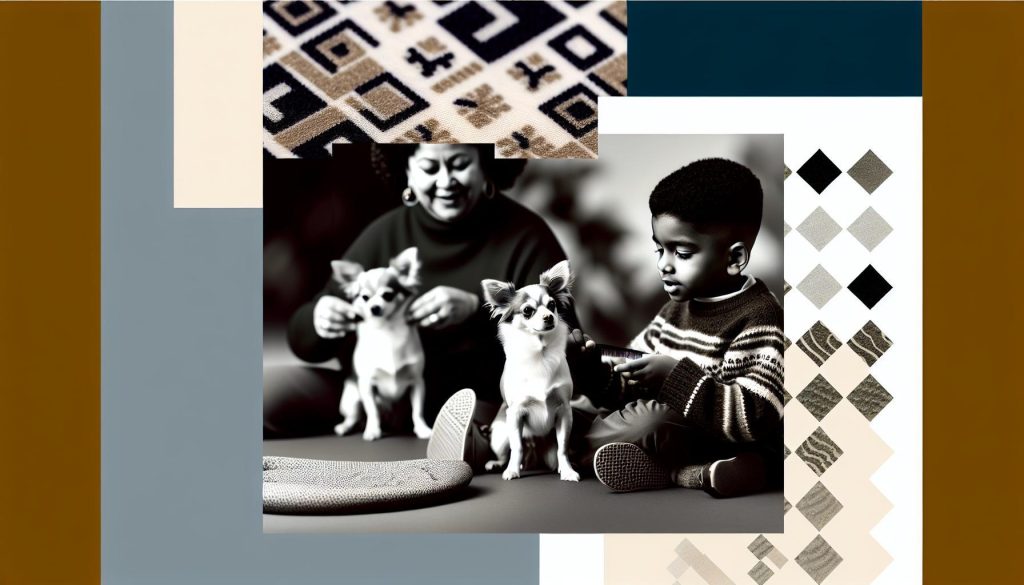
Chihuahuas, those spirited little dogs with big personalities, have unique care requirements that every owner should understand. Did you know that despite their small stature, they can be quite vocal and fiercely loyal? Whether you’re a first-time owner or have welcomed a new furry friend into your home, knowing what your Chihuahua needs is essential for their well-being and happiness. From proper nutrition to grooming, socialization, and health care, each aspect plays a pivotal role in nurturing their bold spirit and ensuring a fulfilling life together. Join me as we explore the essential care requirements that will help your Chihuahua thrive, keeping that tail wagging and spirit alive!
What Chihuahuas Require for Optimal Health

Chihuahuas are not just incredibly charming little companions; they also require specific care to ensure they thrive in their affectionate and bold ways. These tiny bundles of energy are prone to certain health challenges, so keeping an eye on their well-being is vital. Regular vet visits, a balanced diet, and preventive care will go a long way in giving your Chihuahua a happy and healthy life.
A primary aspect of maintaining your Chihuahua’s health is diet. Chihuahuas have unique nutritional needs due to their small size and high metabolism. Choose high-quality dog food that is specifically formulated for small breeds. Look for options rich in protein and essential nutrients, as well as those that avoid fillers like corn and soy. Smaller, frequent meals are often better than one or two large servings; this method helps maintain their energy levels throughout the day and prevents sudden spikes in blood sugar. Always provide access to fresh water to keep your Chihuahua hydrated.
Routine veterinary care is also critical. Chihuahuas are susceptible to dental issues, patellar luxation, and heart problems. Schedule regular check-ups to catch any potential health issues early. Vaccinations and parasite prevention (like flea and tick control) should be part of their healthcare regimen. Don’t forget about dental care! Brushing your Chihuahua’s teeth regularly or providing dental chews can help prevent periodontal disease, which is a common issue in small breeds.
Additionally, be mindful of their living environment. Chihuahuas thrive in safe, comfortable spaces. Keep them protected from extreme temperatures since their small size makes them vulnerable to both cold and heat. Create cozy, designated areas for your Chi where they can feel secure and relaxed. With these considerations in mind, you can provide the best lifestyle for your Chihuahua, celebrating their unique blends of vivacity and affection.
Understanding Chihuahua Diet and Nutrition

Chihuahuas, known for their charming personalities and tiny stature, have unique dietary needs that are crucial for their overall health. These little companions have fast metabolisms and can easily become overweight or face health issues if their nutrition isn’t carefully managed. To ensure your Chihuahua thrives, a balanced diet tailored to their specific requirements is essential.
When selecting dog food, prioritize high-quality brands designed specifically for small breeds. Look for protein-rich options, as Chihuahuas need more protein relative to their size compared to larger dogs. Ingredients should be free from fillers like corn and soy, which can lead to allergies or sensitivities. Small, frequent meals work best for this breed. Instead of one or two large feedings, opt for three to four smaller portions throughout the day. This strategy not only stabilizes their energy levels but also helps prevent sudden spikes in blood sugar, which are particularly risky for toy breeds.
Hydration is another critical aspect of your Chihuahua’s nutrition. Always provide fresh water, as tiny breeds can become dehydrated quickly. Some owners find that adding water to dry kibble to create a soft meal encourages their pups to hydrate better. Treat time can also be a healthy part of their diet. Opt for small, low-calorie treats or natural snacks like small pieces of apple or carrot, which can offer both enjoyment and health benefits.
In addition to food, be aware that some Chihuahuas may have food sensitivities or allergies. Keep an eye on your Chihuahua’s reactions to different foods and consult your veterinarian if you notice any adverse effects. Regular vet check-ups can also help monitor their health and guide you in making dietary adjustments based on their age, weight, and lifestyle.
By focusing on a balanced diet and being mindful of their unique needs, you’ll ensure your Chihuahua remains vibrant and happy, ready to share their love and affection with you every day.
Essential Grooming Tips for Your Chihuahua
Chihuahuas, with their feisty personalities and charming looks, may be small in size, but they have grooming needs that are just as important as any larger breed. Keeping your Chihuahua well-groomed not only enhances their appearance but also contributes significantly to their overall health and well-being. Regular grooming helps prevent skin issues, reduces shedding, and keeps those beautiful coats looking vibrant. Plus, it’s a wonderful way to bond with your little companion!
One of the first things to consider is your Chihuahua’s coat type. Whether your dog has a smooth coat or a long, flowing coat, grooming routines will vary slightly. For short-haired Chihuahuas, a gentle brush once a week with a bristle brush can help remove loose hair and dirt while distributing skin oils. Long-haired Chihuahuas benefit from more frequent grooming-about two to three times a week-with a slicker brush or comb to prevent mats and tangles. Make it a relaxing experience by providing treats and positive reinforcement to help your furry friend enjoy grooming time.
Bathing and Skin Care
Bathing should be done sparingly-typically every 4-6 weeks-unless they get particularly dirty. Use a gentle, dog-specific shampoo to avoid irritating their sensitive skin. After bathing, be sure to dry your Chihuahua thoroughly, especially if they are long-haired, to prevent any dampness that could lead to skin issues. Furthermore, don’t forget to check their ears for wax buildup and redness, which can be common in this breed. Cleaning them gently with a vet-recommended solution ensures their ears remain healthy.
Nail Trimming and Dental Health
Regular nail trimming is another key component of grooming. Aim to trim your Chihuahua’s nails every 2-4 weeks to prevent overgrowth, which can be painful and affect their mobility. If you’re unsure, take a small amount off and avoid the quick (the pink area inside the nail) to prevent bleeding. For some Chihuahuas, nail clipping can be a little stressful, so introducing them to the clippers gradually can help.
Dental health is crucial for your little friend’s overall well-being. Chihuahuas are prone to dental problems, so brushing their teeth several times a week with dog-specific toothpaste is highly beneficial. Additionally, offering dental chews can assist in keeping their teeth clean and healthy.
By keeping these grooming tips in mind and incorporating them into your routine, you’ll ensure that your Chihuahua not only looks great but also feels great. Every grooming session can be an opportunity for connection, reinforcing that strong bond you share with your vibrant little companion.
Creating a Safe Environment for Your Chihuahua
Creating a comfortable and safe environment for your Chihuahua is essential for their happiness and well-being. These little dogs, often weighing no more than a handful, can be surprisingly bold but are also vulnerable due to their size. A few thoughtful adjustments in your home can make a significant difference in providing the sanctuary your furry friend deserves.
First and foremost, consider your Chihuahua’s space. They thrive in cozy areas where they can feel secure. Designate a warm and sheltered spot, equipped with a soft bed or blanket. Since Chihuahuas can be sensitive to temperature changes, it’s crucial to keep their resting area draft-free and comfortable throughout the year. Many owners find that a snug dog bed or even a small crate lined with a plush blanket works beautifully. When creating this space, ensure it’s away from high-traffic areas to minimize stress from noise and movement.
Chihuahuas are naturally curious and fearless, which can lead them into tricky situations. To prevent accidents, it’s important to childproof your home. Keep small objects, cords, and dangerous items out of their reach, as these tiny explorers may think of anything within paw’s reach as a chew toy. Additionally, be mindful of what’s outside; a simple door left ajar can present a big escape opportunity for them. Installing a secure gate or a dog barrier in your home can effectively manage their access to various areas, particularly stairs or rooms with hazards.
Socialization is an integral part of a Chihuahua’s life. Integrating them into your daily routine – whether it’s introducing them to new friends or exposing them to different environments – helps them gain confidence and reduces anxiety. It’s also essential to provide them with adequate mental stimulation. Use a variety of toys, including puzzle toys or treat dispensers, to keep their keen minds engaged. Regular playtime helps them exercise their natural instincts, keeping them both physically and mentally fit.
Lastly, consider their safety during outings. Harnesses designed specifically for Chihuahuas can help keep them secure during walks, reducing the chance of slips from collars. Additionally, small pet carriers can be an excellent investment for trips, ensuring that your Chihuahua remains safe, secure, and comfortable. This attention to detail in their environment not only protects them but also cultivates a loving and enriching household where they can thrive.
Remember, every Chihuahua has its unique personality-be it a feisty apple-headed little one or a mellow long-haired companion. Adapting their surroundings to suit their individual needs will not only ensure their safety but will also strengthen your bond, leaving room for joyful interactions and happy moments together.
Socialization Needs for Happy Chihuahuas
Chihuahuas are not just tiny dogs; they are spirited companions with big personalities. They thrive on interaction and connection, making socialization a key aspect of their well-being. By integrating your Chihuahua into various social settings, you can help her build confidence and ensure she grows into a well-adjusted adult. It’s essential to remember that early and consistent social interactions can significantly influence her behavior throughout her life.
To get started, gradually introduce your Chihuahua to different people, pets, and environments. Begin with calm settings where she feels safe, such as inviting friends over or taking her to a friend’s house with a no-pressure vibe. As she becomes more comfortable, expose her to new experiences, like outdoor cafes or pet-friendly parks. This variety not only stimulates her curiosity but also reduces anxiety. For example, one owner found that taking her apple-headed Chihuahua, Bella, to pet-friendly events allowed her to gain confidence around other dogs, turning her from a timid pup into a social butterfly.
Encouraging Positive Interactions
While socializing, it’s crucial to ensure each experience is positive. Use treats and praise to reward your Chihuahua when she behaves well or interacts positively with strangers or other dogs. Playful encounters can also foster healthy relationships. Setting up playdates with other small, friendly dogs can help her understand social cues without overwhelming her. Remember to keep an eye on her body language; if she seems fearful or overwhelmed, give her space and allow her to retreat to a quieter area.
Incorporate group training classes that cater specifically to small breeds, which can be a great way to combine learning with social exposure. This not only strengthens her obedience skills, but also teaches her how to behave around other dogs and people in a controlled setting.
Maintaining a Routine
Lastly, consistency is vital. Make socialization a regular part of your Chihuahua’s life. Short, frequent outings are often better than longer, infrequent excursions. Whether it’s a stroll in the park, a visit to a doggy store, or a weekend trip with you, the more experiences she encounters, the more adaptable and secure she’ll become.
Embrace the quirks of your Chihuahua-the vocal alerts, the bold heart, and the loyalty that comes in such a small package. By prioritizing her social needs, you nourish her spirit, ensuring she doesn’t just survive but truly thrives in your loving home.
Training Basics: Raising a Well-Behaved Chihuahua
Training a Chihuahua is not just about teaching obedience commands; it’s also about building a bond of trust and respect. These tiny dogs, with their big personalities, can sometimes challenge their owners, but with the right approach, you can raise a well-behaved and happy companion.
Start with basic commands like “sit,” “stay,” and “come.” Positive reinforcement works wonders with Chihuahuas. Use small treats or praise when your pup successfully follows a command. This not only teaches them obedience but also boosts their confidence. One owner shared how her apple-headed Chihuahua, Max, quickly learned to come when called, simply by being rewarded with his favorite treats every time he responded correctly.
Consistency is Key
Consistency in training is crucial. Use the same commands and cues every time you interact with your Chihuahua. This helps prevent confusion and makes learning easier for her. Incorporate short, frequent training sessions into your daily routine. For instance, practice commands while you’re waiting for your coffee to brew or during commercials. Chihuahuas respond best to short bursts of attention, which keeps their interest piqued.
Socialization Through Training
Integrating socialization into training is also beneficial. When you take your Chihuahua to group training classes, she’s not only learning commands but also how to interact with other dogs and people. This exposure is essential for their development. An owner of a shy Chihuahua found that after attending classes, his dog became more comfortable in various social settings, transforming from a timid puppy into a confident little socialite.
Addressing Behavioral Challenges
Chihuahuas can be assertive, sometimes leading to behaviors like barking or nipping if not properly managed. If your Chihuahua displays these tendencies, redirect the behavior positively. For example, if she barks at strangers, teach a “quiet” command, and reward her when she stops barking. It’s essential to be patient and to acknowledge that some behaviors stem from their protective nature.
Remember, every Chihuahua is unique. Celebrate their quirks-whether it’s their vocal alerts or their affectionate nature. By employing these training basics, you help ensure that your Chihuahua not only knows how to behave but also feels secure and loved in your home.
Exercise Requirements for Active Chihuahuas
Active Chihuahuas may be small in stature, but they possess a big spirit and lots of energy! It’s important to ensure they get enough exercise to maintain their health and happiness. Regular physical activity is crucial for their well-being and can significantly reduce behavioral problems that may arise from boredom or pent-up energy.
Daily walks are essential for your Chihuahua. Aim for at least two short walks-15 to 30 minutes each day. This helps them explore new surroundings and receive mental stimulation. Chihuahuas often enjoy playing in the yard or engaging in interactive play inside the house. Use toys that encourage movement, such as small balls or tug ropes, to keep them active. Remember that Chihuahuas can grow bored quickly, so rotating their toys can maintain their interest.
Playtime and Activities
Incorporating play into their daily routine is an excellent way to keep your Chihuahua fit. Activities like hide-and-seek or gentle fetch can be perfect for burning off energy while strengthening your bond. Moreover, consider joining a local dog park where he can socialize with other dogs; however, always supervise your Chihuahua closely, as his small size may make him vulnerable to larger dogs.
- Walks: 15-30 minutes, twice daily.
- Interactive play: Use toys to engage in fetch or tug of war.
- Socialization: Visit dog parks while supervising playmates.
Chihuahuas thrive on routine, so establishing a regular exercise schedule will help him feel secure. If your little one seems restless or is exhibiting unwanted behaviors, it may be a sign he needs more activity. By providing a balance of physical exercise and playful interaction, you’ll not only help him stay healthy but also nurture his joyful and vibrant personality, making for a happier and well-adjusted companion.
Health Care and Vet Visits for Chihuahuas
Chihuahuas, with their feisty personalities and tiny bodies, require regular and attentive healthcare to thrive. As a devoted Chihuahua owner, understanding the specific health needs of this breed is crucial. Regular vet visits are essential, not only for vaccinations and routine check-ups but also for keeping an eye on the unique health challenges Chihuahuas may face, such as dental issues or heart disease. Scheduling these visits can help you catch any potential problems early, ensuring your little buddy stays happy and vibrant.
It’s recommended to start vet visits when your Chihuahua is a puppy, typically around 6 to 8 weeks old. During these early visits, your vet will provide essential vaccinations, deworming treatments, and advice on diet and care. For adult Chihuahuas, annual check-ups are generally sufficient, but if your dog begins to show signs of distress or changes in behavior-like increased barking or reluctance to play-it’s wise to consult your vet sooner. Keep in mind that Chihuahuas, especially those with a delicate frame, can develop health issues rapidly, so staying proactive is key.
Chihuahuas are known for their dental health challenges, making regular dental cleanings a top priority. Consider brushing your Chihuahua’s teeth several times a week and providing dental chews to help reduce plaque buildup. Also, pay attention to their faint, high-pitched sounds, as they may be vocalizing discomfort due to underlying dental problems that may not be immediately visible.
Additionally, consider keeping a journal of your Chihuahua’s weight, eating habits, and any behavioral changes. This can be a handy tool to discuss with your vet and tailor a health plan that suits his unique needs. With their spirited nature and loyalty, Chihuahuas bring immense joy to our lives, and ensuring their health through regular vet visits will help you share many happy years together.
- Start vet visits: Puppy stage (6-8 weeks old).
- Annual check-ups: For adult Chihuahuas; more frequent visits if issues arise.
- Dental health: Regular brushing and dental treats.
- Keep a health journal: Track weight, diet, and behavior changes.
Identifying Common Chihuahua Behavioral Traits
Chihuahuas are brimming with personality, often surprising their owners with behaviors that are both endearing and perplexing. With their small stature and bold attitude, Chihuahuas can be feisty little companions who seem to have no understanding of their tiny size. Understanding common behavioral traits can enhance your bond with your furry friend and help manage any challenges that arise.
One prominent trait of Chihuahuas is their loyalty. These dogs often develop a strong attachment to their owners, following them around the house and wanting to be included in every activity. If you have more than one family member, expect your Chihuahua to pick their favorite-it’s not personal, but rather a common aspect of their nature. This loyalty, however, can lead to separation anxiety if not properly addressed. Ensuring your pup is comfortable being alone, gradually increasing alone time, can help prevent anxiety-related behaviors such as excessive barking or digging.
Chihuahuas are known for their vocal tendencies. Their high-pitched barks can be alarming, and they’re often not shy about expressing themselves. A Chihuahua may bark to alert you of visitors, engage in play, or even as a reaction to seeing another dog. It’s vital to discern the reasons for their barking and set boundaries through training. Gentle correction for excessive barking will encourage her to use her voice only when necessary. Additionally, rewarding quiet behavior can reinforce a calmer approach to communication.
Another interesting behavioral aspect is their tendency to be a bit territorial. Chihuahuas may see themselves as the ruler of their space, which can lead to aggressive behavior if they perceive a threat. Early socialization is crucial-exposing your Chihuahua to a variety of environments, people, and other pets can help them feel more secure and less reactive. Regularly seeing different sights and sounds will teach her that the world is a friendly place.
Lastly, it’s important to recognize that Chihuahuas require mental stimulation in addition to physical exercise. They are intelligent and curious dogs, often displaying mischievous behavior when bored. Engage her with interactive toys, puzzle games, or even teach her new tricks to keep her mind sharp. A well-stimulated Chihuahua is a happy one, reducing the likelihood of undesirable behaviors stemming from boredom.
In summary, by embracing and understanding these charming traits-loyalty, vocalization, territorial instincts, and mental sharpness-you can foster an enriching environment for your Chihuahua that celebrates her uniqueness and meets her needs.
Ensuring Comfort: Bed and Space Needs
Creating a cozy and secure environment for your Chihuahua is paramount, as these little dogs thrive on comfort and safety. Chihuahuas, with their unique personalities and compact sizes, require special consideration in how and where they rest. A well-chosen bed not only provides warmth but also a personal space where your fearless companion can feel safe and secure. Imagine your Chihuahua sinking into a plush, supportive bed that allows her to curl up comfortably, showcasing her adorable apple head.
When selecting a bed, consider the size and style that best suits your pup. A bed that’s too large may not provide a sense of security, while one that’s too small can be uncomfortable. Look for options with raised edges or sides that your Chihuahua can snuggle against. These designs mimic a den-like atmosphere, which is instinctively comforting for many dogs. Additionally, beds made from soft materials will keep her warm, especially during colder months, as Chihuahuas can be sensitive to temperature changes.
Location Matters
Positioning your Chihuahua’s bed in a low-traffic area of your home can help her feel secure. Being close to her humans is important, but she also needs her private sanctuary. A cozy corner in the living room or a quiet spot in the bedroom would work wonderfully. If you notice your Chihuahua seeking out high places or soft blankets, consider providing her with a small, safe perch or a secure spot near a window to observe the world around her. This not only makes her feel included in family activities but also satisfies her curiosity.
Creating a Personal Space
In addition to her bed, think about other elements that can enhance her comfort and security. Provide soft blankets that she can burrow into, or toys that she can claim as her own. Chihuahuas love to nest, and having a few blankets or comfort items can help her create a space that feels safe. Keep in mind that her bed should be cleaned regularly to maintain hygiene, as Chihuahuas, especially those with longer coats, can be prone to skin issues.
By ensuring your Chihuahua has a comfortable and secure space, you’re not only providing a sanctuary for her to relax but also fostering a bond of trust within your household. Whether it’s through a perfectly selected bed, strategic placement, or cozy additions, your careful attention to her comfort stands to reward both of you with a happier, healthier relationship.
Dealing with Chihuahua-Specific Health Issues
Chihuahuas, with their spirited personalities and petite frames, can be susceptible to specific health issues that every owner should be aware of to ensure their furry friend’s well-being. One of the most common concerns for this breed is dental health. Chihuahuas are known for having small mouths, which can lead to overcrowding of teeth and promote plaque buildup. Regular dental care, including brushing her teeth several times a week and offering dental treats, can greatly reduce the likelihood of periodontal disease and other dental issues.
Another prevalent issue among Chihuahuas is patellar luxation, a condition where the kneecap dislocates from its normal position. This can cause pain and mobility problems, especially in active dogs. If you observe your Chihuahua skipping a stride or holding her leg up, it’s essential to consult your veterinarian. They may recommend weight management, specific exercises, or, in severe cases, surgical intervention to address the condition.
Chihuahuas also face unique challenges concerning their hearts. Heart disease, particularly mitral valve disease, is common in older Chihuahuas. Regular veterinary check-ups can help diagnose heart issues early. Symptoms like coughing, difficulty breathing, or lethargy should never be dismissed. Your vet may suggest a heart-healthy diet, medications for management, or lifestyle adjustments to help her feel her best.
Moreover, due to their small size, Chihuahuas can be vulnerable to environmental factors such as temperature extremes. They are not the best adventurers in cold weather and require extra consideration during chilly days. Ensure she has warm clothing or blankets if she spends time outdoors. Likewise, her sensitive skin may be prone to allergies or irritations, so monitoring her for rashes or excessive scratching is crucial to maintaining her comfort.
Recognizing and addressing these Chihuahua-specific health issues with proactive care can lead to a long, happy life together. Regular vet visits, careful observation of her behaviors, and a tailored diet are key components of ensuring her health remains optimal. Always remember, a happy Chihuahua is one that feels loved, secure, and in good health!
Preparing for Life Changes with Your Chihuahua
Amid life changes-whether it’s moving to a new home, welcoming a baby, or adjusting to a new work schedule-your Chihuahua will look to you for stability and reassurance. These spirited little companions thrive on routine and familiarity, so understanding how to ease transitions can help maintain their happiness and well-being. Remember, a Chihuahua’s emotional state is just as important as their physical health; they feel our energies and respond accordingly.
Adapting to New Environments
When introducing your Chihuahua to a new environment, take it slow. Start by allowing her to explore at her own pace. Secure her favorite toy or blanket in new spaces to provide a sense of comfort. If you’re moving to a new home, consider setting up her area first. Place her bed and toys in a designated zone so that she can retreat there whenever she feels overwhelmed. For example, one owner found that keeping her Chihuahua’s routine intact-feeding and walk times-helped her adjust more easily to their new apartment.
Welcoming New Family Members
If you’re anticipating changes like a new baby or pet, start preparing your Chihuahua in advance. Gradually introduce new sounds and smells related to the baby or other pets. Play recordings of baby noises or have visitors bring blankets that smell like your soon-to-arrive addition. This gradual exposure can help minimize anxiety and prevent jealousy. Owners frequently report that their Chihuahuas became more relaxed when they involved them in the transitioning process, like giving treats during introductions to new family members.
Maintaining Consistency
Throughout any life change, keeping a consistent daily routine is crucial. Chihuahuas thrive on predictability, which helps them feel secure. Try to stick to established feeding, walking, and playtimes as much as possible. You might also consider keeping a diary of her behaviors during transitions. This can help you identify what stresses her or what comforts her most. For instance, consistent evening cuddle sessions might be the perfect way for her to wind down after a long day of changes.
Health and Wellness
Don’t forget to keep an eye on her health as well. Life changes can sometimes lead to stress, which might surface as loss of appetite or changes in behavior. Regular vet check-ups can be invaluable during these times. Your vet can provide insights into managing stress-related issues and ensuring that your Chihuahua remains healthy, both physically and mentally.
Through thoughtful preparation and consistency, you can navigate life changes while ensuring your Chihuahua feels secure, loved, and cherished. By offering the support and comfort she needs, you’re not just adjusting to new circumstances-you’re also deepening the bond between you and your loyal companion.
FAQ
Q: What are the basic care requirements for a Chihuahua?
A: Chihuahuas need a balanced diet, regular exercise, and proper grooming. Ensure they receive nutritious food suitable for their size and age. Daily walks help maintain a healthy weight and prevent boredom. Routine grooming keeps their coat in good condition and reduces shedding.
Q: How often should I take my Chihuahua to the vet?
A: Regular vet visits are crucial for keeping your Chihuahua healthy. Schedule check-ups at least once a year for vaccinations and dental care. Older Chihuahuas may require more frequent visits to monitor age-related health issues.
Q: What type of food is best for a Chihuahua?
A: High-quality, small-breed dog food is ideal for Chihuahuas. Look for formulas rich in protein and healthy fats. Avoid fillers and artificial ingredients. Always consult your vet to establish the specific dietary needs based on your dog’s health and activity level.
Q: How do I keep my Chihuahua warm in colder weather?
A: Chihuahuas are sensitive to cold temperatures. Provide warm clothing, such as sweaters or jackets, when taking them outside in chilly weather. Keep them indoors during extreme cold and ensure they have a cozy sleeping area.
Q: What training methods are effective for Chihuahuas?
A: Positive reinforcement techniques work best for training Chihuahuas. Use treats, praise, and gentle encouragement to teach commands and behaviors. Socialization is essential, so expose them to various environments and people from a young age.
Q: How can I help my Chihuahua with separation anxiety?
A: Gradual desensitization can help alleviate separation anxiety. Start by leaving your Chihuahua alone for short periods, gradually increasing the time. Provide toys that stimulate their mind, and consider crate training to create a safe space they associate with positive feelings.
Q: Why does my Chihuahua bark excessively?
A: Chihuahuas may bark for various reasons, including boredom, attention-seeking, or as a protective instinct. Address excessive barking by ensuring they receive adequate exercise and mental stimulation. Training sessions can also teach them when it’s appropriate to bark.
Q: What are some common health issues in Chihuahuas?
A: Common health concerns include dental problems, patellar luxation, and heart disease. Regular veterinary check-ups and a proper diet can help prevent these issues. Keeping an eye on their weight and dental hygiene is crucial for their overall health.
Closing Remarks
As you embark on your journey to provide the best care for your beloved Chihuahua, remember that understanding his unique needs-like grooming routines, dietary preferences, and exercise habits-will be essential. These tiny companions deserve love and attention to thrive. If you’re looking for more detailed insights, check out our articles on “Best Foods for Chihuahuas” and “Chihuahua Training Tips,” where you’ll find additional resources to aid in your caregiving efforts.
Don’t hesitate! Dive deeper into our content, share your thoughts in the comments, or connect with fellow Chihuahua owners in our community. Your next steps can make a significant difference in your furry friend’s health and happiness. By prioritizing their care, you ensure a loving environment for your spunky, loyal companion. Join our newsletter for updates and expert tips to stay on top of your Chihuahua’s needs! Your journey to being the best Chihuahua parent starts now!
Get our latest guides, news, and insights highlighted in your Google Search & AI Overviews.