
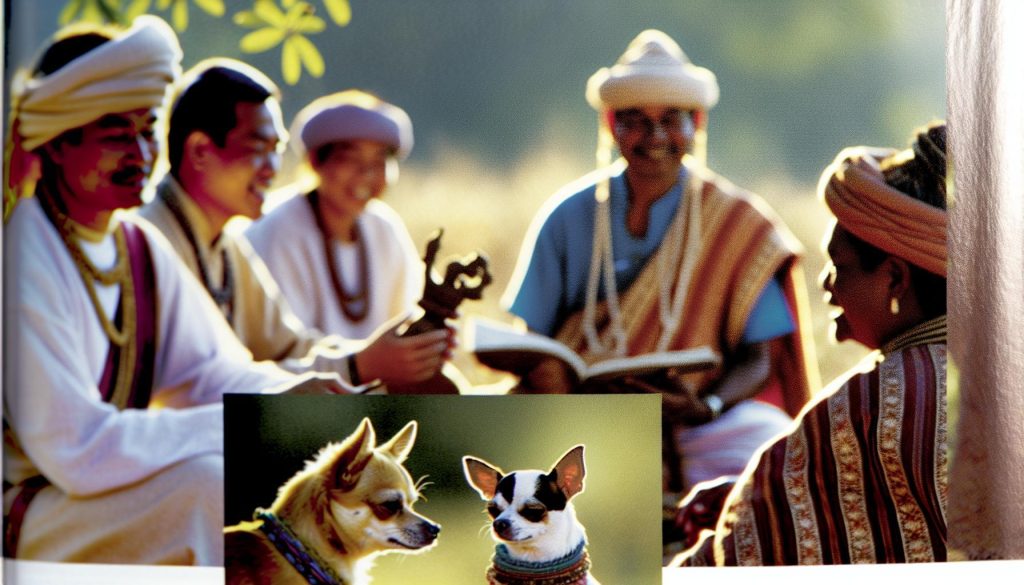
Chihuahuas, those tiny dynamos of personality, have a rich history that goes far beyond their adorable appearance. Originally bred by ancient civilizations in Mexico, these dogs were not just companions; they played significant roles in cultural practices and even in religious ceremonies. Understanding why Chihuahuas were bred reveals insights into their unique traits and behaviors, helping owners appreciate them even more. Whether you’re a seasoned Chihuahua lover or a new owner trying to understand your spirited little friend, knowing their ancient purpose adds depth to your bond. As we delve into their history, you’ll discover the traits that make Chihuahuas not only endearing but also resilient companions. Join us in uncovering the fascinating story behind these bold little guardians, and see how their past continues to influence the way we care for and cherish them today.
Origins of the Chihuahua: A Historical Overview
The Chihuahua, often celebrated for its bold personality and diminutive size, traces its origins back to ancient Mexico, where it was revered not just as a pet, but as part of a rich cultural tapestry. Initially bred by the ancient Toltecs-whose civilization flourished around the 10th century-the breed was likely developed from the Techichi, a small companion dog that played significant roles in both daily life and spiritual practices. These little dogs were not just pets; they were believed to have a special connection to the spiritual world, often accompanying their owners in religious ceremonies and even into the afterlife.
Significance in Pre-Colombian Cultures
In its early days, the Chihuahua served multiple roles that extended beyond companionship. They were thought to be guides for the deceased, helping souls navigate the journey to the afterlife. This deep-rooted purpose showcases the breed’s initial importance in Mesoamerican spirituality. Additionally, their small stature and vibrant demeanor made them well-suited for companionship, providing comfort in a time when life was often harsh.
Evolution Through the Ages
As centuries passed, the Chihuahua’s popularity waxed and waned, influenced by various cultural exchanges. By the 19th century, the breed gained significant traction when American tourists enthusiastically began to adopt them during their visits to Mexico. This visibility helped solidify the Chihuahua’s presence in popular culture, leading to its introduction into households across the United States and beyond.
Today, Chihuahuas embody characteristics that reflect their storied past-vocal, loyal, and often fearless, they are more than just lap dogs; they are vibrant personalities in small packages. Understanding their origins not only enhances our appreciation of these little companions but also informs how we care for them today. Each Chihuahua, whether an apple-head or a deer-head, carries with it a legacy that speaks to their ancient purpose and the profound bond they share with humans. Embracing this history can provide valuable insights into nurturing and celebrating your Chihuahua’s unique traits and behaviors.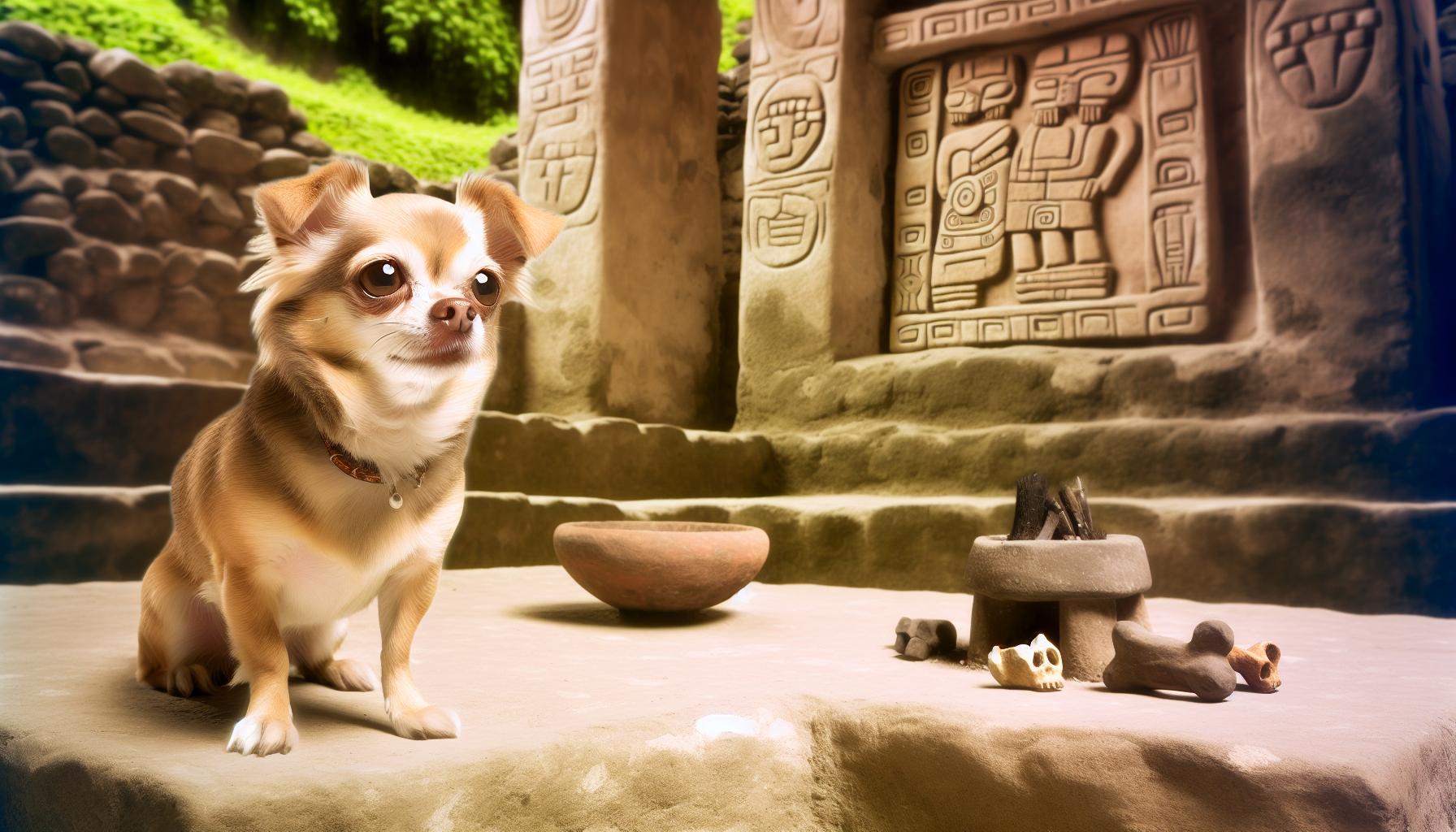
The Ancient Purpose Behind Chihuahuas
Chihuahuas have an intriguing history that goes far beyond their roles as modern companions. The origins of this vibrant breed can be traced back to ancient Mesoamerica, where they were regarded as much more than mere pets. Initially bred by the Toltec civilization around the 10th century, Chihuahuas likely evolved from the Techichi, small dogs that were integral to the daily lives of their owners. These early dogs served multiple purposes, entwining their fates with those of humans and holding deep cultural significance.
The primary ancient purpose of Chihuahuas revolved around their spiritual roles. Believed to be companions in both life and death, these dogs were thought to guide souls through the afterlife. In pre-Columbian cultures, it was believed that Chihuahuas had a unique connection to the spiritual realm, often accompanying their owners during rituals and ceremonies. Their presence was celebrated as a comfort and a symbol of companionship, helping individuals navigate life’s challenges. This profound bond reflects the emotional support that Chihuahuas continue to provide, resonating with many dog owners today.
In addition to their spiritual significance, these little dogs also acted as protectors of their households. Their small yet bold frames made them adept at alerting their owners to imminent threats. Despite their size, Chihuahuas possess an inherent courage that has earned them a reputation as fierce guardians. This protective instinct endures within the breed’s personality, making them vigilant companions who are fiercely loyal to their families. Experience shared by many Chihuahua owners often highlights this unique trait-how a tiny dog can seem larger than life when defending their home.
In considering the ancient purpose behind breeding Chihuahuas, it’s essential to reflect on how their historical roles influence their behavior and care in contemporary settings. Their vocal nature and loyalty, rooted in their ancestry, make them delightful companions but also require understanding and patience from owners. When caring for a Chihuahua, understanding their historical context can enhance the bond you build with your little friend. Embrace their quirks, value their loyalty, and honor the rich legacy they bring into your life. By appreciating the ancient roots of the Chihuahua, you nurture a relationship that is not just about ownership but one that resonates with historical depth and emotional richness.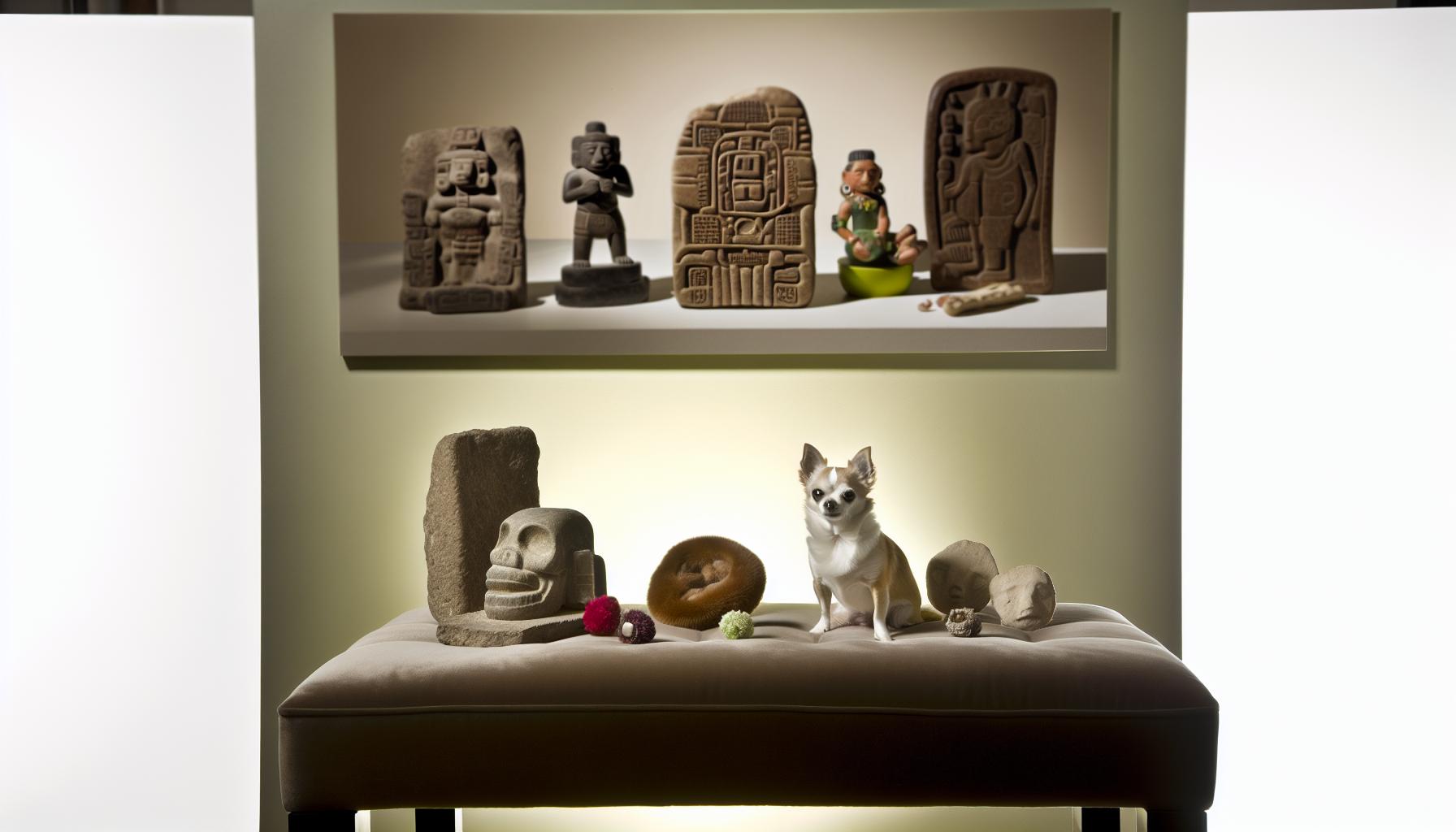
Cultural Significance of Chihuahuas Through Time
Chihuahuas are not just the tiny companions we see today; their deep-rooted cultural significance has evolved over centuries. Originating from ancient Mesoamerican civilizations like the Toltecs, these little dogs were revered for spiritual purposes. It is fascinating to consider how, thousands of years ago, they were believed to guide souls in the afterlife, playing critical roles during rituals and ceremonies. This sacred partnership was foundational, as Chihuahuas were seen as more than pets; they were integral to the well-being and spiritual journey of their human companions.
Their importance transcended spiritual realms and extended into daily life. Chihuahuas have historically been seen as guardians of the home. Their bold nature and keen instincts made them excellent protectors against intruders despite their small size. Many Chihuahua owners will attest to their dog’s fierce loyalty, often describing moments when their little friend barked bravely at much larger animals or even at strangers. It’s awe-inspiring how a creature so small can possess such a big spirit.
Moreover, the cultural significance of Chihuahuas can be seen in how they influence our lifestyles today. As modern owners, embracing these dogs’ historical roles can enhance our relationships with them. Understanding their protective instincts and vocal tendencies can help us appreciate their quirks rather than see them as nuisances. For instance, an owner might initially find their Chihuahua’s loud barking might be annoying, but through a historical lens, it becomes clear it’s part of their ancient purpose to protect. This recognition can encourage patience and playfulness in training, turning perceived challenges into opportunities for bonding.
In contemporary times, as we cherish these fiercely loyal companions, it is essential to recognize their historical context. Chihuahuas, whether they are the stout apple-heads or the elegant deer-heads, carry within them a legacy of companionship and protection that has stood the test of time. As you nurture your Chihuahua’s spirit, remember the vibrant cultural tapestry that has shaped them into the cherished family members they are today. By honoring their past, you enrich not only your life but also the life of your little friend, ensuring your connection is as meaningful as it is vibrant.
Understanding the Chihuahua’s Unique Traits
Chihuahuas are fascinating little dogs, brimming with personality despite their small stature. Known for being bold and sometimes feisty, their unique traits are both a testament to their ancient roots and a reflection of their modern roles as beloved companions. Understanding these characteristics can enrich your experience as a Chihuahua owner, helping you appreciate the quirks that make your furry friend so special.
One of the standout traits of Chihuahuas is their unwavering loyalty. This breed often forms strong bonds with their human companions, becoming protective guardians of the home. It’s not uncommon for a Chihuahua to bravely bark at unfamiliar faces, displaying a fearlessness that belies their size. Owners often share stories of their Chihuahuas valiantly defending their territory against much larger animals, showcasing a tenacious spirit that’s both admirable and endearing.
In addition to loyalty, Chihuahuas possess a strong vocal nature. While some owners might find their barking excessive, this behavior can actually be traced back to their historical purpose as guardians. Recognizing this trait allows owners to view those vocalizations as a form of communication instead of a nuisance. It also opens the door for effective training techniques. Positive reinforcement methods can help teach your Chihuahua when it’s appropriate to bark and when to be quiet, ultimately leading to happier interactions.
Chihuahuas also exhibit unique physical traits that contribute to their charm. The breed can be classified into two main types: Apple-heads and Deer-heads. Apple-head Chihuahuas have rounder skulls and more prominent eyes, while Deer-heads feature a longer muzzle and a more elongated skull. Understanding these differences can assist you in recognizing specific health issues that might arise within your Chihuahua’s lineage. For instance, Apple-heads may be more prone to dental issues due to their jaw structure, while Deer-heads might have different concerns related to their lengthened features.
Ultimately, appreciating the distinctive traits of Chihuahuas-whether it be their loyalty, vocality, or physical characteristics-enhances your bond with your precious companion. By embracing their quirks and understanding their history, you create a nurturing environment that allows your Chihuahua to flourish as a cherished member of your family.
Physical Characteristics: Apple-Head vs. Deer-Head
Understanding the physical characteristics of Chihuahuas enriches your appreciation for this unique breed. Among the most recognizable traits are the differences between the two primary types: Apple-head and Deer-head Chihuahuas. Each type not only has distinct appearances but also may carry different health considerations that every responsible owner should know.
Apple-head Chihuahuas are easily identifiable by their rounded skulls, prominent, expressive eyes, and short muzzles. This charming appearance exudes an endearing look that many people associate with the breed. However, with this adorable facade come certain health risks. For instance, their compact jaw structure can lead to dental problems, which are common in this type. As a loving owner, be mindful of their oral hygiene; regular dental check-ups and appropriate chew toys can mitigate these issues significantly.
In contrast, Deer-head Chihuahuas possess a more elongated muzzle and a broader skull, which gives them a slightly different profile. They typically have a more refined, elegant appearance often compared to the look of a small deer, hence their name. This type is generally known to have fewer dental issues, but their longer body structure might predispose them to other ailments, such as hip dysplasia. Therefore, keeping an eye on your Deer-head’s diet and overall weight is crucial in maintaining its health and preventing potential complications.
Both types share intriguing personality traits, such as their boldness and loyalty, but these may manifest slightly differently in each. Apple-heads often display a more sensitive nature, while Deer-heads may be a bit more adventurous and outgoing. Every Chihuahua, regardless of type, thrives on social interaction and mental stimulation. Whether you have an Apple-head or a Deer-head, regular playtime, training, and socialization can ensure they develop into well-adjusted companions.
When choosing between an Apple-head and a Deer-head, consider your lifestyle and the individual personality of the dog. Each type offers a unique set of characteristics and quirks, creating an enriching bond that goes beyond just looks. After all, the heart of a Chihuahua beats loud and proud, making them not just pets, but beloved members of the family.
Behavioral Traits: Boldness and Loyalty Explored
Chihuahuas are not just tiny companions; they embody an impressive mix of boldness and loyalty deeply rooted in their ancestry. Originally bred to accompany humans in ancient civilizations, these little dogs developed a reputation as fearless guardians. They may be small in stature, but their personalities are anything but. Chihuahuas are known for their tenacity and spirited nature, often acting much larger than their size suggests. Owners frequently share stories of how their Chihuahuas bravely confront much bigger dogs or confidently announce the arrival of visitors with loud barks, showcasing their natural guarding instincts.
Loyalty is another cornerstone of the Chihuahua personality. These dogs form incredibly strong bonds with their owners, often preferring to stay close and be involved in daily activities. This devotion is not merely an endearing trait; it lays the foundation for a relationship built on trust and companionship. For instance, many Chihuahua owners have remarked on how their dogs will follow them from room to room, always wanting to be at their side. This trait stems from their history as companion animals, where their role was to provide emotional support and companionship to their owners.
However, it’s vital to recognize that this boldness and loyalty must be managed responsibly. Chihuahuas can sometimes exhibit protective tendencies, which, if not properly socialized, may lead to unwarranted aggression. As a loving owner, you can nurture your Chihuahua’s confident spirit while ensuring they remain friendly and well-adjusted. Regular interactions with different people, pets, and environments are key. Engaging in positive reinforcement training and allowing your Chihuahua to play in supervised settings can help them learn appropriate behaviors while exploring their vibrant personalities.
In understanding the balance of behavior, it’s important to confront common challenges Chihuahuas face. Their natural inclination to protect their territory can lead to excessive barking or wariness around strangers. To counteract this, creating a safe, enriching environment is essential, alongside ongoing socialization efforts. As a proud owner, your consistent engagement and affection will not only enhance their loyalty but also help them thrive as your fearless and loving companions.
Care Essentials for Chihuahuas: What to Know
Chihuahuas are remarkable little companions whose needs may seem simple but require thoughtful attention to thrive. Understanding their unique background can enhance your care approach, connecting their ancient role as loyal guardians to the love you provide today. Originally bred not just for companionship but to serve and protect, your Chihuahua deserves a lifestyle that acknowledges both their noble heritage and their modern-day place in your heart.
Nutrition: Fueling Their Energy
Providing your Chihuahua with balanced nutrition is crucial for their health and longevity. Tiny but mighty, these dogs can have high energy levels despite their size. Ensure they receive high-quality dog food, preferably one formulated specifically for small breeds, which can provide the right nutrients in appropriate amounts. You can consider adding wet food to their diet for hydration and palatability, especially if your Chihuahua tends to be a picky eater. Small, frequent meals-typically three to four a day-are ideal due to their tiny stomachs and enthusiastic appetites.
Exercise: Keeping Their Spirit Alive
Despite their size, Chihuahuas require regular exercise to maintain their physical and mental health. Daily walks and playtime are essential. Even short bursts of play with toys can help satisfy their playful demeanor. Keep in mind that Chihuahuas can sometimes overheat due to their smaller body size, so it’s best to walk them in cooler times of the day. Engaging in interactive games can also help stimulate their minds and reinforce the bond between you and your pup.
Grooming: Embracing Their Coats
Depending on your Chihuahua’s coat type-smooth or long-grooming needs can vary. Smooth-haired Chihuahuas require less maintenance and can typically be brushed weekly to control shedding and distribute natural oils. Long-haired Chihuahuas, on the other hand, benefit from more frequent brushing to prevent mats and tangles. Regardless of coat type, regular nail trimming and dental care are essential for overall health. Many owners find that using a soft toothbrush and dog-friendly toothpaste can make dental hygiene a straightforward part of their grooming routine.
Health Monitoring: Early Detection and Care
Chihuahuas can be prone to specific health issues, such as dental problems, patellar luxation, and heart conditions. Routine vet check-ups are vital to catch potential issues early. Because your pup may exhibit behaviors like excessive barking or excessive attachment when anxious, these can signal discomfort or health concerns. Keeping an eye on their behavior and health will enable you to act promptly, ensuring your Chihuahua remains vibrant and full of life.
By embracing their unique needs and celebrating their spirited personalities, you can foster a nurturing environment that honors the wonderful legacy of the Chihuahua. Remember that love, patience, and consistent care will go a long way in ensuring your little companion leads a happy and fulfilled life.
Health Considerations for the Chihuahua Breed
Chihuahuas, despite their small stature, carry a unique set of health considerations that every owner should be aware of to ensure their little companion has a vibrant life. With their origins as devoted guardians, understanding their health needs allows you to honor that legacy as you provide love and care. While many of these dogs enjoy a long lifespan, they can be prone to specific health issues, often due to their diminutive size and genetic traits. Being proactive is crucial.
It’s important to regularly monitor dental health, as Chihuahuas often face dental problems like overcrowded teeth and gum disease. Incorporating dental chews or special toys can help keep their teeth clean, and regular visits to the veterinarian for dental checkups can prevent major issues down the line. Additionally, due to their fragile knees, patellar luxation is a common concern for this breed. Owners should keep an eye out for any signs of limping or reluctance to jump or run, as these can indicate discomfort.
Heart conditions, including congenital heart defects, can also affect Chihuahuas. Being vigilant about their activity levels and weight can help reduce the risk of heart disease. A balanced diet and regular exercise not only support heart health but also help combat obesity, a condition that can exacerbate existing health problems. Watch for signs of lethargy or unusual coughing, as these may be red flags requiring veterinary attention.
Lastly, understanding and managing anxiety is critical with this breed known for its vocal and bold nature. Because Chihuahuas can become very attached to their owners, they might develop separation anxiety, leading to excessive barking or destructive behavior when left alone. Gradual desensitization training, utilizing comforting toys or your clothing, and providing a safe, cozy space can help reduce anxiety during those times apart. By creating a supportive environment and addressing these health considerations, you ensure your Chihuahua thrives, celebrating their spirited personality and unique traits every step of the way.
Grooming Tips for Different Coat Types
Grooming your Chihuahua can be a delightful bonding experience, especially when you consider the breed’s unique coat types and personalities. Chihuahuas come in two primary coat varieties: short-haired and long-haired, each requiring its own grooming approach. Understanding these differences can help you keep your little companion looking and feeling their best.
Chihuahuas with short coats are relatively low-maintenance. A gentle brushing once a week is generally sufficient to remove loose hair and distribute natural oils, which helps maintain a healthy, shiny coat. Using a soft-bristle brush or a rubber grooming mitt can invigorate their skin while ensuring a pleasurable experience for them. Don’t forget to check their ears and eyes for dirt and debris during your grooming session. A damp cloth can help clean these sensitive areas without causing discomfort.
On the other hand, long-haired Chihuahuas will need a bit more attention. Regular grooming-ideally every few days-is crucial to prevent tangles and mats that can develop in their luxurious fur. A slicker brush works wonderfully for this type of coat; use it in long, gentle strokes to untangle fur while ensuring you’re not pulling on the skin. Given that long-haired Chihuahuas tend to shed more, a good brushing routine will keep your home tidy and your pup comfortable.
Beyond the basics of coat grooming, remember that Chihuahuas are prone to dental issues, so incorporate dental care into your routine as well. Dental chews, brushing, or vet-recommended gel can help keep their tiny teeth healthy. Bath time can also be essential, particularly if your Chihuahua enjoys playing outdoors; a gentle shampoo designed for dogs will keep their coat clean without stripping away natural oils. Just be sure to dry them off thoroughly after the bath to prevent them from getting cold, as Chihuahuas can be particularly sensitive to temperature changes.
Ultimately, grooming is more than just a chore-it’s an opportunity to check on your Chihuahua’s overall health. Look for any unusual lumps, skin irritations, or signs of discomfort while you groom. This proactive approach ensures your spirited friend stays healthy and happy as they flaunt their beauty. Through proper grooming tailored to their coat type, you’re also affirming your love for your Chihuahua, who deserves to strut their stuff with confidence and joy.
Training Techniques: Nurturing Your Chihuahua’s Mind
Training your Chihuahua can be one of the most rewarding experiences as a dog owner. Known for their bold and often sassy personalities, Chihuahuas thrive on mental stimulation and positive reinforcement, making training not only essential but also an enjoyable part of your daily routine. These tiny dogs have big minds and require training techniques that engage their sharp intellect while respecting their spirited nature.
First and foremost, always approach training with patience and a sense of fun. Incorporate play into your training sessions, as Chihuahuas often respond better to methods that are engaging rather than strict. Use treats-tiny morsels work best given their small size-as rewards for successful commands. Commands such as “sit,” “stay,” and “come” can be taught using clear, consistent cues. For example, when teaching “sit,” hold a treat above your Chihuahua’s head, causing her to look up, which naturally encourages a sitting position. When she does, immediately reward her with the treat and lots of praise to reinforce the behavior.
Positive Reinforcement Techniques
Chihuahuas are particularly sensitive to their environments and the emotions of their owners, which means that your demeanor during training can significantly affect their learning. Maintain a cheerful tone and be enthusiastic when rewarding your pup. Create a structured yet flexible training routine; keeping sessions short-around 5-10 minutes-helps maintain their attention and enthusiasm. Incorporating consistent cues and signals will help her understand what you expect over time.
- Focus on basic commands: Start with fundamental commands like “sit,” “down,” and “come.” These form the backbone of good behavior.
- Use short, frequent training sessions: Chihuahuas have short attention spans, so keep sessions fun and brief.
- Incorporate socialization: Bringing your Chihuahua around other dogs and people while training can enhance her confidence and adaptability.
Addressing Common Behavioral Traits
Chihuahuas are known for their fierce loyalty and protective instincts, which can sometimes lead to stubbornness or excessive barking if not properly channeled. Understanding these behavioral traits can guide your training approach. For example, if your Chihuahua barks at strangers, you can use a combination of socialization and positive reinforcement to help her feel more comfortable. When she sees something or someone new, reward her for remaining calm. This technique helps her associate new experiences with positive outcomes, thus reducing anxiety-driven barking.
Keep in mind that Chihuahuas can be sensitive to harsh corrections or negative reinforcement. Instead, nurture your Chihuahua’s mind through love and positivity. Celebrate her achievements, both big and small, as each success strengthens your bond and builds her confidence. By using these techniques, you will create an environment where your Chihuahua feels safe, supported, and eager to learn-all essential ingredients for nurturing a well-rounded companion.
Socialization Needs: Creating Happy Interactions
A well-socialized Chihuahua is a happy Chihuahua, and that’s especially true given their energetic, bold, and sometimes vocal nature. These small dogs, known for their fierce loyalty, have a rich history that underscores the importance of their social interactions. Originating as companions in ancient civilizations, Chihuahuas thrive on close relationships, both with humans and other animals. Ensuring your pup has positive experiences with various people, pets, and environments is essential for a well-adjusted personality.
Start socialization early, ideally when your Chihuahua is a puppy. Expose her to different situations, sounds, and smells. Consider arranging playdates with other friendly dogs, attending puppy classes, or even simple trips around the neighborhood. Familiarity with a variety of experiences can prevent anxious behaviors later in life. For example, if your Chihuahua tends to bark excessively at strangers, introduce her to new people gradually. Reward calm behavior with treats and praise, helping her associate newcomers with positive experiences.
Remember that Chihuahuas can be quite particular about their social interactions. While they can be bold, they also have a sensitive side. Respect her boundaries; some Chihuahuas may take time to warm up to new friends, and that’s perfectly okay. Allow her to approach situations at her own pace, reinforcing calmness with rewards. You’ll want to find a balance that encourages social confidence without overwhelming her.
In addition to introducing her to various people and pets, consider creating structured socialization opportunities. Regular outings to dog-friendly cafes or parks can help your Chihuahua gain confidence in public spaces. Each new experience contributes to her understanding of the world, making her less reactive to new stimuli. Socialization should feel like an adventure instead of a chore. By fostering these skills, you not only enrich her life but also strengthen the bond you share. A well-socialized Chihuahua is not only a well-behaved companion but also a joyful, confident presence in your life.
Chihuahua Myths and Misconceptions Debunked
The Chihuahua, with its tiny frame and larger-than-life personality, often finds itself at the center of various myths and misconceptions. One common belief is that these small dogs are just lap companions lacking any real purpose. In truth, Chihuahuas have rich historical roots as companions for ancient civilizations, particularly in Central and South America. They were believed to serve spiritual roles, helping their owners in rituals and even accompanying them into the afterlife. Understanding their historical significance can reshape how we view these feisty little dogs.
Another prevalent myth is that Chihuahuas are inherently aggressive or overly yappy. While it’s true that they can be vocal and may seem protective of their humans, this behavior often stems from their strong loyalty and affection, not aggression. A well-socialized Chihuahua is a remarkably loving companion, and this boldness, when guided correctly, can manifest as confidence rather than hostility. Owners can mitigate excessive barking by providing positive reinforcement during training sessions and introducing their Chihuahuas to various environments gradually.
People also often underestimate the energy levels of Chihuahuas, assuming that their small size means they’re not playful or active. On the contrary, Chihuahuas are spirited little bundles of energy! Regular exercise is essential for their physical and mental health. Engaging them with playtime, walks, and even training activities can help manage their energy levels while strengthening the bond you share.
Finally, it’s essential to address the misconception that Chihuahuas are not good with children or other pets. With proper introductions and early socialization, they can thrive in multi-pet households and can be excellent companions for children. Teaching kids how to interact gently with a Chihuahua and respecting the dog’s space can create a harmonious environment. As a Chihuahua owner, you hold the key to dispelling these myths and showcasing the true spirit of this unique breed, celebrated for its loyalty, adaptability, and vibrant personality.
Q&A
Q: What is the historical significance of Chihuahuas?
A: Chihuahuas have a rich historical significance, originating from ancient Mexico, where they were often considered sacred by the Toltec civilization. They were believed to have spiritual connections and were sometimes used in rituals, emphasizing their importance in cultural heritage.
Q: How did Chihuahuas get their name?
A: The name *Chihuahua* derives from the Mexican state where they were first recognized. The breed was named after the city of Chihuahua, which reflects their roots and the region’s connection to this beloved dog breed.
Q: What were Chihuahuas originally bred for?
A: Originally, Chihuahuas were bred as companion dogs, providing warmth and companionship. Additionally, they played a role in religious rituals and were thought to guide souls in the afterlife, showcasing their multifaceted purpose in ancient societies.
Q: Are there different types of Chihuahuas?
A: Yes, Chihuahuas mainly fall into two types: *apple-head* and *deer-head*. The apple-head Chihuahua has a rounded skull and shorter muzzle, while the deer-head type has a more elongated face, reflecting variations in appearance and size.
Q: What is the lifespan of a Chihuahua?
A: Chihuahuas typically live between 12 to 20 years, one of the longest lifespans among dog breeds. Proper care, including a balanced diet and regular veterinary check-ups, can help ensure they live a healthy, long life.
Q: How do Chihuahuas behave with other pets?
A: Chihuahuas can be territorial but are generally friendly with other pets if socialized from a young age. *Introductory training sessions and gradual exposure can help foster positive interactions* and reduce any signs of aggression.
Q: What are common misconceptions about Chihuahuas?
A: A common misconception is that all Chihuahuas are aggressive due to their small size. In reality, they are often loyal, loving companions when properly trained. Understanding their *behavioral traits* can help dispel these myths.
Q: How can you train a Chihuahua effectively?
A: Training a Chihuahua effectively involves consistency, patience, and positive reinforcement. Short, engaging training sessions work best-utilize treats and praise to reinforce good behavior, making learning enjoyable for your furry friend.
The Way Forward
Understanding why Chihuahuas were bred helps us appreciate their rich heritage and unique personality traits. From their historical roles as companions to their modern status as lively, loyal family members, Chihuahuas bring joy and companionship in small packages. If you’re considering bringing one into your home, remember that they thrive on love, social interaction, and gentle training.
For more insights on caring for your Chihuahua, check out our guides on Chihuahua Health Tips and Training Techniques for Small Breeds. Don’t forget to subscribe to our newsletter for updates on breed-specific care and helpful resources! Share your Chihuahua stories in the comments below, and join our community of passionate owners. Together, we can celebrate these charming little dogs and all the quirks that make them so special!
Get our latest guides, news, and insights highlighted in your Google Search & AI Overviews.