
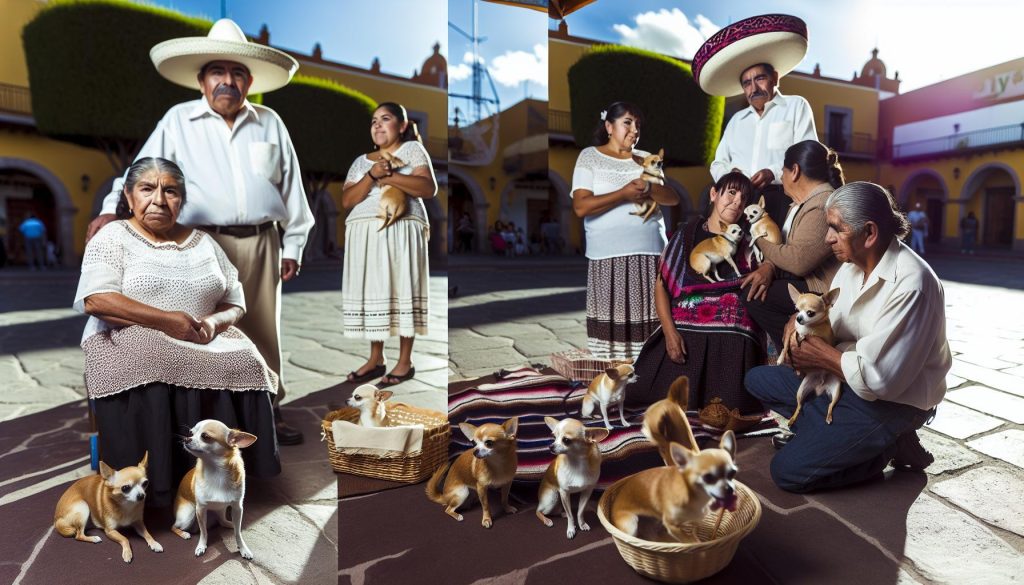
Chihuahuas hold a special place in the hearts of many Mexicans, deeply rooted in cultural heritage and affection. These tiny dogs, known for their bold personalities and unwavering loyalty, symbolize not only companionship but also pride in Mexican identity. Whether it’s their distinctive apple-head shape or vibrant coats, Chihuahuas exemplify traits that reflect the warmth of Mexican culture.
Understanding why Chihuahuas are cherished can enlighten both seasoned owners and those new to the breed. Their vocal nature and spirited behavior make them delightful companions, while their small size allows for easy integration into various lifestyles. This connection goes beyond mere pet ownership; it’s a celebration of cultural identity, tradition, and the unique bond shared between Mexicans and their beloved Chihuahuas. Join us as we explore the fascinating relationship that makes these little dogs not just pets but cherished family members, highlighting what makes them so adored in Mexican culture.
Cultural Significance of Chihuahuas in Mexico
Chihuahuas embody a rich tapestry of cultural significance in Mexico, often regarded not just as pets but as cherished symbols of heritage and identity. Their presence spans centuries, rooted in the ancient civilizations like the Toltecs and Aztecs, where they were held in high esteem. It is believed that these tiny dogs were seen as companions in life and death, often accompanying their owners in the afterlife-a testament to their deep cultural connections. For many Mexicans, owning a Chihuahua is akin to embracing a piece of history, a living connection to their ancestors and traditions.
Embodying National Pride
The Chihuahua’s status as a national symbol is reflected in various aspects of Mexican life. From art to folk tales, this breed has captured the hearts of many and is often depicted in paintings, crafts, and even films. Events like the “Chihuahua Festival” celebrate this bond, highlighting the joy and pride these dogs bring to families. Many families feel a strong connection to the breed, associating them with loyalty and courage-a reflection of the traits they value in their culture.
Chihuahuas in Everyday Life
These dogs are not only symbols; they are integral to daily life. Their compact size makes them perfect companions for urban dwellers in bustling cities like Mexico City, where space can be a luxury. Socially, Chihuahuas are often seen accompanying their owners on errands or at social gatherings, portraying an image of warmth and community. Additionally, their bold and sometimes spirited personalities endear them to households across the country, where they are often seen as guardians, barking fiercely despite their small stature.
In essence, Chihuahuas resonate deeply within Mexican culture, embodying a unique blend of historical significance, national pride, and personal companionship. For many, they are not just dogs but family-an everlasting reminder of the connection between people and their heritage. Each playful bark and quirky behavior is a celebration of this profound cultural bond.
The Unique Characteristics of Chihuahuas
Chihuahuas are tiny dogs with enormous personalities, captivating the hearts of many, especially in Mexico. Their distinctive features make them unique, but it’s their traits that truly endear them to families across generations. These little companions often have a larger-than-life attitude, showcasing an array of quirks that charm their owners and those around them.
One of the most prominent characteristics of Chihuahuas is their size. Typically weighing between 2 to 6 pounds, these little dogs are perfect for families living in urban areas where space is a premium. Their small stature doesn’t equate to fragility; rather, Chihuahuas tend to have a resilient nature. Combined with their boldness, they often act as though they’re much larger than their physical size, barking at anything that piques their interest. This protective instinct connects deeply with the cultural belief that Chihuahuas embody loyalty and courage-qualities that are highly valued in Mexican society.
In terms of appearance, Chihuahuas come in two main types: the apple-head and the deer-head. The apple-headed Chihuahua features a rounded skull with a distinctive “bulging” forehead, while the deer-head variant has a longer muzzle and a flatter skull. Alongside these types, Chihuahuas also boast a variety of coat types-smooth and long-haired-with a rainbow of color options from fawn to black to chocolate. This diversity allows families to find a Chihuahua that resonates with their aesthetic preferences and lifestyle.
Behaviorally, Chihuahuas are known for their vibrant and often amusing personalities. They are incredibly affectionate and form strong bonds with their humans, often following them around the house. While they may appear fragile, many owners find that Chihuahuas are resilient and adapt well to different environments. It’s essential, however, to ensure they receive proper socialization to mitigate any tendencies toward overprotectiveness. Engaging them in fun, stimulating activities not only nurtures their spirit but strengthens the bond they share with their family.
While their spirited nature is enchanting, caring for a Chihuahua requires understanding their specific health considerations. These dogs can be prone to dental issues and patellar luxation due to their size. Regular veterinary check-ups, balanced nutrition, and dental care are paramount to maintaining their health. Moreover, owners should be attentive to their Chihuahua’s tendency to get cold easily, as their small bodies can lose heat rapidly; cozy sweaters or warm blankets are often essential, especially in cooler months.
In summary, contribute to their special place in the hearts of many, not only in Mexico but around the world. Their small size, bold personality, diverse appearances, and deep loyalty help forge an unbreakable bond with their owners, making them much more than just pets-they symbolize love, companionship, and cultural identity.
How Chihuahuas Became National Symbols
Chihuahuas hold a cherished place in Mexican culture, revered as more than mere pets; they symbolize the nation’s spirit and identity. Their rich history can be traced back to ancient civilizations, where they were originally believed to be sacred companions for both the living and the dead. The Totonac and Aztec cultures held the dog in high esteem, often associating Chihuahuas with spiritual beliefs and deities. As such, they were sometimes featured in religious ceremonies, highlighting the significant role they played in early Mexican society.
The Chihuahua’s rise as a national symbol is also linked to the modern era, particularly during the 20th century, when they began appearing in the homes of celebrities, artists, and socialites. This popularity surge was fueled by their unique personalities and striking features-small, bold, and audacious. The blend of their compact size with a fierce demeanor makes them both endearing and iconically Mexican. For many, owning a Chihuahua is a statement of cultural pride and personal identity; they’re seen on the streets of Puebla or Mexico City, often dressed in stylish attire, proudly sashaying alongside their owners.
Cultural icons, such as the famous character Speedy Gonzales, have contributed significantly to the Chihuahua’s status as a Mexican symbol, narrated in cartoons and films that celebrate their lively demeanor. Likewise, in recent years, films like “Legally Blonde” showcased Chihuahuas as fashionable accessories, leading to an exponential rise in their appeal beyond Mexico’s borders. This narrative over the decades has solidified their status, transcending merely being a dog breed to representing the vivacious character of Mexican culture itself.
Moreover, the deep emotional bond that Chihuahuas form with their owners has further rooted them into the family dynamics of many Mexican households. They embody loyalty, fidelity, and warmth-qualities that are deeply valued in the society. Many owners recount heartwarming tales of their Chihuahuas providing comfort and companionship, especially in tough times. When you embrace this little breed, you’re not just adopting a pet; you’re welcoming a piece of Mexican heritage into your home. This connection continues to spark love and admiration for Chihuahuas across generations, making them enduring national symbols that encapsulate the love and warmth inherent in Mexican culture.
Famous Chihuahuas in Mexican Popular Culture
In the vibrant tapestry of Mexican culture, Chihuahuas not only capture hearts as pets but also shine as icons in various forms of media and popular culture. These little dogs, with their bold personalities and distinct appearances, have made significant appearances in television, film, and even fashion trends, solidifying their status as cultural symbols that resonate deeply with Mexican identity.
One of the most notable Chihuahuas in popular culture is Gidget, the adorable mascot from the Taco Bell advertising campaigns. Gidget’s charming antics and adorable appearance captured the attention of millions in the late 90s and early 2000s. Her role as a spokesperson for the fast-food chain introduced many to the breed, showcasing the Chihuahua’s feisty spirit and making them even more desirable as pets. This character sparked a wave of Chihuahua ownership in America, leading to an increased appreciation for these small yet spirited companions.
Moreover, animated characters like Speedy Gonzales, the “fastest mouse in all of Mexico,” often share the screen with Chihuahuas, contributing to the breed’s spirited and humorous portrayal in media. In cartoons, Chihuahuas embody traits of boldness and loyalty, reinforcing cultural perceptions of the breed as fiercely devoted companions. Their vibrant personalities have also made them stars in live-action films, such as “Legally Blonde,” where the character Bruiser Woods, a pampered Chihuahua, exemplifies fashion and charm, further cementing the breed’s reputation as stylish companions.
Chihuahuas also frequently appear in social media trends and among influential figures. Celebrities often showcase their Chihuahuas as fashion accessories, leading to the dogs being dressed in trendy outfits, further mirroring the breed’s spunky and lively nature. This modern portrayal of Chihuahuas reflects not only their popularity but also how they serve as symbols of love, loyalty, and cultural pride in Mexican and broader communities.
These beloved dogs represent more than just a trend; they embody the deep emotional connections forged between owners and their pets. Whether it’s a story shared on social media or a fond memory recounted among friends, Chihuahuas continue to inspire tales of companionship and affection, contributing to their lasting legacy in Mexican culture. Their presence in popular culture not only highlights their unique characteristics but also reinforces the love Mexicans have for these spirited little canines.
Chihuahuas and Family Life: Companionship and Care
Chihuahuas are more than just pets; they are vibrant companions that foster deep emotional bonds within families. Their small size and big personalities make them ideal family members, contributing joy and a sense of companionship to households. Known for their bold and vocal nature, Chihuahuas aren’t just lap dogs; they thrive on interaction, play, and, most importantly, love from their humans. Whether you’re a first-time owner or have shared your life with Chihuahuas for years, these spirited little companions are sure to enhance your family life.
One of the unique aspects of living with a Chihuahua is their affectionate and loyal demeanor. They often form strong attachments to their owners, becoming protective and devoted friends. This loyalty can be incredibly reassuring, as many owners report that their Chihuahuas are attentive companions who seem to sense their moods. For instance, after a long day, your Chihuahua might snuggle up next to you, offering comfort like no one else. This bond is particularly cherished in Mexican culture, where Chihuahuas often symbolize love and loyalty, reinforcing their significance as family members.
Providing Proper Care
Taking care of a Chihuahua requires an understanding of their specific needs. Given their small stature, they are prone to certain health conditions, such as dental problems and patellar luxation. Regular vet check-ups, a balanced diet, and daily exercise are crucial components of keeping them healthy. Additionally, their coats, whether long or short, may require specific grooming based on their type.
Here are some essential care tips to keep in mind:
- Healthy Diet: A high-quality dog food formulated for small breeds will support their health and energy levels.
- Regular Vet Visits: Schedule routine check-ups to catch any potential health issues early.
- Socialization: Expose your Chihuahua to different people and environments to promote confidence and reduce anxiety.
- Training: Consistent, positive reinforcement training helps manage their spirited behavior and fosters good habits.
The Role of Chihuahuas in Family Dynamics
Chihuahuas also play a significant role in enhancing family dynamics. Their playful and curious nature often encourages interaction, making them great partners for children. Families frequently report how their Chihuahuas bring everyone together during playtime, whether it’s a spirited game of fetch in the backyard or cuddle sessions on the couch. These interactions not only promote companionship but also reinforce empathy and responsibility in children as they learn to care for their furry friend.
In summary, sharing life with a Chihuahua enriches family life with laughter, loyalty, and lessons on love. Celebrating their quirks-like their tendency to bark at their own reflection or snuggle under a blanket-this little breed continues to be a beloved companion across generations. For many families, Chihuahuas are not just seen as pets but as integral parts of their households, embodying the essence of companionship and affection that is at the heart of family life.
Understanding Chihuahua Behavior and Traits
Chihuahuas are fascinating little dogs bursting with personality, defining many aspects of their behavior and traits that endear them to their owners, especially within Mexican culture. Known for their feisty spirits and unwavering loyalty, these tiny companions offer a wealth of unique characteristics that make them beloved among families. Their size might be small, but their impact is undeniably large.
One of the most notable traits of Chihuahuas is their bold and confident demeanor. Despite their petite stature, they often behave like they own the place! This spiritednature can sometimes come across as a bit sassy, manifesting in their tendencies to bark at larger dogs or strangers. It’s essential for owners to channel this natural protectiveness into positive behaviors through socialization and training. Early exposure to different environments and gentle interactions with larger dogs can help your Chihuahua build confidence and reduce anxiety-two critical elements for a happy, well-adjusted companion.
Their affectionate nature is another hallmark of this breed. Chihuahuas are known for forming deep attachments to their owners, often choosing to be close at all times. Many owners recount stories of their Chihuahuas sensing when they’re down and offering comforting cuddles. This bond is characterized by a blend of loyalty and devotion; they truly thrive on companionship and respond incredibly to love and attention. It’s common to see them following their owners from room to room, eager to be part of the action.
Chihuahuas also have unique communication styles that reflect their bold personalities. Alongside their vocalizations-like barking and chattering-Chihuahuas express their feelings through body language. For example, a wagging tail often indicates excitement, while a tucked tail may suggest apprehension. Understanding these signals helps owners respond to their needs effectively. Incorporating consistent training methods that utilize both verbal commands and hand signals will not only enrich your bond but also harness their spirited nature positively.
To truly appreciate the beauty of living with a Chihuahua, it’s crucial to recognize the quirks that come with the breed. Their penchant for snuggling, tendency to burrow under blankets, and even their unpredictable bursts of energy all contribute to their charming personality. Celebrating these idiosyncrasies makes the experience of Chihuahua ownership rewarding and lively. By embracing their vocal and loyal traits, you’ll discover the deep cultural ties and joys they bring into the heart of many Mexican households, furthering their beloved status in the community.
Health Considerations for Chihuahuas
Chihuahuas are delightful companions, but their small size often leads to a range of unique health challenges that owners should be aware of. Understanding these considerations not only helps you keep your little friend healthy but also strengthens the bond you share. With their rich heritage deeply embedded in Mexican culture, caring for a Chihuahua transcends routine responsibility; it’s about preserving a beloved legacy.
One prevalent concern with Chihuahuas is their susceptibility to dental issues. Due to their small mouths, these dogs can struggle with overcrowded teeth and periodontal disease. Regular dental care, including brushing their teeth and providing dental treats, is essential in preventing discomfort and serious health problems. Many owners find that incorporating dental hygiene into their grooming routine keeps their Chihuahua’s smile bright and healthy.
Another notable health consideration is patellar luxation, a condition where the kneecap dislocates. This is particularly common in smaller breeds like Chihuahuas. Symptoms can range from occasional skipping while walking to outright limping. If you notice any unusual movement patterns or reluctance to put weight on a limb, a visit to the veterinarian is warranted. Keeping your Chihuahua at a healthy weight helps mitigate the strain on their joints, so be mindful of portion sizes and exercise routines.
When it comes to skin health, Chihuahuas can experience issues like allergies or skin irritations. These can stem from environmental factors or diet. Observing your dog’s behavior and skin condition can help you pinpoint issues early. Bathing her with hypoallergenic shampoos and ensuring a balanced diet can help keep her coat healthy and reduce itching or redness.
In terms of general health monitoring, regular vet check-ups are vital. They typically include vaccinations, parasite control, and wellness examinations that can catch potential health issues before they become significant problems. One preventive measure you might consider is pet insurance, especially for first-time Chihuahua owners who are still getting acquainted with breed-specific health risks. This kind of planning can ensure you provide the best care possible without breaking the bank.
By understanding these health considerations and integrating early intervention habits into your Chihuahua’s care, you’re not just being a responsible owner; you’re enhancing the joy that these spirited companions bring into your life. It’s all part of embracing the complete Chihuahua experience, celebrating their unique personalities while ensuring their well-being, so they can thrive in your home for many years to come.
Training Tips for First-Time Chihuahua Owners
Welcoming a Chihuahua into your home means embracing a bundle of personality packed into a tiny frame. These little dogs, often bold and vocal, require unique training approaches that cater to their spirited nature. For first-time owners, understanding how to effectively communicate and bond with your Chihuahua will be crucial in shaping a harmonious relationship.
Start with the basics of potty training, an essential step for any new Chihuahua owner. These dogs can be stubborn, so consistency is key. Establish a designated potty area and take her there frequently, especially after meals and naps. Praise her immediately when she does her business outside to reinforce the behavior. It may help to use a command, like “go potty,” to create an association. Crate training can also be beneficial, as dogs naturally avoid soiling their sleeping area.
Socialization is another critical aspect of training. Chihuahuas are often wary of strangers and unfamiliar situations. Gradual exposure to different people, pets, and environments helps them become more confident and well-adjusted. Take her to dog parks or invite friends over, always ensuring these experiences are positive. For example, if she meets a new person, encourage gentle petting and provide treats to create a pleasant memory tied to new encounters.
Positive Reinforcement
One of the most effective training methods for Chihuahuas is positive reinforcement. This means rewarding desired behaviors rather than punishing undesirable ones. Use small treats, verbal praise, or playtime as rewards when she follows commands or exhibits good behavior. For instance, if she sits on command, offer a treat and lots of praise. This builds her confidence and encourages her to repeat those actions. Keep training sessions short, around five to ten minutes, as Chihuahuas can become distracted easily.
Addressing Behavioral Quirks
Chihuahuas are known for their quirky, sometimes feisty personalities. If your little one tends to bark excessively, it’s important to address this by teaching her the “quiet” command. When she barks, wait for a pause, and then praise and reward her for being quiet. Repeat this process consistently to reinforce the lesson. Also, providing her with toys to chew on or engaging her in play can help channel her energy positively.
Training a Chihuahua can be a delightful experience full of tiny victories. By being patient and employing these techniques, you’ll foster a loving and respectful relationship that celebrates all the unique qualities that make your Chihuahua such a special companion. Remember, training isn’t just about obedience; it’s about building a strong bond that reflects the cultural significance these dogs hold in the hearts of their owners.
Chihuahua Types: Apple-Head vs. Deer-Head
Chihuahuas are adored not only for their spirited personalities but also for their distinct physical characteristics, notably the two main types: the Apple-Head and the Deer-Head. Understanding these variations can help you appreciate the richness of the breed and choose the right companion for your lifestyle. The Apple-Head Chihuahua, with its rounded skull and large eyes, exudes an almost toy-like charm. This type often features a more pronounced muzzle and a compact body, making it a favorite for those who prefer a classic “cute” look.
Conversely, the Deer-Head Chihuahua is characterized by its longer, more elegant head and larger ears, giving it a deer-like appearance. This type generally has slightly longer legs and a leaner build. Many owners appreciate the Deer-Head for its more traditional canine look, while others gravitate towards the Apple-Head for its quintessentially playful demeanor. Both types embody the loyalty and vivacity that Chihuahuas are known for, but their appearances can influence how potential owners connect with them.
When considering a Chihuahua, it’s important to recognize how these physical traits can correlate with personality and health aspects. Apple-Head Chihuahuas, often more prone to certain health issues due to their compact skulls, may require more attentive veterinary care. The Deer-Head, on the other hand, while often more robust, can also present unique challenges. Always engage with reputable breeders or shelters who can provide you with health guarantees and insights on the specific type you’re interested in.
Embracing the quirks of either type means preparing for a companion that thrives on attention and interaction. Chihuahuas, regardless of their physical traits, share a common bond of loyalty and affection that is central to their appeal in Mexican culture. From their playful antics to their unwavering loyalty, understanding the nuances between Apple-Head and Deer-Head Chihuahuas not only enhances your bond with your dog but celebrates the deep-rooted cultural significance these little dogs hold in the hearts of many.
Embracing Chihuahua Quirks: Vocal and Loyal Personalities
Chihuahuas are renowned not only for their diminutive size but also for their exuberant personalities and distinct vocalizations. This breed is characterized by a unique blend of loyalty and assertiveness that makes them stand out among other dog breeds. Many Chihuahuas are known to have larger-than-life attitudes, often treating humans and even larger dogs as equals. Their playful barks and spirited personalities can fill a home with energy, making them delightful companions for individuals and families alike.
One of the most captivating traits of Chihuahuas is their vocal nature. These tiny dogs are often quick to express their feelings, whether through barks, yips, or soft whines. This vocalization serves multiple purposes: it communicates their happiness, warns against perceived threats, or simply requests attention. Owners frequently share stories of how their Chihuahua will bark at the slightest noise, proudly serving as a self-appointed guard dog. However, it’s essential to nurture your dog’s vocal tendencies; early training can help moderate excessive barking while still encouraging their natural instincts.
Chihuahuas are particularly known for their loyalty. They form strong bonds with their families and often choose one person to be their “special human.” This bond can manifest in various ways-whether it’s cuddling on the couch or following you around the house. Owners often describe their Chihuahuas as having a sixth sense about their emotions; these dogs can sense when you’re feeling down and often provide comfort by snuggling close. This loyalty goes hand-in-hand with their protective instincts, making them excellent companions for people who enjoy close, loving relationships with their pets.
To embrace the quirks of your Chihuahua, consider the following tips:
- Engage in Training: Regular training not only curbs excessive barking but also reinforces desirable behaviors. Consistent commands, positive reinforcement, and socialization are vital.
- Social Interactions: Allow your Chihuahua to interact with different people and other dogs. This exposure will help them become well-adjusted and reduce anxiety related to new experiences.
- Encourage Play: Chihuahuas thrive on playtime. Develop a routine that includes fetching toys or engaging in games to keep them mentally and physically stimulated.
- Show Affection: Never underestimate the power of petting and cuddling. Regular affection strengthens the bond between you and your Chihuahua.
In conclusion, embracing the vocal and loyal personalities of Chihuahuas means respecting and understanding their nature while providing guidance and love. Each interaction you have with your Chihuahua celebrates the special bond that makes these little dogs such cherished companions in homes across Mexico and beyond.
The Role of Chihuahuas in Mexican Folklore
In Mexican folklore, Chihuahuas hold a special place, often intertwined with legends that reflect their unique qualities and the deep cultural bond that Mexicans have with this breed. These tiny yet bold dogs are not just pets but symbols of resilience, protection, and companionship. Stories about Chihuahuas often highlight their fierce loyalty and assertive nature, qualities that resonate with the cultural values of family and community.
One such legend ties the Chihuahua to ancient civilizations, where dogs were revered as protectors of the spirit world. The Techichi, an ancestor of the modern Chihuahua, was believed to guide souls into the afterlife. This spiritual significance granted dogs a special status in families, where they were viewed as companions in both life and death. Today, many Mexican families celebrate this heritage, treating Chihuahuas as cherished members of the household, echoing the protective roles depicted in ancient lore.
Chihuahuas also feature prominently in popular culture, showcasing their cultural significance. They appear in various art forms, from paintings to sculptures, often depicted as symbols of national pride. The breed’s spirited nature and distinctive looks make them a favorite among artists and writers, further embedding them into the fabric of Mexican identity. Furthermore, household names like Taco Bell’s mascot have helped the breed gain international recognition, while Mexican artistry continues to celebrate the dog’s vibrant personality through crafts and souvenirs.
Embracing the stories and symbolism surrounding Chihuahuas allows owners to connect deeply with their pets. Acknowledging the breed’s cultural significance can enhance your experience as a Chihuahua owner, fostering a sense of pride in preserving this relationship. Whether it’s sharing folklore with friends or involving your Chihuahua in family traditions, understanding their role in Mexican culture can enrich your bond and appreciation for the breed. By celebrating these tiny companions with love and respect, you continue the legacy of loyalty and spirit that has been cherished for generations.
Choosing the Right Chihuahua for Your Lifestyle
Finding the perfect Chihuahua to fit your lifestyle can be a delightful journey filled with joy and companionship. Chihuahuas are small but have big personalities, and their unique characteristics can make them excellent companions for various living situations. As you consider welcoming one into your home, it’s essential to reflect on your daily routine, living environment, and the types of companionship you seek.
Chihuahuas are known for their vocal nature and strong loyalty, making them ideal for individuals or families who appreciate a watchful protector. However, their small size means they can adapt well to apartment living or homes without large yards. If you live in a bustling city, look for a Chihuahua that enjoys socializing; many thrive in lively environments and are quite affectionate with their owners. For a quieter household, consider a more laid-back pup who enjoys cuddle time and peaceful evenings.
When choosing the right Chihuahua, it’s also vital to pay attention to the different types within the breed, such as the apple-head and deer-head varieties. Apple-head Chihuahuas are more common and often have a rounded skull, making them look even more petite. Deer-head Chihuahuas, on the other hand, have a longer muzzle and a more refined appearance. Both types have distinct personalities, so it’s worth meeting several individual dogs to see which one resonates with you the most.
In addition to physical appearance, consider health and care requirements. Chihuahuas are generally healthy dogs, but they can be prone to certain issues like dental problems and patellar luxation. Regular vet visits and a balanced diet are crucial. If you’re a busy professional, a Chihuahua can be a great choice since they generally require less exercise than larger breeds, but they still need structured playtime and appropriate mental stimulation to keep their spirited minds engaged.
Ultimately, the bond you form with your Chihuahua will be just as significant as their physical attributes or energy levels. Look for a pup whose personality blends well with your life. Whether it’s a bold, lively companion who thrives on playdates or a quiet, affectionate snuggler who will curl up in your lap during movie nights, the right fit will enhance both your lifestyle and the joy of dog ownership. Remember, each Chihuahua has its own quirks and characteristics, celebrating them will enrich your life together.
Frequently asked questions
Q: What cultural factors contribute to the popularity of Chihuahuas in Mexico?
A: The popularity of Chihuahuas in Mexico stems from their historical significance and representation as national symbols. They are seen as loyal companions, embodying strong cultural values like family loyalty and protection. Their small size and adaptability make them ideal pets in urban environments, further enhancing their appeal.
Q: How do Chihuahuas reflect traditional Mexican values?
A: Chihuahuas symbolize resilience and loyalty, traits highly valued in Mexican culture. Their companionship represents family ties, and they often share living spaces with their owners, highlighting the importance of close relationships within families. These dogs’ behaviors often mirror the affectionate nature of their owners.
Q: Are there any common misconceptions about Chihuahuas in Mexican culture?
A: Yes, a common misconception is that Chihuahuas are aggressive or mean. In reality, they are affectionate and protective, especially towards their families. Their vocal nature often gets misunderstood as hostility, but they mainly communicate their feelings, showcasing their loyalty and protective instincts.
Q: What role do Chihuahuas play in Mexican folklore?
A: Chihuahuas have a presence in Mexican folklore, where they are often seen as guardians of the underworld. They are linked to ancient traditions involving spiritual protection. This connection deepens their cultural significance, portraying them as more than just pets, but as companions with historical importance.
Q: How do urban living conditions in Mexico influence Chihuahua ownership?
A: Urban living conditions make Chihuahuas a popular choice due to their small size and adaptability to apartment living. They require less space and exercise compared to larger breeds, fitting well into the bustling lifestyle of city dwellers while providing companionship in high-density areas.
Q: What health care considerations should Chihuahua owners keep in mind?
A: Chihuahua owners should prioritize regular veterinary check-ups, dental care, and a balanced diet to prevent common health issues like heart problems and dental diseases. Understanding their unique health needs can lead to a longer, healthier life for these beloved pets.
Q: How can I integrate a Chihuahua into family life effectively?
A: To integrate a Chihuahua into family life, prioritize socialization and training from an early age to build confidence. Encourage gentle interactions between them and children, ensuring supervised playtime. Highlight their affectionate nature by involving them in family activities to strengthen the bond.
Q: What are the key differences between Apple-Head and Deer-Head Chihuahuas?
A: Apple-Head Chihuahuas have rounded skulls and are recognizable for their distinct appearance, often featuring a shorter muzzle. In contrast, Deer-Head Chihuahuas have a longer muzzle and flatter profile. Understanding these types can help prospective owners choose the right fit for their lifestyle.
Wrapping Up
Understanding the deep-rooted connection between Mexicans and Chihuahuas enriches our appreciation for this remarkable breed. Whether it’s their bold personality, charming quirks, or the comforting companionship they offer, these tiny dogs hold a special place in many hearts. If you’re thinking about welcoming a Chihuahua into your life, consider exploring our articles on Chihuahua health tips and training techniques to ensure you provide the best care possible.
Don’t miss out! Dive into our guide on the unique characteristics of different Chihuahua types-apple-heads, long-coats, and more. Your journey with a Chihuahua can be incredibly rewarding; they are loyal companions that bring joy and excitement. Join our community by signing up for our newsletter to stay informed about breed-specific care and connect with fellow Chihuahua lovers.
We invite you to share your thoughts and experiences in the comments below, and let us know what topics you’d love to explore next! Your insights could inspire our future content as we celebrate these vocal and spirited companions together.
Get our latest guides, news, and insights highlighted in your Google Search & AI Overviews.