
Chihuahuas, famed for their bold personalities and feisty nature, have deep cultural ties to Mexico, tracing their history back to ancient civilizations. These little companions are not just adorable; they embody a rich heritage that reflects centuries of tradition and significance. Understanding why Chihuahuas are Mexican enriches our appreciation for their unique quirks and behaviors, from their loyalty to their spirited vocalizations.
As a Chihuahua owner or enthusiast, grasping this breed’s origins can help you provide better care, connect more deeply with your pet’s behaviors, and celebrate the cultural identity they represent. Whether you’re a first-time owner or a seasoned Chihuahua fan, exploring their heritage will enhance your bond and understanding. Join me as we delve into the fascinating story of Chihuahuas, their evolution, and what makes them such cherished companions today.
The Rich Cultural Roots of Chihuahuas
The Chihuahua is more than just a delightful companion; it embodies the rich cultural heritage of Mexico, tracing its lineage back to ancient civilizations. These charismatic little dogs are not only known for their petite size and bold personalities but also for being a vital link to the traditions and history of the Mexican people. In fact, the roots of Chihuahuas can be traced to pre-Columbian societies, where they were revered and often regarded as sacred animals.
Evidence suggests that the Chihuahua may be a descendant of the Techichi, a small dog kept by the ancient Toltecs. Considered spiritual companions, Techichis were thought to guide the souls of the deceased to the afterlife. This connection to spirituality has remained an integral part of what makes Chihuahuas so unique. Their role transcends mere companionship; they have been celebrated in art, folklore, and even ritual practices, fostering a connection to history that resonates with many owners today.
Chihuahuas in Mexican Folklore
Cultural tales often feature Chihuahuas, highlighting their significance in Mexican folklore. For instance, the legend of the “Xoloitzcuintli” – a hairless dog revered for its protective qualities – parallels the traits observed in Chihuahuas, most notably their fierce loyalty and willingness to defend their family. Many owners share stories of how their Chihuahuas have bravely taken on larger dogs or audaciously barked at strangers, embodying the bold spirit that has endeared them to countless generations.
Modern Significance and Cultural Pride
In modern times, Chihuahuas have become symbols of Mexican pride and culture, appearing in films, fashion, and even music. Their vibrant personality and compact stature make them perfect metro companions, especially in urban areas where living spaces can be finite. Despite their tiny frame, Chihuahuas have a larger-than-life presence-often charming everyone they meet with their spirited antics and unwavering loyalty.
As an owner, embracing the cultural roots of your Chihuahua enriches the experience of sharing your life with this breed. Celebrating their heritage can mean learning about the historical context of their ancestry or incorporating Mexican traditions into your pet’s life. Whether it’s dressing him in festive attire for Día de los Muertos or celebrating with traditional treats, doing so honors the profound history embedded within these little dogs, keeping their rich cultural roots alive in every bark and wag.
Understanding Chihuahua Ancestry: From Ancient Civilizations
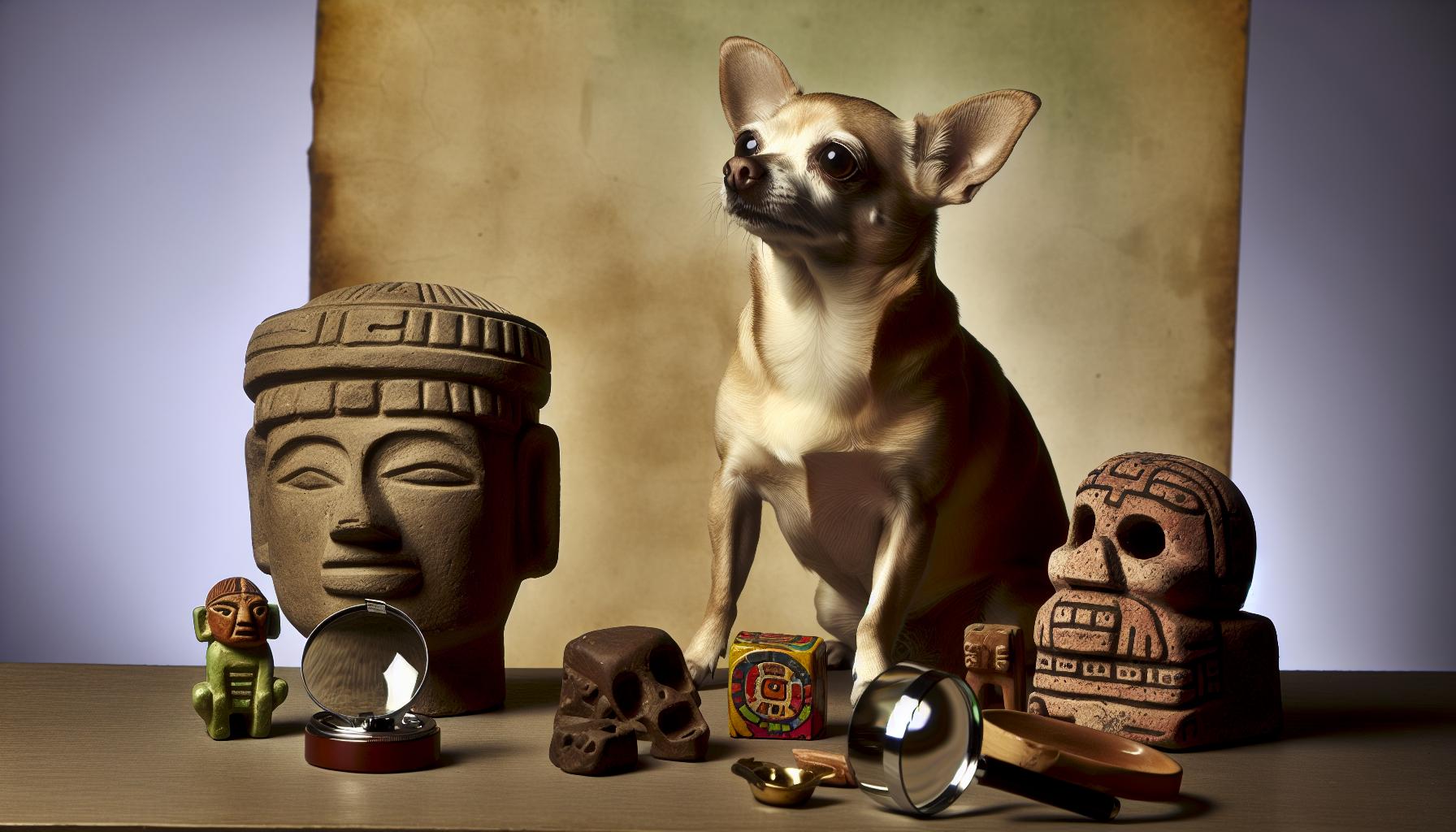
The Chihuahua’s origins are steeped in history, linking this spirited breed to ancient civilizations that revered them for both companionship and spiritual significance. These dogs weren’t merely pets; they were integral to cultural beliefs and practices, acting as guides to the afterlife and spiritual guardians for their owners. Understanding this lineage enhances our appreciation for Chihuahuas, creating a deeper bond between owner and pet.
Archaeological findings indicate that the Chihuahua could trace its ancestry back to the Techichi, small dogs cherished by the Toltec civilization around 1000 AD. These dogs were known for their calm disposition and strong bonds with humans, characteristics that continue to define modern Chihuahuas today. Many owners discover that their Chihuahua not only offers loyalty but also a unique personality wrapped in a tiny package – bold, yet affectionate, and always ready to be part of the family.
Chihuahuas also share an important connection with the Xoloitzcuintli, or Mexican hairless dog, which was believed to have protective abilities for both the physical and spiritual realms. This historical context enriches our understanding of the Chihuahua’s temperament. His marked tendency to be feisty and bold often stems from these ancient traits, which formed the backbone of the breed’s development.
You might have noticed your Chihuahua showcasing a distinct personality trait, like bravely barking at larger dogs or demanding space on the couch. These unique behaviors aren’t just quirks; they can be traced back to their ancestors, who were expected to be protective and loyal companions. Your little one, whether he has an apple-head or a deer-head, carries on the legacy of a proud heritage that continues to thrive in the modern world.
Recognizing these cultural roots can enhance your experience as a Chihuahua owner. Incorporating traditions that honor their lineage, like choosing a name reflective of their Mexican heritage or even indulging in traditional Mexican treats during special occasions, can enrich the bond you share. This celebration of history not only honors their past but also brings joy to your everyday interactions as you navigate life together.
Embracing your Chihuahua’s rich ancestry is a delightful journey. Each bark, wag, and playful leap is a continuation of a legacy that began thousands of years ago. Understanding where he comes from helps ground your relationship in a history filled with depth, love, and connectivity that transcends time.
Chihuahuas and Their Role in Mexican Folklore
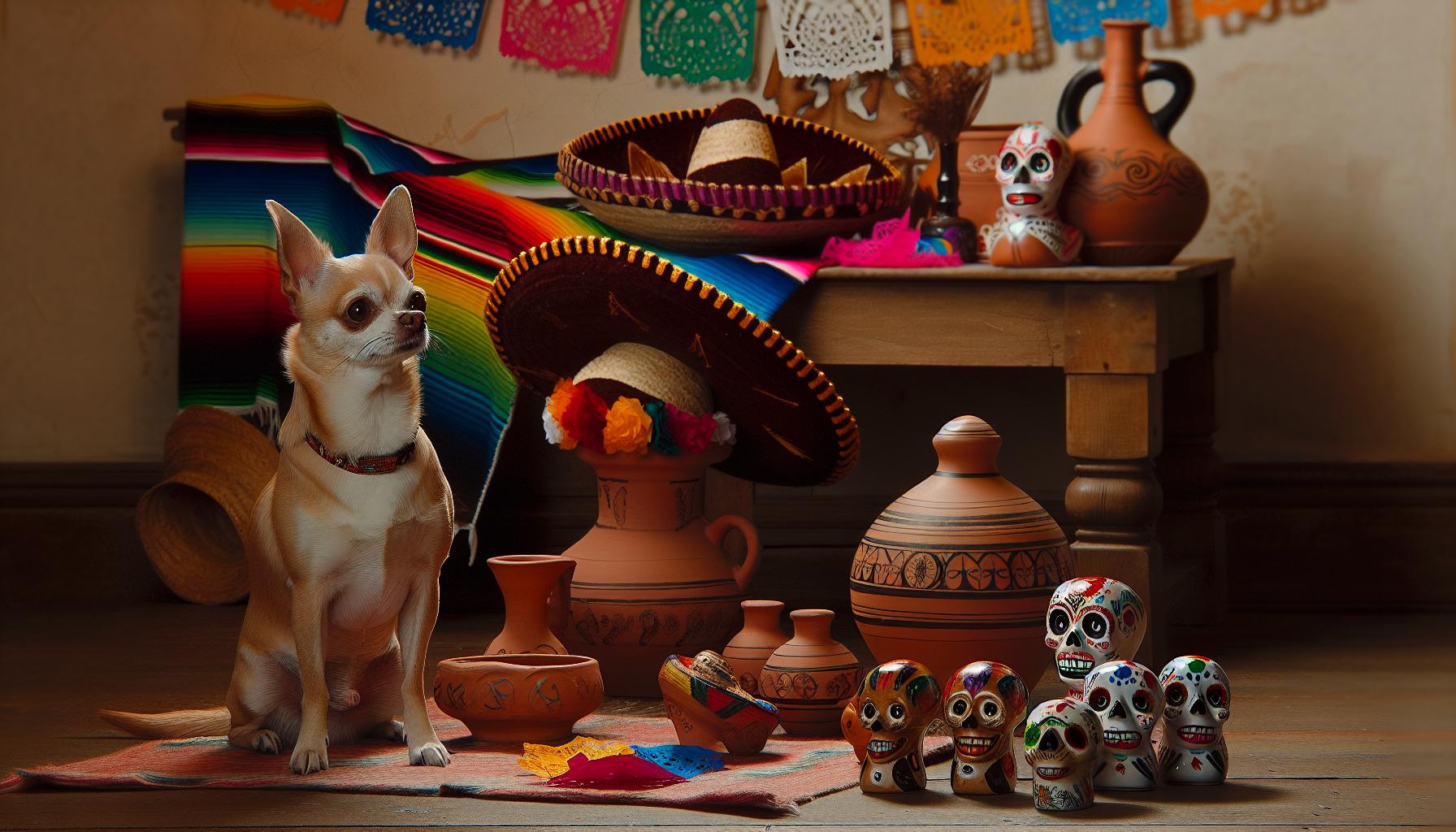
Chihuahuas hold a special place in the heart of Mexican folklore, where their significance extends beyond mere companionship. These spirited little dogs are celebrated as symbols of protection, loyalty, and the connection between the earthly and spiritual realms. In various tales and traditions, Chihuahuas are often depicted as guardians of the soul, believed to accompany their owners on journeys to the afterlife-much like the Techichi of ancient times.
Discovering the enchanting ways Chihuahuas intertwine with Mexican culture can deepen your appreciation for this breed. For instance, the legend of the Nahual-a shapeshifter in Mesoamerican mythology-often features small dogs as sacred protectors. In these stories, Chihuahuas embody bravery despite their size, showcasing their bold personalities that you may have seen in your own dog when he stands his ground against much larger pets during walks.
Moreover, many Mexican families have passed down traditions that embrace these little dogs, allowing them to share in festivities and celebrations. From dressing Chihuahuas in colorful attire during holidays to including them in family gatherings, these rituals reinforce the notion that they are not just pets but cherished family members. In fact, during the vibrant Día de los Muertos (Day of the Dead), you might find altars adorned with images of Chihuahuas, symbolizing their role as spiritual guides.
The unique challenges and traits of Chihuahuas, such as their feisty nature and vocal tendencies, can also be seen as reflections of their legendary status in folklore. These traits, akin to the fierce spirits of warriors, add to their charm and might just encourage you to embrace their quirks. For example, many Chihuahua owners enjoy teaching their little companions fun tricks or even engaging them in agility training, celebrating their intelligence while building strong bonds through play.
Incorporating elements of Mexican folklore into your Chihuahua’s life can enhance your connection. Consider naming him after a legendary figure or even sharing stories about the lore that connects him to his heritage. Whether you’re a first-time owner or a seasoned enthusiast, celebrating your Chihuahua’s place in this rich cultural tapestry not only honors his ancestry but also enriches the joyful moments you share together.
The Evolution of Chihuahua Breeds: Key Characteristics
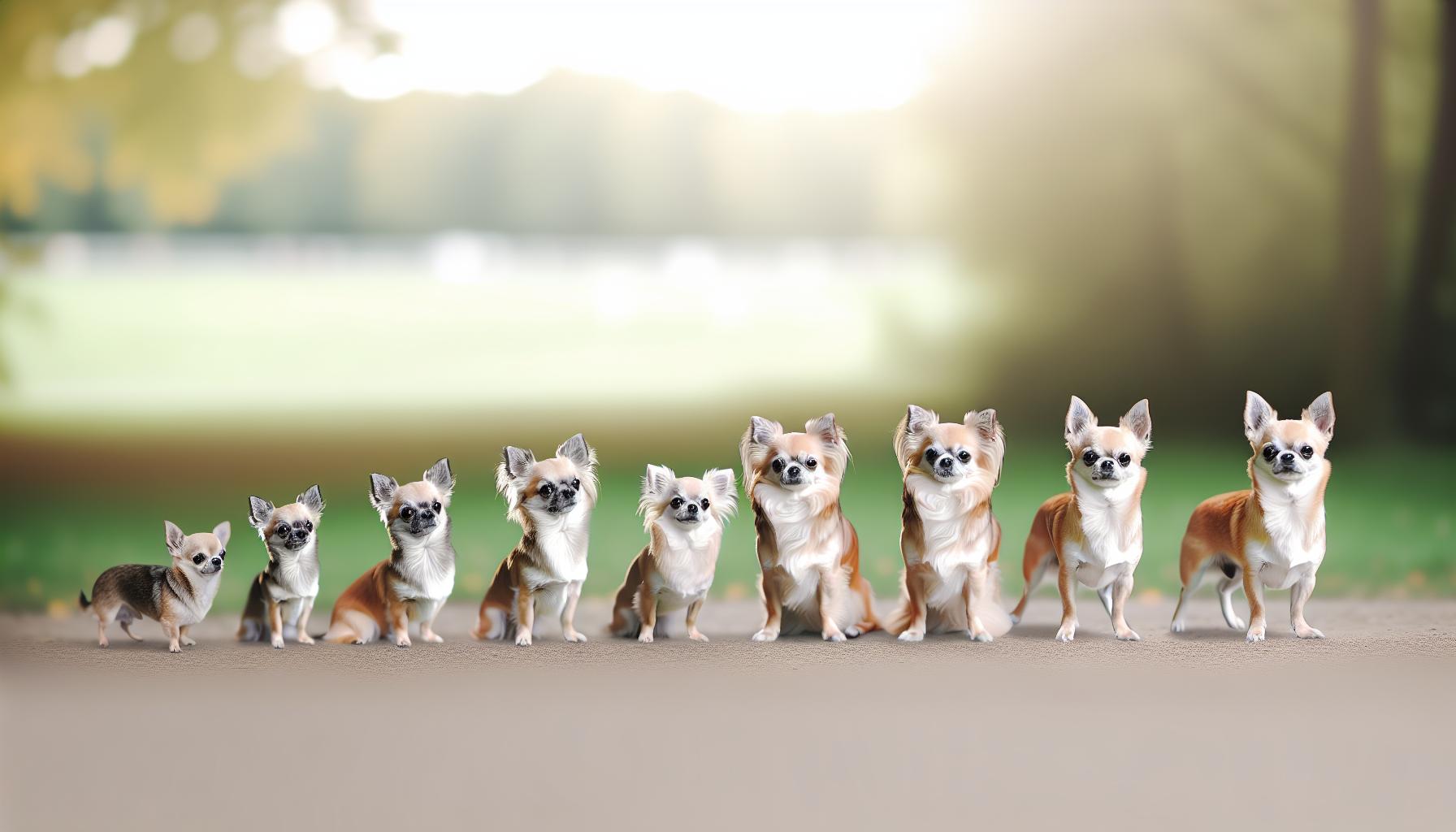
The Chihuahua breed, with its vibrant personality and unique characteristics, has transformed significantly over the centuries. Rooted in ancient Mesoamerican cultures, especially that of the Toltecs and Aztecs, these small dogs have evolved into the beloved companions we know today. Their development can largely be attributed to selective breeding practices, geographical influences, and the changing role Chihuahuas play in society, particularly in Mexico and beyond.
Key Characteristics of Chihuahua Breeds
Chihuahuas are often celebrated for their adorable size, typically weighing between 2 to 6 pounds, but they boast a rich variety of traits that differentiate them from one another. Here are some key characteristics that define this wonderful breed:
- Size Variation: While most fall within the small range, some Chihuahuas can be slightly larger. Owners often refer to them as “teacup” Chihuahuas when they are particularly small, though be cautious-breeding for size can lead to health issues.
- Head Shape: There are two primary head types in Chihuahuas: apple-head and deer-head. Apple-head Chihuahuas have a rounded skull and a more pronounced forehead, giving them their characteristic “apple” shape. Conversely, deer-head Chihuahuas have a more elongated skull resembling a deer, which contributes to a different expression and posture.
- Coat Types: Chihuahuas come in both short-haired and long-haired varieties. The short-haired Chihuahuas have a smooth and sleek coat, while the long-haired versions offer a fluffy, regal appearance that often catches the eye at dog parks.
- Color and Patterns: They exhibit a stunning array of colors, from fawn to chocolate, and everything in between, including black, cream, and even spotted or brindle patterns. This spectrum of colors often reflects a Chihuahua’s unique personality.
Understanding these characteristics allows you as an owner to appreciate the intricate nuances that make each Chihuahua special. For instance, a friend with an apple-head Chihuahua often shares stories of how her dog’s bold and confident demeanor captures immediate attention wherever they go. Meanwhile, my long-haired Chihuahua prefers cozy cuddles and a gentle nature, showcasing the versatility found within the breed.
As you consider what breed characteristics best fit your lifestyle, it’s essential to remember that Chihuahuas thrive on social interaction and mental stimulation. Regular playtime, engaging activities, and training can greatly enhance their overall well-being. Documenting their personality and unique traits can help you tailor your approach to care, ensuring a happy and fulfilling life together.
Chihuahua Varieties: Apple-Head vs. Deer-Head
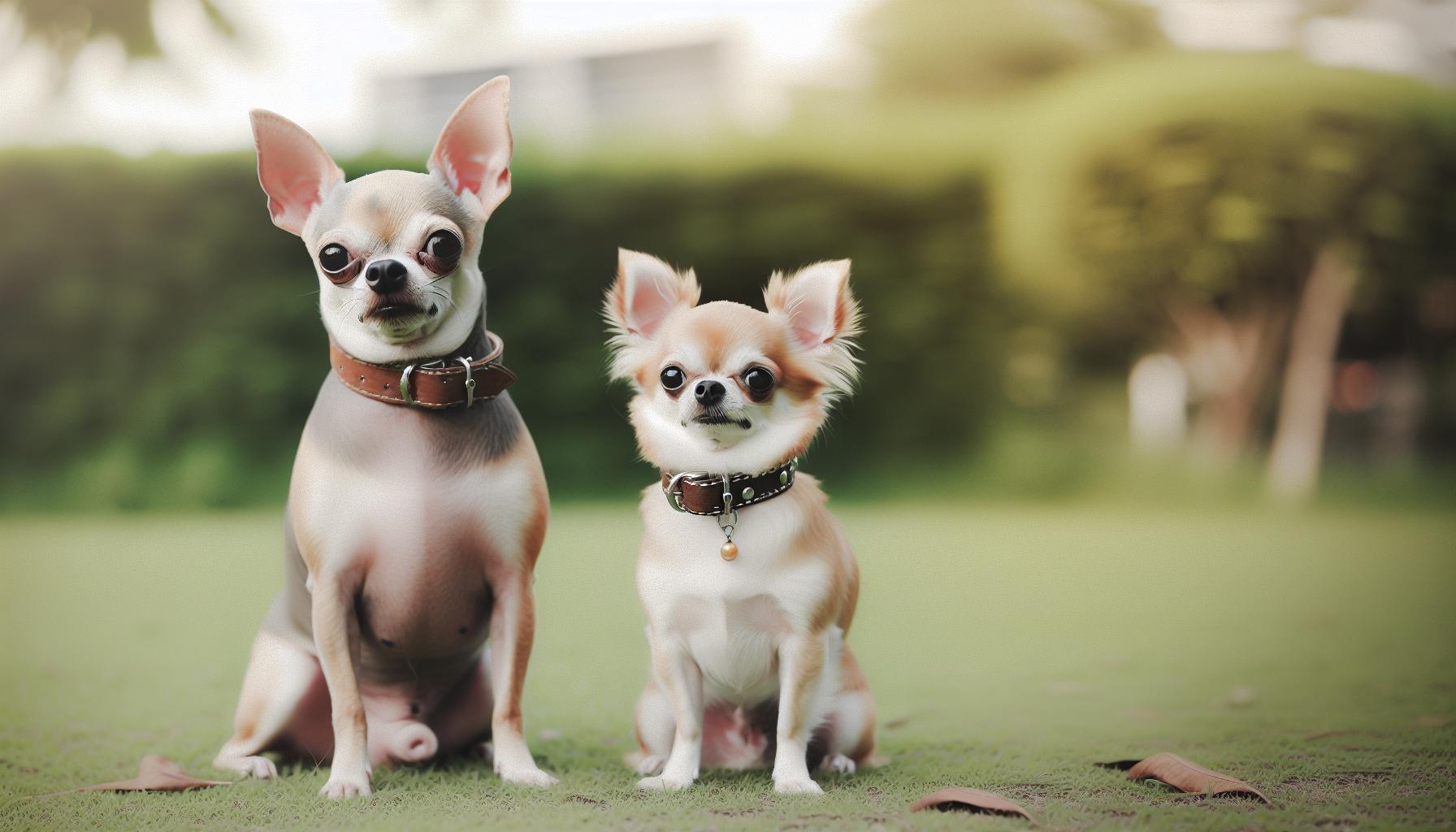
Chihuahuas come in two distinct varieties: the apple-head and the deer-head, each with its unique characteristics and appeal. Understanding these differences can significantly enhance your experience as a Chihuahua owner, providing insights into their health, behavior, and care needs.
The apple-head Chihuahua is the more commonly recognized variety. With its round skull and short muzzle, this adorable breed often looks like a tiny, living piece of art. These Chihuahuas typically embody bold personalities, full of confidence despite their small size. They are known to be exceptionally loyal to their owners, sometimes forming a single-person attachment. If you’ve ever seen an apple-head Chihuahua strut proudly down the street or curl up in your lap with their head held high, you know their charming confidence is truly captivating. Additionally, their compact structure means they require careful handling, as they can be prone to certain health issues, including dental problems and patellar luxation. Regular veterinary check-ups are crucial to ensure they maintain optimal health, especially when they exhibit lively behavior.
On the other hand, the deer-head Chihuahua presents a more elongated, elegant frame that resembles the graceful line of a deer. This variety boasts a longer snout and a less pronounced skull, often giving them a more “refined” appearance. Because of their gentler demeanor, many owners find deer-heads to be particularly affectionate companions, often enjoying quieter moments and snuggles on the couch. Their calm nature makes them excellent choices for families or first-time owners who desire a pet that is just as comfortable playing as it is relaxing. However, keep an eye on their longer coat, as grooming is essential to keep their fur looking its best and prevent tangling.
While both varieties contribute to the exuberant spirit of Chihuahuas, each has its care requirements and personality traits that can shape your journey together. Understanding these distinctions will empower you to appreciate the little quirks of your dog. For instance, a friend who owns an apple-head Chihuahua often shares hilarious stories about her dog’s strong-willed attitude, while my deer-head enjoys being a lap dog, choosing comfort over adventure. Regardless of the variety, celebrating their unique personalities enhances the bond you will share and creates a joyful, loving home environment.
Embrace the quirks of your Chihuahua, as every dog has its own story and essence. Keep their individual needs in mind, and you’ll find the journey of Chihuahua ownership to be both rewarding and incredibly fun.
How Geography Shaped Chihuahua Traits
In the heart of Mexico, the vibrant culture and diverse landscapes have uniquely influenced the Chihuahua breed, shaping their physical traits, behavior, and adaptability. Chihuahuas have an ancestry deeply rooted in ancient civilizations, where they thrived in a variety of environments ranging from arid deserts to lush mountains. This geographical diversity has resulted in the charming traits we see in our tiny companions today.
Adaptation to Environment
Chihuahuas are naturally equipped to thrive in fluctuating temperatures, an adaptation that stems from their geographic origins. Most of these dogs can tolerate the heat of Mexico’s sun, thanks to their small size and variety of coat types. For instance:
- Smooth coat Chihuahuas tend to have a lighter, more heat-resilient exterior, making them better suited for warmer regions.
- Long-haired Chihuahuas, while equally adorable, can adapt to slightly cooler climates, particularly when their fluffy coats provide additional warmth.
As a Chihuahua owner, understanding how your dog’s inherited characteristics relate to their ancestral environment will help inform your care routine. For instance, during the sweltering summer months, ensure your apple-head enjoys shaded areas and stays hydrated to prevent overheating.
Behavioral Traits and Social Dynamics
The geographical landscape has also contributed to the behavioral idiosyncrasies of Chihuahuas. Over generations, these dogs have been bred in close-knit community settings, developing a reputation for being fiercely loyal and vocal. This keen protective instinct and bold personality can be traced back to their origins where they often served as companion animals in family settings.
For example, a friend of mine has an apple-head Chihuahua named Tilly who exhibits an intense loyalty to her family. Tilly doesn’t shy away from being vocal, often sounding the alarm at the sight of a stranger. This behavior is instinctual and reflects the Chihuahua’s historical role as a watchdog, making them not only delightful pets but also committed family members.
Health Considerations Linked to Geography
Chihuahuas can be prone to certain health issues, which can also be linked to their geographical ancestry. Living in varied climates may have led to specific genetic predispositions. For example, the apple-head variety might suffer more from dental issues due to jaw structure, while both types can experience patellar luxation-common in small breeds. It’s important for you to be vigilant about these issues, as caring for your dog with this knowledge can lead to a healthier life.
Be sure to seek out a veterinarian familiar with the breed’s unique health needs, and establish a routine that includes regular health check-ups. This way, you’ll be ensuring that your little friend remains healthy and happy.
Embracing the geographical influences on your Chihuahua will deepen your understanding and strengthen your bond with him. Knowing how these factors shape his behavior and health will make you a more informed and attentive owner. Share the love and joy that comes from being a Chihuahua enthusiast, and remember to celebrate the delightful quirks that make your furry companion one of a kind.
Modern Chihuahua Ownership: Trends and Insights
In recent years, Chihuahuas have transformed from beloved Mexican companions to one of the most recognizable dog breeds around the globe. Their tiny stature, big personality, and iconic status have made them incredibly popular, especially in urban settings where their need for space is minimal yet their affection and flair are substantial. Whether you’re a long-time owner or considering adopting a Chihuahua for the first time, understanding current ownership trends can enhance your experience as a proud Chihuahua parent.
Growing Popularity in Urban Environments
City living suits Chihuahuas perfectly. Their manageable size and adaptability to limited space make them ideal companions for apartment dwellers. Many urban owners appreciate that Chihuahuas can thrive with moderate exercise requirements, often enjoying short walks or playful indoor sessions. With their spirited nature, these little dogs bring vibrancy to compact living spaces and often develop close bonds with their owners. For instance, my friend Sarah lives in a small loft in the city and has an apple-head Chihuahua named Benny. Benny’s playful personality brightens Sarah’s home and makes her daily routine a joyful experience, whether they’re exploring neighborhood parks or simply lounging together.
Socialization and Community Dynamics
Modern Chihuahua owners are increasingly recognizing the importance of socialization. As they can be outspoken and protective, especially towards strangers, introducing them to various environments and other pets is crucial to molding their behavior. Joining local dog parks or Chihuahua meet-up groups can prove beneficial. Dog owners often share strategies, support, and even tips on grooming and training. For example, a Chihuahua club in my area organizes ‘Yappy Hours,’ where owners can let their pups interact freely, fostering confidence in social situations. Participating in such activities allows you and your Chihuahua to engage with the community and helps enhance his social skills.
Health Awareness and Preventive Care
As more people embrace Chihuahua ownership, there’s a noticeable increase in awareness about breed-specific health issues. The fragility of their small stature often makes them susceptible to dental problems, heart issues, and patellar luxation, underscoring the need for regular vet visits. As an owner, taking preventative measures can improve your Chihuahua’s quality of life. For instance, providing chew toys can support dental health, and maintaining a balanced diet tailored to their size and energy level can mitigate weight-related problems. Sharing experiences with fellow Chihuahua owners can further enrich your knowledge; consider exchanging diets, assessing health challenges, and recommending trusted veterinarian clinics.
Embracing the modern dynamics of Chihuahua ownership not only celebrates the breed’s rich heritage but also enhances the relationship you have with your little friend. Whether it’s being mindful of their health needs, engaging in community activities, or navigating urban living, each experience contributes to a fulfilling companionship that epitomizes the spirit of Chihuahuas-lively, loyal, and undeniably charming.
Caring for Your Chihuahua: Breed-Specific Needs
Caring for a Chihuahua is a rewarding experience filled with affection, quirks, and the bold personalities that make them so beloved. These tiny companions come with their own specific needs, influenced by their ancestry and characteristics. Understanding these requirements helps ensure your furry friend remains happy and healthy, maximizing the bond you share.
Chihuahuas thrive on companionship and need regular interaction, be it through playtime or snuggles on the couch. Daily short walks and interactive play help keep their energy levels in balance. Due to their small sizes, Chihuahuas typically require less exercise than larger breeds, but they do still have that feisty spirit. For example, my friend Mark has a deer-head Chihuahua named Coco. He has found that Coco enjoys a mix of brisk walks and a variety of toys for mental stimulation, showcasing the breed’s playful nature.
Nutritional Needs
A balanced diet tailored to your Chihuahua’s size and age is essential. Choose high-quality dog food with good protein sources, and be mindful of their nutritional needs. A diet designed for small breeds usually caters to their specific metabolic rates and energy requirements. Many Chihuahua owners, like Lisa with her apple-head named Pixie, swear by smaller kibbles that are easier for their tiny mouths to handle. It’s crucial to monitor his weight, as Chihuahuas can easily become overweight, leading to various health issues.
Grooming Essentials
Grooming needs can vary based on your Chihuahua’s coat type. Short-haired Chihuahuas may require less maintenance than their long-haired counterparts, yet regular brushing reduces shedding and promotes healthy skin. Bathing should be done sparingly to avoid drying out their sensitive skin, typically no more than once a month unless they get particularly dirty. Remember to check their ears for dirt and wax, and keep an eye on dental health-teeth cleaning sessions and appropriate chew toys can significantly aid in preventing dental issues.
Health Vigilance
Chihuahuas are prone to specific health conditions, such as dental problems, heart issues, and eye disorders. Regular vet check-ups are non-negotiable to catch these health challenges early. For instance, maintaining a balanced diet and ensuring proper dental care can prevent some of these issues from becoming serious. Additionally, some owners, like Jenna with her Chihuahua Rex, invest in supplements that aid joint health, particularly as Chihuahuas age. Recognizing the early signs of discomfort in your Chihuahua can also make a world of difference in preventing minor problems from escalating.
By embracing the breed’s unique characteristics and needs, you not only enrich your Chihuahuan experience but also honor their rich heritage as beloved companions. Every little quirk and personality trait reflects the remarkable legacy of this delightful breed, reminding us just how much love and joy they bring into our lives.
Common Health Issues in Chihuahuas and Prevention
Chihuahuas are endearing little companions filled with personality, but like all breeds, they come with their own set of health challenges. Understanding these potential issues and how to prevent them is essential for any Chihuahua owner keen on providing the best care for their furry friend. Not only does this knowledge help prevent serious health concerns, but it also enriches the bond you share with your lovable companion.
Dental health should be a top priority for Chihuahua owners due to their small mouths and overcrowded teeth. Dental disease is prevalent among Chihuahuas, often leading to pain and complications if not addressed. Regular brushing with dog-specific toothpaste is a game-changer. If you’re new to brushing, try introducing the toothbrush gradually, starting with your Chihuahua’s favorite treat to make the experience positive. Additionally, consider dental chews or toys designed to promote oral health, as they can significantly reduce plaque.
Another common issue is patellar luxation, where the kneecap dislocates from its normal position. This condition is particularly common in smaller breeds, including Chihuahuas. Keeping your Chihuahua at a healthy weight is crucial, as extra pounds put added stress on their joints. To prevent this, incorporate moderate exercise into his routine. Short walks and engaging playtime not only maintain his weight but also promote muscle strength around the joints. My friend Jenna’s Chihuahua, Rex, has benefited from a consistent weight management routine that includes fun toy-filled exercise sessions, which keeps him active and slim.
Regular veterinary check-ups can’t be emphasized enough. Early detection of potential health issues can lead to better outcomes. Many Chihuahuas face health issues that could be asymptomatic at first, like heart problems or eye disorders. I recommend keeping a health diary where you can jot down any behavioral or physical changes you observe in your Chihuahua. This not only helps during vet visits but also allows you to spot trends over time. For instance, my friend Lisa noticed that her apple-head Chihuahua, Pixie, was slightly more lethargic than usual, which led to timely tests revealing an early stage of a heart issue.
Preventive Care Tips
- Regular vet visits: Schedule check-ups at least once a year.
- Dental hygiene: Brush your Chihuahua’s teeth regularly and consider dental treats.
- Healthy diet: Choose high-quality food formulated for small breeds.
- Weight management: Monitor his weight to prevent obesity-related issues.
- Exercise routine: Maintain a balanced regimen of short walks and playtime.
Arming yourself with knowledge about common health issues empowers you to take preemptive steps that enhance your Chihuahua’s well-being. By embracing these practices, you’re not just ensuring a healthy life for your furry partner, but also honoring the rich legacy of Chihuahuas as beloved companions.
Training Your Chihuahua: Effective Techniques for Success
Training Chihuahuas can be a delightful journey that deepens the bond between you and your furry friend. These tiny dynamos, known for their bold personalities and loyalty, often possess a strong will that can make training feel both exciting and challenging. With patience and the right techniques, you can harness their unique traits and guide them toward becoming well-behaved companions.
One effective method for training your Chihuahua involves using positive reinforcement. This breed responds exceptionally well to treats and praise, which motivates them to learn. Start by introducing commands like “sit,” “stay,” or “come” using high-value treats that attract their attention-think small, soft bits of chicken or their favorite kibble. For instance, when my friend Mark trained his apple-head Chihuahua, Bella, he used a squeaky toy and tiny chicken treats. Each time Bella followed a command successfully, he showered her with affection and those tasty bites, making the learning experience fun and rewarding.
Consistency is key in training. Set aside short, focused sessions-about 5 to 10 minutes-several times a day, as Chihuahuas can become easily distracted or lose interest. Reinforce commands in different environments to help your Chihuahua generalize what they’ve learned. For example, you might practice “sit” in the comfort of your living room, then try it in the backyard, or even during a brisk walk. This helps your pup understand that “sit” means the same thing, no matter where they are.
Playing games can also greatly enhance your Chihuahua’s training experience. Activities like fetch or hide and seek not only stimulate their minds but also reinforce commands and improve their focus. One great example is teaching the command “find it” where you hide treats around the house for your Chihuahua to seek out. This taps into their natural instincts and makes training feel like a fun game rather than a chore.
As with any training program, be patient. Chihuahuas can have a feisty attitude, especially if they feel threatened or anxious. Understanding their body language is essential; for instance, if your Chihuahua is barking excessively or showing signs of fear, take a step back and reassure them. Create a positive environment where they feel safe to learn. My friend Jane had a deer-head Chihuahua named Milo who was initially nervous around new people. With gentle encouragement and a consistent approach, he blossomed into a social butterfly who can easily follow commands amidst distractions.
In summary, the key to successful training lies in positive reinforcement, consistency, engaging play, and understanding your Chihuahua’s unique personality. Celebrate their quirks, embrace their boldness, and enjoy the journey of shaping your furry companion into a well-mannered member of the family. Together, you can navigate their training with love and patience, ensuring a happy and harmonious relationship for years to come.
The Unique Personality of Chihuahuas: A Deep Dive
Chihuahuas are not just one of the tiniest dog breeds; they also boast a personality that is larger than life. Often described as sassy, bold, and unabashedly affectionate, the nature of Chihuahuas reflects their rich Mexican heritage and the vibrant cultures they come from. Each Chihuahua carries with it a unique blend of traits, shaped by their ancestry and individual experiences, making them one of the most fascinating dog breeds to own.
Vocal Personalities
Chihuahuas are renowned for their vocal tendencies. They express themselves enthusiastically through a variety of barks, yips, and even growls. This spirited communication can sometimes be mistaken for aggression, but it’s often just their way of asserting their presence. For instance, my friend Carlos owns an apple-head Chihuahua named Coco, who barks whenever someone approaches the door as if she’s a fierce guardian of her territory. It’s essential to understand that this vocalization is part of their personality; many Chihuahuas enjoy “talking” to their owners and may even join in on conversations. Embracing this natural behavior and providing proper training can turn noisy habits into endearing traits.
Loyal Companions
One of the most cherished characteristics of Chihuahuas is their loyalty. They often form strong bonds with one or two family members, following them around and providing unwavering affection. This loyalty can sometimes lead to separation anxiety if they are left alone for long periods. Therefore, it’s important to ensure that your furry friend feels secure. Crate training, engaging toys, and occasional play dates with other dogs can make a significant difference. In my experience, my friend Lisa’s deer-head Chihuahua, Max, thrives on companionship, often curling up next to her on the couch while she reads.
Bullish and Bold
Despite their small stature, Chihuahuas exhibit an impressive confidence. This breed often believes they are much larger than they truly are, making them bold in unfamiliar situations. They can easily take on dogs many times their size, which is both a treat and a challenge for owners. For inexperienced Chihuahua owners, it’s crucial to socialize your pup from an early age. This can help mitigate overly aggressive tendencies. My neighbor Tom has a Chihuahua named Bella who was a bit standoffish with larger dogs initially. After consistent exposure and positive interactions, she has become a friendly little ambassador among her peers at the dog park.
Behavioral Quirks
Chihuahuas come with their own set of behavioral quirks that owners quickly learn to navigate. They may display unique habits, such as burrowing under blankets or wrapping themselves around their owner’s legs. These tendencies stem from their ancestral need for security and warmth. Ensuring that your Chihuahua has a cozy space filled with their favorite blankets can help satisfy this comforting instinct. Furthermore, due to their sensitivity, it’s worth noting that many Chihuahuas don’t do well with harsh training methods. Fostering a nurturing and understanding environment will yield far better results.
To sum up, Chihuahuas’ dynamic personalities make them beloved companions. By recognizing and appreciating their unique traits, from vocalization to loyalty, and ensuring proper training and socialization, you can enjoy a fulfilling relationship with your tiny buddy. Celebrate the vibrant quirkiness of Chihuahuas, as each one tells its own delightful story!
Celebrating Chihuahuas: Contributions to Popular Culture
Chihuahuas have transcended their humble beginnings to become beloved icons within popular culture, serving as symbols of loyalty, boldness, and that undeniable charm only a tiny dog can possess. Their reputation as “purse dogs”-often spotted being carried around in chic bags-has popularized them beyond the realm of ordinary pet ownership, suggesting a glamorous lifestyle complete with celebrity allure. For many, having a Chihuahua is not just about companionship; it’s about being part of a larger cultural phenomenon.
One of the most notable contributions Chihuahuas have made to popular culture appeared in film and television. The classic animated film “Beverly Hills Chihuahua” introduced millions to a vibrant portrayal of the breed, showcasing their sassy and feisty personalities. In this fun caper, Chihuahuas weren’t just pets; they were portrayed as adventurous and playful, capturing hearts while entertaining audiences. Similarly, the character of Gidget in the Taco Bell commercials solidified the breed’s association with the fast-food chain, using the Chihuahua’s unique voice and persona to create memorable advertising moments. These representations helped define the breed’s public perception, turning them into symbols of fun and vivacity.
Fashion and design have also embraced these pint-sized pups. Brands like Louis Vuitton and Juicy Couture have featured Chihuahuas in their campaigns, highlighting the breed’s status as both a fashion accessory and a beloved companion. As a Chihuahua owner, you may find that many clothing lines cater specifically to the breed, ensuring that your little friend can strut their stuff in style. Accessorizing your Chihuahua with a custom-made collar or a stylish sweater not only keeps them warm but also expresses their unique personality.
Chihuahuas’ loyal and vocal nature often draws them into societal conversations around companionship and mental health. More than just cute companions, Chihuahuas serve as emotional support animals for many individuals, offering unconditional love and reducing feelings of loneliness. Their engaging disposition makes them ideal therapy animals, and their small size allows them to provide comfort and affection in just about any environment. In modern society, where anxiety and stress are prevalent, Chihuahuas stand out as little furry therapists, proving their worth beyond their stature.
As a proud Chihuahua owner, celebrating your dog’s contributions to popular culture also involves embracing their quirks. Whether it’s their boldness as they challenge larger dogs or their charming vocalizations that turn heads, these traits are not just endearing; they are a testament to the breed’s rich history and vibrant personality. By sharing stories and experiences with fellow Chihuahua enthusiasts, you play a role in this ongoing celebration, reinforcing the breed’s illustrious place within culture and community.
Incorporating a Chihuahua in your life means more than just being a dog owner; it’s about participating in a legacy of affection, bravery, and cultural significance. Through their appearance in media, fashion, and emotional support roles, Chihuahuas continue to inspire and unite their owners around the world.
Faq
Q: What historical factors contributed to the Chihuahua’s significance in Mexico?
A: The Chihuahua’s significance stems from its deep cultural heritage, especially its association with ancient civilizations like the Toltecs and Aztecs. These civilizations valued small dogs for companionship and spiritual purposes, embedding Chihuahuas into Mexican folklore and traditions, which you can learn more about in our article on Chihuahuas and Their Role in Mexican Folklore.
Q: How did the geography of Mexico influence the development of Chihuahuas?
A: Mexico’s diverse climates and terrains shaped the Chihuahua’s size and coat types. The small stature of Chihuahuas allowed them to adapt to the warm climates, while varying coat types provided protection against the elements. Explore these geographical impacts further in our section on How Geography Shaped Chihuahua Traits.
Q: Are there specific health concerns that Chihuahua owners should be aware of?
A: Yes, Chihuahuas are prone to several health issues, including dental problems, patellar luxation, and heart disease. Regular veterinary check-ups and a balanced diet are essential for prevention. You can find more detailed advice in our article on Common Health Issues in Chihuahuas and Prevention.
Q: What personality traits can Chihuahua owners expect from their dogs?
A: Chihuahuas are known for their bold, loyal, and sometimes vocal personalities. They often form strong bonds with their owners and can be protective. Understanding these traits can enhance your relationship with your Chihuahua; delve deeper in our article on The Unique Personality of Chihuahuas.
Q: How do the different Chihuahua varieties compare in temperament?
A: The temperament of Chihuahuas can vary between the Apple-Head and Deer-Head types. Apple-Heads tend to be more affectionate and social, whereas Deer-Heads may be more independent and reserved. Discover the nuances of these varieties in our section on Chihuahua Varieties: Apple-Head vs. Deer-Head.
Q: Why are Chihuahuas often seen as symbols of Mexican culture?
A: Chihuahuas are seen as cultural symbols due to their historical roots, their prominent roles in art and popular culture, and their representation as beloved pets throughout Mexico. Their inclusion in folklore and celebrations further cements their cultural significance, as detailed in the Celebrating Chihuahuas: Contributions to Popular Culture section.
Q: What care tips are essential for keeping a Chihuahua healthy?
A: To keep a Chihuahua healthy, focus on regular exercise, a nutritious diet, and early training. Regular dental care and socialization are also crucial. For more care strategies, refer to our detailed recommendations in Caring for Your Chihuahua: Breed-Specific Needs.
Q: What are the basics of training a Chihuahua effectively?
A: Effective training for Chihuahuas requires consistency, patience, and positive reinforcement. Socializing them early helps in reducing behavioral issues. Techniques like clicker training can be quite effective. For specific training strategies, check out our section on Training Your Chihuahua: Effective Techniques for Success.
In Summary
As we explore the rich heritage of Chihuahuas, remember that these spirited little companions come with unique needs and personalities. Whether you’re navigating their health quirks, adorable behaviors, or their bold, loving nature, connecting with fellow Chihuahuas owners can enhance your journey. If you’re curious about training tips or the best care practices for your apple-head or deer-head Chihuahua, check out our related articles on training techniques and nutrition advice.
Don’t miss out on the latest insights and support-subscribe to our newsletter for expert guidance tailored for both new and seasoned Chihuahua owners. Share your experiences in the comments below! Every story adds to the vibrant community we cherish. Explore more about why your pint-sized friend is a true treasure, and keep those tails wagging!
Get our latest guides, news, and insights highlighted in your Google Search & AI Overviews.