
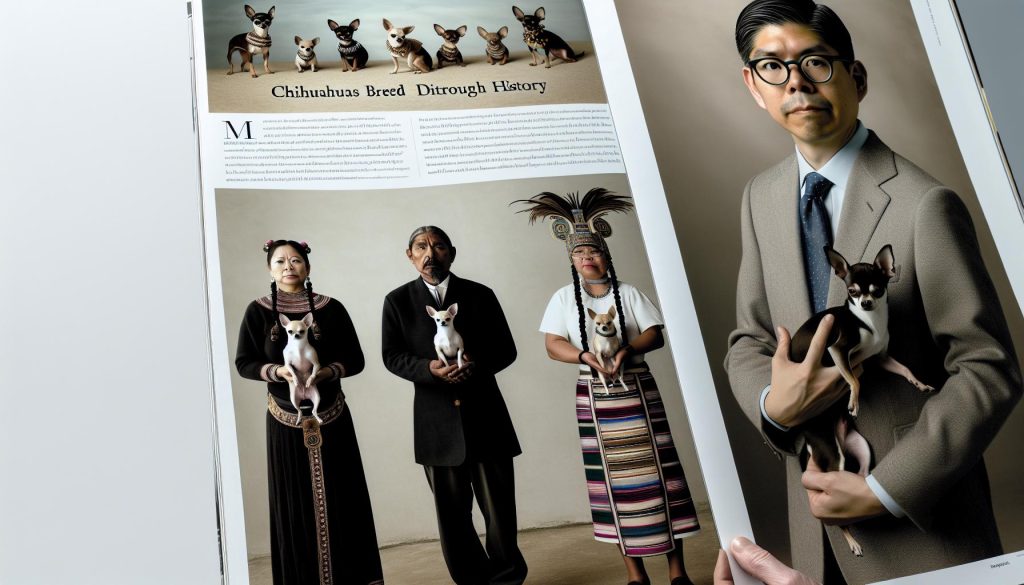
Did you know that your beloved Chihuahua might have roots tracing back to ancient civilizations? Understanding the breed development history of Chihuahuas is essential for any dog owner who wants to appreciate their tiny companion fully. These spirited little pups are not just cute; they bring a unique blend of loyalty, boldness, and quirky behaviors that endear them to many.
In this exploration of when Chihuahuas were invented, we will delve into their fascinating origins, shedding light on how these tiny dogs evolved through the ages. This knowledge can enrich your bond with your Chihuahua, equipping you with insights to better care for him or her. Whether you’re a first-time owner or a seasoned Chihuahua enthusiast, knowing how your dog’s personality, health, and needs have been shaped by their history is invaluable. Join us on this journey to discover the past of one of the most loved, if sometimes misunderstood, dog breeds in the world. You might find there’s much more to your Chihuahua than meets the eye!
When Did Chihuahuas First Appear?
Chihuahuas make for fascinating companions, and their history is just as captivating as their personalities. Though they are often seen as a modern breed, Chihuahuas have roots that trace back several centuries. Originating in Mexico, they are believed to have descended from the Techichi, a small companion dog revered by the ancient Toltec civilization around 900 AD. This breed served not only as a beloved pet but also as a spiritual guide for their owners in the afterlife, emphasizing their deep connection to human lives.
As civilizations progressed, the Chihuahua began to shape its unique identity. By the late 1800s, the breed started to draw attention from American tourists who were visiting Mexico. It was during this time that the breed was named after the Mexican state of Chihuahua, which played a crucial role in popularizing this small but spirited dog. The American Kennel Club (AKC) officially recognized the Chihuahua in 1904, marking it as a distinct breed in the pet registry. This moment served as a significant milestone in the breed’s history, heralding its rise in popularity across the United States and beyond.
Today, there are two main types of Chihuahuas, the Apple Head and the Deer Head, each with their own unique traits and characteristics. Understanding these variations is key to appreciating the breed as a whole. The Apple Head Chihuahua, with its rounded skull and large eyes, is often the more common choice among pet owners, while the Deer Head type features a longer face and an overall more elongated conformation. This diversity in type showcases the versatility of the breed, making them appealing to a broad range of dog lovers.
As a proud owner or aspiring parent to a Chihuahua, knowing their rich history can deepen your appreciation for these loyal little companions. Their personality traits, from boldness to a curious nature, correlate with the breed’s historic purpose as a companion dog. Understanding and celebrating this heritage can help in nurturing a happy and healthy relationship with your spirited Chihuahua.
The Fascinating Origins of Chihuahuas
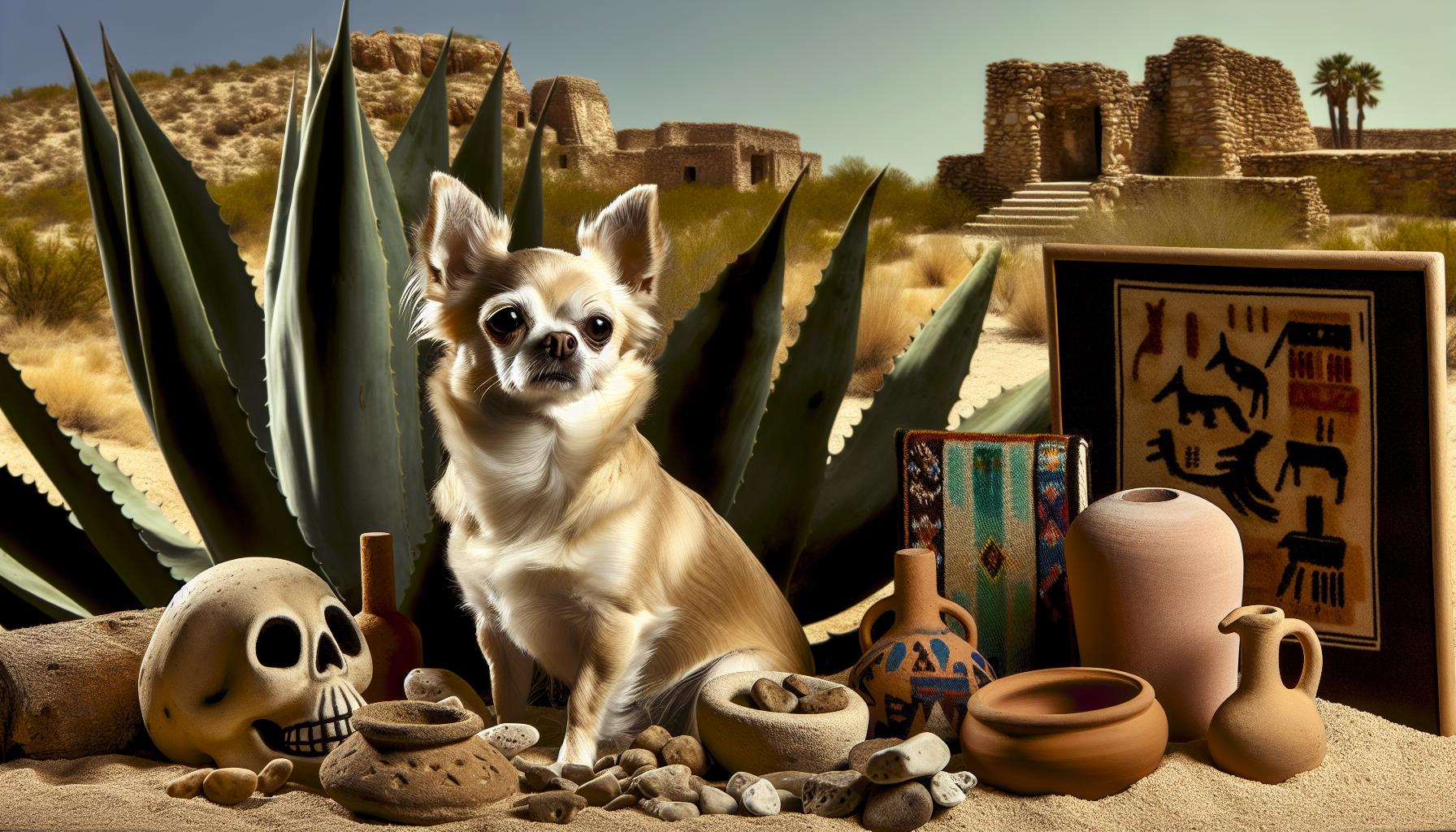
Chihuahuas are more than just adorable companions; their origins are steeped in rich history and cultural significance. The breed is believed to have descended from the Techichi, a small dog revered by the ancient Toltec civilization in Mexico as early as 900 AD. These dogs were cherished not only as pets but also as spiritual guides, helping their owners in the afterlife. This unique bond between Chihuahuas and humans reflects their loyal and affectionate nature, traits that we still celebrate in our pets today.
As the centuries passed, the Chihuahua evolved alongside the cultures that valued them. By the late 1800s, American tourists visiting Mexico began to take notice of this charming breed. It was during this time that these small dogs were officially named after the Mexican state of Chihuahua, a pivotal moment that sparked broader recognition of their unique qualities. The American Kennel Club recognized the breed in 1904, marking a major milestone in its development as a distinct breed known for its vibrant personality and steadfast loyalty.
Today, Chihuahuas come in various forms, but understanding the origins of their classification-particularly the differences between Apple Head and Deer Head Chihuahuas-can enhance your appreciation of this spirited breed. The Apple Head Chihuahua, with its short muzzle and rounded skull, often embodies the playful and energetic characteristics that many owners adore. In contrast, the Deer Head variety boasts a longer face and a more elegant posture, showcasing the breed’s versatility. Each type presents its unique charm and set of traits, making it essential for prospective owners to consider which best fits their lifestyle.
These fascinating little dogs carry a rich heritage that influences their behavior and care requirements today. They are known for being bold, vocal, and incredibly loyal, often forming strong bonds with their families. As a Chihuahua owner, understanding and embracing this history not only deepens your connection with your furry companion but also equips you with the knowledge to provide the best care possible. Celebrating their quirks, from their spirited barks to their tiny stature, makes the journey of owning a Chihuahua all the more rewarding. Ultimately, appreciating their origins helps create a loving and nurturing environment for your beloved pet.
Key Milestones in Chihuahua Breed Development
The journey of the Chihuahua breed is a fascinating tale filled with key milestones that shaped its identity as one of the most beloved companion dogs today. The roots of the Chihuahua trace back over a thousand years, primarily linked to the ancient Toltec civilization, where small dogs known as Techichis were domesticated and revered. This deep cultural significance laid the groundwork for the breed’s development, illustrating the bond between humans and their tiny furry companions long before they became popular pets.
In the late 1800s, American tourists visiting Mexico rediscovered the Chihuahua, sparking a surge of interest in these pint-sized pups. Their unique looks and vibrant personalities captured hearts, leading to the breed’s formal recognition. A pivotal moment occurred in 1904 when the American Kennel Club (AKC) officially recognized the Chihuahua as a distinct breed. This recognition not only marked a significant achievement for the breed but also paved the way for future standards, ensuring that Chihuahuas maintained their unique qualities amidst the varying breeding trends.
Chihuahuas come in two main types: Apple Head and Deer Head, each with distinct physical traits and temperament. The Apple Head Chihuahua, characterized by its rounded skull and short muzzle, is often more energetic and playful. Conversely, the Deer Head variety, with its longer facial structure and elegant posture, tends to have a calmer demeanor. Understanding these variations helps prospective owners choose the right companion that fits their lifestyle.
Other significant developments in Chihuahua history include the introduction of various coat colors and patterns, which further diversify the breed. From the smooth coats to long, flowing fur, these variations only enhance their appeal. As you explore the milestones of Chihuahua breeding, remember that each dog carries this rich history, and understanding their heritage can help you appreciate their delightful quirks-like their bold vocal personalities and loyal spirit. By embracing this knowledge, you equip yourself to provide the best care and nurturing environment for your cherished Chihuahua.
Understanding the Apple-Head vs. Deer-Head Types
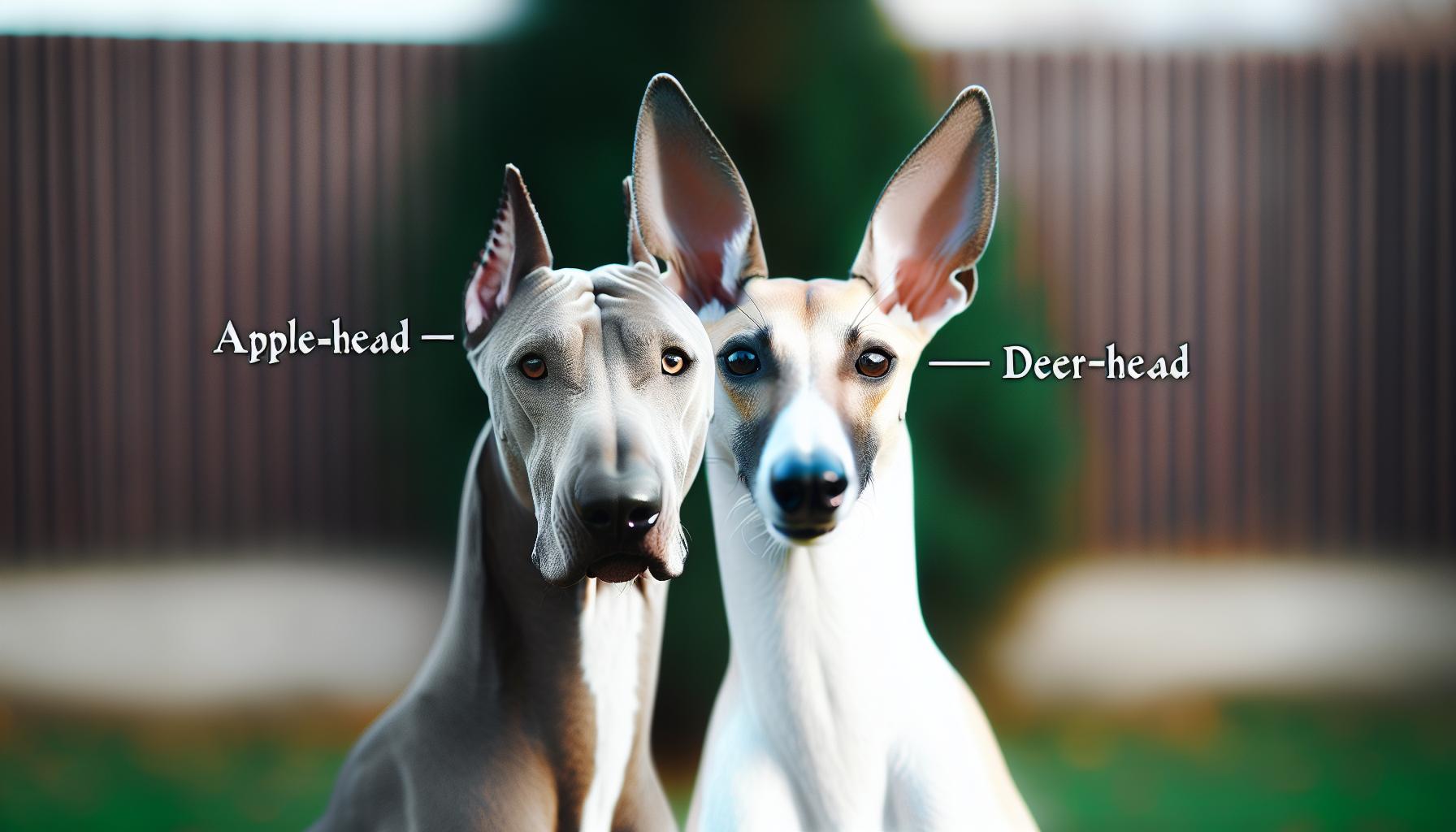
When examining Chihuahuas, two distinct types emerge that define this beloved breed: the Apple-Head and the Deer-Head Chihuahuas. Each type showcases unique physical traits and personality characteristics, making it essential for prospective owners to understand their differences.
The Apple-Head Chihuahua is instantly recognizable by its rounded skull and short muzzle. This adorable shape gives them an endearing appearance, often associated with a spunky and playful personality. They are typically more energetic and tend to exhibit bold behaviors, which can be a delight for active families or individuals. Many Apple-Head owners report these pups being fiercely loyal and protective, acting as tiny watchdogs. Their spirited nature often leads to vocalizations that can be quite charming, though this might require training to manage excessive barking.
In contrast, the Deer-Head Chihuahua features a longer skull and a more elegant, elongated body. This type generally embodies a calmer demeanor, making them excellent companions for quieter homes or first-time dog owners who may desire a less demanding pet. Their gentler temperament doesn’t diminish their loyalty; Deer-Head Chihuahuas are still affectionate and devoted to their families. Many owners find that these pups enjoy a more relaxed lifestyle, often curling up beside their loved ones instead of engaging in high-energy play.
When selecting between these two types, consider your lifestyle and preferences. Apple-Head Chihuahuas might bring more energy and excitement into your home, perfect for active situations. On the other hand, a Deer-Head Chihuahua might be ideal if you seek a companion that enjoys cuddles over chaos. Trust your instincts and remember-regardless of type, every Chihuahua comes with a rich history and delightful quirks that make them unique and lovable companions.
Unique Coat Variations: Shedding Light on Styles
Chihuahuas are not just known for their spirited personalities but also for their diverse and charming coat variations. These tiny companions come in two main coat types that reflect their rich heritage and adaptability: smooth-coated and long-coated. Understanding the distinct characteristics of each type can help owners appreciate their Chihuahua’s unique beauty and care needs.
Smooth-coated Chihuahuas feature a sleek, short fur that hugs their bodies closely, showcasing their striking physique. This coat type is often easier to maintain, requiring less grooming than their long-coated counterparts. However, smooth-coated Chihuahuas can be quite sensitive to temperature changes. As a result, many owners find that their pups enjoy wearing little sweaters or jackets during colder months to keep warm.
On the flip side, long-coated Chihuahuas boast a luxurious mane that flows beautifully and gives them an elegant appearance. This coat type comes with a bit more responsibility, as they require regular brushing to prevent matting and tangling. Many owners enjoy the bonding experience of grooming their long-haired friends, and regular brushing can also be a calming ritual that helps build trust between you and your Chihuahua. Common color variations among Chihuahuas include fawn, chocolate, black, and cream, creating an array of stunning looks within both coat types.
When selecting a Chihuahua, consider not just the color and coat type but also your lifestyle and living environment. For instance, a smooth-coated Chihuahua might better suit a busy household where less grooming is preferred, while a long-coated companion might flourish in a setting that values the extra grooming time and serves as a fun opportunity for pampering. Regardless of coat preference, remember that each Chihuahua brings their own quirks and charm, making them delightful companions for any dog lover.
Behavior Traits That Define Chihuahuas
Chihuahuas are known not just for their petite size but also for their big personalities. These little dogs embody a unique blend of courage, loyalty, and spirited energy that makes them truly special companions. One of the most defining traits of Chihuahuas is their confident demeanor; despite their tiny stature, they often act as if they own the world around them. This boldness can manifest in various ways, from barking at perceived threats-like the mailman or a leaf blowing past-to engaging in playful antics that showcase their vibrant spirit.
Vocal Nature
Chihuahuas are notoriously vocal. Whether they are communicating their excitement or alerting you to an unknown sound, their barks can be surprisingly loud for such small dogs. This characteristic makes them excellent watchdogs, as they will let you know when someone is approaching. However, first-time Chihuahua owners should be prepared for this vocalization and consider training techniques to help manage excessive barking if it occurs.
Loyal Companionship
Their loyalty is another hallmark trait of the breed. Chihuahuas are known to form strong bonds with their owners and can be quite protective. Many owners have experienced how their Chihuahua will follow them from room to room, eager to be a part of whatever is going on. This attachment means they thrive on companionship, often becoming anxious if left alone for extended periods. Creating a routine that includes quality time together can help alleviate any separation anxiety.
Energetic and Playful
Chihuahuas are full of energy and love to play. They enjoy interactive games that engage their minds and bodies, such as fetch or tug-of-war. These games not only provide physical exercise but also strengthen the bond you share with your furry friend. Incorporating mental stimulation, like puzzle toys or basic command training, can keep them entertained and happy, reducing the likelihood of boredom-induced mischief.
Understanding Their Quirks
Lastly, the quirkiness of Chihuahuas makes them endearing. Each dog has its own unique personality traits-some are more laid-back, while others are energetic and adventurous. For instance, apple-head Chihuahuas may display a more reserved temperament, whereas deer-head types can be more playful and social. Understanding these differences can guide you in tailoring care and training methods that best suit your dog’s personality.
In conclusion, Chihuahuas are a delightful blend of loyalty, vocal energy, and spirited playfulness. By recognizing and embracing these behavior traits, you can enhance your experience as a Chihuahua owner while ensuring your little companion feels cherished and understood. Embrace their quirks, and you’ll find that these tiny dogs bring immense joy and companionship to your life.
Health Concerns Common in Chihuahuas
Chihuahuas, while small and spirited, can face a variety of health challenges that owners should be aware of. One notable aspect of this breed is their vulnerability to certain genetic conditions due to their unique physical traits. For instance, some Chihuahuas are prone to patellar luxation, where the kneecap dislocates, which can be painful and may require surgical correction. If you notice your Chihuahua limping or avoiding putting weight on a hind leg, it’s critical to consult with your veterinarian for an assessment.
Another health concern that is particularly common among Chihuahuas is dental disease. Their small mouths often lead to overcrowded teeth, which can result in plaque buildup and periodontal issues. Regular dental check-ups and cleanings, along with daily tooth brushing, can help prevent serious oral health problems. Owners often share how a simple dental routine has led to healthier gums and happier pups, contributing to their overall well-being.
Heart Health
Chihuahuas can also be susceptible to heart conditions, particularly mitral valve disease, which often appears in older dogs. Symptoms can include coughing, difficulty breathing, or lethargy. Early detection is crucial, so routine veterinary check-ups that include heart assessments can aid in identifying and managing these conditions before they become severe.
Temperature Sensitivity
Moreover, Chihuahuas are sensitive to temperature extremes due to their small size and low body fat. Owners frequently find that providing a cozy sweater in colder weather helps keep their Chihuahua comfortable during walks. When temperatures soar, ensuring hydration and providing shade becomes essential to prevent heatstroke, especially since many Chihuahuas are eager to enjoy outdoor playtime with their owners.
Behavioral Health
It’s worth noting that health concerns are not only physical; behavioral issues such as anxiety can plague some Chihuahuas, making it vital to create a nurturing environment. Embracing routines and specific training techniques-like crate training-can help alleviate anxiety and build confidence in your little companion.
Understanding these common health concerns is vital for any Chihuahua owner. Regular veterinary visits, coupled with attentive care, can make a significant difference in your Chihuahua’s quality of life. By being proactive and informed, you can enjoy many happy years with your spirited little friend.
Training Tips for Your Spirited Chihuahua
Training a Chihuahua can be a delightful yet challenging experience, especially given their spirited and often stubborn personalities. These tiny companions are known for their boldness-many loving owners will tell you that their Chihuahuas think they are much larger than they actually are! To effectively train your spirited friend, understanding both their breed characteristics and their individual quirks is crucial.
Chihuahuas thrive on positive reinforcement. Start with basic commands like “sit,” “stay,” and “come.” Use high-value treats, as these small dogs can be picky eaters! For example, many owners have found that pieces of chicken or cheese work wonders for motivation. Keep training sessions short-around five to ten minutes-because Chihuahuas can lose focus quickly. Consistency is key. Regularly practicing commands throughout the day keeps their minds engaged and helps reinforce what they’ve learned.
Socialization is another essential aspect of training. Exposing your Chihuahua to different environments, people, and other dogs can help them become well-adjusted adults. Consider organizing playdates with other friendly pets or taking them to dog-friendly cafés. When introducing new situations, remain calm and reassuring. For instance, if you notice your Chihuahua is anxious around larger dogs, use treats to create a positive association with their presence.
Behavioral traits can also influence training. Many Chihuahuas are vocal, a trait that can sometimes lead to excessive barking if not properly managed. Teaching the “quiet” command can help mitigate unnecessary noise. To practice this, reward your dog when they’re calm and quiet. Gradually increase the time they must remain calm before receiving their treat. It’s a routine that reinforces desirable behavior while promoting their adorable yet bold nature.
In all your training efforts, patience is paramount. Chihuahuas may need time to grasp commands, and their unique personalities might require a tailored approach. As you build a bond through training, remember to celebrate small victories-they’ll contribute to a happy, well-adjusted Chihuahua who is not only a joy to have but also a charming member of your family.
Best Care Practices for Chihuahua Owners
Chihuahuas are known for their vibrant personalities and enduring loyalty, making them one of the most beloved small breeds. However, their unique traits also require specific care practices to ensure they thrive both physically and emotionally. Understanding the historical context of Chihuahuas, such as their origin in ancient Mexico, helps owners appreciate the breed’s resilience and adaptability, two characteristics that have allowed them to endure through the years.
To begin with, nutrition plays a crucial role in a Chihuahua’s health. Due to their small size, these dogs have fast metabolisms and need high-quality dog food that’s specially formulated for small breeds. Look for options rich in protein and low in fillers. Owners often find success by feeding their Chihuahua several small meals throughout the day instead of one or two larger portions to help maintain energy levels and prevent digestive issues. Always introduce new foods gradually, as Chihuahuas can be sensitive to changes in their diet.
Keeping your Chihuahua active is essential, even in small spaces. Regular brief walks and indoor play sessions can prevent obesity and keep their coats healthy. A favorite toy, such as a squeaky ball or a plush friend, can provide mental stimulation. Owners should also consider engaging their little ones in activities like agility training or tricks. These dogs thrive on interaction and mental challenges, reflecting their intelligent and eager-to-please nature. For example, many owners have found that teaching their Chihuahuas simple tricks, such as “shake” or “roll over,” strengthens their bond and keeps their minds sharp.
Dental health is another vital aspect of care. Chihuahuas are predisposed to dental issues, partly due to their small mouths. Daily tooth brushing or at least regular oral care through dental treats can significantly reduce the risk of periodontal disease. Regular veterinary check-ups should include dental assessments to identify any potential problems early on. Some owners even opt for professional cleanings to maintain their Chihuahua’s oral health.
Grooming should be tailored to the specific coat type of your Chihuahua. With their two primary types-apple-head and deer-head-grooming needs can vary. Short-haired Chihuahuas typically require minimal grooming, while long-haired varieties might benefit from weekly brushing to prevent mats and tangles. Bathing should be done sparingly, as too much can dry out their skin. Always use dog-specific shampoos and conditioners for the best results.
Lastly, creating a safe and comfortable environment is key to a Chihuahua’s well-being. Given their small stature, potential hazards like stairs or gaps in fences must be addressed to prevent injuries. Chihuahuas love to be in close quarters with their humans, so providing cozy beds and safe spaces for them to relax will enrich their lives. Socialization is also crucial; exposing your Chihuahua to various people, pets, and environments helps them become well-adjusted adults.
Caring for a Chihuahua is a rewarding journey filled with joy and companionship. By recognizing their unique needs and celebrating their spirited personalities, owners can ensure that these little dogs lead happy, healthy lives, continuing a legacy that has spanned centuries.
Chihuahuas in Pop Culture: Influence and Legacy
Chihuahuas have made quite a splash in the world of pop culture, becoming not only beloved pets but also iconic symbols of style and attitude. From the little dog that famously belonged to a fashion mogul to those charming characters gracing the big screen, Chihuahuas have captured the hearts of many. Their vibrant personalities, loyalty, and undeniable cuteness have led them to star in commercials, movies, and even television shows, making them cultural icons.
Chihuahuas in Film and Television
Perhaps most famously, Chihuahuas were thrust into the limelight with movies like *Beverly Hills Chihuahua*, which showcased their lively nature and ability to charm anyone around them. This film not only entertained audiences but also highlighted the bond between Chihuahuas and their owners, reflecting the real-life adventures many owners experience. In the movie, a pampered Chihuahua named Chloe embarks on a journey that teaches her about friendship, loyalty, and the importance of family-values that resonate deeply with those who adore this breed.
In addition to films, Chihuahuas have been featured in various TV shows and commercials, often portrayed as sassy companions or the perfect accessory for the glamorous lifestyle. This has contributed to their popularity, especially among high-profile personalities who choose to showcase their tiny friends in public, thus amplifying the Chihuahua’s status as a must-have pet for many celebrities.
The Fashion Statement
Beyond their screen presence, Chihuahuas are a fashion statement in their own right. Their small size makes them perfect for stylish outfits and accessories, from cozy sweaters to fun costumes. Many Chihuahua owners love dressing their pets in the latest trends, creating adorable Instagram posts that celebrate their unique look and quirky personalities. This phenomenon has spawned a niche market for petite pet apparel, with many brands catering specifically to the fashion-forward Chihuahua.
Moreover, the association of Chihuahuas with high fashion further establishes their place in pop culture. With their confident demeanor and bold attitude, these tiny dogs are often showcased in high-profile fashion events, cementing their status as more than just pets; they are living symbols of elegance and style.
A Symbol of Loyalty and Spirit
What truly sets Chihuahuas apart in pop culture is their reputation for being fiercely loyal. Whether depicted as the companion of an adventurous hero or the playful sidekick of a comedic character, Chihuahuas are recognized for their bravery and tenacity despite their small stature. They exemplify boldness, inspiring many to celebrate their unique spirits. Real-life owners often share stories of their Chihuahuas’ devotion-waiting by doors, alerting to visitors, and providing comfort during tough times.
As we look to the future, the representation of Chihuahuas in pop culture continues to evolve, reflecting societal changes and the breed’s enduring charm. Their influence remains strong, whether through social media or mainstream entertainment, ensuring that Chihuahuas will be cherished companions and cultural icons for years to come. This legacy not only honors their historical roots but also celebrates their place in the lives of countless dog lovers around the world.
How to Choose the Right Chihuahua for You
When considering adding a Chihuahua to your life, it’s essential to understand that these vibrant little dogs are more than just adorable companions; they are unique beings with distinct personalities and needs shaped by their rich history. Originating from ancient Mexico, the Chihuahua has evolved through various milestones over centuries, bringing with it a delightful mix of charm and character. Choosing the right Chihuahua for your lifestyle is about aligning these qualities with your personal preferences and circumstances.
Begin by considering size and type. Chihuahuas generally come in two distinct head shapes: apple-head and deer-head. Apple-head Chihuahuas have rounder skulls and are often seen as more delicate, while deer-head Chihuahuas have longer, more pronounced faces and can appear more robust. Understanding these differences not only assists in making a choice that resonates with your aesthetic but also can influence the dog’s temperament and appearance. For example, apple-head Chihuahuas, often deemed more “typical,” may have a more temperamental disposition compared to their deer-head peers.
Another aspect to consider is coat type and shedding. Chihuahuas can have either short hair or long hair, with each type presenting its own grooming and maintenance requirements. Long-haired Chihuahuas, while beautiful, require regular brushing to prevent matting and tangling. Short-haired varieties are easier to groom but still need attention to keep healthy skin and coat. Remember to consider any potential shedding, especially if you or anyone in your household has allergies.
Next, think about the characteristics that define your potential Chihuahua. Each dog has its own personality. While Chihuahuas are known for their spirited nature, they can vary widely from bold and boisterous to shy and reserved. Meeting potential owners and observing their behavior can offer insights into how they might fit into your lifestyle. For instance, a particularly vocal Chihuahua may thrive in an active home that enjoys play and interaction, while a more laid-back individual might be perfect for a quieter environment.
It’s also essential to consider health factors associated with the breed. Chihuahuas are generally healthy, but they can be prone to certain conditions such as dental issues, patellar luxation, and heart diseases. When choosing your Chihuahua, seek out reputable breeders who prioritize health and offer health screenings for their pups. This not only ensures that you’re adopting a well-bred dog but also aligns your choice with a commitment to their well-being.
Finally, think about your lifestyle and environment. Chihuahuas adapt well to various living situations, including apartments and houses, due to their small size. However, they need socialization and stimulation to remain happy and healthy. If you travel frequently or work long hours, consider how this will impact your Chihuahua. These dogs thrive on companionship and can experience separation anxiety if left alone for extended periods.
In conclusion, choosing the right Chihuahua for you involves more than simply finding the cutest pup. It requires careful consideration of their size, type, personality, grooming needs, potential health issues, and how well they will fit into your lifestyle. With the right match, you will not just gain a pet but a devoted companion whose spirited character will enrich your life in countless ways.
The Future of Chihuahuas: Trends and Predictions
As the world continues to evolve, so too does the beloved Chihuahua breed. From their ancient roots in Mexico to their modern-day status as one of the most popular companion dogs, Chihuahuas have always been adaptable. The future of this vibrant breed looks bright, influenced by societal trends, advancements in veterinary care, and changing owner expectations.
One growing trend is the increased emphasis on health and wellness. As owners become more educated about the specific health concerns associated with Chihuahuas-such as dental issues and heart problems-there’s been a surge in demand for responsible breeding practices. Reputable breeders are prioritizing health screenings and genetic testing, which can lead to more robust puppies. This focus not only benefits the dogs but also reassures potential owners who want to invest in a healthy, thriving companion. Real-life examples abound; owners like Lisa, who adopted her Chihuahua Max, were relieved to find a breeder who conducted health tests that aligned with her commitment to Max’s well-being.
Furthermore, the lifestyle of Chihuahua owners is evolving, with more people living in urban environments. This shift demands Chihuahuas that are well-suited for apartment living, requiring continued socialization and training to manage their spirited personalities. As a result, training programs tailored specifically for smaller breeds are becoming increasingly popular, helping owners instill good behavior while harnessing the dog’s natural vivaciousness. For instance, techniques that cater to their small size-such as indoor agility courses-enable owners to engage and exercise their Chihuahuas in limited spaces.
Additionally, the social media age brings newfound attention to Chihuahuas, showcasing their quirky behaviors and undeniable charm. Pet influencers allow dogs to become celebrities, which can change the perception of Chihuahuas from being merely “cute” to icons of personality and character. Everyone from everyday owners to Hollywood celebrities showcases their Chihuahuas in unique settings, paving the way for potential future collaborations with brands focused on pet health and wellness.
In conclusion, the future is not just about sustaining Chihuahua culture; it’s about elevating it. By embracing responsible breeding, tailored training, and the power of social engagement, Chihuahuas are poised to thrive. Whether you’re a first-time Chihuahua parent or a seasoned enthusiast, staying connected to these trends will not only enhance your experience but also ensure that your little friend enjoys a rich, fulfilling life.
Q&A
Q: When was the Chihuahua breed officially recognized?
A: The Chihuahua was officially recognized by the American Kennel Club (AKC) in 1904. This recognition helped establish the breed as a distinct category within the dog community, allowing enthusiasts to showcase their Chihuahuas in various competitions.
Q: What are the historical roots of the Chihuahua breed?
A: Chihuahuas are believed to have ancient roots dating back to the Techichi, a small companion dog of the ancient Toltec civilization in Mexico. This breed evolved over centuries, influenced by various other breeds, leading to the modern Chihuahua we know today.
Q: How did the Chihuahua breed develop in the United States?
A: Chihuahuas became popular in the United States in the late 19th and early 20th centuries, largely due to their unique size and charm. Their popularity grew even more after being featured in various Hollywood films, which showcased their spirited personalities.
Q: What is the difference between Apple-Head and Deer-Head Chihuahuas?
A: Apple-Head Chihuahuas have a rounded skull and a short muzzle, while Deer-Head Chihuahuas have a longer head and snout. Both types reflect beauty and charm, appealing to different preferences among Chihuahua enthusiasts.
Q: Are there specific coat variations in Chihuahuas?
A: Yes, Chihuahuas come in various coat types, including short-haired and long-haired varieties. They also showcase a multitude of colors and patterns, making each Chihuahua unique. These variations can impact grooming needs and care, which is essential for owners to understand.
Q: What health issues are commonly associated with Chihuahuas?
A: Chihuahuas are prone to specific health concerns, including dental issues, patellar luxation, and heart problems. Regular veterinary check-ups and a healthy diet are crucial in preventing these issues, ensuring a happy and long life for your Chihuahua.
Q: How do Chihuahuas differ in personality from other breeds?
A: Chihuahuas are known for their bold, confident personalities. They are often vocal and can be very loyal to their owners. Unlike some breeds that may be more reserved, Chihuahuas tend to be spirited and may even exhibit protective behaviors despite their small size.
Q: What are some tips for training a Chihuahua effectively?
A: Training a Chihuahua requires patience and consistency. Utilize positive reinforcement techniques, such as treats and praise, to encourage desired behaviors. Starting with basic commands and socializing your Chihuahua early can lead to well-behaved companions.
—
For more detailed insights, check out our sections on Training Tips for Your Spirited Chihuahua and Health Concerns Common in Chihuahuas. Engaging with these aspects can enhance your experience as a Chihuahua owner!
Closing Remarks
As you journey through the fascinating history of the Chihuahua, it’s clear that these loyal, spirited companions have a rich lineage worth exploring further. Understanding their development not only enriches your appreciation for this breed but also enhances your care practices. Whether you have an apple-head or a deer-head variety, each Chihuahua brings unique joys and challenges. If you’re a new owner, check out our articles on Chihuahua health tips and behavioral insights to ensure a happy coexistence. If you’re looking to elevate your dog’s lifestyle, consider our resources on optimal care and training methods.
Don’t stop here! Dive deeper into our community by signing up for our newsletter for ongoing tips and delightful Chihuahua stories. Share your thoughts or experiences in the comments below; we love hearing from fellow enthusiasts! Together, let’s celebrate the vibrant spirit of Chihuahuas and empower each other in the rewarding adventure of dog ownership.
Get our latest guides, news, and insights highlighted in your Google Search & AI Overviews.