
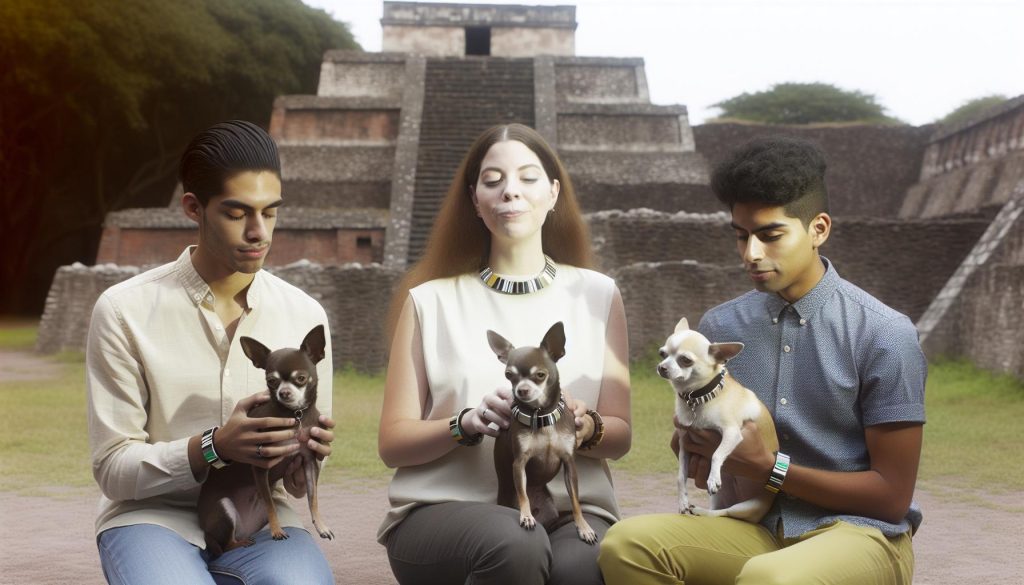
Did you know that Chihuahuas, one of the smallest dog breeds, were originally bred for companionship and religious significance? These spirited little dogs not only make loyal pets but also carry a rich history that connects them to ancient cultures. Understanding what Chihuahuas were bred for helps us appreciate their charming quirks and extraordinary personalities, from their vocal expressions to their fearless demeanor. Whether you’re a seasoned Chihuahua owner or considering bringing one into your home, exploring their historical role reveals insights into their behavior, care needs, and incredible bond with humans. Join me as we uncover the fascinating past of these tiny companions, fueling your curiosity and deepening your appreciation for the breed. Discover how their origins shape their character today and how you can help your furry friend thrive in our modern world.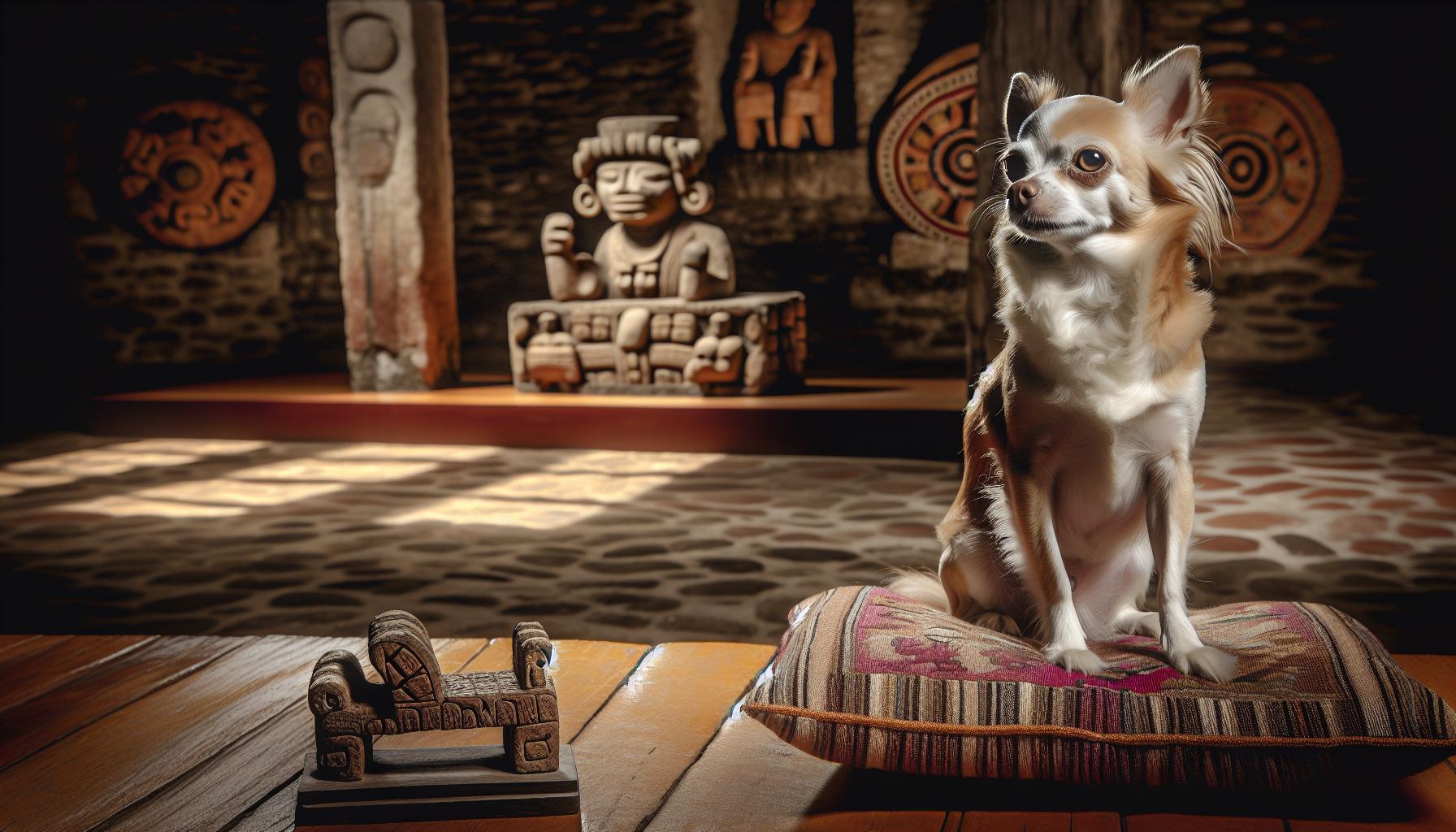
The Origins of Chihuahuas: A Historical Overview
Chihuahuas, those charming little companions, have a history that resonates deeply with dog lovers everywhere. Originating from Mexico, these tiny canines are thought to be descendants of the Techichi, a breed kept by ancient civilizations, believed to have roots dating back to the Toltecs and the Aztecs. These early breeds were often more than just pets; they played crucial roles in the spiritual and everyday lives of their owners. They were companions, protectors, and even sacrificial animals, showcasing the significant cultural weight that Chihuahuas carried long before they became the fashionable pets we know today.
The relationship between humans and Chihuahuas evolved over centuries. Initially cherished for their loyalty and companionship, these dogs were often kept to guard homes and livestock. Their bold personalities belied their small size, making them excellent watchdogs, as they were always alert to their surroundings. In ancient times, a Chihuahua’s presence was seen as a protection against spiritual and physical threats, showing the blend of utility and affection these dogs embodied. For modern owners, understanding this historical context can deepen the bond with their Chihuahuas, recognizing them not just as pets but as a part of a rich heritage.
With their unique apple-head shape and vibrant personalities, Chihuahuas have successfully transitioned from ancient guardians to beloved modern companions. They maintain a strong presence in contemporary culture, symbolizing loyalty and courage. Their smaller stature may lead some to underestimate them, but any Chihuahua owner will tell you about their big hearts and even bigger personalities. Whether you are a first-time owner or have shared your life with multiple Chihuahuas, celebrating their ancestry can add a layer of appreciation for these small but mighty dogs.
Early Uses of Chihuahuas: From Companions to Guardians
Chihuahuas have a rich and fascinating history that stretches back to ancient civilizations, where they served not only as beloved companions but also as guardians of homes and souls. Rooted in Mexico, these tiny dogs are thought to descend from the Techichi, a breed revered by the Toltecs and Aztecs. Originally, they were cherished for their companionship and considered sacred, believed to guard the spirits of the dead. This deep connection to spirituality paved the way for their roles in human life, transforming them into vital protectors and affectionate companions.
In ancient times, the relationship between humans and Chihuahuas was marked by a dual purpose. Owners valued them for their bold temperament and alertness, making them effective watchdogs despite their diminutive size. Chihuahuas were often tasked with safeguarding livestock and homes; their keen senses allowed them to detect intruders and alert their families. In fact, many cultures viewed them as protectors against both physical and spiritual threats, embodying a blend of utility and affection that speaks to their enduring legacy.
As their role evolved, Chihuahuas began to symbolize loyalty and companionship on a deeper level. For many families, these spirited little guardians became beloved members, finding their place not just as protectors but as integral parts of the household. Their vibrant personalities and vocal natures mean they express loyalty in charming ways, often becoming the heart and soul of their human families. Modern Chihuahua owners often share stories of how their dogs’ boldness and tenacity bring joy and laughter into their lives, celebrating the indelible impression their tiny guardians leave on the hearts of those who love them.
Ultimately, understanding the early uses of Chihuahuas provides a window into their complex nature. Recognizing them as companions and guardians allows modern owners to appreciate their rich heritage while forging strong bonds rooted in trust and affection. Whether they’re snuggled on your lap or bravely sounding the alarm at the prospect of visitors, Chihuahuas remind us that strength can come in the smallest packages and that true loyalty knows no bounds.
Cultural Significance of Chihuahuas in Ancient Civilizations
The Chihuahua’s cultural significance in ancient civilizations goes beyond merely being a charming companion; it intertwines deeply with spiritual beliefs and social structures. In pre-Columbian Mexico, the Chihuahua was not just a pet but a symbol of loyalty and protection. Originating from the Techichi, a dog bred by the Toltecs, these small canines held a revered position within their communities. They were thought to guide the spirits of the dead, providing comfort and companionship in the afterlife. This sacred role elevated them from mere pets to integral figures in ancient traditions and rituals.
Chihuahuas were cherished for their spirited nature and bold personalities, often bringing a sense of joy and protection to their families. Many ancient cultures regarded them as protectors against both physical threats and spiritual malevolence. Their keen instincts and alertness made them exceptional guardians of households. With their small size, these dogs had the unique ability to act as effective watchdogs, warning families of intruders while offering comfort through companionship. This blend of utility and affection contributed to their esteemed status among various civilizations.
In addition to their roles as guardians and companions, Chihuahuas were often involved in cultural rituals and practices. For instance, in some Mesoamerican communities, these dogs were included in burial practices, believed to accompany their owners into the afterlife. This practice highlights not only their companionship but also their importance as spiritual entities in ancient belief systems.
As the centuries passed, the Chihuahua continued to evolve, adapting to the changing dynamics of human societies while retaining its core traits of loyalty and affection. Today’s owners often celebrate these qualities, sharing stories of how their brave, vocal companions enrich their lives. To truly appreciate your Chihuahua, it’s essential to recognize this profound heritage, as it influences their behaviors and connections with us. By honoring the rich history of the breed, modern Chihuahua owners can forge deeper bonds, celebrating the unique quirks and enduring loyalty of these remarkable tiny guardians.
The Evolution of the Chihuahua: Breeding Through the Ages
The Chihuahua’s journey through history is as fascinating as the breed itself. From their early days as revered companions of ancient civilizations to their current status as beloved family pets, Chihuahuas have evolved significantly. Originally bred by the Toltecs, they descended from the Techichi, a small dog thought to be a guardian of the spirit world. This early role was crucial, as Chihuahuas were believed to accompany their owners into the afterlife, offering comfort in the spiritual realm.
Through the ages, selective breeding played a pivotal role in shaping the Chihuahua we know today. Breeders focused on enhancing certain traits, including size, colors, and temperaments. For instance, you may notice that some Chihuahuas have a distinctive apple-shaped head, a feature that became popular due to its cuteness and an impression of intelligence. This breeding not only aimed at securing physical characteristics but also at promoting their spirited and loyal nature-a trait that’s often celebrated by owners today.
Despite their small size, Chihuahuas were bred with a purpose: vigilance and companionship. Their intelligence, coupled with a keen sense of alertness, makes them excellent watchdogs. Many owners can share tales of their Chihuahuas barking furiously at strangers or even larger animals. This instinct harkens back to their roots, where guarding was as essential as companionship. For many modern owners, it’s this blend of fierce loyalty and spirited personality that makes their Chihuahuas such cherished family members.
In the contemporary world, while health and care remain critical facets of owning a Chihuahua, understanding their lineage can deepen your appreciation of them. Recognizing that your dog carries the legacy of a revered protector can enhance your bond. So, as you nurture and celebrate your Chihuahua’s quirks-be it their bold demeanor or affectionate snuggles-consider that they carry centuries of history and purpose, making them unique and comforting companions in today’s society.
Chihuahuas in American History: A Cultural Icon
In the tapestry of American culture, few dog breeds resonate as deeply as the Chihuahua. This tiny canine, with its vibrant personality and bold demeanor, is not merely a pet; it has become a cultural icon that reflects America’s love for the unique and the spirited. The Chihuahua’s journey in the United States began in the early 20th century, capturing hearts with its feisty nature and appealing size, making it the perfect companion for city dwellers. As a breed that thrives on social interaction, Chihuahuas often become the center of attention, whether in the park or at fashionable cafes.
The breed gained immense popularity during the 1990s, largely due to Hollywood and the media. Celebrity endorsements and appearances in films paired with their adorable size further propelled the Chihuahua into the limelight. Who could forget the famous Taco Bell dog, Gidget, whose catchphrase “Yo quiero Taco Bell” turned her into a household name? This cultural resonance has made the Chihuahua synonymous with trends, fashion, and even a sense of belonging in contemporary society. As an often trendy accessory, their presence in pop culture highlights a movement where owning a Chihuahua is both a statement of style and a demonstration of one’s affection for a little companion.
Chihuahuas also play a significant role in the lives of many Americans as devoted guardians of the home. Their inherent qualities as watchful protectors are often underscored by their loud barks and protective instincts, which, despite their tiny stature, can command respect. They may be small, but they carry a big heart and a fierce loyalty that echoes their historical roots as companions to ancient civilizations. Today, pet owners regularly share stories of how their Chihuahuas have asserted themselves against large intruders, proving that courage knows no size.
When it comes to health and care, American owners of Chihuahuas should focus on maintaining their well-being through proper nutrition, regular veterinary check-ups, and exercise. These little dogs thrive on routine and should be socialized to harness their energetic personalities in helpful ways. Engaging with fellow Chihuahua enthusiasts can also provide insight into effective training methods and useful tips for managing the breed’s unique traits, such as their vocal nature and their sometimes stubborn streak. Ultimately, owning a Chihuahua is not just about having a pet; it’s about embracing a lively spirit that enriches daily life with affection, loyalty, and a fair share of adorable quirks.
Health and Care of Chihuahuas: Understanding Their Needs
When you welcome a Chihuahua into your home, you’re not just gaining a pet; you’re inviting a unique personality full of charm and spirited energy. These petite companions, often weighing between 2 to 6 pounds, have specific health and care requirements that are essential to maintain their overall well-being. Understanding these needs helps ensure your Chihuahua thrives and remains the loving companion she’s meant to be.
To start with, attention to nutrition is crucial. A balanced diet tailored to a Chihuahua’s size and activity level promotes a healthy metabolism and prevents obesity, which can lead to serious health problems. Opt for high-quality, age-appropriate dog food, enriched with essential nutrients. Due to her small size, she may require frequent, small meals throughout the day. Additionally, be mindful of their tendency to pick up extra pounds, especially as they age or become less active. Regularly monitoring their weight and adjusting serving sizes accordingly is vital.
Chihuahuas also have distinct dental needs. Their small mouths can lead to crowding and subsequent dental issues, so incorporating dental chews or regular brushing into your routine is highly beneficial. Many owners find that establishing a dental care habit from an early age helps manage stubborn plaque and tartar buildup. Regular veterinary check-ups should include dental assessments to catch any problems early.
Beyond diet, physical health is significantly influenced by regular exercise. Chihuahuas are energetic despite their size, and short walks or play sessions fulfill their need for activity and mental stimulation. Engaging in interactive play not only fosters your bond but also curbs behavioral issues borne from excess energy. Be cautious, however, with exercise; Chihuahuas can be prone to overheating, especially in warmer weather, so keep an eye on her during outdoor activities.
Grooming plays a role in your Chihuahua’s health as well. Depending on whether she has a smooth or long coat, she’ll have different grooming requirements. Long-haired Chihuahuas need regular brushing to prevent tangling, while short-haired ones benefit from occasional brushing to remove loose fur. Bathing should be done sparingly to avoid skin irritation; once a month is often sufficient unless she gets particularly dirty.
Finally, socialization and mental stimulation are key aspects of your Chihuahua’s care. Chihuahuas can be bold and sometimes overly protective, so exposing her to different environments, people, and other pets from a young age will help her develop into a well-rounded dog. Consider puppy classes or playdates with well-mannered dogs to cultivate her social skills and mitigate any behavioral quirks that may arise from fear or anxiety.
In summary, maintaining a Chihuahua’s health and happiness revolves around understanding her unique needs related to nutrition, dental care, exercise, grooming, and socialization. By being proactive and attentive to these requirements, you can ensure a joyful life for your little friend, rich with companionship and wagging tails.
Behavior Traits of Chihuahuas: Unpacking Their Temperament
Chihuahuas have a spirited personality that perfectly reflects their rich history as loyal companions, often transcending their tiny stature. These dogs were bred not just for companionship but also played significant roles in ancient cultures, often revered for their keen senses and desirable temperament. As a proud Chihuahua owner, it’s essential to understand these traits to nurture and appreciate your little friend fully.
Vocal and Alert
One of the most distinctive traits of Chihuahuas is their vocal nature. They are known to be quite the watchdogs, rapidly alerting their owners to any unusual sounds or intrusions. This instinct stems from their origins as guardians, where their small size belied a fierce loyalty and protective demeanor. While this trait ensures safety, it’s important to train your Chihuahua to manage unnecessary barking. Positive reinforcement techniques can be very effective-reward your pup when he remains calm in situations that typically trigger barking.
Bold and Confident
Don’t let their size fool you; Chihuahuas often exhibit a bold, confident demeanor that can be surprising. Many owners have stories of their tiny companions taking on much larger dogs without hesitation. This fearless nature comes from their historical role in guarding homes and their people. It’s essential to socialize your Chihuahua from a young age, exposing her to various environments and situations, as this will help her develop a well-rounded character and mitigate overly aggressive tendencies towards larger dogs or strangers.
Aloof Yet Affectionate
Chihuahuas can be a bit aloof with strangers, embodying the classic “small dog syndrome.” However, once trust is established, they are incredibly affectionate and loyal to their families. They often form strong bonds with their human companions and can even exhibit traits of jealousy if they feel their territory or attention is threatened. Engaging regularly in bonding activities, such as playtime or snuggling sessions, helps reinforce that loyalty while keeping her feeling secure and loved.
Intelligent and Quick Learners
Interestingly, Chihuahuas are quite intelligent and can learn commands and tricks rapidly. Owners frequently find their Chihuahuas picking up on new behaviors or routines faster than expected. However, their strong-willed nature can also lead to challenges in training. Consistency is key-using short, fun training sessions with plenty of praise will keep your Chihuahua engaged and eager to learn.
In summary, understanding and embracing the unique behavior traits of Chihuahuas allows us to appreciate them even more as companions. Their boldness, vocal tendencies, affectionate loyalty, and intelligence shape the vibrant, spirited personality we so love. By nurturing these traits with proper training and socialization, you ensure a happy, fulfilling life for both you and your beloved Chihuahua.
Training Tips for Your Chihuahua: Nurturing Their Unique Personality
Training your Chihuahua can be a rewarding experience, especially when you remember their unique historical role as loyal guardians and companions. These small dogs have a bold spirit and a keen intelligence that demands a thoughtful training approach. After all, they were bred not just for companionship but also for their protective instincts. To nurture their personality, it’s essential to employ training techniques that resonate with their strong-willed nature while fostering that innate loyalty they are known for.
Consistency is Key
Being consistent is vital when training your Chihuahua. They thrive on routine and clear expectations, which helps them understand what behavior is encouraged. Establish a regular schedule for training sessions, ideally short and engaging-around 5 to 10 minutes is perfect. This can prevent their attention from wandering. Use a mix of enthusiasm and gentle corrections to guide them. For example, if your little companion starts barking at a passerby, calmly redirect them with a command like “quiet” and reward them for compliance.
Positive Reinforcement
Chihuahuas respond best to positive reinforcement. This means praising their good behavior with treats, affection, or play. If your Chihuahua sits quietly while you greet a guest, reward that calmness! Consider using high-value treats that your Chihuahua loves-like tiny pieces of chicken or cheese-to make your praise even more appealing. This approach not only encourages the desired behavior but also reinforces the bond you share, making training feel less like a chore and more like a game.
Socialization and Exposure
Socialization is crucial for Chihuahuas, given their bold nature and protective instincts. Aim to expose them to different environments, sounds, and people from an early age. This will help them develop confidence and reduce anxiety or overaggression later on. For instance, arrange playdates with larger dogs under supervision, or take them to varied environments like parks, pet-friendly cafes, or bustling markets. Notice how your Chihuahua reacts and help them navigate these experiences with reassurance and guidance.
Training Challenges
While Chihuahuas are intelligent and quick learners, their stubborn streak can present challenges. They may test limits to see what they can get away with. Stay patient and persistent, knowing that every little victory counts. This breed tends to have a strong territorial instinct, so working on commands like “leave it” or “come” in safe, controlled environments can go a long way in ensuring they listen when it matters most.
Ultimately, embracing your Chihuahua’s spirited personality while implementing thoughtful training techniques will help you cultivate a well-mannered companion who reflects their rich history as both guardian and friend. Their endearing quirks and fierce loyalty are best showcased when they feel secure, loved, and understood. Happy training!
The Role of Chihuahuas in Modern Society: Companionship and More
In our fast-paced modern world, Chihuahuas continue to carve out a significant role as cherished companions, embodying the perfect blend of personality and practicality. Known for their bold nature and unwavering loyalty, these tiny dogs have evolved from their historical roots as guardians to become beloved family members and confident lap dogs. Their compact size makes them ideal for various living environments, from bustling city apartments to quiet suburban homes, allowing them to adapt seamlessly to their owners’ lifestyles.
Affectionate Companions
Chihuahuas are not just pets; they are true companions. Their loyal and affectionate demeanor means that they thrive on human interaction and develop close bonds with their families. Many owners find comfort in their Chihuahuas’ playful antics and their uncanny ability to sense their moods. Whether cuddling next to you during a quiet evening or engaging in playful bustle around the house, these dogs often bring joy and emotional support that many owners treasure.
Social Butterflies
Despite their small size, Chihuahuas boast a large personality, making them natural socializers. Their curiosity about the world drives them to explore various environments, from dog parks to social gatherings. Regular exposure to new experiences not only nurtures their confidence but also cultivates a well-rounded temperament. For instance, a Chihuahua might charm guests at a family gathering or captivate onlookers with his spunky demeanor at the dog park. Providing frequent socialization opportunities can help mitigate any tendencies toward over-protectiveness or anxiety.
Health and Well-Being
Understanding the health needs of Chihuahuas can significantly enhance their quality of life. Regular veterinary visits, a balanced diet, and appropriate exercise are crucial. Due to their small stature, Chihuahuas can face specific health challenges, including dental issues and heart disease. Owners should monitor their oral hygiene carefully-regular teeth cleaning can help prevent complications. Creating a routine that combines play and short walks can also help maintain their physical and mental agility, benefiting their overall health.
In summary, the presence of a Chihuahua enriches many lives, offering companionship that transcends mere pet ownership. By appreciating their unique quirks and providing thoughtful care and social engagement, owners can foster a happy, fulfilled life for their spirited companion. Embracing the Chihuahua’s historical role as a protector and friend continues to resonate deeply in modern society, where they remain cherished for their fierce loyalty and vibrant personalities.
Challenges of Owning a Chihuahua: What to Expect
Owning a Chihuahua can be one of the most rewarding experiences, yet it comes with unique challenges that every prospective owner should anticipate. These pint-sized pals are known for their bold personalities, but with that often comes a fierce loyalty and a tendency to be a bit demanding. Understanding these traits can empower you to nurture your Chihuahua’s potential while ensuring a happy coexistence.
One prominent challenge is their vocal nature. Chihuahuas are infamous for their barking, especially when they want to alert you to perceived threats or simply seek attention. This instinct harks back to their historical role as guardians. As an owner, it’s essential to train your Chihuahua to differentiate between real threats and normal household activities. Establishing a consistent training routine with positive reinforcement can help modulate their vocal tendencies. For instance, rewarding your Chihuahua for quiet behavior during common stimuli is a great way to teach him when it’s appropriate to bark.
Another aspect to consider is their health care needs. Due to their small size, Chihuahuas are prone to specific health issues, including dental problems and patellar luxation. Regular veterinary check-ups are crucial to monitor these potential issues. Their dental health is particularly important; many owners find that introducing dental chews into their routine not only keeps their teeth clean but also satisfies their natural urge to chew, which is a common behavior in the breed. By remaining diligent about routine care, you can help your loyal companion live a longer, healthier life.
Socialization is vital for a well-adjusted Chihuahua, but it can be a double-edged sword. While early socialization can develop a confident and well-rounded personality, if not done properly, Chihuahuas may develop a tendency towards over-protectiveness or anxiety. The boldness that makes them endearing can also translate into territorial behavior. Therefore, exposing your Chihuahua to various environments and people while he’s still a puppy will pay off in terms of creating a balanced adult dog. Take him to dog parks, introduce him to new friends, and ensure that all experiences are positive to build his confidence and social skills.
Lastly, their size means they can be easily injured if not handled carefully. As an owner, it’s important to supervise playtime around larger dogs and keep a watchful eye during interactions with young children to prevent accidental injuries. Providing a safe and comfortable space for your Chihuahua to retreat to when feeling overwhelmed can alleviate stress and help him feel secure in his environment.
By acknowledging these challenges and embracing your Chihuahua’s spirited personality, you’ll not only provide a loving home but also enhance your canine companion’s overall well-being. With the right preparation and understanding, your journey with your Chihuahua can be joyful and fulfilling, reflecting the deep bond shared between owner and pet.
Celebrating Your Chihuahua: Fun Facts and Quirks
Chihuahuas are more than just adorable little dogs; they’re vibrant characters with a rich history that makes celebrating them a joy! These pint-sized companions have been cherished throughout their existence, originally bred to be loyal guardians and devoted companions. Their charming quirks and spirited personalities will brighten any home and remind you of their storied past.
First, let’s talk about those unique physical traits. The Chihuahua comes in two distinct variations: the smooth coat and the long coat, each possessing its own undeniable charm. Whether you’re captivated by the plush, flowing fur of a long-haired Chihuahua or the glossy finish of a smooth-coated buddy, each type brings something special to the table. Many owners also adore the breed’s distinctive head shapes, with the “apple-head” Chihuahuas featuring a rounded top and a short muzzle, reflecting their noble lineage.
- Vocal Nature: One of the most recognizable traits of Chihuahuas is their bold bark. While many owners might find their stubborn insistence on vocalizing a bit frustrating at times, this characteristic stems from their historical role as a watchdog. They take their job seriously, often alerting you to any unusual activity around the house. Training them to control their barking, however, can enhance your living experience and support a calm home environment.
- Fearlessness: Don’t let their size fool you; Chihuahuas pack a punch with their fearlessness and confidence. They might take on larger dogs with gusto, proving that bravery can come in small packages. This tenacity makes them loving yet protective companions, always ready to stand by your side.
- Loyal Companionship: With an origin steeped in companionship, Chihuahuas create deep bonds with their owners. They thrive on love and attention, often preferring to be held or cuddled close. Their unique ability to sense your mood adds to their appeal as emotional support animals.
- Distinct Personalities: Each Chihuahua boasts a personality as vibrant as their coats. While some may be shy and reserved, others are outgoing and energetic, easily commanding attention in any room. Embrace these traits to bond with your furry friend and create lasting memories.
Moreover, understanding their needs and challenges allows for a more harmonious relationship. Regular health care, affectionate socialization, and consistent training will help keep your Chihuahua thriving. Owners who engage in activities tailored to their dog’s unique personality-like mini agility courses or cuddle sessions-foster a deeper connection. Sharing your life with a Chihuahua means celebrating their rich heritage while embracing the joy they bring daily.
In celebrating Chihuahuas, you’ll not only appreciate their foundational role in human history but also revel in their delightful quirks. They remind us that even the smallest of beings can have the biggest hearts!
Choosing the Right Chihuahua: Size, Coat, and Personality Considerations
Choosing the right Chihuahua involves more than just picking out a cute face; it’s about considering size, coat type, and personality traits that align with your lifestyle. Each Chihuahua has unique qualities that reflect their historical roles as companions and guardians. Understanding these factors can help ensure that you and your new friend will thrive together.
When it comes to size, Chihuahuas typically weigh between 2 to 6 pounds and stand about 6 to 9 inches tall. This petite stature makes them ideal for apartment living. However, be mindful that their small size can make them vulnerable to injury, especially in homes with larger pets or young children. Choosing a Chihuahua that fits well within your living space and lifestyle is critical; for instance, more active owners may prefer a spirited Chihuahua who enjoys daily walks, while those looking for a cuddly companion might opt for a calmer dog that loves to snuggle.
Now, let’s talk coat types. Chihuahuas come in two distinct varieties: smooth-coated and long-coated. Smooth-coated Chihuahuas have sleek fur that lies flat against their bodies, requiring less grooming but more attention to temperature regulations, as they can get cold easily. Long-coated Chihuahuas, on the other hand, boast a beautiful, flowing coat that requires regular brushing to prevent mats and tangles. Many owners find the long-haired variety to be more affectionate and clingy, perhaps due to their softer, more luxurious appearance.
Personality traits are equally important. Chihuahuas are known for being bold and vocal, making them lovely watchdogs. Some may showcase their protective instincts by barking at strangers, while others might be more laid-back. They exhibit a range of temperaments-from fearless and feisty to sweet and shy. Consider your household dynamics: do you want a playful, attention-seeking Chihuahua or a quieter companion? Engaging with various dogs at local shelters or breed-specific rescues can help you gauge which personality resonates best with your own.
In summary, selecting the right Chihuahua is about harmonizing size, coat, and personality to suit your lifestyle and preferences. By considering these elements thoughtfully, you’ll not only find a delightful companion but also appreciate the rich heritage that Chihuahuas bring into your home. Remember, each little one has their own quirks and charms, and with the right match, you’ll enjoy a rewarding journey together!
Q&A
Q: What were Chihuahuas originally bred for?
A: Chihuahuas were originally bred as companion dogs in ancient Mesoamerican cultures, particularly by the Toltec civilization. They served as small, affectionate pets and were believed to have spiritual significance, often accompanying their owners in daily life and during rituals.
Q: How did the role of Chihuahuas change over time?
A: Over time, Chihuahuas transitioned from being sacred companions to popular household pets. In the 19th century, their charming personality and small size made them favored among the elite, further enhancing their popularity globally. Today, they are beloved as loyal companions.
Q: Why are Chihuahuas considered a cultural icon?
A: Chihuahuas are considered cultural icons due to their representation in various forms of media, including films and television. Famous appearances and the breed’s association with luxury and celebrity have solidified their status as symbols of companionship and pride, particularly in American culture.
Q: What are the notable health concerns related to Chihuahuas?
A: Chihuahuas often face health issues such as dental problems, patellar luxation, and heart disease. Careful monitoring and regular vet check-ups are essential to ensure a long, healthy life. Understanding their needs can help you provide optimal care for your Chihuahua.
Q: Where do Chihuahuas fit in modern society?
A: In modern society, Chihuahuas primarily serve as companions. Their small size makes them ideal for apartment living, and their vibrant personalities thrive in various family settings. They are not only pets but also emotional support animals for many owners.
Q: How can new owners choose the right Chihuahua?
A: New owners should consider factors such as size, coat type, and temperament when choosing a Chihuahua. It’s essential to observe breed characteristics and understand the specific needs of each Chihuahua to find a perfect match for their lifestyle.
Q: Why do Chihuahuas have such unique personalities?
A: Chihuahuas often exhibit boldness and loyalty, traits stemming from their historical roles as guardians and companions. Their unique personalities make them expressive and sometimes challenging, requiring attentive training and socialization from a young age.
Q: What care tips are important for the well-being of Chihuahuas?
A: Regular dental care, tailored nutrition, and consistent exercise are crucial for Chihuahuas. Understanding their specific health needs and providing a safe space for social interaction can help enhance their quality of life and strengthen the bond between you and your pet.
Future Outlook
Understanding the unique historical role of Chihuahuas enriches your bond with this delightful breed. These tiny companions were once revered for their protective instincts and companionship, traits that still hold true today. If you’re a proud owner, immerse yourself in their world-learn about their health, care, and behavioral quirks. Check out our detailed guide on Chihuahua health tips and behavior insights for more comprehensive support.
Ready to deepen your understanding? Explore our articles on Chihuahua training techniques and the best nutrition for your little friend. Sign up for our newsletter for ongoing tips and community support. Remember, every Chihuahua has its own personality, so embrace their vocal, loyal, and bold nature while providing the loving care they thrive on. We’d love to hear your stories-share your thoughts in the comments below! Engage with us as you continue this rewarding journey as a Chihuahua enthusiast.
Get our latest guides, news, and insights highlighted in your Google Search & AI Overviews.