
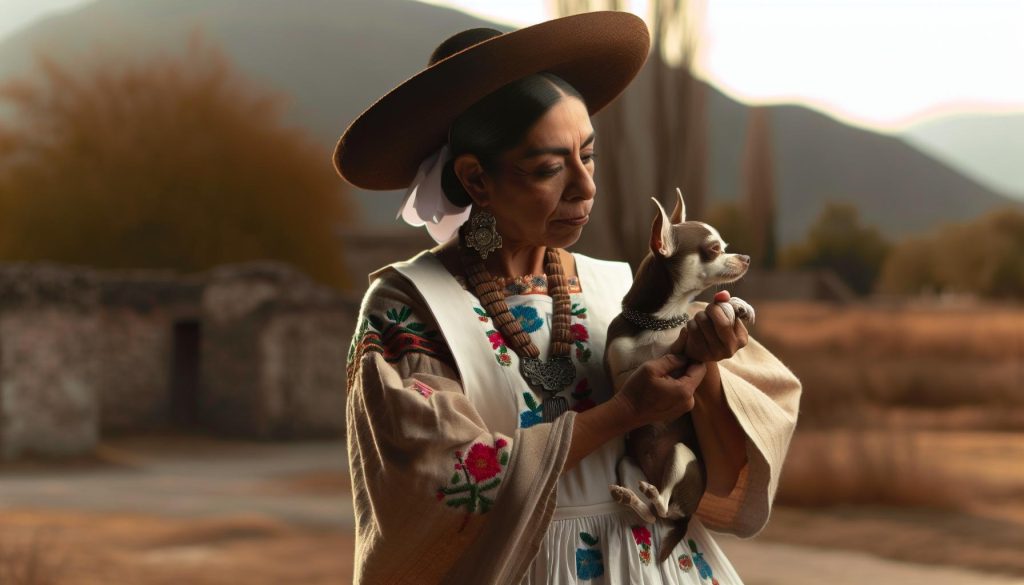
Did you know that Chihuahuas, despite their tiny size, have a rich history as companions and watchdogs? Originally bred by the ancient civilizations of Mexico, these little dogs were cherished for their loyalty and courage. Understanding the roots of your Chihuahua can deepen your bond and enhance your care for her. Whether you’re a first-time owner or a seasoned Chihuahua enthusiast, knowing what your furry friend was bred for can help you appreciate her unique personality and quirks, from her bold attitude to her charming vocalizations. As we explore the origins of the Chihuahua, you’ll discover invaluable insights into their health, behavior, and care needs, ensuring that your little companion thrives in your home. So let’s dive into the fascinating history of your Chihuahua and uncover what makes her truly special!
What Were Chihuahuas Originally Bred For?
The Chihuahua’s origins trace back to the ancient civilizations of Mexico, where these sprightly little dogs played a notable role in cultural traditions and daily life. Originally believed to be descendants of the Techichi, a companion dog kept by the Toltecs, Chihuahuas were primarily bred as companions rather than working dogs. Their small size made them ideal for indoor living, snuggling up beside their human companions. This close relationship with people is a trait that still defines the breed today.
Over the centuries, Chihuahuas have also been wrapped in the spiritual beliefs of various cultures. Some early Mexicans regarded these dogs as sacred creatures, capable of guiding souls to the afterlife. This significant status further embedded them into the fabric of society, highlighting their importance beyond mere companionship. The breed’s bold nature and vibrant personalities make them not just loving pets, but also valued family members who bring joy and companionship into our lives.
Adapting well to a variety of environments, today’s Chihuahuas retain their original purpose of companionship, thriving as devoted pets that often display an endearing mix of sass and loyalty. It’s not uncommon to see these tiny canines standing up for themselves against much larger opponents, showcasing their fearless character. For many owners, this spirited demeanor is a delightful quirk that enhances their bond with these charming dogs. Whether they’re curling up in your lap or keeping watch over your household, Chihuahuas embody the essence of what they were originally bred for: to be cherished companions.
The Historical Role of Chihuahuas in Society
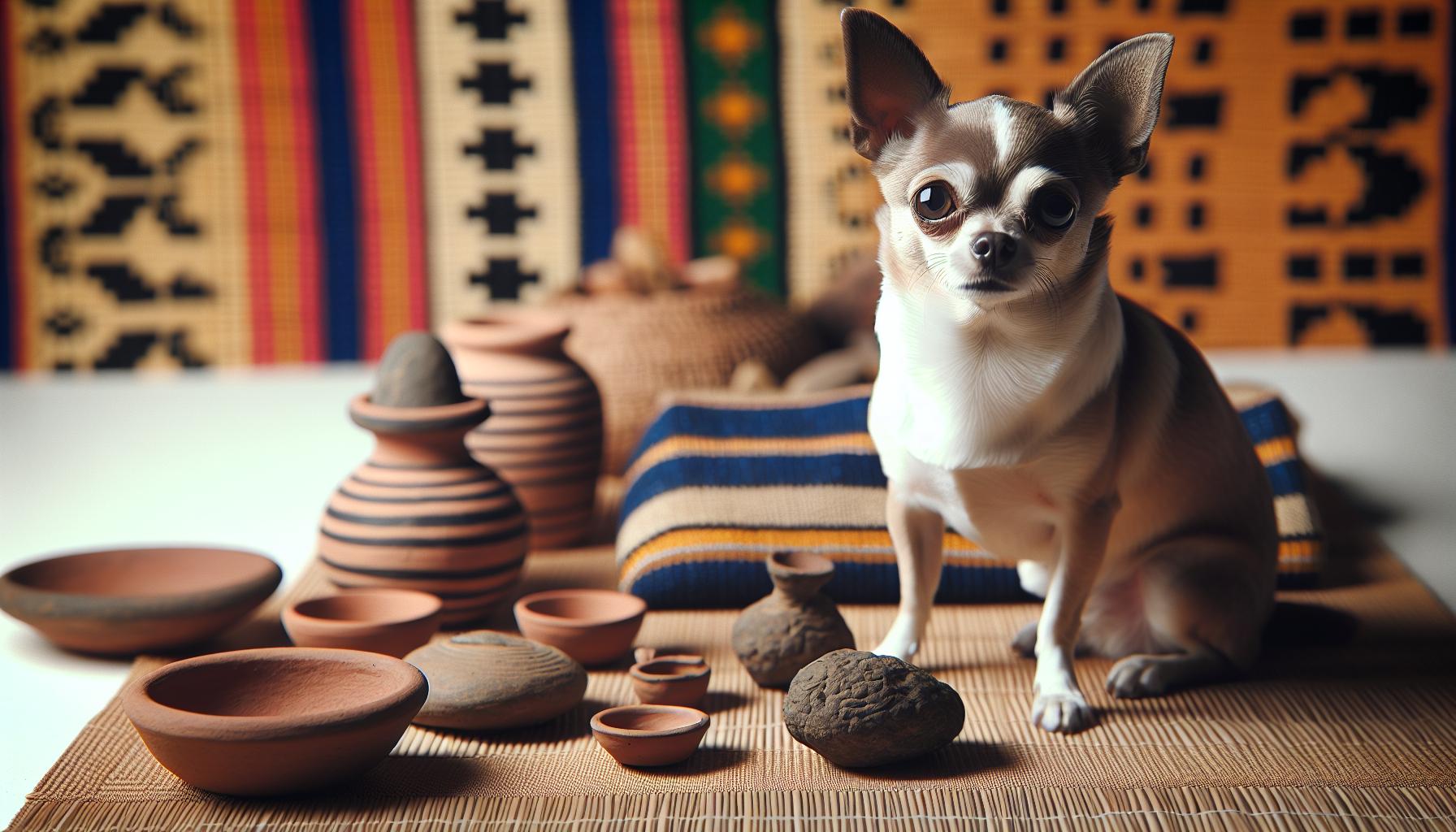
The history of Chihuahuas is deeply intertwined with the rich tapestry of Mexican culture, where they have served both practical and spiritual roles. These tiny companions, believed to have descended from the Techichi, were cherished by the ancient Toltecs as much for their companionship as for their significance in the spiritual realm. It’s fascinating to note that some of these dogs were thought to have had the mystical ability to guide souls to the underworld, highlighting their revered status in society.
As the centuries rolled on, Chihuahuas maintained their essential role as devoted companions. Their small stature and affectionate nature made them perfect for snug living situations, befitting families in diverse environments. Today, these lively little dogs are well-known for their boldness and spirited personalities, traits that have endeared them to a wide array of owners. It’s not unusual for a Chihuahua to exhibit a bravado that belies its size, standing up to much larger dogs with confidence that can be both amusing and admirable.
For many owners, the historical role of Chihuahuas as companions is continually reflected in their daily lives. Whether she’s curled up in your lap while you watch television or keeping a watchful eye on the household, your Chihuahua exemplifies the affectionate traits that have defined the breed for generations. Their loyalty and playful nature not only reinforce the bond between pet and owner but also serve to show just how intertwined these little dogs are with our lives today.
In understanding their historical significance, it’s clear that Chihuahuas offer more than just companionship-they provide warmth, joy, and a unique character that enriches the life of anyone lucky enough to have one by their side. As you care for your Chihuahua, embrace this legacy; celebrate her quirks, whether it’s her enthusiastic barking at the mailman or her insistence on being your constant shadow. These traits are not just endearing but a testament to the deep-rooted history that continues to thrive in our modern homes.
Chihuahua Traits: Unique Characteristics and Personalities
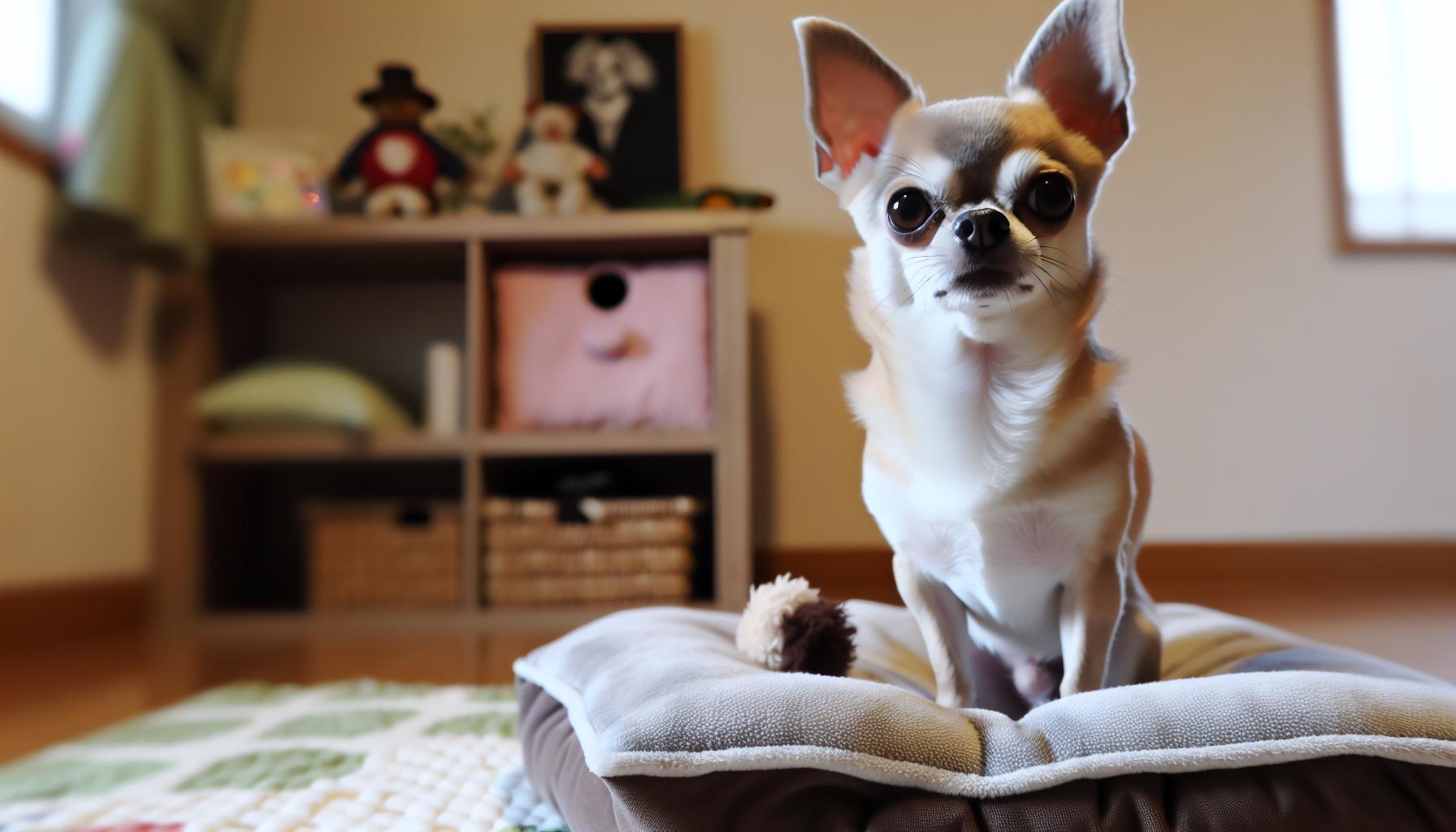
Chihuahuas are often recognized as one of the tiniest dog breeds, but their personalities are anything but small. These little dynamos pack a punch with their boldness and distinctive traits. Originally bred as companions, Chihuahuas possess a variety of unique characteristics that make them a beloved choice for dog lovers around the world. Whether you’re a first-time owner or someone well-acquainted with the breed, understanding what makes Chihuahuas special can deepen your appreciation for these spirited little partners.
One standout trait is their remarkable loyalty. Chihuahuas form strong bonds with their owners and often exhibit a protective nature. It’s not uncommon for them to follow you from room to room, always wanting to be in the center of the action. They can be quite vocal, too, using their charming barks to communicate their needs or alert you to changes in their environment. This vocality can be both endearing and entertaining, as they often have an opinion on everything from who enters the house to the sound of a passing car.
In terms of physical characteristics, Chihuahuas come in a variety of shapes and sizes, including the popular apple-head and deer-head types. Their coats can also vary between short and long, adding to their charm and appeal. Regardless of their appearance, most Chihuahuas embody a feisty demeanor; they often act as if they are much larger than they truly are! For example, a Chihuahua named Bella is known for her fearless antics as she challenges her much larger canine neighbors, proving that bravery comes in small packages.
Moreover, Chihuahuas thrive in both bustling homes and quieter environments. They adapt well to various lifestyles, making them suitable companions for apartment dwellers as well as families with yards. Their small size and playful nature allow them to engage in fun activities without requiring extensive space. Owners often find joy in their playful antics-whether it’s chasing after a toy or curling up on the couch as they seek warmth and affection. Caring for a Chihuahua means embracing their quirks and loving their spirited approaches to life, fostering a vibrant bond that can brighten any household.
Exploring the Different Chihuahua Types and Breeds
Chihuahuas embody a fascinating blend of diversity within their small stature, characterized by distinct types and breeds that reflect their rich history as companion animals. Originally bred in Mexico, these spirited dogs were not only cherished for their companionship but also revered in various cultures, often serving as symbols of status or spiritual guides. This historical significance contributes to their wide variety in appearances and temperaments today.
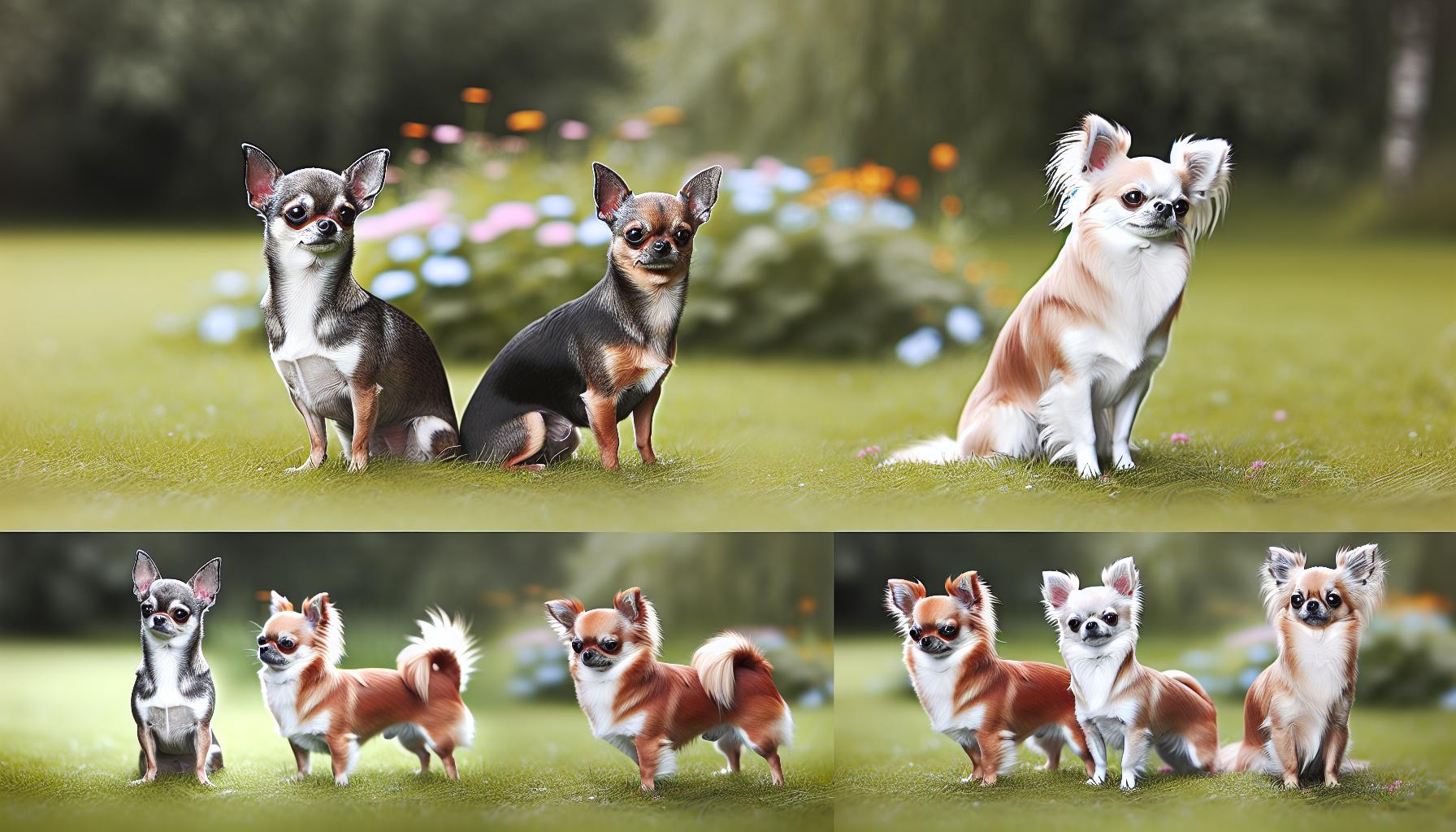
Among the most recognized types are the apple-head and deer-head Chihuahuas. The apple-head variety is distinguished by a rounded skull and a short muzzle, giving them an adorable, almost cartoonish appearance. On the other hand, deer-head Chihuahuas have a longer, more elegant head structure resembling that of a deer, often making them look more refined. These different head shapes not only influence their appearance but can also subtly affect personality traits-apple-heads tend to lean towards a more feisty demeanor, while deer-heads may exhibit a calmer temperament.
When it comes to coat types, Chihuahuas offer diversity that matches their personalities. Owners can choose between long-haired and short-haired varieties. Long-haired Chihuahuas have silky fur that requires regular grooming to prevent matting, but they often boast a stunning appearance that many find irresistible. Short-haired Chihuahuas, in contrast, are typically easier to care for, with their sleek coats needing less maintenance. Regardless of coat type, both kinds retain their charming personalities and vocal tendencies, showcasing a unique blend of loyalty and boldness.
In terms of health and care, understanding the specific needs of each type is crucial. For example, long-haired Chihuahuas may be prone to certain skin conditions and require regular brushing, whereas short-haired types may need less grooming but can still suffer from dental issues common in small breeds. Ensuring a balanced diet, regular veterinary check-ups, and appropriate exercise can help maintain their overall health and well-being.
Embracing the variations among Chihuahuas not only enriches the experience of owning one but also deepens the connection we forge with them. Each type-whether a tiny apple-head or a graceful deer-head-carries the spirit of their origins, serving as a reminder of their journey from ancient companion to modern-day member of our families.
From Hunters to Companions: A Chihuahua’s Evolution
The Chihuahua’s evolution is a captivating journey that illustrates how a breed originally valued for its utility transformed into one of the most beloved companion dogs in the world. Historically, Chihuahuas were bred in Mexico and served multiple roles, including that of a hunter and a companion. In ancient times, they were believed to have descended from the Techichi, a small dog that accompanied the ancient civilizations of Mesoamerica. The Techichi was not only a companion but also a valuable asset for hunting small game and even served a role in spiritual practices, reflecting the dog’s significance in society.
As their role transitioned from hunters to companions, the Chihuahua began to adapt to living closely with people, reinforcing their loyal and bold personality traits. This evolution can be seen in their behaviors today-Chihuahuas often exhibit a brave demeanor, often standing their ground against much larger animals. Their small size, combined with their energetic spirit, made them ideal pets for urban living. This adaptability is a hallmark of their evolution, showing how they embody a joyful blend of independence and companionship.
Chihuahuas also exhibit a unique trait commonly seen in hunting breeds: a strong prey drive. While they may no longer hunt in a traditional sense, many Chihuahuas display strong instincts to chase after smaller animals, toys, or even their own tails. This hunting background contributes to their playful and vocal personalities, with many Chihuahuas being quite the chatterboxes, always ready to alert their owners of any perceived “threat,” even if it’s just the mailman.
Overall, understanding how Chihuahuas evolved helps owners appreciate their spirited nature and unique behaviors. As companions, they bring intensity, loyalty, and love that is unmatched, reminding us that even the tiniest dogs can have the most significant impact on our lives.
Health Considerations for Chihuahuas as Companion Dogs
Despite their tiny size, Chihuahuas often face a range of health considerations that owners should prioritize to ensure a happy, fulfilling life. These dogs, originally bred for companionship and to aid in hunting small game, have become perfect little partners but also require careful attention to their unique health needs. Understanding these considerations can help you protect your Chihuahua from common health issues associated with their breed.
One of the most notable health concerns for Chihuahuas is their susceptibility to dental problems. Due to their small mouths, overcrowding of teeth can lead to plaque buildup and tooth decay. To mitigate this, regular dental care is essential. Brush your Chihuahua’s teeth several times a week, and consider dental chews to reduce tartar. Additionally, regular vet check-ups will help catch any issues before they become serious.
Chihuahuas are also prone to patellar luxation, a condition where the kneecap dislocates. This can cause pain and difficulty in movement. Keeping your Chihuahua at a healthy weight is crucial, as excess weight puts additional stress on their joints. Regular exercise, such as short walks and playtime, is beneficial. However, be mindful of their stamina and avoid overly strenuous activities. Their small stature can lead to injuries; always supervise playtime with larger dogs.
Another health aspect to keep in mind is heart health, particularly mitral valve disease, which is commonly seen in older Chihuahuas. Signs to watch for include coughing, difficulty breathing, or decreased activity levels. If you notice any of these symptoms, it’s important to consult with your veterinarian. Offering a balanced diet rich in nutrients will support their overall heart health.
Maintaining your Chihuahua’s temperature is also vital. Due to their small size and low body fat, they can be sensitive to extreme temperatures. In colder weather, a small dog sweater can help keep him warm. Ensure she has a comfortable space to retreat to indoors during both hot and cold spells.
By staying proactive about these health considerations, you can help your Chihuahua thrive. With regular veterinary care, a balanced diet, and proper grooming, you will not only celebrate their vibrant personalities but also enhance their well-being for years to come. Remember, a little extra care goes a long way in keeping your tiny companion happy and healthy!
Understanding the Chihuahua’s Temperament and Behavior
Chihuahuas are not just adorably tiny companions; they also possess a multitude of vibrant personality traits that make them truly unique. Originally bred for companionship and to assist in hunting small game, these feisty little dogs showcase a blend of loyalty, bravery, and intelligence that can be both impressive and, at times, a bit challenging for their owners.
One of the most defining traits of the Chihuahua is their pronounced loyalty. They often form strong bonds with their owners, excellently showcasing their attachment by shadowing them throughout the day. It’s not uncommon for a Chihuahua to become fiercely protective of their human, standing up to much larger animals with confidence. A Chihuahua named Bella, for instance, once barked defiantly at a raccoon that ventured too close to her owner in the backyard, demonstrating just how brave these little dogs can be.
Chihuahuas are also famously vocal. These expressive companions let you know their thoughts, whether it’s excitement, apprehension, or just the desire for attention. Their size doesn’t impact their ability to fill a room with their barks, reminding owners that good things come in small packages! To help manage their barking habit, consistent training and socialization from an early age can be beneficial. Setting boundaries and educating them about appropriate behavior around guests or other dogs will enhance their confidence while keeping their barking in check.
Moreover, the breed’s temperament can sometimes be influenced by type and background. For instance, apple-head Chihuahuas may showcase a softer demeanor, while deer-head Chihuahuas may exhibit a more spirited personality. Their spirited nature, combined with an innate curiosity about their environment, can sometimes lead to mischievous behavior if they aren’t adequately engaged. Maintaining a consistent daily routine of activities tailored to their playful and energetic disposition will keep your Chihuahua mentally and physically stimulated.
In terms of care, understanding the Chihuahua’s need for companionship is crucial. These little dogs thrive in a nurturing environment where they feel loved and secure. Making time for play, cuddle sessions, and regular social exposure can significantly contribute to their happiness and mental well-being. Remember to celebrate their quirks and traits-embracing their unique personalities will deepen your bond and allow both of you to enjoy the relationship to its fullest.
Grooming Needs: Caring for Your Chihuahua’s Coat
Chihuahuas, with their eye-catching coats and delightful personalities, require thoughtful grooming to keep them looking and feeling their best. Beyond their adorable appearance lies the responsibility of caring for their fur, which can vary significantly from one dog to another. Whether your little companion is a long-haired or a short-haired Chihuahua, understanding their grooming needs is essential.
A key aspect of grooming is brushing. For short-haired Chihuahuas, a weekly brush is often sufficient to remove loose hairs and maintain a healthy coat. Use a soft bristle brush or a grooming mitt to avoid irritating their sensitive skin. Long-haired Chihuahuas, on the other hand, require more frequent grooming, ideally every few days. This helps prevent tangles and mats. Specialized slicker brushes can be particularly effective for their longer fur, ensuring that you can reach the undercoat without causing discomfort.
Bathing is another important element of coat care. Chihuahuas do not require frequent baths-typically every few months is adequate unless they get particularly dirty. When bathing, opt for a gentle dog shampoo that cleans without stripping their skin of natural oils. After bathing, be sure to dry them thoroughly, as dampness can lead to skin issues, especially in colder weather.
Another important grooming consideration is nail trimming. Keeping your Chihuahua’s nails trimmed not only enhances their comfort but also helps prevent painful splitting or breaking. Aim to trim their nails every few weeks, or as needed. If you’re unsure about how to trim nails, many pet stores or groomers can provide professional guidance.
Lastly, don’t overlook the significance of regular dental care. Chihuahuas are prone to dental issues, so brushing their teeth several times a week and providing dental chews can greatly contribute to their overall health. Also, cleaning their ears regularly can help prevent infections, especially given their tendency to develop ear issues.
By establishing a routine that includes brushing, bathing, nail trimming, and dental care, you’re not just maintaining your Chihuahua’s coat-you’re nurturing their overall health and happiness. Embracing these grooming habits will enhance your bond and allow your little friend to shine as the vibrant, loyal companion they are meant to be.
Training Techniques for Chihuahuas: Tips and Tricks
Training your Chihuahua can be a delightful experience, especially considering their origins as lively little companions. Originally bred for companionship and as watchdogs, Chihuahuas possess a unique blend of boldness and loyalty that can make training both a challenge and a joy. Understanding their history helps you appreciate their temperament and tailor your training techniques effectively.
To start, Chihuahuas respond best to positive reinforcement. This can include treats, affection, and verbal praise. Given their small size and energetic disposition, keeping training sessions short and sweet-around 5 to 10 minutes-ensures your little friend remains engaged and doesn’t lose interest. Consistency is key; incorporating commands into daily routines helps reinforce learning. For example, use “sit” when you’re about to feed him, or “come” while playing to strengthen his responses.
Dealing with a naturally vocal Chihuahua can also be part of your training focus. Some owners have found success in teaching their Chihuahuas the “quiet” command, rewarding silence with treats or attention. This approach can help manage excessive barking, which is a common trait among the breed. Remember, patience is vital; if your Chihuahua barks at strangers, consider practicing controlled exposure to various environments with appropriate rewards for calm behavior.
Socialization plays a crucial role in developing a well-rounded Chihuahua. From an early age, expose him to a variety of people, pets, and experiences. This helps reduce potential fears and anxieties later in life, making him a more adaptable companion. If you have an apple-head Chihuahua, be particularly mindful, as they can sometimes be more reserved and benefit greatly from gentle introductions to new situations.
Lastly, playful training methods can make learning fun for your Chihuahua. Try incorporating games like fetch or hide and seek, using toys or treats to encourage him to respond to commands. This not only builds his instincts but also strengthens your bond. By celebrating his quirks and personality, you’ll keep him enthusiastic about learning, nurturing that typical Chihuahua spirit that’s both charming and fierce.
Living with a Chihuahua: Lifestyle and Environment
Living with a Chihuahua can be a wonderfully rewarding experience, especially when you embrace their vibrant personalities. Originally bred as companion animals, these little dogs thrive in close relationships with their humans. While their small size might suggest they can easily adapt to any living situation, understanding the unique needs of Chihuahuas is crucial for creating an environment that keeps them happy and healthy.
Chihuahuas are known for their boldness, which often comes across as bravery for such a small breed. This characteristic can manifest in vocal behaviors; many Chihuahuas are quite talkative and may express themselves with barks when greeting guests or alerting you to unfamiliar sounds. Providing a secure and supportive environment will help your Chihuahua feel more at ease. Regular exposure to different sounds and sights, like TV noises or the hustle and bustle of a park, can help them become well-adjusted adults who are less prone to anxiety.
Space and Environment
Despite their petite size, Chihuahuas require a safe space to roam and explore. Engaging your little friend with toys, climbing structures, and cozy resting spots can create a stimulating atmosphere. Some owners find success in introducing a small doggy gate to define a safe play area, giving their Chihuahuas the freedom to roam while keeping them secure. Additionally, Chihuahuas thrive in comfortable indoor environments; they are particularly sensitive to temperature extremes. Keeping your home at a mild temperature and providing warm bedding can ensure your Chihuahua stays cozy.
Socialization and Interaction
Social interaction is another vital aspect of a Chihuahua’s well-being. Regular playdates or trips to dog parks can foster a healthy social life, preventing behavioral issues that may arise from boredom or lack of interaction. If you have a more reserved apple-head Chihuahua, gentle introductions to new friends may be necessary to build confidence. Furthermore, Chihuahuas often form strong bonds with their families, making them particularly loyal companions. Try to include your Chihuahua in daily activities; whether it’s joining you on the couch for a movie night or accompanying you on errands, they thrive on being part of the family dynamic.
Embrace the quirks that make Chihuahuas so endearing. Each dog has a unique personality that adds flavor to your household; some might love to be carried in a fashionable purse, while others may prefer to trot beside you on walks. Understanding these traits not only makes living with them easier but also enhances the bond you share. Keeping up with their needs and recognizing their desires helps ensure a long, joyful companionship.
Common Misconceptions About Chihuahuas Unveiled
Chihuahuas often face a slew of misconceptions that can overshadow their true nature. One of the most common misunderstandings is that these little dogs are purely lap companions, incapable of engaging in more vigorous activities or training. In reality, Chihuahuas were originally bred for companionship, but this doesn’t mean they are lazy or unathletic. Many enjoy playtime, walks, and agility courses, proving they are as spirited as they are small. Their high energy levels often surprise first-time owners, who might expect a docile pet.
Another misconception is that Chihuahuas are overly aggressive due to their tiny stature. While some may exhibit protective behaviors, this often stems from their loyalty and attachment to their humans. Proper socialization is crucial to guide their behavior. If introduced to various environments and different people while young, Chihuahuas can grow up to be friendly, confident adults. Ignoring this vital aspect can lead to anxiety and unwarranted aggression, so it’s essential to expose them to new experiences and reinforce positive behaviors.
The belief that Chihuahuas require little care compared to larger breeds is another myth that can lead to misunderstandings. Despite their compact size, they need regular exercise, mental stimulation, and proper grooming. Chihuahuas come in two coat types, short and long, each requiring its own grooming routine. For instance, long-haired Chihuahuas need more frequent brushing to prevent tangles, while the short-coated ones may appear lower maintenance but still benefit from regular baths to keep their skin healthy.
In summary, dispelling these misconceptions allows Chihuahua owners to appreciate the breed’s vibrant characteristics. These lovable companions are bold, vocal, and can be quite the little adventurers when nurtured properly. Understanding their true needs and personalities will help ensure a fulfilling relationship between you and your Chihuahua, ultimately leading to a harmonious household filled with love and companionship.
The Future of Chihuahuas: Trends and Popularity
The world of Chihuahuas is continuously evolving, reflecting changing lifestyles and societal trends that influence how we perceive and care for this beloved breed. Originally bred for companionship, these tiny dogs are now finding their place in bustling urban environments, making them popular choices for city dwellers seeking a loving companion with a unique personality.
As we navigate through the modern pet landscape, one trend stands out: an increased focus on health and wellness for our furry friends. Owners are increasingly aware of the importance of proper nutrition and regular veterinary care, ensuring that Chihuahuas remain vibrant and healthy. This breed, particularly susceptible to dental issues and patellar luxation, benefits tremendously from proactive health management. Owners are encouraged to seek high-quality dog food, regular check-ups, and preventative care to keep their Chihuahuas happy and thriving.
Another significant trend is the rise of small dog training classes and socialization opportunities specifically tailored for Chihuahuas. These classes emphasize positive reinforcement techniques and help address behavioral issues that can arise in such a loyal yet sometimes overly protective breed. Such training not only enhances their social skills but also forges a stronger bond between the dog and owner. Many owners have shared heartwarming stories of how their Chihuahuas transformed from timid pups into confident companions after just a few socialization sessions.
Moreover, Chihuahuas are becoming more prominent on social media platforms, showcasing their quirky personalities and charming antics. This increased visibility has led to a growing community of Chihuahua enthusiasts sharing tips, support, and celebration of the breed. Unique Chihuahua types-like the apple-head or the deer-head-are highlighted, fostering appreciation for the variety within the breed. As more people share their experiences and knowledge, the popularity of Chihuahuas only continues to climb, making them not just pets, but social media stars!
In conclusion, as we look toward the future, it’s clear that Chihuahuas will remain a cherished part of many households. Their companionship, adaptability, and spirited nature make them ideal companions for various lifestyles. To ensure their continued popularity, it’s vital for owners to stay informed about best practices in health, socialization, and care, ensuring these little dogs can thrive in any environment.
Faq
Q: What were Chihuahuas originally used for?
A: Chihuahuas were originally bred for companionship and to serve as lap dogs. They were often used in ancient cultures for religious rituals and were believed to have protective qualities.
Q: How did the Chihuahua breed evolve over time?
A: The Chihuahua evolved from the Techichi, a companion dog of the ancient Toltec civilization. As they were introduced to different cultures, their role expanded from being working dogs to being seen as affectionate pets.
Q: Why are Chihuahuas considered to have such strong personalities?
A: Chihuahuas are known for their bold and confident personalities. This is attributed to their history as companions who often needed to assert themselves against larger animals to protect their owners.
Q: Are Chihuahuas good watchdogs?
A: Yes, Chihuahuas can make excellent watchdogs due to their alertness and vocal nature. They are quick to bark at unfamiliar sounds, providing an effective early warning system for their owners.
Q: What health issues should Chihuahua owners be aware of?
A: Owners should be mindful of common Chihuahua health issues like patellar luxation, dental problems, and heart disease. Regular veterinary check-ups and proper care can help manage these risks.
Q: How do Chihuahuas adapt to apartment living?
A: Chihuahuas are well-suited for apartment living due to their small size and moderate energy levels. Daily walks and playtime are essential to keep them mentally stimulated and physically active.
Q: What are some misconceptions about Chihuahuas?
A: A common misconception is that Chihuahuas are always aggressive or yappy. In reality, they are loyal and affectionate dogs that thrive on companionship and proper socialization.
Q: Why do Chihuahuas bond closely with their owners?
A: Chihuahuas naturally form strong bonds due to their history as companion dogs. They are very loyal and often see their owners as their pack leaders, seeking affection and attention in return.
In Summary
As we’ve explored, Chihuahuas were originally bred as companion animals, known for their loyalty and vibrant personalities. Understanding their heritage can greatly enhance how you care for your tiny friend. If you’re a new owner, remember that their unique health and behavioral traits-like their vocal nature and bold attitudes-require attentive care. Don’t miss our articles on Chihuahua health tips and training techniques to ensure your pup thrives.
We’d love to hear about your experiences! Leave a comment below about your Chihuahua’s quirks or challenges. If you’re eager to dive deeper, consider signing up for our newsletter for expert advice straight to your inbox. Explore more about Chihuahua care and behavior through our related content. Remember, every day with your Chihuahua is a new adventure, so stay engaged and celebrate all the joy these little companions bring!
Get our latest guides, news, and insights highlighted in your Google Search & AI Overviews.