
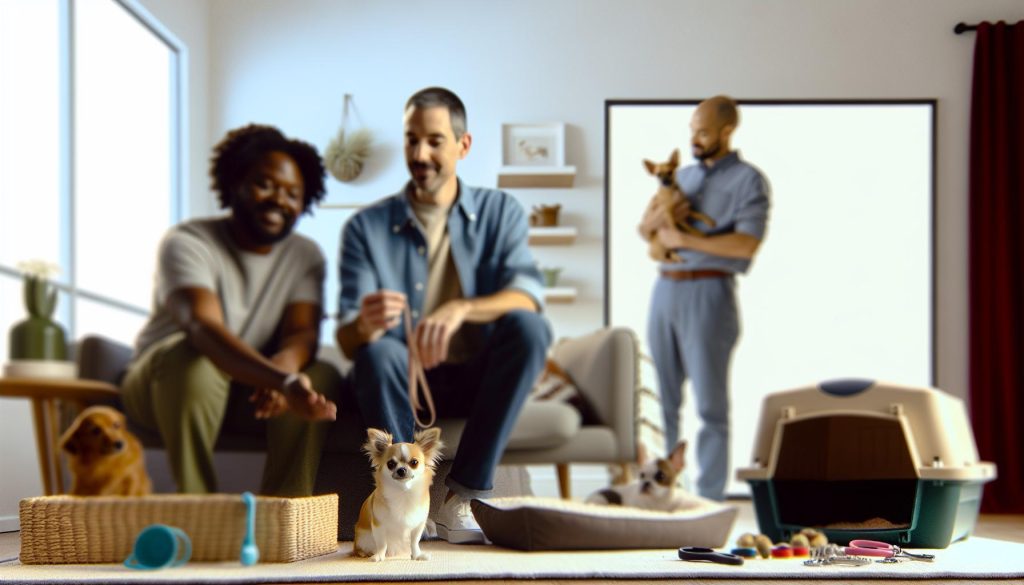
Thinking about adding a Chihuahua to your family? These delightful little dogs, known for their big personalities, can bring immense joy and companionship to your life. However, owning a Chihuahua is not without its unique challenges. From understanding their diverse coat types-like the smooth and long-haired varieties-to navigating their vocal nature and health needs, it’s essential to be well-prepared. This guide will help you uncover everything you need to know before welcoming a Chihuahua into your home. Whether you’re a first-time dog owner or a seasoned pet parent, knowing what to expect will ensure you and your new furry friend thrive together. Dive in and discover how to best care for these loyal little companions!
What Makes Chihuahuas Unique: A Breed Overview
Chihuahuas are a breed like no other, packing an incredible amount of personality into their tiny frames. Their small size, combined with a big attitude, makes them stand out in the dog world. With a height that typically ranges from 6 to 9 inches and weighing between 2 to 6 pounds, Chihuahuas come in various colors, coat types, and head shapes, most notably the apple head and deer head variations. This breed’s unique appearance is just a glimpse into their vibrant character and loyalty.
One of the most striking features of Chihuahuas is their remarkable vocal nature. They are often called “little watch dogs” due to their tendency to bark and alert their owners of anything unusual. This bravado may seem disproportionate to their size, but it’s this boldness that endears them to many. They are fiercely loyal to their humans, forming strong bonds that often lead them to be sassy and protective. It’s not uncommon for a Chihuahua to act as if they were the size of a Great Dane, bravely confronting larger dogs or unfamiliar situations.
When considering a Chihuahua, it’s essential to understand their specific care requirements and quirks. Their small stature requires special attention to their health, including dental care, as they are prone to dental issues. Regular vet visits and a proper diet are crucial components of maintaining their wellbeing. Additionally, socialization and training are vital to ensure they grow into well-adjusted companions. Early exposure to different environments and consistent, positive reinforcement training methods can help temper their natural tendencies to be vocal and assertive.
In summary, Chihuahuas blend cuteness and charisma, making them both delightful companions and unique challenges for owners. They thrive on affection, interaction, and a sense of security in their environment. Providing these elements not only enhances their happiness but also ensures that you enjoy the full spectrum of joy and loyalty that these little dogs bring into your life. Embrace their quirks, and you’ll find that your Chihuahua isn’t just a pet; they’re a true member of your family.
Understanding Chihuahua Temperament and Behavior

Chihuahuas are not just adorable tiny companions; they are a breed packed with personality and flair that demands your attention. These little dogs carry a vibrant energy that can light up any room, often surprising people with their boldness that belies their small size. Known for their loyalty, Chihuahuas form tight bonds with their owners, often preferring to remain close to them at all times, making them excellent companions for those who appreciate a devoted friend.
When it comes to their temperament, Chihuahuas can be quite spirited and sometimes assertive. They have a natural instinct to protect their home and loved ones, which is why many owners find that their Chihuahua tends to be vocal. This barking may be seen as a warning sign to potential intruders, and while it can be excessive at times, it is essential to recognize that it stems from their deep-seated loyalty. With proper socialization and training, you can guide your Chihuahua towards being less reactive while still maintaining their protective instincts.
Chihuahuas exhibit a full range of behaviors, from playful and silly to stubborn and demanding. It’s important to understand that each individual will have a unique personality, influenced by factors like genetics and early experiences. For instance, some may be curious and outgoing at dog parks, while others might prefer the comfort of home. Engaging with your Chihuahua through play, exercise, and interaction not only nurtures their natural behaviors but also establishes a solid human-animal bond.
Building a routine that includes socialization is vital. Early exposure to different environments, sounds, and people can help your Chihuahua become more adaptable and confident. For example, taking your Chihuahua to various pet-friendly locations can introduce her to new experiences, helping her grow into a well-adjusted adult. Remember, consistency is key. Positive reinforcement training methods work exceptionally well with this breed, rewarding good behavior and reinforcing the bond you share.
In summary, while Chihuahuas are remarkable little dogs with unique temperaments, understanding their needs and behaviors can significantly enhance your experience as an owner. By committing to socialization and training, you will not only cultivate a well-mannered companion but also enjoy the quirky and loving spirit that makes Chihuahuas so cherished by their families. Embrace their personality, and they will fill your life with joy and companionship beyond measure.
Essential Health Considerations for Your Chihuahua

To keep your Chihuahua healthy and happy, it’s essential to understand the unique health considerations that accompany this spirited breed. Chihuahuas, while small, come with a set of health needs that require attention and care. They are prone to certain genetic conditions, including dental issues due to their small jaws, patellar luxation (a knee problem), and heart problems such as mitral valve disease. Being proactive about your Chihuahua’s health can make a significant difference in their quality of life.
Regular veterinary check-ups are non-negotiable for Chihuahuas. Most veterinarian recommendations suggest annual visits, but as your Chihuahua ages, more frequent checks may be beneficial. Routine exams often include dental cleanings, which are crucial since Chihuahuas are particularly susceptible to dental disease. Don’t overlook the importance of maintaining good oral hygiene-brushing your Chihuahua’s teeth regularly can help prevent the common buildup of tartar that leads to serious dental issues.
Nutrition Matters
Providing a balanced diet tailored to your Chihuahua’s specific needs is vital for their health. Look for high-quality dog food that lists real meat as the first ingredient and is formulated for small breed dogs. Portion control is equally important to prevent obesity, which can lead to additional health complications. Keep an eye on treats, making sure to feed them in moderation; consider healthier options like carrot sticks or tiny pieces of cooked chicken for training rewards.
Chihuahuas also benefit from dietary supplements if recommended by your veterinarian, particularly for joint support or added nutrients. Always consult with your vet before introducing any new food or supplement to ensure it aligns with your dog’s health requirements.
Common Health Issues
Being aware of common health issues specific to Chihuahuas will empower you to take swift action when signs arise. Here are a few conditions to monitor:
- Dental Disease: Regular oral care is critical; consider vet dental cleanings.
- Patellar Luxation: Watch for limping or sudden changes in activity levels.
- Heart Disease: Monitor for coughing, difficulty breathing, or lethargy.
If you notice any unusual behavior or symptoms, seeking immediate veterinary advice is essential. Early diagnosis can lead to better treatment options and outcomes.
Finally, keeping your Chihuahua at a healthy weight is pivotal for their overall well-being. An active lifestyle, combined with appropriate nutrition, supports their heart and joints. Plan daily walks and engage in interactive play sessions to keep your Chihuahua fit and fulfilled. By prioritizing these health considerations, you’ll foster a long, vibrant life for your cherished companion.
Tips for Proper Chihuahua Nutrition and Diet

Providing the right nutrition for your Chihuahua is crucial to ensuring her health, happiness, and longevity. These tiny companions have vibrant personalities and unique dietary needs that require your attention. Whether she’s a feisty apple-head or a charming deer-head, understanding her specific nutritional requirements will help you keep her energetic and playful.
Start by choosing high-quality dog food specifically formulated for small breeds. Look for ingredients that list real meat as the first component; Chihuahuas benefit greatly from protein-rich diets. Avoid foods with excessive fillers like corn or wheat, which can lead to weight gain and allergies. Portion control is essential as well; despite their small size, Chihuahuas can easily become overweight, resulting in health issues. A good rule of thumb is to follow the feeding guidelines on the dog food packaging, but adjust based on your vet’s recommendations and your dog’s activity level.
Consider incorporating fresh, healthy options into her diet. Many Chihuahua owners find that adding small amounts of cooked chicken, carrots, or green beans can be nutritious and satisfying. Treats should also be healthy; try using pieces of apple or plain, unsweetened yogurt as occasional rewards. However, moderation is key – even treats should be a small part of her overall diet to maintain proper weight.
Lastly, don’t overlook the potential benefits of dietary supplements. If your Chihuahua is prone to joint issues or needs extra nutrients, consult your veterinarian about appropriate supplements. Regularly check her weight and body condition to ensure she remains fit and healthy. With the right nutrition, your Chihuahua will thrive and continue to bring joy and loyalty to your life for years to come.
Creating a Safe and Comfortable Home for Your Chihuahua
Creating a safe and comfortable environment for your Chihuahua is essential for their health and happiness. These little companions are known for their bold personalities, and they thrive in spaces that cater to both their physical and emotional needs. A well-prepared home helps to alleviate anxiety often associated with their sensitive natures, ensuring they remain the spunky little characters you adore.
First, consider your Chihuahua’s safety. Because of their small size, everyday items can pose significant risks. Ensure that small objects like shoes, coins, and children’s toys are out of reach. Baby gates can be an effective way to restrict access to certain areas, keeping them safe from stairs or busy rooms. Use non-toxic cleaning supplies and secure cords and wires to prevent chewing. Pay close attention to keeping hazardous plants away, as many common houseplants can be toxic to dogs.
Next, focus on comfort. Create a cozy space where your Chihuahua can retreat and feel secure. A soft bed, ideally placed in a quiet corner, will give her a comforting spot to relax. Chihuahuas love to burrow, so consider a bed with raised edges or a cave-type design. Additionally, providing safe chew toys catering to her size can help alleviate boredom and keep her occupied when you’re busy.
Temperature control is also crucial, as Chihuahuas are particularly sensitive to extremes in temperature. Keep her environment warm during winter months, perhaps with a cozy blanket or by adjusting the heating. Conversely, during the summer, ensure she has access to cool, shaded spots, and never leave her in a car. Homemade cooling beds can also be a thoughtful option-fill a shallow container with cool water for her to lie in, keeping her comfortable on hot days.
Finally, social interaction is vital. Chihuahuas thrive on companionship, so spend quality time engaging in play or gentle training sessions. Create opportunities for socialization by introducing her to respectful friends or other pets. Just remember, due to their spirited behavior, a proper introduction is essential to prevent any overwhelming experiences.
By thoughtfully addressing these areas, you provide not just a home but a nurturing environment where your Chihuahua can flourish, embracing her playful spirit and unique personality.
Grooming Your Chihuahua: Best Practices for Coat Care
Chihuahuas are known for their vibrant personalities, but did you know that their grooming needs can vary greatly depending on their coat type? Whether your Chihuahua has a long or short coat, proper grooming is essential for their health and well-being. Regular grooming not only keeps your furry friend looking great but also helps to strengthen the bond between you through quality time spent together.
Understanding Coat Types
Chihuahuas come in two principal coat types: smooth (short) and long-haired. Each type requires different grooming approaches. Smooth Chihuahuas typically need less grooming. A weekly brushing with a soft-bristle brush or a grooming glove will do the trick to remove loose hair and reduce shedding. Long-haired Chihuahuas, on the other hand, benefit from more frequent grooming-ideally every other day. Use a slicker brush to prevent mats and tangles, especially around the ears, underbelly, and legs.
Bathing Guidelines
Bathing your Chihuahua should be done when necessary, usually every 4 to 6 weeks, depending on their lifestyle and activity level. Opt for a gentle, dog-specific shampoo that won’t irritate their skin. Remember, Chihuahuas are prone to skin sensitivities, so always consider using a hypoallergenic product. After bathing, ensure they are thoroughly dried, as Chihuahuas can get cold quickly!
Nail Care and Dental Hygiene
Don’t forget about nail care and dental hygiene. Trimming your Chihuahua’s nails every few weeks is crucial to prevent pain and potential injury. If you’re unsure, a groomer can help, but many owners find it a simple task with practice. When it comes to dental care, brushing your Chihuahua’s teeth several times a week can help prevent dental issues-a common concern in the breed. Dental chews can also be a great alternative for maintaining oral hygiene.
Healthy Skin and Coat Tips
To maintain a healthy coat and skin, consider incorporating quality food into their diet rich in omega fatty acids. Supplements can also support coat health, particularly for long-haired Chihuahuas. Regular vet check-ups will help you monitor their skin condition and identify any potential allergies or skin problems early on.
By investing time in grooming your Chihuahua, you not only enhance their appearance but also take an essential part in their daily care. Embrace the unique character of your little companion, and with each grooming session, celebrate your bond while keeping her looking fabulous!
Socialization Techniques for Your Chihuahua Puppy
Chihuahuas might be small in stature, but their need for socialization is anything but diminutive. From the moment you bring your puppy home, introducing him to a variety of environments, people, and other pets is crucial to help him grow into a well-rounded adult. Socialization not only aids in preventing behavioral issues such as excessive barking or fear-based aggression but also allows your Chihuahua to exhibit his natural boldness and confidence.
Start socializing your Chihuahua early, ideally before he reaches twelve weeks of age, as this is a critical period for puppy development. Expose him to different sounds, sights, and experiences to create a positive association with the outside world. Visits to bustling parks, pet-friendly cafes, or even your friend’s home where larger dogs roam can be beneficial. Always ensure these interactions are positive; using treats and praise can reinforce a calm demeanor when encountering new stimuli.
Structured Playdates
Arranging playdates with other dogs, especially those of similar size, can significantly enhance your Chihuahua’s social skills. This gives him a chance to engage in natural play behaviors, learn bite inhibition, and understand canine body language. Make sure the other dogs are well-behaved and vaccinated, as Chihuahuas can be vulnerable to larger dogs.
Obedience Classes
Attending puppy kindergarten or obedience classes is another excellent avenue for socialization. Here, your Chihuahua will be exposed to other puppies in a controlled environment, encouraging proper manners and interaction. Such classes can also provide you with valuable training techniques to help manage any quirks unique to Chihuahuas, such as their tendency to be vocal or their sometimes stubborn nature.
- Encourage Exploration: Allow your Chihuahua to explore new environments at his own pace. This fosters curiosity and bravery.
- Positive Reinforcement: Use treats and praise to reward calm behavior when encountering unfamiliar situations or beings.
- Routine Exposure: Consistently expose your Chihuahua to different environments and stimuli to reinforce good behavior.
Engaging your Chihuahua in these diverse experiences is essential for his emotional and social development. Remember, every puppy is different, so gauge his comfort levels and never force an interaction. Celebrate his quirky personality, and with consistent effort, you’ll cultivate a happy, confident companion ready to take on the world-one bold little step at a time!
Training Your Chihuahua: Effective Methods That Work
Training a Chihuahua can be both a rewarding and entertaining experience, especially given their vibrant personalities and strong-willed nature. Unlike larger breeds, Chihuahuas have a unique charm that can sometimes lead them to believe they are the ones in charge. Understanding their quirks is key to successful training. With patience, consistency, and a sprinkle of fun, you can mold your little companion into a well-behaved, confident dog.
To begin, positive reinforcement is the most effective method for training your Chihuahua. This breed responds exceptionally well to praise and treats. For instance, when teaching your Chihuahua to sit, say the command firmly yet kindly, and when he complies, immediately reward him with a tasty treat and enthusiastic praise. This not only reinforces the behavior but also strengthens your bond. Remember, short training sessions work best-five to ten minutes is usually ideal to keep his attention focused before he gets distracted.
Setting clear boundaries and rules is also crucial. Chihuahuas thrive on structure. If you don’t want him to jump on furniture, be consistent in enforcing that rule, and provide an alternative, like a cozy dog bed nearby. Use phrases like “off” or “down” to encourage him to stay grounded, always rewarding him when he listens.
Socialization and Obedience
Socialization should not be overlooked as part of the training process. Regularly expose your Chihuahua to various environments, sounds, and people. This helps prevent fear-based behaviors such as barking or anxiety in new situations. For example, consider taking him to a dog-friendly café or introducing him to friends who have well-socialized pets. Each positive interaction shapes your Chihuahua’s behavior and confidence.
Incorporating obedience training into your routine, such as practicing basic commands like “stay,” “come,” and “heel,” will serve you well. Use a leash during these training sessions if outdoors, ensuring he understands the importance of following your lead. Every successful command should be followed by a reward and affectionate praise, making the training a pleasant experience for him.
Common Challenges
Navigating common challenges, such as barking or stubbornness, is part of the journey. Address excessive barking by teaching the “quiet” command. When he stops barking, reward him immediately to reinforce the desired behavior. Stubbornness can usually be countered with creativity-try mixing up training exercises or choosing fun toys to make learning exciting.
Ultimately, the goal is to create a training atmosphere that feels joyful. Celebrate the little victories along the way, and embrace your Chihuahua’s unique personality. With the right approach, you’ll find that training not only enhances his behavior but enriches your relationship, opening up a world of shared experiences and adventures together.
Common Chihuahua Health Issues and Their Management
Chihuahuas, despite their small stature, are a breed that’s surprisingly prone to health issues, often due to their unique anatomical features. Understanding these common health problems and their management can help you ensure your little companion lives a happy and healthy life. Many owners are unaware that this breed can experience problems like dental issues, patellar luxation, and heart conditions, which can significantly impact their well-being.
One of the most prevalent concerns in Chihuahuas is dental disease. Their small mouths can lead to overcrowding of teeth, increasing the risk of plaque build-up and periodontal disease. Regular dental check-ups and maintaining oral hygiene at home are essential. You can brush your Chihuahua’s teeth with an enzymatic dog toothpaste to help prevent tartar build-up. Dental chews and toys can also be beneficial, making oral care a bit more enjoyable.
Another issue to look out for is patellar luxation, where the kneecap dislocates from its normal position. This condition can cause limping and difficulty in mobility, especially in active Chihuahuas. Owners should monitor their dogs for signs of discomfort, and if your Chihuahua exhibits a skipping gait or seems hesitant to jump, a vet visit is necessary. Management may involve weight control and orthopedic supports in mild cases, while surgery might be required in more severe instances.
Moreover, Chihuahuas are at a higher risk for heart problems, particularly heart murmurs and congestive heart failure as they age. Regular veterinary visits that include cardiac assessments are essential. Symptoms like coughing, exercise intolerance, and rapid breathing should be taken seriously. Tracking your Chihuahua’s heart health through check-ups can foster early intervention, which is crucial for effective treatment.
Finally, keeping an eye on their temperature regulation is vital. Chihuahuas are sensitive to both heat and cold due to their tiny size. Always provide a warm, cozy space during cooler months and avoid prolonged exposure to extreme temperatures. When it comes to their health, awareness and preventive care make all the difference. Celebrate their spunky personalities and provide them with the best care possible, ensuring they remain the loyal and vibrant companions you love.
The Importance of Regular Veterinary Care
Chihuahuas may be small, but their health needs are anything but minor. Regular veterinary care is essential to ensure your little companion stays happy and healthy. Just like with larger breeds, Chihuahuas are prone to specific health issues that can affect their quality of life. Regular check-ups are crucial to catch potential problems early, before they escalate into serious conditions that require more complex treatments.
One of the benefits of routine veterinary visits is preventive care. Your vet will monitor your Chihuahua’s health through physical exams, vaccinations, and preventive treatments like flea and tick medication. These regular visits not only help keep your pup protected from common diseases but also offer an opportunity for you to discuss any concerns or behavioral changes you’ve noticed. For instance, if your Chihuahua has become less active or starts scratching excessively, your vet can provide guidance on how to address these issues effectively.
Additionally, Chihuahuas are particularly susceptible to conditions such as dental disease, heart problems, and obesity. Regular appointments allow your vet to assess your Chihuahua’s dental health, which is vital considering their predisposition to dental issues. Moreover, early detection of heart murmurs or patellar luxation can greatly enhance your dog’s prognosis. For example, noticing the early signs of heart issues during a check-up could lead to lifestyle changes or medication that prolong your pet’s life.
Remember, maintaining a healthy weight is especially important for Chihuahuas due to their small frames. Vets can help create a tailored nutrition and exercise plan to keep your furry friend at a healthy weight. Engaging with your veterinarian regularly can ensure you’re providing your Chihuahua with the best care possible, allowing them the vibrant life they deserve. Always seek to foster a trusting relationship with your veterinarian, as they are your best ally in navigating the unique health needs of your spunky companion.
Adapting Your Lifestyle for a Happy Chihuahua
Adopting a Chihuahua often means embracing a lifestyle that is both rewarding and, at times, challenging. These little dogs are not just pets; they’re vibrant companions full of personality. Unlike larger breeds that may adapt to different environments and routines with relative ease, Chihuahuas often thrive in settings where their unique quirks and needs are specifically catered to. A little adjustment in your day-to-day life will go a long way toward ensuring your Chihuahua is happy and healthy.
Firstly, consider social interaction. Chihuahuas are known for their bold and social personalities, which means they thrive on interaction-not just with their human companions but also with other pets. Integrating socialization into your daily routine is crucial. Take your Chihuahua to dog parks or arrange playdates with other small breeds. This exposure cultivates their confidence and reduces the risk of fearful or aggressive behaviors. Remember, whilst they may be tiny, their energy and social needs are significant!
Next, think about environmental safety. Given their size, Chihuahuas can be particularly vulnerable to household dangers. It’s essential to create a safe, cozy environment where your little friend can explore without encountering hazards. Secure your home by covering sharp edges on furniture and ensuring that small objects they might swallow are out of reach. Consider investing in a pet gate to limit access to stairs or rooms that may not be safe for them. A comfortable crate can become a sanctuary for your Chihuahua, where they feel secure and relaxed.
Nutrition also plays a major role in your Chihuahua’s quality of life. Understand that their tiny frames require highly nutritious food tailored for small breeds. Opt for high-quality kibble that supports their energy levels and helps maintain a healthy weight. Many owners find it beneficial to measure meal portions, as Chihuahuas are also prone to obesity. Don’t forget to incorporate treats that promote dental health, given their predisposition to dental issues.
Finally, ensure that your lifestyle accommodates exercise. Chihuahuas may not need long walks like larger breeds, but they still enjoy bursts of activity. Regular play sessions, either indoors or in a secure outdoor space, can satisfy their curiosity and energy. Interactive toys can stimulate their minds and keep them engaged, helping to prevent boredom-related behaviors.
By making these lifestyle adjustments, you not only enhance your Chihuahua’s well-being but also deepen the bond you share. Remember, each Chihuahua is unique, so pay attention to what makes your little companion happy and thrive. Embrace their spirited nature, and you’ll find that adjustments to your everyday life not only benefit them but also enrich your own life in wonderful ways.
Fun Activities to Bond with Your Chihuahua
Chihuahuas are known for their giant personalities packed into tiny bodies, and spending quality time together is essential for building a strong bond with your little companion. These spirited dogs thrive on interaction and play, making activities that engage their curious minds and zest for life not only beneficial but also incredibly rewarding. Whether your Chihuahua is a spunky apple-head or a sleek deer-head, a variety of fun activities can enhance your connection while keeping your pup stimulated and happy.
Interactive Playtime
Engaging in interactive play is one of the best ways to bond with your Chihuahua. Simple fetch games can be exciting, especially if you use a lightweight ball or soft toy that fits comfortably in your Chihuahua’s mouth. Remember, they might not bring the toy back every time-after all, they have their own unique style! You can also encourage them to chase you for a few laps in a secure area, which can be a delightful energy outlet for both of you.
Harnessing your pup’s playful nature is another great approach. Chihuahuas love to explore, so consider setting up a mini obstacle course in your living room or backyard. Use pillows, furniture, or cones to create a safe yet stimulating environment where they can navigate through and showcase their agility. This not only keeps their minds sharp but also reinforces your bond as you cheer on their little victories.
Training Sessions as Fun Activities
Training is more than just teaching commands; it can be a fantastic way to bond with your Chihuahua. Set aside time for short, fun training sessions where you can teach her new tricks or reinforce basic commands like “sit,” “stay,” and “come.” Use treats as rewards, and make sure to keep the mood light and positive. For example, teaching your Chihuahua to spin in circles or to play dead can be a rewarding experience that showcases her intelligence and creates a sense of achievement for both of you.
Another engaging training method is clicker training, which utilizes a click sound to designating successful actions. This method can help strengthen communication between you and your Chihuahua, making learning enjoyable and reinforcing her trust in you.
Outdoor Adventures
Taking your Chihuahua on outdoor adventures is a wonderful way to share experiences and create lasting memories. Whether it’s a leisurely stroll around the neighborhood or a visit to a pet-friendly park, these outings provide sensory stimulation and opportunities for socialization. Chihuahuas can be quite territorial, so allow her to meet other dogs on leash or during playdates with trusted fur friends. This is crucial for her confidence and helps curb any potential overly protective behaviors.
Additionally, consider planning short hikes or beach visits. Though small, Chihuahuas enjoy exploring and experiencing different environments. Make sure to bring plenty of water and, if it’s sunny, protect her with a small doggie sweater or shirt, as some Chihuahuas can be sensitive to the weather due to their size.
By incorporating these fun and engaging activities into your routine, you not only enhance your Chihuahua’s physical and mental well-being but also cultivate a deeper relationship forged through shared experiences and joyous moments together. Remember, the key to a fulfilling companionship lies in understanding and celebrating your Chihuahua’s vibrant personality while enjoying the little adventures life has to offer.
Frequently Asked Questions
Q: What should I consider before adopting a Chihuahua?
A: Before adopting a Chihuahua, consider their unique temperament and size. These dogs require consistent training and socialization. They thrive in close environments, making them great for apartments, but be prepared for their bold personalities and vocal tendencies. Read more in our section on Understanding Chihuahua Temperament and Behavior.
Q: How do I prepare my home for a Chihuahua?
A: Preparing your home involves creating a safe space free from hazards and ensuring it’s comfortable. Investing in small dog furniture, toys, and secure areas will help. Make sure to read our tips on Creating a Safe and Comfortable Home for Your Chihuahua for detailed advice.
Q: How often should I take my Chihuahua to the vet?
A: Regular veterinary care is crucial, ideally every 6 to 12 months for check-ups and vaccinations. This ensures early detection of common health issues. For more information, check our article on The Importance of Regular Veterinary Care.
Q: Are Chihuahuas good for first-time dog owners?
A: Yes, Chihuahuas can be great for first-time owners. Their small size makes them manageable, but be ready for their energetic and bold nature. Proper training and socialization are key. Explore our section on Training Your Chihuahua: Effective Methods That Work for insights.
Q: What health problems should I watch for in Chihuahuas?
A: Common health issues in Chihuahuas include dental problems, patellar luxation, and heart diseases. Be observant of their behavior and weight, and maintain regular vet visits to manage health effectively. For more, refer to Common Chihuahua Health Issues and Their Management.
Q: How can I effectively train my Chihuahua?
A: Effective training involves positive reinforcement techniques, such as treats and praise. Start with basic commands and be patient, as Chihuahuas respond well to consistency. Learn more in our section on Training Your Chihuahua: Effective Methods That Work.
Q: What dietary needs do Chihuahuas have?
A: Chihuahuas require a high-quality diet suited to their size, typically high in protein to maintain their energy levels. Measure their food to avoid obesity. For more insights, check our article on Tips for Proper Chihuahua Nutrition and Diet.
Q: How can I bond with my Chihuahua?
A: Bonding with your Chihuahua can involve playtime, training sessions, and quiet cuddling. Engage them with toys and take them for walks to establish a solid relationship. Discover fun bonding activities in our section on Fun Activities to Bond with Your Chihuahua.
The Conclusion
As you embark on the delightful journey of bringing a Chihuahua into your life, remember that these spirited companions thrive on love, attention, and proper care. With their unique personalities-be it the playful apple-head or the bold short coat-Chihuahuas can be both charming pets and devoted family members. If you still have questions about health care or behavior, check out our guide on Caring for Your Chihuahua’s Health and explore our tips on Understanding Chihuahua Behavior.
Don’t forget to subscribe to our newsletter for more expert insights and practical advice tailored just for Chihuahua enthusiasts like you. Whether you’re a first-time owner or a seasoned pro, your thoughts matter-so share your experiences or ask questions in the comments below! This community values your input, and together we can celebrate the joys of owning such a remarkable breed. Dive deeper into our website for even more resources and let’s continue exploring the wonderful world of Chihuahuas together!
Get our latest guides, news, and insights highlighted in your Google Search & AI Overviews.