
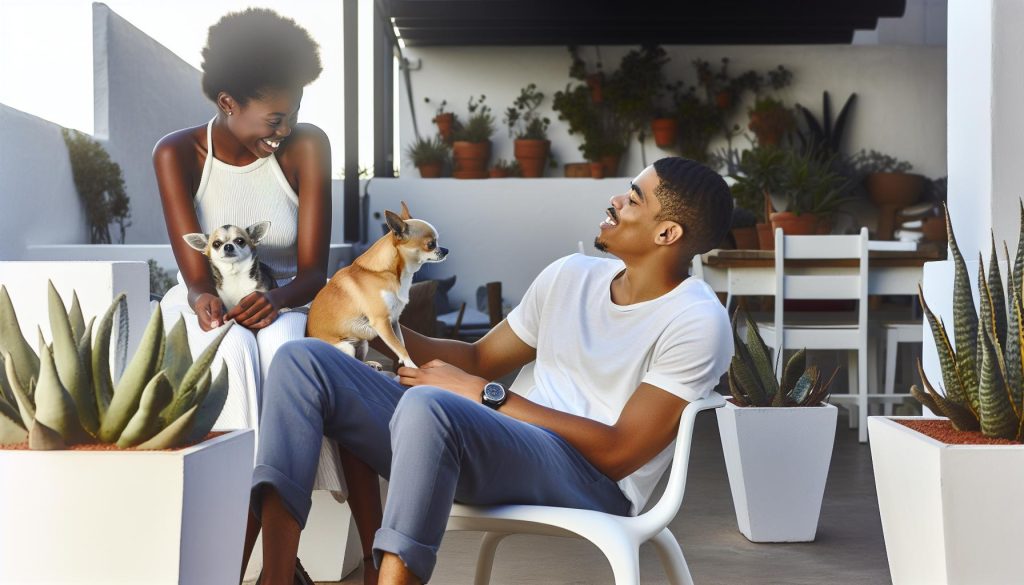
Chihuahuas are more than just tiny companions; they are fierce little personalities packed into a small frame. Did you know that despite their size, Chihuahuas often exhibit a boldness that can rival much larger breeds? Understanding what makes a Chihuahua special is essential for any owner, whether you’re a first-time pet parent or seasoned enthusiast. From their unique health needs to their quirky behaviors, knowing these essential breed characteristics will help you provide the best care for your spirited friend. Dive into the delightful world of Chihuahuas, and discover how to embrace their loyalty, vocal nature, and extraordinary charm! Your journey to becoming an informed Chihuahua owner starts here.
The Charming Personality of Chihuahuas: Understanding Their Temperament
Despite their small size, Chihuahuas possess a personality that is larger than life. This breed is renowned for its boldness, often exhibiting a sense of confidence that belies their diminutive stature. Whether they are playfully barking at a much larger dog or snuggling into your lap, Chihuahuas have a unique charm that captivates those around them. Their loyalty is unmatched; they often form deep bonds with their owners, sometimes even exhibiting protective behaviors that can seem fierce, considering their size.
A Chihuahua’s temperament can range from being lively and spirited to calm and gentle, depending on their upbringing and socialization. Early socialization is crucial. Chihuahuas that are well-socialized as puppies tend to be more adaptable and sociable, enjoying the company of both humans and other animals. However, if not properly introduced to new experiences, they can become wary or overly protective. Many owners find that their Chihuahuas have distinct personalities that reflect their environment and training. For instance, a playful Chihuahua might thrive in a bustling household with plenty of activities, while another may prefer the tranquility of a quieter space.
As affectionate companions, Chihuahuas are often referred to as “lap dogs,” relishing the warmth and closeness to their owners. However, their prosocial behaviors shouldn’t overshadow their independence. They can be a bit stubborn during training, often testing boundaries. It’s essential to use positive reinforcement techniques to encourage desirable behaviors and to keep training sessions short and engaging. Real-world experiences demonstrate that Chihuahuas, when properly trained, can become quite adept at learning tricks and responding to commands, showcasing their intelligence and eagerness to please.
In conclusion, embracing the charming personality of Chihuahuas means recognizing their unique blend of boldness, loyalty, and independence. Whether you’re a first-time owner or a seasoned enthusiast, understanding and nurturing these traits will deepen the bond you share with your delightful companion. Their quirky behaviors-such as dancing on hind legs or the playful manner in which they express excitement-are just some of the many reasons why Chihuahuas hold such a special place in the hearts of their owners.
Physical Traits: Size, Coat Variations, and Unique Features

Chihuahuas may be small in stature, but their physical traits pack a big punch in the world of dog lovers. This enchanting breed typically weighs between 2 and 6 pounds and stands about 6 to 9 inches tall at the shoulder, making them one of the tiniest dog breeds. Despite their size, Chihuahuas have a confident presence, strutting about like they own the place. This diminutive frame is often accompanied by a variety of unique physical features that make each one special.
One of the defining characteristics of Chihuahuas is their head shape, which can be classified into two types: the Apple Head and the Deer Head. The Apple Head variety has a rounded skull with a distinct stop between the forehead and the muzzle, giving them a sweet, almost doll-like appearance. On the other hand, Deer Head Chihuahuas boast a longer, flatter skull and a less pronounced stop, resembling more of a small deer. This distinction is often a conversation starter among enthusiasts, as each head type also influences behavioral traits-Apple Heads are typically known for being a bit more sensitive, while Deer Heads can be a bit more outgoing.
Chihuahuas come dressed in a variety of coats, including two primary types: smooth and long-haired. The smooth coat is sleek and shiny, requiring minimal grooming-a perfect choice for busy owners. Conversely, long-haired Chihuahuas have a soft, flowing coat that may require regular brushing to prevent tangles and mats. Both coat types come in a rainbow of colors, including fawn, black, white, chocolate, and even merle patterns, providing plenty of options for those looking to adopt.
Care is essential to highlight the uniqueness of a Chihuahua’s appearance. Their large, round eyes, which can express a wealth of emotion, should be kept clean and checked regularly for health concerns. Additionally, the breed’s distinctive ears can stand erect or flop over, adding to their charm. Whether your Chihuahua sports a flaunting coat or a striking gaze, appreciating these physical traits enhances the bond you share and underscores the joy this lovable breed brings to your life.
Common Health Concerns in Chihuahuas: What Every Owner Should Know

Chihuahuas are known for their bold personalities and playful energy, but like any breed, they come with their own set of health concerns that every owner should be aware of. Their small size makes them particularly susceptible to certain health issues, and being proactive in understanding these can greatly enhance your furry friend’s quality of life.
One common health concern in Chihuahuas is dental disease. Because of their small mouths, overcrowding of teeth is common, leading to plaque build-up and potential gum disease. Regular dental check-ups and at-home care, such as brushing your Chihuahua’s teeth with dog-friendly toothpaste, can make a significant difference. For instance, a Chihuahua named Bella thrived after her owner implemented a routine of dental chews and regular vet visits, reducing her chance of dental problems significantly.
Another issue to consider is patellar luxation, where the kneecap dislocates from its normal position. This is especially prevalent in small breeds and can lead to pain and difficulty walking. Owners should keep an eye on their Chihuahuas for any signs of limping or reluctance to jump. Dogs like Max, who experienced patellar luxation, found relief and regained mobility after his owner consulted a veterinarian and followed a rehabilitation plan tailored to his needs.
Chihuahuas are also prone to heart problems, particularly heart murmur and congestive heart failure, conditions more often seen in older Chihuahuas. Regular veterinary check-ups that include heart screenings can help catch these issues early. Keeping your pooch at a healthy weight through balanced diet and exercise is vital in managing heart health. Additionally, vigilant owners will notice changes in behavior, such as increased lethargy, which could signal underlying heart issues.
Lastly, due to their tiny stature, Chihuahuas can be particularly sensitive to temperature changes. They can easily become cold in cooler weather, leading to potential health issues such as hypothermia. Dressing them in warm coats or providing cozy blankets can help keep them comfortable. Each of these health concerns underscores the importance of attentive care and routine veterinary visits. Understanding and addressing these potential issues allows you and your Chihuahua to lead a healthier, happier life together.
Essential Care Tips: Grooming, Diet, and Exercise for Your Chihuahua

Chihuahuas are not just the tiniest dogs around; they also come with a unique set of needs that every owner should embrace. With their lively spirits and sometimes bold attitudes, these little companions thrive when provided with the right grooming, diet, and exercise. Knowing how to care for your Chihuahua properly can lead to a healthier, happier, and more fulfilled life for both of you.
Grooming Essentials
Regular grooming is crucial for maintaining your Chihuahua’s coat, whether he sports a smooth or long-haired variety. For short-coated Chihuahuas, a weekly brush with a soft bristle brush is often plenty to keep the coat healthy and shiny. On the other hand, long-haired Chihuahuas may require more frequent grooming to prevent mats and tangles. This can be a great opportunity for bonding time. A Chihuahua named Coco enjoys her grooming sessions, curling up on her owner’s lap with a special brush, relishing the attention!
Don’t forget about dental care, which is vital for this breed. Chihuahuas are prone to dental issues, so regular brushing with dog-friendly toothpaste and dental treats can keep their pearly whites in check. This could ultimately save you from costly veterinary bills down the road.
Nutrition Tips
When it comes to diet, selecting high-quality dog food specifically formulated for small breeds can make all the difference. Chihuahuas have high metabolisms, so they require a diet rich in protein and healthy fats. Portion control is key, as obesity can lead to a plethora of health problems. Many owners choose to measure out food portions or stick to a scheduled feeding routine to avoid overindulgence.
Incorporate vegetables like sweet potatoes or carrots as occasional treats. These add fiber, which is excellent for digestion, along with some necessary vitamins. It’s common for Chihuahuas like Daisy to become picky eaters; if yours is hesitant about their kibble, try warming it slightly or mixing in a spoonful of wet food.
Exercise Needs
Despite their size, Chihuahuas need regular exercise to keep their minds sharp and bodies fit. Daily walks-just around the block or in a secure backyard-can suffice. Engaging in playtime, such as chasing a toy or playing fetch, can fulfill their activity needs within the safety of your home. A Chihuahua named Leo loves zooming around the living room after his favorite squeaky ball; he brings boundless energy into playtime!
Always be cautious of their small stature during exercise. Avoid overly boisterous environments or activities that might overwhelm them, especially around larger breeds. Socialization opportunities, such as meet-ups with other small dogs, can also provide great physical activity while helping them develop appropriate behaviors with other pups.
By keeping these essential care tips in mind, you are not only enhancing your Chihuahua’s well-being but also enriching your life together. Embrace their quirky and bold character, and you’ll both enjoy every moment spent together!
Training Your Chihuahua: Techniques for Success with Small Dogs

Training your little companion can be a delightful and rewarding experience, especially when it comes to Chihuahuas. These spirited pups, known for their bold personalities and unwavering loyalty, require training techniques that cater to their unique traits. They are not just tiny dogs; they are strong-willed and can be quite vocal, making it essential to approach their training with patience and understanding.
Start with establishing a solid foundation of basic commands. Chihuahuas respond well to positive reinforcement, so using treats and praise will motivate them to learn. Techniques such as clicker training can be particularly effective. For example, when your Chihuahua, let’s say Bella, successfully follows a command like “sit,” reward her immediately with a treat and enthusiastic praise-this reinforces her good behavior. Consistency is key; use the same commands and cues every time to avoid confusion.
When it comes to socialization, exposing your Chihuahua to new people, pets, and environments is crucial for their development. Structured playdates with other small dogs can help your Chihuahua gain confidence and learn appropriate social behaviors. Remember, small dogs often feel threatened in new situations; showing them love and reassurance will help ease their anxieties.
Lastly, keep in mind that Chihuahuas have short attention spans, so limit training sessions to just a few minutes each day. Incorporate learning into playtime; for instance, teach her to fetch her favorite toy by encouraging her to bring it back to you. This not only reinforces her training but also strengthens your bond. Embrace their unique quirks-like that little bark that demands attention-and remember that with patience and love, you can teach your Chihuahua to be a well-mannered companion.
Socialization Needs: Helping Your Chihuahua Thrive Around Others
Introducing your Chihuahua to new environments and experiences can significantly enhance his quality of life. These small, spirited dogs thrive on interaction, but their naturally bold yet cautious temperament means they often need a little nudge to be their social best. Socialization is crucial; it shapes their behavior and helps them become confident, well-adjusted companions.
To start, begin the socialization process early if possible, as younger Chihuahuas tend to adapt more easily. Exposing your Chihuahua to a variety of settings-like parks, cafes, or friends’ homes-can help him build confidence. Make sure these outings are positive experiences by allowing him to explore at his own pace. For example, if your Chihuahua is wary of larger dogs, connect with other small dog owners for playdates. Structured activities with similar-sized furry friends can help your little one learn appropriate social cues without feeling overwhelmed.
Once at these gatherings, watch for signs that your Chihuahua may be feeling anxious-such as excessive barking or hiding. In these moments, calm reassurance from you can work wonders. Speak softly and give him time to adjust. Providing a safe space, like a comfortable carrier or bag, can also help if he needs a break. Remember, not every encounter will go smoothly, and it’s vital to read your dog’s body language and react appropriately.
Consistency is critical when nurturing your Chihuahua’s social skills. Regular outings to the same parks or pet-friendly stores can create a sense of familiarity. Try to incorporate socialization into your daily routine-even short trips to a local café can be enriching. Over time, as your Chihuahua gains exposure, he will develop a better understanding of other dogs and people, ensuring a happier, well-rounded pup. Embrace his quirks and be patient; with time, he will not only enjoy the company of others but showcase his charming personality with confidence.
Exploring Breed History: The Origins of Chihuahuas and Their Significance
The tiny Chihuahua, with its big personality, boasts a rich history that dates back thousands of years. These spirited companions trace their origins to ancient Mexico, where they were closely associated with the indigenous Toltec civilization. Archaeological findings suggest that a breed resembling modern Chihuahuas roamed the region as early as the 9th century. They were believed to be sacred, often linked to religious rituals, and even served as companions for the deceased in burial sites. Named after the Mexican state of Chihuahua, this breed symbolizes a deep cultural heritage.
Ancient Roots and Evolution
The Chihuahua’s ancestry is thought to stem from the Techichi, a small companion dog kept by the Toltecs. As the Aztecs rose to prominence, they adopted and refined the breed, developing the loyal and lively character we recognize today. The breed’s lineage reflects a blend of various small dog types that were introduced via trade routes, further enriching its genetic diversity.
Today’s Chihuahuas can primarily be categorized into two distinct types based on head shape: the apple-head and the deer-head. The apple-head features a rounded skull and a shorter muzzle, giving them a more pronounced facial appearance, while the deer-head is characterized by a longer snout and a more elongated look. This distinction not only influences their appearance but also can subtly impact their temperament, with apple-heads generally being more affectionate and the deer-heads often displaying a more adventurous spirit.
A Symbol of Loyalty and Companionship
Chihuahuas have kept their status as devoted companions throughout history. They have famously captured the hearts of celebrities and dog lovers alike, known for their loyalty and feisty demeanor. This breed may be small, but they pack a powerful punch in personality. Their vocal prowess and bold attitudes require owners to provide consistent training and socialization. Understanding their origins can help owners foster an environment that respects their heritage while meeting their unique needs as lively, loving companions.
In summary, the Chihuahua’s historical significance adds to its charm, making it a beloved choice for many. By appreciating the breed’s rich background, owners can create environments that honor their lineage, thus enhancing the bond shared. Whether you’re a seasoned Chihuahua enthusiast or a first-time owner, embracing this breed’s history can contribute to a deeper understanding of their quirks and temperament.
The Ideal Living Environment: Home Setup for Happy Chihuahuas
Creating a home environment that suits a Chihuahua’s unique needs is essential for their happiness and well-being. These tiny dogs thrive in a space that respects their bold personalities while providing comfort and security. From cozy resting places to safe play areas, thoughtful considerations can turn your home into a haven for your feisty companion.
To start, consider setting up a dedicated sleep area. Chihuahuas, particularly the smaller apple-head type, appreciate a warm, snug space. A snug bed placed in a quiet corner can create a secure retreat for her. Look for options made with soft materials, ideally with raised edges to give her a sense of security. Additionally, adding blankets or a pet-safe heating pad during colder months can ensure she stays warm and toasty.
Chihuahuas are known for their curious nature. To cater to this, create a safe play zone where she can explore freely. This can be as simple as a gated area in your living space where potential hazards are minimized. Consider using soft chew toys that are small enough for them to manage easily but durable enough to withstand her lively play. Items like fabric tunnels or low ramps can add excitement to her playtime while allowing her to engage in physical activity, which is crucial for her health.
Moreover, the ideal living space for a Chihuahua should promote interaction and socialization. Since they can be prone to separation anxiety, keeping her close to family activities helps satisfy her loyalty. Set up a cozy corner in your living room where she can lounge while being part of the family conversations. Incorporating climbing furniture or small shelves can also allow her to observe her surroundings and engage with you and your guests, fulfilling her natural curiosity.
Lastly, keep in mind that these little dogs can be sensitive to extreme temperatures. When setting up her living environment, ensure she has a comfortable temperature, free from drafts or excessive heat. Use area rugs or soft mats to provide grip and comfort on slippery surfaces. With these adjustments, you can cultivate an environment that honors her unique characteristics, allowing her to thrive both mentally and physically.
In summary, designing a living space that caters to your Chihuahua’s personality and needs ensures she feels secure, engaged, and part of the family. Whether you are a new pet owner or a seasoned enthusiast, thoughtful arrangements can significantly enhance your dog’s quality of life, making your home a happy place for both of you.
Understanding Chihuahua Vocalizations: Communicating with Your Pet
Chihuahuas are not just tiny companions; they are vocal creatures, and understanding their unique vocalizations is crucial for nurturing a strong bond with your pet. From playful barks to urgent yips, the sounds your Chihuahua makes are their primary way of communicating with you and expressing their needs and feelings. For instance, a high-pitched bark often signals excitement or playfulness, while a low growl may indicate discomfort or threat. Being attuned to these vocal cues is key to meeting your Chihuahua’s emotional and physical needs.
Types of Vocalizations
Chihuahuas showcase a range of vocal expressions, each carrying significant meaning:
- Barking: This is their most common form of vocalization. A quick series of barks typically means they’re excited or alerting you to something. However, excessive barking may also signal anxiety or boredom.
- Whining: If your Chihuahua is whining, it may be expressing distress, a need for attention, or discomfort. Pay attention to the context; for example, a Chihuahua may whine when they want to be picked up or when they’re anxious.
- Growling: While often perceived as a sign of aggression, growling can also be a form of communication that indicates fear or discomfort. If your Chihuahua growls, it’s important to evaluate the situation and reassure them.
- Chirping or Yipping: These sounds are often made during play, signaling excitement or joy. It’s a delightful sound that reflects your Chihuahua’s lively spirit.
Responding to Vocalizations
Understanding the context of your Chihuahua’s sounds is essential. For example, if they bark at strangers, this behavior may stem from their protective instincts. When your dog conveys their feelings through vocalizations, respond with calm assurance. If she barks at unfamiliar faces, reinforce positive behaviors by offering treats or praise when she remains calm. This helps her learn how to express herself appropriately.
On the other hand, if your Chihuahua whines to get your attention, reinforce the idea that being quiet gets her the desired response. Avoid giving her attention when she’s vocal and instead reward her with praise or affection when she’s silent. By paying attention to these nuances, you can foster effective communication that respects her unique personality as a Chihuahua.
Incorporating these insights into your daily interactions not only enhances your understanding of her needs but also strengthens the bond between you. With a little patience and attentiveness, you’ll find that communicating with your charismatic Chihuahua brings even more joy into your daily life.
Chihuahua Lifestyle: Activities and Adventures for You Both
Living with a Chihuahua is akin to embarking on an exciting adventure filled with charm and personality. These pint-sized pooches are known for their energetic and spirited nature, making them passionate companions for exploration. For many owners, the perfect day might include a leisurely stroll through a local park, where both you and your furry friend can enjoy the sights and sounds. Chihuahuas, with their curious nature, thrive on new experiences, so take advantage of outings to expose them to varying environments. This not only stimulates their minds but also helps reinforce their confidence.
Outdoor activities are a wonderful way to bond with your Chihuahua. Given their small size, it’s essential to ensure they have a well-fitting harness and leash during adventures to keep them safe. Short hikes or visits to dog-friendly cafes can provide delightful outings that allow your dog to socialize and engage with fellow pups. Encourage playtime by bringing along their favorite toys or engaging in activities like fetch or hide-and-seek. Remember, Chihuahuas love being the center of attention, so don’t shy away from showing off their quirks while you are out!
Home Activities and Enrichment
At home, keep your Chihuahua stimulated with interactive toys and puzzle feeders that challenge them mentally. Rotate their toys regularly to maintain their interest. Simple games like hide-and-seek or trick training are excellent ways to bond while stimulating their minds. Practicing commands not only strengthens your communication but also works as a fantastic outlet for their energy. Given their vocal nature, engage them in games that allow them to express their personalities-whether it’s barking at a toy or yipping during play.
Providing a cozy, engaging space at home is crucial for your furry friend’s well-being as well. Creating a comfortable nook with blankets and toys will give them a safe place to retreat and recharge. Chihuahuas thrive in environments where they feel secure and loved. Regular cuddle sessions not only satisfy their affectionate natures but also deepen your bond-these moments are just as important as playtime.
Ultimately, the lifestyle you cultivate with your Chihuahua should reflect their unique temperament and your shared interests. The beauty of dog ownership lies in the joy of crafting experiences together-be it through outdoor exploration or cozy evenings at home. With patience and creativity, you can create a fulfilling lifestyle that celebrates the quirks and spirit of your beloved Chihuahua.
Choosing the Right Chihuahua: Adoption Tips and Breed Variants
Choosing the right Chihuahua is a rewarding journey that can greatly enhance your experience as an owner. One of the first things to consider is which type of Chihuahua suits your lifestyle best. While the breed is small, they come in two primary coat variations: smooth coat and long coat. Each has unique grooming needs-smooth coats are easier to maintain with occasional brushing, while long coats require more regular grooming to prevent tangles. Additionally, you’ll find variations in size and head shape, including the apple-head type, known for its rounded skull and expressive eyes, and the deer-head, which has a longer snout and a more elongated face.
When adopting a Chihuahua, consider their temperament. Chihuahuas can vary widely in personality; some are fiercely loyal and protective, while others may be more social and outgoing. If possible, spend time with different dogs to see which personality resonates with you. Observing how a Chihuahua interacts with people and other pets can also provide valuable insight into their future behavior in your home. Rescue organizations and shelters often have a range of personalities, allowing you to choose one that aligns with your preferences and lifestyle.
It’s crucial to consider health histories, especially in puppies, as the breed can be prone to certain genetic conditions like patellar luxation and heart issues. Always ask for health clearances and be aware of whether the breeder is reputable. Prioritize adopting from shelters or breed-specific rescues where you can also help a dog in need. Remember, a Chihuahua’s small size doesn’t mean they need less love or attention-rather, they thrive on companionship and will do best in a household where they can engage with their humans consistently.
Finally, be prepared for the quirks that make Chihuahuas delightful companions. Whether it’s their fierce bark, playful antics, or loyalty to their families, understanding these endearing traits will help you create a nurturing environment. Be ready to embrace their vocal nature with patience and engagement. Setting up a space with cozy spots to snuggle and play can help them feel safe and loved, ultimately reflecting their unique personalities. Remember, adopting a Chihuahua is not just about finding a pet; it’s about forming a lifelong bond with a spirited little friend.
Celebrating Chihuahua Quirks: Embracing Their Unique Behaviors
Chihuahuas are a breed filled with delightful quirks that make them truly unique companions. Whether it’s their feisty personalities or their unmistakable vocalizations, every interaction with a Chihuahua is an opportunity to celebrate what makes this tiny dog so special. For many owners, these traits are not merely amusing-they form the heart of the bond shared with their furry friends. Recognizing and embracing these characteristics can lead to a deeper understanding and appreciation of your Chihuahua’s individual persona.
One of the most endearing aspects of Chihuahuas is their boldness. Despite their small size, they often exhibit a larger-than-life attitude, ready to take on any challenge. It’s not uncommon for a Chihuahua to try to assert dominance over larger dogs, showcasing their brave spirit. Owners often share stories of their Chihuahuas barking fiercely at much bigger animals in the park, as if to say, “I may be small, but I’m not afraid!” This fearless nature also extends to their protective instincts; your Chihuahua may become especially vigilant around new people or animals, showing loyalty and devotion to their human family.
Another fascinating quirk is their vocal nature. Chihuahuas can be quite chatty, using a range of barks and growls to communicate their feelings. For example, your little companion may let out a high-pitched bark to express excitement or a deeper growl when feeling threatened. Understanding these vocalizations is crucial in deciphering your dog’s mood. As an owner, it’s helpful to pay attention to the context in which these sounds occur. Engaging with her during times of vocalization, perhaps with games or cuddles, can channel that energy positively and build a stronger bond.
Their fondness for cozy spots creates a beautiful atmosphere at home. Chihuahuas love to snuggle up in warm, secure places. Creating a designated snuggly nook in your home, complete with soft blankets and toys, can make a world of difference. It provides your Chihuahua with a safe haven to retreat to when feeling overwhelmed or tired. Owners frequently note how their Chihuahuas create “dog nests” out of pillows and blankets-this behavior is all part of their charm, showcasing their need for comfort and security.
It’s essential to embrace their quirky behaviors as a part of the package that comes with owning a Chihuahua. Be prepared for their entertaining antics, whether it’s performing tricks for treats or engaging in playful zoomies around the house. Realizing that these characteristics are part of their charm minimizes frustration and allows for an enjoyable companionship. By fostering an environment that respects and celebrates their individual quirks, you not only enhance your Chihuahua’s life but also enrich your own experience as a devoted owner.
FAQ
Q: What are the common behavioral traits of Chihuahuas?
A: Chihuahuas are known for their boldness, loyalty, and spirited nature. They can be protective and often form strong bonds with their owners. Regular socialization and training are essential to manage their sometimes stubborn behavior, ensuring they are well-adjusted and happy companions.
Q: How do Chihuahuas communicate their needs?
A: Chihuahuas communicate through a variety of vocalizations and body language. They may bark to alert you or express excitement. Understanding their barks, growls, and other signals can help you respond effectively to their needs and emotions, enhancing your bond.
Q: What are the ideal living conditions for a Chihuahua?
A: Chihuahuas thrive in a warm and cozy environment, making apartments an excellent choice. They require a safe space to explore, minimal stairs, and a comfortable bed to snuggle. Ensuring they have plenty of human interaction is also crucial to their happiness.
Q: Are Chihuahuas prone to specific health issues?
A: Yes, Chihuahuas can be susceptible to dental problems, heart disease, and patellar luxation. Regular veterinary check-ups and a proper diet are essential for maintaining their health. Familiarizing yourself with these conditions can help you monitor your Chihuahua’s wellbeing effectively.
Q: How much exercise does a Chihuahua need?
A: Chihuahuas generally require about 30 minutes of exercise each day. Short walks and interactive playtime in your home or yard can keep them active. This exercise routine helps prevent obesity and promotes a healthy lifestyle while strengthening your bond.
Q: Can Chihuahuas be trained easily?
A: Chihuahuas can be trained effectively with consistency and positive reinforcement. They respond well to short training sessions filled with treats and praise, though they can be a bit stubborn at times. Starting early and keeping training enjoyable is key to their success.
Q: What do Chihuahuas typically eat?
A: A well-balanced diet for Chihuahuas usually consists of high-quality dog food, enriched with proteins and essential nutrients. Monitoring portion sizes and ensuring they don’t overeat is crucial, as they are prone to obesity. Always consult your vet for tailored dietary advice.
Q: How can I enhance my Chihuahua’s social skills?
A: Socializing your Chihuahua from a young age is vital. Arrange playdates with other dogs and expose them to various environments and people. Gradual exposure helps reduce anxiety and fosters confidence, resulting in a well-rounded and sociable pet.
In Summary
As you wrap up your journey into the captivating world of Chihuahuas, remember these essential traits: their vibrant personalities, unique health considerations, and affectionate nature make them truly special companions. If you’re looking for more tips on dog care or exploring breed-specific advice, check out our guides on “Chihuahua Health Essentials” and “Training Tactics for Small Breeds.” Don’t forget to join our community by signing up for our newsletter, where you’ll receive updates and expert insights straight to your inbox!
Whether you’re an experienced owner or thinking about bringing a Chihuahua into your home, understanding their quirks-like their boldness or vocal tendencies-can enhance your relationship with your furry friend. We invite you to share your experiences in the comments below or follow us on social media for daily inspiration and support. Your adventure with Chihuahuas is just beginning; let’s explore it together!
Get our latest guides, news, and insights highlighted in your Google Search & AI Overviews.