
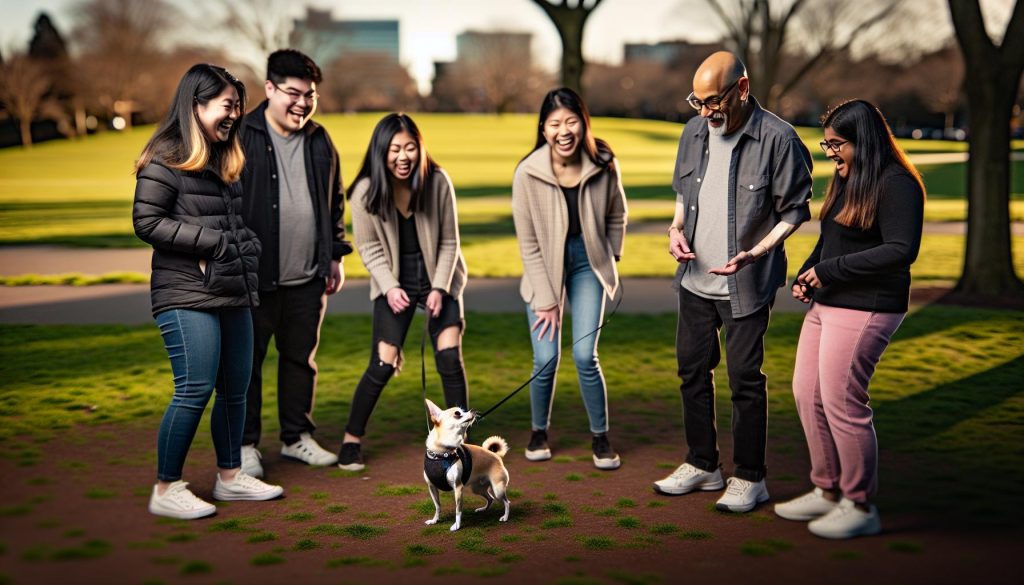
Chihuahuas are not just the tiniest dogs in the world; they are bold companions known for their vibrant personalities and deep loyalty. Whether you’re a new owner or a seasoned enthusiast, understanding what makes them special can enhance your bond and care for your furry friend. From their unique apple-head shapes to their lively antics, Chihuahuas bring joy and a bit of sass to any home. It’s essential to consider their health, behavior, and care needs to ensure a happy, fulfilling life together. Join me as we explore the captivating traits and quirky characteristics of this remarkable breed, so you can appreciate why Chihuahuas are truly one of a kind.
What Makes Chihuahuas Unique: Breed Traits and Characteristics
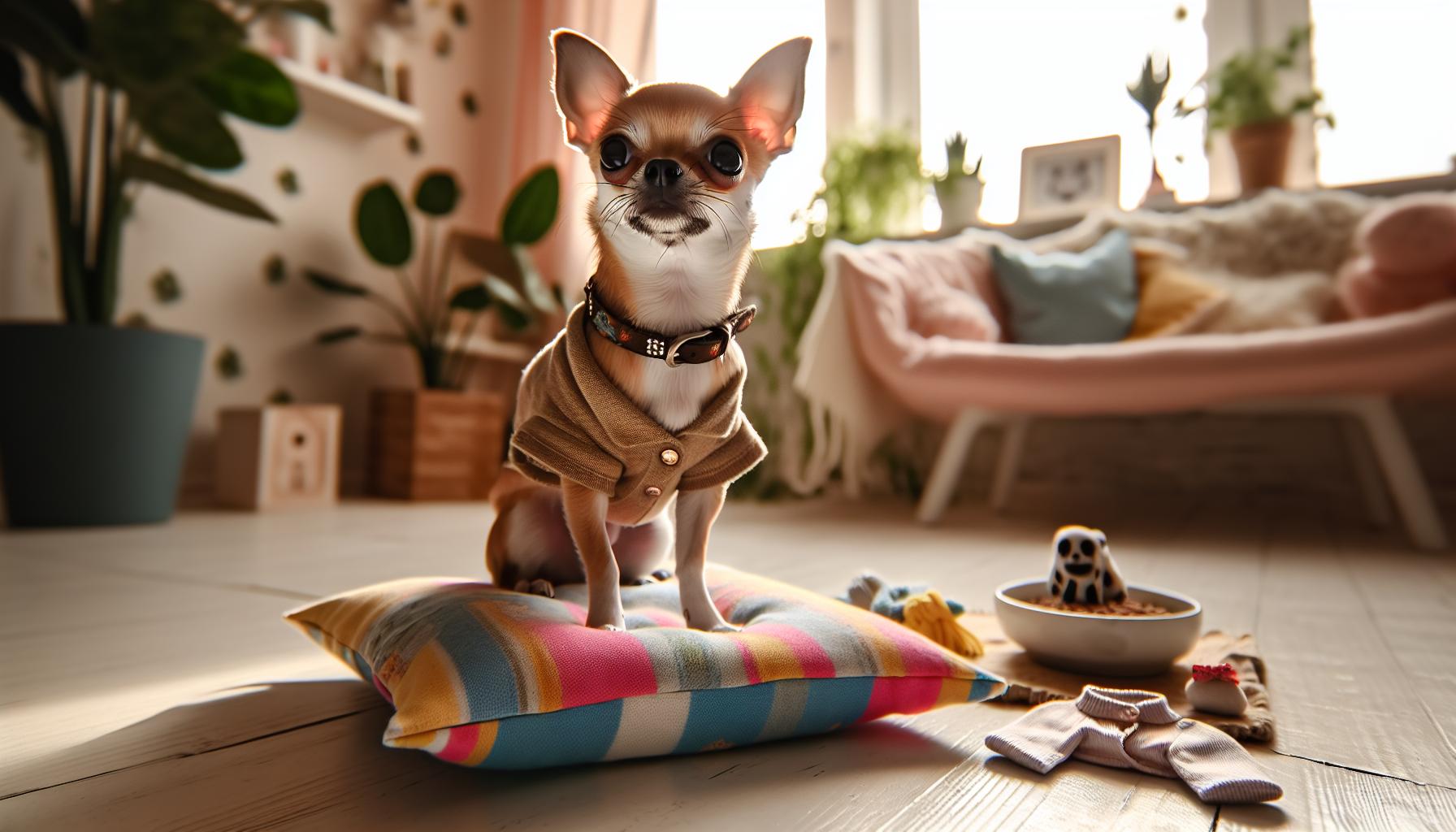
Chihuahuas are often celebrated for their vibrant personalities, making them one of the most unique breeds in the canine world. These tiny dogs, typically weighing in at 2 to 6 pounds, pack a lot of character into their small frames. Known for their boldness, Chihuahuas can exhibit confidence and attitude that often belies their size. Their warm and loving nature makes them exceptional companions, with a loyalty that can be unmatched. If you’ve ever spotted a Chihuahua strutting down the street, you’ll understand how they carry themselves with a charm that turns heads.
One of the defining characteristics of Chihuahuas is their variety in physical appearance, which can include two popular types: the apple-head and the deer-head. The apple-head is characterized by a rounded skull and larger eyes, giving them an endearing look, while the deer-head variety features a longer snout and more elongated face. Each type has its own charm, appealing to different owner preferences. Whether you prefer the apple-head’s classic cuteness or the deer-head’s more elegant features, both types boast a coat that can come in an array of colors and patterns, from solid to spotted.
While their size means that they are often seen as lap dogs, Chihuahuas are far from fragile. They possess a spirited demeanor and can be quite vocal, making them excellent watchdogs. They tend to be protective of their owners, which can manifest as impressive courage when faced with challenges. It’s important for owners to channel this energy constructively through socialization and training, ensuring they adapt well to various environments and situations. Understanding their traits early on can also help prevent any behavioral issues related to over-attachment or anxiety.
Ultimately, the combination of their unique appearances, lively personalities, and unwavering loyalty makes Chihuahuas a beloved choice for dog lovers around the globe. Embrace their quirks, and you’ll find that your Chihuahua will bring endless joy and companionship into your life.
Chihuahua Size Variations: Understanding Apple-Head and Deer-Head Types
Chihuahuas are a wonderfully varied breed, and their size variations often spark fascination among dog lovers. Within this small breed, you’ll encounter two main types: the apple-head and the deer-head. Each type boasts distinct physical characteristics that influence not only their appearance but sometimes, their personality traits and behavior as well.
The apple-head Chihuahua is easily recognizable by its rounded skull and large, expressive eyes. This charming look, often associated with the breed, gives these little dogs a particularly adorable, almost toy-like appearance. Apple-heads typically have a compact frame and can weigh up to 6 pounds. Their smaller stature makes them perfect companions for people living in apartments or smaller spaces. The apple-head is often seen as the quintessential Chihuahua, embodying the breed’s spunky attitude and playful nature. They are known for being fiercely loyal and sometimes a bit sassy, displaying a bold personality combined with cuddly charm.
On the other hand, the deer-head Chihuahua has a more elongated face and a longer, slimmer body, reminiscent of the graceful features of a deer. These Chihuahuas often weigh about the same, yet their proportions provide a different aesthetic appeal. Deer-head Chihuahuas may exhibit slightly different temperaments, sometimes showing a calmer demeanor compared to their apple-headed counterparts. Owners of deer-heads frequently mention their affectionate nature and gentle disposition, making them wonderful companions too.
Both types of Chihuahuas showcase coats that come in a kaleidoscope of colors and patterns, from solid shades to striking spots. Regardless of whether you prefer the round-faced apple-head or the sleek deer-head, both types bring an abundance of joy, delight, and a bit of mischief into your life. Embracing these differences can enhance your experience as a Chihuahua owner, ensuring you appreciate the unique quirks and individualities each type offers. Just remember, when it comes to caring for Chihuahuas, their small size doesn’t equate to fragility; they’re confident, daring companions eager to engage with the world around them.
Chihuahua Temperament: Loyal, Bold, and Playful Personalities
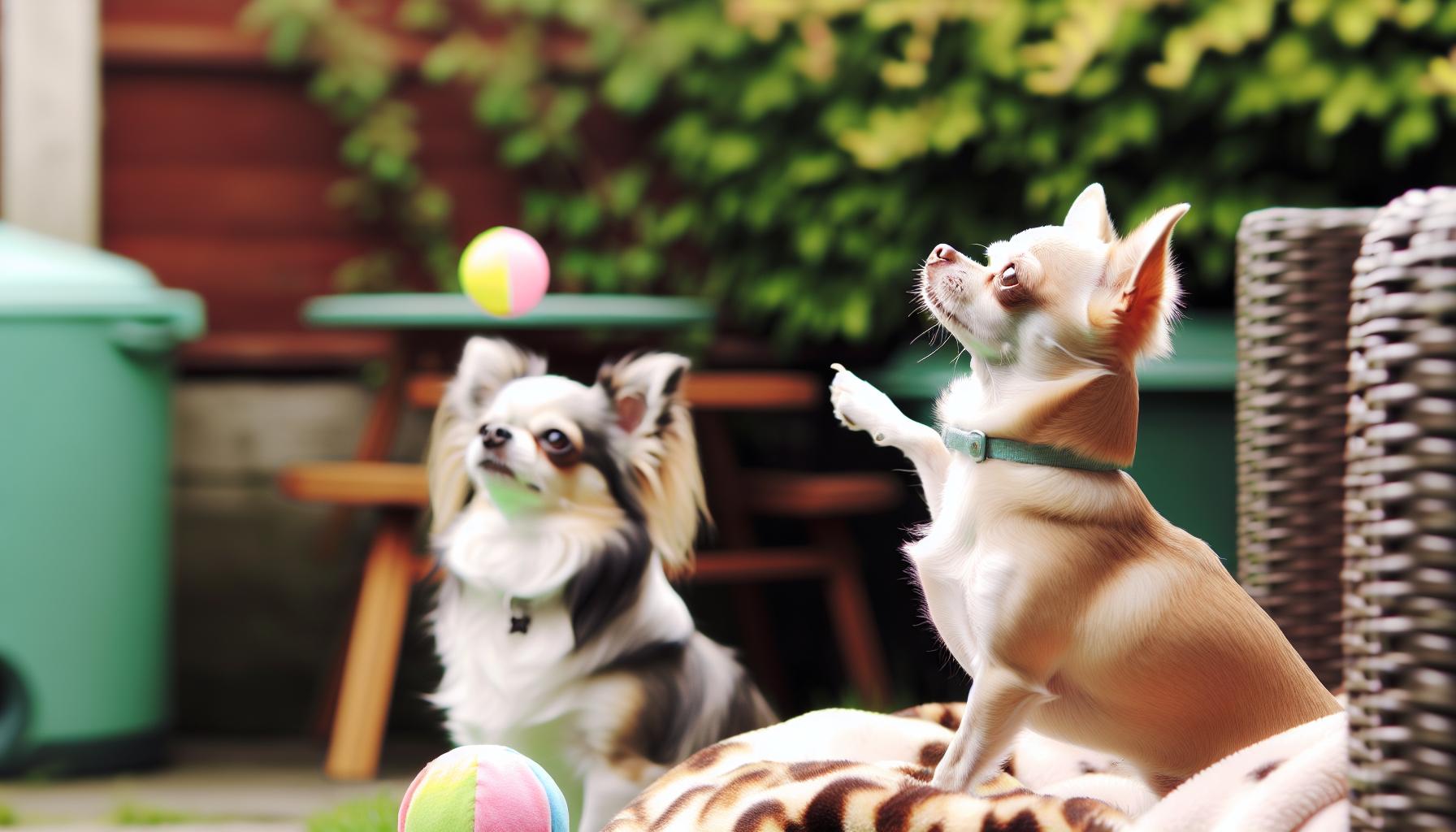
Chihuahuas are often celebrated not just for their small stature but for their larger-than-life personalities. It’s this mix of loyalty, boldness, and playful spirit that makes them such enchanting companions. Whether you have an apple-head or a deer-head, both types are characterized by their unique demeanor and quirks that can bring laughter and joy to your home.
Loyal Companions
One remarkable trait of Chihuahuas is their unwavering loyalty. They form strong bonds with their owners and often become fiercely protective of their loved ones. If you’ve ever noticed your Chihuahua following you from room to room or cuddling close when you sit down, you’re experiencing this breed’s affectionate nature. Owners often describe their Chihuahuas as shadow-like companions, always eager to be part of the action. This bond also means that early socialization is crucial; the more experiences your Chihuahua has with others (both people and pets), the more confident and well-adjusted he’ll become.
Bold Personalities
Don’t let their tiny frames fool you; Chihuahuas have a boldness that belies their size. They often exhibit a fearless attitude toward larger dogs and new situations. Many Chihuahua owners have amusing stories of their pets taking on dogs many times their size, showcasing their fearless spirit. This assertiveness can lead to some comical interactions, but it also means that training and guidance are essential. Instilling good behavior through consistent training can ensure your Chihuahua’s boldness is paired with respect and understanding of boundaries.
Playful Spirits
When it comes to playfulness, Chihuahuas are usually at the forefront of a fun-filled household. From chasing after toys to enjoying a good game of fetch, these little dogs bring a tremendous amount of energy and joy. They thrive on playtime and interaction, which not only helps them stay physically active but also enriches their mental well-being. You might find your Chihuahua engaging in their own antics, like putting on a show of zoomies or playfully pestering you for attention. It’s a joy to witness their silly stunts, which often lead to laughter and affection.
In understanding their temperament, it becomes clear that Chihuahuas are not just dogs; they are little bundles of love and personality. Their loyalty, boldness, and playfulness make them wonderful companions for anyone willing to embrace the spirited nature of this breed. Whether you are a first-time owner or a seasoned Chihuahua enthusiast, recognizing and celebrating these traits will enhance your experience and solidify that special bond you share with your furry friend.
Essential Care Tips for Your Chihuahua: Health and Grooming Needs

Chihuahuas, despite their small size, require comprehensive care that addresses both their health and grooming needs. As an owner of this spirited breed, you’ll quickly discover that their unique characteristics come with specific requirements that can contribute to a long, happy life. Understanding these needs ensures your tiny companion remains healthy, vibrant, and full of the bold personality that makes Chihuahuas so endearing.
Health Needs
Routine veterinary care is essential for Chihuahuas, just as it is for larger breeds. Regular check-ups can help identify potential health issues early. Chihuahuas are prone to certain conditions like heart problems, dental issues, and patellar luxation. As an example, heart disease is prevalent, so being vigilant about your Chihuahua’s energy levels and any signs of lethargy is key. Regular vet visits allow for early detection and management of these conditions, which can significantly enhance your dog’s quality of life.
Additionally, maintaining a healthy weight is crucial for your Chihuahua. These little dogs can easily gain excess weight, which puts stress on their joints and can lead to other health complications. Keeping an eye on their diet and ensuring regular exercise helps manage their weight effectively. For instance, a daily walk combined with engaging play sessions can fulfill their instinctual needs while keeping them fit and trim.
Grooming Essentials
Despite their small stature, Chihuahuas boast a variety of coat types, including smooth and long-haired varieties. This means that grooming needs may vary depending on your furry friend’s coat. Here are some key pointers:
- Regular Brushing: Long-haired Chihuahuas require more frequent brushing-ideally two to three times a week-to prevent matting. Smooth-haired types can be brushed less often, about once a week, to remove loose fur and distribute natural oils.
- Bathing: Over-bathing can strip their skin of essential oils, so it’s best to bathe your Chihuahua every four to six weeks, unless they get particularly dirty.
- Nail Trimming: Keep your Chihuahua’s nails trimmed to prevent discomfort and encourage proper walking. Typically, trimming once every few weeks is sufficient, as long as they are active on various surfaces.
- Dental Care: Dental hygiene is critical for Chihuahuas. Their small mouths often lead to dental problems, so regular brushing and dental chews can help maintain their oral health.
Caring for a Chihuahua means embracing their quirks while providing them with love and attention. Each grooming session can turn into a bonding experience, allowing you to strengthen your connection. By keeping a close eye on their health, establishing a grooming routine, and being attentive to their needs, you ensure that your little companion remains the vibrant, vocal, and loyal friend he was born to be. Your attention to these details will certainly enhance both quality time and your Chihuahua’s overall well-being.
Common Health Issues in Chihuahuas: Prevention and Management

Chihuahuas are as complex as they are charming, boasting vibrant personalities in tiny bodies. However, this beloved breed is prone to specific health issues that owners should be aware of to ensure their furry friends lead long and happy lives. In particular, Chihuahuas are vulnerable to heart disease, dental problems, and patellar luxation-conditions that can significantly impact their quality of life if left unmanaged.
Heart Conditions
Heart disease, especially congestive heart failure, is somewhat common in Chihuahuas. Small breeds are generally at a heightened risk due to their unique anatomical structure. Observing your Chihuahua’s behavior can be your first line of defense. If you notice excessive panting, coughing, or lethargy, it’s a good idea to consult your veterinarian. Regular check-ups that include heart health screenings can help catch issues early. For instance, during a routine vet visit, I learned that my own Chihuahua was showing early signs of a heart murmur, allowing me to adjust her diet and lifestyle to better support her heart health.
Dental Health
Another significant health concern for Chihuahuas is their dental health. Their small mouths can lead to overcrowding and various dental issues, including periodontal disease. To help prevent these problems, it’s essential to establish a dental care routine. Regularly brushing your Chihuahua’s teeth-ideally several times a week-can keep plaque at bay. Furthermore, incorporating dental chews and toys designed to promote oral health can make a difference. One straightforward tip is to start dental care when your Chihuahua is a puppy, making it a familiar and less stressful experience.
Patellar Luxation
Patellar luxation, where the kneecap dislocates from its normal position, is another concern that can affect Chihuahuas. This condition can be managed through maintaining a healthy weight and providing gentle, low-impact exercises. For example, some owners find success with short but frequent walks, which not only help maintain fitness but also strengthen the muscles around the knee joint. If your Chihuahua displays limping or reluctance to jump, a consultation with your veterinarian is warranted. Surgical options are available for severe cases, but many dogs can thrive with non-surgical management.
Making a point to regularly monitor your Chihuahua’s health and behavior can help you manage these common issues effectively. Emphasizing preventive care through routine vet visits, a balanced diet, and a good grooming routine not only promotes well-being but also enhances the cherished bond you share with your spirited companion. Each little quirk-from their vocal alerts to their loyal affection-is a reminder of why we love these tiny dogs, and proactive health management allows us to enjoy many years together.
Training Your Chihuahua: Effective Techniques for Good Behavior
Chihuahuas are known for their vibrant personalities, and that can make training them both a rewarding and challenging experience. With their boldness, intelligence, and sometimes sassy disposition, these little dogs might not always want to follow your commands. However, with the right techniques, you can guide your Chihuahua toward good behavior while celebrating their unique quirks.
Positive Reinforcement
One of the most effective training methods for Chihuahuas is positive reinforcement. This approach involves rewarding your dog for good behavior rather than punishing them for missteps. Treats, praise, or playtime are excellent motivators. For an example, one dedicated owner found that her apple-head Chihuahua responded best to high-value treats-like soft cheese-during training sessions, making learning fun and rewarding for her pup. Remember, consistency is key; always reward desired behaviors to reinforce them.
Short Training Sessions
Chihuahuas have relatively short attention spans, so keep training sessions brief yet effective. Aim for around 5-10 minutes several times a day. This method keeps your sessions focused and fun. Incorporate play as a reward, too! For instance, if your Chihuahua successfully sits on command, immediately follow up with a few moments of fetch with their favorite toy. Engaging both their mind and body ensures they remain interested in learning.
Socialization
Socializing your Chihuahua early on is crucial for their overall temperament and behavior. Introduce your pup to various people, environments, and other animals to build confidence and minimize fear-based barking or aggressive behaviors. Schedule playdates with friendly dogs or attend puppy classes tailored for small breeds to promote healthy interactions. My friend found that taking her deer-head Chihuahua to the local park exposed him to new sounds and sights, reducing his initial fear of larger dogs over time.
Establishing Boundaries
Being consistent with boundaries helps Chihuahuas understand what’s expected of them. For example, if barking at the mailman is unacceptable, this rule should apply consistently. Avoid sending mixed signals; if you give in occasionally, your Chihuahua might perceive that certain behaviors are acceptable on some days but not on others. Set clear, simple commands like “quiet,” “stay,” or “no” with a firm but gentle tone. Establishing these boundaries early helps create a well-behaved companion.
Incorporating these techniques will not only train your Chihuahua but also deepen the bond between you. Remember to be patient; every dog learns at their own pace. Embrace the nuances of your Chihuahua’s personality, and enjoy the playful adventure of training together!
Chihuahua Nutrition: Best Diet for Small but Mighty Dogs
The diet of your Chihuahua can significantly influence their overall health and vitality. Although they are small in stature, these little dogs have a lot of personality and energy that deserves to be supported by the right nutrition. Feeding a proper diet not only helps maintain their weight and enhances their immune system, but it also promotes a shiny coat and strong bones-essential for any boastful little companion ready to take on the world.
When selecting food for your Chihuahua, consider high-quality dog food specifically formulated for small breeds. These foods often contain a higher protein content and are designed to meet their higher metabolic rates. Look for ingredients like real meat (chicken, turkey, or beef) as the primary source of protein, along with wholesome grains and vegetables. Avoid fillers like corn, soy, and artificial preservatives, as they can offer little nutritional value.
Feeding Guidelines
Chihuahuas tend to overeat if given the chance, so portion control is vital. Typically, adult Chihuahuas require about a 1/4 to 1/2 cup of food daily, divided into two meals. Monitoring their weight is essential-an overweight Chihuahua can face health risks such as heart disease and diabetes. An example from a fellow Chihuahua owner highlights this: after noticing her apple-head Chihuahua gaining weight, she switched to a weight management formula and adjusted his portions, helping him lose two pounds over several months!
Special Considerations
Keep in mind that some Chihuahuas can be picky eaters. If your little one turns his nose up at dry kibble, you might consider wet food or a mix of both to keep things exciting. It’s also crucial to consider any food allergies-common allergens include beef, chicken, and dairy. If you suspect your pup may have a food sensitivity, consult with your veterinarian to determine the best diet tailored for him.
Additionally, fostering a love for fresh, human-grade food can be beneficial. Some owners incorporate lean meats, cooked vegetables (like carrots or peas), or even plain rice into their Chihuahua’s meals for variety. Just be sure to steer clear of foods toxic to dogs, such as chocolate, onions, and grapes.
With a proper diet, you not only help keep your Chihuahua healthy but also cultivate a happy relationship through shared meal times and tasty treats. Remember to balance nutrition with love, as any Chihuahua parent knows, a happy dog is often a well-fed dog!
Socialization Strategies for Chihuahuas: Building Confidence
Chihuahuas are known for their feisty personalities and bold spirits, but these tiny companions also need proper socialization to become well-adjusted adults. Socialization is crucial for Chihuahuas; it helps them build confidence and equips them to handle new experiences, people, and environments. When well-socialized, your little buddy can confidently navigate the world, reducing anxiety and behavioral issues that may stem from fear or uncertainty.
One effective strategy for socializing your Chihuahua is to expose him to various settings and experiences from an early age. Start with short outings to different environments-like parks, pet stores, or busy streets-during the critical socialization window of 3 to 14 weeks. For example, if you have an apple-head Chihuahua, you might notice he’s more susceptible to nervous reactions due to his breed’s sometimes reserved nature. Taking him along on car rides or introducing him to friendly strangers can enhance his comfort level and decrease his predisposition to being skittish.
Playdates and Puppy Classes
Organizing playdates with other well-behaved dogs can be another delightful way to boost your Chihuahua’s social skills. Ensure the dogs are similar in size; larger dogs can inadvertently intimidate small breeds. Additionally, puppy kindergarten or training classes serve dual purposes: they offer basic obedience training while also encouraging social interactions with other dogs and their owners. As another Chihuahua parent shared, enrolling their deer-head Chihuahua in a local training class not only improved his responsiveness to commands but also made him more relaxed around new dogs and people.
Positive Reinforcement
Always keep the training and socialization processes positive. Praise your Chihuahua when he explores new experiences, and reward him with treats or toys to reinforce good behavior. If he barks excessively or shows signs of fear, distract him with a favorite toy or treat, redirecting his energy into something positive. Remember, the goal is to help him associate new encounters with something enjoyable, fostering a brave heart in his tiny frame.
In conclusion, remember that each Chihuahua is unique-some may require more encouragement than others. Be patient and continue to expose him to new experiences throughout his life. This dedication will not only help your Chihuahua grow into a confident and sociable companion but will also create a stronger bond between you two, celebrating the courageous quirks that make him distinctly charming.
Understanding Chihuahua Vocalization: Why They Bark
Chihuahuas are not just adorably tiny companions; they are also renowned for their vocalizations. With their bold personalities, these little dogs often express themselves through barking, which can sometimes bewilder or frustrate owners who may not fully understand the reasons behind it. Understanding why your Chihuahua barks is crucial for fostering a harmonious relationship and ensuring that their vocal expressions are appropriately managed.
One of the primary reasons Chihuahuas bark is their inherent instinct to alert their families to potential threats. Being naturally vigilant, they often take on the role of a watch dog despite their small stature. An apple-head Chihuahua may bark at the slightest sound, letting you know that the mailman has arrived or that a squirrel has dared to approach the yard. This trait can be particularly strong in Chihuahuas, who are both loyal and protective. Owners often find that their little one will sound the alarm, ensuring no intruder goes unnoticed. While this is an admirable quality, it’s essential to balance their instinct to protect with training to manage excessive barking.
Another common motivation for vocalizing is seeking attention or companionship. If your Chihuahua notices that barking garners your attention-be it positive or negative-they may use it as a communication tool. For example, if your deer-head Chihuahua barks while you’re busy and you turn to acknowledge him, even briefly, he may interpret this as a reward. Therefore, consistent training and redirecting can help discourage attention-seeking barks and promote calmer methods of communication.
Chihuahuas may also well up their voices during play or excitement. Their quirky, enthusiastic nature often means they express joy audibly, especially during interactive games with their favorite toys. Engaging in regular playtime and positive interactions can channel this energy constructively, turning their vocalizations into joyful yips of delight rather than disruptive barks.
To help your Chihuahua develop healthy vocal habits, consider a few strategies:
- Positive Reinforcement: Reward quiet behavior with treats and affection, teaching him that silence brings rewards.
- Training Commands: Teach him basic commands like “quiet” and reinforce them, so he understands when it’s time to stop barking.
- Manage Triggers: Identify what prompts his barking and work on desensitizing him to those stimuli in a controlled environment.
Understanding Chihuahua vocalization not only helps minimize unnecessary barking but also deepens your bond as you learn to communicate effectively with your tiny friend. Embrace his quirks, celebrate his bold spirit, and remember that each bark is an expression of his love and loyalty. With patience and the right strategies, you’ll cultivate a well-mannered vocal companion who knows just when to speak-and when to keep things down to a delightful whisper.
Housing Considerations for Chihuahuas: Safe and Comfortable Spaces
Creating a safe and comfortable environment for your Chihuahua is essential in ensuring he leads a happy and fulfilling life. These tiny dogs, with their big personalities, require spaces that cater to their unique needs and behaviors. Remember, Chihuahuas are vigilant by nature, thriving in settings that feel secure and cozy.
Chihuahuas can be sensitive to temperature changes due to their small size and low body fat. Therefore, it’s crucial to maintain a moderate indoor environment, ideally between 68°F and 72°F (20°C to 22°C). Avoid leaving your Chihuahua in drafty areas or direct sunlight for extended periods, as these conditions can cause discomfort or health issues. An inviting dog bed in a quiet corner, ideally elevated from cold floors, will give him a personal retreat where he can rest undisturbed.
Creating a Safe Space
Safety is paramount when setting up your Chihuahua’s living area. Here are some practical steps to ensure his safety:
- Furniture Awareness: Chihuahuas are adventurous and can jump from furniture, leading to potential injuries. Arrange your space to minimize hazards, such as sharp edges or high ledges.
- Secured Areas: Create gated spaces where he can roam safely, especially if you have other pets or small children. A playpen can be an excellent solution for giving him a safe zone.
- Toys and Chews: Provide an assortment of toys that are designed for small breeds. Ensure they are the right size and free of small parts that could be choking hazards.
Cozy and Inviting Spaces
To enhance your Chihuahua’s comfort, consider his penchant for being snug and secure. Here are a few tips to curate a cozy nook:
- Dog Bed: Choose a soft, appropriately sized dog bed with raised edges or a cave-style to satisfy his burrowing nature.
- Blankets and Cushions: Incorporate soft, washable blankets that he can nest in. Many Chihuahuas enjoy having a blanket to snuggle under, especially during chilly weather.
- Calming Items: Familiar scents can help relax your Chihuahua. A piece of your clothing or his favorite toy can provide comfort when he feels anxious.
Enrichment and Stimulation
Chihuahuas thrive in environments that offer mental stimulation and engagement. Keep her mind sharp and spirit high by incorporating these ideas:
- Interactive Toys: Invest in puzzle toys that dispense treats to challenge him mentally while keeping him entertained.
- Routine Exploration: Incorporate safe “exploration time” within your home where he can sniff around and discover new spaces under your supervision.
By creating a safe and cozy environment, you’re not only providing your Chihuahua with a physical space but also a sense of belonging. He’ll love curling up in his plush bed or playing in his secure area, where he can express his lively personality. With thoughtful consideration of his needs, you can foster an environment that celebrates his unique quirks while ensuring his health and happiness. Embrace the joys of Chihuahua ownership, as your little companion thrives in a space tailored just for him.
Fun Activities and Exercises for Your Chihuahua: Keeping Them Engaged
Chihuahuas may be small, but their needs for mental and physical engagement can be surprisingly demanding. These little dynamos aren’t just about burrowing under blankets or fitting snugly in your handbag; they need structured fun and stimulation to thrive. Engaging activities have the added benefit of strengthening your bond and providing outlets for their bold personalities. Here’s how to keep your Chihuahua active and entertained.
Daily Walks: Small Steps, Big Impact
One of the simplest yet most effective ways to engage your Chihuahua is through daily walks. While they may not need long-distance treks like larger breeds, regular, short walks are essential for both exercise and mental stimulation. Aim for 20 to 30 minutes of fresh air, allowing them to explore scents and sights at their own pace. This wanderlust satisfies their adventurous spirit, while the change of scenery can sharply brighten their mood. Remember, Chihuahuas love to stop and smell the roses-literally!
Playtime to the Max
Interactive play is crucial for tiny dogs like Chihuahuas. They enjoy a variety of games that not only keep their spirits high but can also reinforce good behavior. Here are a few activities you can try:
- Fetch: Use small, light balls or plush toys that are easy for your Chihuahua to carry. Tossing a toy in a safe, enclosed space allows him to indulge his fetching instincts while getting in some exercise.
- Hide and Seek: Chihuahuas are intelligent, curious, and bold. Engage their minds by hiding treats or toys around the house and encouraging your pup to sniff them out. This not only sharpens their problem-solving skills but also gets them moving.
- Tug-of-War: A safe tugging toy can provide an exhilarating outlet for your Chihuahua’s playful side. Just be sure to let him win occasionally-these little fellas thrive on feeling victorious!
Training Through Fun
Incorporate fun into training sessions to maintain your Chihuahua’s focus and enthusiasm. Chihuahuas respond well to positive reinforcement, so consider using his favorite treats or toys as rewards. Teach him simple tricks like “spin” or “roll over,” which can also serve as great party tricks! Not only does this mental exercise keep his brain active, but it also reduces undesirable behaviors and reinforces your leadership.
Socialization Outings
Making friends is vital for your Chihuahua’s emotional health. Plan playdates with other small dogs or visit local dog parks. These outings will provide valuable social experiences, helping him build confidence and learn appropriate doggy manners. Just pay attention to his comfort level; Chihuahuas can be a bit sassy, so they might prefer to engage only with a handful of familiar pals.
By incorporating these activities into your Chihuahua’s routine, you’ll not only keep him fit and engaged but also enrich his life in ways that align with his vibrant personality. Every adventure and game nurtures his curious spirit while establishing a loving environment where he can flourish. The lively bond you create through shared fun is an irreplaceable part of being a proud Chihuahua owner, making the most of each and every wag.
Q&A
Q: What is the typical lifespan of a Chihuahua?
A: The typical lifespan of a Chihuahua ranges from 12 to 20 years, making them one of the longest-lived dog breeds. A healthy diet, regular vet check-ups, and proper care can help maximize their lifespan.
Q: What are the common behavioral traits of Chihuahuas?
A: Chihuahuas are known for their bold and confident personalities. They can be loyal and protective toward their owners, exhibiting both playful and sometimes feisty behavior. Early socialization can help them become well-rounded pets.
Q: How much exercise does a Chihuahua need daily?
A: Chihuahuas require about 30 minutes of exercise each day. This can include short walks, playtime, or interactive games. Keeping them active helps maintain their physical health and mental stimulation.
Q: What health problems are Chihuahuas prone to?
A: Chihuahuas are prone to several health issues, including dental problems, patellar luxation, and heart conditions like heart murmurs. Regular veterinary care and dental hygiene are essential for early detection and management.
Q: Can Chihuahuas be trained easily?
A: Yes, Chihuahuas can be trained easily, especially when the training is consistent and positive. Using short training sessions and rewards can help reinforce good behavior. Training aids in their socialization and helps prevent behavioral issues.
Q: How do Chihuahuas interact with children and other pets?
A: Chihuahuas can interact well with children and other pets if properly socialized. However, due to their small size, it’s important to supervise playtime to prevent accidental injury. Teaching gentle handling is crucial for happier interactions.
Q: What unique breed features should I know about Chihuahuas?
A: Chihuahuas have distinct features, such as apple-head and deer-head variations, and come in various coat types, including smooth and long-haired. These characteristics contribute to their unique appearance and charm.
Q: What are some common grooming needs for a Chihuahua?
A: Regular grooming is essential for Chihuahuas. Brushing their coats (especially long-haired ones) weekly helps minimize shedding. Also, check their ears and teeth regularly, as dental care is crucial in preventing health issues.
Feel free to explore more about Chihuahua care and traits in our main article!
The Way Forward
If you’ve enjoyed discovering what makes Chihuahuas so special, it’s time to delve deeper into their quirks and care! Remember, these little companions are renowned for their loyalty, boldness, and unique personalities. Whether you’re considering bringing one into your life or looking for tips on raising your beloved Chihuahuas-like understanding their health needs or training techniques-our resources can guide you.
Don’t miss out on our articles about Chihuahua personalities and effective training methods. If you want to keep your dog happy and healthy, sign up for our newsletter for expert tips and advice delivered straight to your inbox. Have questions or experiences to share? Drop a comment below-your insights can help others in the community! Embrace the joy of owning a Chihuahua and explore all the love they bring to your life!
Get our latest guides, news, and insights highlighted in your Google Search & AI Overviews.