
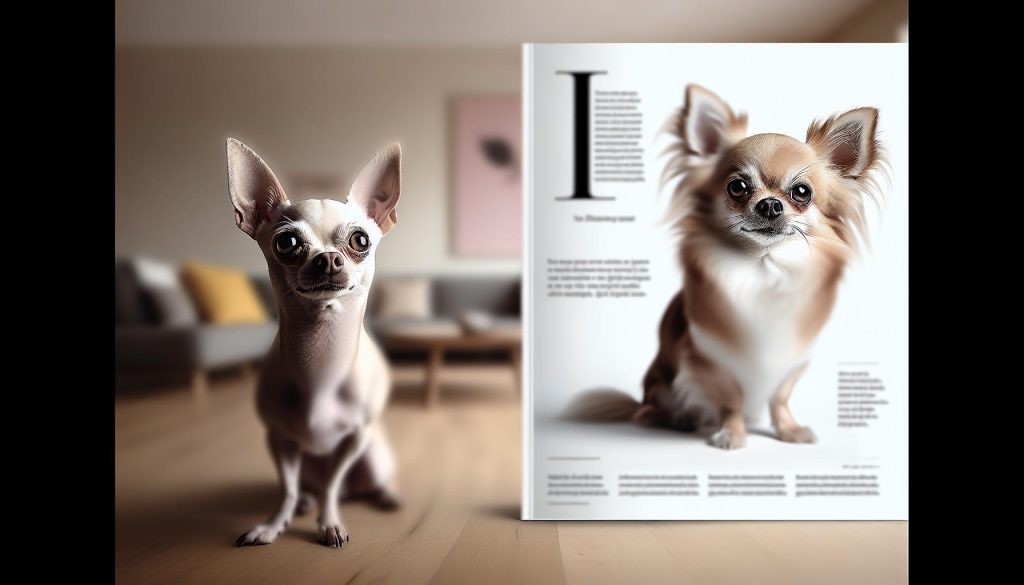
Have you ever noticed the different head shapes in Chihuahuas? Among the various types, the Deer Chihuahua is particularly fascinating. Known for their resemblance to the graceful deer, these pups feature a distinctive head shape that can be a topic of debate among breed enthusiasts. Understanding the differences in head shapes not only helps you appreciate the breed more but also aids in better care and socialization tailored to their unique characteristics.
The Deer Chihuahua, with its slightly longer snout and less pronounced domed head, is often seen as having a milder temperament compared to the more common Apple Head variety. This distinction can impact how they interact with other dogs and people, making it essential for both new and seasoned owners to recognize these traits. As we dive deeper into the head shape differences, we’ll explore their implications on health, behavior, and overall care, helping you build a stronger bond with your adorable companion. Keep reading to discover how these nuances can enhance your experience as a proud Chihuahua owner!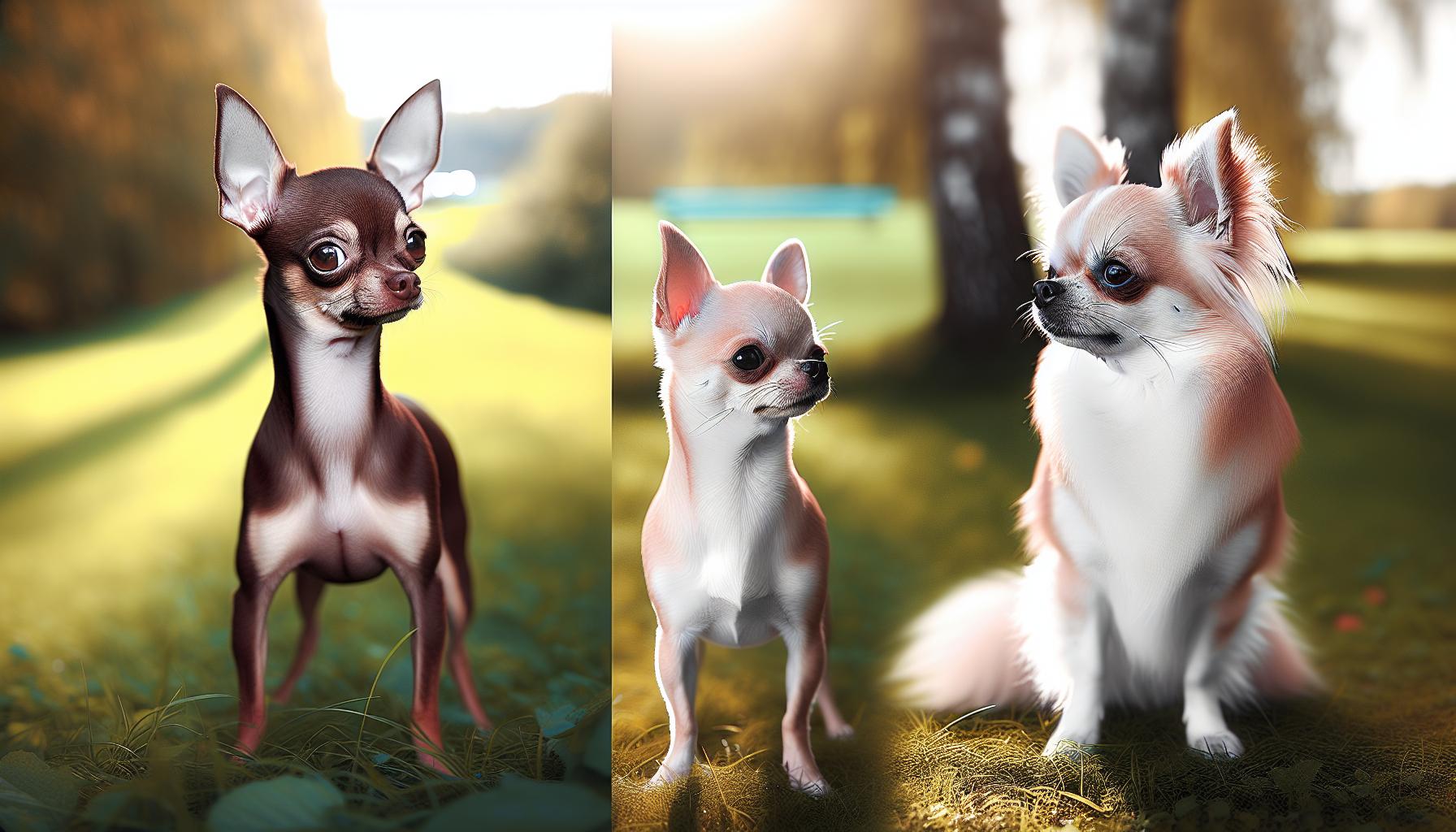
Understanding the Deer Chihuahua: What Makes Them Unique
Understanding the unique qualities of the Deer Chihuahua reveals why this breed captivates so many dog lovers. Known for their distinct head shape that resembles a deer, these Chihuahuas are much more than just a pretty face. Their heads are characterized by a longer, more tapered shape compared to the rounder Apple Head Chihuahua. This structural difference often leads to a deeper skull and a more refined appearance. Owners often note that this breed tends to have a slight advantage in temperamental tendencies, exhibiting more stable and playful behavior traits, which can be attributed to their physical characteristics.
One of their defining traits is their charming personality, which is marked by a generous dose of loyalty and boldness. Deer Chihuahuas are often praised for their vivacious nature, and many owners attest to their ability to form strong bonds with their families. They thrive on interaction, making them delightful companions for both active households and those looking for a snuggly lap dog. Their playful demeanor can lift spirits, but it’s important to monitor their energy levels to ensure they don’t overexert themselves during playtime.
Caring for a Deer Chihuahua encompasses several considerations that are vital for their health and happiness. Regular vet check-ups and a proper diet are essential, as this breed can be prone to dental issues and patellar luxation. Socialization is key to helping them develop confidence and good behavior around other animals and people. Many owners find success in incorporating training games into their routines, turning learning into fun activities that keep their Deer Chihuahua engaged.
These little dogs may come with some misconceptions; many people believe they are overly fragile or require excessive pampering. However, with the right care and understanding, Deer Chihuahuas can be adventurous and hearty dogs, exhibiting a spirit that belies their size. Embracing their unique quirks-whether that’s their ability to vocalize their opinions or their boldness in tackling big challenges-will enrich your experience as a Deer Chihuahua owner.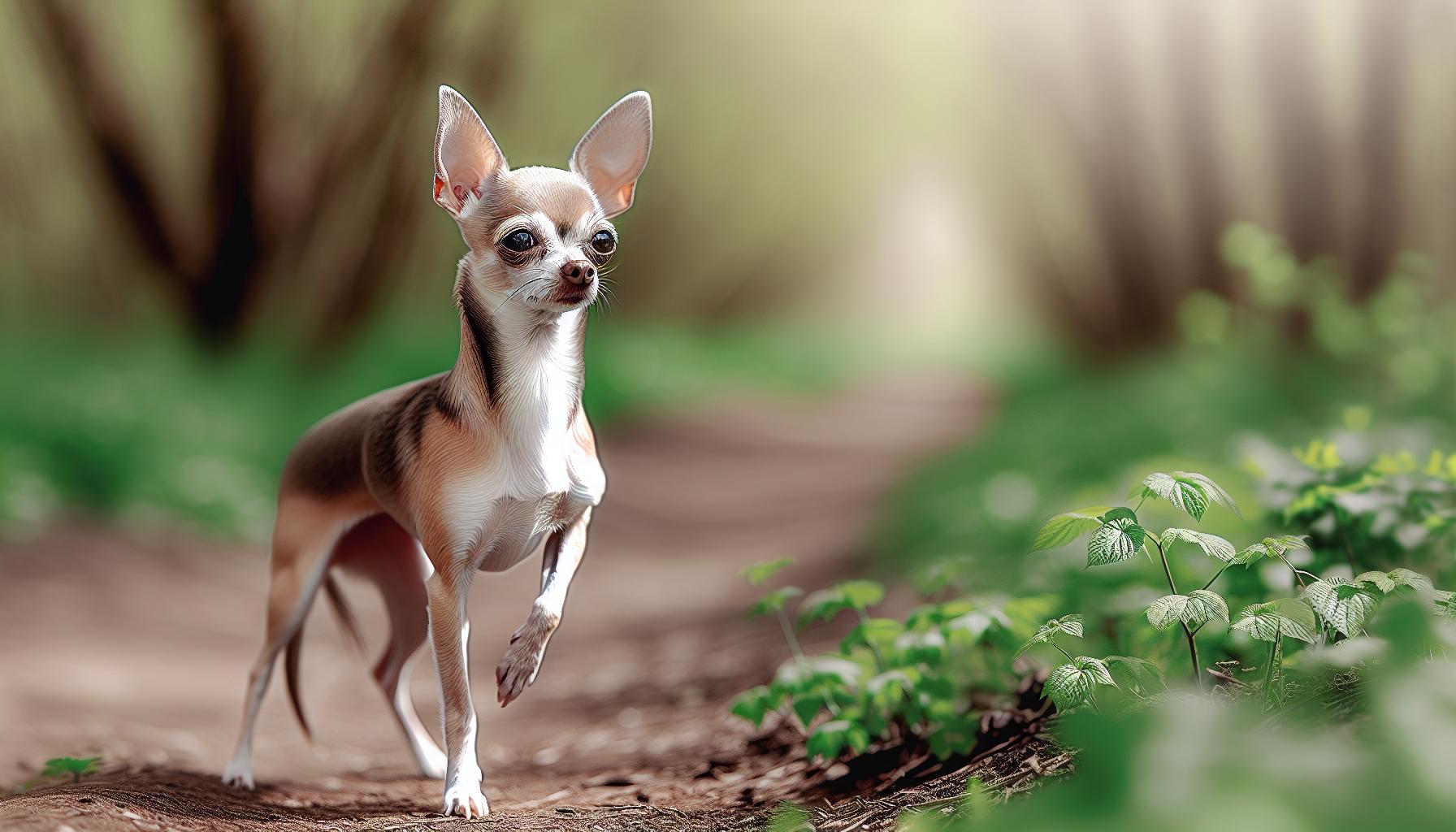
Key Differences: Deer Head vs. Apple Head Chihuahuas
The physical differences between Deer Head and Apple Head Chihuahuas are immediately noticeable and significantly impact each variety’s personality and behavior. While both types belong to the same breed, they possess distinct characteristics that set them apart, often influencing how they interact with the world and their human companions.
Deer Head Chihuahuas are known for their longer, more tapered heads, resembling the shape of a deer. This elegant structure not only gives them a refined appearance but can also contribute to a more stable temperament. Typically, Deer Heads have larger, more expressive eyes and a narrower snout. This head shape is often accompanied by a body that tends to be longer and a bit taller than that of their Apple Head counterparts. Owners frequently report that Deer Chihuahuas are often more playful and adventurous, exhibiting confidence that comes from their physical demeanor.
In contrast, Apple Head Chihuahuas are characterized by their round, globe-like heads, which can sometimes give them a more delicate appearance. This breed standard features a shorter snout, with a broad forehead that contributes to their cute and often cuddly look. While Apple Heads can be just as spirited, they sometimes display traits associated with a more reserved temperament. Many owners find that their Apple Head Chihuahuas have a tendency to be more protective and a bit clingier, which can be charming but may also require careful socialization from an early age.
When considering these differences, it’s essential to think about how each type aligns with your lifestyle. If you’re looking for a sociable and outgoing companion who enjoys interaction, a Deer Head Chihuahua may be a perfect match. However, if you prefer a buddy who’s a bit more inclined to cuddle and stay close, the Apple Head could be the one for you. Ultimately, both varieties bring their unique blend of personality traits, loyalty, and charm, enriching the lives of their owners in wonderful ways.
Physical Characteristics of Deer Chihuahuas
Deer Head Chihuahuas are celebrated for their striking and unique physical features that set them apart from their Apple Head counterparts. One of the most notable characteristics is their elongated, tapered heads, which resemble that of a deer. This elegant head shape contributes not only to their refined appearance but also often reflects a more stable and confident temperament. You’ll find that their large, expressive eyes give them an especially engaging look, capturing the attention of everyone around them.
When it comes to body structure, Deer Head Chihuahuas tend to be a bit taller and longer than Apple Heads. This translates to a leaner body type that is perfectly balanced with their elongated heads. Their bodies are typically slightly muscular, allowing them to be quite agile-perfect for those spirited little escapades they love to embark on. While these little dogs generally weigh between 4 to 6 pounds, their physical build gives them a sense of sturdiness that is endearing to many owners.
It’s essential to recognize that the coat types of Deer Head Chihuahuas can vary significantly, ranging from short to long hair. Short-haired varieties tend to have a sleek, shiny look, while long-haired Deer Heads often boast flowing, soft coats that require regular grooming to keep tangles at bay. Regardless of the coat type, their fur is typically simple to manage, making them suitable for first-time owners who may be learning the ins and outs of dog care.
In summary, understanding the helps in appreciating the breed’s charm and personality. Their distinct head shape and body structure not only contribute to their unique appearance but also to their temperament, making them a delightful choice for many pet lovers. With the right care and attention, your Deer Head Chihuahua can thrive and exhibit all the quirks and joyful traits that make this breed so special.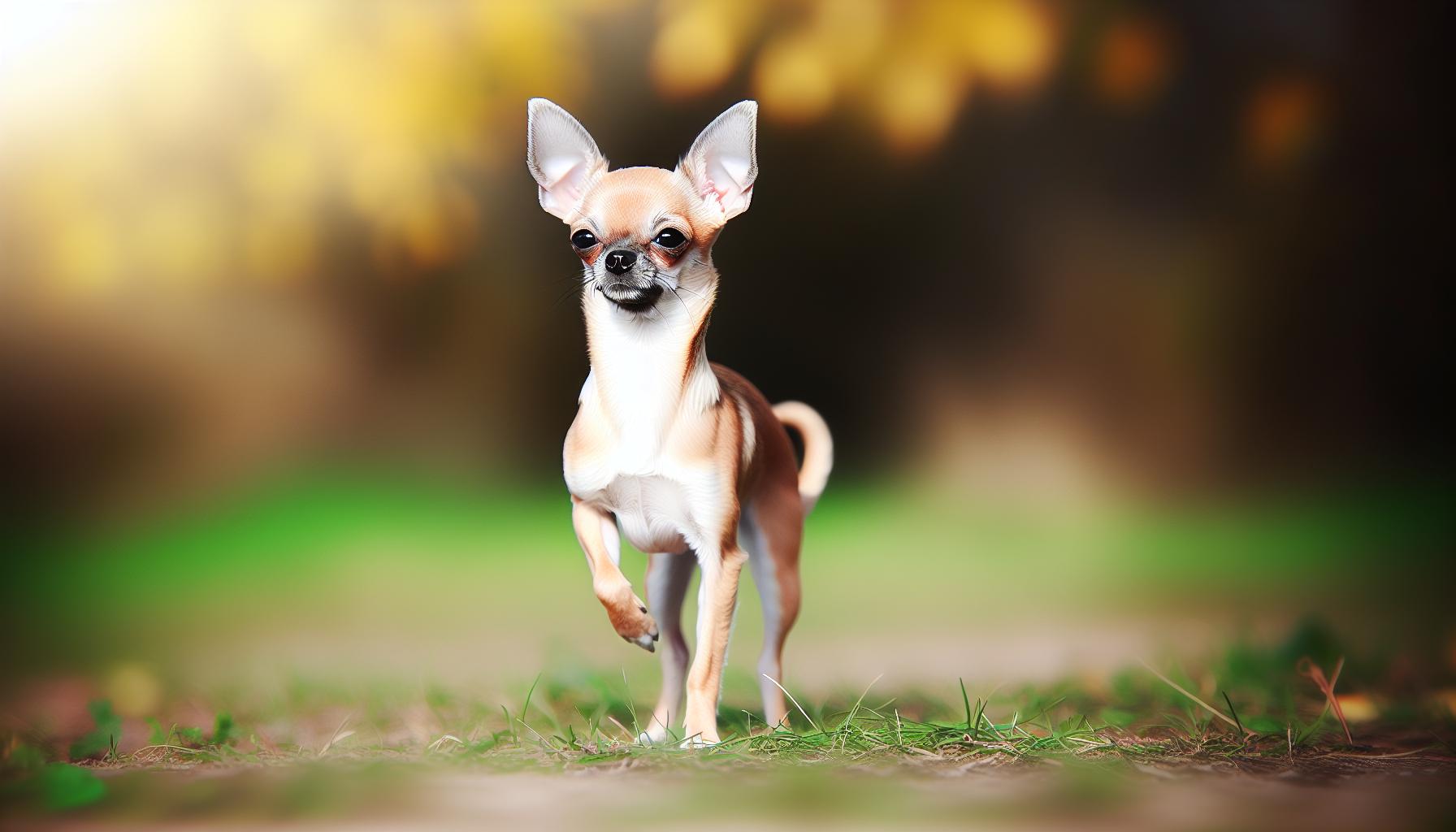
Behavior Traits: What to Expect from a Deer Chihuahua
Deer Head Chihuahuas are known for their vibrant personalities and unique quirks that make them a delightful companion for many dog lovers. They often display a charming blend of boldness and loyalty, which is truly characteristic of the breed. Many owners will tell you that their Deer Head Chihuahuas love to be the center of attention and are not shy about expressing themselves, whether through their vocalizations or their playful antics. This vocal nature means they may bark to greet you, alert you to visitors, or simply to engage in playful banter.
Socialization plays a crucial role in shaping the behavior of these little dogs. From an early age, exposing them to various environments, people, and other animals helps cultivate their confidence and reduces anxiety. A well-socialized Deer Head Chihuahua is likely to be friendly and approachable, making outings to parks or dog-friendly cafes enjoyable experiences. However, if they aren’t properly socialized, they might become wary of strangers and new situations, which could translate into fearful or overly protective behavior.
Deer Head Chihuahuas are also known for their affectionate nature. They thrive on companionship and often form strong bonds with their owners. You may notice that your Deer Head loves to snuggle, follow you around the house, or even curl up in your lap while you watch TV. This loyal disposition makes them excellent companions, but it’s important to remember that they can also be quite independent at times, showcasing that classic Chihuahua stubbornness.
In terms of training, their intelligence means they can learn commands quickly, but their spirited nature may require a patient and consistent approach. Positive reinforcement methods, such as treats or praise, work wonders. Providing mental stimulation through interactive toys or games can also help curb any excess energy and prevent boredom-related behaviors. Remember, the goal is to channel their vibrancy into constructive activities, which not only strengthens your bond but also enriches their lives.
Overall, owning a Deer Head Chihuahua means embracing a delightful mix of lively behavior and affectionate companionship. Their unique personality traits, when nurtured with care and attention, will undoubtedly bring joy and laughter into your home.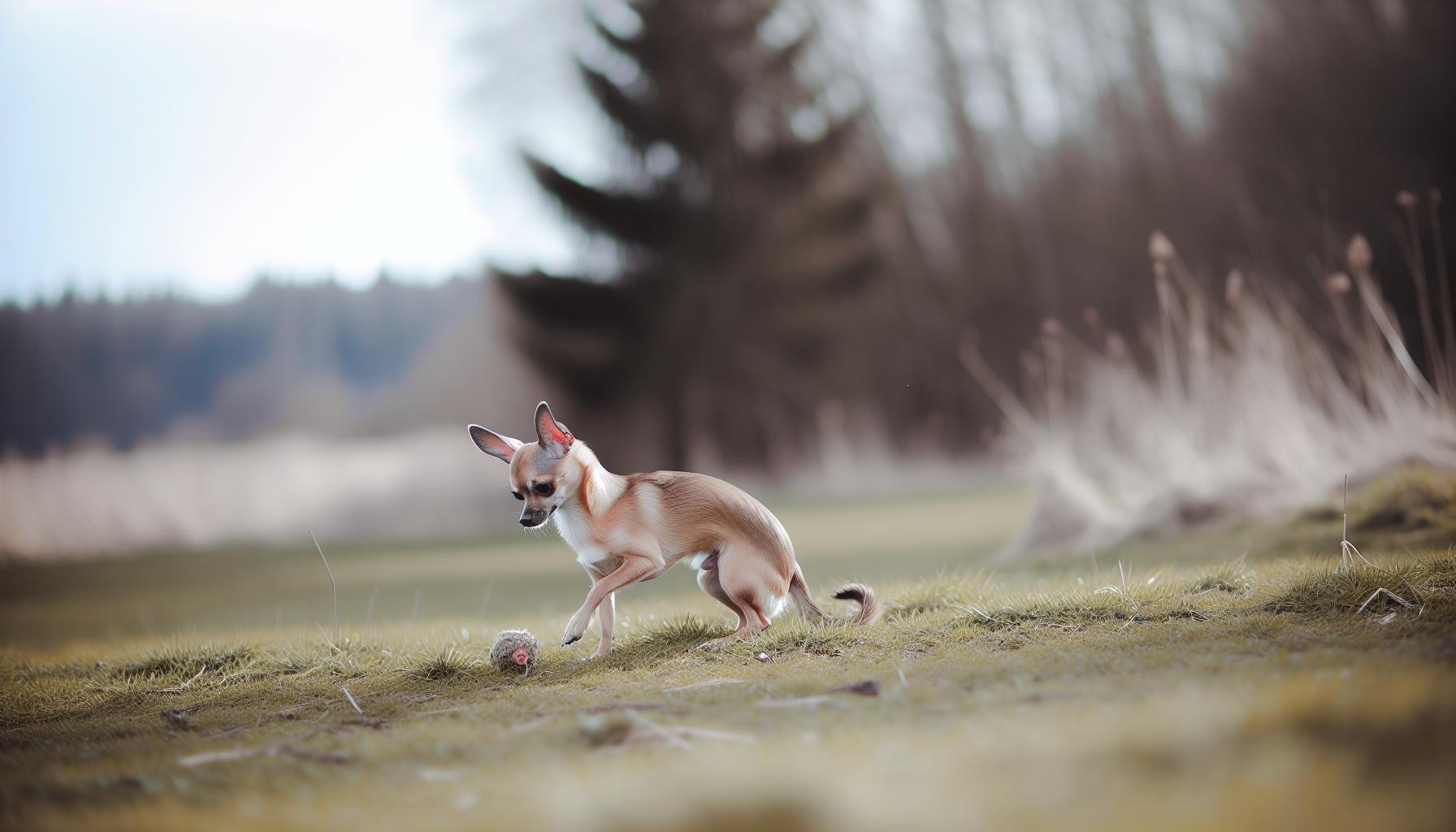
Health Considerations for Deer Chihuahuas
When it comes to ensuring the health and well-being of your Deer Head Chihuahua, understanding their unique characteristics and common health concerns is crucial. These little companions, celebrated for their bold personalities and playful energy, also have specific needs that require attention. Deer Chihuahuas are more susceptible to certain health issues than larger breeds due to their small size and distinct traits.
One common concern is heart health. Chihuahuas are prone to heart murmur, a condition often exacerbated by obesity. It’s essential to keep your Deer Chihuahua at a healthy weight through a balanced diet and regular exercise. Engaging them in daily walks or play sessions not only promotes fitness but also nurtures their social and behavioral skills.
Another important aspect is dental care. Due to their small jaws, these dogs may experience overcrowding of teeth, leading to dental diseases. Regular veterinary check-ups, along with routine brushing of their teeth, can help prevent some of these issues. Many owners also find that providing dental chews or using water additives can support oral hygiene.
In addition to heart and dental health, be attentive to joint issues. Chihuahuas can suffer from patellar luxation or other joint-related problems. To minimize risks, avoid excessive jumping and provide supportive bedding, especially as your Deer Chihuahua ages. Keeping an eye on any changes in their movement or behavior can lead to timely interventions.
Lastly, it’s worth noting that Deer Head Chihuahuas can be sensitive to temperature extremes. Their small size makes them susceptible to both heat and cold. Outfit your pup with seasonal gear, like a coat in winter or protective booties in hot summer months, to ensure their comfort. Real-life accounts from Chihuahua owners often emphasize how keeping their dogs comfortable and protected has led to happier, healthier pets.
Caring for your Deer Head Chihuahua involves understanding these health considerations while embracing their lively spirit. With proactive care and attention to their unique needs, you can enjoy many joyful moments together.
Caring for Your Deer Chihuahua: Essential Tips
Deer Chihuahuas are known for their striking looks and playful personalities, making them beloved companions. To ensure your Deer Chihuahua thrives, it’s essential to embrace both their physical and emotional needs. These little bundles of energy require thoughtful care and a warm, loving environment.
First and foremost, nutrition plays a crucial role in your Deer Chihuahua’s health. Given their small size, it’s tempting to overlook portion control or settle for lower-quality food. Use high-quality, breed-specific kibble that meets their nutritional requirements. Remember, obesity can lead to serious health issues, especially heart problems, which are common in Chihuahuas. Feeding your dog twice a day rather than free-feeding can help maintain a healthy weight. Also, consider incorporating healthy treats, such as small pieces of cooked chicken or carrots, during training sessions to keep their enthusiasm high while managing their weight.
Next, let’s talk about exercise and socialization. Deer Chihuahuas may be small, but they have big personalities and need regular physical activity to stay fit and mentally stimulated. Daily walks, playtime, and interactive toys help channel their energy positively. Additionally, socialization is crucial-exposing your Deer Chihuahua to various environments, people, and other animals can foster confidence and reduce anxiety. For instance, some owners find that visiting dog parks helps their Chihuahuas become more outgoing and less territorial.
Grooming is another important aspect of care. While Deer Chihuahuas usually require moderate grooming, regular brushing can help keep their coats healthy and reduce shedding. Consider a soft-bristle brush for their delicate skin and ensure you check their ears and teeth regularly. Dental health is vital, as Chihuahuas are prone to dental issues; brushing their teeth several times a week or providing dental chews can make a significant difference.
Finally, never underestimate the power of mental enrichment. Engaging your Deer Chihuahua’s mind with puzzle toys or training exercises can help curb destructive behaviors borne from boredom. Activities such as obedience training not only teach practical skills but also strengthen the bond between you and your furry friend.
By providing a balanced diet, regular exercise, proper grooming, and mental stimulation, you’ll ensure your Deer Chihuahua lives a happy and healthy life. Always listen to your dog’s needs and enjoy the journey of companionship, filled with all the charming quirks that make the Deer Chihuahua such a delight.
Common Myths About Deer Chihuahuas
There are many misconceptions about Deer Chihuahuas that can lead to misunderstanding their unique personalities and needs. One prevalent myth is that Deer Chihuahuas are “less valuable” than other types, such as the Apple Head. This is simply not true. The value of a Chihuahua, be it Deer or Apple, lies in their personality, companionship, and the joy they bring to your life. Many owners of Deer Chihuahuas will tell you that their pups are just as loving, loyal, and spirited as any other Chihuahua.
Another common belief is that Deer Chihuahuas are fragile due to their slender build and unique head shape. While it’s true that they are smaller and require some extra care, these dogs are surprisingly resilient. They thrive with proper management and nurturing, just like their Apple Head counterparts. Regular vet visits and a mindful approach to their activity level can keep them healthy and happy. Many owners report that their Deer Chihuahuas have just as much energy and playfulness as other breeds, proving that they can keep up with the best of them.
Additionally, there’s a notion that Deer Chihuahuas are not as trainable as other Chihuahuas. This couldn’t be further from the truth! Their intelligence is matched by their stubbornness, so early training and positive reinforcement are paramount. Owners who invest time in training their Deer Chihuahuas often find them to be quick learners who enjoy the challenge. Techniques such as clicker training, which provides instant feedback, can be particularly effective for this breed.
Finally, some believe that Deer Chihuahuas are less social or more “yappy” than other types. While all Chihuahuas can be vocal, personality traits vary widely among individuals. A well-socialized Deer Chihuahua, exposed to different environments and people from a young age, can be calm and confident. Regular outings to parks or playdates with other dogs can enhance their sociability and reduce excessive barking. All Chihuahuas, including Deer types, can be wonderfully well-adjusted pets with the right guidance and love.
Comparison: Deer Chihuahuas and Other Chihuahua Types
The Deer Chihuahua stands out distinctly from its Apple Head counterpart, not just in appearance but also in personality and care needs. Recognizing these differences can greatly enhance your understanding and relationship with your furry friend.
Deer Head Chihuahuas are named for their longer, more angular heads and elongated snouts, resembling a deer. This head shape contributes to a slightly taller stature, usually standing around 6 to 9 inches high. In contrast, Apple Head Chihuahuas have a rounder head and a more compact body, often being stockier. Owners often describe Deer Chihuahuas as having a more robust and sturdy feel, while Apple Heads tend to appear more delicate and dainty. For many Chihuahua enthusiasts, these variations can influence their personal preferences in choosing a companion.
When it comes to behavior, Deer Chihuahuas tend to be more social and adaptable. Their confident demeanor often makes them more receptive to new environments and experiences. In comparison, some Apple Head Chihuahuas might display more reserved behavior, particularly with unfamiliar people or pets. A Deer Chihuahua is likely to wade into new situations with curiosity, while an Apple Head may adopt a more cautious approach.
Training can also vary greatly between the two types. Deer Chihuahuas, with their intelligent yet sometimes stubborn nature, may respond well to positive reinforcement. Owners often find that early socialization and training yield positive results, leading to a well-mannered pet. Conversely, Apple Head Chihuahuas may be just as intelligent, but some owners report they can be more temperamental and may require different strategies to motivate them, especially if they have that trademark stubbornness.
Lastly, consider the health aspects of each type. Both Deer and Apple Head Chihuahuas can be prone to similar health issues like dental problems, patellar luxation, and heart disease. However, due to their differing physical characteristics, Deer Chihuahuas may face unique challenges related to their longer limbs and body structure, making regular vet check-ups essential for maintaining their health.
In summary, understanding the distinctions between Deer and Apple Head Chihuahuas can thrive when owners embrace their unique traits and care needs. Connecting with fellow Chihuahua enthusiasts through forums or local meetups can also provide valuable insights and support as you navigate the joys and challenges of raising your beloved pup.
Training Tips for a Well-Behaved Deer Chihuahua
Training a Deer Chihuahua can be an incredibly rewarding experience, especially when you consider their bold and playful nature. Early socialization and consistent training are key to developing a well-behaved companion. These charming little dogs thrive on mental stimulation and enjoy learning new tricks, making training not just a necessity but also a fun bonding activity. With their confident demeanor, Deer Chihuahuas can sometimes come across as stubborn, but with the right techniques, you can harness their intelligence and strong personality to your advantage.
To begin, focus on positive reinforcement. Deer Chihuahuas respond best to praise, treats, and the occasional play session as rewards for good behavior. Instead of scolding them for unwanted behaviors, redirect their attention and reward them when they comply. For example, if he barks at passersby, get his attention with a toy or treat, and once he’s quiet, offer a reward. This method reinforces the behavior you want to see and discourages barking without negative associations.
Establishing a Routine
Creating a consistent training routine is crucial. Conduct short, engaging training sessions that last about 5 to 10 minutes to keep your Deer Chihuahua focused. Regular practice at the same time each day-such as morning or evening after walks-helps him understand when to expect training and can make him more eager to participate. This predictability adds structure to his day, making him feel secure and engaged.
Socialization Opportunities
Exposure to different environments, people, and pets will help your Deer Chihuahua develop confidence and reduce anxiety in new situations. Take him on walks in diverse areas, invite friends over, and introduce him to various settings. The key is to make these experiences positive through treats and praise, reinforcing good behavior and adaptability. For example, if he encounters a friendly dog, encourage him to greet it while rewarding him for calm behavior.
Common Commands to Master
Start with basic commands like “sit,” “stay,” and “come.” Once he’s comfortable with these, introduce fun and slightly more challenging tricks like “roll over” or “spin.” Keeping sessions fun and adding variety helps maintain his interest. Many owners find success using clicker training to mark desired behaviors, providing immediate feedback that can enhance his learning.
In your journey with your Deer Chihuahua, remember that patience is paramount. Each dog is unique, and this breed is known for its strong personalities, which can lead to quirks in behavior. If your Deer Chihuahua doesn’t pick up a command right away, it’s important to remain calm and keep practicing. With love, guidance, and consistent training, your Deer Chihuahua will not only become well-mannered but also continue to excel as an endearing and loyal companion.
Debunking Misconceptions: Facts vs. Fiction
When it comes to Deer Chihuahuas, many misconceptions can cloud an owner’s understanding of these delightful companions. One prevalent myth is that Deer Chihuahuas are inherently aggressive or difficult because of their bold personalities. In reality, while they can be spirited and vocal, their behavior largely reflects their environment and the training they receive. With proper socialization and positive reinforcement, these dogs are not only loving but also quite playful and adaptable. Owners should embrace their Chihuahua’s spirited nature, using it as a foundation for developing a strong bond through play and training.
Another common misunderstanding is that all Chihuahuas are the same, particularly regarding their physical characteristics. Deer Head Chihuahuas, known for their longer snouts and distinctively shaped heads, differ significantly from Apple Head Chihuahuas, who have rounder, shorter skulls. This distinction is essential not just for aesthetic appreciation but also for understanding potential health issues. For example, Deer Chihuahuas may be less prone to certain dental problems that can affect their Apple-headed counterparts due to their jaw structure. Acknowledging these differences allows owners to make better decisions regarding health care and breeding practices.
Finally, some people believe that Deer Chihuahuas have more health issues than other types due to their appearance. While it’s true that all breeds can be susceptible to certain conditions, with responsible breeding practices and regular veterinary check-ups, many Deer Chihuahuas live happy, healthy lives. Owners should remain proactive about their pet’s health-regular check-ups and vaccinations can help catch any potential issues early. Encouraging healthy habits like exercise and a balanced diet will ensure your Deer Chihuahua thrives.
In short, it’s crucial for current and prospective owners to separate fact from fiction when it comes to Deer Chihuahuas. By gaining a clear understanding of their traits, behaviors, and needs, you can foster a deeper, more fulfilling relationship with your furry friend.
Choosing the Right Diet for Your Deer Chihuahua
is essential to their overall health and well-being. These playful, bold, and vocal companions have unique nutritional needs that can significantly impact their longevity and quality of life. Given their small size-often weighing just 4 to 6 pounds-it’s vital to provide a balanced diet that meets their energy levels while preventing obesity, a common concern among Chihuahuas.
A high-quality, nutrient-dense diet is the best choice. Look for dog food specifically formulated for small breeds, as these formulations often contain the right balance of protein, fats, and carbohydrates tailored to their unique physiology. A diet rich in animal proteins helps maintain muscle mass, while healthy fats support their energy needs and promote a shiny coat. When selecting dry kibble, check for ingredients like chicken meal, fish meal, or lamb meal as primary components. Avoid fillers like corn and soy, which offer little nutritional value and can contribute to gastrointestinal issues.
Feeding Frequency
Due to their tiny tummies, Deer Chihuahuas benefit from multiple small meals throughout the day. Aim for three to four meals spaced evenly, which not only aids digestion but also keeps their energy levels stable. Additionally, consider mixing in some wet food or a little water to their kibble, as this can enhance palatability and encourage hydration.
Understanding Treats
Treats are a delightful part of the Chihuahua experience but should be used sparingly. Opt for healthy options like small bits of fruit or veggies, such as carrots or apples (without seeds), as they can provide beneficial nutrients without excess calories. Keep in mind that training sessions can incorporate these treats, making it easy to strengthen your bond while ensuring they remain within their daily caloric allowance.
Common Dietary Questions
Many first-time owners ask about the role of supplements in their Deer Chihuahua’s diet. Typically, if you are feeding a complete and balanced diet, additional supplements may not be necessary. However, if your Chihuahua has specific health concerns, such as dental issues, a vet might recommend particular vitamins or minerals to avoid deficiencies. Always consult your veterinarian before introducing any new supplements.
Remember, each Deer Chihuahua is unique, and diet preferences may vary. Observing how your dog responds to different foods can help you tailor a plan that best suits their needs. By providing thoughtful care in their nutrition, you’ll not only help maintain a healthy weight but also enjoy their spirited personality for many years to come!
Real Owner Experiences: Living with a Deer Chihuahua
Living with a Deer Chihuahua is an experience filled with joy and personality. These little pups, often characterized by their unique head shape and slender bodies, pack a surprising amount of energy and boldness into their small frames. Owners frequently marvel at their playful nature. For instance, one owner shared how her Deer Chihuahua named Bella never fails to greet visitors with enthusiastic barks and a wagging tail, making her a tiny yet mighty protector of the home.
Their vocal tendencies can sometimes lead to challenges, especially in apartment settings. Many Deer Chihuahuas are alert and instinctively bark at unfamiliar sounds, which can become a point of contention with neighbors. However, this trait can be managed with proper training and socialization from a young age. Owners are encouraged to expose their Deer Chihuahua to various environments and people, helping them distinguish between normal sounds and potential threats. A well-socialized Deer Chihuahua is often more relaxed and less prone to excessive barking.
Health and Care Considerations
Health considerations are paramount for Deer Chihuahuas. Due to their size, they can be prone to dental issues and patellar luxation. Owners must monitor their dental health carefully, as many Chihuahuas will experience problems by the time they’re adults. Regular vet check-ups and creating an oral care routine can prevent significant health problems down the line. One owner noted that introducing dental chews and regular brushing not only kept his dog’s teeth clean but also became a bonding activity.
Caring for a Deer Chihuahua also means understanding their dietary needs. These dogs thrive on a high-quality, nutrient-rich diet tailored to their unique size and energy levels. Many long-time Chihuahua owners, such as Sarah, have found success in feeding their pets small, frequent meals to maintain their energy and keep them from becoming overweight. She emphasizes the importance of keeping treats healthy and limited, opting for fruits and vegetables like carrots or small apple chunks.
Real-Life Experiences
Every Deer Chihuahua owner brings a unique perspective shaped by their pup’s quirks. For example, one proud owner shared the story of how her Chihuahua, Max, loves to snuggle under the covers at night. This behavior, though adorable, reflects their need for warmth and safety, typical for the breed. Additionally, it highlights how Deer Chihuahuas are not just pets; they become beloved members of the family with their loyalty and warmth.
In summary, owning a Deer Chihuahua means embracing their spirited nature, being attentive to their health, and fostering a supportive environment that caters to their energetic and sociable personality. With the right care and understanding, your life with a Deer Chihuahua will be as enriching as it is delightful, creating countless joyful moments and a deep bond that lasts a lifetime.
Q&A
Q: What are the main differences between a Deer Chihuahua and an Apple Head Chihuahua?
A: The main differences lie in their head shapes. Deer Chihuahuas have a longer, more elongated head resembling that of a deer, while Apple Head Chihuahuas feature a rounder, more domed cranium. This variation affects their overall appearance and sometimes their behavior. For more details, see Key Differences: Deer Head vs. Apple Head Chihuahuas in the article.
Q: Are Deer Chihuahuas more prone to health issues compared to other types?
A: While all Chihuahuas can face health challenges, Deer Chihuahuas generally have fewer breed-specific health concerns. Their sturdier build may contribute to better health. Regular veterinary check-ups and a balanced diet, discussed in Health Considerations for Deer Chihuahuas, are essential.
Q: How can I train my Deer Chihuahua effectively?
A: Training a Deer Chihuahua requires consistent and positive reinforcement methods. Start with basic commands and gradually introduce more complex tasks. As highlighted in the article’s Training Tips, use treats and praise to motivate them, making training sessions short and fun to maintain their interest.
Q: What unique behavioral traits do Deer Chihuahuas exhibit?
A: Deer Chihuahuas often show a loyal, playful, and energetic personality traits. They may be more social than other types, which can enhance your relationship with your pet. Explore more in Behavior Traits: What to Expect from a Deer Chihuahua in the article.
Q: Is it difficult to care for a Deer Chihuahua compared to other breeds?
A: No, caring for a Deer Chihuahua is not more difficult than other breeds. They require regular exercise, a proper diet, and socialization. The Caring for Your Deer Chihuahua section offers essential tips to make pet ownership manageable and enjoyable.
Q: What is the lifespan of a Deer Chihuahua?
A: Deer Chihuahuas typically live between 12 to 20 years, similar to other Chihuahua varieties. Their lifespan can be influenced by genetics, health, and care. Refer to Health Considerations for Deer Chihuahuas for advice on enhancing their longevity.
Q: Are there common myths about Deer Chihuahuas that owners should be aware of?
A: Yes, a common myth is that Deer Chihuahuas are less affectionate than Apple Heads. In reality, they are often just as loving and loyal. The article’s section on Common Myths About Deer Chihuahuas debunks these misconceptions for better understanding.
Q: Can Deer Chihuahuas be trained to do tricks like other breeds?
A: Absolutely! Deer Chihuahuas can learn tricks just like any other breed. Their intelligence allows them to pick up commands and tricks quickly when trained consistently. Check out Training Tips for a Well-Behaved Deer Chihuahua for more specific strategies.
In Summary
Understanding the differences in head shape among Deer Chihuahuas not only helps you appreciate this unique breed but also enhances your overall experience as a owner. From their charmingly slender heads to their vibrant personalities, these little companions bring joy and loyalty to our lives. Whether you’re new to Chihuahuas or a seasoned enthusiast, there’s always more to explore about their health, behavior, and care.
Don’t miss our guide on Caring for Your Chihuahua’s Unique Needs and dive into the quirks of Chihuahua Behavior, which will offer insights that can strengthen your bond with your furry friend. Join our community by signing up for our newsletter for the latest tips and updates. Your Deer Chihuahua deserves the best, and together, we can celebrate every tiny, bold moment! Share your thoughts and experiences in the comments below-let’s keep the conversation going about our beloved Chihuahuas.
Get our latest guides, news, and insights highlighted in your Google Search & AI Overviews.