
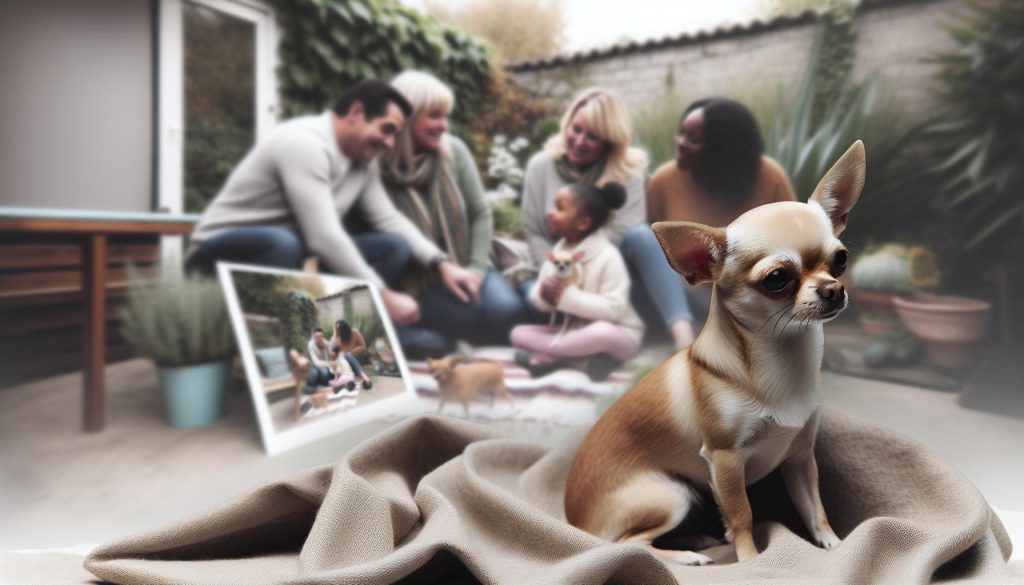
Chihuahuas are not just the smallest dog breed; they are packed with personality and charm. Known for their fierce loyalty and bold attitudes, these little companions can bring so much joy-and occasionally a bit of chaos-into your life. Whether you’re a first-time dog owner or adding to your furry family, understanding the unique traits, health concerns, and care tips specific to Chihuahuas is essential. From their distinctive apple-head features to their variety of coat types, Chihuahuas come with quirks and joys that can captivate any dog lover. As you dive into this complete breed overview, you’ll discover valuable insights that help you build a strong, loving relationship with your new best friend. Ready to explore all things Chihuahua? Let’s get started!
Understanding the Chihuahua: A Complete Overview
Their tiny stature may mislead you, but Chihuahuas possess an undeniable presence and charming personality that captivates many dog lovers. Recognized as one of the world’s smallest dog breeds, the Chihuahua combines elegance with a spirited attitude, making them a beloved companion. With a rich history that traces back to ancient Mexico, these dogs were revered for their loyalty and have, over time, carved out a special niche in the homes of families and individuals alike.
Chihuahuas are generally known for two distinct head shapes: apple-head and deer-head. The apple-head variety boasts a rounded skull and a more pronounced forehead, while the deer-head features a longer muzzle and a flatter skull. This breed typically weighs between 2 to 6 pounds and stands approximately 6 to 9 inches tall. Their coat comes in various types-smooth, long, and even a mix of both-and a wide array of colors, including fawn, black, chocolate, and more. Owners delight in this diversity, as it allows for a personal touch when choosing their companion.
As small as they are, Chihuahuas carry themselves with a bold confidence that can be surprising. They are known for being vocal and protective, often forming strong, loyal bonds with their owners. However, this temperament also calls for a responsible approach to training and socialization. Early exposure to different people, pets, and environments is essential to nurture their confidence and curb any tendencies towards overprotectiveness. It’s not uncommon for a Chihuahua to become quite attached to their human, reveling in every opportunity to be the center of attention.
For prospective owners, understanding the unique needs and challenges of this breed is crucial. Regular veterinary check-ups, a healthy diet, and suitable exercise are fundamental for their well-being. Their small size means they are best suited to families or individuals who can provide a safe, loving environment. Importantly, while they may seem delicate, they thrive on affection and companionship. This breed is not just a pet; they are a dynamic addition to any household that is prepared to embrace their spirited nature and care for their needs.
Chihuahua Breed History: Origins and Development
The Chihuahua, with its striking presence and deep-rooted history, beckons dog lovers from all walks of life. Believed to originate from Mexico, these featherweights were named after the Mexican state of Chihuahua, where the breed was first recognized in the mid-1800s. However, their lineage can be traced back to the ancient civilizations of Central and South America. Archaeological finds suggest that a small dog closely resembling the Chihuahua existed thousands of years ago and was revered by the Toltec civilization. They were often associated with spiritual practices and served as companions to the elite.
Chihuahuas are unique for their two distinct head shapes: the apple-head and the deer-head. The apple-head type, which features a rounded skull and prominent forehead, has become particularly popular in modern times, while the deer-head, with its elongated muzzle and flatter skull, harkens back to the breed’s more ancient roots. This diversity not only adds to their charm but also reflects the breed’s evolution over centuries.
When considering the development of the Chihuahua, it’s important to highlight their role as companions-an aspect that remains central to their identity today. Despite their tiny size, Chihuahuas carry a regal air and a bold personality that can surprise many. Their vocal nature and unwavering loyalty make them exceptional companions, but they also require understanding and patience from their owners. Early socialization is crucial; these little dogs thrive when exposed to varied environments and experiences, helping to foster their inherent confidence while mitigating potential wariness of strangers.
Chihuahuas are more than just a fashionable breed; they are a living connection to a rich tapestry of history and culture. As a prospective owner, embracing this breed means appreciating its storied past and unique attributes. The commitment to providing a responsible and loving environment for your Chihuahua will honor the legacy of this remarkable companion dog, enabling it to thrive as a cherished member of your family.
Physical Characteristics: Size, Coat Types, and Colors
Chihuahuas are often described as “small but mighty,” and their physical characteristics play a significant role in their unique charm. With their diminutive size and bold presence, these little dogs have a way of capturing hearts. Generally, Chihuahuas weigh between 2 to 6 pounds and stand about 5 to 8 inches tall at the shoulder, making them one of the smallest dog breeds. Their size allows them to thrive in various living situations, from apartments to houses, but it also makes them vulnerable, so careful handling and supervision are essential.
In terms of coat types, Chihuahuas can be divided into two primary categories: smooth coat and long coat. Smooth-coated Chihuahuas have a short, shiny, and flat coat that lies close to the body, requiring minimal grooming. On the other hand, long-coated Chihuahuas feature a much fluffier coat that often has a soft texture. These dogs typically need more regular grooming to prevent tangles and matting, especially around the ears and underarms. Regardless of coat type, all Chihuahuas are known to shed, so regular brushing can help manage this and keep their fur healthy.
Chihuahuas come in a stunning array of colors and patterns that add to their unique appearance. Common colors include fawn, black, white, chocolate, cream, and even shades of blue or lilac. They can also exhibit patterns such as brindle, spotted, or sable, which further highlights their individuality. This diversity in colors means that whether you prefer a classic fawn or an exotic merle, there’s a Chihuahua out there that will suit your style perfectly.
To summarize, understanding these physical characteristics-size, coat types, and colors-can help you appreciate the breed even more. Chihuahuas embody a delightful combination of cuteness and personality that continues to win the hearts of dog lovers worldwide. Their small stature, combined with their vibrant colors and unique coats, ensures that they will always stand out, both in looks and temperament.
Chihuahua Temperament: What to Expect as a Pet Owner
Chihuahuas are packed with personality, proving that size truly doesn’t define a dog’s heart. These tiny companions are known for their vibrant and spirited nature. As a Chihuahua owner, you’ll quickly discover that your little friend is a bold character, often brimming with confidence that belies their small stature. From their loyalty to their feisty attitudes, understanding their temperament is key to nurturing your bond and ensuring a harmonious living environment.
One of the most charming traits of Chihuahuas is their loyalty. They form strong attachments to their owners and can be incredibly protective. Many owners report that their Chihuahuas closely follow them around the house, always eager to be by their side. This loyalty, however, can develop into separation anxiety if not properly managed. To help your Chihuahua feel secure when you leave, consider crate training and leaving them with a favorite toy or blanket. Remember that providing a safe space can ease anxiety and help them feel more comfortable during your absences.
Chihuahuas can be vocal, which is both a part of their charm and a challenge for some owners. They tend to bark at the slightest noise, making them excellent watchdogs. This barking can sometimes escalate into excessive noise, particularly if not managed through training and socialization. Early exposure to various sounds and experiences can help your Chihuahua become more accustomed to everyday life, reducing unnecessary barking. Engaging in training sessions that reward quiet behaviors can also reinforce a more serene atmosphere at home.
It’s important to acknowledge that Chihuahuas have strong personalities and can be assertive, often believing they’re the ruler of their domain. They may exhibit behaviors like stubbornness or a tendency to dominate during playtime with larger dogs. To foster positive interactions and mitigate aggressive tendencies, socializing your Chihuahua with other dogs and people from a young age is essential. Socialization helps them learn appropriate behaviors and builds their confidence when encountering new situations.
In conclusion, being prepared to embrace the spirited nature of Chihuahuas will enrich your ownership experience. These dogs shine best in environments where their boldness is celebrated, and their loyalty reciprocated. Providing consistent training, socialization, and understanding will help create a loving and respectful relationship between you and your beloved Chihuahua. Your journey with them will undoubtedly be filled with laughter, companionship, and the affectionate quirks that make Chihuahuas a truly unique breed.
Training Your Chihuahua: Tips for Success
Training Chihuahuas can be a delightful journey filled with fun and learning. These little dogs carry a big personality, which means their training requires a blend of consistency, patience, and positivity. Chihuahuas are intelligent but sometimes can be a bit stubborn; however, when approached correctly, they respond well to training. Whether you’ve just welcomed a tiny apple-head or a more feisty deer-head Chihuahua, understanding their unique temperament will significantly enhance your training success.
To start, keep training sessions short but engaging. Chihuahuas have attention spans similar to their size; around 5 to 10 minutes per session is ideal. You might want to use high-value treats-think tiny bits of cooked chicken or cheese-to reward good behavior. This is crucial, as Chihuahuas are motivated by food, and rewarding them immediately after a desired action helps reinforce that behavior. For example, if your Chihuahua sits on command, offer a treat right away, followed by lots of praise. This positive reinforcement is key to building a trusting relationship.
Socialization is another critical aspect of training. Exposing your Chihuahua to different environments, people, and other animals from a young age can help them develop into well-adjusted adults. Taking them to dog parks or busy streets can seem overwhelming, but encouraging gradual exposure can foster their confidence. Pair these experiences with treats and cheerful reinforcement to create a positive association. For instance, if your dog is nervous around other dogs, give them treats and praise when they remain calm in their presence.
Consistency is paramount in establishing boundaries and expectations. Chihuahuas thrive when they know what to expect, so maintaining a consistent command structure will help them learn more efficiently. For example, using the same command for “sit” every time you want them to do that action prevents confusion. It’s also beneficial to involve all family members in the training process, ensuring everyone uses the same commands and methods, which strengthens their understanding and compliance.
Finally, remember that Chihuahuas are little powerhouses of energy. Incorporating playtime into training can keep them engaged and help burn off excess energy. Use toys for tug-of-war or fetch to teach them commands in a fun way. Chihuahuas love to show off their tricks, so consider teaching them fun skills like spinning or rolling over to keep their spirits high.
In summary, training a Chihuahua takes commitment, creativity, and love. Celebrate their quirky and tenacious nature, and you’ll create a strong bond that transforms training into an enjoyable experience. With the right approach, your Chihuahua will thrive both in obedience and in their overall well-being, making every moment you spend training together worthwhile.
Health Considerations: Common Issues and Care Needs
Chihuahuas may be small, but they come with their share of health considerations that every owner should be aware of. These delightful companions are prone to certain health issues largely due to their unique size and structure. Early recognition and proactive care can help ensure your Chihuahua lives a long, vibrant life.
Common Health Issues
Chihuahuas can be susceptible to several health concerns, including:
- Heart Problems: Conditions like mitral valve disease are prevalent in older Chihuahuas. Regular veterinary check-ups can help catch heart issues early.
- Dental Disease: Due to their small mouths, Chihuahuas often struggle with dental issues. Daily brushing and dental chews can help maintain dental hygiene.
- Patellar Luxation: This knee condition, where the kneecap dislocates, is common. Keeping your dog at a healthy weight is crucial to minimize strain on their joints.
- Hypoglycemia: Chihuahuas can experience low blood sugar, particularly puppies. Feeding small, frequent meals and monitoring their behavior can aid in prevention.
- Trauma: Their small size makes them more prone to injuries from falls or rough play. Always supervise interactions with larger dogs.
Regular Vet Visits
To keep your pet healthy, establish a routine of regular veterinary visits. Annual check-ups can help identify issues before they become serious. Your vet will likely suggest vaccinations, dental cleanings, and parasite prevention as part of your Chihuahua’s health plan.
Preventive Care
Aside from regular check-ups, preventive care is key to managing a Chihuahua’s health. Here are some best practices:
- Nutrition: Feeding high-quality dog food specifically formulated for small breeds can help prevent obesity and other weight-related issues.
- Exercise: Regular short walks and playtime are crucial. Despite their small size, Chihuahuas are energetic and benefit from regular activity.
- Grooming: Frequent brushing helps manage their coats, particularly in long-haired varieties, and promotes skin health.
By staying informed and proactive, you can ensure that your Chihuahua thrives despite any potential health challenges. Your bond will only deepen as you trudge through the ups and downs of dog ownership together. Remember, your little companion relies on you for loving care and support to navigate their unique health needs effectively.
Grooming Your Chihuahua: Best Practices for a Healthy Coat
Keeping your Chihuahua’s coat looking fabulous is an essential part of responsible pet ownership. These tiny companions, known for their bold personalities and striking looks, come in two primary coat types: short-haired and long-haired. Regardless of which type you have, grooming is not just about aesthetics-it’s vital for their overall health and well-being.
For short-haired Chihuahuas, brushing once a week with a soft-bristle brush is usually sufficient. This helps to remove loose hairs and distribute natural oils throughout the coat, ensuring a shiny appearance. If your Chihuahua seems to shed more than usual, consider increasing the frequency during shedding season. On the other hand, long-haired Chihuahuas require more regular grooming, ideally several times a week, to prevent tangles and mats. A slicker brush or a wide-toothed comb works wonders on their longer fur, especially around the ears and tail, which can be prone to knots.
Bathing is another crucial aspect of grooming. Chihuahuas don’t need frequent baths-typically, every two to three months is enough, unless they get dirty or have had a little misadventure in the mud. Use a gentle dog-specific shampoo that won’t irritate their sensitive skin. After the bath, ensure you’re thoroughly drying them off, as they can get cold quickly, especially in cooler weather.
Additionally, don’t forget about the importance of dental care, which is often overlooked. Due to their small mouths, Chihuahuas can be prone to dental issues. Aim for daily brushing with dog-friendly toothpaste to keep their teeth healthy. And of course, regular nail trimming is a must; a good rule of thumb is to check their nails every couple of weeks. If you can hear their nails clicking on the floor, it’s time for a trim.
Ultimately, grooming is a bonding activity that allows you to check for any skin issues, bumps, or parasites while giving your Chihuahua some much-deserved pampering. Remember, your grooming routine should be a positive experience, filled with praise and treats. By integrating these best practices into your care routine, you’ll not only keep your little friend looking beautiful but also contribute to their overall health and happiness.
Nutrition Needs: Feeding Guidelines for Chihuahuas
Feeding a Chihuahua can be a delightful experience, as these little companions have big personalities and specific nutritional needs that make their diet crucial to their overall health. Given their small stature, it’s essential to understand that Chihuahuas require a balanced diet tailored to their unique metabolic rate. Overfeeding is a common mistake, leading to obesity-a significant concern among this breed. A well-maintained weight not only supports their mobility but helps stave off health issues that can arise from excess weight.
When choosing food for your Chihuahua, opt for high-quality, breed-specific kibble designed for small dogs. These formulas are often richer in essential nutrients and formulated to support the energy requirements of active little pups. Look for ingredients such as real meat as the first ingredient, whole grains, and vegetables. Chihuahuas thrive on high-protein diets, so providing premium sources of protein-like chicken, beef, or fish-should be a preference. Check the package for recommended feeding amounts based on your Chihuahua’s weight, age, and activity level to help you stay on track with their dietary needs.
Maintaining a consistent feeding schedule is also key. Most owners find that feeding their Chihuahua two small meals per day works best. This approach helps prevent hunger pangs and manages their metabolism effectively, ensuring they have the energy to explore and play as they love to do. Be attentive to their reactions; if your Chihuahua seems overly eager for food or more lethargic than usual, it may be worth discussing their diet with your vet.
Don’t forget to account for treats! While Chihuahuas are typically motivated by food, moderation is vital here too. Choose healthy, low-calorie treats suitable for small breeds to ensure your pet remains healthy and satisfied. These little furballs can also benefit from the occasional fresh fruit or vegetable snack-think small pieces of carrot or apple-but always check for safety before introducing anything new to their diet.
Lastly, remain vigilant about hydration. Chihuahuas, often experiencing dental issues, can sometimes consume less water than needed, so encourage her to drink frequently. Keeping fresh, clean water available at all times is essential. With care and attention to their dietary needs, your Chihuahua will not only enjoy delicious meals but also thrive in health and happiness!
Socialization for Chihuahuas: Building Confidence and Friendships
To help your Chihuahua thrive, socialization is a key factor not to be overlooked. These pint-sized pups carry big personalities, and introducing them properly to the world around them can help them blossom into confident companions or, at the very least, lessen the chances of them becoming overly vocal or anxious in new situations. Studies show that early social exposure reduces fearfulness and enhances adaptability, making it crucial for Chihuahuas, who may already have a naturally cautious disposition.
Begin socializing your Chihuahua as early as possible, ideally within the first few months of life. If you adopt an older dog, don’t fret; it’s never too late! Take your furry friend out to various settings-parks, pet stores, or even local cafes with pet-friendly patios. This exposure helps them learn to navigate different environments, sounds, and smells without becoming overwhelmed. Consider scheduling playdates with other vaccinated dogs, especially small breeds who can relate to your Chihuahua’s size and energy level.
Building Confidence Through Positive Experiences
Utilize positive reinforcement to create a pleasant association with new experiences. Bring along tasty treats to reward your Chihuahua for calm behavior when introduced to new people, pets, or environments. This consistent practice helps your little friend understand that the world is a safe place filled with exciting adventure rather than something to fear. For instance, if your Chihuahua meets a friendly Golden Retriever, give treats and praise when she stays calm-this teaches her that bigger dogs can be friends too!
While fostering relationships with other pets is beneficial, don’t forget about the importance of human interaction. Encourage family members and friends to stop by and offer her treats. The more gentle and friendly faces she meets, the more she will recognize that humans are indeed wonderful companions.
Avoiding Overwhelm
However, be mindful not to inundate your Chihuahua with too many new experiences at once. Chihuahuas can become easily overwhelmed, leading to stress and anxiety, which can counteract your efforts. Keep socialization sessions short and positive; aim for about 5-15 minutes depending on your dog’s comfort level. Gradually increase both the duration and intensity of the experiences as she becomes more confident.
Incorporating a mix of positive social interactions will help your Chihuahua embrace the world with open paws. Remember, she relies on you to guide her through these adventures, so patience and encouragement are key. A well-socialized Chihuahua isn’t just a joy to be around; she’s also a happier, healthier version of herself, ready to engage with the world and everything in it!
Living with a Chihuahua: Space, Environment, and Lifestyle
Living with a Chihuahua is a delightful experience, rich with companionship and charm. These little dogs, often weighing just 2 to 6 pounds, thrive in various environments, but their unique needs must be considered to ensure they flourish. Despite their diminutive size, Chihuahuas possess larger-than-life personalities-vocal, loyal, and bold. Adaptability and understanding are key when integrating one into your home.
Chihuahuas often do well in apartments or smaller living spaces, as their exercise needs can typically be met through indoor play and short daily walks. However, providing a structured routine is essential. Regular physical play helps keep them happy and healthy. A simple game of fetch or a quick trip to a secure yard can expend their energy while strengthening the bond between you. Remember, Chihuahuas love being the center of attention, so incorporating them into your routine is crucial.
Creating a Cozy Environment
When it comes to their living environment, comfort is vital. Chihuahuas enjoy warmth and security, so consider providing them with a cozy bed in a designated area of your home. Many owners find that Chihuahuas appreciate snuggling in soft blankets or small dog cushions. These items give them a sense of safety and can help reduce anxiety. Ensure their space is relatively quiet, away from loud noises, which can be overwhelming for them.
Moreover, keep in mind that, while they love being pampered, Chihuahuas also need boundaries to feel secure. Designate safe spots where they can retreat when feeling overwhelmed, whether it’s a dog crate, a designated room, or under a coffee table-somewhere they feel sheltered but not isolated from family activity.
Socializing Your Chihuahua
While individual personality can greatly vary, many Chihuahuas are open and friendly with people and other pets. Early and consistent socialization is crucial in ensuring your dog grows comfortable and confident in different environments. Introduce her to a variety of people, pets, and experiences. Consider arranging playdates with other dogs or taking her on outings to pet-friendly spaces. Positive experiences in social settings will build her confidence and reduce the likelihood of developing anxiety or aggression.
Bear in mind, Chihuahuas can be quite protective of their family. This can manifest in barking at strangers or being cautious around unfamiliar animals. Ongoing exposure to different environments, along with positive reinforcement, will help her navigate these situations smoothly, ensuring she remains a cheerful and confident companion.
In conclusion, living with a Chihuahua can be incredibly fulfilling when you understand their specific needs and quirks. By creating a loving and structured environment, you’ll not only cater to their physical and emotional well-being but also establish a deep, lasting bond that celebrates their unique personality. Remember, a well-adjusted Chihuahua is a happy Chihuahua, ready to bring joy and a burst of character to your home!
Finding the Right Chihuahua: Adoption vs. Breeder
When it comes to welcoming a Chihuahua into your family, the decision between adopting and buying from a breeder involves important considerations that can greatly impact your experience. Chihuahuas, known for their vibrant personalities, can bring immeasurable joy to your life, whether she’s a feisty apple-head or a sleek deer-head variety. Each option has its benefits, and understanding these can help you make an informed choice.
Adoption is often the most compassionate path. Shelters and rescue organizations are filled with Chihuahuas in need of loving homes, many of whom have unique stories and lovable quirks. While adopting, you potentially save a life and create space for another dog in need. Furthermore, most rescue Chihuahuas come with the advantage of being spayed/neutered, vaccinated, and sometimes even house-trained, which can ease initial settling-in. But remember, while many adoptive dogs have love to give, some might come with behavioral challenges stemming from a rough past. Patience and positive reinforcement are crucial during this transition period.
On the other hand, purchasing a Chihuahua from a reputable breeder can have its own set of advantages. Good breeders prioritize health and temperament, often focusing on producing dogs that meet breed standards. For prospective owners who want specific traits, such as size, color, or coat type, breeders can provide detailed information and often a pedigree tracing back to champion lines. A conscientious breeder will also allow you to meet both the puppies and their parents, giving insights into their personalities and overall health status. However, it’s essential to do thorough research on breeders to avoid puppy mills that prioritize profit over animal welfare.
Key Considerations:
- Adoption: Save a life, often less expensive, possible initial behavioral challenges.
- Breeder: Gain specific traits and health assurance, potentially higher cost, needs thorough research.
In either case, ensure you choose the right match for your lifestyle and experience level. Talk to fellow Chihuahua owners or join community forums for insight into both paths. Whichever route you take, you’re sure to gain a loyal companion who will fill your days with affection and delightful Chihuahua sass!
Chihuahua Myths and Misconceptions: What You Should Know
Many potential Chihuahua owners come across a myriad of myths that might mislead them about this charming breed. For instance, one common misconception is that Chihuahuas are inherently aggressive or yappy. While many Chihuahuas are vocal, this behavior often stems from their protective instincts and anxiety rather than aggression. Early socialization and positive reinforcement training can significantly curb excessive barking, allowing her to develop into a well-mannered companion who barks only when necessary.
Another widespread myth is that Chihuahuas are too fragile to be proper pets, especially for families with children. Although they are small, these dogs are surprisingly resilient. She may be tiny, but she is full of personality and can withstand plenty of love and play. It’s crucial to teach children how to interact respectfully with toys of different sizes, emphasizing gentle handling. With the right environment, a well-trained Chihuahua can thrive in a family setting, enjoying the chaos around her just as much as any larger breed.
Chihuahuas are often thought to be unsuitable for colder climates due to their small size and lack of body fat. While it’s true they may need some extra care, such as sweaters or jackets during chilly weather, they can adjust well with proper attention. Many owners report that their Chihuahuas love snuggling up in blankets or sleeping next to a warm human to stay cozy.
Finally, there’s a myth that Chihuahuas can’t be trained effectively due to their stubbornness. While they can indeed have a sassy streak, with patience and consistency, you can teach her commands and tricks just like any other breed. Using high-value treats and incorporating play into training sessions can turn these lessons into a fun bonding experience. Remember, every Chihuahua has her own unique temperament, and understanding that will help you tailor your training approach to get the best results.
By debunking these myths, potential owners can appreciate the vibrant, loving, and loyal spirit of Chihuahuas. Whether she’s a charismatic apple-head or a sleek deer-head, each Chihuahua has the capability to become a cherished part of the family with the right care and understanding.
Faq
Q: What are the common health issues in Chihuahuas?
A: Chihuahuas can face several common health issues, including dental problems, heart disease, and patellar luxation (knee dislocation). Regular vet check-ups and a good diet can help mitigate these risks. Always consult your vet for tailored health advice specific to your Chihuahua’s needs.
Q: How do I train my Chihuahua to stop barking excessively?
A: To train your Chihuahua to stop excessive barking, use positive reinforcement techniques such as treats or praise when they remain quiet. Consistent commands like “quiet” can help. Training sessions should be short and engaging. Gradually expose them to triggers while rewarding calm behavior.
Q: What type of exercise is suitable for a Chihuahua?
A: Chihuahuas typically require moderate exercise, including short walks and playtime. Aim for 20-30 minutes of activity each day to keep your Chihuahua physically fit and mentally stimulated. Interactive toys can also provide excellent alternative exercise indoors.
Q: Are Chihuahuas good for first-time dog owners?
A: Yes, Chihuahuas can be great for first-time dog owners. Their small size and adaptability make them suitable for various living situations. However, they require consistent training and socialization to thrive. Consider reading about their temperament in the article to gauge if they fit your lifestyle.
Q: How should I socialize my Chihuahua with other pets?
A: To socialize your Chihuahua with other pets, introduce them gradually. Start with supervised meetings in a neutral environment. Use treats and praise to encourage positive interactions. Consistency and patience are key; this process can help your Chihuahua build confidence and reduce anxiety.
Q: What dietary needs should I consider for my Chihuahua?
A: Chihuahuas require a balanced diet suited to their size and energy level. Look for high-quality dog food rich in protein and low in fillers. Regular portion control is important to prevent obesity. It’s recommended to consult your vet for specific dietary guidance.
Q: Are there specific grooming needs for Chihuahuas?
A: Yes, Chihuahuas need regular grooming to maintain their coats, especially long-haired varieties. Brush them weekly to minimize shedding and prevent matting. Regular dental care and occasional nail trimming are also important for their overall health.
Q: What are the most common myths about Chihuahuas?
A: Common myths about Chihuahuas include the belief that they’re aggressive and poor companions. In reality, they are often loyal and loving. Understanding their true nature is crucial for potential owners. Explore more about these myths in the article to debunk any misconceptions.
In Retrospect
As you embark on your journey with your adorable Chihuahua, remember that this breed is not just a pet but a loyal companion who brightens every day with their vibrant personality. From understanding their unique health needs to appreciating their bold, vocal nature, staying informed will help you provide the best care for your tiny friend. If you’re eager to dive deeper into Chihuahua grooming tips or training advice, check out our other guides on Chihuahua care and behavior.
Don’t forget to join our newsletter for expert insights and resources, and feel free to share your own Chihuahua stories in the comments below-your experiences can inspire fellow owners! Take action now; explore our site for everything you need to raise a happy, healthy Chihuahua. Remember, this little bundle of joy deserves your love and the right knowledge to thrive. Let’s keep this conversation going and celebrate the quirks that make Chihuahuas truly special!
Get our latest guides, news, and insights highlighted in your Google Search & AI Overviews.