
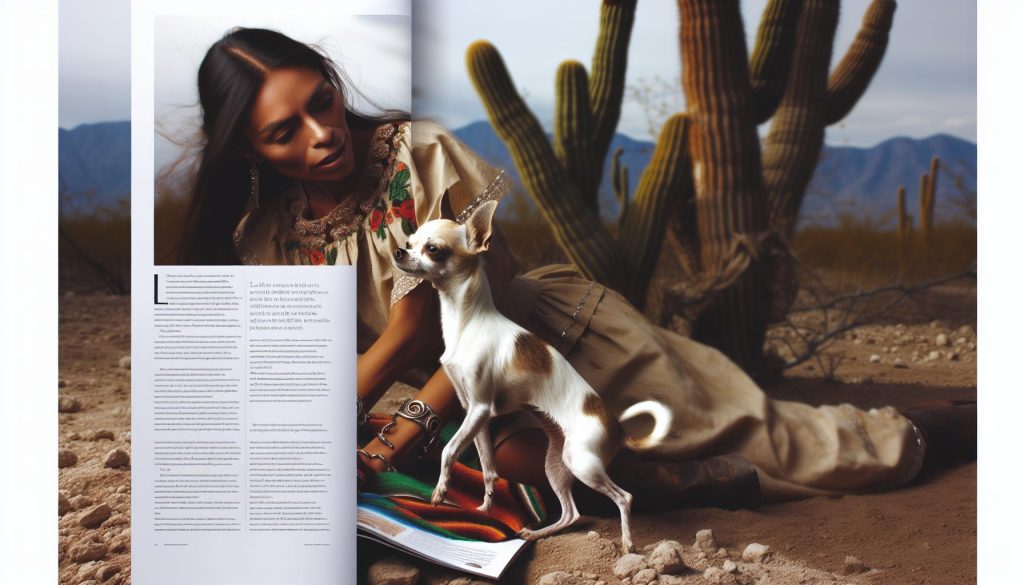
Did you know that the name “Chihuahua” is rooted in rich cultural history? Named after the Mexican state where these spirited little companions originate, the term not only reflects their geographic ties but also hints at their vibrant personalities. Understanding the meaning and origin of the name “Chihuahua” gives insight into the breed’s unique character-bold, loyal, and undeniably charming.
As a proud Chihuahua owner, you may find yourself captivated by their quirks and idiosyncrasies-whether it’s their feisty bark or their tendency to cuddle fiercely despite their tiny size. This exploration of the name’s significance can enrich your connection with your furry friend and enhance your appreciation for their heritage. So, let’s delve into the intriguing backstory behind the name “Chihuahua,” uncovering what makes these little dogs truly special and ensuring you feel informed about one of the most beloved breeds in the world.
What is the Meaning Behind the Name Chihuahua?
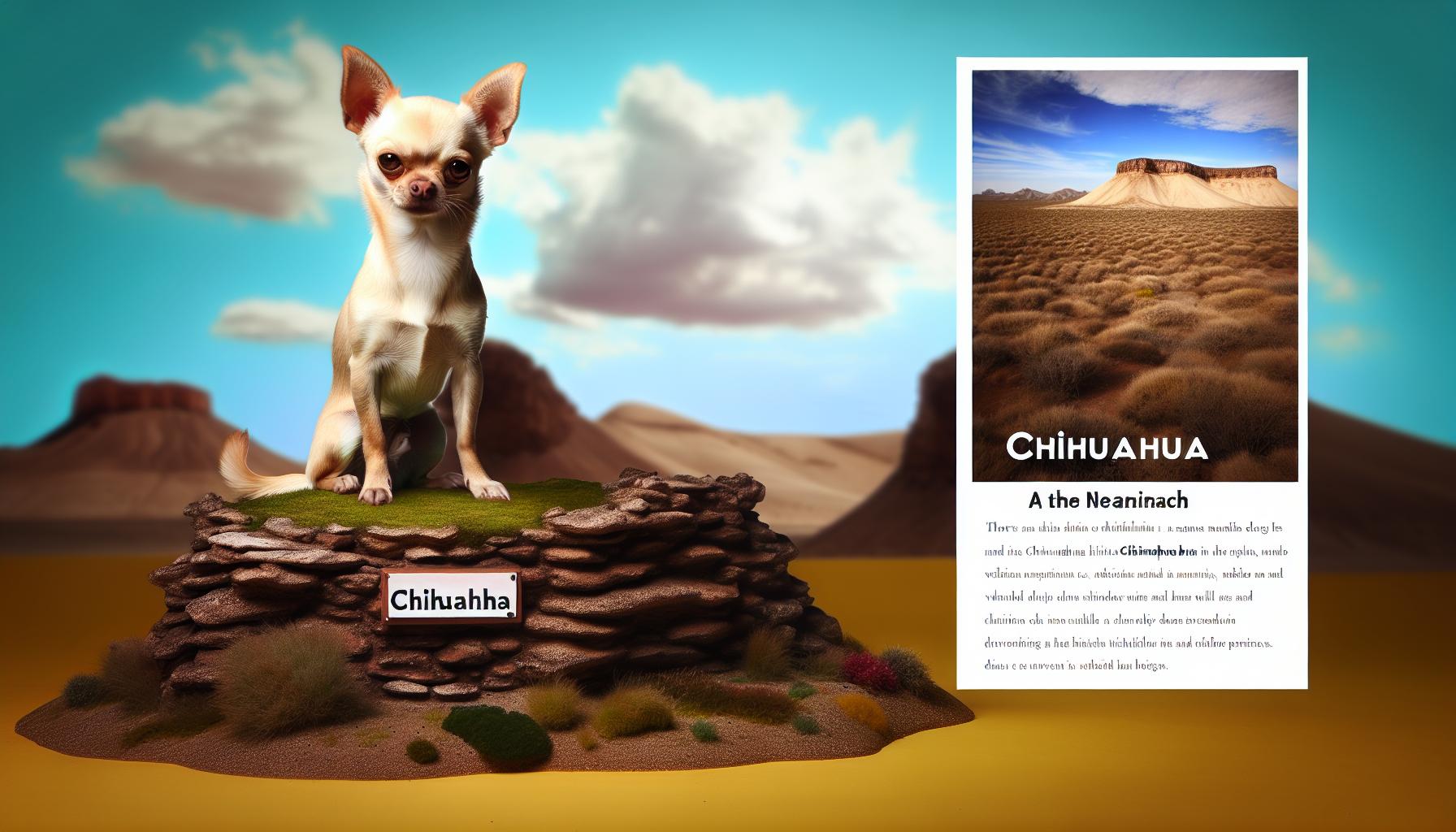
The name “Chihuahua” has a rich history that resonates with the heritage and characteristics of this beloved breed. Originating from the Mexican state of Chihuahua, the name not only identifies a region but also reflects a cultural and historical backdrop that shapes the breed’s identity. This area is known for its arid landscapes and diverse wildlife, which align with the Chihuahua’s resilient nature. The word “Chihuahua” itself is believed to derive from the Nahuatl language, the language of the Aztecs, meaning “place of the ants,” highlighting the region’s historic connection to Mexico’s indigenous cultures.
Understanding the meaning behind the name helps to appreciate the breed more deeply. Chihuahuas are often viewed as fierce little companions, embodying a bold spirit that belies their small size. This dynamic personality might also connect to their Mexican roots, where small animals with big attitudes have long been celebrated in folklore and tradition. Much like the varied landscapes of Chihuahua, Chihuahuas come in many colors and sizes, reflecting the diversity of their homeland.
In addition to the name’s historical significance, it symbolizes the loyalty and companionship found in these tiny dogs. They are known for forming strong bonds with their owners, often following them closely, showcasing their inherent loyalty, much like the vibrant culture of the state from which they hail. Whether you’re a first-time owner or an experienced Chihuahua enthusiast, appreciating the breed’s name can enhance your connection with your furry friend, reminding you of their unique heritage and the special place they hold in both history and our hearts.
Historical Significance of the Chihuahua Name
The Chihuahua’s name carries profound historical significance that speaks to its origins and the breed’s character. Hailing from the Mexican state of Chihuahua, this name not only marks a geographic location but also encapsulates a rich cultural heritage that influences the breed’s identity. The name “Chihuahua” is thought to derive from the Nahuatl word meaning “place of the ants,” highlighting a connection to Mexico’s indigenous roots and the diverse ecosystems found within the region. This etymology brings to life the breed’s tenacity and spirited nature, traits that are celebrated in local folklore and tradition.
Throughout history, Chihuahuas have been cherished companions, believed to have descended from ancient dog breeds beloved by Aztec and Maya civilizations. These tiny dogs were often associated with the wealth and spirituality of their owners, serving as both pets and protectors. The cultural narrative around Chihuahuas has evolved, yet the breed continues to symbolize loyalty and courage. Stereotypically fierce despite their small stature, Chihuahuas embody a vibrant personality that is well-reflected in their name-a testament to their resilient spirit and the close-knit bond they share with their humans.
When adopting a Chihuahua, understanding this historical backdrop can deepen your appreciation for your new companion. Whether your Chihuahua is an apple-head or a deer-head, each carries a legacy filled with warmth, emotion, and a splash of that bold personality signature to the breed. Their diminutive size does not diminish their worth; rather, it amplifies their big-hearted nature and innate loyalty. By embracing the , you not only recognize the breed’s remarkable heritage but also acknowledge the unique traits that make her a treasured member of your family.
Cultural Origins: Where Did Chihuahua Come From?
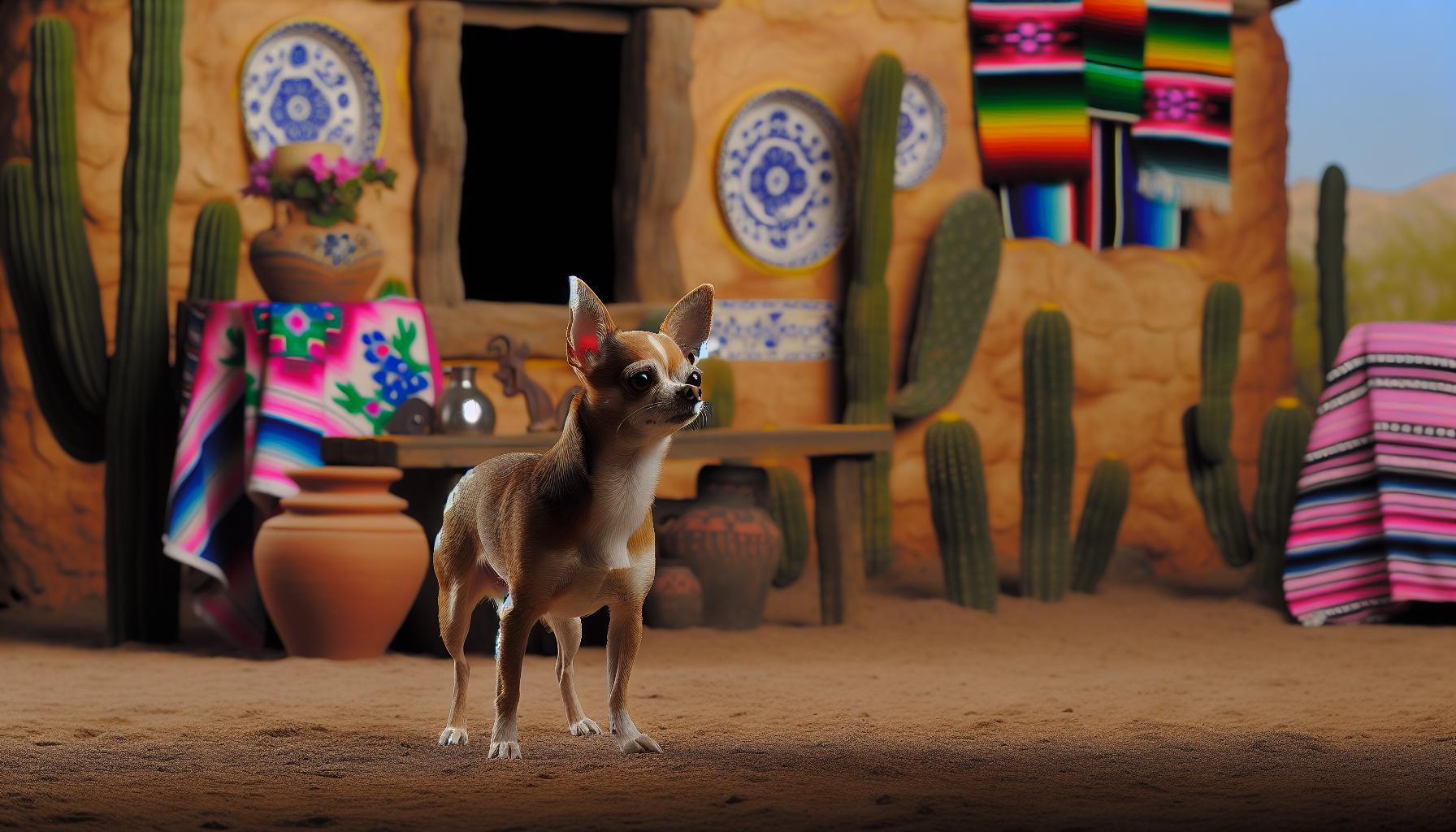
Many Chihuahuas delight their owners with their lively personalities and deep histories. Originating from the Mexican state of Chihuahua, these charming companions carry a name that is steeped in rich cultural significance. The name itself is believed to be derived from the Nahuatl word meaning “place of the ants,” which underscores a connection to Mexico’s indigenous communities and their vibrant ecosystems.
Chihuahuas are often regarded as descendants of ancient dog breeds revered by the Aztecs and Mayans. These civilizations held small dogs in high esteem, associating them with nobility and spiritual significance. The history of Chihuahuas reveals that they were not merely pets; they were believed to possess protective qualities, safeguarding their owners in life and death. This blend of companionship and spirituality is integral to understanding the breed’s identity and the affectionate bond they form with their humans.
Understanding Their Roots
Today, when you look closely at your Chihuahua-perhaps a spirited apple-head with a pronounced dome-shaped head or a graceful deer-head with a longer snout-you are witnessing a piece of history. Each type brings its own unique flavor. Apple-head Chihuahuas generally have a rounder head with a more pronounced forehead, while deer-head Chihuahuas are characterized by their longer, more elegant appearance, reminiscent of a tiny deer. Both types are spirited and loyal, rich in personality and the quirks that make them beloved companions.
As you nurture your Chihuahua, keeping this cultural heritage in mind can enhance your appreciation. Chihuahuas are more than just small dogs; they embody a lineage filled with resilience, loyalty, and charm. Understanding their roots helps enrich your relationship with them, making each bark and wag a reminder of the ancient bonds between humans and Chihuahuas that continue to thrive today. They may be tiny, but they carry an immense spirit and a legacy that speaks to their tenacity and deep affection for their families.
Understanding the Breed: Characteristics of Chihuahuas

Chihuahuas are remarkable little companions, known for their dynamic personalities and unique characteristics. These tiny dogs typically weigh between 2 to 6 pounds and stand around 6 to 9 inches tall, but their modest size is far from reflective of their bold nature. With a multitude of coat types-from smooth to long-haired Chihuahuas-each dog showcases a stunning variety of colors, patterns, and textures that highlight their individuality. It’s not just their appearance that makes Chihuahuas special, but their vibrant character.
One of the most endearing traits of Chihuahuas is their loyalty. They often form deep bonds with their owners, frequently becoming a one-person dog. This loyalty can manifest in protective behaviors, making them vigilant guardians over their home and family. Their vocalization is another defining characteristic; these spirited pups aren’t shy about using their voice. Whether it’s alerting you to visitors or just expressing their excitement, Chihuahuas communicate boldly, and their barks are often disproportionate to their size.
Chihuahuas also display a commendable resilience, both physically and emotionally. They thrive in a loving home environment and typically adapt well to various living conditions, whether in an apartment or a house. However, it’s important to manage their social interactions and provide appropriate socialization to prevent them from becoming overly protective or anxious. Keeping up with routine vet visits is crucial as they are prone to certain health issues, such as dental problems and patellar luxation, so being proactive with their health can ensure a long, happy life.
When caring for a Chihuahua, understanding their behavior can significantly enhance your relationship. These dogs love to be the center of attention and often seek to entertain you with their playful antics. Engaging in regular playtime and training can help channel their energy positively while strengthening your bond. Chihuahuas thrive on companionship and enjoy being involved in your daily activities. By embracing their energetic spirit and understanding their needs, you’ll create a nurturing environment that allows your Chihuahua to flourish.
Different Types of Chihuahuas: Apple Head vs. Deer Head
When it comes to Chihuahuas, the distinct differences between the two primary types-Apple Head and Deer Head-are fascinating and important for potential owners. Each variation not only presents unique physical characteristics but can also influence behavior and health considerations. Understanding these differences will help you as an owner appreciate your Chihuahua’s individuality and requirements.
The Apple Head Chihuahua is distinguished by its rounded skull and a prominent “apple” shape, which is often considered the breed standard by many enthusiasts. They typically possess a shorter muzzle, larger eyes, and a more compact frame. This breed variation tends to exude a classic, almost doll-like charm. In terms of temperament, Apple Head Chihuahuas can be exceptionally loyal and affectionate, often forming strong bonds with their owners. However, their head shape can make them susceptible to some health issues, such as hydrocephalus, so regular vet check-ups are vital.
On the other hand, Deer Head Chihuahuas boast a longer, more tapered skull that resembles the head of a deer-hence the name. They often stand taller and have longer legs, giving them a sleek appearance. With their softer, more expressive eyes, many owners find Deer Heads to be slightly calmer and sometimes more sociable around other dogs and people. However, like their Apple Head counterparts, they require proper socialization and training to thrive in various environments. The Deer Head type may come with fewer health problems related to head shape, but they are just as prone to other common Chihuahua health issues.
- Apple Head: Rounded skull, shorter muzzle, more compact build.
- Temperament: Generally more loyal and affectionate but may have health issues related to their head shape.
- Deer Head: Longer skull, sleek build, often more sociable.
- Health Considerations: Less prone to head-related health issues but still requires regular health checks.
Choosing the right type of Chihuahua can also influence how you approach their care and training. Both types offer great companionship and joy, but be mindful of their unique needs and characteristics. Whether you fall in love with the adorable round face of the Apple Head or the elegant structure of the Deer Head, understanding these traits will enhance your relationship with your new furry friend. Regular engagement through play, training, and socialization is crucial for both types, helping them to flourish and remain happy and healthy as beloved companions.
Chihuahua Size and Weight: What’s Typical?

Chihuahuas are famously known as one of the tiniest dog breeds, but their size and weight can vary significantly depending on a few factors such as genetics and lineage. On average, a healthy Chihuahua typically weighs between 2 to 6 pounds (about 0.9 to 2.7 kg) and stands about 6 to 9 inches (15 to 23 cm) tall at the shoulder. This petite stature, along with their larger-than-life personalities, makes them a favorite among dog lovers.
When assessing the size of your Chihuahua, it’s crucial to consider individual characteristics that might influence their growth. Many Chihuahuas fall into either the Apple Head or Deer Head category, with both types exhibiting unique physical traits. For instance, Apple Head Chihuahuas often have a more compact build, while Deer Head Chihuahuas tend to be taller and leaner. This variation means that while one Chihuahua may love to playfully bounce around, another might prefer to curl up next to you on the couch.
Being a small breed comes with its own set of challenges as well, particularly with respect to health. Underweight or oversized Chihuahuas can face various health issues, so it’s essential to maintain a balanced diet and regular exercise tailored to her individual needs. Regular vet check-ups will help keep track of her weight and overall health, ensuring she stays within the ideal range.
While her size may lead you to think she’s overindulged in food or treats, remember this breed also has a reputation for being bold and vocal, often not realizing just how small she really is! Many owners share the delightful experience of watching their Chihuahuas act like they own the neighborhood, despite their tiny frames. Understanding your Chihuahua’s size, weight, and overall needs will help you foster a healthy, happy life together filled with playful moments.
Common Health Issues in Chihuahuas: What to Watch For
Chihuahuas, despite their petite frames and playful personalities, can be prone to a range of health issues that every owner should be aware of. As a responsible Chihuahua enthusiast, understanding these potential concerns will help you keep your furry friend vibrant and active. One notable aspect of their health is their susceptibility to dental problems, which stems from their small mouths. Regular dental care is crucial; consider introducing dental chews and brush their teeth regularly to prevent plaque buildup that can lead to more severe issues like gum disease.
Another common health issue in Chihuahuas is patellar luxation. This condition occurs when the kneecap dislocates from its normal position, causing pain and mobility issues. If you notice your Chihuahua limping or if they occasionally skip on their back legs, it’s important to consult your veterinarian. Early intervention can help manage this condition effectively, possibly including therapeutic exercises or surgery in severe cases.
Additionally, heart issues, particularly mitral valve disease, are prevalent in older Chihuahuas. Keeping an eye out for symptoms like coughing, lethargy, or difficulty breathing can alert you to possible heart conditions. Regular vet check-ups are essential to monitor heart health as your Chihuahua ages.
Lastly, hypoglycemia is a serious concern, especially for young or small Chihuahuas. This condition manifests as low blood sugar and can lead to weakness or even fainting. Owners should ensure their Chihuahuas have a balanced diet and access to food throughout the day to prevent dips in blood sugar levels.
Being vigilant and proactive about these health issues will not only contribute to your Chihuahua’s long-term well-being but will also enhance the wonderful moments you share together. With proper care, diet, and regular vet visits, you can help your tiny companion thrive and continue entertaining you with their bold and loving nature.
Chihuahua Behavior: Unique Traits and Quirks
Chihuahuas are a bundle of personality wrapped in a tiny frame, making them one of the most captivating breeds out there. Their behavior often reflects their dramatic and bold nature, which can be as entertaining as it is challenging. These little dogs possess a unique set of traits that truly set them apart, forming the essence of Chihuahua charm. For instance, their vocalizations range from soft whimpers to loud barks, allowing them to express themselves with impressive volume for their size. This vocal nature often signifies their eagerness to protect their owners, making them quite the loyal companions.
One of the most delightful quirks of Chihuahuas is their quirky attachment to their human companions. They thrive on affection and often enjoy being the center of attention. Many Chihuahuas exhibit “velcro dog” behavior, where they follow their owners from room to room, ready to snuggle at a moment’s notice. This attachment can evolve into protective behavior, where your Chihuahua may bark at strangers or even other pets they perceive as threats. A remarkable example of this loyalty can be seen in Maverick, a tiny apple-head who will always position himself between his owner and anyone who approaches, no matter how big they are!
Chihuahuas also display a great deal of energy and playfulness despite their small stature. They often revel in playtime, whether it’s chasing toys or engaging in spirited zoomies around the house. Regular play not only helps to channel their energy, keeping them healthy and happy, but it also fosters a deeper bond with their owners. Setting aside time for interactive games is essential to tap into their playful nature and reduce any potential behavioral problems that may arise from boredom or excess energy.
In addition to these traits, Chihuahuas have a strong personality that often belies their size. They’re known to exhibit stubbornness, particularly when challenged, and their independent streak can sometimes make training a bit of a task. However, with patience and positive reinforcement techniques, training can be a rewarding experience. Recognizing and rewarding good behavior will not only help your Chihuahua learn desirable actions but also affirm your bond. Remember, the key is to approach training with consistency and a sprinkle of fun-after all, they respond wonderfully to affectionate praise!
Essential Care Tips for Your Chihuahua
Chihuahuas may be small, but their care requires a thoughtful approach to keep these spirited companions healthy and happy. Understanding their unique needs is essential for every Chihuahua owner. First and foremost, regular veterinary check-ups are crucial. Chihuahuas are prone to certain health issues, such as dental problems and patellar luxation. Keeping up with vaccinations, preventative care, and dental hygiene routines can help mitigate these risks. It’s also wise to discuss a tailored diet with your veterinarian, considering your fur friend’s size and activity level.
Dietary Needs
A balanced diet specific for small breeds is vital in maintaining your Chihuahua’s health. Look for high-quality kibble that supports bone strength and provides necessary nutrients. Portion control is important-overfeeding can lead to obesity, which is a common issue in this breed. Many owners find success with measured feeding and avoiding excessive treats, focusing instead on healthy snacks like small pieces of cooked chicken or veggies.
Grooming and Coats
Chihuahuas come in both smooth and long-haired varieties, which means grooming needs can vary. Smooth coats require minimal grooming, needing just a rub with a soft cloth occasionally. Long-haired Chihuahuas, however, benefit from regular brushing to prevent matting and tangles. Bathing should be done sparingly, as over-bathing can strip their skin of natural oils, leading to dryness.
Socialization and Training
Training your Chihuahua is not only about obedience; it also enriches their socialization skills. Begin with basic commands like “sit” and “stay,” using positive reinforcement techniques. Chihuahuas thrive on praise, so celebrate even the smallest victories! Regularly exposing her to different environments and people can enhance her confidence, helping to curb any anxious tendencies.
Exercise and Mental Stimulation
Though small, Chihuahuas are energetic and need daily exercise. Short, playful walks and interactive play at home-like fetch or tug-of-war-help maintain their physical health and mental stimulation. Puzzle toys can also keep your Chihuahua engaged and provide a fun challenge.
Caring for your Chihuahua is a rewarding journey filled with love and laughter. By prioritizing health, nutrition, grooming, and activities, you’ll ensure a happy life for your tiny friend, rich with play and companionship. Just remember, even the smallest dogs can have the biggest personalities, so embrace every quirk and charm that comes along!
Training Your Chihuahua: Best Practices for Success
Training your Chihuahua can be a delightful experience, as these tiny companions are often eager to learn and please their owners. Their vibrant personalities mean they not only bring joy but also present training challenges that require patience and consistency. Begin training early, as Chihuahuas thrive on routine and positive reinforcement. Start with simple commands like “sit,” “stay,” and “come,” using treats or praise as motivation. Remember, a Chihuahua’s small stature can sometimes lead to underestimated capabilities-these little dogs can learn quickly if you tailor your methods to their unique personalities.
Establishing a training routine is key. Use small sessions of about 5 to 10 minutes, spread throughout the day to maintain their focus. For example, during a walk, practice commands intermittently. Chihuahuas can be a bit stubborn, so employing a gentle approach that emphasizes rewards over corrections is essential. Celebrate every small success to keep their spirits high-verbal praise or a favorite treat goes a long way in building confidence.
Socialization is equally crucial. Early exposure to different environments, sounds, and experiences helps prevent anxiety and fearfulness later in life. Take your Chihuahua to parks, introduce them to other dogs, and allow them to meet new people. This socialization not only enhances their adaptability but can also mitigate some of the bold, vocal tendencies that are common in the breed.
Lastly, keep in mind the importance of mental stimulation. Chihuahuas are intelligent and can easily get bored, leading to behavioral issues. Incorporating puzzle toys or interactive games into your training sessions can be an engaging way to challenge their minds. A tired Chihuahua is a happy Chihuahua, so combining physical exercise with mental challenges ensures your furry friend remains well-rounded and content. By celebrating their quirky nature and using tailored techniques, training your Chihuahua can be a joyful and fulfilling endeavor.
Chihuahuas in Popular Culture: Representation and Influence
Chihuahuas have carved out a significant niche in popular culture, often symbolizing a bold and vivacious spirit despite their tiny size. One of the breed’s most notable appearances came with the character Bruiser Woods in the film “Legally Blonde,” where this fashionable Chihuahua stole scenes alongside Elle Woods. This portrayal not only highlighted the breed’s charming personality but also contributed to Chihuahuas becoming a fashionable accessory for many celebrities and fashion enthusiasts. The breed’s association with glamour continues to endure, as countless influencers showcase their Chihuahuas on social media, promoting a lifestyle that embraces both their cuteness and their spirited demeanor.
Moreover, Chihuahuas have left their mark in music and art, often appearing in music videos and as themes in various artworks, portraying them as not just pets but as symbols of loyalty and love. Think of how artists celebrate the Chihuahua’s quirky nature, often depicting these little dogs in colorful, vibrant settings that emphasize their playful and audacious traits. As a breed, they have come to represent not just a companion animal, but a cultural icon that embodies the charm of confidence, proving that great things come in small packages.
Uniqueness in Representation
Chihuahuas are particularly recognized for their boldness and expressiveness. Many owners revel in their pet’s unique personalities-some are feisty and vocally assertive, delighting in expressing themselves with a vibrant bark, while others may be more laid-back and cuddly. This diversity in behavior has sparked a multitude of memes and online trends, celebrating their adorable quirks. Whether it’s their penchant for wrapping themselves in blankets or their love for cozying up in a purse, these characteristics have made them beloved figures in both real life and digital spaces.
Influence on Pet Ownership Trends
The representation of Chihuahuas in media has also influenced pet ownership trends, as potential owners often seek out this breed for their compact size and energetic nature. The image of the Chihuahua as a fashionable accessory continues to inspire individuals living in urban areas where space is limited. However, while their cultural promotion has brought them popularity, it’s essential for owners to provide supportive and enriching environments for these dogs, taking into account their need for socialization and mental stimulation.
Embracing their quirks and celebrating the Chihuahua’s vibrant place in contemporary culture not only enriches the lives of these charming dogs but also fosters a community of dedicated owners who understand and appreciate the profound bond they share with their tiny companions.
Choosing the Right Name for Your Chihuahua: Tips and Ideas
Choosing a name for your Chihuahua can be as delightful as picking out a new outfit for your little companion. Given their vibrant personalities and charming quirks, the right name can highlight your pup’s uniqueness and add to your bond. Named after the Mexican state, Chihuahuas carry a rich cultural heritage, so selecting a name that reflects their background can be special. Consideration of origin, meaning, and personal significance could lead you to a standout choice.
When brainstorming names, think about your Chihuahua’s traits and behaviors. Is he a sassy little diva who struts around like royalty? Names like Princess, Diva, or even something a bit cheeky like Chico may suit him perfectly. Alternatively, if your pup is a bit more laid-back, you might consider Cuddles, Snickers, or Biscuit-names that reflect a cozy and friendly demeanor.
Here are some tips to help guide your naming process:
Reflect Their Personality
- Vocal Chihuahuas: If your little one loves to bark and be heard, a name like Chatter or Squeak could express that lively spirit.
- Cuddly Types: For the affectionate ones who enjoy snuggling, names like Nugget or Pillow might be perfect.
- Adventurous Souls: Chihuahuas often have bold personalities, so consider names like Explorer or Dash if your dog is always on the go.
Personal and Cultural Inspirations
Names rooted in culture can add a meaningful touch. For instance, Maya pays homage to indigenous roots, while Zorro could celebrate Mexico’s folklore. Take inspiration from pop culture too! Many Chihuahua owners have fun names inspired by celebrities or movie characters, like Bruiser from “Legally Blonde”.
Keep It Simple
Choose a name that’s short and easy to say. Chihuahuas are quick learners, and they respond better to names that are one or two syllables. This makes commands easier for them to understand. Names like Max, Bella, or Taco can be catchy and memorable.
Ultimately, the best name for your Chihuahua is one that feels right for both of you. Spend some time with your pup, and let their personality influence your decision. Once you’ve settled on a name, use it consistently; you’ll create a bond that will make both your lives richer. Enjoy the process-after all, you’re not just naming a pet; you’re celebrating a new family member!
Frequently asked questions
Q: What does the name “Chihuahua” signify?
A: The name “Chihuahua” refers to both the breed and the Mexican state where the breed originated. It means “place of the worms” in the native Nahuatl language, reflecting local history. This fascinating etymology enhances our understanding of the breed’s rich background.
Q: How did the Chihuahua breed originate?
A: The Chihuahua breed originated in Mexico, likely descended from the ancient Techichi dogs kept by the Toltec civilization. This history contributes to their unique characteristics and strong bond with humans, showcasing their loyal nature throughout centuries.
Q: Why are Chihuahuas considered a unique breed?
A: Chihuahuas are unique due to their small size, distinct personality traits, and bold temperament. Despite being tiny, they exhibit a great deal of confidence and can be quite vocal, making them stand out among dog breeds.
Q: What is the cultural significance of Chihuahuas?
A: Chihuahuas hold cultural significance in Mexico, often symbolizing loyalty and companionship. Their representation in popular culture, such as in films and advertisements, has further solidified their status as beloved pets worldwide.
Q: How has the perception of Chihuahuas changed over time?
A: Over time, the perception of Chihuahuas has evolved from being seen as mere lap dogs to recognized companions with bold personalities. Their adaptability and loyalty have gained appreciation among dog lovers, leading to a surge in their popularity.
Q: What health issues are Chihuahuas prone to?
A: Chihuahuas are prone to certain health issues such as dental problems, patellar luxation, and heart disease. Regular veterinary check-ups and maintaining a proper diet can help mitigate these health concerns, ensuring a healthier life.
Q: How do Chihuahuas interact with other pets?
A: Chihuahuas can be both friendly and territorial, which affects their interaction with other pets. Early socialization is crucial; it helps them learn to get along with other animals, reducing aggression and promoting harmony in multi-pet households.
Q: What are the best training methods for Chihuahuas?
A: Positive reinforcement training is the best method for Chihuahuas, as they respond well to praise and treats. Short, consistent training sessions yield the best results, especially given their spirited nature. Starting early can ensure a well-behaved companion.
Future Outlook
Now that you know the intriguing meaning and origin of the Chihuahua, it’s time to dive deeper into their unique personality and care needs. Remember, these tiny pups are not just adorable; they are spirited and bold companions that thrive on love and attention. Consider checking out our detailed guides on Chihuahua health tips and essential training methods to ensure your beloved friend lives a happy, healthy life.
If you found this exploration helpful, why not subscribe to our newsletter for more expert advice tailored for Chihuahua owners like you? Your journey with your Chihuahua is just beginning, and we’re here to support you every step of the way. Share your thoughts or experiences in the comments below-let’s celebrate the quirks of these vocal little guardians together!
Get our latest guides, news, and insights highlighted in your Google Search & AI Overviews.