
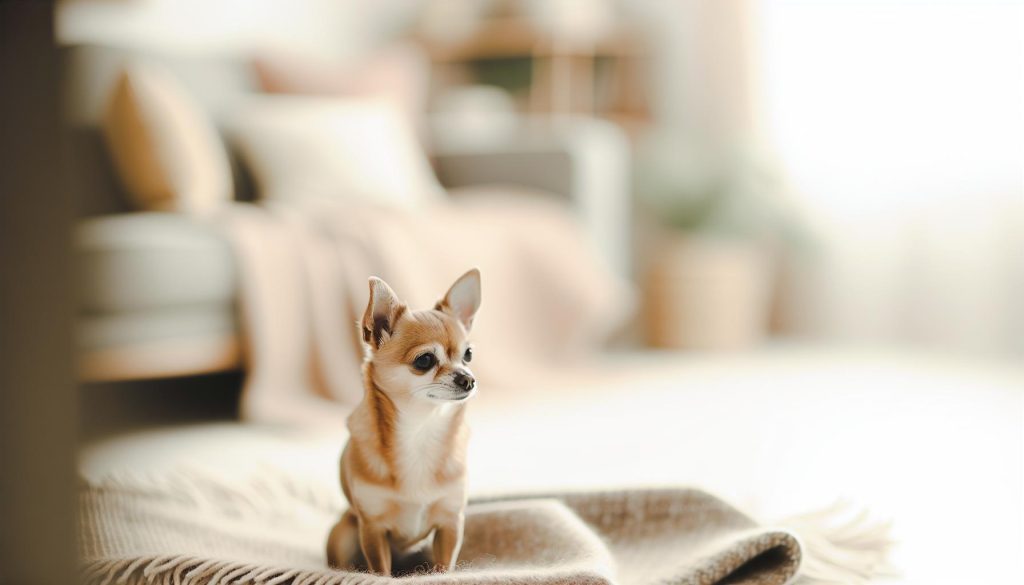
Chihuahuas may be tiny, but they have big personalities! Known for their loyalty and boldness, these spirited little dogs come with unique traits that every owner should understand. Whether you’re a first-time owner or an experienced one, grasping the essential characteristics of the Chihuahua breed-like their health needs, behavior quirks, and care requirements-can make a world of difference in your relationship with your furry friend. In this article, we’ll dive into what makes Chihuahuas so special, from their distinctive apple-head shape to their vibrant coat varieties. By exploring these breed traits, you’ll not only celebrate their quirks but also ensure a happy, fulfilling life together. So, let’s uncover the essential traits of your devoted companion and embark on this journey of understanding and appreciation for Chihuahuas!
What Makes Chihuahuas Unique: Key Characteristics to Know
Chihuahuas are often underestimated due to their small size, but these little dogs boast a personality that’s anything but diminutive. One fascinating feature of Chihuahuas is their remarkable vocalization. They are known for their loud and frequent barking, which can serve as both a warning and a form of communication. Their bold and protective nature makes them excellent watchdogs, despite their compact stature. Many owners find their tiny companions to be fiercely loyal, often forming strong bonds and showing a preference for their favorite humans.
When you consider the physical traits of Chihuahuas, their distinct “apple head” and large, expressive eyes stand out. This unique structure gives them an almost human-like expression, further endearing them to their owners. They come in a variety of coat types, including smooth and long-haired, available in countless colors and patterns. Chihuahuas typically weigh between 2 to 6 pounds and stand about 6 to 9 inches tall, making them ideally suited for apartment living. However, despite their size, they possess a confident and often feisty demeanor that can surprise even seasoned dog owners.
Another interesting aspect of Chihuahuas is their adaptability. While they thrive on companionship and love to be involved in family activities, they can also handle being alone for short periods. This trait makes them suitable for various lifestyles, provided they receive adequate socialization and exercise. Their compact size means they don’t require extensive space to roam, yet they still need regular playtime and mental stimulation to stay healthy and happy.
In essence, Chihuahuas are multifunctional companions with unique traits that make them a joy to own. Whether it’s their spirited personality, adorable looks, or their unwavering loyalty, these little dogs remind us that great things often come in small packages. Embracing their quirks and providing them with the right care will ensure a fulfilling relationship, whether you’re a first-time owner or a seasoned Chihuahua enthusiast.
Understanding Chihuahua Temperament and Behavior

Chihuahuas are a breed like no other, brimming with a vibrant personality that often defies their small stature. Their temperament is a whirlwind of boldness, loyalty, and a touch of sass, making each Chihuahua a unique companion with character. One of the most intriguing aspects of their behavior is their vocal nature; these tiny dogs have a big bark that they aren’t shy to use. Whether alerting you to a stranger or simply sharing their enthusiasm, their vocalizations serve as an essential part of their communication repertoire. Many owners find that this spirited vocal behavior reflects their inherent protectiveness and strong bonds with their humans.
Socialization is key to shaping a Chihuahua’s temperament. Early exposure to various environments, people, and other pets can help mitigate any tendencies towards shyness or over-aggressiveness. Chihuahuas thrive on companionship, often preferring the company of their favorite humans, and they are known to develop strong attachments. For instance, it’s common to see a Chihuahua follow their owner from room to room, eager to be included in every activity. They can be quite affectionate, displaying their love through cuddling and playful antics that bring joy to their households.
Understanding their boundless energy is also crucial for any Chihuahua owner. Despite their size, Chihuahuas are often energetic and playful. Engaging them with daily walks, interactive play, and mental stimulation is essential to keep their spirits high and their behaviors in check. A bored Chihuahua may resort to barking, chewing, or other undesirable behaviors. Integrating fun toys that challenge their intellect-like treat puzzles-can keep them entertained and happy.
Lastly, it’s important to approach any undesirable behavior with patience and understanding. Chihuahuas can exhibit stubbornness, which might come off as defiance. However, this is often a reflection of their intelligence and independence. Consistent training methods that incorporate positive reinforcement will yield the best results. Real-life examples abound of Chihuahuas outsmarting their owners, so be prepared to adapt and evolve as you grow together. With the right approach to care, training, and socialization, you’ll find that your Chihuahua will blossom into a well-rounded member of the family, showcasing the invaluable traits this remarkable breed has to offer.
Caring for Your Chihuahua: Essential Health Tips

Chihuahuas may be small, but their health needs are just as significant as those of larger breeds. These lively little companions thrive on love and care, but they also require attention to specific health considerations that every owner should know. From dental care to managing their unique vulnerabilities, understanding how to support your Chihuahua’s well-being can help ensure they live a long, happy life.
Regular Veterinary Check-ups
Routine veterinary visits are crucial for monitoring your Chihuahua’s health. Small breeds like Chihuahuas are particularly prone to dental issues, so regular check-ups should include dental cleanings. Your vet can advise on proper oral hygiene practices, from brushing to providing dental treats. In addition to dental health, keep an eye on their weight-obesity can lead to serious health complications. Aim for a balanced diet, and ask your vet about specific dietary needs based on your Chihuahua’s age, size, and activity level.
Exercise and Mental Stimulation
Despite their petite size, Chihuahuas are energetic and need regular exercise to maintain good health. Daily walks, play sessions, and even short bursts of fetch can keep them fit and mentally engaged. Their curious nature thrives on stimulation, so incorporating puzzle toys and trick training can be incredibly beneficial. For example, many Chihuahua owners report that their dogs enjoy using treat-dispensing toys, which challenge them and reward their efforts.
Temperature Regulation
Chihuahuas are sensitive to temperature extremes, making it essential to monitor their environment. They can easily get cold due to their small size and low body fat. Ensure your home is warm and cozy, especially during the winter months. When going outside in colder weather, consider dressing your Chihuahua in a snug sweater or coat. Conversely, during hot weather, keep them hydrated and avoid overexertion in the heat. It’s also a good idea to watch for signs of overheating, such as excessive panting or lethargy.
By focusing on these key health aspects and staying attuned to your Chihuahua’s unique needs, you can create a nurturing environment that helps your little friend flourish. Their heartwarming loyalty deserves the best care possible, and with the right knowledge and commitment, you can enjoy many healthy years together.
Grooming Needs for Chihuahuas: Coat Types and Maintenance

Caring for your Chihuahua’s coat might seem like a simple task given their small size, but these little companions have grooming needs that can vary significantly depending on their coat type. Did you know that Chihuahuas can be either long-haired or short-haired? Understanding the distinctive grooming requirements for each type ensures your little friend looks and feels their best, while also promoting overall health.
For short-haired Chihuahuas, grooming is generally straightforward. A weekly brushing with a rubber brush helps remove loose hair and dirt while increasing blood circulation to the skin. This not only keeps their coat shiny but also allows you to check for any skin issues or irritation. Bathing should be done sparingly-typically every few months unless your Chihuahua gets particularly dirty. When you do bathe her, make sure to use a gentle dog shampoo to avoid skin irritation.
On the other hand, long-haired Chihuahuas require more frequent grooming, ideally every few days. A slicker brush is recommended to prevent matting, especially around the ears and paws where tangles tend to form. Because of their luxurious coats, regular grooming sessions can also double as a bonding experience. Many Chihuahua owners find that their pups enjoy the attention and often indulge in a little treat afterward to make the experience positive.
Regardless of coat type, regular grooming has other benefits beyond aesthetics. It helps you keep an eye on any lumps, bumps, or skin conditions that might need veterinary attention. Additionally, Chihuahuas are prone to dental issues, so make sure to incorporate dental care into your routine, like brushing their teeth or providing dental chews designed for small breeds.
In essence, embracing the grooming routine tailored to your Chihuahua not only enhances her appearance but also strengthens the bond you share. Enjoy these moments of care; they are just a part of the joyful journey that comes with having such a spirited little companion!
Training Your Chihuahua: Techniques for Success

Training Chihuahuas is as rewarding as it is vital, especially considering their bold personalities and unique behaviors. These little dogs are known for their stubborn streaks and vocal tendencies, making effective training techniques essential for fostering good behavior and a harmonious household. With patience, consistency, and a sprinkle of creativity, you can successfully guide your furry friend to be not just a great companion but also a well-mannered member of the family.
One of the most effective training approaches for Chihuahuas is positive reinforcement. This method focuses on rewarding desirable behaviors rather than punishing unwanted ones. Treats, praise, and playtime are excellent motivators for Chihuahuas, who thrive on affection and attention. For instance, whenever your Chihuahua sits on command, offer a treat and shower them with affection. Consistency is key; ensure that family members use the same commands and rewards to avoid confusing your pup.
Understanding your Chihuahua’s learning style can also enhance training outcomes. Some are more food-driven, while others may prefer toys or praise. Tailoring your training sessions to incorporate their favorite rewards can keep them engaged. A common challenge with Chihuahuas is their tendency to bolt or be easily distracted. To combat this, practice basic commands in short, focused sessions-around 5 to 10 minutes a couple of times a day. This helps maintain their attention and reinforces the behaviors you want to encourage.
Socialization is another critical component of training. Chihuahuas, especially those that are more timid or reserved, benefit greatly from encounters with other dogs and different environments. Gradually introducing your Chihuahua to various social situations helps build their confidence and promotes better behavior in public settings. For example, consider arranging playdates with friends’ dogs or taking trips to pet-friendly spaces to help your Chihuahua become familiar with different sights, sounds, and smells.
Lastly, remember that training a Chihuahua is not just about teaching commands; it’s also about nurturing their inherent quirks and personality. Each Chihuahua is unique, from the spunky apple-heads to the charming deer-heads, and understanding these distinctions can enrich the training experience. Celebrate those little victories, embrace their bold spirits, and enjoy the journey of learning together. With the right techniques and an abundance of love, your Chihuahua will thrive and become a wonderful companion.
Chihuahua Nutrition: Best Diet for a Healthy Life
Providing the right nutrition is crucial for your Chihuahua’s overall health and wellbeing. These little dynamos tend to have faster metabolisms than larger breeds, making it essential to feed them a balanced diet tailored to their specific needs. A diet rich in high-quality proteins, healthy fats, and essential nutrients will support their energy levels and keep their adorable personalities shining.
When selecting food for your Chihuahua, look for high-quality dog food that lists meat as the first ingredient. Chihuahuas benefit from a protein-rich diet, as it helps maintain their energy and muscle mass. Consider foods specifically formulated for small breeds; these usually contain smaller kibble sizes that are easier for your little one to eat. Brands that offer grain-free options can also be beneficial, as some Chihuahuas may be sensitive to grains, leading to digestive issues or allergies.
In addition to selecting the right dog food, portion control is essential. Chihuahuas are prone to obesity due to their tiny frames, so ensure that you measure their meals and avoid free-feeding. Treats should also be given sparingly. Opt for healthy options like small pieces of cooked chicken or carrots instead of commercial treats packed with fillers. An ideal feeding routine includes two to three small meals throughout the day, helping to manage hunger and keep their energy steady.
Hydration is equally important. Always provide fresh, clean water to keep your Chihuahua well-hydrated. Since they’re small, be aware that they may be more susceptible to the effects of dehydration. It’s also a good practice to monitor their weight regularly; maintaining an ideal weight can prevent many health issues and ensure a happy, active life for your furry friend.
Remember, every Chihuahua is unique. Factors such as age, activity level, and overall health can influence their specific dietary needs. Consulting with your veterinarian can help you determine the best diet for your Chihuahua, ensuring she lives a healthy, vibrant life. With the right nutrition, you can celebrate all the quirks that make your Chihuahua the wonderful companion he or she is!
Common Health Issues in Chihuahuas: What to Watch For
Chihuahuas, with their bold personalities and tiny frames, may look like little bundles of joy, but they come with some unique health considerations. Understanding these can help you keep your furry companion happy and healthy throughout their life. Let’s dive into the common health issues that Chihuahuas face and how you can be vigilant in your care.
One of the most pressing concerns for Chihuahuas is dental health. Due to their small mouths, they are prone to overcrowding of teeth, which can lead to plaque buildup and periodontal disease if not managed properly. Regular dental check-ups and daily brushing are crucial for maintaining their oral hygiene. Many Chihuahua owners find success in using dental chews specifically designed for small breeds to help reduce tartar.
Another notable issue is patellar luxation, where the kneecap dislocates from its normal position. This condition is relatively common in small breeds and can vary in severity. You might notice your Chihuahua suddenly lifting or dragging a leg while walking. If this happens frequently, a visit to the veterinarian is necessary to discuss potential treatments or management options, which can include surgery for severe cases.
Chihuahuas are also susceptible to heart problems, particularly mitral valve disease. As they age, their risk increases, and watch for symptoms like coughing, difficulty breathing, or fatigue during play. Regular veterinary check-ups, especially as your furry friend grows older, will help catch any heart issues early on.
Their delicate size makes them more prone to issues like hypoglycemia, or low blood sugar, especially in puppies. Signs include lethargy, weakness, or unusual behavior. Maintaining a consistent feeding schedule with small, nutritious meals can help manage this risk. Remember, Chihuahuas have unique metabolic needs; always be alert to any significant changes in her appetite or energy.
Lastly, Chihuahuas can be sensitive to temperature fluctuations due to their small size and short coats. Be mindful of extreme cold or heat, as these can affect their well-being. Cozy sweaters for chilly days and ensuring they have cool, shaded areas during warm weather can make a significant difference.
By staying informed and proactive about these health issues, you can enjoy many happy years with your Chihuahua. Regular veterinary visits, a balanced diet, and attentive care tailored to her specific needs will help her thrive. Always celebrate her unique personality while keeping an eye on her health!
Socializing Your Chihuahua: Building Confidence and Friendships
Socializing your Chihuahua is not just a fun activity; it’s essential for building her confidence and helping her form positive relationships with other pets and people. These little dogs, known for their bold personalities despite their tiny frames, can sometimes be wary or nervous around strangers or unfamiliar animals. Proper socialization plays a crucial role in ensuring that your furry companion grows up to be well-adjusted and friendly.
Start early. The critical period for socialization forms in the first few months of life, but it’s never too late to introduce your Chihuahua to new experiences. A great way to do this is by exposing her to different environments, people, and other pets. Consider arranging playdates with friendly, well-behaved dogs or taking her out to local parks where she can meet various people. Gradually increasing these exposures will help her learn that the world is a safe and exciting place.
Setting up controlled interactions is key. When introducing your Chihuahua to new people or pets, do so in a calm environment where she feels secure. Allow her to approach at her own pace. If she barks or shows signs of anxiety, it’s important not to scold her; instead, reassure her with a gentle voice and let her retreat if needed. Using treats as positive reinforcement can help create a more relaxed atmosphere, rewarding her for calm behavior.
A common concern for Chihuahua owners is finding the right balance between bravery and caution. Many Chihuahuas are fiercely loyal and protective of their families. This instinct can lead to overprotective behavior if they aren’t socialized properly. Encourage positive interactions with visitors by having them offer her treats or toys, which can transform her initial nervousness into friendliness.
Lastly, be patient. Every Chihuahua is unique, and some may take longer to adjust to new situations than others. Celebrate the small victories, whether it’s a wagging tail or a confident bark at a passing stranger. With consistent exposure and a reassuring presence, your Chihuahua will thrive in social settings, forming friendships and growing more confident every day. Embrace her quirky personality and enjoy the journey of building her social skills!
Chihuahua Breeding: What Potential Owners Should Know
Choosing to welcome a Chihuahua into your life is both an exciting and significant decision. These tiny companions, weighing between 2 to 6 pounds, pack an enormous personality into their small frames. Understanding the intricacies of Chihuahua breeding can help potential owners ensure they are prepared for the unique challenges and joys this breed brings.
First, when considering a Chihuahua, it’s essential to recognize the breed’s distinct traits, including two main varieties: the apple head and the deer head. The apple head is characterized by a rounded skull and a shorter snout, while the deer head boasts a flatter head and longer legs. Each type has its own temperament and health predispositions, which can vary significantly. Prioritizing reputable breeders who focus on health and temperament is crucial. A responsible breeder will provide health screenings for common genetic issues, such as patellar luxation and heart problems, which can afflict the breed.
Before making a decision, ensure you engage with potential breeders. Ask them about their breeding practices, the parent dogs’ health and temperament, and how they socialize the puppies. Genuine breeders will not only answer your questions but will also encourage you to ask more, showing transparency about their operations. This approach significantly lowers the risk of hereditary health issues in your future companion.
Whether you opt for adoption or purchasing from a breeder, knowledge about Chihuahua care is vital. These dogs thrive in close companionship with their humans, often forming intense bonds. Hence, consider the lifestyle you can offer-Chihuahuas can be demanding in terms of attention and often dislike being left alone for long periods. Incorporating regular play and mental stimulation into their routine is key to keeping your Chihuahua happy and healthy.
Lastly, remember that the journey of owning a Chihuahua is not simply about aesthetics or trends; it’s about nurturing and understanding a vibrant, loyal creature. With the right preparation and a commitment to quality care, your future Chihuahua can bring you years of joy, laughter, and companionship. Embrace their quirky nature and celebrate the unique bond you will form with this spirited breed.
The Chihuahua Lifestyle: Activities for Happy Pets
Welcoming a Chihuahua into your home means embracing a lively spirit wrapped in a tiny package. These dogs thrive on activities that engage both their minds and bodies. To ensure a happy life for your Chihuahua, a mix of stimulating play, social interactions, and physical exercise is essential. Let’s explore how to create a fulfilling lifestyle for your little companion, maximizing their potential for joy and vitality.
Engaging Playtime
Chihuahuas love to play, and incorporating interactive games into their daily routine can keep them mentally sharp and physically active. Simple activities like fetch or hide-and-seek can be excellent for exercise. For example, using a lightweight ball can make fetch more exciting, as Chihuahuas enjoy chasing moving objects. Puzzle toys are also a fantastic option, as they encourage problem-solving while rewarding their efforts with treats.
- Parlor Games: Activities like tug-of-war can engage their competitive spirit.
- Short Agility Courses: Setting up a small, homemade obstacle course can cater to their quickness.
- Interactive Toys: Toys that dispense treats can keep them occupied for longer periods.
Socialization and Walks
While Chihuahuas can be bold and sometimes a bit sassy, it’s crucial to socialize them early. Regular walks expose them to new sights, sounds, and people, fostering confidence and reducing anxiety. Aim for daily walks or outdoor visits-just ensure the environment is safe. Small, controlled playdates with other dogs can also enhance their social skills. These interactions can help diminish their sometimes-overzealous tendencies, teaching them to coexist peacefully with other pets.
Training Sessions
Keeping training sessions short and fun is key. Chihuahuas are intelligent and can learn tricks quickly, which makes training an effective way to bond. Enhance their happiness with positive reinforcement methods, using treats and praises as rewards for desired behavior. This not only trains your Chihuahua but also strengthens the human-animal bond.
Incorporating Routine and Comfort
Understanding the specific needs of your Chihuahua will go a long way toward ensuring their happiness. Create a daily routine that includes exercise, training, and cozy downtime. After an energetic play session, they will likely enjoy snuggling with you on the couch. Establishing a comforting environment allows them to recharge and feel secure.
Chihuahuas may be small, but their zest for life is immense. By actively engaging in their care and lifestyle needs, you create a nurturing atmosphere where your Chihuahua can thrive, bringing both joy and companionship into your life. Embrace their quirky nature, and let your adventures together unfold!
Chihuahua Myths vs. Facts: What Every Owner Should Understand
Many myths circulate about Chihuahuas, often fueled by their tiny size and high energy. One common misconception is that these little dogs are inherently aggressive or prone to barking uncontrollably. In reality, the behavior of Chihuahuas is largely influenced by their upbringing and socialization. With the right training and exposure to different environments, Chihuahuas can be friendly and well-adjusted companions. Their vocal nature often stems from a need to express themselves or alert their owners, rather than a disposition toward aggression.
Another frequent myth is that Chihuahuas do not require much exercise due to their small stature. However, Chihuahuas are quite active and thrive on daily physical activities. Many owners find that keeping their Chihuahua engaged with interactive games, short walks, and agility courses helps channel their energy positively. An under-exercised Chihuahua may develop behavioral issues, so regular playtime is critical for their happiness and health.
Additionally, some people believe that Chihuahuas are “fragile” and should be handled with extreme caution. While it’s true they are small and can be accidentally injured, they are also resilient dogs with bold personalities. Chihuahuas often have a fearless demeanor-think of them as small dogs with large personalities. This sometimes leads them to engage actively with other pets and people, which can be nurtured through proper training and socialization.
Chihuahuas come in various shapes and sizes, including apple-head and deer-head varieties, and they can display a range of coat types from short to long. Understanding these differences helps potential owners recognize that each Chihuahua may have unique traits. For instance, long-haired Chihuahuas may require more grooming than their short-haired counterparts. Embracing these nuances allows us to care for our Chihuahuas more effectively, tailored to their individual needs.
In essence, debunking these myths fosters a deeper understanding and appreciation for Chihuahuas. They are loyal, vibrant companions with individual personalities, and with proper care and training, they can enrich our lives in countless ways. Embrace their quirks and engage actively, and you’ll find that Chihuahuas are incredibly rewarding pets.
Choosing the Right Chihuahua: Adoption vs. Breeder
When considering bringing home a Chihuahua, one of the first important decisions you’ll face is whether to adopt or seek out a reputable breeder. Each option has its unique benefits, and understanding these will help you find the perfect companion that fits your lifestyle.
Adoption usually means giving a loving home to a dog in need, which can be incredibly rewarding. Many animal shelters and rescue organizations have Chihuahuas waiting for their forever homes. Adopted Chihuahuas often come with their own personalities shaped by their past experiences, and with some patience and love, they can blossom into loyal companions. For example, an owner of an adopted Chihuahua named Bella shared how her timid rescue transformed into a vibrant, playful friend after a few weeks of trust-building and socialization. Additionally, shelter dogs often come with some basic training, and adopting is typically more cost-effective than buying from a breeder.
On the other hand, getting a Chihuahua from a breeder allows you to select specific traits and ensure that you’re working with a responsible professional who prioritizes health and temperament. This is particularly significant given the breed’s predispositions to certain health issues, such as patellar luxation or heart problems. A reputable breeder will provide health screenings for genetic conditions and help you understand the nuances of the breed, including the differences between apple-head and deer-head Chihuahuas, and whether a short or long coat fits better with your preferences and lifestyle.
If you opt for a breeder, here are some important factors to consider:
- Research: Look for reviews and recommendations. A good breeder should be transparent and willing to provide references.
- Health screening: Ensure the breeder conducts health checks and provides documentation.
- Environment: Visit the breeder’s facilities to see where the puppies are raised and how they’re treated.
- Socialization: Ask how the puppies are socialized before they go to their new homes. This is crucial for their behavior.
Both options have their merits, and the right choice depends on your circumstances, preferences, and capacity to provide for a Chihuahua’s needs. Whether you take the adoption route or choose a breeder, you are one step closer to welcoming a small dog with an enormous heart into your life. Remember, each Chihuahua is unique, and with the right knowledge and care, your journey will be filled with joy and companionship for years to come.
Frequently asked questions
Q: What is the ideal living environment for a Chihuahua?
A: Chihuahuas thrive in various living environments, but they prefer smaller spaces like apartments due to their size. Ensure they have a cozy area with warm bedding, and maintain a comfortable temperature, as they easily get cold. Social interaction is crucial, so consider their need for companionship.
Q: How often should I exercise my Chihuahua?
A: Chihuahuas require daily exercise, typically about 20-30 minutes. Short walks and play sessions meet their energy needs while keeping them healthy. Incorporate mental stimulation, like toys or training exercises, to engage their lively minds.
Q: What common health problems should I watch for in Chihuahuas?
A: Chihuahuas can be prone to certain health issues such as heart problems, dental issues, and patellar luxation. Regular vet check-ups and a balanced diet can help mitigate these risks. Educating yourself on signs of distress is key to early intervention.
Q: How can I socialize my Chihuahua effectively?
A: Socializing your Chihuahua should start early, exposing them to different environments, people, and pets. Positive reinforcement and patience during interactions help build their confidence. Gradual introductions are beneficial, allowing them to adapt at their own pace.
Q: What training methods work best for Chihuahuas?
A: Positive reinforcement is the most effective training method for Chihuahuas. Use treats and praise to encourage good behavior. Consistency and short training sessions work best for their attention spans, helping them learn effectively while staying engaged and happy.
Q: How do I maintain my Chihuahua’s coat?
A: Chihuahuas have either short or long coats, and grooming needs vary accordingly. For short-haired Chihuahuas, weekly brushing is sufficient. Long-haired ones may require more frequent grooming to prevent mats and tangles. Regular baths keep their coat healthy and shiny.
Q: What are the signs of a happy Chihuahua?
A: Happy Chihuahuas exhibit playful energy and relaxed body language. They may wag their tails, playfully bark, and enjoy cuddling. Regular engagement, exercise, and affectionate interactions contribute to their happiness and overall well-being.
Q: Can Chihuahuas be left alone?
A: Leaving Chihuahuas alone can lead to anxiety. They thrive on companionship, so short durations are best. If longer absences are necessary, creating a safe space with interactive toys and gradually training them to be alone can help ease their anxiety.
Future Outlook
Chihuahuas are more than just adorable companions; they bring unique health, behavior, and care considerations. Remember, owning a Chihuahua means embracing their vocal nature, loyalty, and spunky personality. If you’re ready to dive deeper into understanding your Chihuahua’s differences-like the charm of apple-head varieties or tips on coat care-check out our articles on “Caring for Your Chihuahua’s Coat” and “Understanding Chihuahua Behavior.”
Don’t hesitate to share your experiences or ask questions in the comments below; your insights build our community! If you found this guide helpful, subscribe to our newsletter for more expert advice tailored specifically for Chihuahua lovers like you. By staying informed, you’ll ensure your furry friend leads a happy, healthy life. Your journey with your little one is just beginning, so explore more, ask questions, and celebrate every unique quirk together!
Get our latest guides, news, and insights highlighted in your Google Search & AI Overviews.