
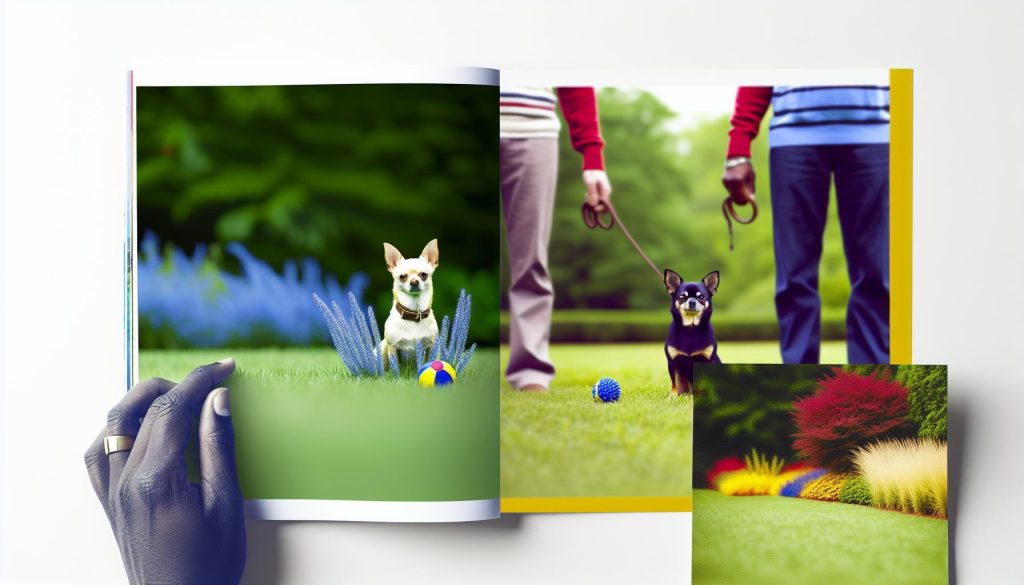
Did you know that Chihuahuas see the world differently than we do? As one of the smallest dog breeds, these feisty little companions have unique visual perceptions that can impact their behavior and interactions with us. Understanding what colors and details Chihuahuas can see is not just a fun fact; it can help you bond with your little friend by enhancing their environment and making playtime more enjoyable.
By delving into the fascinating world of Chihuahua vision, you’ll gain insights into their preferences and how to cater to their needs. Whether it’s choosing the right toys or setting up a vibrant living space, knowing how your Chihuahua sees the world can strengthen your relationship. Get ready to uncover the mysteries of their visual perception and see everything from their perspective!
What Can Chihuahuas See? An Overview of Their Vision
While Chihuahuas may not have the same visual acuity as humans, their vision is uniquely adapted to their needs. These tiny, lively dogs have a different color perception and eye structure that influences what they see in their surroundings. Understanding your Chihuahua’s vision can help you better cater to their needs and enhance their environment.
For starters, Chihuahuas see differently compared to humans. They possess dichromatic vision, which means they primarily perceive two colors-blue and yellow. While their ability to see a wide spectrum of colors is limited compared to humans, who can see three primary colors (red, blue, and green), Chihuahuas can navigate their environment effectively. This means that while they can see some colors, vibrant reds may appear as shades of gray or brown to them.
In addition to color perception, Chihuahuas also have a unique eye structure. Their large round eyes contribute to a wide field of vision, allowing them to detect motion and spot potential predators quickly. However, their small size means they may struggle with depth perception and focus on objects that are too far away. This is particularly important to consider when training or playing with your Chihuahua-keep toys and treats within their line of sight and ensure they’re at a distance that your little companion can comfortably engage with.
Their vision is influenced heavily by lighting conditions. Chihuahuas tend to thrive in well-lit environments, and their ability to see in low light is better than that of humans, thanks to a higher concentration of rod cells in their eyes. Providing a brightly lit space for your Chihuahua to explore can help him or her feel secure and enhance their visual capabilities.
In summary, understanding what and how Chihuahuas see helps us build a suitable environment for them. By acknowledging their color perception, eye structure, and lighting needs, we can ensure our little friends live happily and comfortably in our shared spaces.
Understanding Chihuahua Eye Anatomy and Function
Chihuahuas have some of the most intriguing eyes in the dog world, combining unique anatomy with personality-packed expressions. Their large, round eyes not only highlight their adorable features but significantly influence how they interact with the world around them. Understanding the structure and function of your Chihuahua’s eyes can deepen your appreciation for them and help create an environment that suits their vision needs.
The anatomy of a Chihuahua’s eye is distinctly adapted to their evolutionary background. Their eyes contain a higher concentration of rod cells, which enables them to see better in low-light conditions than humans can. This means your little companion can navigate well during dusk or in dimly lit rooms, which is especially handy during evening playtime or bathroom breaks. However, they have fewer cone cells, so their ability to see a broad spectrum of colors is limited. Chihuahuas primarily perceive shades of blue and yellow, while reds might appear as dull grays or browns. This dichromatic vision is a fascinating attribute that shapes how they perceive their environment and interact with you.
Another critical aspect of typical Chihuahua eye anatomy is their field of vision. Those big eyes provide a relatively wide peripheral view, allowing them to detect fast movements, which is crucial for their instinctual behaviors like alertness to potential threats. However, their petite size comes with a trade-off: depth perception isn’t as strong as it is in larger breeds. This can make tasks like catching a toy slightly more challenging for your Chihuahua, especially if the object is thrown too far away. As a devoted owner, consider using toys that are brightly colored and easy to catch, ensuring they stay within a reasonable distance when playing.
To support your Chihuahua’s visual function, it’s essential to ensure their environment is well-lit and free from hazards that could pose risks due to their limited sight range. Regular check-ups with a veterinarian can help monitor not just their general health, but also assess any potential eye issues that could arise-common in the breed due to their unique eye structure. Staying attentive to how your Chihuahua reacts to visual stimuli can help you catch any signs of trouble early. With this understanding, you can craft an engaging and safe home, allowing your small companion to thrive visually and emotionally.
Do Chihuahuas See Colors like Humans?
Chihuahuas perceive the world through a lens distinctly different from humans, thanks to their unique eye structure. Unlike us, who enjoy a vibrant array of colors, Chihuahuas have dichromatic vision, meaning they mainly see shades of blue and yellow. To illustrate, think of a field of flowers: while you might take in a brilliant splash of reds, purples, and pinks, your Chihuahua would perceive much of it as muted grays or browns, missing out on the exciting hues that color your world.
One key aspect of your Chihuahua’s vision is how they process this limited color spectrum. As a tiny breed, their big, expressive eyes are packed with rod cells, which excel in low-light conditions. This adaptation allows them to navigate their surroundings effectively during dawn or dusk, but the downside is that they struggle to make sense of colors like red. For example, a vibrant red toy might just blend into the background for your pup. To ensure playtime remains engaging for your Chihuahua, try using toys in brighter colors like blue or yellow-not only are these more visible to her, but they can also stimulate her playful instincts.
Additionally, it’s crucial to understand how your Chihuahua’s color perception impacts her interaction with the environment. Since they have excellent motion detection, they can quickly spot movement despite their limited color range. However, their depth perception can be somewhat compromised, making it difficult for them to gauge distances accurately-particularly when chasing toys. Choosing the right toys and keeping them within a short distance can make playtime fun and safe, enhancing their enjoyment while catering to their unique visual needs.
In summary, while Chihuahuas don’t see colors like humans do, understanding their visual limitations allows you to create a better environment for them. By selecting vibrant toys and being mindful of lighting, you can help your furry friend thrive in her colorful little world, ensuring every experience is as joyful and engaging as possible.
The Color Spectrum: What Chihuahuas Perceive
Chihuahuas experience a world rich in texture and movement, yet distinctly limited in color. Their vision is primarily dichromatic, which means they see primarily in shades of blue and yellow, while reds, greens, and other vibrant hues appear muted or even gray. Imagine standing in a vibrant garden filled with colorful blooms; as you take in the striking reds and violets, your Chihuahua sees a subtle palette of blues, dusky yellows, and muted greens. This unique perception makes a big difference in how they interact with their environment.
Understanding the color spectrum your Chihuahua perceives can help you choose toys and training aids more effectively. For instance, when selecting their playthings, opt for bright blue or yellow toys. These colors pop against the backdrop of grass and dirt and are easier for your pup to locate. One owner shared how her Chihuahua, Bella, would eagerly chase a bright yellow ball but would entirely overlook a red one, blending almost camouflaged with the green lawn. Such observations highlight the importance of considering their visual capabilities.
Not only does their color perception impact how they see toys, but it also affects their engagement with everyday items in their home. When decorating or providing comfort items, consider choosing textiles and accessories that align with their vision. Soft bedding in vibrant blues or yellows not only enhances their environment aesthetically but also makes it easier for them to spot their favorite spot to relax.
By creating spaces and selecting items that cater to their visual strengths, you not only make their world more enjoyable but also enrich their daily experiences. After all, a Chihuahua’s happiness thrives on interaction, and understanding their perspective allows you to foster a more connected and vibrant life together.
How Chihuahuas’ Vision Compares to Other Dogs
Chihuahuas, known for their spunky personalities and bold demeanor, navigate the world with a unique set of visual capabilities that sets them apart from many other dog breeds. While most dogs, including Chihuahuas, are dichromatic, meaning they primarily see two colors, the specific nuances of their vision reveal fascinating differences when compared to other dogs. Like their larger canine cousins, they lack the ability to see reds and greens, which can affect everything from playtime to training.
When contrasting a Chihuahua’s vision with that of a breed like a Labrador Retriever, which is also dichromatic, the differences in behavior and color perception can be intriguing. While Labradors may see a slightly wider range of shades within the blue and yellow spectrums, Chihuahuas often seem to focus more on movement and texture. This emphasis on movement helps them detect smaller creatures and dynamic changes in their environment, vital skills for their survival instincts. For instance, a Chihuahua might be less concerned about the exact color of a toy but more responsive to how it moves-highlighting their keen sensitivity to motion as the fluffy ball rolls across the floor.
It’s also important to note the size and shape differences that influence their vision. With their larger eyes in proportion to their tiny bodies, Chihuahuas often exhibit a distinct ability to spot quick movements, which is beneficial as they interact with a complex world filled with various stimuli. When compared to larger breeds, Chihuahuas might struggle to see objects at greater distances, but they make up for this with their remarkable ability to track swiftly moving objects nearby. This tracking ability is crucial in play and can be especially fun to observe.
To enhance your Chihuahua’s experience based on these visual differences, consider engaging them with fast-moving, brightly colored toys in blue or yellow. Not only do they enjoy chasing these toys, but understanding their visual strengths allows for a more interactive and fulfilling time together. Tailoring playtime to the unique way your Chihuahua sees their world will enrich both their lives and your bond.
Impact of Light and Distance on Chihuahua Vision
When it comes to your Chihuahua’s vision, understanding how light and distance affect what she can see is essential. Chihuahuas are naturally equipped to handle low-light situations somewhat better than humans, thanks to their larger corneas and pupils relative to their size. This anatomical feature allows them to capture more light, making late evening strolls a delightful experience, even when it’s a bit dim outside. This ability, however, does not mean they can see clearly like we do; instead, they still rely on sharp movements to guide them through their surroundings, especially when shadows dance and flicker.
Distance also plays a critical role in how Chihuahuas interact with their environment. While they excel at detecting swift motions nearby, they may have a tougher time identifying objects that are farther away. For instance, while your Chihuahua may notice a squirrel darting across the yard, she might struggle to decipher it as a squirrel until it’s much closer. This limitation is typical of smaller dogs, as their focal abilities tend to favor short-range vision. Older Chihuahuas, in particular, may find this even more challenging, making it vital to adjust their environment for better accessibility.
To support your tiny companion, consider enhancing her living space with ample lighting, especially in areas where she spends the most time. Opt for toys that are not only brightly colored but also designed to make noise or light up when moved. These features can help grab her attention without overwhelming her with too much visual stimulus. When walking outdoors, keep a close eye on her, and try to maintain her comfort by keeping her leashed, so she doesn’t move too far away where visual details might get lost. By understanding and adapting to her unique visual needs, you can ensure she enjoys her surroundings to the fullest, turning everyday moments into adventures.
Visual Challenges: Common Eye Issues in Chihuahuas
Chihuahuas, with their bold personalities and undeniable charm, come with their own set of visual challenges. As tiny companions, their eye health is particularly important since smaller breeds like them are prone to various eye issues. One common concern is patellar luxation, where the kneecap slips out of place, affecting their mobility and overall vision as they navigate their environment. This issue can lead to hesitation and fear when moving, preventing them from exploring their world fully.
Another frequent eye problem in Chihuahuas is dry eye (keratoconjunctivitis sicca), a condition where the eyes do not produce enough tears. This can lead to discomfort, redness, and even corneal ulceration if left untreated. Regular veterinary check-ups can help catch these issues early. Signs of dry eye include squinting, excessive tearing, or pawing at the eyes. If you notice any of these symptoms in your Chihuahua, a visit to the vet is essential.
Additionally, due to their prominent eyes, Chihuahuas are at risk for proptosis, where the eye bulges out of its socket, especially in situations involving trauma or rough play. This condition is not only alarming but can also lead to permanent vision loss. You can help mitigate these risks by ensuring your Chihuahua’s play environment is safe and free from sharp objects or rough surfaces.
Caring for your Chihuahua’s eyes can be as simple as maintaining a clean environment and ensuring regular grooming. Debris or tear stains can contribute to irritation and infection. Here are a few tips to keep your Chihuahua’s peepers healthy:
- Routine Eye Checks: Regularly examine your Chihuahua’s eyes for redness, cloudiness, or excessive tearing.
- Veterinary Visits: Schedule routine vet visits, especially if your Chihuahua shows any signs of eye discomfort.
- Gentle Cleaning: Use a damp, soft cloth to wipe away any discharge gently; this keeps their eyes clear of irritants.
Keeping an eye out for these common issues will help ensure your Chihuahua enjoys a vibrant, engaging visual world. With proper care and awareness, you can celebrate the unique joys of living with this remarkable breed while keeping those expressive eyes sparkling!
How to Support Your Chihuahua’s Vision Needs
Understanding how to cater to your Chihuahua’s vision needs is crucial for ensuring her well-being and happiness. Chihuahuas, with their quirky behaviors and charming personalities, may experience unique visual perceptions due to their distinct eye anatomy. These tiny companions perceive the world differently, noticing movements and light contrasts rather than relying on rich colors like we do. Therefore, adjusting her environment can significantly enhance her visual experience and overall comfort.
To better support your Chihuahua’s vision, consider creating a safe and engaging living space. Use brightly colored toys, primarily in shades of blue and yellow, as these colors are easier for her to see. Avoid cluttering her space with obstacles that could lead to trips and falls, as these can be more challenging to navigate for small dogs. Additionally, providing textured and varied surfaces can help her differentiate between different areas in your home, aiding her navigation skills.
Regular veterinary check-ups are essential in maintaining her eye health. As Chihuahuas are prone to specific eye conditions, such as dry eye and proptosis, being proactive about her eye health is critical. Schedule routine examinations and discuss any concerns with your vet, especially if you notice any signs of discomfort or changes in her behavior related to her vision. Early detection can often lead to better outcomes and maintain her vibrant spirit.
Lastly, training your Chihuahua with her visual needs in mind can make a significant difference. Use clear verbal commands and consistent hand signals, as she may respond better to these cues rather than relying solely on visual cues. For instance, when teaching her to find her favorite toy, start with a brightly colored object and gradually introduce more variations as she becomes more confident in her abilities. With patience and understanding, you can foster an environment that supports her unique needs while celebrating her spirited personality.
Enhancing Your Chihuahua’s Environment for Better Vision
Creating an environment that supports your Chihuahua’s vision can enhance her quality of life, ensuring she feels safe and engaged in her surroundings. Chihuahuas, with their remarkable agility and keen awareness, thrive in spaces that cater to their unique sight capabilities. Since their color perception is different from ours, focusing on specific aspects of their environment can make a significant difference in their daily experiences.
Use Contrasting Colors and Textures
Chihuahuas are especially sensitive to brightness and contrast. To make her environment more visually stimulating, choose decor and toys that feature strong contrasts, particularly in colors like blue and yellow, which she can see more clearly. For instance, a bright yellow blanket against dark furniture can create a comforting spot for her to rest while remaining visually distinct. When selecting toys, opt for those with varied textures and colors to keep her engaged. Textured rugs can help her navigate different areas comfortably, making it easier for her to identify where she is at any time.
Minimize Clutter and Hazards
Due to their small size, Chihuahuas can easily overlook obstacles that might pose a danger. A well-organized living space minimizes the risk of tripping over items. Ensure that hallways and play areas are clear of clutter, and consider using furniture that is sturdy yet not overly bulky, providing her a safe pathway as she moves about. If you have a multi-level home, add ramps or dog gates to help her navigate staircases safely, which can be daunting for these tiny dogs.
Consider Lighting Conditions
Chihuahuas benefit from environments that are well-lit without being overwhelming. Natural light can help them perceive their surroundings better, so try to maximize sunlight during the day. During the evening, opt for warm-toned lights rather than stark white bulbs to provide a softer glow, which may make them feel more secure and comfortable. Some owners find that using night lights helps create a reassuring ambiance for their Chihuahuas at night.
Regular Eye Health Maintenance
Finally, stay vigilant about maintaining her eye health. Schedule regular vet visits to monitor for common Chihuahua eye problems, such as dry eye or cataracts. Any changes in her behavior or signs of discomfort, such as excessive tearing or squinting, should prompt a trip to the vet. Addressing these concerns early can ensure your pup remains healthy and active, enabling her to enjoy her vibrant world to the fullest.
By understanding and accommodating your Chihuahua’s visual needs, you create a nurturing atmosphere that not only supports her vision but also enhances her well-being and happiness. After all, when she can see her world clearly, she can engage more fully with you and her environment, celebrating her bold, spirited nature.
Signs of Vision Problems in Your Chihuahua
Understanding the visual world of Chihuahuas is essential for their well-being, as dogs of this breed may struggle with vision-related issues more than larger dogs due to their delicate size and unique eye structure. As loving owners, being attuned to any signs that your tiny companion might be having trouble seeing can help you address problems early and effectively.
Watch for signs such as excessive squinting or rubbing of the eyes, which can indicate discomfort or irritation. If your Chihuahua suddenly seems reluctant to jump onto furniture or navigate around your home, this may also suggest vision problems. Changes in behavior, like increased anxiety or clinging to you more than usual, can signal that your little friend is having trouble seeing her surroundings clearly. For example, if your Chihuahua, who usually boldly explores the house, starts to hesitate in new or even familiar spaces, this could be a red flag.
Additionally, observe whether your Chihuahua is bumping into objects or appears to have difficulty locating toys or treats. If her eyes start to look cloudy, or if you notice any discharge, it’s crucial to consult a veterinarian. Regular vet visits are important as Chihuahuas can be prone to issues like cataracts and dry eye, which can unfortunately impact sight over time.
Lastly, while every Chihuahua is different, keeping a close watch on how she interacts with her environment is vital. If you see any noticeable changes, don’t hesitate to reach out to a vet for a check-up. Addressing visual issues early can ensure that she continues to thrive in her vibrant world, enjoying her adventures with the confidence she deserves.
Tips for Training Chihuahuas with Unique Visual Perceptions
Training your Chihuahua effectively involves understanding not just her behavior, but also her unique way of seeing the world. Chihuahuas perceive colors differently than humans; while they see some colors like blue and yellow, they likely have difficulty distinguishing between red and green. This means when you’re teaching your little companion tricks or commands, color can play a significant role in her understanding. For instance, using toys or treats in her more pronounced color spectrum can make it easier for her to engage during training sessions.
Utilize visual cues along with verbal commands to enhance her learning. Pairing gestures with spoken commands-like raising your hand for “sit”-can reinforce what she’s supposed to do. Chihuahuas are intelligent and can pick up on patterns quickly, especially if these cues are consistent. When training, ensure that the environment is well-lit; bright, natural light helps your Chihuahua see better and focus on what you’re trying to teach. Avoid cluttered spaces during training sessions, as they can confuse your furry friend and prevent her from focusing on you.
Here are some tailored tips to maximize the effectiveness of your training sessions:
- Use Bright Colors: Incorporate toys or training tools that prominently feature colors your Chihuahua can see well, like shades of blue or yellow.
- Establish a Routine: Consistent timing and structured training sessions help your Chihuahua understand what is expected of her. Keep sessions short to maintain her attention.
- Positive Reinforcement: Reward her with praise or her favorite treats right when she follows a command correctly. This helps reinforce the learning process.
- Interactive Play: Activities like fetch with colorful balls can be both fun and an excellent way for her to learn and bond with you.
Developing an understanding of your Chihuahua’s visual capabilities not only enriches her learning experience but also strengthens the bond between you. Whether you’re an experienced owner or new to the breed, recognizing how she perceives the world around her will help you create a supportive and tailored training environment. Always remember to be patient and loving; with your encouragement, she’ll thrive in her training endeavors.
FAQ
Q: How do Chihuahuas perceive the world differently than humans?
A: Chihuahuas have a different visual perception compared to humans. They primarily see in shades of blue and yellow, lacking the ability to distinguish between red and green. This results in a more muted color palette, making their world appear less vibrant than ours.
Q: What colors are most appealing to Chihuahuas?
A: Chihuahuas are more attracted to blue and yellow objects, as these colors stand out in their perception. Incorporating toys or accessories in these colors can enhance their engagement and playfulness.
Q: Can Chihuahuas see in the dark?
A: While Chihuahuas do not have night vision like cats, they can see better in low light than humans. Their eyes have more rod cells, which help them detect movement and shapes in dim lighting.
Q: How does aging affect a Chihuahua’s vision?
A: As Chihuahuas age, they may experience a decline in vision due to conditions like cataracts or progressive retinal atrophy. Regular veterinary check-ups can help monitor their visual health and catch any issues early.
Q: What should I look for in Chihuahuas that indicates vision problems?
A: Signs of vision problems in Chihuahuas include bumping into objects, reluctance to navigate stairs, or noticeable changes in behavior, such as increased anxiety. Consult with your vet if you observe these symptoms for appropriate evaluation and care.
Q: Are there specific toys that are better for Chihuahuas based on their vision?
A: Yes, toys in bright colors like blue or yellow are ideal for Chihuahuas, as these colors are easier for them to see. Additionally, toys with sounds or textures can stimulate their senses and encourage play.
Q: How can I enhance my Chihuahua’s environment for better vision?
A: To improve your Chihuahua’s visual experience, maintain well-lit environments, reduce clutter, and create safe spaces. Using contrasting colors for furniture and their items can also help them navigate more comfortably.
Q: Why is it important to understand Chihuahua vision for their training?
A: Understanding Chihuahua vision can greatly aid in their training. Knowing their color preferences and visual limitations allows you to use appropriate cues and rewards, enhancing their learning and building confidence during training sessions.
Closing Remarks
Understanding how Chihuahuas see the world adds a fascinating layer to appreciating their tiny, vibrant personalities. While they might not see the full spectrum of colors as we do, their unique perception shapes their behavior and interactions with their environment. To enhance your bond with your beloved Chihuahua, consider exploring engaging activities that cater to his visual strengths, like colorful toys that pop against backgrounds.
Curious about how to enrich your Chihuahua’s environment or optimize their health and happiness? Be sure to check out our guides on best toys for small breeds and Chihuahua care tips. Don’t forget to join our newsletter for expert insights and special offers tailored to support both novice and seasoned Chihuahua owners. Embrace this incredible journey with your furry friend-you’re not just a pet owner; you’re a cherished part of a whimsical world full of love and loyalty. Let’s continue exploring together!
Get our latest guides, news, and insights highlighted in your Google Search & AI Overviews.