
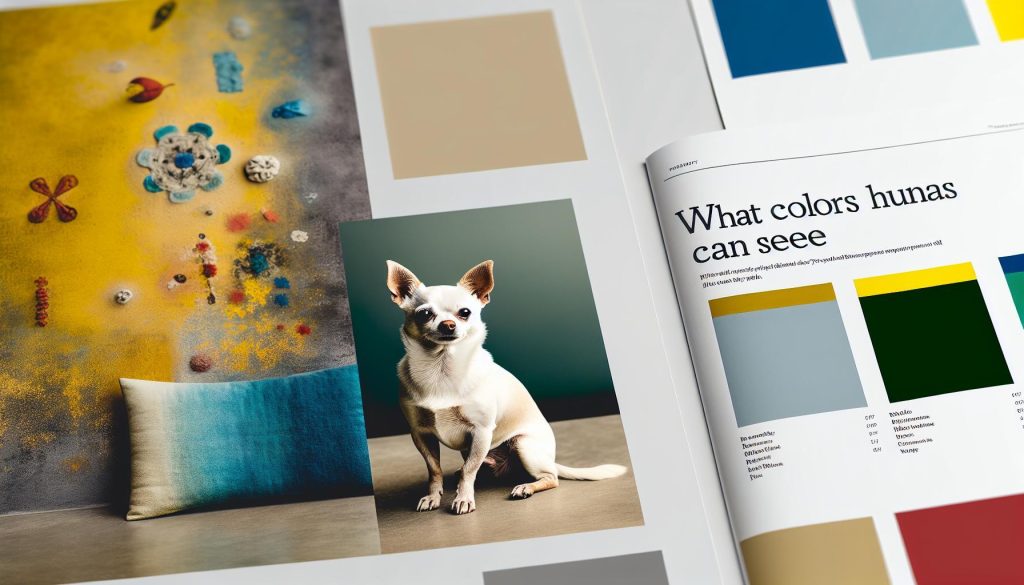
Did you know that Chihuahuas, despite their tiny stature, have a unique way of perceiving the world around them? Understanding what colors your beloved Chihuahua can see can greatly enhance your bond and improve their day-to-day experiences. Unlike humans, who can differentiate a spectrum of colors, Chihuahuas have a more restricted range. This knowledge not only satisfies your curiosity as a devoted owner but also helps you choose toys, accessories, and even training techniques that align with their visual capabilities.
As a proud Chihuahua enthusiast, you’ll appreciate how their vision impacts their playful nature and keen instincts. By grasping this aspect of their behavior, you can create a more engaging environment that caters to their needs. Whether you’re a first-time owner marveling at the quirks of your new friend or a seasoned Chihuahua parent keen on enhancing their quality of life, this exploration into their vision science will provide valuable insights. Let’s delve deeper into the fascinating world of Chihuahua vision and discover how to make the most of it!
Understanding Chihuahua Vision: Key Differences from Humans

Chihuahuas, like all dogs, experience the world quite differently than humans do, especially when it comes to vision. While we enjoy a broad spectrum of colors, these tiny companions have a more limited palette. Dogs, including Chihuahuas, have dichromatic vision, which means they primarily see blues and yellows, but struggle to distinguish between reds, greens, and oranges. This might explain why your Chihuahua seems more interested in a bright blue toy than a red one-blue catches their attention, whereas red might blend into the background.
Understanding these differences in vision is crucial for creating a stimulating environment for your Chihuahua. Their eyes have more rod cells, which enhance low-light vision and motion detection, making Chihuahuas adept at seeing in dim conditions. This trait can be particularly beneficial for those evening walks or play sessions when the sun begins to set. However, their color vision and the inability to perceive fine details mean that they may not recognize certain objects or features as we would. As an owner, this knowledge allows you to adjust how you interact with your pet, such as choosing toys and games that utilize colors they can see well.
Moreover, the positioning of a Chihuahua’s eyes affects their field of view. Unlike humans, who have binocular vision that allows for great depth perception, Chihuahuas have a wider peripheral vision, enabling them to notice motion from the sides more effectively. This can sometimes lead to them being startled by sudden movements, especially in crowded or busy spaces. Understanding these nuances helps build a patient and enriching relationship with your little companion, ensuring they feel secure and engaged in various settings. Ultimately, appreciating how your Chihuahua perceives the world not only enhances their quality of life but strengthens the bond you share.
How Color Perception Works in Dogs
Dogs perceive color differently than we do, which is especially true for Chihuahuas. While we cherish a vibrant spectrum of colors from our reds to greens, these little companions mostly see the world in shades of blue and yellow. This color perception stems from their dichromatic vision, which limits their ability to distinguish between colors like red, orange, and green. For an owner, this understanding can greatly enhance how we interact with our beloved Chihuahuas and enrich their playtime.
To put it into perspective, imagine a Chihuahua’s experience during playtime. If you toss a bright blue toy into the yard, your furry friend is likely to zoom after it, captivated by the color. In contrast, that same toy in a red hue might go unnoticed, as it blends into backgrounds they can’t differentiate. As savvy Chihuahua owners, selecting toys that highlight their ability to perceive blues and yellows can lead to more stimulating and engaging moments. Opt for toys adorned in these colors to maximize their interest and interaction.
Moreover, contrast plays a crucial role in how Chihuahuas navigate their environment. Dogs have superior motion detection and can see well in low light, thanks to the higher number of rod cells in their eyes. This ability means they’re more sensitive to movement rather than color. When playing in dimly lit areas or during twilight walks, stand out yourself by wearing lighter colors, enhancing your dog’s ability to see you. Taking these little nuances into account not only caters to their visual capabilities but also fosters a more connected and enjoyable relationship. Understanding how their eyes perceive the world allows you to create a more accommodating and stimulating atmosphere for your tiny, bold companion.
What Colors Can Chihuahuas Actually See?

Chihuahuas view the world in a spectrum quite different from ours, largely due to their unique eyes. While humans are trichromatic and can perceive a wide range of colors, Chihuahuas are dichromatic. This means they predominantly see shades of blue and yellow but struggle to differentiate between reds, greens, and oranges. Imagine your feisty little companion racing towards a bright blue ball in the park-it’s the color that catches his eye, making playtime exhilarating! However, a red toy thrown into the grass may go completely unnoticed, blending into the environment that is a bit duller from his perspective.
Understanding what colors resonate with your Chihuahua can enrich play and training sessions, creating more vibrant interactions. When selecting toys or accessories, remember to choose those that are prominently blue or yellow. For example, toys made with vibrant blue and bright yellow materials will engage your Chihuahua much more effectively than those in shades of red or green. Not only does this cater to her visual strength, but it also boosts her enthusiasm and involvement in play, facilitating stronger bonds through interactive fun.
Chihuahuas also excel at detecting motion, and their vision works best in dim lighting. This combination of color perception and motion sensitivity means that while they may not see the full spectrum like we do, they are adept at noticing changes and movements around them. Thus, consider incorporating lively playtime in well-lit areas or during twilight hours but opt for brightly colored items that match their visibility range. Engaging with your Chihuahua through these visual preferences can foster a deeper understanding of his needs and enhance his overall happiness and activity levels.
The Importance of Light and Contrast for Chihuahuas

The world of a Chihuahua is heavily influenced by light and contrast, making these elements crucial for their daily experiences. With their exceptional ability to detect motion, Chihuahuas thrive in environments where visibility is optimized. Unlike humans, who can perceive a broad spectrum of colors and varying light levels, Chihuahuas are more attuned to brighter lights and high-contrast settings. Surprising as it may seem, dim Lighting actually enhances their visual acuity, allowing them to discern movement much more efficiently than in bright, glaring sunlight.
Consider creating play spaces that maximize light and contrast. For instance, a cozy evening play session with a bright blue or yellow toy can captivate your Chihuahua’s attention far better than a dull-colored item. This preference for light can also influence your Chihuahua’s safety, as a well-lit home or yard helps them navigate more easily and confidently, preventing accidents as they scamper around with their spirited energy.
Additionally, when selecting toys, it’s wise to not just consider the colors, but also how they stand out in your home environment. Incorporating toys with contrasting colors, like a bright yellow ball against dark flooring, can help your Chihuahua locate and engage with their toys more eagerly. Remember, these little pooches may be small, but their zest for life is boundless, and providing them with an environment rich in light and stimulating visuals can greatly enhance their well-being and joy. Every moment spent adapting to their visual preferences reinforces the bond you share.
Chihuahua Eye Anatomy: What Every Owner Should Know
Understanding your Chihuahua’s vision can give you valuable insights into their world. Did you know that Chihuahuas have a unique eye anatomy that affects their visual perception? Their eyes are large relative to their head size, which allows for a wider field of view. However, this doesn’t mean they see the world exactly as we do.
Chihuahuas have two types of photoreceptor cells in their eyes: rods and cones. While humans have three types of cones that allow us to see a broad spectrum of colors, Chihuahuas have fewer cones, which means their color vision is limited. They primarily see shades of blue and yellow, but they struggle to distinguish between reds and greens. This highlights the importance of providing toys and stimuli in colors that appeal to them, such as vibrant blues or yellows that stand out against their surroundings.
Another important aspect of Chihuahua eye anatomy is their sensitivity to light. Their eyes contain more rods than cones, making them adept at seeing in low-light conditions. This sensitivity allows them to be active and playful during dawn and dusk. However, due to their smaller size and delicate eye structure, Chihuahuas can be prone to certain vision problems, including cataracts and glaucoma. Regular veterinary check-ups are crucial to catch and address these issues early on.
Finally, understanding how their eye anatomy supports their behavior is key to fostering a positive environment. Chihuahuas are naturally curious and bold-traits that drive them to explore and engage with their surroundings. By choosing brightly colored toys that contrast with your home’s decor and providing enough light to enhance their ability to see movement, you support their playful nature and overall well-being. Taking these steps not only enriches their daily experiences but also reinforces the bond you share with your spirited little companion.
Common Vision Problems in Chihuahuas and Their Impact
Understanding the common vision problems that Chihuahuas face is essential for ensuring your tiny companion enjoys a vibrant, fulfilling life. Given their unique anatomy and the challenges posed by their small size, Chihuahuas are particularly susceptible to several eye conditions. This vulnerability can significantly impact their quality of life if not addressed timely. As a loving Chihuahua owner, being aware of these issues enables you to recognize warning signs and seek veterinary assistance when necessary.
One prevalent issue in Chihuahuas is cataracts, a clouding of the lens in the eye that can occur even at a young age due to genetic predisposition. Owners often notice a change in their dog’s ability to see clearly, manifested by a reluctance to participate in activities or an aversion to bright lights. Another common concern is glaucoma, characterized by increased pressure within the eye. This condition can lead to severe pain and can cause irreversible damage if not treated promptly. Symptoms include excessive tearing, redness of the eye, and evident discomfort.
Chihuahuas are also prone to progressive retinal atrophy (PRA), a hereditary condition that leads to degeneration of the retina. With PRA, you may notice your Chihuahua struggling in dim light or having difficulty navigating familiar environments. They might bump into furniture or become startled by sudden movements. Managing these conditions often involves regular vet check-ups to monitor eye health and explore treatment options that can alleviate discomfort or slow degeneration.
To support your Chihuahua’s vision and overall health, it’s vital to create a safe and stimulating environment. Ensure that your living space is well-lit, especially in areas where your little one spends time. Using brightly colored toys can also enhance their playtime experiences, as Chihuahuas benefit from seeing objects that contrast against your home’s decor. If you ever notice any changes in their behavior or vision, such as hesitance to jump or aggressive reactions to sudden movements, schedule a vet appointment. Early detection and intervention can make a significant difference in managing their vision health, allowing your Chihuahua to thrive in an environment where they feel secure and engaged.
How to Stimulate Your Chihuahua’s Vision at Home
Creating a visually stimulating environment for your Chihuahua can greatly enhance her quality of life and overall well-being. Since Chihuahuas perceive the world differently than humans-primarily in shades of blue and yellow-it’s essential to tailor her surroundings to cater to her unique vision capabilities. By incorporating vibrant colors and engaging elements into her daily life, you can encourage her natural curiosity and help her navigate her space with confidence.
One effective way to stimulate your Chihuahua’s vision is through the careful selection of toys. Opt for brightly colored toys that contrast with your home’s decor. For instance, if your living room features darker furniture, choose toys in shades of yellow or blue. This contrast will make the toys more visible and appealing to her. Additionally, consider toys that incorporate movement, such as balls that roll or small interactive devices that squeak-these can catch her attention and entice her to play, promoting both physical and mental exercise.
Lighting plays a crucial role in your Chihuahua’s vision as well. Ensure your home has ample natural light during the day, particularly in the spaces where she spends the most time. You can also use lamps with adjustable brightness for evening time, allowing her to feel safe while exploring her surroundings. Avoid clutter and keep walkways clear; this not only promotes safety but also helps her develop her spatial awareness, allowing her to move more confidently in her environment.
Another delightful way to engage your Chihuahua visually is through creative activities like hide-and-seek games or using treat-dispensing toys. These games not only stimulate her eyesight but also tap into her natural instincts. Hide small, brightly colored items around your home and let her hunt for them, or use puzzle toys that require her to solve challenges for treats. Watching her navigate and problem-solve can be incredibly rewarding for both of you! Always remember to keep her interests in mind and mix up the colors and patterns to maintain her engagement and excitement.
By setting up a dynamic and visually stimulating home environment, you’ll help your Chihuahua thrive and enjoy her daily adventures. Your proactive efforts to accommodate her unique vision can lead to a more fulfilling life, packed with joy and exploration!
Tips for Choosing Toys Based on Chihuahua Vision
Choosing the right toys for your Chihuahua can enhance playtime and support their unique vision. Did you know that Chihuahuas primarily see in shades of blue and yellow? This limited color range means that the toys you select can significantly influence how engaging they are for your furry friend. To make playtime exciting, focus on colors and features that capture her attention, helping her thrive both physically and mentally.
Color Considerations
When selecting toys, opt for bright and contrasting colors. For Chihuahuas, yellow and blue toys are ideal choices. If your home decor leans towards darker hues, a vibrant yellow ball or a blue squeaky toy will stand out and be easier for her to spot. Remember that textures can also play a role. A plush toy with different surfaces can intrigue her senses, offering variety that keeps her captivated.
Interactive Features
Toys that move or make noise are excellent for stimulating your Chihuahua’s vision and instincts. Look for balls that roll, interactive toys that wiggle, or treat-dispensing puzzles that require her to figure out how to get the reward. For example, a treat-dispensing toy that rolls around can invite her to chase and engage, appealing to her playful nature. This not only maintains her attention but also helps in exercising her body and mind.
Size Matters
Keep in mind your Chihuahua’s size. Toys should be appropriately scaled to avoid choking hazards. Small-sized toys that she can easily carry in her mouth, yet still substantial enough to prevent accidental swallowing, ensure safe and fun play. For instance, a toy designed for small breeds, specifically crafted for her tiny jaws, can lead to safer and more enjoyable play sessions.
By thoughtfully selecting toys that cater to her visual strengths and play style, you can create enriching and stimulating experiences for your Chihuahua. These playful interactions not only keep her happy and active but also deepen the bond you share. Embrace her quirks and personality as you explore the world of toys tailored just for her!
Recognizing Vision Changes: When to Consult a Vet
It can be alarming when your beloved Chihuahua starts to show signs of vision changes. Chihuahuas, with their expressive eyes and unique personalities, rely heavily on their sight to navigate their world. As devoted owners, we must remain observant of any shifts in our furry friends’ behavior that may indicate vision issues. For example, if you notice your tiny companion hesitating to navigate familiar spaces or bumping into furniture, these could be subtle clues that her eyesight is diminishing.
Being aware of specific signs can help you determine when it’s time to consult a vet. Pay attention to behaviors such as increased reluctance to jump or play, changes in how she interacts with toys, or if she seems unusually anxious in her environment. If your Chihuahua frequently squints or rubs her eyes, or if there’s noticeable cloudiness or redness in her eyes, these are red flags that warrant professional advice. Additionally, watch for any dramatic shifts in her reaction to light-like avoiding bright sunny spots or appearing more withdrawn when it’s dark.
Chihuahuas are known for their bold and playful nature, and changes in their vision can affect their confidence and activity levels. Regular veterinary check-ups, especially as she ages, are vital to catch any developing issues early. Conditions like cataracts or progressive retinal atrophy can be common in our little warriors, and early diagnosis can make a significant difference in treatment options and quality of life.
Communication with your vet should include any observed changes in her behavior or eye appearance. This ensures that you address potential problems promptly and discuss preventative care measures. Your Chihuahua’s vision is not just about seeing; it’s a key part of her overall health and happiness. Being proactive in recognizing any changes can help maintain her vibrant spirit and playful demeanor, allowing her to continue exploring her world with enthusiasm.
Fun Facts About Chihuahua Sight That Will Surprise You
Chihuahuas might be small, but their vision is packed with surprises that can enlighten any dog owner. One fascinating fact is that they perceive the world differently than humans do. While humans have three types of color receptors (cones) to see a wide spectrum of colors, Chihuahuas only have two. This means they primarily see shades of blue and yellow, making their color vision similar to that of people with red-green color blindness. So, if you’re choosing toys for your playful pup, opt for vibrant blues and yellows to catch her attention!
Another interesting tidbit is how much Chihuahuas rely on motion rather than color. Their eyes are equipped with a higher number of rod cells, which are sensitive to light and movement. This means your little dynamo might notice a toy moving across the floor more than she would a static bright red one. This sensitivity to motion allows Chihuahuas to spot action and locate smaller critters scurrying about in their environment-a great reminder of their instinctual roots!
When it comes to light, these adorable companions have a unique advantage: they can see better in dim conditions compared to humans. This trait is partly due to the reflective layer behind their retina, called the tapetum lucidum, which enhances their ability to see in low-light environments. If you’ve ever wondered why your Chihuahua seems unfazed by the dark or has no trouble playing during twilight, this biological adaptation is the reason.
Lastly, it’s essential to note that Chihuahuas, especially as they age, may develop specific vision issues like cataracts or retinal problems. Understanding the nuances of how they see the world can help you become a more attentive owner. By choosing appropriate toys and being mindful of their visual capabilities, you can enrich your Chihuahua’s life and ensure she continues to navigate her vibrant world with enthusiasm and confidence.
The Connection Between Chihuahua Behavior and Vision
Understanding how your Chihuahua sees the world is key to interpreting her behavior. Chihuahuas’ reliance on motion over color plays a significant role in their interactions. Being equipped with more rod cells, these little dogs are great at detecting movement, which is instinctively important for their survival. For example, when your Chihuahua pounces on a moving toy or tracks a leaf blowing in the wind, it’s not just play; it’s an instinctive response driven by her vision.
Chihuahuas may struggle with differentiating certain colors, especially red and green hues. As a result, she might ignore bright red toys, perceiving them as dull or uninteresting. When selecting toys or engaging in activities, consider the colors your Chihuahua sees best-vibrant blues and yellows. These colors not only grab her attention more effectively but can also improve her overall engagement in playtime, promoting mental and physical exercise.
Another fascinating angle is that a Chihuahua’s vision significantly influences her behavior in different lighting conditions. Thanks to the tapetum lucidum, they can easily navigate dim environments. If your Chihuahua seems more active during twilight or in less illuminated areas, it’s likely because she can see and react better than you can. This understanding can deepen your bond as you adapt your playtime and exploration times to match her visual strengths.
Lastly, recognizing how your Chihuahua’s behavioral nuances relate to her vision can enhance her quality of life. For instance, if she appears hesitant in bright sunshine or seems startled by sudden movements, it may be worth considering her comfort and ensuring she’s in an environment conducive to her visual strengths. By observing her reactions and adjusting her surroundings accordingly, you nurture not just her eyesight but also her confident, bubbly personality.
Enhancing Your Chihuahua’s Environment for Better Sight
To truly enhance your Chihuahua’s environment for better sight, you must first understand how her vision works. Chihuahuas, with their unique eye structure, are particularly adept at detecting movement. This means creating spaces that celebrate this innate ability is key. For instance, ensure that play areas are well-lit and free from clutter, so she can easily spot and chase her toys. Using bright, contrasting colors in her environment can also stimulate her vision positively. Think about introducing soft toys in vibrant blues or yellows, colors she can clearly see and recognize, making playtime more engaging.
Incorporating various textures in her surroundings can be another effective way to enhance her visual experience. Chihuahuas love to explore, and contrasting textures on toys and play mats can draw her attention. Bumpy surfaces, for example, can provide tactile stimulation, which complements her visual cues. If possible, set up her favorite play area near windows where natural light floods in; this will not only help her see better but also enrich her daily experience with sights and sounds from the outside world.
Creating a safe outdoor play area is also essential. Whether it’s a small backyard or a patio, secure the space so she can explore without worry. Use colorful outdoor toys to stimulate her interest, and consider planting flowers or low shrubs with vibrant blooms that can attract her attention, facilitating play and exploration without overwhelming her senses.
Lastly, be mindful of lighting. Since Chihuahuas may have trouble with bright sunlight, providing shaded areas in your home or garden will allow her to feel comfortable outdoors. If she seems startled by sudden movements or lights, adjust the brightness of lamps or consider using dimmers to create a soothing atmosphere. By being attentive to these details, you will not only support her visual needs but also significantly elevate her quality of life, keeping your feisty little companion happy and confident in her surroundings.
FAQ
“`markdown
Q: How does a Chihuahua’s color vision compare to that of humans?
A: Chihuahuas see a spectrum limited to blue and yellow shades, unlike humans who perceive a wider range of colors. They possess fewer color-detecting cells called cones, leading to this difference. Understanding this can help you choose the right toys and stimuli for your furry friend.
Q: What factors influence a Chihuahua’s vision in low light?
A: A Chihuahua’s vision in low light is primarily influenced by their eye anatomy, which includes more rod cells that help in detecting motion and light. The ability to manage low-light environments enhances their overall navigation and safety, especially during nighttime walks.
Q: Can Chihuahuas see well at night compared to humans?
A: Yes, Chihuahuas have better night vision than humans due to their higher number of rod cells, which allow them to see in dim light. However, they still rely on contrast and movement, so providing a well-lit environment helps them navigate safely.
Q: Why do some colors appear dull to Chihuahuas?
A: Colors may appear dull due to the Chihuahua’s dichromatic vision, which means they primarily perceive blues and yellows. Colors like red and green may appear greyish or muted, impacting how they interact with objects in their environment.
Q: How can I improve the visual stimulation for my Chihuahua?
A: To enhance visual stimulation, consider using toys and objects in blue and yellow, which they can see more vividly. Additionally, varying textures and shapes can stimulate their sense of sight and encourage active play.
Q: When should I be concerned about my Chihuahua’s vision?
A: Consult your vet if you notice signs like bumping into objects, reluctance to navigate familiar places, or changes in behavior that suggest vision impairment. Early detection can lead to effective treatment and improved quality of life.
Q: What role does age play in a Chihuahua’s visual capabilities?
A: As Chihuahuas age, they may experience decreased vision clarity and increased susceptibility to conditions like cataracts. Regular veterinary check-ups can help monitor changes and address any concerns related to their eyesight.
Q: Do Chihuahuas have different visual needs than larger dog breeds?
A: Yes, the visual needs of Chihuahuas can differ due to their size and temperament. Smaller breeds may benefit from enhanced visual contrast, while larger breeds might navigate better in various environments. Tailoring activities based on their unique vision is key to their well-being.
“`
The Conclusion
Understanding how Chihuahuas perceive the world opens up new ways to bond with your little companion. Remember, these unique dogs see colors differently, focusing more on blues and yellows rather than red and green, which can influence how you engage with them daily. If you found this insight valuable, stay tuned for our next post on enhancing your Chihuahua’s well-being through their environment-check out “Creating a Color-Friendly Space for Your Chihuahua” for tips on optimizing their surroundings.
Don’t forget to share your experiences or questions in the comments below! For more resources on Chihuahua care, including health tips and training advice, subscribe to our newsletter and join our community of caring Chihuahua owners. Your commitment to understanding and catering to your pet’s needs plays a crucial role in their happiness and health. Keep exploring, and let’s celebrate these vibrant little personalities together!
Get our latest guides, news, and insights highlighted in your Google Search & AI Overviews.