
When it comes to Chihuahuas, their vibrant personalities are matched only by the variety of coat colors they can flaunt. From the classic fawn to striking chocolate and even mesmerizing merles, the colors of this breed reflect their unique character and charm. Understanding the full spectrum of Chihuahua coat colors is not just an aesthetic exploration; it can influence your choices in grooming, health, and even breed standards. Whether you’re a first-time owner or a seasoned Chihuahua enthusiast, knowing what colors these spirited little dogs can be will enhance your appreciation for their beauty and uniqueness. So, let’s dive into the captivating world of Chihuahua colors and discover how each shade showcases the joyful quirks of this beloved breed!
What Determines a Chihuahua’s Coat Color?
The myriad of colors seen in Chihuahuas is a beautiful testament to the diversity within this beloved breed. The coat color of a Chihuahua is mainly determined by genetics, specifically the interaction of several genes that dictate pigment production. These genes can produce a range of colors-from solid hues to intricate patterns-making each Chihuahua unique. For instance, the “E” locus allows for varying degrees of color intensity, while the “A” locus dictates how patterns emerge, influencing whether a dog is solid-colored, marked, or spotted.
In addition to genetics, factors such as dilution genes can modify a Chihuahua’s natural coloring. For example, a dog born black may appear gray if a dilution gene is present. Moreover, environmental conditions and the dog’s overall health can subtly affect how vibrant or dull a Chihuahua’s coat appears. It’s also worth noting that just as each owner has their preferences, the trends in coat colors can shift over time, making some colors more sought after than others.
When considering how different coats and colors can influence daily life, it’s essential to recognize how these aspects are often linked to breed standards in Chihuahua shows. While these standards can emphasize certain colors, they ultimately celebrate the diversity of the breed. For example, chocolate or fawn coats are more common, but rare colors like blue or lilac have emerged as favorites among some owners, enhancing the breed’s appeal.
Whether you have a stunning fawn or a unique merle, each Chihuahua’s coat brings its own charm and personality. Understanding the factors that determine coat color not only helps in appreciating your furry companion’s aesthetics but also deepens the bond between you and your little friend. Taking care of your Chihuahua’s unique coat becomes a delightful journey as you learn how best to maintain the vibrancy and health of their individual coloration.
The Most Common Chihuahua Coat Colors
Chihuahuas are renowned for their vibrant personalities, but their stunning coat colors are equally captivating. This breed flaunts a palette that ranges from classic to contemporary, showcasing a variety of looks that appeal to dog lovers everywhere. Understanding the most common coat colors will not only help you choose the perfect companion but also allow you to appreciate the individuality of each Chihuahua, whether she’s prancing down the street or snuggled up at home.
The most prevalent colors seen in Chihuahuas include fawn, which is often a warm tan or light brown, and black, where the shiny coat can contrast beautifully with lighter markings or patches. White and chocolate varieties also stand out, the latter bringing a rich, deep tone that some owners adore. Beyond these, sable combines a dark coat with lighter tips, adding a unique multidimensional effect.
While these colors might be the most common, Chihuahuas can also surprise you with their other beautiful shades. They can be tan, cream, or even blue, which is quite rare and captivating. Merle patterns, showcasing swirls of color and unique markings, have gained popularity among enthusiasts and can be seen as an artistic expression in a dog’s coat.
When considering your Chihuahua’s coat color, remember that each shade can influence how certain traits manifest. For instance, a fawn Chihuahua often displays a cheerful disposition, while a chocolate-coated one might showcase a bit more of the breed’s typical sassiness. Ultimately, regardless of which coat color catches your eye, each Chihuahua promises a world of loyalty, charm, and unending affection.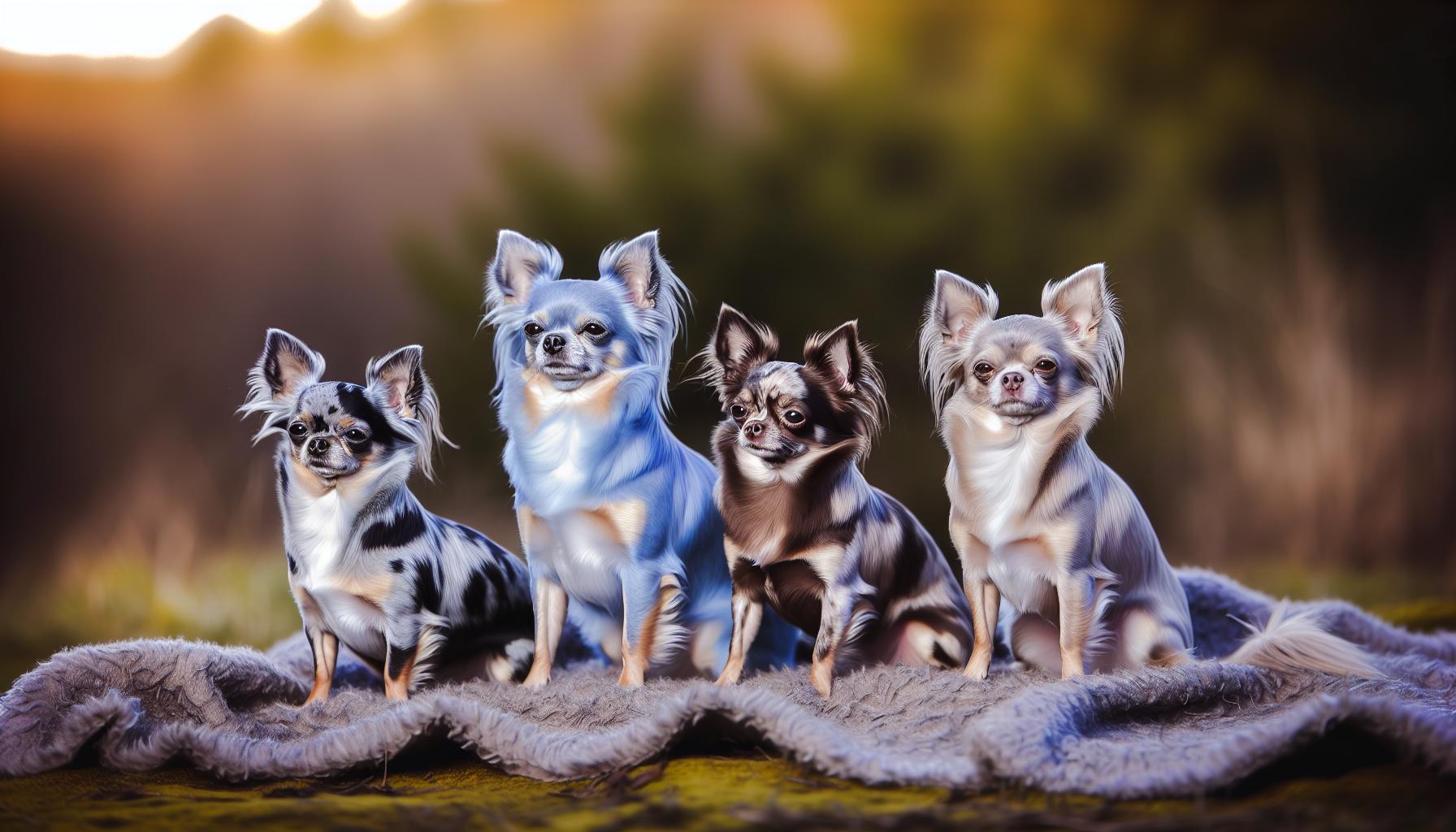
Rare Chihuahua Coat Colors You Should Know
Did you know that Chihuahuas can showcase a variety of rare coat colors that make them stand out in a crowd? While many new owners are familiar with common hues like fawn and black, there are several rare shades that not only add to their charm but also reflect the unique genetics behind this beloved breed.
One of the most captivating rare colors is blue, a striking shade that brings a cool, silvery tone to the Chihuahua’s coat. Blue Chihuahuas often have a velvety texture, making them feel as luxurious as they look. Another eye-catching color is chocolate, which, although not as rare, appears in deeper shades than the common fawn. This color is often associated with a playful and affectionate personality, making chocolate Chihuahuas especially cherished among their owners.
Then there’s the dazzling merle pattern, characterized by swirls and patches of color that can include any combination of shades. Merle Chihuahuas are truly unique, and their mesmerizing coats are often a conversation starter. However, potential owners should note that the merle gene can lead to health issues if not responsibly bred, so make sure to source merle Chihuahuas from reputable breeders who prioritize health.
Lastly, lilac is a rare variation that features a soft, muted purple-tone coat paired with pink or light-colored nose and eyes, giving these pups an ethereal beauty. These Chihuahuas are not only visually stunning but also require the same love and care as any other coat color. Always remember that regardless of their coat color, all Chihuahuas share the same spirited, loyal nature that endears them to so many.
In summary, if you’re considering adopting a Chihuahua, keep an eye out for these rare coat colors. They add a distinctive flair to your companion’s personality and will surely make you proud to show off your unique furry friend.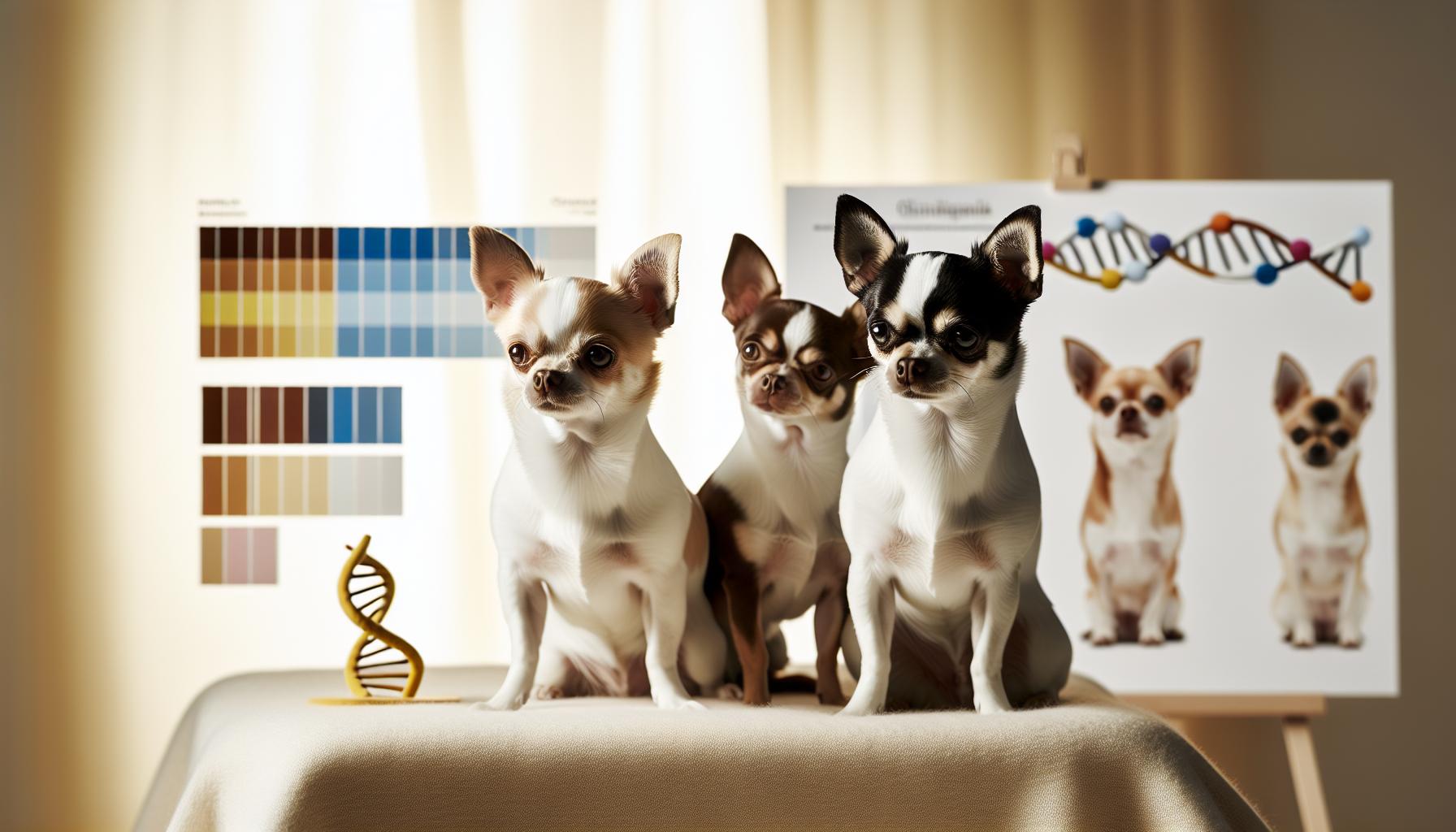
Understanding the Genetics of Chihuahua Coat Colors
The dazzling variety of Chihuahua coat colors is not just about aesthetics; it’s deeply tied to the genetics of this beloved breed. Understanding how genetics influence these colors can help you make informed choices if you’re considering adding a Chihuahua to your family. The most common colors-like fawn, black, and white-are controlled by a combination of genetic factors that dictate how pigmentation manifests in your furry friend’s coat.
At the primary level, the gene responsible for coat color is located on one of the chromosomes inherited from both parents. For Chihuahuas, the AY locus is particularly significant, as it can produce colors ranging from fawn to sable. When one or both parents carry the ay allele, puppies can also inherit other shades. Moreover, certain modifiers like dilute can lighten these colors, resulting in beautiful hues like bluish-gray or chocolate. If you’re planning a mix with other breeds, say a Chihuahua-Pomeranian cross, remember that different breeds can introduce new color genes that further enrich the tapestry of potential coat colors.
Chihuahuas also exhibit distinctive patterns like brindle and merle. Brindle, characterized by its streaky appearance, results from a specific allele that creates the tiger-striped look. Merle, on the other hand, is a complex pattern caused by a different gene that creates mottled patches and can affect not only color distribution but also health concerns if produced irresponsibly. It’s crucial for prospective owners to seek out reputable breeders who prioritize health testing and adhere to breed standards to avoid health issues possibly associated with certain coat patterns.
In the breed world, coat color can also surprisingly affect a Chihuahua’s appeal but doesn’t inherently dictate personality traits. Each coat color and pattern can be found among the same range of spirited, loyal, and sometimes audacious Chihuahuas. Regardless of their coat, these little companions share an engaging presence that makes them cherished members of the family. As a Chihuahua enthusiast, you’ll find that while the colors may differ, the joy and affection they bring remain constant.
How Coat Color Affects a Chihuahua’s Personality
Chihuahuas are as diverse in personality as they are in coat color. While common beliefs suggest that certain colors might be linked to specific traits, the reality is much more nuanced. Each dog is an individual, and their unique persona is shaped by various factors-including upbringing, socialization, and environment-rather than solely by their coat color.
Interestingly, many dog owners report that their Chihuahuas’ temperament can sometimes appear to correlate with their coat colors. For example, the bold and spirited nature often associated with fawn Chihuahuas is a common anecdote among owners. On the flip side, owners of black or chocolate Chihuahuas often describe them as more laid-back, showing a calm demeanor. However, these trends should be taken with a grain of salt. Just as you’d find a shy fawn or a hyper-chocolate in the same household, it’s essential to remember that each Chihuahua’s character is unique.
To illustrate, consider the case of Bella, a charming black-and-tan Chihuahua. Her personality is vibrant and affable, engaging everyone she meets with an eagerness that is entirely her own. Conversely, Max, a cream-colored Chihuahua, is more reserved and prefers the company of his immediate family over strangers. These cases highlight how while a coat’s hue may seem to signal personality traits, it’s the individual dog’s experiences and environment that significantly shape who they are.
To foster a harmonious bond with your Chihuahua, it’s important to focus on their specific needs, regardless of color. Socialization, positive reinforcement training, and appropriate exercise are key. Pay attention to your pup’s feedback-whether they’re lively or more subdued-and tailor your interactions to bring out their best self. After all, the colorful coats and varied personalities of Chihuahuas only enhance the joy they bring to your life.
Caring for Your Chihuahua’s Coat by Color
Caring for your Chihuahua’s coat is essential to maintaining their overall health and well-being, and it’s interesting to note how coat color can influence specific care needs. For instance, lighter-colored Chihuahuas, such as creams and whites, are more susceptible to skin issues and sunburn due to their lack of pigment. It’s a great idea to use a dog-safe sunscreen on these pups if they spend extended periods outdoors. Furthermore, make sure to check their skin for any irritations or discolorations, as a lighter coat can make them more visible.
Chihuahuas with darker coats, like blacks or chocolates, tend to be a bit more resilient when it comes to sun exposure. However, they can still benefit from regular grooming to keep their coat glossy and healthy. Routine brushing not only removes dead hair but also circulates natural oils, giving their coat a vivid sheen, especially important for those thick double coats often found in long-haired varieties.
When it comes to grooming tools, consider the following based on your Chihuahua’s coat type:
- Short-haired Chihuahuas: A soft-bristled brush or grooming glove works wonders for keeping their coat smooth and shiny.
- Long-haired Chihuahuas: A slicker brush or a wide-toothed comb is ideal for preventing tangles and mats, particularly around the ears and underarms.
Caring for a Chihuahua’s coat also means paying attention to seasonal changes. In colder months, your pup may grow a thicker undercoat, so regular brushing helps prevent excessive shedding when spring arrives. In warmer weather, keeping your Chihuahua well-groomed will help regulate their temperature and reduce the risk of overheating.
Ultimately, regardless of coat color, every Chihuahua thrives with attentive grooming and care tailored to their specific needs. Each grooming session is an opportunity for bonding, allowing you to observe any changes in their skin or fur that may require attention. Whether your little companion is a spirited fawn or a regal black-and-tan, the right care will enhance their natural beauty and health, making them a happy and vibrant part of your family.
Coat Color Variations in Long-Haired vs. Short-Haired Chihuahuas
Chihuahuas come in a delightful range of colors and textures, making them one of the most visually appealing breeds out there. Whether you’re drawn to the silky coats of long-haired Chihuahuas or the sleek appearance of short-haired ones, each type showcases unique variations in color. It’s fascinating how these coat variations can influence their overall look and even their grooming needs.
Long-haired Chihuahuas often feature a variety of stunning colors, including aquas, browns, and blues, complemented by feathering on their ears, tails, and legs. Their coats can display gradients, giving them a dynamic look. However, this luxurious fur requires more maintenance than their short-haired counterparts. Regular brushing is crucial for preventing matting, especially around areas prone to tangles like the underarms and behind the ears. Owners often find that using a slicker brush or a wide-toothed comb works best to keep the fur flowing beautifully while minimizing knots.
In contrast, short-haired Chihuahuas usually exhibit a glossy sheen and come in an array of colors from fawn and black to tricolor combinations. Their coat is easier to maintain, requiring less frequent grooming; a soft-bristled brush or grooming glove is typically sufficient to keep their fur smooth and shiny. Even so, these Chihuahuas can still benefit from regular brushing to eliminate dead hair and promote healthy skin.
Understanding these variations is crucial for first-time Chihuahua owners who want to provide the best care for their furry friends. Each stylistic choice-whether it’s a long-haired beauty or a short-haired dynamo-holds its own joys and challenges, reinforcing the bond you share as you cater to their unique grooming needs. Whether sparkling in their vivid color or showing off their textured fur, every Chihuahua brings personality and flair, demanding a little extra attention but rewarding their owners with boundless love and companionship.
Spotting Unique Patterns: Brindle, Merle, and More
Chihuahuas can showcase some truly spectacular and unique coat patterns that make them stand out even more. Two of the most fascinating patterns seen in this breed are brindle and merle, each offering a distinctive aesthetic. Whether you’re considering bringing a new Chihuahua home or simply admiring the beauty of this breed, understanding these patterns will enhance your appreciation of their diverse appearances.
Brindle Chihuahuas are characterized by their beautiful stripes resembling a tiger’s coat, created by a mix of black and brown hues. The base color can vary, typically appearing as fawn, chocolate, or cream, while the stripes add a dynamic contrast. These dogs embody a certain fierceness and individuality in their appearance, which mirrors their spirited temperament. Owners often find that brindle Chihuahuas, just like their non-brindle counterparts, are lively and loyal companions, showcasing that their striking looks reflect their bold, confident personalities.
On the other hand, merle is a pattern that presents a mottled appearance with patches of color and a lighter base, often in blue or chocolate tones. This unique coloring is the result of a genetic variation that not only provides a stunning visual impact but can also be a topic of conversation among fellow dog lovers. However, it is important for potential Chihuahua owners to be aware that the merle gene can sometimes be associated with health issues. It’s essential to choose a reputable breeder who prioritizes the health of their dogs over the aesthetics of coat color and patterns. Many owners report that their merle Chihuahuas often have playful and affectionate natures, making them beloved family members.
When looking for a Chihuahua with these unique coat patterns, pattern variation can occur within the same litter. For instance, you might find one pup flaunting striking brindle stripes while another shows off the captivating mottling of the merle pattern. Embrace the charm of these beautiful variations and remember that each Chihuahua, regardless of coat color or pattern, brings warmth, love, and character to your home.
In caring for Chihuahuas with unique coat patterns, regular grooming is vital to keep their coat looking its best. Daily brushing can help prevent matting in long-haired varieties and keep short-haired Chihuahuas shiny. Moreover, understanding that coat color and pattern do not dictate personality is crucial; each dog is an individual deserving of love and care, regardless of how they look. Enjoy each pup’s unique quirks and personalities-be it a bold brindle or a stunning merle-and you’ll find that every Chihuahua, no matter their coat, has a special place in your heart.
Popular Chihuahua Mixes and Their Coat Colors
Chihuahuas are delightful little companions renowned for their bold personalities, and when mixed with other breeds, they can produce some truly unique coat combinations. These mixes often exhibit a variety of coat colors and patterns, adding an extra layer of charm to these already captivating dogs. Understanding the common and rare coat colors found in popular Chihuahua mixes can help prospective owners make informed decisions based on their preferences.
Many Chihuahua mixes will showcase traditional colors like fawn, black, and white, often combined with hues from their non-Chihuahua parent. For instance, a Chihuahua mixed with a Pomeranian may yield fluffy pups in a beautiful blend of chocolate and cream, while a Chihuahua-Labrador mix might present a sturdy little body with a glossy black or golden coat. Each mix can vary significantly in appearance, adding to the excitement of welcoming a new furry friend into your home.
Some of the most popular Chihuahua mixes include:
- Chihuahua-Dachshund (Doxle): These little dogs often inherit the long body of the Dachshund along with the Chihuahua’s coat color, resulting in a range of colors from piebald to mottled with shades of brown, cream, and black.
- Chihuahua-Poodle (Chipoo): With their Poodle lineage, Chipoo puppies often have curly or wavy coats that can come in a vibrant spectrum, including apricot, cream, and black.
- Chihuahua-Boxer (Chiboxer): This mix can showcase striking brindle patterns along with solid colors like fawn or black, creating an energetic and visually appealing pup.
- Chihuahua-Terrier (Chihuahua Terrier Mix): These mixes can present a myriad of coat colors, often reflecting the diverse hues of their terrier ancestors, including brown, black, and tan.
It’s essential to appreciate that while colors and patterns are exciting aspects of Chihuahua mixes, each pup is unique and carries its blend of personality traits. Just like their purebred counterparts, mixed Chihuahuas are known for their loyalty and feisty nature, regardless of their coat color. If you’re considering bringing one of these colorful mixes into your home, remember that health, temperament, and overall care are just as important as how they look.
To sum it up, Chihuahua mixes can be a delightful addition to your family, bringing both color and character. Whether you’re drawn to a unique coat or the adventurous spirit of these small dogs, each mix promises to provide companionship and joy tailored to your lifestyle preferences.
Chihuahua Shows and Coat Color Standards
In the vibrant world of Chihuahua shows, the spotlight often shines brightly on coat color. For many enthusiasts and breeders, knowing the standards set by various kennel clubs can be essential for success in the ring. Chihuahuas come in an impressive array of colors, and understanding the nuances of these shades can enhance both appreciation for the breed and competitive prowess.
When it comes to coat color standards, organizations like the American Kennel Club (AKC) and the Chihuahua Club of America recognize a variety of accepted colors and patterns. Common colors include fawn, black, white, chocolate, and cream, each of which can manifest in numerous shades and markings. It’s notable that Chihuahuas can also exhibit adorable markings, such as spots or patches, which can add flair to their appearance. For example, a striking black and tan combination can be particularly eye-catching, making a puppy stand out among competitors.
At shows, judges look not just at color, but also at how well the coat complements the Chihuahua’s conformation and overall presentation. A well-groomed coat can elevate a dog’s appearance significantly. Grooming plays a crucial role here; judges appreciate clean, healthy coats that display the dog’s natural beauty. Long-haired Chihuahuas, for instance, often require more grooming to prevent tangles, while short-haired varieties may need regular brushing to maintain shine and remove loose hair.
For those looking to participate in Chihuahua shows, it’s beneficial to become familiar with the specific color standards of the events you’re entering. Preparing your Chihuahua with grooming sessions that highlight their coat color can provide them an advantage. Ensuring that your pup is not only in the best physical shape but also that they represent their breed standard can lead to a fulfilling experience both in the ring and as part of the Chihuahua-loving community.
Remember, whether your Chihuahua boasts a rare color or a classic fawn, each pup has its charm. The love and care you put into your dog will shine far brighter than any ribbon they might win. Embrace their unique beauty as you prepare to show them off to the world!
Grooming Tips for Different Coat Colors and Types
Grooming your Chihuahua is not just about maintaining appearance; it’s a reflection of the care and love you have for your pup. Different coat types require specific grooming routines to keep them healthy and vibrant. Whether your furry friend sports a sleek short coat or a luxurious long mane, each requires attention to enhance their natural beauty and reflect their unique personality.
For short-haired Chihuahuas, a simple routine is usually sufficient. Regular brushing, at least once a week, will help remove loose hairs and distribute natural oils, keeping their coat shiny. You can use a soft bristle brush or a grooming glove, which is gentle and effective. Bathing should be occasional-once every couple of months or as needed. Over-bathing can strip their coat of essential oils, leading to dryness. If your little companion is especially active or gets into messes, a mild dog shampoo will do wonders. Remember, these tiny dogs often boast a range of colors from fawn to chocolate, and a well-groomed coat makes those hues pop!
On the other hand, long-haired Chihuahuas demand a bit more dedication. These beauties often require brushing multiple times a week to prevent matting and tangling. A slicker brush or a wide-toothed comb works wonders in managing their flowing locks, especially around the ears and tail where tangles are more common. Regular trims every few months can help keep their coat manageable, depending on the desired length. When bathing, use a conditioner designed for dog coats to keep their hair soft and prevent breakage.
Caring for Specific Coat Colors
The color of your Chihuahua’s coat can also influence grooming practices. For darker shades, like black or brown, you might find that any dirt shows up less than on lighter colors like cream or white. However, light-colored coats can become discolored easily if not properly cared for. Use stain removers specifically formulated for dogs if you notice any discoloration around the eyes or mouth due to tears and saliva. Regular cleaning of those areas as part of your grooming routine is key to keeping their coat pristine.
When it comes to unique patterns such as brindle or merle, extra care to enhance their distinct appearance can involve applying a touch of color-safe grooming spray to achieve extra shine. Just be mindful of usage, as some products can be harsh. Always opt for quality over quantity when selecting grooming products-natural ingredients are often gentler on your dog’s skin and coat.
Finally, grooming your Chihuahua isn’t just about looks; it’s also a bonding experience. Use this time to cuddle and provide positive reinforcement. As you brush and pamper your little companion, you forge deeper connections built on trust and affection. So, grab those brushes, a cozy spot on the floor, and turn grooming into a cherished time together!
Choosing a Chihuahua Based on Coat Color Preferences
When it comes to selecting a Chihuahua based on coat color preferences, it’s not just about aesthetics-it’s also a reflection of your lifestyle and what you envision for your furry companion. Chihuahuas are available in a stunning array of colors, from the classic fawn and black to more unique hues like blue and chocolate. Your choice might be swayed by personal taste, but it’s also essential to consider how different colors and patterns can influence grooming needs and daily maintenance.
Many owners gravitate towards specific colors, often based on their own experiences or the unique personality traits associated with certain shades. For example, a vibrant red Chihuahua might have a spunky, energetic demeanor, while a soft cream or white Chihuahua may evoke a more laid-back, gentle disposition. While these associations aren’t scientifically proven, they can guide potential owners in finding a dog that matches their lifestyle and preferences.
Additionally, grooming and maintenance can vary with coat color. Darker coats may not show dirt as easily, which could be a factor if you’re frequently outdoors or if your Chihuahua loves to play in the mud. Lighter shades, on the other hand, can exhibit discoloration due to tear stains or environmental factors, requiring regular care. By understanding these nuances, you can make a more informed decision about which color is the best fit for you.
It’s also worth noting the uniqueness of patterns such as brindle, merle, or spotted-these can add an extra layer of charm to your Chihuahua while setting them apart from the crowd. Although rarer patterns may come with higher price points from breeders, they also tend to attract more attention due to their distinctiveness. Ultimately, choosing a Chihuahua should feel like a genuine match, reflecting not only your aesthetic desires but also your readiness to embrace the care involved in keeping your pup healthy and happy.
Q&A
Q: What is the rarest color for Chihuahuas?
A: The rarest color for Chihuahuas is often considered to be blue. This color comes in variations, such as solid blue or blue with tan markings. Due to its genetic rarity, blue Chihuahuas can be more sought after and may come with a higher price tag.
Q: Can Chihuahuas change color as they age?
A: Yes, Chihuahuas can experience color changes as they age. Puppies may start with a darker shade that lightens or changes over time, especially in breeds with mixed genetics. This is often quite common in colors like fawn or chocolate, where the hue can become more muted.
Q: Are there specific coat colors that indicate health issues in Chihuahuas?
A: Certain coat colors, such as merle, have been linked to health complications like vision and hearing impairments. It’s essential to consult a vet if a particular color is accompanied by unusual health symptoms, as these can sometimes correlate with genetic predispositions.
Q: How do genetics influence Chihuahua coat colors?
A: Genetics play a significant role in determining Chihuahua coat colors. Parents pass down genes that influence not only the base color but also patterns like brindle and merle. Understanding the lineage can help predict the potential coat colors in puppies.
Q: What are popular coat patterns in Chihuahuas?
A: Popular coat patterns in Chihuahuas include brindle, merle, and spotted. Each pattern has distinct characteristics, with brindle featuring streaks of darker colors over a lighter base, while merle displays a mottled effect that combines two colors.
Q: Do different coat colors affect a Chihuahua’s behavior?
A: While there is no direct correlation between coat color and behavior in Chihuahuas, some owners notice variations in temperament. Factors such as breeding, early socialization, and individual personality traits play a more vital role than coat color alone.
Q: How can I care for my Chihuahua’s coat based on its color?
A: Caring for your Chihuahua’s coat can vary by color. For darker coats, consider using specific shampoos that enhance shine, while lighter coats may require extra UV protection from sunlight. Regular grooming is essential irrespective of color to keep the fur healthy.
Q: What influences the pricing of Chihuahuas based on their coat color?
A: Pricing for Chihuahuas can greatly vary due to coat color rarity. Rare colors like blue or merle are often sold at higher prices compared to more common colors like fawn or black. Breeder reputation and lineage also contribute to overall pricing.
Feel free to explore more about Chihuahua coat colors in our article sections on genetics and color effects!
Wrapping Up
Now that you’re well-versed in the various colors Chihuahuas can adorn, it’s time to embrace the uniqueness of your furry friend. Whether your companion flaunts a striking fawn coat or a gorgeous chocolate hue, each color tells a story and adds to their dazzling personality. Remember, understanding their coat not only enhances your bond but also informs you on health and grooming care specific to their needs.
For more insights, check out our articles on Chihuahua health tips and leveraging their training potential. Don’t miss out-subscribe to our newsletter for our latest tips and exclusive content that helps you navigate your journey as a proud Chihuahua owner. Feel free to share your own experiences or color discoveries in the comments below! Every Chihuahua is special, and celebrating their quirks is what makes being a dog owner so rewarding. Let’s keep this conversation going-your love story with your little companion deserves to be shared.
Get our latest guides, news, and insights highlighted in your Google Search & AI Overviews.