
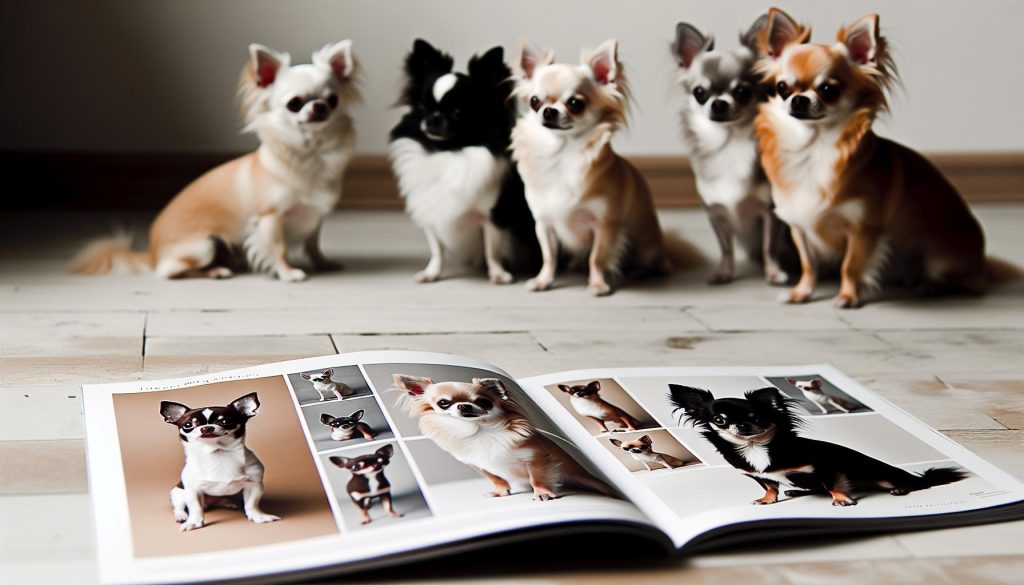
Did you know Chihuahuas come in a stunning array of colors? From classic fawn to striking chocolate and even rare patterns, these tiny dogs are as diverse in appearance as they are in personality. Understanding the variety of recognized shades not only helps you appreciate their beauty but also aids in responsible ownership. Whether you’re a seasoned Chihuahua enthusiast or a first-time owner, knowing what colors to expect can enhance your bond with this spirited breed.
As you delve into the fascinating world of Chihuahua colors, you’ll discover how each shade can reflect your dog’s unique traits and temperament. This knowledge can guide you in selecting the perfect companion who matches your lifestyle and personality. So, let’s explore every recognized shade and celebrate the remarkable hues that make Chihuahuas such captivating little companions!
The Amazing Variety of Chihuahua Colors
The Chihuahua breed is celebrated not just for its vibrant personality but also for its stunning array of colors. From rich fawns to striking blues, the color spectrum of Chihuahuas is as diverse as the breed’s charming quirks. These tiny dogs can sport a variety of shades that not only enhance their cuteness but also reflect their unique individual charm. Distinct color variations can sometimes influence an owner’s connection to their pet, with many falling in love at first sight due to a specific hue or pattern.
When it comes to Chihuahua colors, you’ll find a delightful mix that includes solid, marked, and even rare coats. Common color variations include fawn, black, brindle, cream, chocolate, and white. Each color can be solid or come with various markings such as spots and patches. For example, a tri-color Chihuahua might feature black, white, and tan, showcasing a stunning combination that turns heads. Additionally, some rare shades, like lavender or merle, add to the uniqueness of this breed, making certain Chihuahuas stand out even more.
Understanding the factors that contribute to these color differences can also enrich your journey as a Chihuahua owner. Genetics plays a crucial role in determining coat color, and knowing basic breed genetics can help you anticipate your Chihuahua’s color if you’re considering breeding. Every color has its charm, and as a devoted Chihuahua enthusiast, you can appreciate not only the aesthetic beauty of your dog but also the individual personality traits that each shade may bring out. Embracing the variety in Chihuahua colors is just another way to celebrate these incredible companions!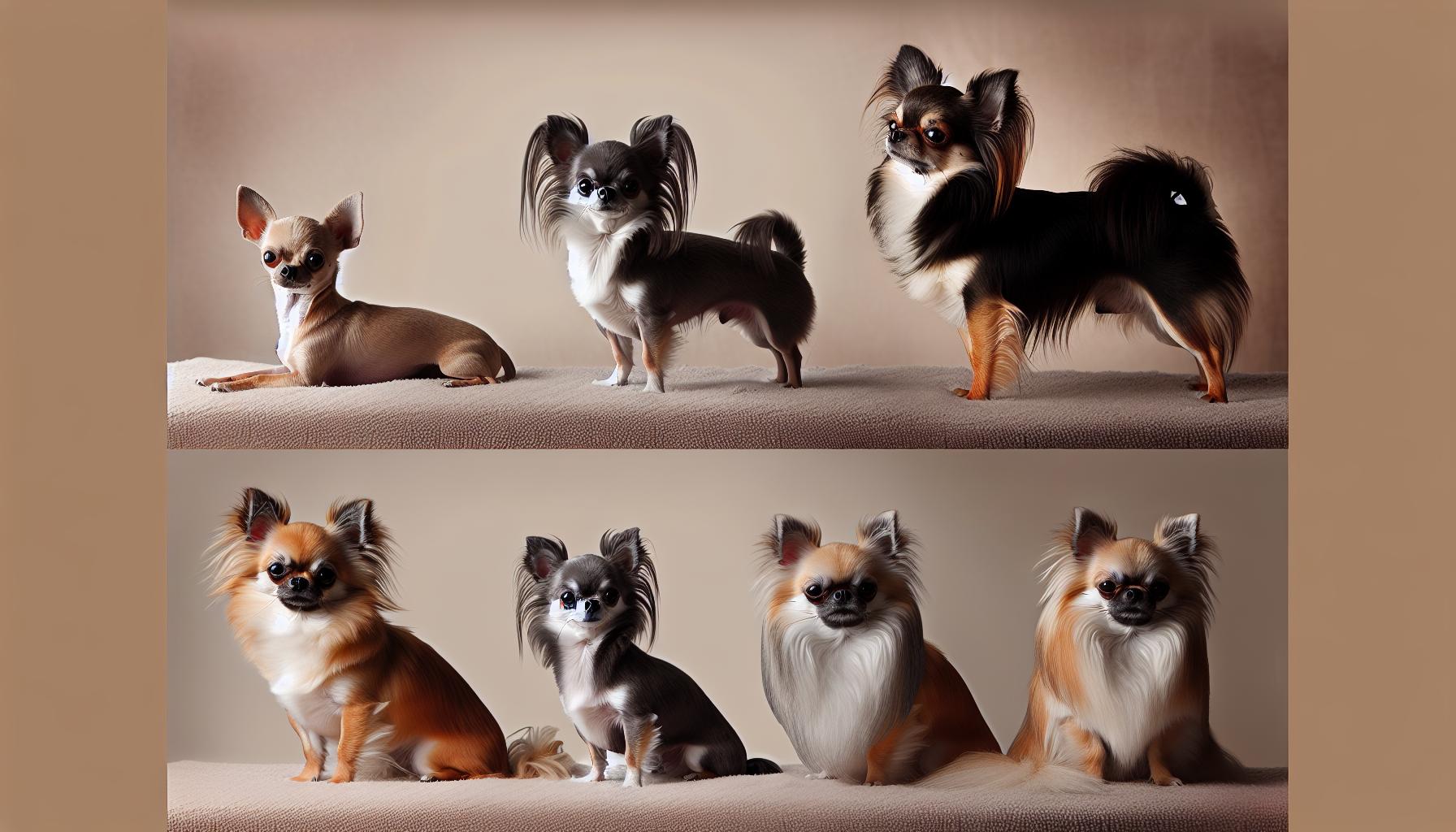
Understanding Chihuahua Coat Types
Chihuahuas come in an impressive variety of coat types, each offering unique textures and appearances that can enhance their already charming personalities. Understanding the different coat types not only helps potential owners appreciate these little dogs more but also aids in proper grooming and care. Chihuahuas can generally be categorized into two primary coat types: smooth coat and long coat.
The smooth coat Chihuahua features a sleek, short-haired coat that lies close to the body. This type is known for its shiny and easy-to-maintain fur. Because there is less hair to worry about, smooth coats require minimal grooming, making them an excellent choice for first-time owners or busy individuals. Owners often love how the smooth coat reveals the Chihuahua’s graceful forms and vibrant colors, whether it be a classic fawn or a rare blue.
On the other hand, the long coat Chihuahua boasts a soft, flowing fur that adds a touch of elegance to this tiny breed. Their longer hair can vary in length and tends to be softer and more delicate. While long-haired Chihuahuas may require more grooming to prevent tangles and mats, many owners find the extra effort well worth it, especially when their Chihuahuas turn heads with those lovely locks swaying in the breeze. Be sure to brush these beauties a few times a week to keep their coats looking their best and to enjoy that special bonding time.
In addition to these two primary types, individual coat variations exist, influenced by genetics. For instance, some Chihuahuas may have different markings or patterns, such as spots, brindling, or even a unique merle effect. Each of these patterns contributes to the dog’s overall appeal and individuality, reflecting the owner’s taste and their pet’s personality. When adopting a Chihuahua, pay close attention to their coat type, as it aligns closely with their grooming needs and can even affect their comfort during various weather conditions.
By embracing the wonderful diversity in Chihuahua coats, you not only gain a deeper understanding of this beloved breed but also enhance your connection with your companion, whether they’re a spunky smooth coat or a regal long hair. Caring for their coat type appropriately ensures that your Chihuahua remains healthy, happy, and full of personality for years to come.
The Breed Standard: Recognized Color Variations
Chihuahuas come adorned in a mesmerizing array of colors, captivating the hearts of owners around the world. According to breed standards, there are several recognized color variations that not only highlight the breed’s charm but also showcase the diversity among these tiny companions. Understanding these colors helps prospective owners appreciate the breed’s uniqueness and may even influence their choice when selecting a puppy.
Recognized variations range widely, including:
- Fawn: One of the most common colors, fawn can appear in shades from light tan to deep gold.
- Black: A striking option, black Chihuahuas may also feature a mix of white or tan markings.
- Chocolate: This rich, warm color brings an elegant essence to the breed.
- Blue: A rare but beautiful shade, blue Chihuahuas carry a stunning mystique.
- Brindle: This pattern features a mix of dark stripes on a lighter base, providing a unique and eye-catching appearance.
- Merle: Known for its mottled pattern, merle can appear in various color combinations but is less common and sometimes controversial in breeding practices.
Chihuahuas may also sport various combinations, such as black and tan, chocolate and tan, or even tri-color patterns, where three distinct colors blend harmoniously. These combinations can enhance the dog’s overall appearance, making each Chihuahua a distinctive individual. For example, a long-coated Chocolate and Tan Chihuahua might catch your eye with its rich earth tones and feathery fur, while a Blue Merle could stand out as an exceptionally rare beauty.
While breed standards provide guidelines, it is essential to remember that individualities do exist. The interaction of genetics can lead to new color expressions and variations, making each Chihuahua uniquely special. Celebrating this diversity not only enriches your experience as a Chihuahua owner but also fosters a deeper emotional connection with your furry friend. Whether you’re drawn to the classic fawn or the rare blue, every color variation tells a story-a story of love, loyalty, and the unique bond shared between a Chihuahua and their owner.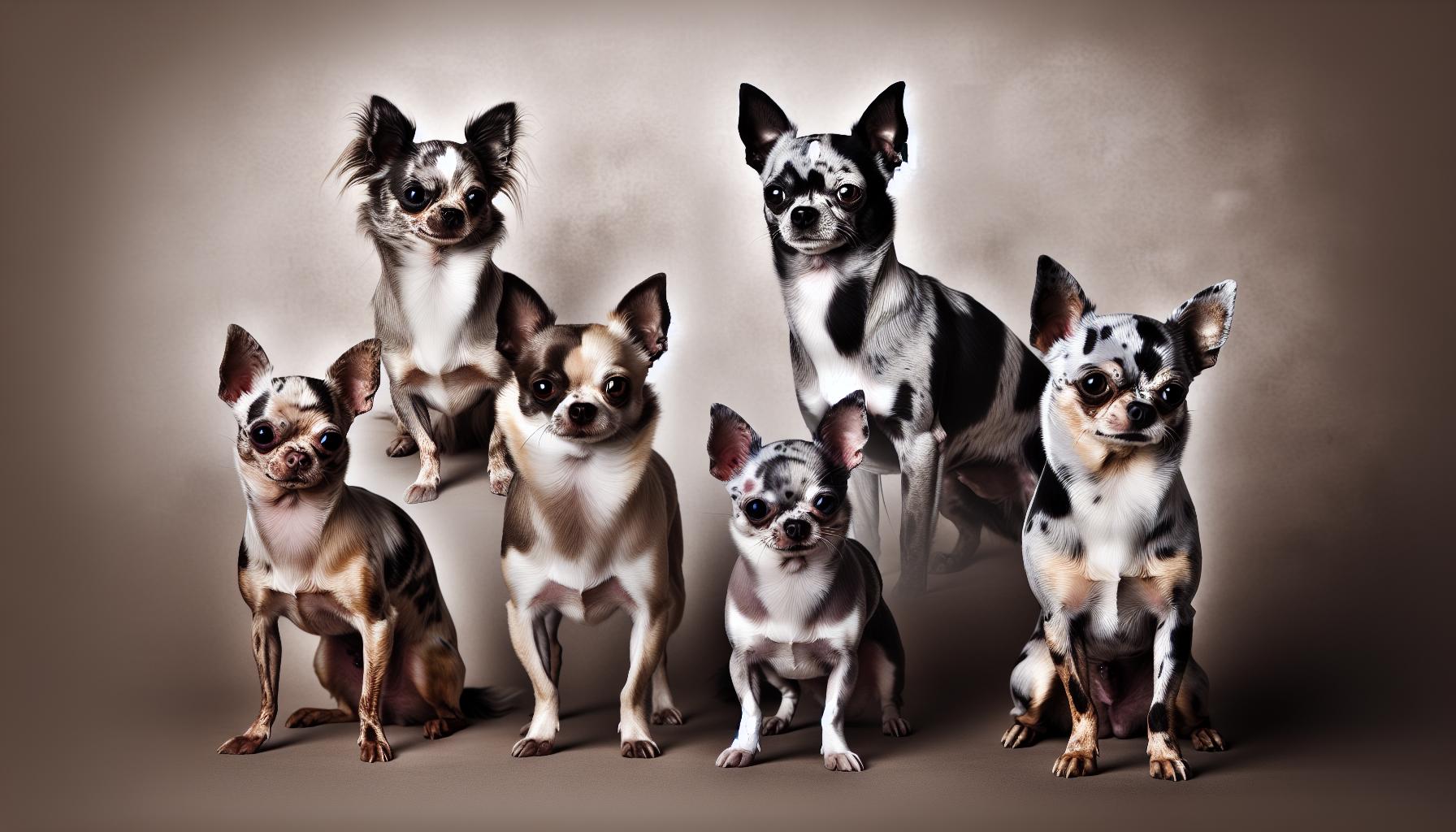
Rare and Unique Chihuahua Color Patterns
Chihuahuas are known not just for their charming personalities but also for their stunning variety of colors and patterns. Among these, rare and unique color patterns capture the imagination of dog lovers and breed enthusiasts alike. For instance, the merle pattern, which creates a patchy or mottled look, can come in striking combinations like blue merle or chocolate merle. This distinct pattern is less common and can provoke mixed feelings in the breeding community due to its association with certain health concerns, making it a topic of both fascination and caution.
Another unique pattern is the piebald, characterized by large patches of white mixed with another color. This pattern is reminiscent of the classic black-and-white looks you’ll see in other breeds, yet it carries its own allure when seen on a Chihuahua’s petite frame. Owners often report that Chihuahuas with piebald patterns tend to stand out in parks and social gatherings, drawing attention and compliments from fellow dog lovers.
Caring for Unique Patterns
When selecting a Chihuahua with a rare color pattern, it’s essential to consider how their coat type may affect care. For example, long-haired Chihuahuas with complex patterns may require more frequent grooming to prevent mats and tangles. Maintaining regular brushing not only enhances the dog’s appearance but also supports skin health, particularly in the areas where patterns create varying coat lengths.
Real-World Examples
Many owners of uniquely patterned Chihuahuas find joy in sharing their pet’s individuality. One owner, Sarah, proudly recounts how her blue merle Chihuahua named Luna often garners attention for her eye-catching coat. “People always stop to ask about her. It’s not just her color; it’s her sassy personality that makes her shine,” she shares. Another owner, James, has a piebald Chihuahua that he affectionately calls Oreo. “He’s a conversation starter wherever we go; his unique look makes him special,” James notes.
In conclusion, rare and unique patterns in Chihuahuas not only highlight the breed’s beauty but also enrich the bond between the owner and their pet. Whether through the glossy appeal of a merle coat or the striking contrast of piebald markings, each Chihuahua carries a story that reflects their distinct personality and the love shared with their owners.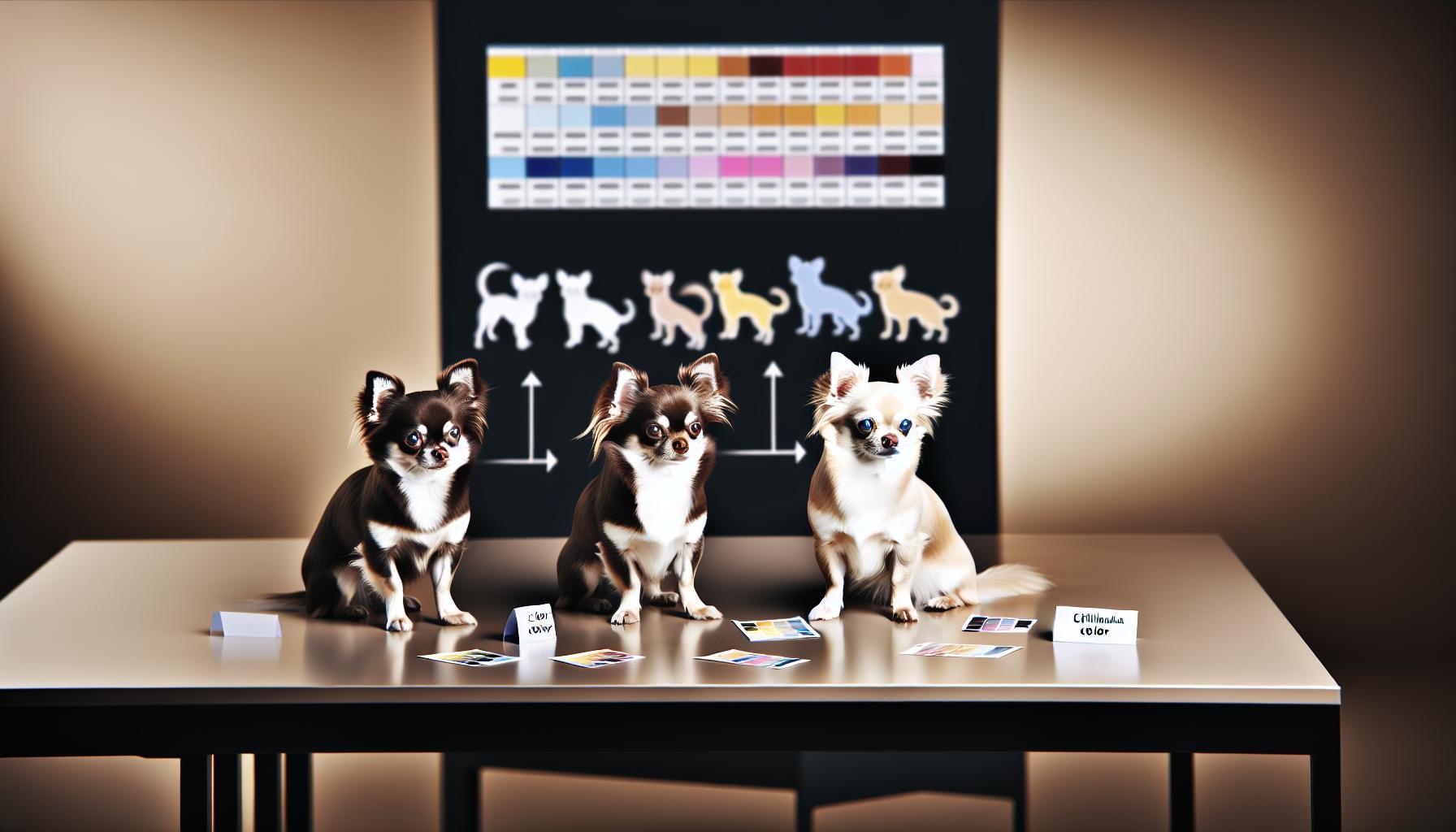
Chihuahua Color Genetics Explained
Understanding the genetics behind your Chihuahua’s coat color is as fascinating as it is complex. Each hue and pattern reflects a unique combination of genes, making every dog distinct in their appearance. Chihuahuas can display a wide variety of colors, including fawn, black, chocolate, cream, and even variations like merle and brindle. These colors come from different genetic alleles – the variants of a gene that can create distinct traits.
To grasp this better, think of color genes as a palette that mixes and matches to produce the result you see on your beloved Chihuahua. For instance, the fawn coat is one of the most common colors in Chihuahuas and is influenced by a dominant allele. In contrast, rarer colors like blue or lilac result from more recessive genes. This means that both parents must carry these recessive traits for the color to surface in their puppies.
Coat Types and Color Interference
The Chihuahua breed is known for its two primary coat types: short-haired and long-haired. The coat type can also affect how color is perceived. Long-haired Chihuahuas may have a softer, more blended color appearance compared to their short-haired counterparts, whose colors are often more vivid and pronounced. Additionally, certain patterns such as merle or piebald can alter the expression of base colors. Merle, for instance, introduces a mottled effect, which can sometimes mask the underlying color, leading to striking visual variations.
Real-World Insights
Consider owners like Maria, whose apple-headed Chihuahua, Bella, boasts a stunning chocolate coat that radiates warmth and charm. Maria often comments on how Bella’s richness in color is complemented by her long, silky fur, which can sometimes give her a slightly different shade depending on the light. On the other hand, David, the proud owner of a brindle Chihuahua named Rex, highlights how Rex’s stripes and patterns create an eye-catching look that sparks conversations everywhere they go.
Overall, understanding the genetics of Chihuahua colors not only enhances your appreciation of their unique beauty but also opens up a deeper connection with your pup. The myriad colors and patterns are not just random choices; they are a beautiful tapestry woven through genetics, showcasing the distinct personalities and characteristics of each Chihuahua.
How to Identify Your Chihuahua’s Color
Understanding your Chihuahua’s color can be an exciting journey that showcases the unique beauty of your furry friend. Each Chihuahua comes with its own vibrant palette, and identifying their specific shade can deepen your bond and appreciation for this charming breed. Start by observing the dominant hues that stand out in your dog’s coat. For instance, does she have a rich fawn tone or perhaps a striking black? You might notice that pronunciation in color can vary depending on the light, so consider taking photos in different lighting to truly capture her shade.
To make identification easier, you can categorize colors into a few main shades. Common colors to look for include:
- Fawn: This is the most recognized color, often appearing light tan to deep golden.
- Black: This can range from a solid jet black to black with some lighter markings.
- Chocolate: Often described as a rich brown, this color is warm and inviting.
- White and Cream: These lighter shades can sometimes appear almost translucent in the light.
- Brindle: Brindle Chihuahuas boast a mesmerizing striped pattern of darker and lighter shades.
- Merle: This pattern is distinctive for its mottled appearance, blending colors beautifully.
- Blue and Lilac: These are rarer shades resulting from specific genetic combinations.
You may also find that different coat types can affect how colors appear. Long-haired Chihuahuas tend to have more depth and variation in their coat colors due to the texture, while short-haired versions may display more vivid, clean colors. For example, an apple-headed Chihuahua like Bella may have a soft sheen to her coat that highlights her chocolate color, which can look almost glossy in sunlight.
When identifying your Chihuahua’s color, pay attention to the subtleties that make her unique. Is there a hint of gold in the fawn, or perhaps a patch of white on her chest? These details can help you appreciate not just the color, but the distinct personality of your Chihuahua. With each observation, you’ll not only know her better but also celebrate the stunning variety of colors that Chihuahuas have to offer.
Caring for Chihuahuas: Factors Influenced by Color
The color of your Chihuahua can influence several aspects of her care, from grooming needs to her health considerations. Understanding these nuances can enhance your ownership experience and help you provide the best possible environment for your furry friend. For instance, darker-coated Chihuahuas, such as those with a solid black or chocolate coat, may require regular grooming to remove loose hair and prevent matting. In contrast, lighter shades like cream or fawn might show dirt more easily, necessitating more frequent baths to keep their coat looking vibrant and clean.
When it comes to health, some color variations can predispose Chihuahuas to certain genetic conditions. For example, Merle Chihuahuas often face specific health risks, including vision and hearing issues. Recognizing these potential concerns enables owners to be proactive in seeking veterinary care. A responsible owner should prioritize regular check-ups and discuss any specific health risks associated with their dog’s coloration with their vet.
Chihuahuas, particularly those with unique colors or patterns, often garner attention from the public. While this can be enjoyable, it’s crucial to ensure your dog isn’t overly stimulated or stressed by the attention. Socializing your Chihuahua gradually and positively can help them become comfortable around other pets and strangers, regardless of their color. Furthermore, customizing your leash and harness based on your dog’s coat color can not only enhance their style but can help you quickly identify her from afar.
Caring for your Chihuahua also extends to her emotional well-being. Some studies suggest that owners may unconsciously bond more with dogs of certain colors, affecting training and interaction. For example, if you have a soft spot for the rich chocolate color of your Chihuahua, you might be more inclined to smother her with affection, which could enhance her confidence and temperament. Celebrating your dog’s unique shades can strengthen your relationship and foster an enriching environment. Ultimately, every Chihuahua, regardless of color, deserves love, attention, and the best care possible.
Common Misconceptions About Chihuahua Colors
Many prospective Chihuahua owners believe that the color of their dog’s coat determines its temperament and behavior. This misconception often leads to the assumption that certain colors are more energetic or aggressive than others. In reality, a Chihuahua’s personality is not dictated by its coat color but is influenced by a combination of genetics, socialization, and individual experiences. For instance, a lively fawn Chihuahua might be just as sweet-natured as a reserved chocolate one. Your Chihuahua’s unique character will shine through regardless of whether she flaunts a striking blue coat or a classic tan.
Another prevalent myth revolves around the idea that rare colors, such as Merle or blue Chihuahuas, are inherently healthier or more desirable than the common fawn or black. In fact, some rare coat colors are linked to serious genetic health issues. For example, the Merle gene can create beautiful patterns but is also associated with potential risks such as hearing or vision impairment. Thus, while unique colors may catch the eye, health should always take precedence over aesthetics when choosing a Chihuahua. Regular veterinary check-ups and a well-maintained diet are vital for all colors.
It’s also worth noting that many believe lighter-colored Chihuahuas require significantly less grooming than their darker counterparts, but this isn’t always true. Grooming needs often depend more on the coat type than color. Long-haired Chihuahuas, regardless of their shade, will require more frequent grooming to prevent matting and tangling. Short-haired varieties can be easier to care for, but all Chihuahuas benefit from regular brushing and bathing to keep their skin healthy and their coats vibrant.
Lastly, some owners may think that having a Chihuahua in a trendy color will grant them better social experiences or more attention. While people may admire your pup’s unique hue, the bond between an owner and their Chihuahua transcends color. Regular interactions, positive reinforcement in training, and socialization are what truly foster a loving relationship. Every Chihuahua deserves support and affection, no matter his or her color. Celebrate your dog’s uniqueness, and remember that your connection is what truly makes her special.
Emotional Connections: Color Preferences in Owners
When it comes to choosing a Chihuahua, color often plays a significant role in an owner’s emotional connection with their furry companion. Each hue brings with it a unique charm that resonates differently with individuals. For instance, while some might be drawn to the classic fawn for its timeless appeal, others may prefer the vibrant merle or striking blue for their rarity and stunning visual impact. This preference isn’t merely superficial; many owners feel that the color of their Chihuahua reflects their personality or aesthetic sensibilities.
Chihuahuas are small dogs with big personalities, and their colors can sometimes amplify those traits. An owner might find themselves enchanted by a chocolate Chihuahua with a playful demeanor, while a black-and-tan might capture the heart of someone who admires the sleek elegance of darker shades. These emotional connections often grow stronger over time, as owners create lasting memories and experiences that are intertwined with their dog’s unique appearance. For example, a whimsical owner might feel an extra sense of joy walking their fluffy cream Chihuahua down the street, knowing that his color elicits smiles and compliments from passersby.
Interestingly, color preferences can also influence how others perceive and interact with Chihuahuas. A vibrant, eye-catching coat can turn heads and spark conversations, leading to new friendships among dog owners. Conversely, owners of less common colors might feel a sense of pride, celebrating their Chihuahuas’ uniqueness in a breed known for its diversity. This emotional aspect underscores the bond between owner and pet, making every moment shared more meaningful.
Ultimately, while the aesthetic appeal of a Chihuahua’s coat can enhance the owner-dog relationship, it’s the personality and emotional connection that truly matter. Every color tells a story, but it is the love and companionship that each Chihuahua brings to their owner that creates an unbreakable bond. So whether your Chihuahua is a classic fawn or an unusual lavender, remember that the real beauty lies in the relationship you build together. Celebrate every shade, knowing that your Chihuahua’s spirit shines brightly, no matter the color of their coat.
Impact of Color on Chihuahua Health and Behavior
The color of your Chihuahua can influence not just their aesthetic appeal but also aspects of their health and behavior. While it might come as a surprise, certain colors are associated with specific health issues within the breed. For instance, Chihuahuas with a dilute coat color, such as blue or silver, may be at an increased risk for skin problems, including allergies and sensitivities. This is attributed to the genetic factors involved in color dilution, which can affect skin and coat health. Owners of these stunning-colored Chihuahuas should be vigilant about skincare, ensuring they use hypoallergenic products and maintain regular grooming.
Beyond health implications, color can also impact behavior and temperament. A common belief among Chihuahua owners is that rarer colors, like merle, might correspond with more exuberant personalities. While this is not a hard and fast rule, anecdotal evidence suggests that owners often perceive their vibrant-colored Chihuahuas as more spirited and lively. This perception can lead to enhanced expectations of energy and playfulness, which may influence the way these dogs are trained and socialized. Regular positive reinforcement training can help channel their spirited nature in a productive way, leading to a well-balanced dog.
Another important aspect to consider is how color affects social interactions. Research indicates that people often react differently to dogs based on their coat color, which can affect a Chihuahua’s experience in public. For example, a bright, eye-catching color like fawn or cream may draw more attention and affection from strangers, offering a more social environment for those Chihuahuas. In contrast, more subdued colors might lead to less engagement from people, potentially impacting a dog’s socialization as they grow. Engaging your Chihuahua in various social scenarios, regardless of their color, will help ensure they develop confidence and adaptability.
In conclusion, while the color of your Chihuahua may add to their charm, it’s essential to be aware of the potential health issues and behavioral factors linked to those colors. Regular veterinary check-ups, proper training, and socialization opportunities are key to nurturing your Chihuahua’s unique personality, regardless of their coat shade. Embracing their color, while promoting their overall well-being, will lead to a happier, healthier companion.
Selecting Chihuahua Colors: What to Consider
When choosing the perfect color for your Chihuahua, it’s not just about aesthetics; it’s also about understanding the genetics behind their coats and the potential implications for their health and behavior. Colors can range broadly from fawn and black to more exotic shades like blue and chocolate, each with its own charm and character. While you might be drawn to a particular shade for its uniqueness, there are important factors to consider to ensure that your decision aligns with your lifestyle and your Chihuahua’s well-being.
One primary aspect to think about is how coat color may influence your Chihuahua’s susceptibility to certain health issues. For example, Chihuahuas with dilute colors such as light blue or silver may be predisposed to skin problems. Always consult with breeders who prioritize health and can provide insights on how specific colors might relate to genetic traits. Remember, a stunning coat can be a joy, but it shouldn’t come at the cost of your pup’s health.
Additionally, consider how your Chihuahua’s color may affect social interactions. Owners often find that the attention their dog receives can vary significantly with coat color. A bright or rare hue may attract more positive interaction, potentially leading to enhanced socialization opportunities. For instance, Chihuahuas with lighter, eye-catching colors might draw more affection from passersby, which can make walks more enjoyable. Engagement with various environments and people is crucial for your dog’s confidence and development, so a pop of color can genuinely amplify those experiences.
Lastly, it’s essential to acknowledge your preferences as an owner. Each Chihuahua, regardless of color, brings their unique personality into your home. Whether you prefer the classic look of a fawn or are enchanted by a rare chocolate merle, your choice should reflect your connection with your furry friend. Many owners find themselves forming emotional bonds tied closely to their dog’s color, which adds another layer to the experience of owning a Chihuahua. Embrace this individuality and choose a color that resonates with you personally while keeping an eye on health, social, and behavioral factors. Ultimately, the best color for your Chihuahua is one that matches your heart and lifestyle, creating a joyful bond that is truly unique to you both.
Celebrating All Chihuahuas: A Colorful Spectrum
There’s a delightful vibrancy in the world of Chihuahuas, expressed through their stunning variety of colors. From the classic fawn to the more exotic hues like merle or brindle, each shade reveals a unique aspect of your furry companion’s personality. As an owner, understanding the spectrum of Chihuahua colors can enhance your appreciation for this beloved breed. Each color not only adds a visual charm but can also influence the character and the bond you share with your Chihuahua.
Embracing Diversity
Chihuahuas come in an astonishing array of colors and patterns. Some of the most common hues include:
- Fawn: The most recognized color, often seen with a black mask.
- Black: Sleek and striking, black Chihuahuas often boast highly expressive faces.
- Chocolate: Rich and warm, these Chihuahuas carry an air of elegance.
- Blue: A rare and beautiful shade, often associated with unique genetic factors.
- Merle: A pattern that features a mix of darker blotches contrasted by lighter shades.
This diversity not only makes Chihuahuas visually captivating but also allows owners to connect with their pets on a deeper level, celebrating their distinct physical traits.
Personal Preferences and Connections
Choosing a color can be a deeply personal experience. Many Chihuahua owners find themselves drawn to specific hues due to their emotional resonance. For instance, a bright white Chihuahua might remind you of a cherished childhood pet, while a chocolate one could symbolize a yearning for something rare and unique. Owners often mention feeling a special bond with their dog that’s amplified by the color. It becomes not just a matter of choice but a connection that feeds into their affection and companionship.
Ultimately, the colorful spectrum of Chihuahuas is a beautiful canvas that reflects not only their diversity but also the unique personalities they embody. Embracing this variety allows you to appreciate each Chihuahua for its individuality, transforming your ownership experience into a celebration of their vibrant colors and the joy they bring into your life. Whether you lean towards bold shades or subdued tones, every Chihuahua is a remarkable companion waiting to share their quirks and love with you.
Faq
Q: What are the most common colors of Chihuahuas?
A: The most common Chihuahua colors include fawn, black, chocolate, cream, and white. Each color can have various shades and markings that give each dog a unique look. For detailed descriptions of recognized shades, visit our section on The Breed Standard: Recognized Color Variations.
Q: Are there specific color traits associated with Chihuahua health?
A: Yes, some studies suggest that certain colors, such as merle, can be linked to health issues in Chihuahuas, including vision and hearing problems. It’s essential to be aware of these potential risks when selecting a color. For more on this topic, check our Impact of Color on Chihuahua Health and Behavior section.
Q: Why do Chihuahuas have such a wide variety of colors?
A: The variety in Chihuahua colors is largely due to genetic diversity. Different breeding practices have led to the emergence of multiple shades and patterns. Understanding these genetics can enhance your appreciation of this breed’s range-explore our Chihuahua Color Genetics Explained section for deeper insights.
Q: Can Chihuahua colors change as they age?
A: Yes, it’s common for Chihuahua colors to alter slightly as they mature. Factors such as sun exposure and health can affect coat color. For tips on observing and caring for your Chihuahuas’ changing coat, visit our guide on Caring for Chihuahuas: Factors Influenced by Color.
Q: What are some rare Chihuahua colors?
A: Rare colors in Chihuahuas include blue, lavender, and chocolate tricolor. These shades can be sought after by enthusiasts and can often come at a premium. For unique patterns and their appeal, refer to our section on Rare and Unique Chihuahua Color Patterns.
Q: How can I identify my Chihuahua’s color correctly?
A: You can identify your Chihuahua’s color by considering their base color, markings, and undertones. Use a color guide or consult with breeders for accurate identification. See our How to Identify Your Chihuahua’s Color section for helpful tips on this process.
Q: Do different colors influence a Chihuahua’s temperament?
A: While color itself doesn’t determine temperament, some owners report differing personalities based on color. Such observations may arise from personal or anecdotal experiences rather than scientific evidence. Learn more about how color may affect your Chihuahua in the Emotional Connections: Color Preferences in Owners section.
Q: Are there trends in popular Chihuahua colors?
A: Yes, trends in Chihuahua colors can shift, with certain colors like fawn and black consistently maintaining popularity. Market demands and breeder recommendations can influence these trends. For current popular choices, explore our section on Celebrating All Chihuahuas: A Colorful Spectrum.
Engage further by exploring our in-depth sections on Chihuahua colors to find care tips and breed-specific characteristics tailored just for you!
Insights and Conclusions
Understanding the colors of Chihuahuas enriches your appreciation for this vibrant breed. With shades ranging from fawn to black and even the unique merle patterns, each Chihuahua has its own personality that shines through its coat. Remember, whether you’re a first-time owner or a seasoned enthusiast, being aware of these variations can help you connect even more deeply with your furry friend. If you’re curious about how these colors can affect health and behavior, check out our guides on Chihuahua care and health tips to keep your little companion thriving.
Ready to dive deeper into the world of Chihuahuas? Explore our articles on training tips and the quirks that make these dogs so special. If you have any questions or want to share your own Chihuahua color stories, leave a comment below! Join our community for regular updates and connect with fellow Chihuahua lovers. Your journey as a Chihuahua owner continues-discover all the insights we have to offer and let your love for this breed grow!
Get our latest guides, news, and insights highlighted in your Google Search & AI Overviews.