
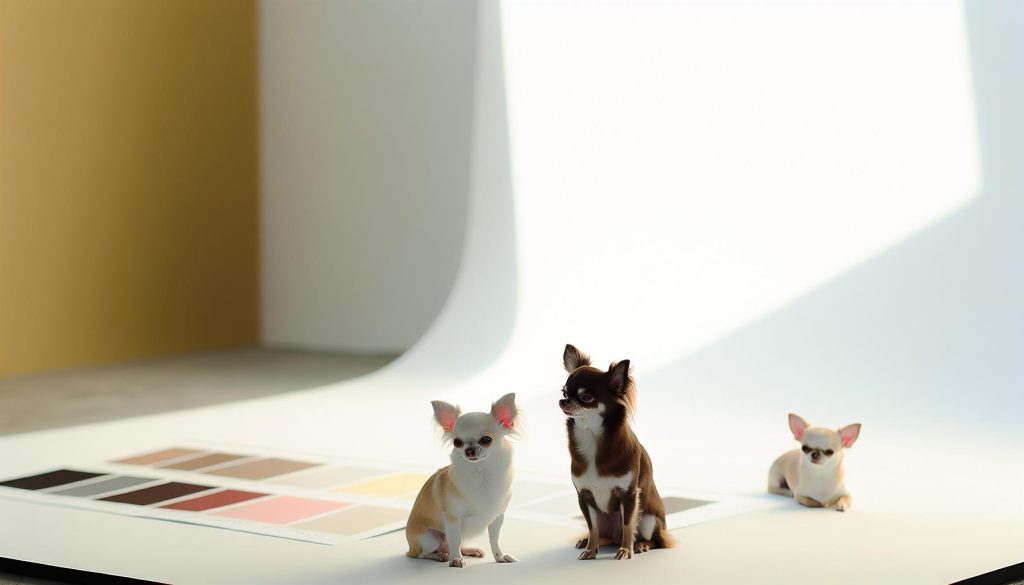
Chihuahuas are more than just adorable companions; they come in a dazzling array of colors and coat patterns that reflect their vibrant personalities. Understanding the standard coat patterns of Chihuahuas is essential for every owner, whether you’re contemplating adding one to your family or simply want to appreciate your furry friend’s unique look. Did you know that Chihuahuas can boast a variety of hues-from classic fawn to rich chocolate, and even striking merle? Each color and pattern not only enhances their charm but can also impact their health and temperament. By exploring these captivating coat variations, you’ll not only gain insight into your own Chihuahua’s beauty but also enrich your bond with her. Let’s delve into the world of Chihuahua colors and discover what makes each one so special!
Understanding Chihuahua Coat Colors and Patterns
Understanding the diverse coat colors and patterns of Chihuahuas is essential for any owner wanting to appreciate the unique beauty of these little companions. While they are small in size, Chihuahuas boast a rich variety of coats that can be as bold and vibrant as their personalities. From classic fawn and black to the rarer blue and chocolate, the color spectrum in Chihuahuas is both exciting and endearing.
Most commonly, Chihuahuas are seen in solid colors, which include fawn, cream, white, black, chocolate, and blue. Each of these colors can vary in shade and intensity, making each dog a unique work of art. For example, a fawn Chihuahua may range from a light tan to a deep gold, while a chocolate Chihuahua showcases a rich, dark brown that can sometimes appear almost black. Additionally, you might encounter Chihuahuas with a mix of colors, such as a black and tan, which adds even more charm to their overall appearance.
In addition to solid colors, Chihuahua coats can feature patterns that add to their allure. Some popular patterns include brindle, spotted, and sabled. A brindle Chihuahua appears striped with darker shades, creating a striking look, while spotted Chihuahuas have unique markings that can resemble polka dots. Sable Chihuahuas flaunt a fascinating gradient coat, where the darker tips of their fur create depth and character. Understanding these variations helps owners appreciate the breed’s diversity and allows for celebrating each dog’s individuality.
The Role of Genetics in Coat Colors
Genetics play a pivotal role in determining the coat colors and patterns of Chihuahuas. Breeders carefully consider lineage to produce specific traits, and this can also influence personality and health. For instance, certain colors may be linked to hereditary conditions: a long-haired Chihuahua, often more prone to dental issues, might be produced through lines known for long coats. Therefore, it’s crucial for potential owners to research the lineage of Chihuahuas they are interested in, not just for color preferences, but to ensure they are making a healthy choice.
By understanding these coat characteristics, you can make informed decisions whether you are adopting, training, or simply celebrating the quirky beauty of Chihuahuas. Just like their varied coats, each dog is a reflection of their vibrant personality, making them beloved companions for all types of owners.
Common Chihuahua Coat Colors Explained
Chihuahuas come in the most delightful array of colors, showcasing the breed’s vibrant personality and making them instantly recognizable. When you’re considering adopting one of these adorable companions, it’s helpful to understand the spectrum of coat colors available. Each color not only adds to their visual charm but also contributes to the dog’s unique character.
Among the most common colors, you’ll find fawn, which can range from light tan to a rich golden hue. This color is often seen with a black mask, making these little dogs even more striking. Black is another popular choice, often seen as a solid color but can also present with tan or brindle markings. The white Chihuahua is particularly captivating, bright and cheerful, complementing their lively nature.
Then there’s chocolate, a rich, warm brown that can almost appear black in certain lights. Chocolate Chihuahuas have a loyal fanbase and are cherished for their unique hue. Less common yet equally charming is the blue Chihuahua, a color that presents as a muted grayish hue. This color can be a head-turner, setting your pup apart at the dog park.
Understanding these common colors is not just about aesthetics; each hue can be associated with certain traits in terms of the dog’s health and temperament. For instance, long-haired varieties, which may emerge in fawn or chocolate, can sometimes be more sensitive to dental issues. If you’re an owner who appreciates the nuances of a Chihuahua’s personality, consider not just the color, but also the breed’s particular needs associated with that coat type.
As you explore the world of Chihuahua colors, remember that every dog is a unique canvas, reflecting its distinct personality through its coat. Embrace their quirks-whether it’s their vocal nature or loyal companionship-every color tells a story and celebrates the vibrant spirit of Chihuahuas.
Rare and Unique Chihuahua Coat Variations
Chihuahuas can flaunt an impressive range of rare and unique coat colors that delight both enthusiasts and casual admirers alike. While many people are familiar with common hues like fawn and black, there are dazzling variations that truly set these tiny dogs apart. One of the most captivating options is the merle Chihuahua, which features a marbled pattern of lighter and darker shades, creating a stunning visual effect that catches the eye. This coat type not only looks fabulous but also often leads to unique personalities, as merles can be known for their spirited energy.
Another striking example is the lavender Chihuahua, which presents a soft, muted purple tone that some owners find exceptionally alluring. This rare coloration is particularly valued among breeders and is often associated with dedicated Chihuahua fanciers who appreciate the uniqueness and beauty that this hue brings. Similarly, the chocolate brindle Chihuahua combines the rich warmth of chocolate with brindle stripes, making each dog a one-of-a-kind masterpiece. Dog parents often rave about the uniqueness of their chocolate brindle companions, noting their individual patterns as a source of pride.
When exploring these rare variations, it’s essential to consider the genetics behind coat colors, as some combinations can be linked to potential health considerations. For instance, while merles are incredibly beautiful, they may come with a higher risk for certain health problems, such as vision or hearing issues. Understanding these factors can prepare you for responsible care and help you appreciate the nuanced traits that come with your Chihuahua’s distinctive look.
Additionally, embracing the quirks of these rare colors can deepen your connection with your pup. For example, a lavender Chihuahua may have a temperament that reflects its unique coloring, often described as calm yet playful. As you consider adopting a Chihuahua, look beyond the color and focus on how these unique variations can enhance your life together, providing companionship that is as vibrant as their coat. After all, a Chihuahua’s charm lies in their presence-small but mighty, each variation brings with it a personality that shines just as brightly.
The Influence of Genetics on Coat Colors
The genetics behind a Chihuahua’s coat colors is a fascinating mix of heredity and chance, resulting in a beautiful spectrum that ranges from the everyday to the extraordinarily rare. Understanding how genetics influences these colors can help you appreciate the uniqueness of your furry companion and prepare for any specific care considerations that may arise. For instance, the classic fawn Chihuahua is a popular choice, but genetically, he might carry genes for rare colors like blue or lilac, which may not express themselves visibly.
Chihuahuas inherit their coat colors from a combination of multiple genes. The primary genes at play include the agouti gene, which determines the basic color pattern, and the extension gene, which controls whether the base coat color is expressed. Each of these genes can have different variations, leading to a wide array of coat colors. For example, a gene combination might result in a solid black Chihuahua or a richly patterned chocolate and tan combination. What’s intriguing is that while some colors, like fawn and black, are well-known, others, such as merle or the elusive lavender, can emerge from less common genetic pairings.
Genetics can also influence health traits associated with certain colors. For example, merle Chihuahuas, while beautiful, may face higher risks of health issues such as deafness or vision problems due to a specific gene that affects pigmentation. It’s essential for Chihuahua owners to be aware of these potential health concerns tied to genetic traits. Experienced owners suggest looking into lineage and healthcare needs to ensure your pup remains healthy and happy throughout his life.
Finally, genetics not only shapes the appearance of your Chihuahua but can also influence his personality. For instance, owners of chocolate and cream Chihuahuas often notice they have a more laid-back demeanor, while black and white Chihuahuas might display a spirited attitude. Being aware of these correlations helps you foster a deeper bond with your furry friend. By understanding the role of genetics, you can provide not just the right care but also the loving support that matches his unique personality and health needs, making your journey together even more rewarding.
Popular Chihuahua Coat Patterns and Their Traits
Chihuahuas are known for their remarkable variety in coat patterns, each adding a unique flair to their already vibrant personalities. Understanding these patterns can help you appreciate the individuality of your furry friend and can even influence your grooming routine. From the classic fawn to the distinctive merle, every pattern tells its own story.
One of the most recognized patterns is the solid coat, which can present in colors like black, brown, cream, or fawn. These Chihuahuas are often described as elegant and classic, making a distinctive impression wherever they go. Owners of solid-colored Chihuahuas often find that they can emphasize their furry companion’s unique personality through a stylish collar or matching outfits, showcasing their love for their little one.
Brindle Chihuahuas are another visually striking variety, featuring a striped pattern of dark stripes over a lighter base color. This pattern can be reminiscent of a tiger’s coat and gives each dog a unique charm. Brindle Chihuahuas may sometimes exhibit playful and spirited traits, reinforcing their status as lively and bold companions. Regular exercise and mental stimulation can help channel their energy positively.
Spotted or piebald patterns are also beloved among Chihuahua enthusiasts. This pattern typically features irregular patches of color on a white background and can create a playful, whimsical look. Owners often love to showcase their spotted Chihuahuas, particularly in social settings, as these patterns tend to be attention-getters. It’s important to ensure that their grooming routine considers the potential for differing hair lengths within the pattern, particularly when it comes to maintenance.
Lastly, the merle pattern is particularly sought after, with its stunning mix of colors and swirls. However, it’s vital to be aware of the potential health risks associated with the merle gene, as this gene can sometimes lead to health complications. Owners of merle Chihuahuas often become advocates for responsible breeding practices to ensure their pets remain vibrant and healthy.
Remember, regardless of their coat pattern, every Chihuahua deserves the best care. Tailoring your grooming routine to match your Chihuahua’s coat will help keep his skin and fur healthy while highlighting his unique beauty. Each pattern tells a part of his story, celebrating what makes him uniquely him.
Caring for Chihuahuas with Different Coat Types
Caring for Chihuahuas requires understanding their unique coat types, as each requires different maintenance. With their wide range of colors and patterns, from sleek solid coats to fluffy long-haired varieties, your Chihuahua’s grooming routine should cater to their individual needs. Regular care not only keeps their coat looking its best but also promotes skin health and strengthens your bond with them.
When it comes to short-haired Chihuahuas, their coat is generally easier to maintain. A weekly brushing with a soft bristle brush can help remove loose hair and distribute natural oils, giving their coat a healthy shine. Regular baths using a mild dog shampoo will keep their skin clean and hydrated. For example, a Chihuahua named Bella who has a solid black coat, thrives under a simple routine-weekly brushing and occasional baths do wonders for her soft fur.
On the other hand, long-haired Chihuahuas require a bit more attention. Daily brushing is essential to prevent mats and tangles, particularly around the ears, legs, and tail where their fur can become easily knotted. Use a slicker brush for maximum efficacy and consider using a detangling spray if you encounter stubborn knots. Regular grooming not only avoids discomfort but also reduces shedding around your home. For instance, Oliver, a long-haired fawn Chihuahua, benefited greatly from a consistent grooming schedule, which left him looking fluffy and feeling comfortable throughout shedding seasons.
Beyond grooming, health checks should be integrated into your routine. Pay special attention to the condition of your Chihuahua’s skin, as certain coat patterns, especially the merle, can be prone to issues like allergies or sensitivities. Regular vet check-ups can help address any dermatological concerns. For Chihuahuas like Daisy, who has a brindle coat and a history of skin allergies, her owner keeps a close eye on her diet and grooming products to ensure her coat stays healthy and vibrant.
Regardless of the coat type, your Chihuahua’s personality shines through their fur. Tailoring your care approach to their specific needs not only helps maintain their unique appearance but also reflects your love and commitment to their well-being. The right grooming routine can enhance their natural beauty while allowing their spirited, bold personality to emerge.
How Coat Color Affects Chihuahua’s Personality
The connection between a Chihuahua’s coat color and their personality can be as intriguing as the various hues and patterns they display. Each dog, irrespective of their fur, possesses its own unique charm, but some owners believe certain colors may hint at distinct temperaments. For instance, solid-colored Chihuahuas, such as those with a rich chocolate or deep black coat, are often rumored to exude calmness and loyalty. Many owners of these vibrant dogs, like Lisa with her chocolate-coated “Bruno,” would attest that he is both gentle and protective, embodying a serene yet alert disposition.
Conversely, Chihuahuas with more vibrant or mixed coat colors-think dappled or merle-may exhibit a more spirited personality. These dogs are often described as lively or playful, showcasing a boldness that captures attention wherever they go. Take Jamie’s merle Chihuahua, “Ziggy,” for example; his unique coat not only turns heads but also reflects his outgoing nature, as he revels in being the center of attention during family gatherings.
It’s essential to recognize that while coat color can hint at personality traits, individual temperament largely derives from genetics, environment, and socialization. Still, there are some general observations one might consider when choosing or understanding a Chihuahua based on their coat color:
- Black and Brown Chihuahuas: Often perceived as more reserved and loyal, these dogs may bond deeply with their humans.
- White and Cream Chihuahuas: Frequently seen as playful and intelligent, they often thrive in interactive environments.
- Colors with Patterns: Merle and brindle Chihuahuas often possess a quirky edge, showcasing high energy levels and exuberance.
Ultimately, the most critical factor in shaping a Chihuahua’s personality is the love and care they receive from you. Regardless of their coat color, every Chihuahua has the potential to be a loyal companion filled with personality quirks that make them unique. Embracing these distinctions and nurturing their individual traits will create a fulfilling relationship that celebrates their vibrant spirit.
Seasonal Coat Changes in Chihuahuas
Chihuahuas are not just charming companions; they also have coats that respond to seasonal changes in ways that can be quite fascinating. Many owners notice that their little pals go through a transformation as the weather shifts, particularly during the transition into winter and summer. These seasonal coat changes can affect not only the appearance of your Chihuahua but also their comfort and care needs.
During the colder months, many Chihuahuas grow a thicker, softer undercoat to provide extra warmth. This adaptation helps them cope with dropping temperatures, especially for those living in cooler climates. Owners like Sara, who has a fluffy, fawn-colored Chihuahua named Bella, often find that Bella’s winter coat becomes denser and more plush. To care for Chihuahuas during this time, regular brushing is essential to prevent matting and to keep their coats healthy. It’s also beneficial to check for any dry skin, as the winter air can be harsh. A gentle moisturizer can be helpful for those with sensitive skin.
As temperatures rise in the summer, Chihuahuas often shed their undercoats, resulting in a lighter, more manageable coat that aids in thermoregulation. This shedding can be quite pronounced, and owners such as Tom with his chocolate Chihuahua, Max, may find themselves with tufts of fur all over the house. Regular brushing during shedding seasons not only helps keep your home fur-free but also promotes healthy skin and coat.
It’s worth noting that coat texture and thickness can vary depending on their specific lineage and whether they are smooth or long-haired. Thus, each Chihuahua may experience these seasonal changes differently. Understanding your dog’s typical shedding and grooming patterns will help ensure that they remain comfortable and healthy throughout the year, providing both you and your pup a happy, hassle-free bonding time during the seasonal shifts.
Adopting a Chihuahua: Choosing Based on Coat Characteristics
Choosing to welcome a Chihuahua into your home involves more than just falling in love with their adorable little faces; the coat characteristics can significantly influence your experience as a dog owner. From sleek smooth coats to fluffy long-haired varieties, understanding these features assists in making the best choice for your lifestyle and preferences.
When adopting, consider the coat type: smooth-haired Chihuahuas usually require less grooming and are ideal for those who prefer a low-maintenance companion. They have a short, shiny coat that sheds moderately, making them a good fit for busy owners. On the other hand, long-haired Chihuahuas need regular grooming to avoid tangles and mats. For example, Emily shares that her long-haired Chihuahua, Daisy, requires consistent brushing to keep her coat healthy and beautiful, especially during shedding seasons.
In addition to practical care needs, coat color may affect your Chihuahua’s visibility and heat absorption. Darker-coated Chihuahuas can absorb more heat, which is something to consider in warmer climates. Conversely, lighter colors may be more prone to showing dirt and stains, necessitating more frequent baths. If you’re looking for a pup that can handle a bit of mess, a richly colored fawn or chocolate could be your choice. However, if you’re keen on maintaining a pristine appearance with less effort, light-colored varieties might be better suited for you.
Ultimately, the choice comes down to compatibility with your lifestyle. Each Chihuahua has a unique personality, and while coat characteristics are essential, their temperament and energy levels are equally important in ensuring a harmonious home. Many owners appreciate the bold loyalty and spunky nature of Chihuahuas, regardless of their coat type. Adopting based on these considerations will help you find a loving companion that fits seamlessly into your life, providing joy and laughter for years to come.
Identifying Chihuahua Mixes by Coat Appearance
Identifying Chihuahua mixes can be an exciting journey, as these little dogs often showcase a delightful variety of coat appearances influenced by their mixed heritage. Each combination brings forth unique patterns and colors that reflect their diverse lineage. For instance, if you come across a Chihuahua with long fur and a coat that shimmers in shades of blue or merle, there’s a good chance that this pup has heritage from breeds like the Dachshund or the Poodle. Such mixes not only offer aesthetic variety but can also present interesting insights into their personality and care needs.
When assessing a Chihuahua mix, start by looking closely at the coat type. Long-haired Chihuahuas typically have a soft, flowing coat that may require more grooming than their short-haired counterparts. If you notice a wavier texture, this might indicate genes from a breed with similar traits, such as a Shih Tzu. In contrast, smooth-coated Chihuahuas have short, sleek fur, making them low-maintenance. However, mixes may present unexpected variations, like a smooth coat with occasional long hair tufts, which could be a hint of mixed ancestry.
Consider colors and patterns as well. Brindling, patches, or spots might point towards a Boxer influence, while distinctive roan patterns can arise from connections to breeds like the English Cocker Spaniel. Chihuahuas can have a wide spectrum of shades including fawn, chocolate, black, and even cream, which adds to the allure of mixed breeds. For example, a fawn Chihuahua mix with hints of another breed might display a more vivid color or unique color markings that are characteristic of that breed’s coat pattern.
Finally, understanding the genetics behind coat characteristics can give you valuable insights into their behavior and health. For example, a Chihuahua mix with a thicker fur coat may be more resilient to colder weather but could also be prone to overheating in warm climates. Always observe how your Chihuahua mix interacts with the environment, as coat appearance can affect their comfort and activity levels.
Embracing the unique traits of Chihuahua mixes can lead to loving and fulfilling relationships as you enjoy discovering your companion’s quirks that make them truly one of a kind.
Chihuahua Grooming Tips for Every Coat Type
There’s a certain charm in how the Chihuahua’s coat can speak volumes about their personality and care needs! Whether you have a short-haired or long-haired companion, grooming plays a crucial role in keeping your tiny friend happy and healthy. Understanding their specific coat types can help you tailor your grooming routine to enhance their unique characteristics and reduce potential skin issues.
For short-haired Chihuahuas, a simple and effective grooming routine is key. Their sleek, low-maintenance coats typically require less frequent brushing-around once a week should suffice. Use a soft-bristle brush or a grooming glove to keep their fur smooth and remove loose hairs. Don’t skip baths; a mild dog shampoo can keep their skin healthy and free of irritants. Pay special attention to your Chihuahua’s skin during bath time; a quick check can help you spot any irritations or abnormalities early on!
In contrast, long-haired Chihuahuas need a bit more dedication. Their beautiful flowing coats can tangle and mat if not properly cared for, so daily brushing is recommended. A slicker brush or a wide-toothed comb works wonders to avoid those pesky knots. When it’s time for a bath, using a conditioner specifically designed for dogs can help maintain the softness and manageability of their fur. It’s also essential to check for debris trapped in their fur, as long hair can easily collect dirt, especially during outdoor adventures.
Grooming isn’t just about aesthetics; it’s a pivotal part of your Chihuahua’s health. Regular grooming sessions can provide you with valuable bonding time and give you a chance to check for signs of ear infections, fleas, or skin problems. Embrace the quirks that come with your Chihuahua’s grooming routine-whether it’s the excited hops when they see the brush or the little grumbles while you work through the tangles. These moments are what make being a Chihuahua owner wonderfully unique, and your consistent attention to their grooming needs will help ensure they lead a happy and healthy life!
Faq
Q: What are the most common coat colors for Chihuahuas?
A: The most common coat colors for Chihuahuas include fawn, black, brown, and white. These colors can appear in various patterns, like solid, brindle, or spotted. Each Chihuahua’s coat adds to its unique charm! For more details, check the section on Common Chihuahua Coat Colors Explained.
Q: Are there specific Chihuahua coat color patterns that are rare?
A: Yes, certain Chihuahua coat color patterns are considered rare, such as lilac, chocolate merle, and blue. These unique patterns can increase their value and attract specific breed enthusiasts. Discover more in the section on Rare and Unique Chihuahua Coat Variations.
Q: How does genetics influence the coat color of Chihuahuas?
A: Genetics play a significant role in determining a Chihuahua’s coat color and pattern. Specific genes dictate the various colors and patterns seen in the breed. Understanding these genetics can help potential owners choose the right Chihuahua for their preferences. More can be found in the Influence of Genetics on Coat Colors section.
Q: Can the coat color of a Chihuahua affect its personality?
A: Yes, various studies suggest that coat color can influence a Chihuahua’s personality traits. For example, darker-coated Chihuahuas may display different behavioral tendencies compared to lighter ones. This intriguing aspect is explored further in the section about How Coat Color Affects Chihuahua’s Personality.
Q: What are the typical grooming needs for different Chihuahua coat types?
A: Chihuahua grooming needs vary by coat type; short-haired Chihuahuas require less frequent brushing than long-haired varieties. Regular grooming helps keep the coat healthy and can also minimize shedding. For detailed tips, see the Chihuahua Grooming Tips for Every Coat Type section.
Q: When does seasonal coat change occur in Chihuahuas?
A: Seasonal coat changes in Chihuahuas typically occur in spring and fall, where they shed their winter or summer coats. This natural process may require extra grooming to manage loose fur effectively, as discussed in the Seasonal Coat Changes in Chihuahuas section.
Q: Why do some Chihuahuas have spots or patches on their coats?
A: Spots or patches on a Chihuahua’s coat are often a result of genetic variations. These markings can emerge in various colors and contribute to the dog’s unique appearance. Explore more about patterns in the section on Popular Chihuahua Coat Patterns and Their Traits.
Q: How can I identify a Chihuahua mix by its coat appearance?
A: Identifying a Chihuahua mix by coat appearance involves looking at both color and pattern features, as mixes can inherit traits from both parent breeds. Observing size and overall demeanor can also provide hints about the mix. For guidelines, refer to the section on Identifying Chihuahua Mixes by Coat Appearance.
The Way Forward
Now that you know the vibrant colors and unique coat patterns of Chihuahuas, you’re better equipped to celebrate the beauty of this adorable breed! Remember, whether she has a stunning fawn coat or a rich chocolate hue, each Chihuahua possesses a personality as distinct as their coloring. Don’t wait-explore our guides on Chihuahua health and behavior to ensure a happy and fulfilled life for your little companion.
Have you found the perfect coat color for your new best friend? Join our community by sharing your stories and pictures in the comments. For more insights into Chihuahua care tips, check out our articles on training and socialization. And if you’re considering adding a Chihuahua to your family, explore our resources that cover preparation and finding reputable breeders. Let’s keep the conversation going-your next adventure with your feisty, loyal friend is just around the corner!
Get our latest guides, news, and insights highlighted in your Google Search & AI Overviews.