
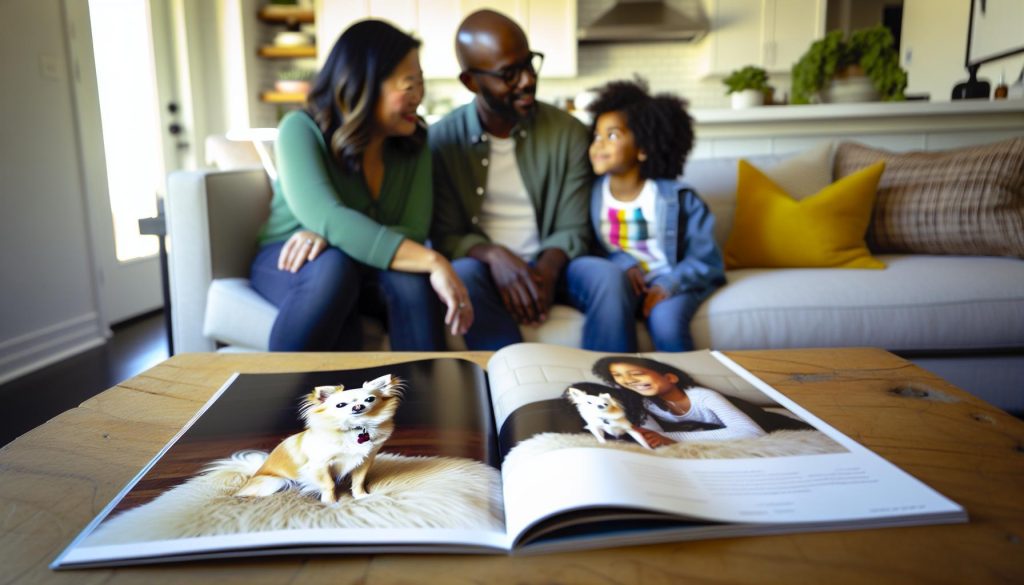
Did you know that the charming Chihuahua, often celebrated for its bold personality and tiny stature, has a fascinating ancestry that reflects a blend of various breeds? Understanding what breeds make up this unique little companion can help owners appreciate their character, health, and care needs even more. For those of you who live with a Chihuahua, you might have noticed their vibrant quirks or strong-willed demeanor, but the story of their lineage adds another layer to their endearing charm. In this exploration, we’ll delve into the surprising origins of the Chihuahua, from the ancient Mexican Toltec civilization to the diverse genetic influences that shape their behavior today. Whether you’re a proud Chihuahua parent or considering welcoming one into your home, discovering the roots of this breed enriches your understanding and enhances your bond. Join me as we uncover the captivating ancestry of your furry friend!
Understanding the Chihuahua’s Genetic Background
The Chihuahua is a breed rich in history and unique in its genetic makeup, stemming from a fascinating lineage intertwined with ancient cultures. These tiny companions are the closest living relatives to the Techichi, a small dog revered by the ancient Toltec civilization in Mexico. Modern Chihuahuas are believed to be descendants of this breed, along with influences from several other small dog breeds, showcasing a surprising genetic diversity.
Chihuahuas come in two primary types: the apple-headed and the deer-headed. The apple-headed Chihuahua features a rounded head, large eyes, and a more compact body, while the deer-headed type resembles a more elongated body and face, akin to a fawn. Understanding these distinctions is crucial for owners who want to appreciate their pet’s unique traits and lineage. Genetic influences from breeds like the Chinese Crested and even the Dachshund may also be present, infusing various sizes and coat types into the breed.
As you consider adding a Chihuahua to your home or if you’re already an owner, recognizing the breed’s roots can shed light on certain behaviors and health considerations. For example, their history as companion animals has fostered a loyal and sometimes assertive temperament, making early socialization essential. Owners often remark on how their Chihuahuas can exhibit bold personalities despite their size, showcasing the breed’s capacity to be both charming and formidable. Embracing these nuances not only enhances your relationship with your Chihuahua but also fosters a deeper understanding of the quirks that make this breed so endearing.
The Surprising Breeds Influencing Your Chihuahua
When you think of Chihuahuas, images of tiny, spirited companions often come to mind. However, the intriguing ancestry of this beloved breed reveals a surprisingly diverse genetic background that influences their appearance and behavior. Originally, Chihuahuas are thought to be descendants of the Techichi, a small dog cherished by ancient Mexican civilizations. But their lineage doesn’t stop there; Chihuahuas also carry traits from other breeds, which adds incredible depth to their personality and physical characteristics.
Among the most significant genetic influences on Chihuahuas are the Chinese Crested and the Dachshund. The Chinese Crested contributes to the variety of coat types seen in Chihuahuas today, as this breed comes in both hairless and powderpuff forms. This means you may encounter Chihuahuas with short, sleek fur as well as those with fluffy, longer coats. The presence of Dachshund blood in some Chihuahuas may account for their longer body shape or variations in height, giving rise to both apple-headed and deer-headed types, each with distinct profiles that endear them to their owners.
Understanding these genetic influences helps foster a greater appreciation for your Chihuahua’s unique quirks. For instance, the blend of breeds in your dog can manifest in behaviors, physical traits, and even health conditions. Early socialization becomes even more important when considering how various breed traits can affect temperament. A Chihuahua that embodies the boldness of a Dachshund may be more assertive, while one with Crested influences might be a tad more laid-back. These nuances contribute to the rich tapestry of Chihuahua personalities and reinforce the joy of being a caregiver to such a multifaceted breed.
As an owner, recognizing these influences not only enhances your bond with your dog but also helps you provide the best possible care. Observing how these attributes play out in your Chihuahua’s behavior-whether it’s a love for snuggles or a tendency to bark at passersby-can help tailor your training and socialization efforts. Embrace the uniqueness of your Chihuahua, and celebrate the blend of traits that make them one-of-a-kind companions. This understanding illuminates the passion and loyalty we share with our tiny friends, making every day a new adventure.
Key Characteristics of Chihuahua Mixes
When you think of Chihuahua mixes, you’re not just considering a single breed; you’re unveiling a rich tapestry of textures, appearances, and personalities that defy the ordinary. Mixes can boast unique blends of traits inherited from various breeds, resulting in delightful and unexpected characteristics. For instance, a Chihuahua mixed with a Dachshund might exhibit a charming elongated body and unique confidence, while one mixed with a Poodle may reveal a curly coat and a bright, friendly demeanor.
Chihuahua mixes can vary widely in size and appearance, drawing from their parent breeds in exciting ways. When paired with larger breeds, such as a Bulldog, you may find a compact dog with a stout body and distinctive facial features. These mixes often lead to standout personalities enriched by boldness and loyalty-traits common to Chihuahuas. It’s essential to consider that each mix can bring its own health considerations, combining the vulnerabilities from both lineage and creating unique care needs. For example, a Chihuahua-Bichon Frise mix could face the common eye issues associated with Chihuahuas and the potential for skin sensitivities from the Bichon.
Additionally, behavioral traits are often amplified in mixes. A Chihuahua Boston Terrier mix might inherit the high energy levels and playful bark of the Boston, leading to a pup that’s lively and engaged. When raising a Chihuahua mix, it’s crucial to focus on their unique behaviors and preferences, which can sometimes contrast sharply with what you might expect from a purebred Chihuahua. This examination encourages proactive socialization and training techniques tailored to blend the best of both worlds, ensuring a happy and well-adjusted dog. Regular socialization, for instance, helps these mixes embrace their boldness while softening more stubborn tendencies.
Ultimately, celebrating the quirks and individual personalities of Chihuahua mixes not only enriches your experience as a dog owner but also fosters deeper bonds. Each mix tells a story, often leading to delightful surprises in training and companionship, making your journey with these little marvels truly exceptional.
Miniature Marvels: The Size and Appearance of Chihuahuas
Chihuahuas, often dubbed the “pocket-sized pooches,” possess a unique charm that captivates dog lovers around the world. Their diminutive stature is one of their most defining features, making them perfect companions for those seeking a small, yet lively dog. Most Chihuahuas weigh between 2 to 6 pounds, standing just 6 to 9 inches tall at the shoulder, yet they often have personalities that far exceed their size. The blend of stature and spirit creates a remarkable breed that is both adorable and full of vim.
The appearance of Chihuahuas can vary significantly, influenced by their diverse ancestry. There are predominantly two head shapes: the apple head and the deer head. The apple head features a rounded skull with prominent eyes, creating a distinctly charming profile, while the deer head has a longer, more elegant shape, giving this type a regal appearance. This variation in head structure can be seen in many Chihuahuas, leading to differing facial expressions and charm.
Chihuahuas also have a variety of coat types, which may be smooth or long-haired, further showcasing their diversity. The long-haired Chihuahuas boast lush, flowing coats that can come in a constellation of colors and patterns, while the smooth-haired variety has a sleek, glossy finish that’s equally captivating. Regardless of coat type, a Chihuahua often sports a rich palette, including fawn, black, white, and chocolate, making each dog uniquely beautiful.
To ensure your Chihuahua remains healthy and vibrant, attention to their size and appearance is vital. Due to their small size, they can be prone to dental issues and other health concerns, such as patellar luxation and heart problems. Regular veterinary check-ups combined with preventative care are essential to keep your tiny friend in top shape. Moreover, being mindful of their sensitive bones and joints during playtime is crucial. Light exercise, such as short walks or interactive play sessions, can keep them active without overexerting their tiny bodies.
Whether it’s their captivating appearance or their bold personalities, owning a Chihuahua can be a delightful experience filled with love, laughter, and a touch of mischief. Each Chihuahua, with its unique traits and quirks, tells a story that is waiting to be embraced by its owner.
Distinctive Behavioral Traits of Chihuahuas
Chihuahuas are renowned for their big personalities packed into tiny bodies, which makes understanding their distinctive behavioral traits essential for any owner. While each Chihuahua can vary in behavior, there are common characteristics shaped by their intriguing ancestry and innate tendencies. For instance, many Chihuahuas exhibit a loyal and protective nature, often forming a strong bond with their human companions. This loyalty can manifest in some surprising ways; many owners have noted that their Chihuahuas may become anxious or bark when strangers approach, showcasing a fierce protective instinct.
Another defining trait is their vocalization. Chihuahuas are often quite vocal, expressing themselves through barks, whines, and even yaps that can sometimes seem disproportionate to their size. This vocal behavior is rooted in their history as watchdogs; they instinctively alert their owners to any perceived threats or unusual activity. One owner shared that her Chihuahua, Bella, never misses a chance to announce the arrival of visitors, ensuring that everyone knows her territory is being monitored!
Chihuahuas also tend to have a bold personality, often displaying more confidence than one might expect from such a small dog. This boldness can sometimes lead them to challenge larger breeds, making it crucial for owners to instill proper socialization techniques early on. Regular exposure to various environments, people, and animals can help temper any overzealous tendencies. For example, after a few playdates with larger dogs, another owner found that her Chihuahua, Max, became less feisty and more adaptable, proving that good socialization can lead to a well-rounded pet.
Lastly, their need for companionship can’t be overstated. Chihuahuas thrive on attention and affection from their owners. They dislike being left alone for extended periods, as it can lead to separation anxiety. If you work long hours, consider finding a companion for your Chihuahua or arranging for someone to spend time with her throughout the day. Owners often share how their Chihuahuas follow them around the house, eager to partake in every moment, a testament to their affectionate nature.
By understanding these behavioral traits, Chihuahua owners can create a nurturing environment that both respects their dog’s natural instincts and supports their emotional needs, leading to a happier-and often more harmonious-home.
Health Considerations for Chihuahua Owners
Chihuahuas may be small in stature, but they come with a rich lineage that can impact their health in significant ways. Understanding the unique health considerations for Chihuahuas is critical for any owner who wants to ensure a happy and long life for their furry companion. One essential aspect is their propensity for certain genetic health issues due to their ancestry. Common concerns for Chihuahuas include patellar luxation, heart problems, and dental issues. Regular veterinary check-ups are crucial to catch potential problems early and maintain their overall health.
- Patellar Luxation: This condition affects the knee joint and is prevalent in many small breeds, including Chihuahuas. It’s essential to monitor your Chihuahua for signs of limping or reluctance to put weight on one leg. Early detection can lead to better management options.
- Heart Problems: Chihuahuas can be prone to heart diseases, particularly mitral valve disease. Regular vet visits, especially as they age, can identify heart murmurs and other potential issues before they escalate.
- Dental Issues: Given their small jaws, Chihuahuas often face dental problems due to overcrowded teeth. Incorporating dental care-like regular brushing and dental chews-into their routine can prevent costly and painful issues down the line.
Emphasizing balanced nutrition is also vital for maintaining a Chihuahua’s health. Due to their size, they are prone to obesity, which can exacerbate other health issues. Feeding them a quality diet that aligns with their specific needs, particularly in terms of weight management, can set the foundation for good health. Some owners have found success by measuring their Chihuahua’s food portions and opting for high-quality dog food with appropriate caloric content.
Additionally, be aware of their sensitivity to temperature extremes. Chihuahuas are not equipped to handle very cold or hot weather due to their small size and low body fat. Providing them with a warm, cozy place to sleep and limiting outdoor exposure during extreme temperatures is essential for their well-being. Many owners invest in dog sweaters for winter walks, ensuring their little ones remain comfortable and safe.
Finally, behavioral health is as important as physical health. Given their tendency toward anxiety, particularly separation anxiety, providing mental stimulation through toys and interactive activities can prevent behavioral issues from developing. Engaging your Chihuahua with training exercises, puzzles, and socialization can significantly benefit both their mental and emotional health.
By remaining vigilant and proactive about your Chihuahua’s health, you can cultivate a fulfilling life full of joyful moments and enduring companionship. Remember, your love and attention make all the difference in their happiness and overall health!
Care Tips for Chihuahuas: Daily Needs and Grooming
Chihuahuas are small dogs with big personalities, and their care requires a blend of attention, love, and understanding of their unique needs. As a devoted owner, fostering your Chihuahua’s health starts with daily routines that cater specifically to their size and disposition. These little furballs thrive on attention and interaction, so incorporating care activities into your daily life not only meets their needs but also strengthens your bond.
Feeding and Nutrition
Balancing your Chihuahua’s diet is key. Because of their small stature, they can be prone to obesity, which can lead to serious health issues, including joint problems and heart disease. It’s essential to feed them high-quality dog food that meets their energy requirements while keeping an eye on portion sizes. Many owners find success by following the feeding guidelines on the dog food packaging. You might also consider adding fresh vegetables or a small amount of cooked chicken to their meals for a nutritional boost, just be sure to avoid harmful foods like onions and chocolate. Always provide fresh water, as hydration is vital for their tiny bodies.
Exercise Essentials
While Chihuahuas are small, they have a lot of energy packed into their little frames. Daily playtime, whether it’s a brisk walk, a game of fetch, or interactive toys, is crucial. Just keep in mind that they can easily become overheated or too cold. Quick bursts of playtime throughout the day can help them burn off energy without overexertion. For example, some owners find that allowing their Chihuahua to run around indoors in a safe space is a great way to keep them active while staying comfortable.
Grooming Practices
Grooming is another vital aspect of your Chihuahua’s care. Depending on whether your dog has a long or short coat, grooming needs will vary. Short-haired Chihuahuas require less grooming but still benefit from a good brushing once a week to remove loose hair and skin flakes. Long-haired ones, on the other hand, should be brushed every few days to prevent matting. Regular grooming not only keeps their coat healthy but also offers an excellent opportunity for checking for skin issues or parasites.
Nail trimming, ear cleaning, and dental care are often overlooked but equally important. For instance, many owners find that a simple weekly ear check can help catch any build-up before it leads to problems. Dental health is crucial as Chihuahuas can be prone to periodontal disease. Brushing their teeth a few times a week is a good habit to establish early on.
These daily care tips can transform your life and improve the well-being of your lovely Chihuahua. Remember, your attentive care helps them thrive, showcasing their vibrant nature, and making sure they remain playful companions into their golden years.
Training Techniques Tailored for Chihuahuas
When it comes to training Chihuahuas, understanding their unique personality traits is paramount. These tiny dogs may have a small stature, but they possess a big attitude-often displaying courage and loyalty that can surprise even seasoned dog owners. Chihuahuas thrive on positive reinforcement, making training sessions a wonderful opportunity to bond. She responds best to gentle, consistent guidance, which helps her learn while feeling secure and encouraged.
One effective approach is to incorporate their natural curiosity into training. For instance, utilize tasty treats or engaging toys as rewards. Setting short, achievable goals during training ensures success. For example, teaching basic commands like “sit,” “stay,” and “come” can be fun and interactive. Always start with distractions to a minimum in a quiet environment, gradually increasing the complexity as she becomes more confident. Progress might look like this:
Training Tips for Chihuahuas
- Use High-Value Treats: Small pieces of cooked chicken or beef can be irresistible.
- Keep Sessions Short: Aim for 5-10 minutes, especially for younger dogs.
- Be Patient: If she doesn’t respond immediately, take a step back and re-evaluate the approach.
- End on a Positive Note: Always finish with something she does well, reinforcing that training is fun.
Because Chihuahuas can be quite vocal, teaching “quiet” can help manage excessive barking. Training him to understand that barking isn’t always required will contribute to a peaceful home environment. When he barks, you can redirect his attention to a toy or command him to “speak” followed by “quiet,” rewarding him when he complies.
Socialization is also key; exposing your Chihuahua to new experiences, sounds, and people can prevent fearfulness and aggression. Organized puppy classes are a great way to introduce her to other dogs and humans in a controlled environment. This not only solidifies her training but helps build confidence.
In terms of common challenges, many owners find that Chihuahuas can develop stubborn behaviors, especially when something piques their interest. It’s essential to engage them with patience; remember, training isn’t just about commands. It’s about understanding her unique quirks, whether she’s an apple-head or a deer-head, and celebrating those distinctions in her learning process.
Ultimately, consistency, love, and plenty of patience go a long way in training your Chihuahua. With ongoing encouragement and adaptable techniques, she can become not only a well-behaved member of the family but also a treasured companion that showcases all the wonderful traits that make Chihuahuas so special.
Common Misconceptions About Chihuahuas
Many people hold misconceptions about Chihuahuas that often stem from their small size and spirited personalities. One prevalent belief is that these tiny dogs are inherently aggressive or yappy. While Chihuahuas can be vocal, this behavior is often a reflection of their protective nature rather than an indication of aggression. They were bred to be alert companions, which can lead them to bark at perceived threats. Proper training and socialization from a young age can curtail excessive barking and help them distinguish between real threats and everyday noises.
Another common myth is that Chihuahuas are not suited for families or households with children. In reality, Chihuahuas can be affectionate and loyal family members, but their treatment in a household is paramount. It’s essential to teach children how to interact gently with them due to their delicate frames. Socializing Chihuahuas with children and other pets can cultivate a warm home dynamic where they feel safe and loved.
Some believe Chihuahuas have health issues solely because of their small size. While they can be prone to certain health problems like dental issues and patellar luxation, many thrive with proper veterinary care and a healthy diet. Regular exercise and mental stimulation play a crucial role in maintaining their overall well-being. It’s also important to note that not all Chihuahuas are the same-some may be more prone to specific health issues based on their genetics, such as whether they are apple-head or deer-head varieties.
Lastly, many people think all Chihuahuas are fragile and cannot tolerate rough play. On the contrary, while supervision is always advisable, many Chihuahuas have robust personalities, often more than one would expect from a dog of their size. Engaging them in play and activities that challenge their agility can be both fun and rewarding for you and your furry friend. Celebrating their boldness and individuality allows for a stronger bond and a deeper understanding of these remarkable little dogs.
To ensure a happy, healthy life for your Chihuahua, challenge these misconceptions with love, patience, and knowledge. These tiny companions, with their big hearts, are capable of filling your life with boundless joy and loyalty when given the right environment and care.
Chihuahua Lifespan: What to Expect
The lifespan of a Chihuahua can be quite impressive, often reaching 12 to 20 years, making them one of the longest-living dog breeds. This extended lifespan means that when you bring a Chihuahua into your home, you’re committing to a companion for many joyful years. Understanding what influences this longevity can help you ensure that your furry friend enjoys a healthy, vibrant life.
One primary factor affecting Chihuahua lifespan is their genetic background. As descendants of ancient breeds, such as the Techichi, they inherit not just their spirited personalities but also some peculiarities in health. For example, certain genetic predispositions can make some Chihuahuas more susceptible to dental issues and patellar luxation. Owners like yourself should prioritize regular veterinary check-ups to catch any potential health problems early on, ensuring a longer and healthier life for your pup.
A Chihuahua’s lifestyle significantly impacts their longevity as well. Daily exercise, even in short bursts, helps keep their little bodies active and fit. Socialization plays a vital role here; exposing your Chihuahua to various environments and experiences can reduce stress and anxiety. Owners who have taken their Chihuahuas on social outings, while being cautious about their size, often find that their pets adapt well to new settings, which contributes positively to their overall mental health.
Nutrition is another cornerstone of a long lifespan. Choosing high-quality dog food that meets your Chihuahua’s specific dietary needs will help maintain a healthy weight, especially since these tiny dogs can be prone to obesity. Additionally, integrating a variety of fresh foods into her diet, while ensuring they are safe for dogs, can provide essential nutrients. Owners often find that their Chihuahuas flourish on a balanced diet, leading to more energy and vitality.
Ultimately, fostering a loving and secure environment, maintaining consistent veterinary care, exercising regularly, and providing a nutritious diet are the best ways to celebrate the unique quirks of your Chihuahua while ensuring they live a long, happy life. Embrace their bold personalities and cherish every moment as you create wonderful memories together!
The Importance of Socialization for Chihuahuas
Chihuahuas may be tiny, but their bold personalities demand a world that matches their vibrant spirit. Socialization is crucial for Chihuahuas, not just for their happiness, but also for their overall well-being. These little dogs can easily become anxious or defensive if they only experience a limited environment. Early and consistent socialization helps them adapt to new situations, ultimately making them more confident and well-rounded companions.
The early weeks of a Chihuahua’s life are key for learning about the world around them. By exposing them to various people, pets, sounds, and environments, you lay a foundation that helps reduce fear and anxiety later on. You might be surprised to find that the tiniest of Chihuahuas can thrive in bustling places, provided they are gradually introduced. For instance, owners who take their Chihuahuas to pet-friendly cafés or parks often share stories about how their pups happily mingle with larger dogs and enjoy the social atmosphere.
To effectively socialize your Chihuahua, consider incorporating these practices:
- Varied Social Outings: Visit different settings-parks, city streets, and pet stores-to help your pup experience diverse sounds and sights.
- Meet Other Dogs: Arrange playdates with friendly dogs of all sizes, focusing on patience and supervision to ensure safe interactions.
- Positive Reinforcement: Use treats and praise to reward your Chihuahua for calm behavior in new situations, reinforcing confidence instead of fear.
- Expose to Different People: Introduce your dog to a variety of people, from children to seniors, to help them feel comfortable around all ages.
As a proud Chihuahua owner, you’ll often witness the quirky behaviors that arise from a well-socialized dog. Many Chihuahuas become vocal protectors of their family, and having a positive social background helps them differentiate between friend and foe. Remember, the goal is to create a positive association with the world outside. Those delightful quirks-like barking at the delivery person or showing enthusiasm each time a new friend enters the house-become more manageable when your furry friend feels secure and confident in various environments.
Ultimately, fostering a social and adaptable Chihuahua contributes to a more enjoyable life for both you and her. With the right socialization, you’ll enjoy a fine-tuned companion who not only embraces her bold nature but also knows how to navigate the big, bustling world around her.
Celebrating the Unique Quirks of Chihuahuas
Chihuahuas are renowned for their exuberant personalities and charming quirks that can turn everyday moments into delightful experiences. Unlike any other breed, these tiny canines often display a boldness that belies their small stature. Whether it’s their signature high-pitched bark that commands attention or their heartwarming loyalty that keeps them glued to your side, Chihuahuas have a way of making their presence felt. Their rich ancestry-often said to include influences from breeds like the Techichi or even terriers-contributes to their unique behavioral traits, which make every Chihuahua owner’s journey distinct and rewarding.
One of the most endearing quirks you’ll likely encounter is their unapologetic need for attention. Many Chihuahuas develop a keen sense of how to ‘speak’ to their humans, using an array of vocalizations to express everything from joy to indignation. For instance, you might find your furry companion dramatically barking at the sight of a squirrel outside the window, as if to defend their territory from the perceived invader. This vocal tendency often leads to amusing scenarios where your Chihuahua attempts to engage in conversations-sometimes even responding to your own reactions with a spirited yap or two. Such interactions not only showcase their bold nature but also reinforce the bond you share.
Chihuahuas are also famed for their snuggliness. An apple-head Chihuahua, with its distinctive round skull, often thrives on close contact, relishing the warmth of your embrace or lap. Many owners share stories of their Chihuahuas curling up under blankets or snuggling right next to them during TV time, creating a perfect cozy atmosphere. It’s not uncommon for these affectionate little companions to steal your pillow or burrow into your arms at night, turning them into the world’s smallest bed hogs!
Another beautiful quirk lies in their penchant for drama. From exaggerated fearful reactions to new environments to showing off their sassy side when meeting larger dogs, your Chihuahua can experience a whirlwind of emotions. Celebrating this theatricality means appreciating how each reaction reflects their personality. If they approach a new situation with apprehension or a bold strut, it’s all part of what makes them uniquely lovable. Encourage confidence during these moments-whether through gentle reassurances or rewarding brave behavior with treats.
In embracing these distinct traits, you’ll not only appreciate your Chihuahua’s quirks but also gain insights into their deeper needs and feelings. Setting aside time for play, training, and daily cuddles will foster a warm connection, allowing you to navigate the whims of your delightful companion together. With their vibrant personalities, Chihuahuas remind us that greatness can indeed come in small packages.
Q&A
Q: What are the common ancestors of Chihuahuas?
A: Chihuahuas are primarily descended from the Techichi, a small companion dog of ancient Mesoamerican civilizations. Additionally, they have ancestry ties to various breeds, including the Dachshund and the Pomeranian, which influenced their distinct features and temperament.
Q: How do Chihuahua mixes differ from purebred Chihuahuas?
A: Chihuahua mixes often exhibit varied traits from their parent breeds, affecting size, appearance, and temperament. For instance, a Chihuahua-Pomeranian mix may have a fluffier coat and a more vibrant personality than a purebred Chihuahua, providing unique companionship options for owners.
Q: What breeds are commonly mistaken for Chihuahuas?
A: Breeds often confused with Chihuahuas include the Toy Fox Terrier, Miniature Pinscher, and Papillon due to their similar size and features. Recognizing key differences, such as ear shape and body structure, can help clarify these misconceptions.
Q: Are Chihuahuas more prone to certain health issues compared to other breeds?
A: Yes, Chihuahuas can be prone to specific health conditions, such as patellar luxation, dental problems, and heart disease. Regular veterinary check-ups and a proper diet are essential for maintaining their health and longevity.
Q: What sizes do Chihuahua mixes typically reach?
A: The size of Chihuahua mixes can vary significantly depending on the other breed involved. Generally, they range from 5 to 15 pounds, but some mixes can be larger. Understanding the parent breeds helps set realistic size expectations for these adorable companion dogs.
Q: Why does my Chihuahua act differently than other small breeds?
A: Chihuahuas are known for their unique personality traits, including boldness and protectiveness. Unlike many small breeds, they often exhibit strong loyalty and a fearless attitude, making them distinctive companions that may not conform to typical behavior patterns.
Q: What training methods work best for Chihuahuas?
A: Positive reinforcement techniques, such as treats and praise, are highly effective for training Chihuahuas. They respond well to short, consistent sessions. Incorporating socialization from an early age also enhances their adaptability and behavior around other pets and people.
Q: How do I socialize my Chihuahua effectively?
A: Socializing a Chihuahua involves gradual introductions to new environments, people, and pets. Start with controlled settings and extend experiences as your dog becomes comfortable. Attend puppy classes or dog parks to build confidence and ease in social situations.
Wrapping Up
Understanding the diverse ancestry of Chihuahuas enhances our appreciation for these charming companions. With their distinct traits-from apple-head shapes to various coat types-Chihuahuas are not just tiny dogs; they are robust personalities packed into small frames. If you’re captivated by their loyalty and boldness, make sure to check out our guide on Chihuahua health and care to keep your furry friend thriving.
We invite you to explore more about specific breeds that contribute to the Chihuahua lineage and discover practical tips for nurturing your little one. Don’t miss the opportunity to enhance your knowledge-subscribe to our newsletter for expert insights and exclusive content! Share your thoughts in the comments below or connect with fellow Chihuahua enthusiasts to celebrate the quirks and joys of owning these bold pets. Your journey with your Chihuahua is just beginning-let’s embark on it together!
Get our latest guides, news, and insights highlighted in your Google Search & AI Overviews.