
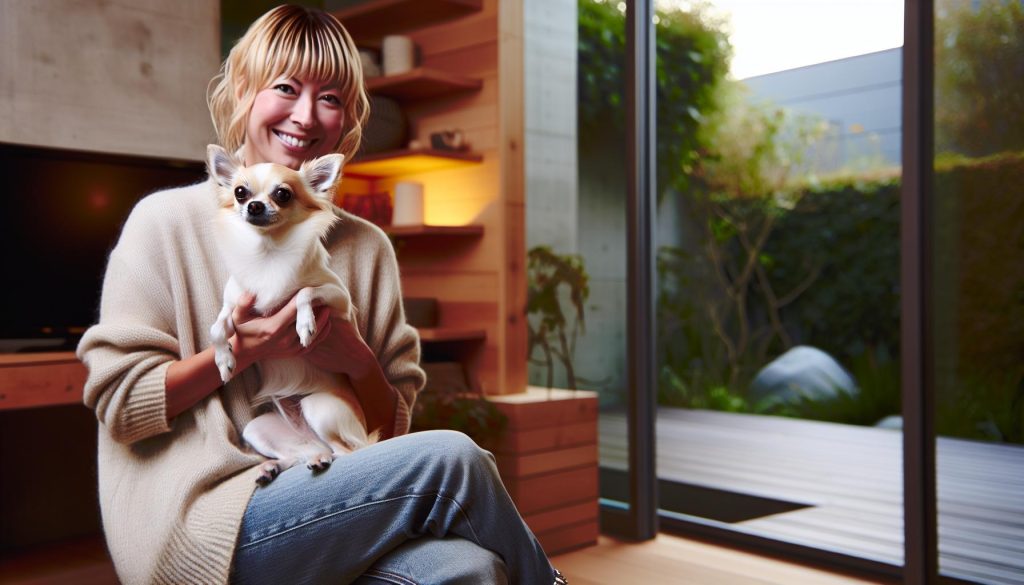
Chihuahuas are more than just tiny companions; they are a rich tapestry of history, personality, and unique traits that make them truly special. Renowned for their bold demeanor and unwavering loyalty, these little dogs can be both amusing and challenging, especially for first-time owners. If you’re considering welcoming a Chihuahua into your home or already share your life with one, understanding their classification, including types and characteristics, is essential for proper care and training. From the charming apple-head to the pampered long coat, each variety boasts distinct qualities that reflect the breed’s vibrant heritage. Join us as we explore this delightful breed, unveiling the nuances that make Chihuahuas not just pets, but beloved family members.
What Is the Chihuahua Breed Overview?
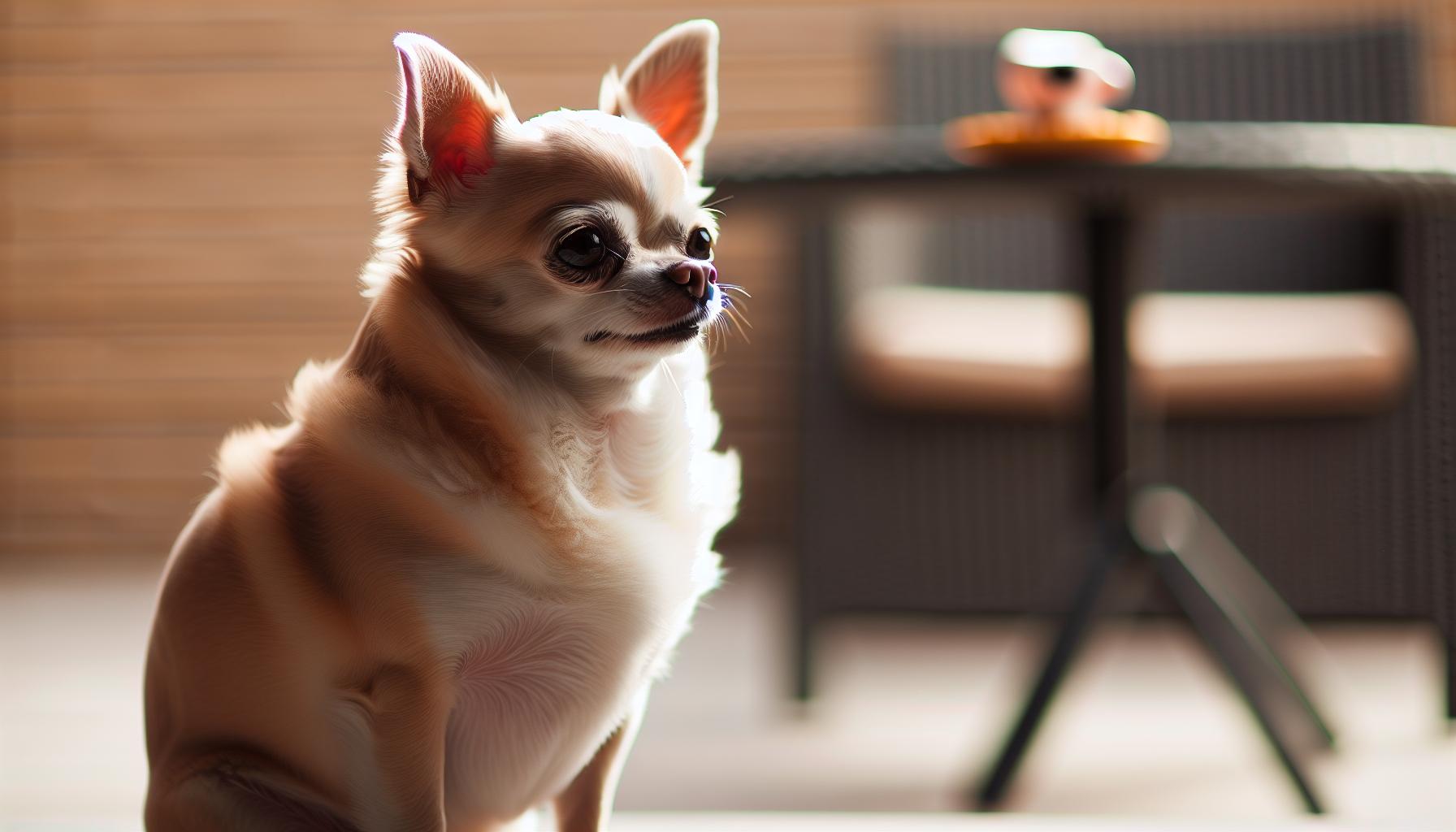
The Chihuahua is a breed that might surprise you with its bold personality, considering its diminutive size. Originating from Mexico, this tiny dog is one of the oldest breeds in North America, believed to have descended from the Techichi, a companion dog kept by the ancient Toltec civilization. Chihuahuas are more than just cute companions; they are full of spirit and charisma. Often described as fiercely loyal, Chihuahuas bond closely with their owners, making them incredibly affectionate pets.
What truly sets Chihuahuas apart is their remarkable diversity within the breed. You might encounter the classic apple-headed Chihuahua or the more elongated deer-headed variety, each with its own charm. They come in two primary coat types: smooth and long-haired, offering pet owners a choice based on their preference for grooming and maintenance. Regardless of coat type, they typically weigh between 2 to 6 pounds, which underscores their status as one of the smallest dog breeds.
Lifestyle compatibility is essential when considering a Chihuahua. They adapt well to various living situations-whether it’s a bustling city apartment or a quiet home. However, they do require regular social interaction and mental stimulation to prevent behavioral issues. Proper training and socialization from a young age can help manage their sometimes stubborn temperament, making them great companions for both seasoned dog owners and first-timers. With a little love and understanding, you’ll find that a Chihuahua is not just a pet; they are a spirited family member ready to fill your life with joy and laughter.
Fascinating History of the Chihuahua
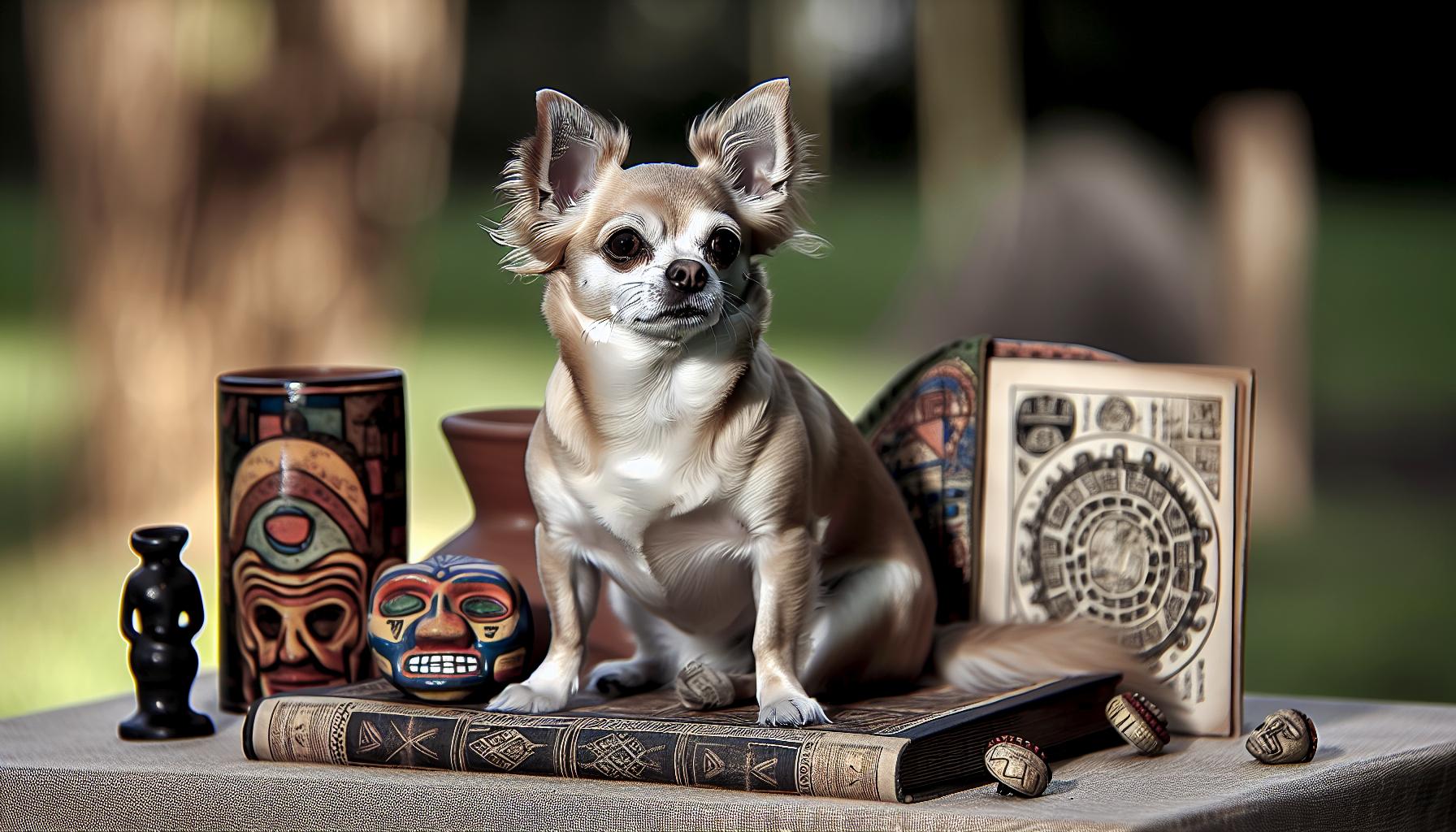
The Chihuahua, a breed so diminutive yet bursting with personality, has a captivating history that traces back to ancient civilizations. Believed to have descended from the ancient techichi, a small dog adored by the Toltec civilization in Mexico, Chihuahuas have long been cherished companions. These tiny dogs were not only household pets but were also thought to have spiritual significance, often accompanying their owners into the afterlife. This deep-rooted heritage speaks to their strong bond with humans, which remains a hallmark of their character today.
Throughout history, the breed’s popularity has fluctuated dramatically. After the arrival of Spanish colonizers in the 16th century, the Chihuahua began to gain recognition beyond Mexico. The breed played a role in managing terracotta figures found in ancient ruins and later became a fashionable companion of the elite during the mid-20th century, thanks in part to the Hollywood spotlight. Notably, famed figures like actress and singer Paris Hilton have famously showcased Chihuahuas, further cementing their status as icons of pop culture.
Chihuahuas come in various forms and features, particularly distinguishing themselves through their distinct head shapes-most commonly the apple head and the deer head. Their size can range from as little as 2 pounds to around 6 pounds, solidifying their status as one of the smallest dog breeds. This remarkable diversity encompasses not only physical traits but also a myriad of personalities and temperaments, contributing to their adaptability in various lifestyles-from bustling urban environments to cozy countryside homes.
Understanding the Chihuahua’s historical context can enhance any owner’s appreciation for this breed. They are not just pets; they are living embodiments of rich cultural heritage. Whether you choose a vibrant apple-headed Chihuahua or a regal-looking deer head, you are welcoming a breed that is as full of life as it is steeped in history, promising unwavering loyalty and unmistakable charm for years to come.
Prized Characteristics of Chihuahuas
Chihuahuas are a delightful blend of tiny stature and big personality, boasting a range of prized characteristics that make them one of the most beloved toy breeds. Their diminutive size, often weighing between 2 to 6 pounds, allows them to be effortlessly carried in a stylish purse or nestled beside their owner on the couch, yet don’t let their size fool you-they possess a bold and confident demeanor. These little companions are often described as “big dogs in small bodies,” displaying an attitude that belies their size.
One of the most cherished characteristics of Chihuahuas is their loyalty. They are known for forming strong bonds with their owners, often following them from room to room, ensuring they are never far from their side. This loyalty can lead to a protective instinct; many Chihuahuas will bark to alert their owner to any perceived threat, showcasing their vigilance despite their small frame. Their vocal nature can be both charming and challenging; understanding when to correct excessive barking can help in ensuring a peaceful home environment.
Another notable trait is their playful spirit. Chihuahuas are energetic and enjoy engaging in spirited play, whether it’s chasing after a toy or participating in a game of fetch in the backyard. Their enthusiasm for life is infectious, and many owners find joy in their antics. You’ll often find them burrowing into blankets, darting around in sheer excitement, or playfully interacting with other pets.
Chihuahuas also come in various coat types, including smooth and long-haired, providing aesthetic diversity within the breed. Owners should be prepared for grooming needs, which can vary significantly depending on the coat type. Smooth coats require less maintenance, while long-haired Chihuahuas benefit from regular grooming to prevent matting. Additionally, the breed features distinctive head shapes-primarily apple head and deer head-each adding to their charm and appeal.
Their adaptability to different living situations is another valued characteristic. Whether in a bustling city apartment or a spacious country home, Chihuahuas can thrive as long as their social and exercise needs are met. They enjoy walks, but a quick romp around the house can often suffice for their smaller energy requirements.
In summary, Chihuahuas are more than just a toy breed; they are vibrant companions that enrich our lives with their loyalty, playfulness, and distinctive characteristics. Adopting a Chihuahua means embracing a spirited lifestyle filled with affection, laughter, and the occasional challenge of handling their feisty attitude-an experience cherished by those who understand and love this remarkable breed.
Understanding Chihuahua Size and Weight Variations
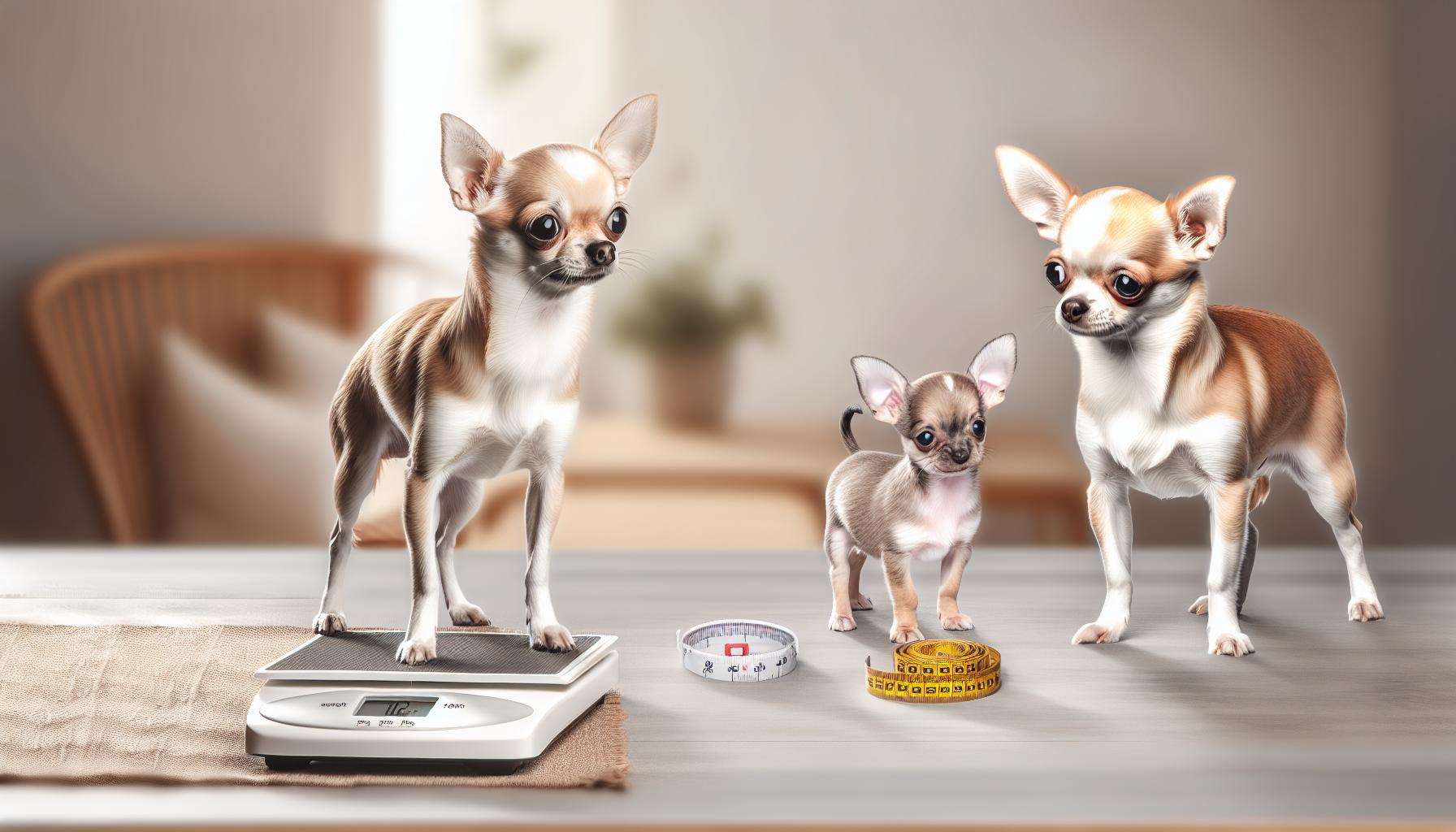
Chihuahuas may be pint-sized pups, but their size and weight can vary significantly among individual dogs. Most normally weigh between 2 to 6 pounds, making them one of the smallest dog breeds around. However, it’s not just the number on the scale that defines a Chihuahua; their unique physical attributes and body types can create a delightful array of shapes and sizes within the breed.
When looking at size, most Chihuahuas stand about 6 to 9 inches tall at the shoulder. This petite stature can be deceiving, as their personality often takes center stage. Understanding these dimensions is essential for both new and seasoned owners. For instance, if you’re considering a Chihuahua for apartment living, their small size allows them to thrive in limited spaces, but be aware that their energy levels and need for social interaction are just as significant as those of larger breeds.
Types of Chihuahuas can further impact their weight and appearance. There are primarily two head types: the apple head and the deer head. Apple-headed Chihuahuas tend to have rounder skulls and are often shorter and stockier, while deer-headed ones feature longer snouts and leaner bodies. Both types can showcase a remarkable range of weights, but owners should be mindful that drastic weight fluctuations can indicate health issues. Regular Veterinary check-ups are critical in managing their health, especially considering how compact their bodies are.
Another fascinating aspect is their coat type, which can influence how they appear visually, though it doesn’t directly relate to weight. Chihuahuas come in smooth and long-haired varieties. Smooth-coated Chihuahuas have a sleeker silhouette that may create the impression of a slightly smaller dog compared to the fluffier long-haired variety, which can make them look more robust. Despite these differences, every Chihuahua shares a larger-than-life personality, ensuring that whether she is a tiny 2-pound apple head or a plump 6-pound deer head, she will enchant you with her spirited character.
In summary, while size and weight are important considerations for potential Chihuahua owners, the breed’s diversity in appearance, coupled with their exuberant personalities, make them truly special companions. Whether you are a first-time dog owner or have experienced the joys of having a Chihuahua before, understanding these size variations can better prepare you for the loving, vibrant presence your new friend will bring into your life.
Common Coat Types: Smooth vs. Long-Haired

Chihuahuas are famous for their vibrant personalities, but their coat types can add even more character to these delightful companions. The two main varieties of coat types-smooth and long-haired-each bring unique charm and care considerations. Understanding the differences can help you decide which type of Chihuahua fits best with your lifestyle and aesthetic preferences.
Smooth-coated Chihuahuas are notable for their sleek, shiny fur that hugs their compact bodies. This coat type often gives them a streamlined appearance, accentuating their elegant features. One of the best aspects of a smooth coat is its low-maintenance nature. Regular brushing once a week is typically enough to keep their coat healthy and free of dead hair. Bathing should be done as needed, but too frequent bathing can strip their skin of natural oils. Many smooth-coated owners appreciate how easy it is to care for their pup’s grooming needs, allowing for more time focused on play and cuddling.
On the other hand, long-haired Chihuahuas bring a different flair with their luxurious, flowing coats. This variety often features a softer, fluffier texture, which can make them appear a bit larger and more robust. However, with this beauty comes responsibility. Long-haired Chihuahuas require more frequent grooming, often needing attention multiple times a week to prevent matting and tangling. Their coats tend to trap dirt and debris, so regular baths and good brushing habits are essential to keeping their fur in tip-top shape. Owners often find that spending time grooming their long-haired Chihuahua can be a rewarding bonding experience, showcasing the breed’s variety further.
Regardless of coat type, both smooth and long-haired Chihuahuas display the same loving, bold, and spirited temperament. Each pup holds their own unique charm and quirks, creating special bonds with their owners. Whether you find yourself drawn to the low-maintenance smooth-coated variety or the elegant long-haired type, both will undoubtedly bring joy, companionship, and plenty of adventures into your life.
Chihuahua Temperament: What to Expect
Chihuahuas are renowned for their spirited personalities, often encapsulating a boldness that belies their tiny stature. This breed is known for forming intensely loyal bonds with their humans, often becoming their shadow, clinging closely throughout daily activities. Their vibrant energy and zest for life can be quite infectious, making them wonderful companions for those willing to engage with their distinct temperament.
These little dogs are not shy when it comes to voicing their opinions. Whether it’s a greeting or an alert to a perceived threat, Chihuahuas can be quite vocal. This characteristic makes them excellent watchdogs, often barking fiercely despite their size. Owners should be prepared for this vocalization and recognize it as a part of their dog’s unique charm. Additionally, every Chihuahua has its own quirks – some may prefer to be cuddled up in your lap, while others might enjoy showing off their adventurous side during playtime.
While small, Chihuahuas can have strong personalities – they are curious, confident, and sometimes downright sassy. First-time owners might find their independence surprising. Proper training and socialization from a young age are essential to harness their spirited nature into positive behaviors. Regular social interactions can help curb any tendencies toward possessiveness or excessive barking, which are sometimes common in the breed. However, with patience and understanding, a well-trained Chihuahua can make for an incredibly loving companion.
In terms of care, it’s important to provide a stimulating environment that caters to their curious mind. Toys, interactive games, and regular playtime will keep your Chihuahua mentally engaged and physically active. Although they are compact and can thrive in smaller living spaces, a rich blend of social interactions and activities will keep her happy and well-adjusted. An owner’s dedication to understanding and embracing the Chihuahua’s unique temperament will ultimately reward them with a loving and loyal friend who enriches their life in countless ways.
Health Issues Specific to Chihuahuas
Chihuahuas, while small and spirited, come with their own set of health considerations that are vital for owners to understand. This breed is prone to several distinctive health issues, and being aware of them can help ensure a long and healthy life for your little companion. Regular veterinary check-ups, combined with familiarization with these common health concerns, will go a long way in maintaining their well-being.
One notable health issue in Chihuahuas is patellar luxation, a condition where the kneecap dislocates from its normal position. This can lead to limping or difficulty in walking. Pet owners should look for signs of discomfort, especially after playtime or exercise, and consult a veterinarian if they notice anything unusual. Alongside this, dental problems are frequently encountered due to their small mouths; overcrowding can lead to tooth decay and gum disease. Regular dental check-ups and at-home oral care can mitigate these risks.
Chihuahuas are also susceptible to heart disorders, particularly mitral valve disease, which can develop as they age. It’s essential for owners to monitor for signs such as coughing or lethargy and ensure their vet performs heart evaluations during annual check-ups. Another concern is hydration; these dogs are prone to overheating. Always provide water and shade, particularly during hot weather, as Chihuahuas can be sensitive to temperature extremes.
Lastly, attentive owners should be aware of hypoglycemia, or low blood sugar, which is common in small breeds. Symptoms may include weakness or lethargy. Keeping a high-quality food schedule and ensuring regular meals can help prevent this condition. With a proactive approach to these potential health concerns-coupled with love and attention-your Chihuahua can lead a vibrant and joyful life. Remember, they may be small, but their health needs are as significant as any larger breed.
Training Tips for Your Chihuahua Companion
Training a Chihuahua can be a delightful journey, as these tiny dogs are known for their intelligence and strong personalities. With dedication and the right techniques, you can tap into their potential while also celebrating their unique quirks. It’s essential to understand that Chihuahuas can be stubborn, but with patience and consistency, you can mold your little companion into a well-behaved partner.
Understanding Chihuahua Behavior
Chihuahuas are vocal and expressive, often barking to communicate their feelings and alert you to changes in their environment. This trait can work in your favor during training. Utilize their natural tendency to express themselves by rewarding calm behavior with treats and praise. For instance, when your Chihuahua is quiet during a busy moment, reward them for their peace-this encourages them to associate quietude with positivity.
Positive Reinforcement Techniques
Positive reinforcement is key when training your Chihuahua. Use small, tasty treats or their favorite toys as rewards for good behavior. This method is particularly effective when teaching commands or tricks. Break down tasks into smaller steps; for example, if you want them to sit, first guide them into a standing position, then hold a treat above their head until they naturally lower themselves. Always celebrate their success, no matter how minor-puppy enthusiasm is infectious!
Socialization is Crucial
Socializing your Chihuahua from a young age is essential. Expose her to different people, pets, environments, and experiences. This helps her develop confidence and reduces fear or anxiety in new situations. Consider arranging playdates with other dogs or taking her on outings to different locations. The more experiences she has, the better equipped she will be to handle the world around her.
Dealing with Disobedience
If your Chihuahua exhibits stubbornness or disobedience, remain calm. Yelling or punishing can make her fearful or defensive. Instead, reassess your training methods-are you being consistent? Are your commands clear? When mistakes happen, try redirecting her attention instead of scolding her. For example, if she’s gnawing on furniture, offer her a toy instead and praise her for choosing it.
In conclusion, training a Chihuahua is a rewarding opportunity to build a strong bond with your petite friend. With positive reinforcement, patience, and plenty of socialization, you can help your Chihuahua blossom into a well-mannered and confident dog. Celebrate their feisty spirit and remember that with love and proper guidance, your little one will thrive!
Nutritional Needs for a Happy Chihuahua
Chihuahuas, with their vibrant personalities packed into tiny frames, have specific nutritional needs that can significantly impact their health and happiness. Given their small size, what works for larger breeds often won’t cut it. These feisty companions thrive on a balanced diet tailored to support their energy levels, maintain their unique body structure, and prevent common health issues.
A high-quality, small-breed dog food is crucial for your Chihuahua. Look for formulas rich in protein, as these little dynamos require more energy than their larger counterparts. Ingredients like chicken, beef, or fish should be prominently featured. Canines need a mix of protein, fats, and carbohydrates for optimal health; hence, a blend of all three will keep your furry friend active and satisfied. Avoid fillers such as corn and soy, which can lead to obesity and other health problems.
Feeding Guide
Feeding your Chihuahua involves understanding their unique conversion of food into energy. Here are some guidelines:
- Portion Control: Typically, two meals a day work best. A portion of ½ to 1 cup divided between meals is standard, but always adjust based on activity level and age.
- Healthy Treats: Use small, low-calorie treats for training. Your Chihuahua’s love for snacks can easily lead to overeating, so moderation is key.
- Fresh Water: Always provide clean, fresh water. Hydration is crucial, especially for those with high activity levels.
Common Dietary Considerations
Chihuahuas are prone to dental issues, so consider feeding dry kibble that can help reduce plaque build-up. Additionally, some may develop food sensitivities-monitor for any adverse reactions like itchy skin or digestive issues after introducing new foods. Providing a variety of textures-like incorporating wet food occasionally-can keep mealtime interesting.
Finally, consult with your veterinarian regularly to assess your Chihuahua’s weight and overall health. Adjust their diet as needed with aging or changes in activity level, ensuring your companion remains sprightly throughout their years. With proper nutrition, your little furball will not only feel good but will also exhibit that trademark Chihuahua boldness and vibrancy that we all adore!
Grooming Essentials for Your Chihuahua
Chihuahuas, with their expressive personalities and stunning variety, require thoughtful grooming to keep them looking and feeling their best. Whether your companion has a sleek smooth coat or a fluffy long-haired mane, regular grooming is essential not just for aesthetics, but for health and bonding. Grooming a Chihuahua can be a delightful and fulfilling routine-turning what might seem like a chore into a special time spent together.
For smooth-coated Chihuahuas, weekly brushing with a soft brush or grooming mitt is generally enough to remove loose hairs and distribute natural oils. However, don’t overlook their delicate skin! A gentle wipe-down with a damp cloth can help maintain their shine and remove any dust or debris that may accumulate. Long-haired Chihuahuas, on the other hand, require more attention with daily brushing to prevent mats and tangles. Opt for a slicker brush to reach beneath the coat and keep those locks in perfect condition. Regular grooming will also make any baths you give her easier, as a well-brushed coat is more manageable and allows for thorough cleansing.
Maintenance extends beyond brushing; dental health is especially critical for Chihuahuas due to their propensity for dental issues. Regular brushing of their teeth with dog-safe toothpaste will help prevent tartar buildup. If your Chihuahua is particularly averse to having her teeth brushed, dental chews can be an effective alternative. Nail trimming is another key component of grooming; ideally, you should trim her nails every few weeks, as Chihuahuas are prone to overgrown nails that can lead to discomfort or injury.
Finally, grooming a Chihuahua is not merely a task-it’s an opportunity for bonding. Many owners find that their dogs enjoy this dedicated time, complete with gentle strokes and lots of praise. Regular grooming reinforces trust and companionship, allowing you both to enjoy each other’s company. With patience and a gentle hand, you can ensure your Chihuahua looks fabulous while also promoting her health and happiness.
Socialization: Raising a Well-Behaved Chihuahua
Raising a well-behaved Chihuahua hinges on one crucial element: socialization. From their tiny stature to their big personalities, Chihuahuas thrive when they are exposed to diverse environments, sounds, and, most importantly, other dogs and people. Starting this process early-ideally during their critical socialization window from 3 to 14 weeks-can make a world of difference in how your little companion reacts to the world around them.
To socialize your Chihuahua effectively, consider these practical tips:
- Introduce New Experiences Gradually: Expose your pup to various sights, sounds, and smells. Take short outings to parks, pet-friendly stores, or cafes where your Chihuahua can encounter other dogs and people in a relaxed setting.
- Positive Reinforcement: Use treats and praise to reward calm behavior when encountering new situations or individuals. This builds a positive association with new experiences.
- Playdates and Puppy Classes: Schedule playdates with other vaccinated dogs to allow your Chihuahua to learn proper social skills. Puppy training classes are also beneficial, helping them to interact with various breeds while learning basic commands.
- Expose Them to Different Environments: Changes in scenery-like moving from a quiet neighborhood to a busy market-help them adapt to different levels of noise and activity.
Chihuahuas can be notoriously vocal, often barking at strangers or unfamiliar sounds. This instinct can be softened with socialization. For example, one Chihuahua owner noticed her apple-head Chihuahua would bark excessively whenever someone came to the door. By introducing her little dog to regular visitors and using treats to reward quiet behavior, she significantly reduced the barking over time.
Consistency is key; ensure your Chihuahua receives regular social exposure throughout their life. As they become more accustomed to new experiences, they will likely develop into a confident, balanced dog, capable of navigating the world with you. Plus, it’s a wonderful way for both of you to bond and enjoy each other’s company, turning every outing into an exciting adventure. Their playful and bold nature can be a joy to witness as they interact with the world, but proper socialization creates a foundation for a well-adjusted, affectionate companion.
Choosing the Right Chihuahua for Your Lifestyle
is a delightful journey that can lead to years of companionship. These spirited little dogs are known for their big personalities, and it’s essential to find one that matches your living situation and daily routine. Chihuahuas come in various shapes, sizes, and temperaments, which means careful consideration is key to ensuring a harmonious partnership.
When evaluating your lifestyle, start by considering your living space. Chihuahuas can adapt well to apartment living due to their small size, but they still require daily exercise and engagement. If you’re a busy professional, think about how much time you can dedicate to walks and play. Chihuahuas are naturally curious and enjoy exploring, so even small outings can be immensely satisfying for them. In contrast, if you’re an active individual or a family with children, you might want a more playful and robust little companion who thrives in a lively environment.
Next, reflect on your personal preferences regarding coat types and sizes. Some owners prefer the shiny elegance of a smooth-coated Chihuahua, while others are drawn to the longer, fluffier coats that require more grooming. Whether you choose an apple-head or deer-head Chihuahua can also make a difference, as apple-heads tend to be more affectionate, while deer-heads often exhibit a more independent streak. Understanding these characteristics can aid in matching a Chihuahua’s personality to your expectations.
A great way to find your perfect match is through local shelters or breed-specific rescues, where you can interact with dogs prior to adoption. Each dog has a unique personality; one might be a snuggly lap dog, while another might be a spirited little adventurer. Look for a Chihuahua that not only complements your lifestyle but also captures your heart. Real stories abound-in one case, a couple found their perfect companion in a timid apple-head Chihuahua who slowly opened up and became an inseparable part of their family.
Lastly, think about long-term care. Chihuahuas, like all breeds, have specific health considerations, such as dental issues and potential for patellar luxation. Be prepared for regular vet visits and ensure you can commit to their lifelong health needs. With the right preparation and understanding, choosing a Chihuahua can lead to a joyful and enriching experience that fits perfectly into your life.
FAQ
Q: What are the different types of Chihuahuas?
A: Chihuahuas generally fall into two categories based on their coat: smooth-coat and long-haired. Smooth-coat Chihuahuas have short, sleek fur, while long-haired Chihuahuas possess a soft, flowing coat. Both types can vary significantly in color and size, contributing to their unique personalities. For more on coat types, see the Common Coat Types section of our article.
Q: How tiny can Chihuahuas get?
A: Chihuahuas can weigh as little as 2 pounds, especially if they are classified as “teacup” Chihuahuas. However, it’s important to be cautious with such small sizes, as they may have health issues and require special care. For tips on managing their size and health, check the Health Issues section.
Q: What is the lifespan of a Chihuahua?
A: Chihuahuas typically live between 12 to 20 years, making them one of the longer-living dog breeds. With proper care, including regular veterinary check-ups and a healthy diet, you can help your Chihuahua enjoy a long, vibrant life.
Q: What are some common health problems in Chihuahuas?
A: Common health issues in Chihuahuas include heart problems, patellar luxation, and dental issues due to their small mouths. Regular vet visits and proper nutrition can help prevent or manage these conditions. More information can be found in the Health Issues specific to Chihuahuas section.
Q: Are Chihuahuas good pets for families?
A: Yes, Chihuahuas can be good family pets, especially for families with older children who understand how to handle small dogs gently. Their loyalty and lively personalities can brighten any home. However, it’s essential to supervise interactions to prevent accidental injury.
Q: How do you train a Chihuahua effectively?
A: Training a Chihuahua involves patience and consistency. Start with basic commands and positive reinforcement techniques like treats and praise. Short, frequent training sessions work best to keep them engaged. For detailed training tips, check the Training Tips for Your Chihuahua Companion section.
Q: Do Chihuahuas need a lot of grooming?
A: Chihuahuas require moderate grooming. Long-haired varieties need brushing at least once a week to prevent matting, while smooth-coat Chihuahuas can be brushed occasionally. Regular dental care is also important due to their susceptibility to dental issues, as highlighted in our Grooming Essentials section.
Q: How can I help my Chihuahua socialize with other dogs?
A: To socialize your Chihuahua, introduce them to new environments and other dogs gradually. Use positive reinforcement to reward calm behavior and ensure each encounter is a positive experience. For further guidance, refer to the Socialization section of our article.
To Conclude
As we’ve explored, Chihuahuas are not just adorable little companions; they embody a unique breed with distinct characteristics, from their bold personalities to varying coat types like the apple-head and deer-head varieties. Ensuring you care for their specific needs-be it health concerns or grooming-can help your tiny friend thrive. If you’re inspired to learn more about enhancing your Chihuahua’s life, check out our guides on “Caring for Your Chihuahua’s Health” and “Understanding Chihuahua Behavior” for practical tips and insights.
Don’t hesitate to join our vibrant community of Chihuahua lovers by subscribing to our newsletter-stay updated on the latest tips and share your experiences with fellow enthusiasts! We would love to hear about your Chihuahua’s quirks, so drop a comment below and engage with us. Your next opportunity for knowledge awaits, and together, we can ensure these delightful companions live their best lives. Embrace your role as a proud Chihuahua owner and take the next step in nurturing your loyal friend!
Get our latest guides, news, and insights highlighted in your Google Search & AI Overviews.