
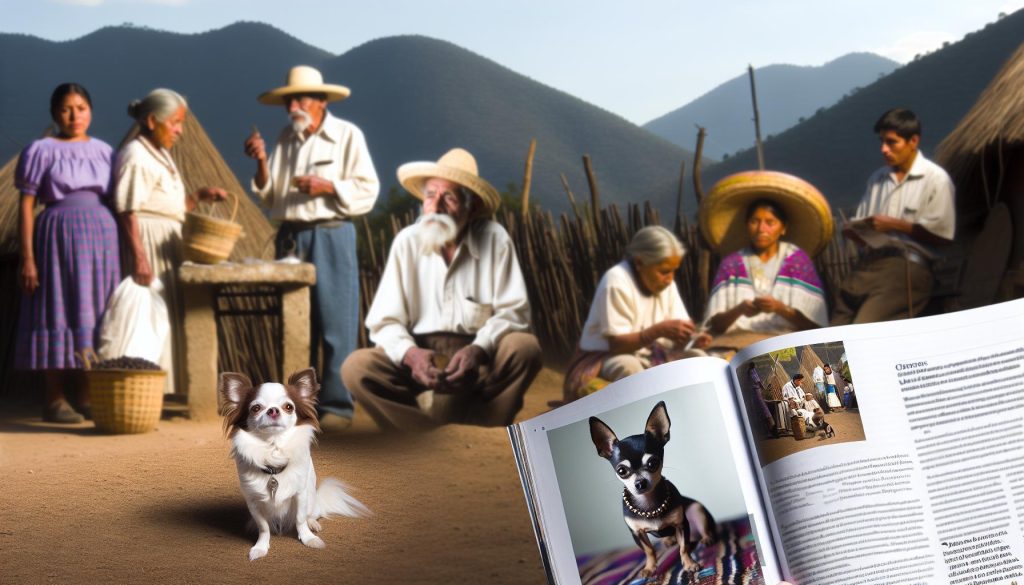
Did you know that the spirited Chihuahua, often seen as a tiny companion, has a rich history that goes beyond just being a lapdog? Originally bred for companionship and to serve as a warm, cuddly friend, Chihuahuas have personalities that reflect their heritage. Understanding what they were bred for can help you appreciate their unique traits, from their boldness to their fierce loyalty. Whether you’re a first-time owner or a seasoned enthusiast, knowing the true purpose behind this breed can deepen your bond and enhance their care. Join me as we uncover the fascinating history of Chihuahuas and discover how their origins influence their behavior today, ensuring you provide the best love and care for your little buddy.
What Did Chihuahuas Originally Get Bred For?
Chihuahuas are often celebrated for their bold personalities and small stature, but their origins reveal much about their purpose beyond just being adorable companions. Bred primarily in Mexico, Chihuahuas are believed to have descended from the Techichi, a small dog kept by the ancient Toltec civilization. These early canines were not just pets; they played an essential role in the spiritual and daily lives of their owners. Techichis were considered sacred and often included in religious practices, highlighting their significance in ancient culture.
As the breed evolved, Chihuahuas became known for more than their spiritual roles. By the time of the Spanish conquest, they had adapted to serve as both companions and watchdogs. Their keen senses and vocal nature made them ideal guardians despite their diminutive size. This dual purpose helped them remain relevant throughout history, balancing their roles as both loyal friends and vigilant protectors.
Today, the Chihuahua maintains its legacy of companionship. While they may not fulfill the same working roles as in the past, they thrive in today’s homes, offering loyalty, affection, and sometimes a little sass. Their small size allows them to adapt easily to different living environments, making them perfect pets for urban and rural settings alike. As Chihuahua owners, you can appreciate their quirks, notably their bravado and affection for their family. It’s essential to embrace their unique traits, ensuring a nurturing environment that respects their heritage while providing love and companionship.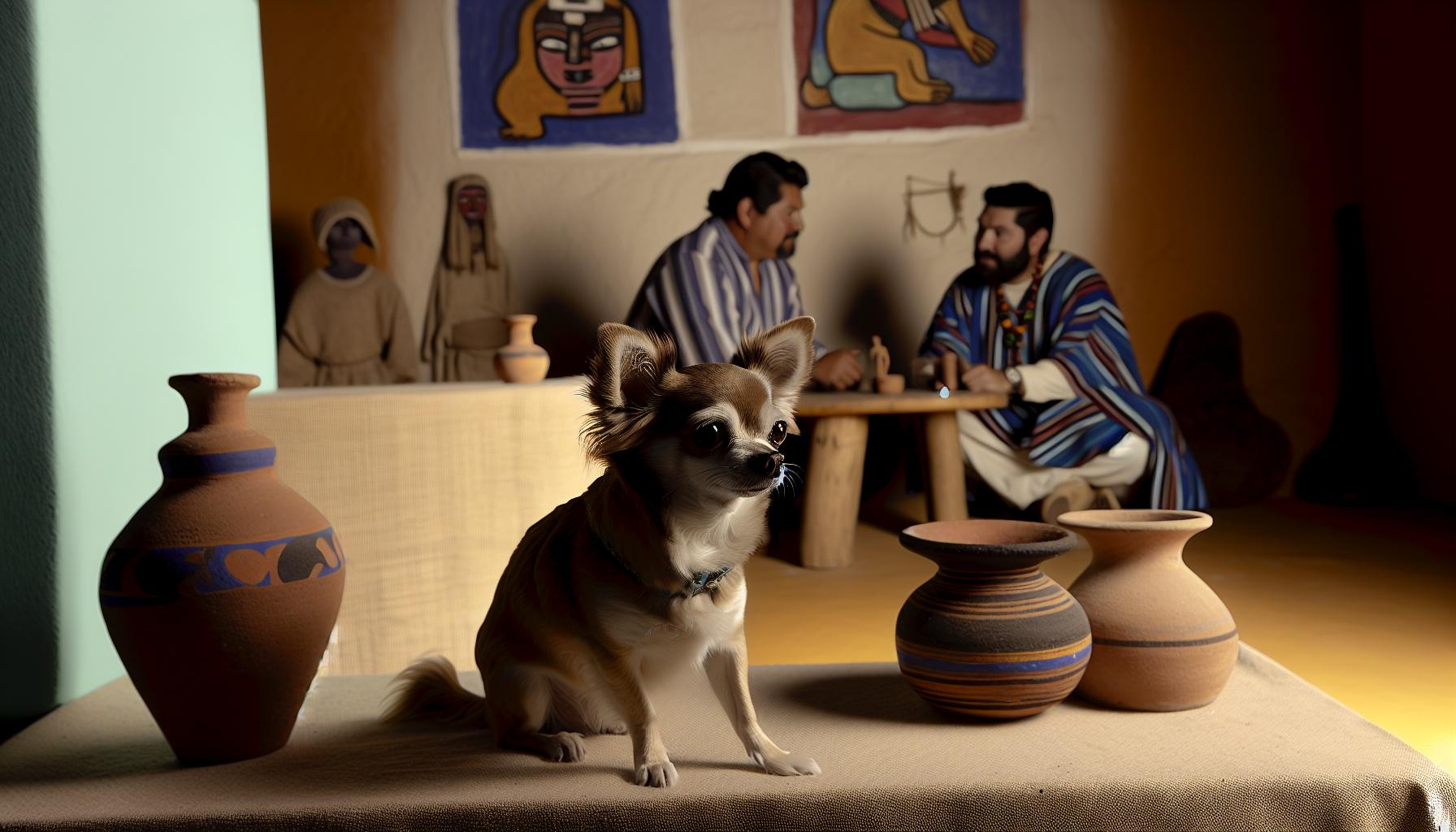
The Fascinating History of the Chihuahua Breed
The rich history of the Chihuahua breed is both fascinating and reflective of its unique character. These tiny dogs trace their roots back to ancient Mexico, where they are believed to have descended from the Techichi, a dog kept by the Toltec civilization. Unlike modern pets, Techichis held significant cultural and spiritual roles, often seen as sacred companions that were integrated into religious practices and daily life. This deep-seated reverence speaks to the bond humans have maintained with Chihuahuas through the ages.
As the centuries progressed, the Chihuahua evolved, particularly during the Spanish conquest of Mexico. At this juncture, they transitioned beyond their spiritual significance and began serving dual purposes as both affectionate companions and vigilant watchdogs. Their alertness and vocal nature made them effective guardians despite their petite size. Owners appreciated their spirited personalities coupled with a fierce loyalty, which helped ensure their place in households, regardless of their physical dimensions.
In contemporary society, Chihuahuas continue to embody these traits, thriving as beloved companions. Their ability to adapt to various living environments-from bustling urban apartments to serene rural homes-demonstrates their versatility. Owners love them not only for their compact size but also for their distinct personalities, which often shine through their bold and vocal behavior. For first-time Chihuahua owners, understanding these traits is vital; nurturing their spirited nature while providing a loving environment can lead to a fulfilling companionship.
Ultimately, embracing the history and purpose of the Chihuahua enriches the experience of ownership. These dogs, with their strong heritage as both sacred companions and tenacious guardians, remind us that, regardless of size, courage and personality define true companionship. As owners, we not only celebrate their quirky behaviors and steadfast loyalty but also the rich cultural legacy they bring into our lives.
Chihuahuas and Their Purpose as Companions
Chihuahuas are much more than just tiny companions; they are vibrant little personalities that thrive on the bond they share with their owners. Originally bred for companionship, these spirited dogs bring joy, warmth, and an undeniably quirky charm into the lives of those who welcome them into their homes. Their historical role as cherished companions can be traced back to their ancestors, the Techichi, who were integral to the spiritual and everyday lives of ancient Mesoamerican cultures. This deep-rooted connection speaks to the affection and loyalty that Chihuahuas have shown throughout history, illustrating why they remain such beloved pets today.
These dogs possess a remarkable ability to adapt to their owners’ lifestyles. Whether you live in a bustling city apartment or a quiet countryside home, Chihuahuas offer the loyalty of a guardian and the joy of a playful friend. Their small size allows them to fit comfortably in nearly any living situation, making them perfect for first-time dog owners or those who may have limited space. They thrive on interaction, often displaying a bold demeanor that belies their size-don’t be surprised if your Chihuahua assumes the role of the household protector while proudly barking at passing cars or neighborhood cats!
Caring for a Chihuahua involves embracing their unique traits. These little dogs are typically vocal, expressing their emotions and alerting you when someone approaches. To ensure a harmonious relationship, it’s essential to socialize them from a young age, exposing them to various environments, people, and pets. This will help mitigate any tendencies toward excessive barking or fearfulness. Providing consistent training and mental stimulation is equally important. A well-socialized and trained Chihuahua is not only a joy to be around, but they also become an integral part of family life, sharing in daily activities and family gatherings.
As an owner, you’ll find that Chihuahuas have a rich emotional intelligence and an uncanny ability to sense their owners’ feelings. This connection results in a breed that truly understands companionship-always eager to cuddle on the couch or offer a supportive presence during tough times. The ida of a Chihuahua as solely a companion is an understatement; they are devoted, loving family members who remind us that friendship can come in the most unexpected packages. Overall, embracing the Chihuahua’s vibrant personality while ensuring they receive love, socialization, and training will lead to a rewarding and harmonious companionship.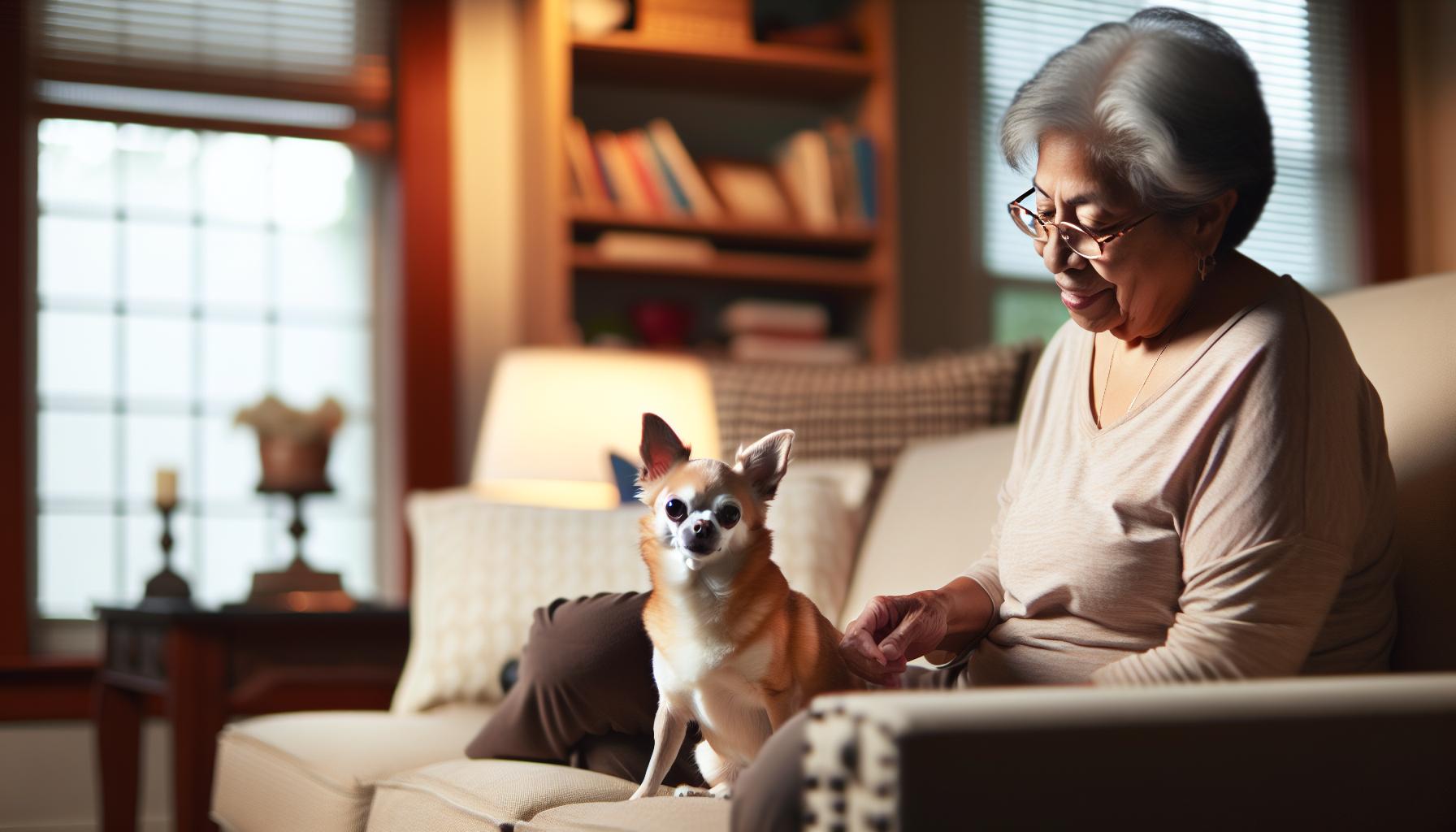
Exploring the Working Role of Early Chihuahuas
Chihuahuas, while often seen as charming lap dogs today, have a history that reveals a much broader purpose. Originating from ancient Mesoamerica, these small but spirited companions were not just cherished pets; they played significant roles in the lives of the indigenous cultures that bred them. The Techichi, an early ancestor of the Chihuahua, was used in various capacities, highlighting the breed’s versatility beyond mere companionship.
Historically, Chihuahuas served important functions, particularly in spiritual and cultural rituals. Their presence was believed to hold protective qualities, and they were sometimes involved in ceremonies, believed to guide spirits. This deep-rooted significance showcased their roles as not just pets but as important figures in Mesoamerican life. Many owners today may be surprised to learn that their feisty little friend once held such esteemed value in society.
In addition to their spiritual roles, early Chihuahuas were also employed in practical capacities. Due to their keen instincts and agility, they were adept at helping their owners hunt small game. Their small stature made them perfect for sniffing out rodents and other pests, proving invaluable to agricultural communities. This knack for being effective little hunters is still reflected today in the breed’s energetic nature and quick reflexes, making them great playmates for active families.
An owner of a Chihuahua might find that their dog’s persistent barking and alertness, traits often regarded as quirks, are actually echoes from their past as vigilant watchdogs. This vocal nature, while sometimes challenging, serves as a reminder of the breed’s historical role in guarding homes and alerting to potential dangers. Each Chihuahua is a blend of history and personality, showcasing the rich heritage that continues to shape their behavior and interactions in modern homes. So, whether your little companion is cuddling on your lap or playfully barking at the mailman, remember-he embodies a lineage of unique talents that go far beyond what meets the eye.
Understanding the Traits: Size and Temperament
Chihuahuas may be small in stature, but they carry a surprising depth of personality and presence that can captivate any dog lover. Typically weighing between 2 to 6 pounds, these pint-sized companions come in two distinct coat types: long-haired and short-haired. Their size makes them incredibly portable, allowing you to take them along on adventures or cozy up with them at home. However, their petite size doesn’t mean they’re fragile-Chihuahuas are spirited and bold, often exhibiting a larger-than-life attitude that belies their small frame.
Temperamentally, Chihuahuas are known for their loyalty and fierce protectiveness. They thrive on companionship and form strong bonds with their humans, often following them from room to room, wanting to be part of the action. Though they can be cautious around strangers, this wariness is an instinctive trait inherited from their past roles as watchdogs. Their alertness makes them excellent companions for those who appreciate a little extra vigilance in their furry friends. For new owners, these traits mean that early socialization is crucial in helping your Chihuahua feel confident around various people and animals.
These dogs are also known for being vocal-some owners embrace this as a breed characteristic, while others may find it a bit challenging. Chihuahuas tend to bark, not just out of excitement but as a way to communicate their emotions or alert you to changes in their environment. Such vocalizations are a reflection of their historical role as guardians, acting as effective alarms for their loved ones. Owners often find joy in their Chihuahuas’ quirky barks, especially when it showcases their feisty personality.
In terms of overall health and behavior, attentive care is essential for Chihuahuas. As a small breed, they can be prone to dental issues and joint problems. Regular veterinary check-ups, along with a balanced diet and proper exercise, are vital to keeping them fit and healthy. Additionally, employing positive reinforcement in training helps cultivate their intelligent and eager-to-please nature. With the right approach, you can bring out the best in your Chihuahua, celebrating their unique temperament and ensuring they thrive as the spirited companions they’re destined to be.
The Chihuahua’s Unique Social Behavior
Chihuahuas, often seen sporting a bold attitude despite their diminutive size, possess a rich social nature that reflects their historical roots as companions and watchdogs. Originally bred to be not just pets but also guardians, their social behavior is woven into their identity. This breed thrives on interaction and companionship, making them remarkably in tune with their humans. It’s no surprise that many Chihuahua owners marvel at how their little dogs seem to read emotions and respond accordingly, whether it’s through a comforting nuzzle on a tough day or a playful bark of excitement.
One of the hallmarks of a Chihuahua’s social behavior is their unwavering loyalty. This loyalty manifests in a strong desire to be near their human companions, often resulting in a continuous shadowing wherever they go. A Chihuahua named Bella, for example, is known to follow her owner from room to room, always seeking the comfort of closeness. This endearing trait makes them excellent little lap warmers, but it can also lead to separation anxiety if not properly managed. For first-time Chihuahua owners, it’s essential to cultivate independence from a young age, through gradual separations and positive reinforcements.
Chihuahuas are also known for their vocal expressions, which add to their unique social fabric. They bark not only as alerts to potential intrusions but also as a means of expression. Owners like Dave often share how his little buddy, Max, has a distinct series of barks that seem to communicate everything from joy during playtime to concern when left alone. This vocalization is part of their watchdog heritage, where their keen alertness helped alert families to any disturbances. Therefore, training them to understand when it’s appropriate to bark can greatly enhance the social harmony in a household.
Overall, fostering a Chihuahua’s social behavior requires an appreciation of their spirited nature. Engage them in positive socialization experiences, exposing them to various environments, people, and pets. Regular, positive interactions will help them grow into confident adults, allowing their natural charm and strong personalities to shine through. Just remember, each little Chihuahua brings its quirks to the table-whether it’s a quirky bark or a unique way of cuddling, these traits are what make them truly special.
Health Considerations for Modern Chihuahuas
Chihuahuas, with their big personalities and tiny bodies, are a breed that draws admirers from all walks of life. However, their unique traits also come with specific health considerations that every owner should be aware of. Originally bred as companions, Chihuahuas’ robust loyalty and spirited nature mean that they thrive best in loving, attentive homes. But the fast-paced, sometimes stressful environments of modern life can affect their well-being more than you’d think.
One crucial aspect to pay attention to is their dental health. Chihuahuas often face dental issues because of their small mouths, which can lead to overcrowded teeth. Regular veterinary check-ups and daily teeth brushing can go a long way in preventing plaque buildup. A lovely owner named Lisa shares that her little pup, Coco, has made great strides with dental chews and treats designed for small breeds, keeping her smile bright and healthy.
Another health consideration involves their predisposition to certain conditions like patellar luxation and heart problems. The small size of Chihuahuas makes them susceptible to kneecap dislocation and heart murmur, both of which would require veterinary attention. Ensuring that your Chihuahua maintains a healthy weight is vital to preventing such issues. Owners should monitor their diet and provide balanced nutrition tailored specifically to their size and activity level.
Chihuahuas are also sensitive to temperature extremes due to their size; they can easily become too cold in winter and too hot in summer. Many owners, like Sarah with her 3-pound Apple-head named Bella, find cozy sweaters essential for chilly walks. On the flip side, during hot days, providing plenty of water and avoiding prolonged exposure to heat is crucial to keep them safe and comfortable.
Lastly, keeping their mental stimulation in check is just as important as their physical health. As lively and intelligent dogs, Chihuahuas benefit greatly from mental exercises like interactive toys and training games. A well-stimulated Chihuahua is a happy Chihuahua, which can mitigate behavioral problems often linked to boredom. Engaging their strong personalities through training and play truly honors their heritage as companions and guardians, reinforcing the bond you share.
With these considerations in mind, embracing the unique quirks of your Chihuahua-whether it’s their bold barks or affectionate cuddles-can greatly enhance their quality of life. The journey of Chihuahua ownership is as rewarding as it is challenging, filled with love, laughter, and the occasional health hiccup that can be easily managed with the right knowledge and care.
Chihuahuas in the Spotlight: Pop Culture Impact
Chihuahuas have enjoyed a cozy niche in pop culture, captivating audiences with their bold personalities and diminutive size. They may have been bred as companions, loyal protectors, but their rise to fame has transformed them into icons that symbolize not just style, but an entire lifestyle. You only need to look at the myriad of films, television shows, and celebrity endorsements to see how these tiny dogs have upended the notion of what it means to be a companion animal.
One notable example is the beloved character of Bruiser Woods from the “Legally Blonde” series. Bruiser, the pink-clad Chihuahua, showcased not just the breed’s fidelity and fashionable appeal but also their ability to steal the show. This film encouraged many to view Chihuahuas as trendy companions, reinforcing their image as sassy and stylish pets. In real life, many owners, like Marissa with her little Apple-head, Poppy, have harnessed this trend by dressing their dogs in chic outfits, complete with matching accessories!
Chihuahuas have also made significant appearances in advertising, notably the Taco Bell commercials featuring Gidget, the “Yo Quiero Taco Bell” dog. This campaign introduced the breed to millions and showcased their quirky nature while making them a cultural phenomenon. The use of Chihuahuas in marketing helped elevate their status, with many owners finding inspiration in these representations to pamper their own furry friends, whether through cozy beds, gourmet treats, or beauty products designed for the breed’s specific needs.
Beyond film and advertising, Chihuahuas serve as significant fixtures in online platforms, like Instagram and TikTok, where they have their own thriving communities. With playful personalities and a penchant for mischief, Chihuahuas have become nature’s comedians. Owners like Jake, who shares viral videos of his spunky Chihuahua Bella, exhibit how these pups embody the spirited nature that first endeared them to us. These platforms allow people to showcase their Chihuahuas’ unique character traits, from their vocal barks to their affectionate snuggles, proving just how much joy these little companions bring into our lives.
Ultimately, the blend of their historical role as companions with their modern lifestyle influence makes Chihuahuas a perfect fit for pet lovers today. They are not just little dogs; they are cultural touchstones that remind us of loyalty, style, and the unbreakable bond shared between humans and their pets. Whether you have a feisty long-haired or a charming smooth coat, embrace the joyful spirit of Chihuahuas. Their influence in pop culture is just the icing on the cake of what makes them such treasured companions.
Training Tips: Raising a Well-Balanced Chihuahua
Raising a well-balanced Chihuahua can be a rewarding experience, as these tiny dogs are known for their bold personalities and unwavering loyalty. Despite their small stature, Chihuahuas were originally bred as companions, and they thrive on affection and interaction with their human families. This means that the right training approach is crucial to ensure your Chihuahua grows into a happy, confident, and well-adjusted pet.
To begin, start with the basics of obedience training, which should be done with a firm yet gentle hand. Chihuahuas can often display a bit of stubbornness, so consistency is key. Use positive reinforcement techniques such as treats and praise to encourage good behavior. For example, if your lovely apple-head Chihuahua responds well to sit or stay commands, reward him immediately to reinforce the behavior. Short, fun training sessions work best for young Chihuahuas, as their attention spans can be limited. A few minutes several times a day can build a solid foundation for your dog’s training.
Additionally, given their nurturing history, socialization plays a critical role in raising a balanced Chihuahua. Expose your Chihuahua to a range of environments, people, and other pets as early as possible. This exposure can help reduce the likelihood of fearful or aggressive tendencies later on. Organizing playdates with other small dogs can provide invaluable social experiences. For example, if your friend has a small breed dog, invite them over for a casual get-together. This not only helps with social skills but also promotes healthy play and interaction.
Finally, understanding your Chihuahua’s unique personality traits is essential in tailoring your training approach. Many Chihuahuas are naturally vocal and may exhibit protective instincts. It’s essential to teach her when barking is appropriate. Training her to respond to a “quiet” command can be beneficial in curbing excessive barking. Resourceful owners like Jess have found that teaching her little one, Bella, to associate the command with a treat has led to a quieter household.
In summary, raising a well-balanced Chihuahua involves patience, understanding, and love. As you navigate their training process, remember to celebrate their quirky nature. Each training experience is an opportunity to bond with your Chihuahua, enhancing the loyal companionship that makes this breed so special.
Common Myths about Chihuahuas Explored
Many people have misconceptions about Chihuahuas, often underestimating their abilities and character based on their small size. One of the most prevalent myths is that Chihuahuas are frail and unsuitable for active households. In reality, these little dogs are surprisingly robust and can keep up with energetic families. Their playful nature often belies their petite stature; your Chihuahua can enjoy playful outings, walks, or even short hikes just like any other breed. Regular exercise is essential for all dogs, regardless of size, and Chihuahuas are no different.
Another common myth is that Chihuahuas are yappy and overly aggressive. While they do possess a bold and vocal demeanor, much of this behavior stems from their strong protective instincts and loyalty to their owners. With proper training and socialization from a young age, you can help your Chihuahua learn when barking is appropriate and when it’s time to be quiet. For instance, owners like Maria found that teaching her little pup, Max, to associate “quiet” with treats fostered calmer behavior while still allowing him to be the spirited guardian he was bred to be.
There’s also a belief that due to their size, Chihuahuas do not require much care beyond regular feeding. This thought could not be farther from the truth! Despite their diminutive size, Chihuahuas have specific health considerations. They are prone to dental issues and need regular dental care. Additionally, they can be sensitive to temperature extremes due to their small size-protection from cold and heat is a must. Always keep in mind that even a small dog requires comprehensive grooming, training, and healthcare attention.
Lastly, some people think that Chihuahuas are simply lapdogs that can’t be trained. This is misleading. Chihuahuas are intelligent and can learn commands and tricks just as well as larger breeds, although they might be more stubborn at times. Using consistent, positive reinforcement techniques will yield great results. For instance, dedicated owners like John have successfully taught his Chihuahua, Coco, complex tricks that have impressed friends and family alike. So, embrace the distinctive personality of your Chihuahua; with love and patience, they can be all that you dream of and more.
The Future of Chihuahua Breeding Practices
Chihuahuas have a rich history that starkly contrasts their modern image as pampered lapdogs. Originally bred for companionship and as tiny guardians, will play a critical role in maintaining the breed’s unique qualities while addressing contemporary challenges. As dedicated enthusiasts, responsible breeders and owners alike are called to prioritize the health and temperamental stability of our beloved Chihuahuas.
It’s essential for current breeding practices to focus on enhancing genetic diversity. Many Chihuahuas suffer from inherited health issues, such as patellar luxation and dental problems. By integrating diverse bloodlines, breeders can help reduce the incidence of these conditions. For example, a breeder named Sarah recently began collaborating with other Chihuahua enthusiasts to share practices and promote safe breeding, ultimately aiming to create healthier pups that embody the breed’s spirited nature.
Furthermore, the debate surrounding aesthetics versus health cannot be ignored. While some may favor specific looks-like the trendy apple-head Chihuahuas-it’s crucial that breeders prioritize health over conforming to unfortunate fashion trends. By educating new breeders about these issues, seasoned owners can lead the way in ensuring that future generations of Chihuahuas are not only adorable but also resilient.
As we look ahead, embracing ethical and responsible breeding practices is paramount. This responsibility includes maintaining proper care standards, such as socialization and training from an early age, which will help ensure that each Chihuahua grows into a well-adjusted, spirited companion. With encouragement and guidance, new owners can instill a sense of leadership in their Chihuahuas, leading to a bond based on mutual respect. By cultivating a future where Chihuahuas thrive in spirit and health, we not only honor their origins but also enhance the joy they bring into our lives.
Celebrating the Quirks of Your Chihuahua
Chihuahuas are truly one-of-a-kind companions, often enriching our lives in ways that go beyond their small size and distinct looks. Their vocal nature and fierce loyalty stem from a long history as both guardians and affectionate companions. Understanding and celebrating these quirks can enhance the bond you share with your Chihuahua, making every day more enjoyable.
One of the remarkable traits of Chihuahuas is their bold personality. Despite being one of the smallest breeds, they exhibit a big-dog attitude, often standing their ground against much larger canine counterparts. This can lead to some humorous encounters, like when a little Chihuahua feels the need to bark at a passing Great Dane, completely unfazed by the size difference. Embrace your Chihuahua’s spirited nature by allowing him to express himself-just remember to manage these moments with proper training so he knows when it’s appropriate to be vocal.
Their loyalty is another quirk worth celebrating. Chihuahuas have a natural tendency to form strong attachments to their humans, often becoming their shadow. Whether you’re relaxing on the couch or moving around the house, chances are your little friend will be close by, observing your every move. To cultivate this bond, engage in regular playtime and cuddle sessions. Most Chihuahuas thrive on affection, and a consistent routine of love and attention reinforces their sense of security and belonging.
Moreover, their unique behavior can turn simple activities into cherished memories. For instance, many owners delight in dressing up their Chihuahuas in stylish sweaters or costumes, turning bath times or grooming sessions into playful events. Whether your surgical Chihuahua has a knack for stealing the spotlight in a costume contest or prefers to curl up in a cozy bed, understanding these quirks allows you to celebrate the individuality of your pet and showcase his charm.
Lastly, remember that with every quirk comes a responsibility. Ensuring your Chihuahua receives regular veterinary care, socialization, and training is crucial to maintaining her health and happiness. With proper care and attention, your Chihuahua’s unique personality will continue to shine, filling your life with love and laughter for years to come. By celebrating her quirks, you not only strengthen your bond but also honor the rich history and true purpose of this beloved breed.
FAQ
Q: What were Chihuahuas originally bred for?
A: Chihuahuas were originally bred as companion animals for the ancient civilizations of Mexico. Their small size made them ideal pets for lap warming and companionship, aligning with their affectionate nature and loyalty to their owners.
Q: How did the Chihuahua breed develop over time?
A: The Chihuahua breed developed from the Techichi, a companion dog kept by the ancient Toltecs. Over centuries, they adapted to cultural influences, solidifying their status as beloved pets and symbols of Mexico, while losing some of their working roles.
Q: What traits make Chihuahuas suitable as companion animals?
A: Chihuahuas are affectionate, alert, and loyal, making them excellent companions. Their playful demeanor and unique personalities, coupled with their adaptability to small living spaces, enhance their roles as cherished pets in many households.
Q: Are Chihuahuas good for families with children?
A: Yes, Chihuahuas can be good companions for families with children, but supervision is essential. Their small size makes them vulnerable, so teaching children proper handling and gentle play is crucial for a harmonious relationship.
Q: Why are Chihuahuas considered good watchdogs?
A: Chihuahuas are known for their alertness and vocal nature, making them effective watchdogs. They tend to be protective of their families and will bark to alert you to any perceived threats, showcasing their loyalty.
Q: What are the common myths about Chihuahuas?
A: Common myths about Chihuahuas include the belief that they are aggressive or fragile. In reality, they are loyal and loving pets that thrive on companionship, and responsible care can help them maintain good health and temperament.
Q: How do Chihuahuas communicate their needs?
A: Chihuahuas communicate through vocalizations, body language, and actions. They may bark, whine, or use body cues like tail wagging to express excitement or discomfort, making it essential for owners to understand their dog’s signals.
Q: What should I consider before adopting a Chihuahua?
A: Consider their temperamental traits, care needs, and potential health issues before adopting a Chihuahua. They thrive in loving homes where they receive attention, mental stimulation, and proper socialization to develop into happy, well-adjusted pets.
Wrapping Up
Now that we’ve explored the true purpose behind the Chihuahua’s original breeding, remember that these charming little companions are not just adorable; they bring loyalty, courage, and endless joy into our lives. If you’re a proud Chihuahua owner or thinking of bringing one into your home, understanding their unique needs-like their health, behavior, and care-is essential. For deeper insights, check out our articles on Chihuahua health tips and training strategies for small breeds to enhance your experience with your furry friend.
Don’t miss out on the latest tips and updates; subscribe to our newsletter to stay informed about everything Chihuahua-related. Your comments and experiences matter, so feel free to share below-let’s celebrate these vocal, bold, and lovable furballs together! Explore more about how to connect with your Chihuahua and address their quirky personality traits. Join our community of Chihuahua enthusiasts today and give your little one the enriched life they deserve!
Get our latest guides, news, and insights highlighted in your Google Search & AI Overviews.