
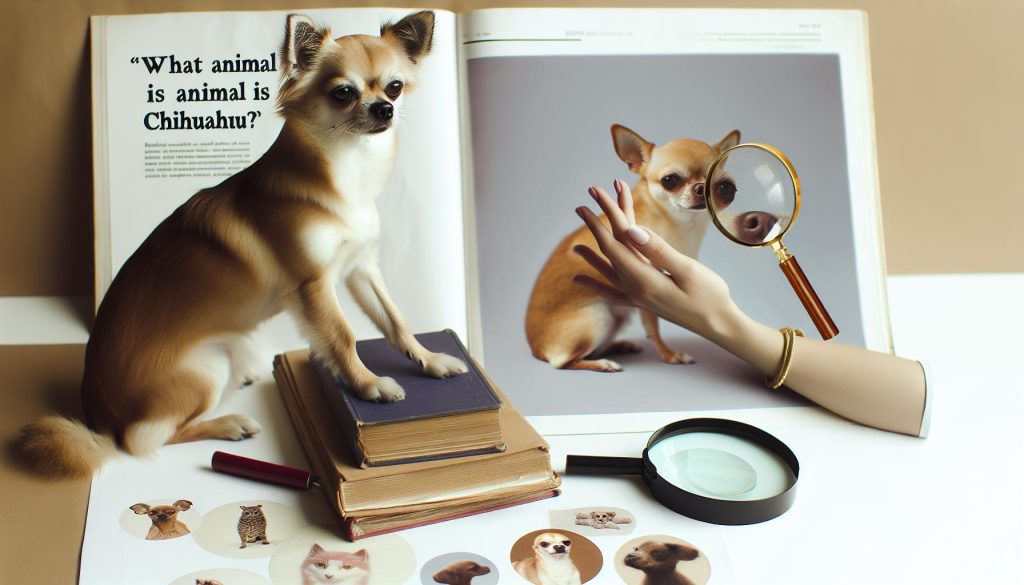
Did you know that Chihuahuas are among the smallest dog breeds, yet they possess one of the most vibrant personalities? This unique breed originates from Mexico and is classified as a member of the toy group, known for their loyalty, boldness, and charming quirks. Understanding what species a Chihuahua belongs to not only deepens your appreciation for these little companions but also equips you with the knowledge to provide the best care possible. Whether you’re a first-time owner or a seasoned Chihuahua enthusiast, exploring their classification will unveil fascinating insights into their health, behavior, and overall well-being. So, let’s dive into the captivating world of Chihuahuas and discover more about their species classification and what makes them truly special.
What Is the Chihuahua? Understanding Its Species
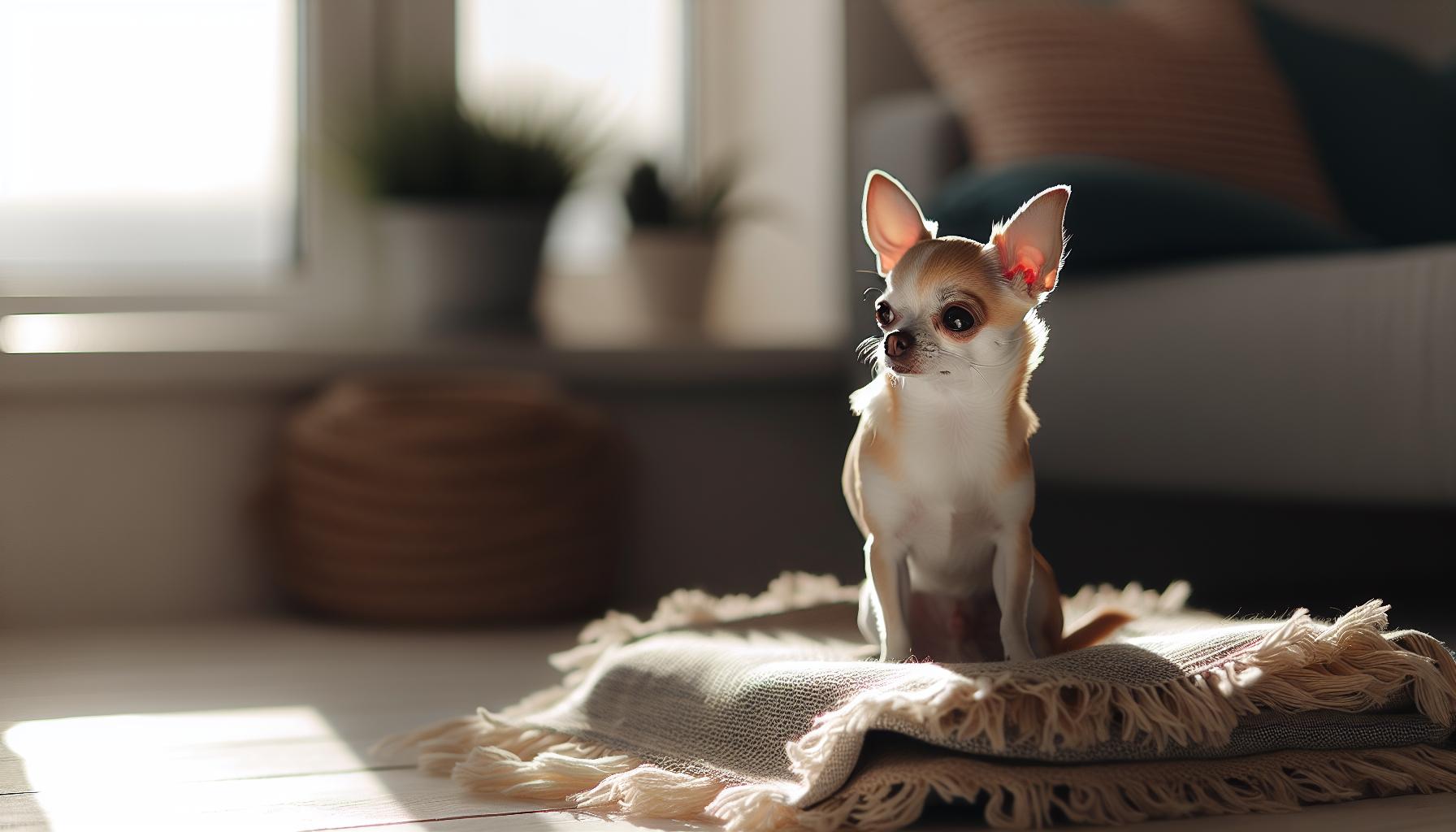
The Chihuahua is truly a one-of-a-kind breed that captivates dog lovers with its vibrant personality packed into a petite frame. Recognized as the smallest dog breed in the world, Chihuahuas are not just a charming piece of fluff; they are a unique species belonging to the Canis lupus familiaris species, which is the domestic dog. Their classification within the toy group emphasizes their compact size, which typically ranges from 2 to 6 pounds, making them the perfect pocket-sized companion.
Chihuahuas exhibit two primary coat types: smooth and long-haired, each having distinct care requirements and aesthetic appeal. Smooth Chihuahuas have a shiny, short coat that requires minimal grooming, while their long-haired counterparts boast luxurious, flowing coats that may demand regular brushing to prevent tangles. Their appearance is often characterized by two distinct head shapes-apple-head and deer-head-adding to the breed’s charm and diversity. Apple-headed Chihuahuas are popular for their rounded skulls, while deer-headed Chihuahuas feature a more elongated, less rounded structure.
When welcoming a Chihuahua into your life, embracing their spirited nature becomes essential. These little dogs are known for their loyalty, intelligence, and boldness-traits that often draw them to the role of a family protector, despite their size. Breeders often emphasize the importance of socialization from a young age, allowing puppies to explore varied settings and meet new faces, which helps them develop into well-rounded companions. Beginners in Chihuahua ownership can significantly benefit from understanding these unique behaviors, as fostering a positive, engaging environment contributes immensely to their happiness and well-being.
The Unique History of the Chihuahua Breed
The Chihuahua’s journey is as vibrant and fascinating as the dogs themselves. This breed traces its lineage back thousands of years to ancient civilizations in Mexico, particularly the Techichi-a small, companion dog revered by the Toltec people. These dogs were not just pets; they held significant cultural and spiritual value, often accompanying their owners in life and the afterlife. Today’s Chihuahuas are a direct descendant of these early dogs, evolving through the ages into the spirited little companions we cherish today.
Around the mid-19th century, the modern Chihuahua began to emerge when small dogs resembling the Techichi were discovered in the Mexican state of Chihuahua. They became popular among tourists and dog lovers who were captivated by their tiny size and big personalities. It was during this period that the breed was solidified in the public consciousness, leading to its formal recognition by various kennel clubs. The American Kennel Club (AKC) recognized the Chihuahua in 1904, establishing it as an official breed, and since then, they have only grown in popularity.
Chihuahuas are often characterized by their distinct physical features, which can vary significantly based on lineage. These features include two main head types-apple-headed, with rounded skulls, and deer-headed, which are more elongated. Understanding these head types not only enriches your knowledge of the breed but also helps in recognizing the lineage behind each Chihuahua. For example, many owners appreciate the apple-heads for their classic look, while others are drawn to the unique charm of the deer-head Chihuahuas.
As with their physical diversity, Chihuahuas come with a range of personality traits influenced by their rich history. They are known for their loyalty, boldness, and energetic spirit, making them remarkable companions. These dogs might be tiny, but they often act like they own the room, a trait that has earned them the reputation of being “big dogs in little bodies.” For anyone considering welcoming a Chihuahua into their home, it’s vital to embrace this unique blend of history, personality, and charm that defines this remarkable breed. Socialization and understanding their needs from a young age are key steps to ensuring a happy and fulfilling life together.
Recognizing Different Chihuahua Types and Variants
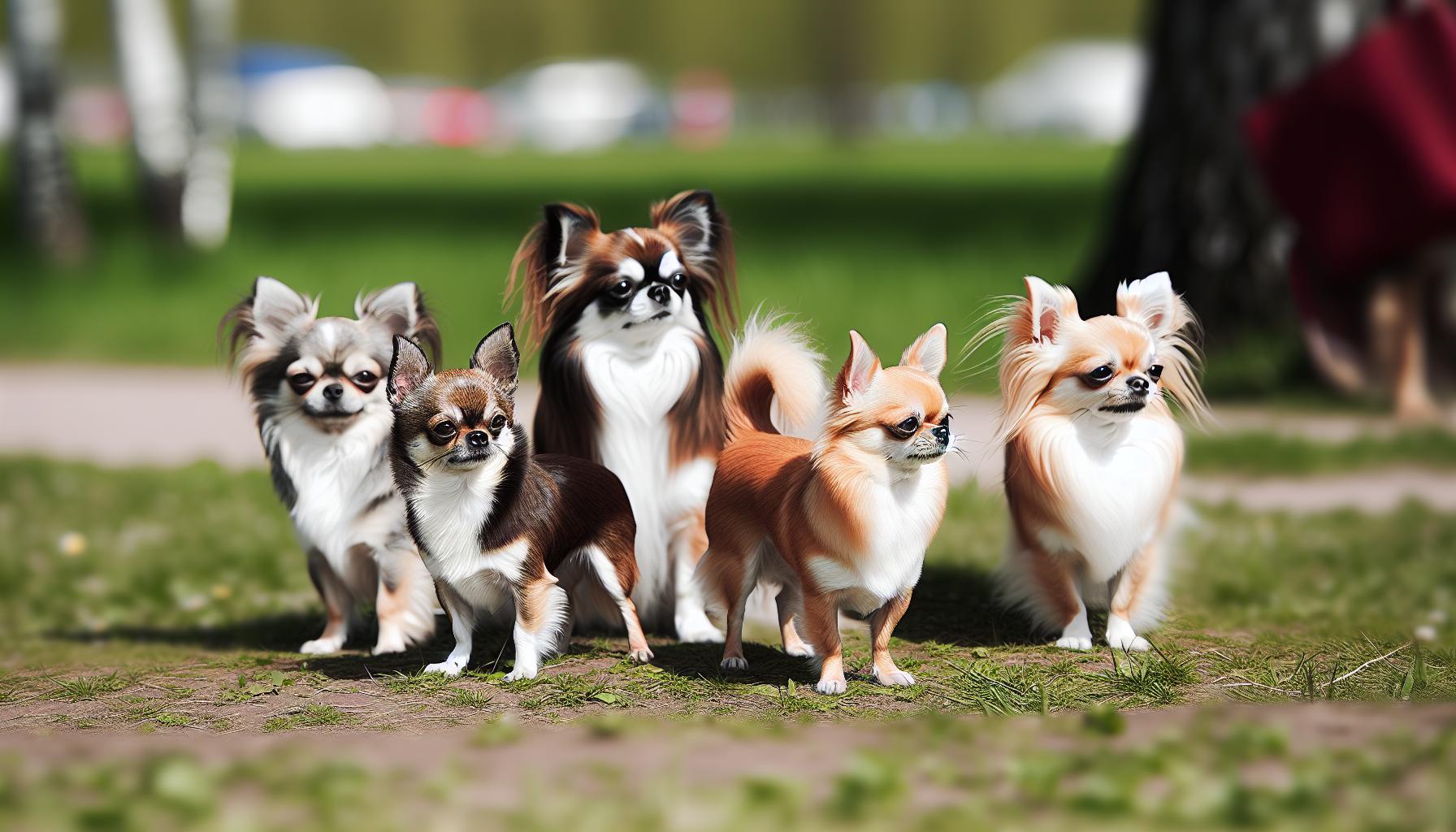
When it comes to Chihuahuas, their diversity is one of the breed’s most charming aspects. Recognizing the different types and variants of this breed can deepen your appreciation and understanding of your tiny companion. Among the notable distinctions, Chihuahuas can primarily be categorized based on their head shape and coat type, each contributing to their unique charm and personality.
Chihuahuas exhibit two main head shapes: the apple head and the deer head. The apple-headed Chihuahua features a rounded skull and a shorter muzzle, often associated with the breed’s traditional look. This type tends to have a more pronounced dome at the top of their head, giving them a sweet, cherubic appearance. On the other hand, the deer-headed Chihuahua has a longer, more refined skull and a snout that resembles that of a deer, making them look a bit more elegant and graceful. Both types have their enthusiasts-some owners prefer the classic apple-head look, while others appreciate the unique qualities of the deer head.
Chihuahuas also come in a variety of coat types and colors, adding to their appeal. There are smooth-coated Chihuahuas, which have short, sleek fur that feels soft to the touch. This coat requires minimal grooming, making them a good choice for owners who appreciate low-maintenance pets. The long-haired variant, on the other hand, sports a more glamorous appearance with flowing locks that can come in various patterns and shades. Long-haired Chihuahuas require more grooming to prevent matting and tangles but offer a regal look that many find irresistible. Common colors include fawn, black, white, chocolate, and combinations of these hues, allowing for a stunning range of appearances.
When considering a Chihuahua, it’s not just about looks; understanding these types helps you connect more profoundly with your furry friend. Each Chihuahua, regardless of its type, is known for a large personality wrapped in a petite package. Owners often find that the breed’s unique combination of loyalty, boldness, and playfulness leads to an incredibly rewarding companionship. As you embark on the journey of Chihuahua ownership, knowing their variants helps you appreciate the little quirks and traits that make each one special.
Chihuahua Size, Weight, and Physical Traits
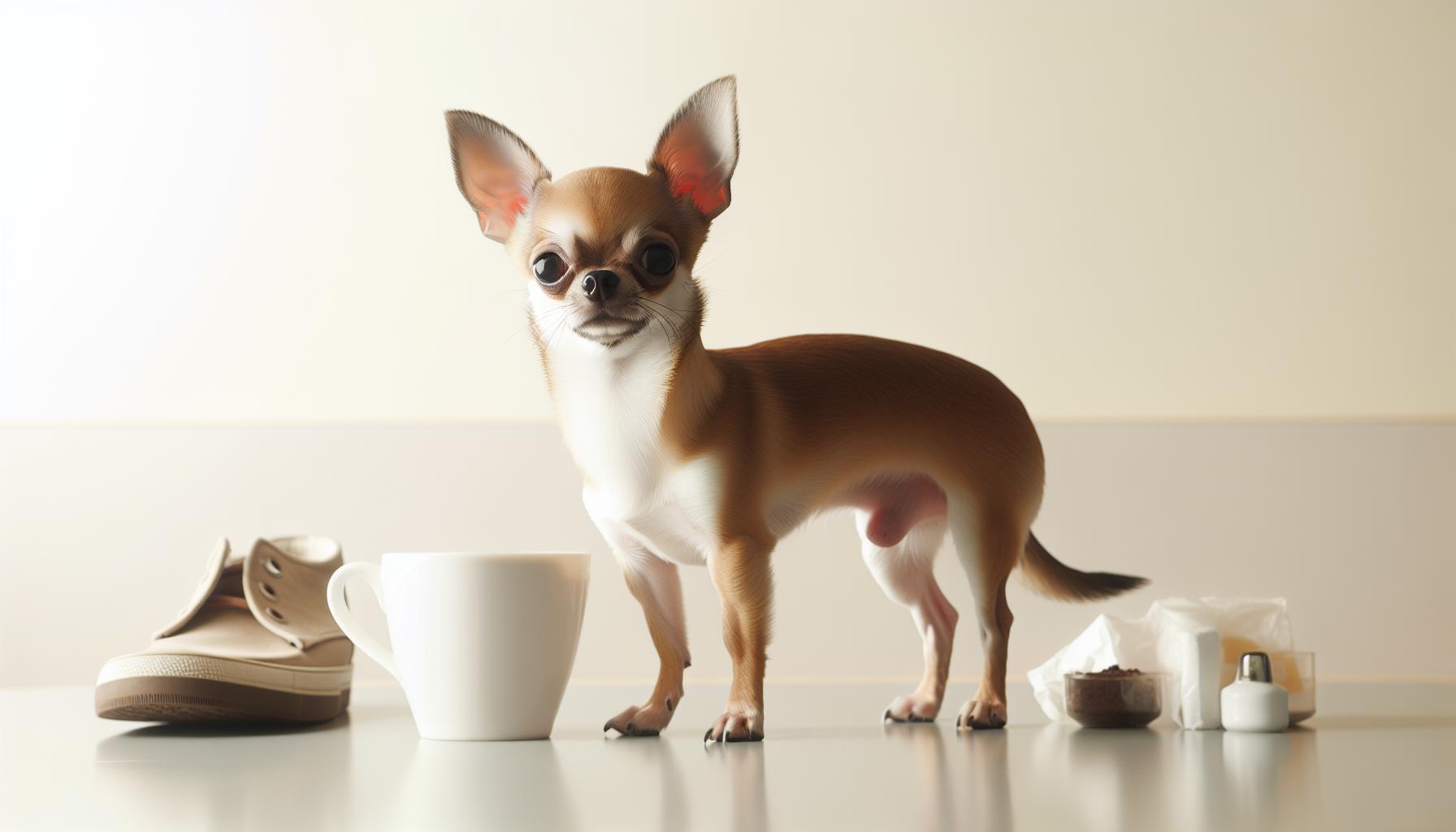
Chihuahuas are one of the smallest dog breeds, and their size is both a defining characteristic and a point of fascination for many enthusiasts. Typically, a Chihuahua weighs between 2 to 6 pounds and stands approximately 6 to 9 inches tall at the shoulder. Despite their tiny stature, they possess a personality that is anything but small! These little dogs are known for their boldness, often strutting around with a confidence that surprises many first-time owners.
When it comes to physical traits, Chihuahuas can exhibit a variety of features depending on their type. The apple head variety tends to have a rounded skull with a distinct “dome” shape, contributing to their cute, cherubic look. On the other hand, the deer head variant features a more elongated skull and a longer snout, giving them a more elegant appearance. Both types have expressive eyes and large ears, which can vary in shape and size, adding to their unique charm.
Chihuahuas possess two main coat types: smooth and long-haired. Smooth-coated Chihuahuas have short, glossy fur that lies close to the body, requiring minimal grooming. Long-haired Chihuahuas, with their flowing locks, not only look regal but also demand more grooming to prevent tangles and mats. Coat color can be remarkably diverse, ranging from fawn, chocolate, black, and white, to a myriad of combinations.
While these tiny pups are adorable, their size can lead to specific health considerations. Their small frames make them susceptible to certain injuries, particularly when interacting with larger dogs. Owners should ensure that their homes are Chihuahua-proofed to prevent accidents. Regular vet check-ups are crucial to monitor their health and ensure they remain vibrant companions.
Understanding these size, weight, and physical traits can help owners provide the best care possible for their Chihuahuas. Embracing their quirks-like their vocal nature and affectionate loyalty-only enhances the bond between you and your little friend. As you embark on this journey, remember that while your Chihuahua may be small in size, their heart is huge!
The Behavior Traits That Define Chihuahuas
Chihuahuas are known for their vibrant personalities that often defy their small size. One standout behavior trait is their boldness-these little dogs frequently exhibit a confidence that surprises newcomers. You might find a Chihuahua fearlessly barking at a much larger dog or strutting into a room as though they own the place. This fearless attitude can make them excellent watchdogs; they will alert you to any perceived threat, no matter how minor.
Their loyalty is another defining characteristic. Chihuahuas often form deep attachments with their owners, creating strong bonds that can make them feel like an inseparable part of the family. For example, many owners notice that their Chihuahua follows them from room to room, eager to be wherever they are. This loyalty can also manifest as protective behavior, where your little friend stands guard, ensuring everyone in the household is safe.
However, this loyalty comes with a touch of vocalization. Chihuahuas are notoriously chatty and will communicate their feelings-be it excitement, playfulness, or a warning bark-often. This vocal trait can be charming, but it’s essential to train your Chihuahua to manage their barking, especially in social settings or tight living quarters. Consistent training from an early age will help mitigate excessive barking while still allowing your pup to express themselves.
When it comes to their sociability, Chihuahuas do best with proper socialization from a young age. Engaging them in interactions with other dogs and people is crucial to developing their confidence and friendliness. Some may develop a fearful disposition if not exposed appropriately. Therefore, consider enrolling in puppy classes or arranging playdates with other well-mannered dogs, as this will contribute positively to their development and behavioral maturity.
Understanding these behavior traits not only fosters a better relationship between you and your Chihuahua but also enhances their overall well-being. With love, consistent efforts, and a sprinkle of patience, your little companion can thrive, showcasing the wonderful characteristics unique to the Chihuahua breed.
Essential Care Tips for Your Chihuahua
Chihuahuas, with their large personalities packed into tiny bodies, have specific care needs that ensure they thrive and live happy, healthy lives. One crucial aspect of caring for your Chihuahua is understanding their dietary requirements. Because of their small size, they can be prone to obesity; thus, it’s vital to feed them high-quality dog food formulated for small breeds. Your Chihuahua may benefit from a diet that includes a balance of protein, fats, and fiber. A common recommendation is to divide their daily food intake into two or three small meals. This not only helps manage their weight but also aids in digestion, preventing gastrointestinal upset, which Chihuahuas can be susceptible to.
Regular physical activity is another cornerstone of care. Though it may seem tempting to skip walks due to their size, Chihuahuas need daily exercise to remain healthy and happy. Short walks, play sessions, and mental stimulation through toys or training can help keep your pup physically fit and mentally sharp. A playful hour of fetch or a romp in the backyard can be just as enjoyable for a Chihuahua as it is for a larger breed. Moreover, incorporating training exercises not only sharpens their minds but also strengthens your bond.
Grooming is equally important, especially considering the coat type of your Chihuahua. Long-haired Chihuahuas may require more frequent brushing to prevent mats and tangles, while short-haired varieties just need occasional brushing to reduce shedding. Regular check-ups with the vet are essential, as they can catch any potential health issues early on. Basic grooming routines, like trimming their nails and cleaning their ears, should also be part of your regular care regimen.
Lastly, Chihuahuas are known for their attachment to their humans. Given their propensity to develop anxiety when left alone, building a secure environment is critical. Make sure your home is safe, offering a cozy space for them to retreat and feel secure. Consider playing calming music when you leave them alone, or providing puzzle toys to keep their minds engaged. With proper care, attention, and love, your Chihuahua will not only thrive but also shower you with the affection and loyalty that makes this breed so beloved.
Understanding Chihuahua Health Issues and Solutions
Chihuahuas are surprisingly resilient little dogs, but they are not without their health challenges. As one of the smallest dog breeds, they often carry unique health concerns that every owner should be aware of to ensure their furry friends live long, happy lives. Regular veterinary check-ups are essential, but understanding common health issues can empower you to take proactive measures.
One prevalent issue among Chihuahuas is patellar luxation, a condition where the kneecap dislocates or moves out of its normal position. This is particularly common in the breed due to their small size and anatomical structure. Signs may include skipping or limping on the affected leg during play or walks. If you notice these symptoms, consult your veterinarian for possible treatment options, which may range from lifestyle adjustments to surgical intervention in severe cases.
Another health concern is dental disease. Chihuahuas are prone to periodontal problems because of their small mouths, which can lead to tooth loss if not addressed. Regular dental care, including brushing your Chihuahua’s teeth and providing dental chews, can help mitigate this issue. Aim for dental check-ups during your vet visits to catch any problems early.
Heart disease is also a significant risk, especially as Chihuahuas age. Congenital heart conditions can develop, leading to congestive heart failure. Watch for signs such as coughing, lethargy, or difficulty breathing. If you notice these, don’t hesitate to seek immediate veterinary advice. Regular heart health screenings can be instrumental in early detection.
Moreover, providing a well-balanced diet is crucial. Chihuahuas can become easily overweight, which exacerbates many health issues. Feeding high-quality dog food tailored for small breeds and monitoring their weight can help maintain optimum health. Consider splitting their meals into smaller portions to prevent overeating and to support digestion.
Lastly, keep in mind that Chihuahuas are susceptible to hypothermia due to their small size and low body fat. They thrive best in a warm environment, and during colder months, a cozy sweater or hoodie can help keep your little friend comfortable. Always ensure they have a safe, warm space to retreat to when temperatures drop.
In summary, while Chihuahuas are hearty little companions, being vigilant about their health concerns can lead to a richer, healthier life together. By knowing the common health issues and specific care needs of this vibrant breed, you lay the groundwork for a fulfilling and joyful journey with your Chihuahua.
Nutritional Needs of Chihuahuas: A Complete Guide
Chihuahuas, known for their bold personalities and tiny stature, require a diet that caters specifically to their unique needs. With their small size, you might think that any food would suffice, but this breed has particular nutritional requirements to support their health and vigor. Understanding these needs is the key to keeping your little companion happy and thriving.
To begin with, it’s essential to choose high-quality dog food specifically formulated for small breeds. These formulas typically have a higher calorie density, which is necessary for Chihuahuas given their fast metabolism. Since they require fewer calories than larger breeds, make sure you’re feeding her the right amount – often, this means meals tailored to her size and activity level.
Key Nutritional Components
Focus on a balanced diet that includes:
- Proteins: Aim for proteins as the first ingredient. Chicken, beef, or lamb are excellent choices, helping to maintain muscle mass and energy levels.
- Healthy Fats: Look for sources like salmon oil, which not only supports energy but also promotes a healthy coat and skin.
- Carbohydrates: Whole grains like brown rice or barley are beneficial, providing necessary energy, but be cautious of too many fillers which can lead to weight gain.
- Vitamins & Minerals: Crucial for their overall health, ensuring your Chihuahua gets a varied diet will help meet these needs.
Feeding Schedule
Establishing a consistent feeding schedule can aid in digestion and weight management. Consider dividing her daily food allowance into two to three small meals. Chihuahuas can be prone to obesity, so keeping an eye on her weight and adjusting portions as necessary is vital. It’s also advisable to measure her food to avoid overindulgence, especially since many Chihuahuas have a penchant for begging.
Special Considerations
As Chihuahuas age, their nutritional requirements may change. Senior formulations often address issues like joint health and lower calorie content, which are particularly important for older dogs to avoid gaining unnecessary weight. Additionally, if your Chihuahua shows signs of food sensitivities or allergies, consult with your veterinarian about hypoallergenic diets.
In summary, feeding your Chihuahua the right balance of nutrients not only supports her health but celebrates her spirited personality. By catering to her specific dietary needs and being attentive to changes throughout her life, you can ensure your little friend leads a vibrant and fulfilling life by your side.
Training Your Chihuahua: Best Practices and Techniques
Training a Chihuahua can be a delightful yet challenging experience, especially given their spirited personalities. These tiny companions are not just cute; they’re also intelligent and quick learners when trained with patience and positive reinforcement. A Chihuahua may be small, but they often believe they are the king or queen of the castle, and it’s crucial to establish yourself as the leader without being harsh.
To begin, consistency and clarity are key. Chihuahuas respond best to training that includes clear commands and predictable routines. Use short, simple commands paired with hand signals, as they often benefit from visual cues. Incorporate positive reinforcements like praise, treats, or even a favorite toy to reward good behavior. For example, if your Chihuahua responds to “sit” on the first command, offer a tiny treat and lots of enthusiastic praise. This method encourages them to repeat the behavior.
Socialization is Vital
Socializing your Chihuahua is just as important as basic obedience training. These little dogs can be wary of strangers or other animals if not properly introduced. Start socialization early by exposing her to various environments, sounds, and people. Arrange playdates with other dogs, but ensure they are of a similar size to avoid overwhelming her. A well-socialized Chihuahua is generally more confident and can adapt to new situations better.
Addressing Behavioral Quirks
Chihuahuas often display behaviors like barking at perceived threats or being overly possessive of their toys. Addressing these quirks requires understanding the dog behind the bark. For instance, if your Chihuahua barks excessively at the doorbell, train her to go to a designated spot when the doorbell rings. Use treats to reinforce calm behavior. If possessiveness over toys arises, teach her the ‘leave it’ command with a toy and another treat to demonstrate that she can have both with proper behavior.
Encouraging Exercise and Play
Finally, remember that training shouldn’t be limited to just commands. Chihuahuas have plenty of energy bottled in their petite frames, so engage them in games that promote both physical and mental exercise. Simple games of hide and seek or fetch can do wonders. Incorporate training sessions into playtime, such as teaching her to fetch a specific toy. This approach keeps training fun and engaging, reinforcing your bond and keeping her mentally stimulated.
Training your Chihuahua is a journey filled with laughs and learning moments. Embrace her quirks, provide guidance with love, and celebrate her achievements, no matter how small-they’re all steps toward a well-behaved, happy pup that you can both be proud of.
The Social Needs of Chihuahuas and Their Personalities
Chihuahuas are more than just adorable little bundles of fur; they bring a vibrant personality to the table that can charm anyone. These tiny dogs often exude an enormous sense of self, presenting themselves as both confident and proud. However, they also have unique social needs that must be met to ensure they thrive in their homes. It’s essential to understand that despite their size, Chihuahuas require regular social interaction, both with humans and other dogs, to develop and maintain their adaptive social skills.
To cultivate a well-rounded Chihuahua, start socializing her at an early age. Exposing her to various environments – bustling parks, pet-friendly stores, and lively gatherings – will help her build confidence. This breed can be wary of strangers; hence, fostering positive experiences around new people is crucial. Whether through structured playdates with similarly sized dogs or casual strolls in the neighborhood, these interactions create a more adaptable and secure companion. Remember, socialization isn’t just a one-time event; it’s an ongoing practice that ensures your Chihuahua remains comfortable in various situations.
Chihuahuas are fiercely loyal and often form strong bonds with their owners. This loyalty can sometimes lead to possessive behaviors, especially towards their favorite people or toys. To encourage healthy interactions, engage her in activities that emphasize sharing and cooperative play. For example, playing fetch or tug-of-war can teach her to enjoy shared experiences while also reinforcing her trust in you as her leader.
Moreover, be mindful of her vocal nature. Chihuahuas are known for their expressive barks, and while these vocalizations can be endearing, they can also become problematic if not managed. Training her to bark on command or using a designated quiet spot during high-excitement situations can help keep her behavior in check. A well-balanced approach to her social needs fosters not only her emotional well-being but also deepens the bond between you and your spirited little friend. A secure and happy Chihuahua will not just be a great companion, but also a joy to have around for years to come.
Chihuahua Lifespan: What to Expect Over the Years
The Chihuahua is known for its remarkable longevity compared to other dog breeds, often living between 12 to 20 years. This impressive lifespan is influenced by several factors, including genetics, lifestyle, and care. Understanding what to expect as your Chihuahua ages can help you provide the best care for your furry friend throughout their life stages.
Life Stages of a Chihuahua
Chihuahuas go through various life stages, each presenting unique needs and characteristics. Here’s a brief overview:
- Puppy (0-1 year): Chihuahuas are playful and full of energy. This stage is crucial for socialization, training, and building strong bonds. Exposing them to new experiences will help shape their behavior.
- Young Adult (1-5 years): During this stage, they are typically at their healthiest. It’s important to establish a routine for exercise, diet, and healthcare to prevent obesity and other health issues.
- Adult (5-10 years): Chihuahuas start to slow down. Regular vet visits become crucial to monitor health changes. Weight management and maintaining dental hygiene are important during this stage.
- Senior (10+ years): At this stage, many Chihuahuas may experience arthritis, heart issues, or dental problems. Adjusting their diet to support senior health and providing gentle exercise is key.
Factors Influencing Lifespan
The lifespan of your Chihuahua can be significantly enhanced through proper care. Here are some critical elements:
Nutrition
A balanced diet is essential. Choose high-quality dog food formulated for small breeds to meet their specific nutritional needs. Consult your veterinarian for personalized dietary recommendations, particularly as your Chihuahua ages.
Regular Vet Visits
Routine check-ups are vital to catch any health issues early. Discuss vaccinations, dental care, and preventative treatments with your vet to keep your Chihuahua healthy.
Exercise and Mental Stimulation
Chihuahuas may be tiny, but they still need regular exercise and mental engagement. Daily walks and playtime are crucial to keep them fit and stimulated, helping to stave off obesity and behavioral issues.
Loving Environment
Chihuahuas thrive in a warm, loving home. Their strong bonding instincts mean they often require lots of attention and companionship. Regular interaction, whether through play or simply spending time together, can greatly enhance their happiness and longevity.
In conclusion, understanding and addressing the needs of your Chihuahua throughout their life stages will not only enrich their lives but also deepen the bond you share. With love, care, and a proactive approach, you can expect a long, joyful companionship with your spirited little friend.
Common Myths and Misconceptions About Chihuahuas
Many people believe that tiny Chihuahuas are nothing more than cute little companions, but they often underestimate the unique personality and strengths these dogs possess. One common myth is that Chihuahuas are inherently aggressive. While it’s true that their vocal nature can be mistaken for aggression, this behavior often stems from fear or a desire to protect their owner’s space. With proper socialization and training from an early age, Chihuahuas can be friendly, well-adjusted pets that enjoy the company of both people and other animals.
Another frequent misconception is that Chihuahuas are “delicate” dogs that can’t handle much activity. In reality, they are quite resilient and energetic! These spirited little creatures require daily exercise just like any other breed, despite their small stature. A short walk or a playful romp can go a long way in keeping them healthy and content. For instance, many Chihuahua owners find that their dogs love to play fetch or engage in short agility exercises, showcasing their intelligence and enthusiasm.
It’s also important to address the myth that Chihuahuas are not good for families or homes with children. While they do thrive in environments where they can feel secure and valued, many Chihuahuas form strong bonds with children and can be very protective. Supervised interactions can foster a loving relationship between Chihuahuas and kids, teaching both how to respect each other’s boundaries. Owners often share stories of how their Chihuahuas have become not just pets, but beloved family members who bring joy to their daily lives.
In summarizing these misunderstandings, it’s evident that Chihuahuas are much more than their size suggests. They are loyal, bold, and full of personality, making them exceptional companions for many different types of households. By dispelling these myths, we can celebrate Chihuahuas for the spirited, loving, and resilient companions they truly are.
FAQ
Q: What species does a Chihuahua belong to?
A: A Chihuahua belongs to the species Canis lupus familiaris, which is the domestic dog. This classification identifies Chihuahuas as a subspecies of the gray wolf, showcasing their connection to the broader canine family.
Q: What group of dog breeds do Chihuahuas belong to?
A: Chihuahuas are categorized under the toy group of dog breeds. This classification emphasizes their small size and companionship role, making them popular for individuals seeking a lap dog with a big personality.
Q: Are Chihuahuas purebred?
A: Yes, Chihuahuas are considered a purebred breed recognized by various kennel clubs, such as the American Kennel Club (AKC). They have distinct breed standards that define their physical and temperamental traits.
Q: How did Chihuahuas become classified?
A: Chihuahuas were classified based on their unique characteristics, history, and lineage. They are believed to descend from ancient cultures, particularly the Techichi breed of ancient Mexico, leading to their recognition as a distinct breed.
Q: What is the average lifespan of a Chihuahua?
A: The average lifespan of a Chihuahua is around 12 to 20 years. This longevity is due in part to their small size and the proper care they receive, including attention to health and nutrition.
Q: What are common health issues for Chihuahuas?
A: Common health issues for Chihuahuas include dental problems, heart issues, and patellar luxation. Regular veterinary check-ups and proper dental care are crucial for maintaining their health.
Q: Can Chihuahuas be classified by coat type?
A: Yes, Chihuahuas are classified by coat type, which can be either short-haired or long-haired. Each type has distinct grooming needs and characteristics that affect their care and appearance.
Q: Why are Chihuahuas considered a toy breed?
A: Chihuahuas are considered a toy breed because of their small stature, typically weighing 2 to 6 pounds. This classification highlights their suitability as companion animals, perfect for families or individuals looking for a small dog.
In Summary
Thank you for exploring the fascinating world of Chihuahuas and their unique classification! These tiny yet bold companions bring immense joy with their vibrant personalities, from their loyalty to their playful antics. Whether you’re a first-time owner or an experienced enthusiast, understanding your Chihuahua’s health, behavior, and care needs is vital for a happy partnership.
Feeling inspired? Dive deeper into related topics like “Caring for Your Chihuahua” or “Common Chihuahua Health Issues” for more insights. Don’t forget to sign up for our newsletter, where you can get expert tips and connect with fellow Chihuahua lovers. Share your thoughts or questions in the comments below; we love hearing from you! Remember, every moment spent with your little friend enriches your journey together. Keep exploring and celebrating all the quirks that make your Chihuahua truly one-of-a-kind!
Get our latest guides, news, and insights highlighted in your Google Search & AI Overviews.