
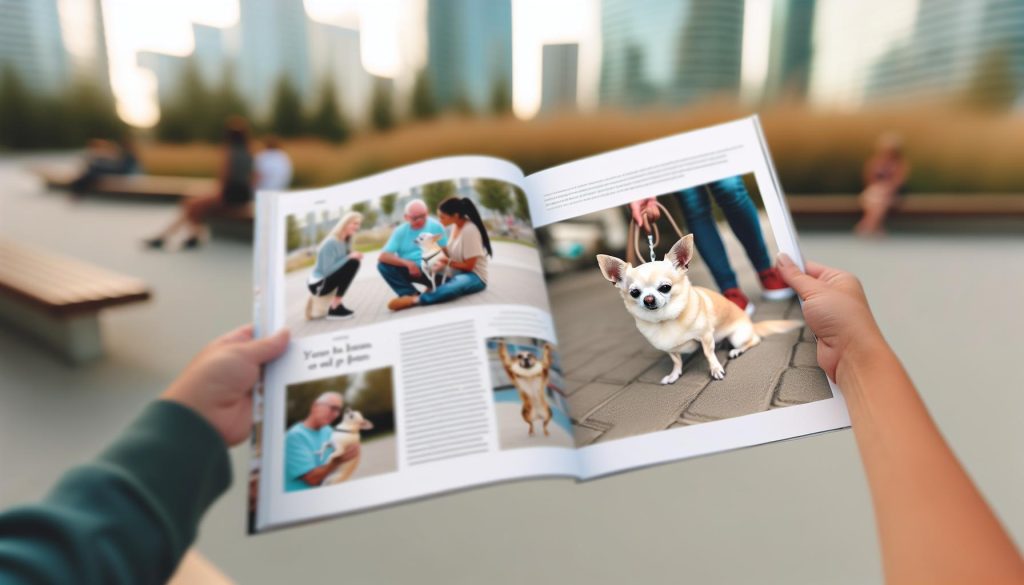
Did you know that Chihuahuas are among the tiniest dog breeds, yet they possess a personality that’s anything but small? Understanding whether a Chihuahua is genuinely classified as a dog is essential for both new and seasoned owners, as it underscores the breed’s unique characteristics and care needs. With their bold nature and loyal hearts, these wee companions bring joy and sometimes a little challenge into our lives. This exploration will demystify the breed classification and help you appreciate the quirks that make Chihuahuas so special. Whether you’re considering welcoming one into your home or simply looking to deepen your knowledge, read on to uncover what truly makes Chihuahuas who they are and how to care for these lovable little beings. Your journey into the heart of Chihuahua ownership starts here!
Understanding the Chihuahua: A Unique Breed
Chihuahuas, often celebrated for their bold personalities and diminutive size, are one of the most distinctive dog breeds in the world. Known for their loyalty and spirited nature, these little companions can be big in attitude, making them captivating pets for both new owners and seasoned dog lovers. What truly sets Chihuahuas apart is their ability to embody a variety of traits and characteristics, each contributing to their unique charm.
When considering a Chihuahua, it’s essential to recognize the breed’s rich heritage and classification. Originating from Mexico, they are considered toy dogs, typically weighing between 2 to 6 pounds. Despite their small stature, Chihuahuas are known for their strong personalities; they can be incredibly vocal, often barking to express themselves or alert their owners. Their confidence often gives them a larger-than-life presence, which can be both endearing and amusing.
Key Characteristics
Chihuahuas come in various coat types, typically categorized into short-haired and long-haired varieties. Each type presents different grooming needs: short-haired Chihuahuas require minimal brushing, while long-haired ones may need more frequent care to prevent mats and tangles. Additionally, their coat colors can vary significantly, from fawn and black to white and chocolate variations, allowing each dog to have its own distinctive look.
Understanding their behavior is vital for responsible ownership. Chihuahuas are known for their loyalty and strong attachment to their owners, making them excellent companions. However, they can also exhibit tendencies toward fearfulness or aggression if not properly socialized. Engaging in early socialization and training is crucial to help them develop positive behaviors, ensuring they feel secure and become well-adjusted pets.
With their unique personalities and characteristics, Chihuahuas certainly stand out in the canine world. Whether you’re drawn to their cute appearance or their lively demeanor, knowing how to care for and train a Chihuahua will help you form a strong, lasting bond with your furry friend. Real-life experiences from other owners often highlight the joy of watching a Chihuahua’s personality blossom, transforming from a timid pup into a confident companion. With the right approach, Chihuahuas can bring a wealth of happiness and companionship into your life.
Chihuahua Breed Classification: The Basics

Chihuahuas are not just adorable; they are a unique breed that showcases an incredible variety within their small frames. With roots tracing back to Mexico, this toy breed captures hearts with their feisty personalities and unwavering loyalty. It’s fascinating to note that despite their size, Chihuahuas are known for a remarkably bold nature, often considering themselves top dog in their environment. This tiny breed typically weighs between 2 to 6 pounds, making them one of the smallest dog breeds in the world.
When we delve into the classification of Chihuahuas, we discover that they fall under the toy group recognized by various kennel clubs. Being classified as toy dogs means that they are bred primarily for companionship rather than any working or sporting roles. Their distinctive traits are not merely physical; they encompass a wide range of personality quirks. For instance, many Chihuahuas are known for their vocal tendencies, often barking to communicate or to alert their owners of perceived threats, despite their small size. This spirited behavior can be both entertaining and, at times, a challenge to manage.
Chihuahuas can be divided into two primary coat types: short-haired and long-haired, each requiring different levels of care. Short-haired Chihuahuas generally need less grooming-an occasional brushing will suffice, while their long-haired counterparts benefit from more frequent brushing to prevent tangles. Additionally, the array of coat colors and patterns ranges from fawn and chocolate to black and cream, giving each dog a distinct look.
Understanding that there are two recognized head shapes within the breed-apple-head and deer-head-also sheds light on their classification. Apple-head Chihuahuas have a rounded skull and a shorter muzzle, often associated with the breed’s classic image, while deer-head Chihuahuas feature a longer snout and a squarer skull. This subtle variation not only affects appearance but can influence behavior and health considerations as well.
Ultimately, recognizing these classifications enriches our appreciation for Chihuahuas. Whether you’re considering bringing one into your home or already share your life with one, understanding their unique traits can enhance the bond you share. These charming companions may be small, but their personalities are larger than life, making them one of the most beloved dog breeds around.
Key Characteristics of the Chihuahua Dog

Chihuahuas are more than just tiny companions; they are vibrant personalities packed into small frames. With their charming characteristics and unique quirks, they truly stand out in the canine world. One of the key traits of a Chihuahua is their unwavering loyalty. They often form incredibly strong bonds with their owners, to the point of considering them their entire world. This affection is reciprocated with a boldness rarely seen in such a diminutive breed, making them feel they are the “big dog” in any scenario.
Vocal Nature
A strong characteristic of Chihuahuas is their vocal penchant. Many Chihuahuas love to express themselves through barking, whether it’s to alert you of an intruder, communicate with you, or simply to join in on the conversation. While some owners appreciate this spirited behavior as a form of endearment, others might find it challenging, especially in quieter environments. Training your little one to understand when barking is appropriate can help maintain a peaceful home.
Size and Strength
Despite their small size, typically weighing between 2 to 6 pounds, Chihuahuas exhibit a surprising level of confidence that can sometimes lead them to take on challenges much larger than themselves. This ‘big dog’ attitude often results in bold behavior that requires careful management, especially around larger dogs or unfamiliar situations. When introducing your Chihuahua to new experiences or other pets, showcasing a calm and confident demeanor will help instill positive interactions.
Temperament and Intelligence
Chihuahuas are known for their cleverness. They are quick learners, which can be an asset in training. However, this quick intelligence can lead to stubbornness, where a Chihuahua may decide that following orders is optional. It’s essential to approach training with patience and consistency, incorporating positive reinforcement strategies. For instance, rewarding good behavior with treats or praise can encourage your Chihuahua to want to learn and respond positively.
Health Considerations
In terms of health, Chihuahuas are prone to certain conditions like dental issues, patellar luxation, and heart problems. Regular vet check-ups, a balanced diet, and appropriate exercise are crucial in maintaining their health. Owners should also be aware of their sensitive nature to temperature extremes. A Chihuahua can easily become chilly in colder weather, so providing warm clothing or blankets during chilly months is important for their comfort.
Chihuahuas offer a unique blend of personality traits, making them ideal companions for both seasoned dog owners and first-timers. By understanding their characteristics, behavioral tendencies, and health needs, you can nurture a joyful and prosperous relationship with your little friend. Whether he’s a vocal guardian or a cuddly lap warmer, your Chihuahua will undoubtedly enrich your life with love and adventure.
Common Chihuahua Coat Types and Colors

When it comes to Chihuahuas, their small stature is matched by a vibrant variety of coat types and colors, making this breed even more captivating. Each Chihuahua can exhibit a unique look, reflective of its personality and background. Whether your little friend is flaunting a lush long coat or a sleek short one, understanding these variations can enhance your appreciation of this remarkable breed.
Chihuahuas primarily come in two coat types: short-haired and long-haired. The short-haired Chihuahuas have a sleek, glossy appearance that brings out their delicate features, while long-haired Chihuahuas are adorned with a soft, flowing coat that can range from medium to long lengths-complete with charming feathering on their ears, tails, and legs. Grooming needs differ slightly; short-haired Chihuahuas usually require minimal maintenance, while their long-haired counterparts benefit from regular brushing to prevent tangles and mats.
In terms of color, Chihuahuas can be found in a kaleidoscope of shades. Some popular colors include:
- Fawn: The classic, light tan hue that often features a black mask.
- Chocolate: A rich, deep brown that can be striking against a lighter coat.
- Black: Solid black Chihuahuas are bold and beautiful.
- Brindle: A unique pattern of dark stripes on a lighter base color.
- White: An elegant and clean look that stands out in any crowd.
- Blue: A rare and striking color that often appears alongside a glossy sheen.
Chihuahuas can also be bi-colored, showcasing combinations like fawn and white or chocolate and tan, adding even more diversity to their appearance. It’s fascinating to note how color preferences can lead owners to choose or feel a particular bond with their Chihuahua-each hue can evoke different feelings and associations.
As a proud owner, you may find that your Chihuahua’s coat color and type influence their personality. For instance, many long-haired Chihuahuas are often described as more laid-back, while short-haired ones may exhibit a spunky attitude. Remember, however, that individuality prevails-each dog is as unique as the owner behind them. Embrace the quirks and beauty of your Chihuahua, knowing that their coat is just a part of what makes them so special in your life.
Differences Between Apple-Head and Deer-Head Chihuahuas

When exploring the unique characteristics of Chihuahuas, a significant distinction arises between the two prominent varieties: the Apple-Head and the Deer-Head. Each type boasts its own charming attributes and subtle differences that can affect everything from appearance to temperament. Understanding these differences not only enriches your knowledge but also helps you appreciate the quirks that make your little companion truly special.
The Apple-Head Chihuahua, easily identified by its rounded skull and prominent forehead, often showcases a charmingly expressive face. Their large, round eyes can give them an almost doll-like appearance. Typically, Apple-Head Chihuahuas have shorter snouts, contributing to their distinctive “apple” look. This breed standard is particularly favored by enthusiasts for its classic Chihuahua aesthetic. Owners often note that these Chihuahuas have a spirited and bold personality, embodying the “big dog in a small body” demeanor that makes them wonderfully vocal and fiercely loyal.
In contrast, the Deer-Head Chihuahua presents a more elongated muzzle and a slightly flatter skull, resembling a miniature deer, hence the name. This type tends to have a more gentle expression, often accompanied by a graceful posture. Deer-Heads can be slightly taller and have a more slender build than their Apple-Head counterparts. Many owners describe them as more laid-back and sometimes less stubborn, making them easier to train and socialize. Their sweet disposition can endear them to families and individuals looking for a loving companion.
Despite these differences, both types share the same core Chihuahua traits: loyalty, boldness, and a remarkable bond with their human families. Whether you have an Apple-Head or a Deer-Head, knowing and embracing these differences allows you to cater to their specific needs, behaviors, and personalities. For instance, while both types need regular socialization, understanding that Deer-Heads might adapt to new experiences more readily can help highlight their unique strengths. Ultimately, your choice between these two varieties is not just about looks but also about the connection you build with your Chihuahua and how their characteristics complement your lifestyle.
Recognizing Chihuahua Behavior and Temperament
The Chihuahua is often described as a bundle of personality packed into a tiny frame. With their spirited nature and vocal tendencies, these little companions certainly know how to command attention. One fascinating characteristic of Chihuahuas is their strong loyalty to their owners. They are known to form intense bonds with their humans, often following them around the house or seeking out their lap when it’s time to settle down. This devotion makes them excellent companions for those who crave a pet that is both affectionate and responsive.
When it comes to behavior, Chihuahuas can be surprisingly bold for their size. Their small stature doesn’t deter them from expressing their opinions, whether through enthusiastic barks or assertive postures. This breed’s vocalization often surprises new owners, as some Chihuahuas can be quite chatty, alerting their families to any perceived threats or changes in their environment. For first-time owners, this boldness can be both endearing and challenging, especially when it comes to training and socialization.
It’s also essential to recognize that each Chihuahua has his own temperament influenced by factors like genetics and early socialization. For instance, while Apple-Head Chihuahuas might showcase more spirited and feisty traits, Deer-Head Chihuahuas are often perceived as more laid-back and gentle. Understanding these nuances helps owners appreciate their pet’s unique behavior. Providing positive training experiences and exposing Chihuahuas to various environments can significantly bolster their confidence and comfort in new situations.
Caring for a Chihuahua’s emotional well-being is just as critical as their physical care. Due to their small size and sensitive nature, they can become stressed if not handled appropriately or if they feel left out of family activities. Engaging your Chihuahua in daily play and providing consistent training sessions can help foster a well-adjusted dog. Remember, your little friend thrives on attention, affection, and security-qualities that enrich both your lives together.
Health Considerations for Chihuahua Owners
Understanding the health needs of your Chihuahua is crucial to providing him with a long, happy life. Given their small size and unique physical traits, Chihuahuas can be prone to specific health issues that require proactive care and attention. Regular veterinary check-ups, a balanced diet, and proper dental hygiene are integral to maintaining their overall well-being.
One notable health concern for Chihuahuas is their susceptibility to dental disease. Small breeds often have crowded teeth, making them more likely to develop plaque and tartar buildup. Establish a routine dental care regimen by brushing their teeth several times a week and providing dental chews to help control plaque. Additionally, be mindful of their heart health; Chihuahuas are prone to heart murmurs and other heart conditions. Regular vet visits will ensure that any potential issues are caught early and managed effectively.
In terms of weight management, it’s essential to monitor your Chihuahua’s diet carefully. Obesity can lead to a host of health problems, including joint issues and diabetes. Limit treats and feed a high-quality dog food appropriate for their size. Pay attention to portion control and keep an eye on any weight gain.
Lastly, ensure that your Chihuahua receives necessary vaccinations and preventive care, including heartworm prevention and flea control. Their small stature can make them especially vulnerable during outdoor activities, so it’s vital to keep them safe and avoid exposure to larger dogs that may unintentionally harm them. By being proactive about your Chihuahua’s health, you can enjoy a long and fulfilling companionship filled with the quirky spirit and love that only these little dogs can provide.
Caring for Your Chihuahua: Essential Tips
Every Chihuahua has an adventurous spirit wrapped in a tiny body, making them uniquely charming companions. Caring for your little one goes beyond the basics; it’s about embracing their quirky personalities and meeting their specific needs. From their health to their socialization, here are essential tips to ensure your Chihuahua thrives in your home.
Health and Nutrition
Chihuahuas are prone to certain health issues, so proactive care is essential. Regular veterinary visits are a must to monitor dental health, as small breeds often face problems like crowded teeth leading to plaque build-up. To maintain oral hygiene, brush your Chihuahua’s teeth a few times a week and offer dental chews that can help control plaque.
When it comes to diet, choose high-quality dog food that suits their small size and activity level. Keep an eye on their weight, as obesity can lead to joint issues and overall health problems. Portion control is vital; limit treats and provide balanced meals. Involve your vet in creating a diet plan tailored to your Chihuahua’s needs.
Exercise and Mental Stimulation
Despite their diminutive size, Chihuahuas are active and require regular exercise to stay healthy and happy. Short, daily walks are perfect, but don’t underestimate their playtime needs. Interactive toys that challenge their minds are great for keeping them engaged. You might even find that your Chihuahua loves a good game of fetch, or enjoys playing with puzzle toys that dispense treats.
Sheltering Your Chihuahua
Chihuahuas are sensitive to temperature fluctuations, so it’s crucial to provide a comfortably warm environment. Cozy dog beds and soft blankets will help your furry friend feel secure, and consider a little jacket for those chilly outings. It’s also important to create a safe space for them to retreat when they need quiet time, as these bold little dogs can be easily overwhelmed.
Training and Socialization
Training a Chihuahua requires patience and consistency, but it’s incredibly rewarding. Start with basic commands like “sit” and “stay,” using positive reinforcement to encourage good behavior. Socialization is equally important; expose your Chihuahua to a variety of people, pets, and environments early on. This can help them grow into well-adjusted and confident companions.
Welcoming a Chihuahua into your home means embracing a bundle of personality and affection. By providing attentive care, proper nutrition, and plenty of love, you’ll foster a lifelong bond filled with joy and playful antics. Remember, each Chihuahua is unique; learning their preferences and quirks will enhance your experience as a devoted owner.
Training Your Chihuahua: Important Techniques
Training your Chihuahua effectively can transform your pint-sized companion into a well-mannered family member. These spirited little dogs are highly intelligent and eager to learn, but they can also exhibit stubbornness if they don’t feel motivated. Understanding their unique traits will help you leverage their strengths for successful training.
Chihuahuas thrive on positive reinforcement, which means using treats, praise, or playtime to reward desirable behaviors. Start with simple commands like “sit,” “come,” and “stay.” Keep training sessions short-around 5 to 10 minutes is ideal-since their attention spans can be limited. For instance, you might choose a specific time each day for training. Consistency will help your Chihuahua associate commands with actions in a relaxed setting.
One effective technique is to use a clicker or a verbal marker such as “yes” immediately when your Chihuahua performs the desired action. This reinforces the connection between the command and the desired behavior. Pair this with a small treat to motivate your furry friend. For example, if you’re teaching her to sit, wait for her to do so, click or say your marker, then give her a treat. Repeat this several times in short bursts to reinforce the command.
Additionally, socialization is a critical aspect of training. Chihuahuas often have bold personalities, but early exposure to different people, pets, and environments can help mitigate potential behavioral issues. Take your Chihuahua to local parks, dog-friendly stores, or gatherings to help her become comfortable in various situations. Be mindful of her small size and ensure she feels safe throughout these experiences. Remember, a well-socialized Chihuahua is typically confident and friendly, making outings much more enjoyable for both of you.
Each Chihuahua is unique with distinct quirks; for instance, some may be more vocal and assertive than others, especially Apple-head types who are often known for their expressive nature. Embrace these characteristics while training-if your pup loves to bark, integrate it into her routine, teaching her cues to bark on command or to be quiet when needed. This positive approach not only strengthens your bond but also channels her energy appropriately.
Through regular training, patience, and understanding, you can nurture your Chihuahua’s quirks into well-rounded traits, creating a joyous and harmonious home.
Socializing Your Chihuahua: Best Practices
To create a well-adjusted Chihuahua, socialization is a key component that significantly impacts their temperament and overall quality of life. These tiny dogs, despite their size, can be bold and assertive, often displaying characteristics that match their larger canine counterparts. By introducing your Chihuahua to a variety of environments, people, and other animals from an early age, you can help her develop into a confident and friendly companion who is less likely to exhibit fear-based behaviors.
Start socialization early. The critical period for a puppy’s social development is between 3 to 14 weeks, so this is the ideal time to expose her to different experiences. Trips to the dog park can be enriching, where she can meet other dogs and interact with diverse groups of people. Make these outings positive by bringing along her favorite toys or treats to create rewarding associations with new experiences. For instance, one Chihuahua owner found that taking her apple-head Chihuahua, Bella, to a busy café where she could observe people and enjoy petting from strangers turned Bella into a more sociable and relaxed pup.
In addition to external interactions, introducing positive experiences at home is equally important. Inviting friends over and allowing your Chihuahua to interact in a safe environment can lessen the initial anxiety she might feel around new individuals. Enrich her world by playing sounds of different environments, such as children playing or the sound of city traffic, while rewarding her with treats. This technique acclimates her to various noises, building her confidence as she learns to associate those sounds with positive outcomes.
Finally, remember that consistency is crucial. Regularly exposing your Chihuahua to new experiences will help her adapt and thrive. While she may have moments of trepidation, ensuring those experiences remain positive will strengthen her trust and reduce the likelihood of fear-based aggression or anxiety. With love, patience, and a playful approach, you can nurture your Chihuahua into a well-rounded companion who’s ready to explore the world by your side.
Common Chihuahua Myths Debunked
When it comes to Chihuahuas, there are many misconceptions that can lead to misunderstandings about this remarkable breed. For example, many people assume that these tiny pups are fragile and can’t handle the world around them, but in reality, Chihuahuas are incredibly bold and confident. Just because they stand only a foot tall or less doesn’t mean they lack a strong personality. They are known to stand their ground with larger dogs, showcasing their fearless nature.
One pervasive myth is that Chihuahuas are yappy and excessively bark. While it’s true that they can be vocal, this behavior typically stems from their natural inclination to protect their territory and owners. With proper training, many owners find that their Chihuahuas can learn to be more relaxed. Consider the example of a Chihuahua named Max, whose owner worked diligently with him on commands and socialization. With consistent training, Max learned that he didn’t need to bark at every passerby, turning him into a well-mannered little companion.
Another common belief is that Chihuahuas are not suitable for families or children. In reality, Chihuahuas can adapt wonderfully to family life and are known to form strong bonds with their human companions, regardless of age. They simply require the same amount of love and respect as any other breed. Socialization is key-helping them to embrace the hustle and bustle of family dynamics can significantly enhance their adaptability.
Finally, many people think that all Chihuahuas are the same. In fact, there are two distinct types: apple-head and deer-head, each with their unique characteristics and personalities. The apple-head Chihuahua typically has a more rounded skull and a compact body, while the deer-head variety has a flatter skull and a taller, leaner appearance. Each type can bring different traits to your household, so understanding these differences can help you choose the right companion for your lifestyle.
By dispelling these myths, we not only enhance our understanding of Chihuahuas but also appreciate their unique qualities. Whether they’re barking at the postman or curling up in your lap for a nap, Chihuahuas bring joy, companionship, and a splash of boldness to any home.
Why Chihuahuas Make Great Companions
When you think of a Chihuahua, you might envision a tiny dog with a bold personality. These remarkable little companions are not just adorable; they offer rich, fulfilling relationships that can enhance any household. Their loyalty is unmatched, often forming deep bonds with their owners that make them feel more like family members than pets. Many Chihuahua owners note how their dogs have an uncanny ability to read their emotions, providing comfort when needed and joy during playtime.
Chihuahuas are also known for their lively spirit and confident demeanor. Whether they’re prancing around the living room or defending their territory from a perceived threat, these dogs bring vibrancy to any environment. For example, one owner shared a story about her Chihuahua, Bella, who boldly confronted a large dog at the park, proving that size doesn’t dictate bravery. This boldness can make for entertaining moments and a sense of security for their humans.
Their adaptability adds to their charm. Chihuahuas thrive in various living situations, from apartments to larger homes, making them suitable companions for a wide range of lifestyles. These dogs don’t require extensive exercise like some larger breeds, which means they can be perfectly content with brief daily walks and indoor playtime. This makes them ideal for first-time pet owners or those with busy schedules.
In addition to their vivacious character, Chihuahuas come in various coat types and color patterns, adding to their individuality. From the smooth, shiny coats of many deer-head Chihuahuas to the longer, fluffier fur seen in some apple-head varieties, there’s a Chihuahua to match every personal style. Their tiny size also means they are easy to care for in terms of grooming and healthcare, provided you are attentive to their specific needs, such as dental health and potential patellar luxation-common issues in small breeds.
In summary, Chihuahuas encapsulate why many dog lovers seek their companionship. They deliver unwavering loyalty, fearlessness, adaptability, and charm, enriching the lives of their owners while demanding only love and respect in return. Whether you’re a first-time pet owner or a seasoned enthusiast, welcoming a Chihuahua into your home is sure to bring laughter, warmth, and an unbreakable bond.
Frequently Asked Questions
Q: What are the origins of the Chihuahua breed?
A: The Chihuahua is believed to have originated in Mexico, specifically from the Techichi, a companion dog of the ancient Toltecs. These tiny canines were later named after the Mexican state of Chihuahua, cementing their cultural significance in the region. Learn more about their unique history in the Understanding the Chihuahua section.
Q: How does the Chihuahua compare to other small dog breeds?
A: Chihuahuas are distinct from other small breeds due to their bold personality and alertness. Unlike many small breeds that may be more reserved, Chihuahuas tend to be vocal and confident, making them excellent watchdogs. For comparisons, see Key Characteristics of the Chihuahua Dog.
Q: What is the temperament of a Chihuahua?
A: Chihuahuas are known for their lively and affectionate temperament. They are often loyal to their owners but can be wary of strangers. Proper socialization is essential to mitigate shyness or aggression. Discover ways to enrich their behavior in the Recognizing Chihuahua Behavior and Temperament section.
Q: Are Chihuahuas good family pets?
A: Yes, Chihuahuas can be good family pets, especially in families with older children who know how to interact gently. They thrive on companionship and can form close bonds with all family members. Find care tips in the Caring for Your Chihuahua: Essential Tips section.
Q: Do Chihuahuas require special grooming?
A: Grooming needs vary by coat type: long-haired Chihuahuas require regular brushing to prevent tangles, while short-haired ones need less maintenance. Regular baths and nail trims are essential for all Chihuahuas. Check out Common Chihuahua Coat Types and Colors for more details.
Q: What health issues are common in Chihuahuas?
A: Chihuahuas are prone to specific health issues, including dental problems and patellar luxation. Regular vet check-ups and maintaining a healthy weight are crucial for their well-being. Learn more about health considerations in the Health Considerations for Chihuahua Owners section.
Q: How can I socialize my Chihuahua effectively?
A: Socializing your Chihuahua involves gradual exposure to new people, pets, and environments. Start with controlled encounters and positive reinforcement to build their confidence. For detailed strategies, refer to Socializing Your Chihuahua: Best Practices.
Q: Are Chihuahuas easy to train?
A: Chihuahuas can be trained, but consistency and positive reinforcement are key. They respond well to short, fun training sessions. Early training helps curb undesirable behaviors. Explore more training techniques in the Training Your Chihuahua: Important Techniques section.
Concluding Remarks
As we’ve explored, Chihuahuas are not just small breeds; they exhibit unique traits and behaviors that make them truly special companions. From their lively personalities to their distinct health needs, owning a Chihuahua can be a rewarding journey filled with joy. If you’re pondering getting one or are a new owner, remember that understanding their specific care requirements, such as the importance of socialization and proper nutrition, is key to ensuring a happy life together.
Don’t miss our articles on “Chihuahua Health Tips” and “Understanding Chihuahua Behavior” to further enhance your knowledge. Join our community by subscribing to our newsletter for expert tips and insights tailored to you and your fur friend. If you’ve got experiences or questions about your Chihuahua, we encourage you to leave a comment below-let’s celebrate our beloved tiny companions together! Embrace the adventure of Chihuahua ownership; you’re in for a treat with every bark and wag.
Get our latest guides, news, and insights highlighted in your Google Search & AI Overviews.