

When we think of Chihuahuas, their diminutive size often steals the spotlight-after all, these tiny dogs can weigh as little as two pounds! Yet, their small stature comes with big personalities, making them beloved companions despite their size. In this guide, we’ll explore just how small Chihuahuas really are by comparing them to other dog breeds, everyday items, and even their own quirky traits. For new and seasoned owners alike, understanding your Chihuahua’s size not only enhances your knowledge of the breed but also helps in ensuring their health, safety, and socialization. Armed with fascinating comparisons and insights, you’ll appreciate just how distinct your little friend truly is. From their apple-head shapes to their bold demeanor, let’s dive into the world of Chihuahuas and discover the nuances of their size, which is as unique as their personalities!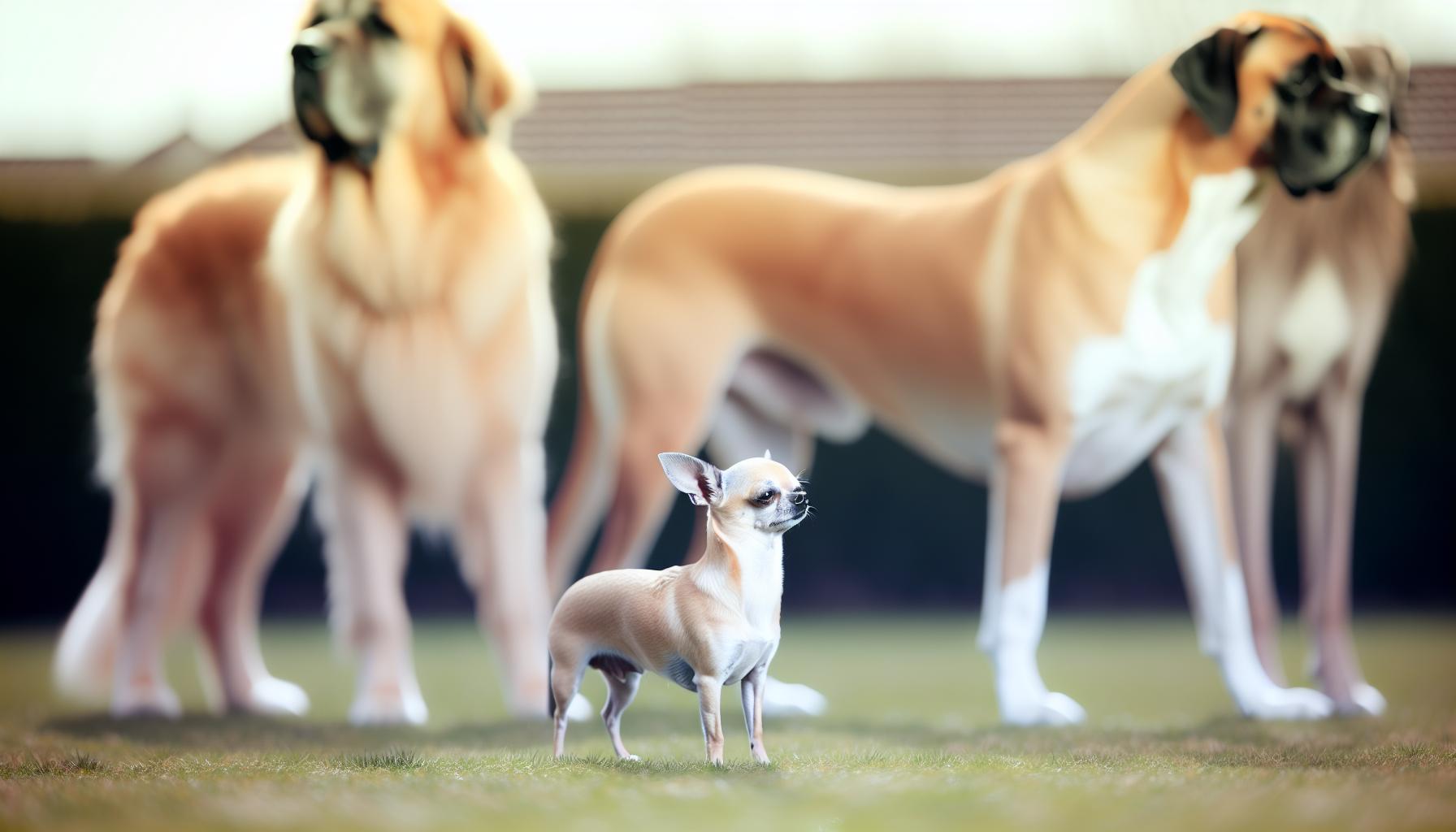
How Big Is a Chihuahua Compared to Other Breeds?
Chihuahuas may be petite, but their personalities are anything but small! These tiny companions typically weigh between 2 to 6 pounds and stand about 6 to 9 inches tall, making them one of the smallest dog breeds in the world. To put their size into perspective, a Chihuahua is often smaller than a standard house cat! When you consider larger breeds, such as Golden Retrievers or Labradors, which can weigh anywhere from 55 to 80 pounds, the difference is staggering. This size contrast can influence how Chihuahuas interact with other dogs, navigate their environment, and manage social encounters.
When evaluating how a Chihuahua compares to other breeds, it’s essential to consider both height and weight. A Chihuahua’s compact size makes her perfect for apartments and homes with limited space, but their bold, confident demeanor may sometimes lead them into trouble with larger dogs. For example, a Chihuahua might face challenges when playing with a German Shepherd, not just because of the size difference, but also due to various play styles that larger breeds typically display. Therefore, understanding her size can help you predict her behavior in social settings, facilitating better interactions.
Many owners find themselves enchanted by Chihuahuas’ unique traits, which can vary between the apple-head and deer-head types. Apple-head Chihuahuas are typically rounder and more compact, while deer-head Chihuahuas possess a longer, slightly taller frame. While both types share a similar weight range, their physical features can influence how they are perceived in social situations. Moreover, being aware of these differences will help you better care for and socialize your Chihuahua, ensuring she thrives in her environment.
Ultimately, understanding how small Chihuahuas are compared to other breeds not only helps in providing them with the proper care but also enhances your relationship with your little dynamo. Whether she is barking bravely at the postman or snuggling in your lap, celebrating her size-and all the personality it carries-makes for a fulfilling partnership!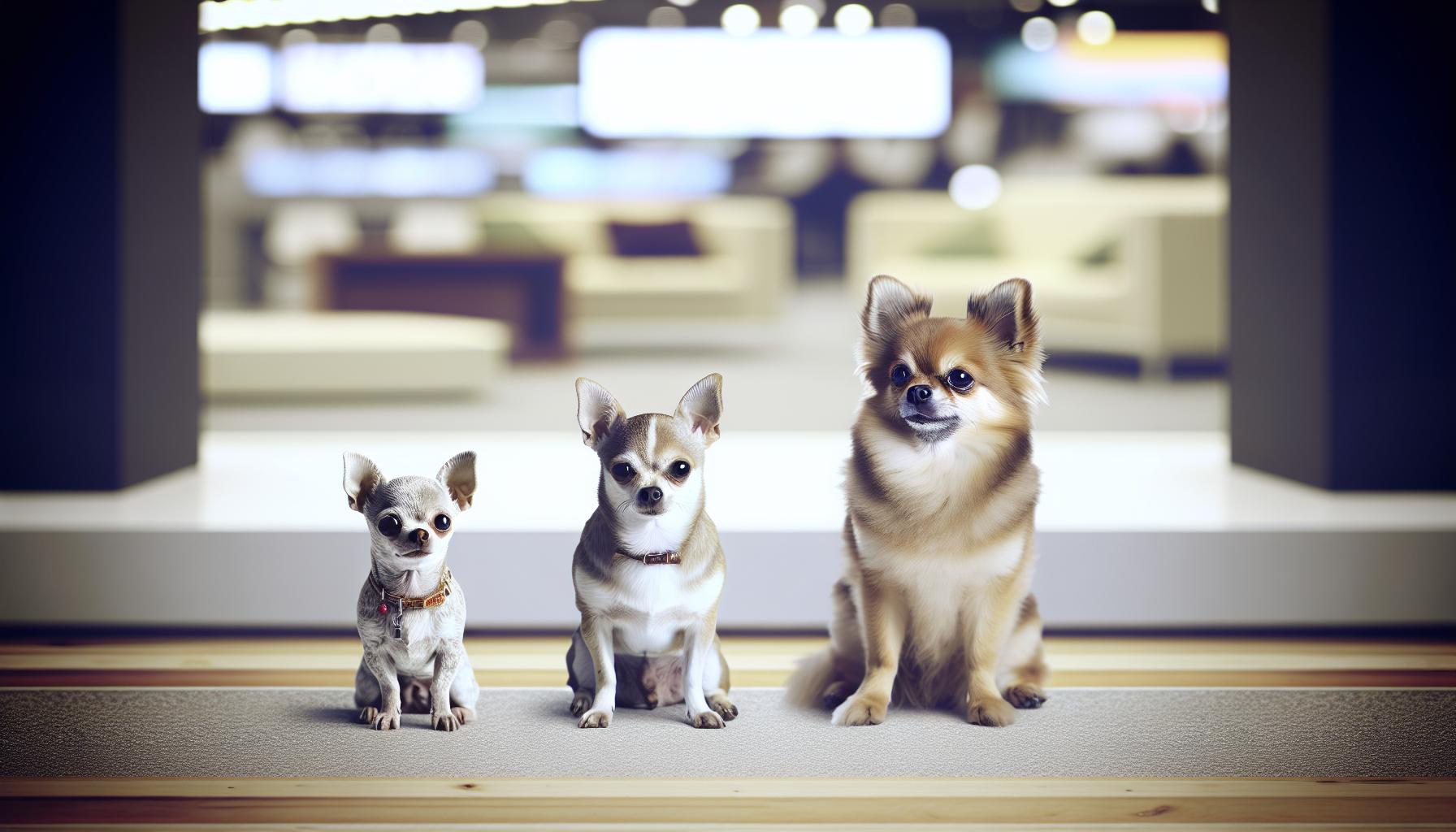
Understanding the Different Chihuahua Sizes
Chihuahuas may be among the smallest dog breeds, but their vibrant personalities are larger than life! Understanding the variations in size among Chihuahuas is key to ensuring they receive the proper care and attention they need. Typically, a Chihuahua will weigh between 2 to 6 pounds and stands about 6 to 9 inches tall. This makes them not only adorable but also nimble companions, suitable for various living environments, especially smaller spaces like apartments.
When discussing Chihuahua sizes, it’s essential to consider two primary aspects: individual variance and breed type. Each dog is unique, and even within the Chihuahua breed, there can be significant differences in size based on genetics and care. The breed can be broadly categorized into two types: the apple-head Chihuahua and the deer-head Chihuahua. Apple-heads often have a more rounded skull and compact body, giving them a cuter appearance, while deer-head types feature a longer, more elegant frame. Both types typically fall within the same weight range, but their dimensions can influence their overall health and behavior.
Another factor to consider is that while Chihuahuas are small, their spirited nature can sometimes lead to misunderstandings in social situations. For instance, a Chihuahua’s boldness might encourage them to challenge larger dogs, which can lead to dangerous encounters. It’s crucial to monitor playtime, encouraging safe interactions while helping your Chihuahua understand their size and limitations in relation to bigger breeds. By recognizing and respecting these differences, you can play a vital role in your Chihuahua’s social development, ensuring they thrive in the presence of other dogs.
In summary, each Chihuahua is a delightful individual, and understanding the nuances of their size can enhance your bond with them. Embrace their quirks, from playful barks to undeniable loyalty, while remaining mindful of their unique needs based on their size-and watch your love for this tiny breed grow even deeper!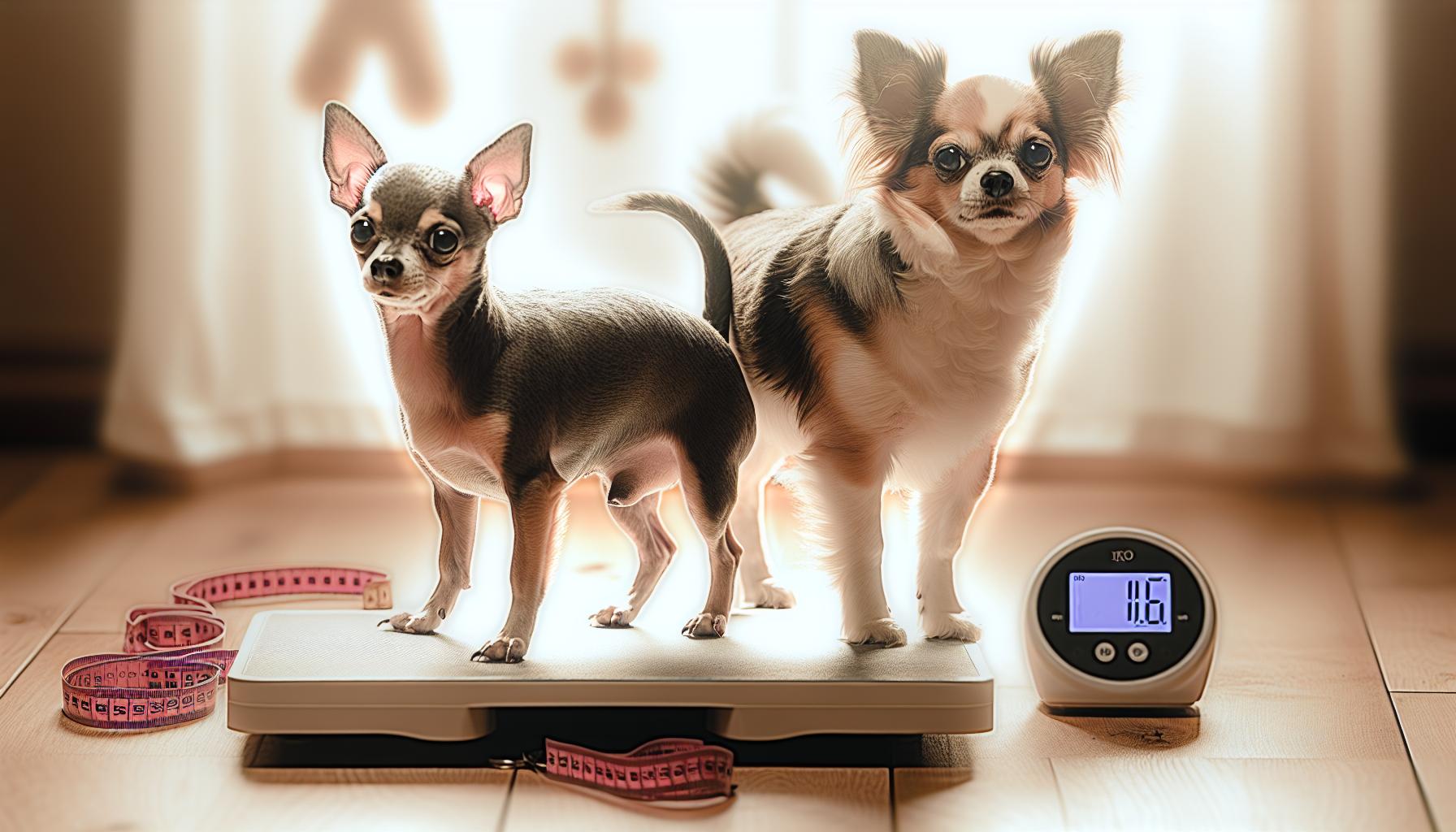
The Chihuahua Size Chart: Height and Weight Explained
Chihuahuas are famously petite, but their range of sizes can surprise even seasoned dog owners. Typically, these little companions measure about 6 to 9 inches tall and weigh between 2 to 6 pounds, making them one of the smallest breeds around. To help you better understand what to expect, here’s a handy size chart that breaks down the different weight categories and their corresponding heights.
Chihuahua Size Chart
| Size Category | Weight (lbs) | Height (inches) |
|---|---|---|
| Teacup | 2 – 4 | 6 – 7 |
| Standard | 4 – 6 | 7 – 9 |
| Deer-Head | 4 – 8 | 8 – 10 |
| Apple-Head | 5 – 8 | 6 – 9 |
Understanding this size spectrum is important, particularly because each Chihuahua may present different care requirements and health considerations based on their size. For instance, a teacup Chihuahua, often weighing just 2 pounds, requires special attention regarding handling and health. This delicate size can predispose them to various health issues, so gentle handling and regular vet visits become crucial for their wellbeing.
When it comes to breeding, the terms “apple-head” and “deer-head” refer not only to head shape but also to their overall dimensions. Apple-head Chihuahuas tend to be slightly shorter and stockier, usually falling within the standard weight range, while deer-head variants may have a leaner build and a slightly taller stature. Understanding these distinctions allows you to tailor your approach to training, exercise, and even socialization based on your Chihuahua’s unique physique.
In summary, knowing the height and weight specifics of Chihuahuas helps foster a closer bond between you and your furry friend, ensuring you meet their individual needs. No matter their size, Chihuahuas bring boundless joy and affection into our lives, turning their tiny frames into mighty hearts!
Do Size Matters: Health Implications for Chihuahuas
Navigating the health implications of your Chihuahua’s size is vital for their overall well-being. These tiny companions may be small in stature, but their size directly impacts their health and care requirements. For instance, teacup Chihuahuas, often weighing as little as 2 pounds, are prone to specific health challenges like hypoglycemia and skeletal issues. Their delicate frame demands careful handling; a small misstep can lead to injuries that more robust breeds might easily withstand. Regular veterinary check-ups become essential to monitor their health and prevent potential problems associated with their miniature size.
In contrast, while standard Chihuahuas (weighing between 4 to 6 pounds) might appear slightly sturdier, they too face health risks that are size-dependent. Dental issues are common in smaller breeds due to their compact jaw structure. Ensuring good dental hygiene-from regular tooth brushing to veterinary dental cleanings-is crucial to prevent periodontal disease, which can lead to more serious health issues if left unchecked. Likewise, both the apple-head and deer-head varieties, though differing in appearance, share behavioral traits influenced by their size. For example, the more robust apple-head Chihuahua may exhibit a bolder personality, while the deer-head, typically leaner and taller, can appear more timid.
When considering health implications, it’s also important to acknowledge that size impacts exercise needs and diet. A smaller Chihuahua may require less exercise than a larger one, but they still benefit from daily playtime and walks to maintain a healthy weight and keep their minds sharp. Owner experiences often highlight the need for controlled activities; a play session in the park can be both joyful and a learning opportunity about their physical limits. The right balance of nutrition tailored to their size can prevent obesity, which is a common concern for Chihuahuas, regardless of their size.
Ultimately, attentive care tailored to your Chihuahua’s unique needs allows them to thrive. By understanding how size influences health, behavior, and care, you can better enjoy the companionship of your little friend while ensuring they lead a happy, healthy life.
Apple-Head vs. Deer-Head: Size and Features
When it comes to Chihuahuas, their distinct types-apple-head and deer-head-are not just about looks; they represent unique characteristics and features that can influence your choice as a pet owner. If you’ve ever marveled at how different these tiny companions can be, you’re not alone. Understanding these differences is essential in caring for your Chihuahua and ensuring you meet their specific needs.
The apple-head Chihuahua is typically characterized by its round skull, prominent forehead, and a more compact body. This breed often has a bold personality, displaying confidence that can be surprising given their size. They generally weigh between 4 to 6 pounds, making them one of the more compact varieties. Owners of apple-head Chihuahuas often notice that they are quite vocal and may have a more assertive demeanor, which can make them great watchdogs despite their petite stature.
On the other hand, the deer-head Chihuahua boasts a longer, more slender physique with a slightly flatter face and large, expressive ears. These Chihuahuas typically range from 5 to 7 pounds and can appear taller due to their elongated body structure. While generally friendly, deer-head Chihuahuas might exhibit a more laid-back temperament, sometimes seeming a bit more reserved than their apple-headed counterparts. This distinction makes them delightful companions but can also influence your interaction and training approach.
Both types share many common behavioral traits, including loyalty and playfulness. When selecting between them, consider not just their appearance but also how their personalities resonate with your lifestyle. For instance, if you’re looking for a feisty dog with lots of energy, you might find the apple-head’s boldness appealing. Conversely, if you prefer a calmer pup, the deer-head’s gentler nature might be a better match.
In summary, whether you choose an apple-head or a deer-head Chihuahua, each comes with its unique charm. By understanding these distinctions, you’re better equipped to nurture and enjoy the eccentricities that come with being a proud Chihuahua owner.
Caring for Your Chihuahua: Size-Specific Needs
Chihuahuas may be small, but they come with an array of unique care needs that every owner should consider. These tiny companions are known for their bold personalities and vocal nature, and their size significantly influences their health, socialization, and general well-being. Understanding how to cater to their specific requirements will lead to a happy and healthy life for your little friend.
One critical aspect of caring for Chihuahuas relates to their delicate bones and joints. Due to their miniature size, they are prone to injuries if not handled gently. To ensure their safety, create a pet-friendly environment, free from hazards such as stairs or slippery floors. Many owners have found that using dog ramps can help their Chihuahuas navigate high surfaces without the risk of falling. Additionally, confident apple-heads might require more supervision due to their spirited antics, whereas laid-back deer-heads may need encouragement to engage in playful activities.
Feeding your Chihuahua appropriately is another essential part of their care. Because of their small stature, they need a high-quality diet tailored to support their energy levels and prevent obesity. Smaller kibble sizes are ideal, as they make eating easier for your pup. Many owners opt for premium dog food that lists meat as the first ingredient, ensuring their furry friend receives the necessary nutrients. Regular vet check-ups are also vital for monitoring their health, as early detection of any issues can significantly impact their quality of life.
In terms of socialization, Chihuahuas benefit from exposure to various environments, people, and other pets from a young age. Their size can sometimes lead to overprotectiveness, especially in apple-heads who may bark at strangers or larger dogs. Introducing them to controlled playdates with well-mannered companions can help them develop confidence and appropriate social behaviors. Remember to keep those interactions positive and stress-free, allowing your Chihuahua to thrive in a variety of settings.
In summary, caring for a Chihuahua involves a blend of love, vigilance, and specialized attention to their needs. By providing a safe environment, appropriate nutrition, and ample opportunities for social interaction, you can ensure that your little companion feels both secure and enriched in your home. Every day with a Chihuahua presents a new adventure, and with the right care, you’ll both enjoy every moment together.
Chihuahua Growth Stages: What to Expect
As your Chihuahua embarks on life, witnessing their growth is profoundly rewarding. Chihuahuas typically experience several distinct stages as they grow from tiny puppies into charming adults. Understanding these stages will help you cater to their specific needs and be prepared for the changes that come with each.
During the puppy stage (0-6 months), Chihuahuas are energetic and curious. These little ones often weigh less than 2 pounds at birth and will rapidly gain weight-by the end of the sixth month, they may reach anywhere between 3 to 6 pounds. This is a critical time for socialization; exposing your puppy to various environments, people, and even different animals will help shape their social behavior and confidence. A positive experience during these formative months can greatly influence their temperament as adults. For example, if you have a laid-back deer-head Chihuahua, introducing them to new settings can enhance their calm nature.
From 6 months to 1 year, your Chihuahua enters the adolescent stage. During this time, they may begin to exhibit challenging behaviors, including stubbornness or bursts of hyperactivity. Expect changes in weight and height, as many Chihuahuas will continue to grow slightly but remain well within the breed standard of 5 to 8 pounds for adults. This phase is crucial for reinforcing training. Consistency is vital-establish boundaries while still allowing room for their playful spirit. Apple-heads, known for their strong personalities, might test these boundaries more than others, so a firm yet loving approach works best.
Once your Chihuahua reaches the adult stage (1 year and older), they will likely stabilize in size and personality. Most reach their full height around one year, but some may continue to fill out until age two. It’s essential to maintain regular veterinary check-ups during this stage, as adult Chihuahuas can be prone to certain health issues, especially if they are overweight. Their diet should shift to a balanced adult formula, which helps prevent obesity and maintains energy levels. Additionally, adult Chihuahuas might exhibit quieter behavior but still require daily activity and mental stimulation to stay happy and healthy.
Lastly, as your dog transitions into seniority (7 years and older), you might notice slowing down in activity and heightened demand for comfort, which is common among older Chihuahuas. Their bones and joints are more delicate, so ensuring a soft, supportive bed and avoiding too much jumping or strenuous activity is important. Regular check-ups will help manage any age-related health concerns, from dental issues to joint health.
Remember, each Chihuahua is unique, showcasing different traits and growth patterns. Celebrating these stages fosters a deeper bond with your furry friend, ensuring they thrive at every age along the way.
The Impact of Size on Chihuahua Behavior
Chihuahuas may be small in size, but they possess a personality that is anything but diminutive. Their size significantly influences their behavior, interactions, and the way they perceive the world. Understanding how a Chihuahua’s small stature impacts its behavior can help you better cater to its needs and enhance your relationship. For example, many Chihuahuas are known for their bold and vocal nature, often compensating for their size with a big attitude. This assertiveness can sometimes be seen as a trait of bravery, allowing them to stand their ground against larger breeds.
One remarkable aspect of Chihuahuas is their strong attachment to their owners, which is often amplified by their size. Smaller dogs tend to seek closeness and comfort, resulting in a loyal companion who thrives on human interaction. This bond can lead to separation anxiety if they feel too distanced from you. For instance, an apple-head Chihuahua named Bella would follow her owner everywhere, barking if she wasn’t within eyesight-a common trait among the breed.
Additionally, the sheer size of a Chihuahua can create challenges during socialization. Larger breeds may unintentionally intimidate them, leading to fearful behavior. Therefore, proactive socialization is crucial. Introducing your Chihuahua to various environments, people, and larger dogs in a controlled manner helps build their confidence. A well-socialized Chihuahua can become a confident little ambassador of the breed, displaying curiosity instead of fear.
It’s essential to recognize that the personality of Chihuahuas can vary between the apple-head and deer-head types. Apple-heads are often described as more “demanding” and may exhibit more pronounced stubbornness, while deer-heads typically display a calmer demeanor. Recognizing these differences allows owners to adapt their training techniques and expectations accordingly.
In summary, while a Chihuahua may be tiny, its behavior is often marked by boldness, loyalty, and the need for social interaction. By understanding the impact of size on behavior-whether it’s overcoming fears related to larger dogs or reinforcing training for their spirited personalities-you can nurture a happy, well-adjusted little companion that thrives in your home.
Common Size-Related Myths About Chihuahuas
Dispelling myths about Chihuahuas is essential for anyone considering welcoming one of these delightful little companions into their home. One pervasive myth is the notion that all Chihuahuas are hyperactive and constantly yapping. While it’s true that many Chihuahuas can be quite vocal, behavior largely depends on individual personality, upbringing, and socialization. For instance, a well-trained apple-head Chihuahua named Max is known for his calm demeanor, enjoying cozy evenings on the couch rather than high-energy playtime.
Another common misconception is that Chihuahuas are fragile and can’t handle outdoor activities. Although their small size might suggest they should be kept indoors, many Chihuahuas thrive on regular exercise and outdoor adventures. Owners often find their deer-head Chihuahuas, like Bella, enjoying brisk walks and playdates at the dog park just as much as larger breeds. It’s crucial to provide them with a safe environment and to monitor their energy levels to ensure they don’t overexert themselves, as small dogs can tire quickly.
Additionally, there’s a belief that little dogs don’t require as much training or socialization as larger breeds. This couldn’t be further from the truth. Chihuahuas may be small, but they are intelligent and have strong personalities. They thrive on training and socialization just like any other dog. A consistent training routine can help manage their boldness and assertive tendencies. For example, an owner who invested time in training her Chihuahua, Gus, found him to be not only well-behaved but also a joy to take out on daily errands.
Understanding these myths can enhance your experience as a Chihuahua owner, ensuring you provide a nurturing environment that meets your little companion’s needs. With proper care, training, and warmth, your Chihuahua can be a vibrant part of your life, showcasing the true charm of the breed while dispelling common misconceptions.
Choosing the Right Chihuahua: Size Considerations
Choosing the right Chihuahua involves understanding the nuances of their size, which can significantly impact their behavior, health, and care needs. Chihuahuas traditionally come in two size types: the apple-head and the deer-head. Apple-head Chihuahuas, with their rounded skulls and larger eyes, typically weigh between 2 to 6 pounds and stand about 6 to 9 inches tall. In contrast, deer-head Chihuahuas tend to be slightly larger, reaching weights of 4 to 10 pounds, with a more elongated head and body. Recognizing these distinctions is crucial in selecting a companion that aligns with your lifestyle.
An important factor to consider is your living environment. Chihuahuas, regardless of their size, adapt well to apartment living, but smaller individuals may be more suited to restricted spaces. It’s essential to assess how much room you can offer and your ability to provide safe, engaging play areas. Their energetic nature means they still need regular exercise and stimulation, so accommodating their activity levels is crucial. A balanced schedule of short walks and indoor playtime is often ideal, as it can keep your Chihuahua happy and healthy without overwhelming their small frame.
Health considerations also tie closely with size. Smaller Chihuahuas may have more fragile bone structures, making them susceptible to injuries from jumps or rough play. Proper care and monitoring, especially during playtime, are essential to prevent mishaps. For example, a small apple-head Chihuahua named Daisy benefited immensely from a soft play area where she could roam without risk of injury, reinforcing how crucial environment can be. Educating yourself about their specific health needs based on size will empower you to make informed decisions that benefit your new furry friend.
Lastly, socialization plays a vital role in your Chihuahua’s development. Smaller Chihuahuas may sometimes be viewed purely as lap dogs, which can hinder their social skills. Encourage interactions with other pets and people from a young age to nurture confidence and friendly behavior. A well-socialized Chihuahua, like Charlie, who plays well with dogs of all sizes, showcases the importance of early exposure and the right size considerations for fostering a healthy, balanced demeanor.
Ultimately, choosing a Chihuahua means embracing their unique qualities and understanding how size influences their needs, behaviors, and overall well-being.
Living Space and Chihuahua Size: What You Need to Know
Choosing to welcome a Chihuahua into your home is an exciting decision, especially considering their unique charm and petite stature. These little dogs thrive in various living environments, but understanding how their size influences their living space needs can optimize their happiness and well-being. With plenty of personality packed into their tiny frames, Chihuahuas like Mango, a delightful apple-head, thrive in cozy surroundings – but ensuring your space matches your Chihuahua’s energy levels and behavior is key.
Chihuahuas, whether apple-head or deer-head, adapt well to smaller living spaces such as apartments or condos. Their energy levels can vary, with some, like the spunky deer-head Rosie, needing more room to zoom around, while others may be content to curl up beside you. When assessing your living space, consider not just the square footage but also how you can create a safe, engaging environment. For example, setting up a padded area for play can help prevent injuries, particularly for the more fragile apple-head Chihuahuas.
Creating an Inviting Space
It’s essential to carve out specific areas where your Chihuahua can feel secure and engaged. Here are some tips:
- Safe Zones: Designate a comfortable bed for your Chihuahua that’s easily accessible. Consider an enclosed bed for anxious dogs, providing them a cozy retreat.
- Play Areas: Create play zones with toys and interactive elements. A small fenced-in area can be beneficial for free play, especially in homes with children or larger pets.
- Vertical Space: Small Chihuahuas enjoy exploring heights. Consider safe shelving or pet stairs that allow your Chihuahua to feel adventurous without risking a fall.
In addition, remember that smaller living spaces require careful planning for your Chihuahua’s physical exercise. Ideally, you should schedule regular walks and playtime in safe outdoor areas to help expend excess energy. It can be beneficial to explore nearby parks that allow off-leash corral zones as your Chihuahua, like playful Coco, interacts with other dogs, promoting good social behaviors.
Your Chihuahua’s living environment is crucial not just for comfort, but for their overall behavioral health. A well-structured space that accommodates your Chihuahua’s needs supports their curious nature while keeping risks minimal. With a bit of thoughtful arrangement and understanding of their personality, you can create a loving home that reflects their tiny stature and big heart.
Size and Socialization: Making Friends for Your Chihuahua
Bringing a Chihuahua into your home means embracing a lively, bold spirit tucked into a tiny body. While their petite size might make you think they could blend into any crowd, socialization is key to ensuring your little companion thrives emotionally and behaviorally. Whether you’re introducing your Chihuahua to new doggy friends or getting them accustomed to bustling environments, understanding their size implications can help smooth the process.
Socialization begins early in a Chihuahua’s life. Introducing your puppy to various people, dogs, and surroundings helps build confidence, navigating what can be intimidating due to their small stature. A well-socialized Chihuahua, like my friend’s little apple-head named Bella, not only enjoys interactions but displays a charming fearlessness with larger dogs, standing her ground with a confidently wagging tail. The earlier they meet new experiences, the more adaptable they will be as adults.
When approaching socialization, consider the size of the other dogs involved. Small dogs can feel overwhelmed by larger breeds during playtime. Supervise interactions carefully to ensure your Chihuahua feels safe, using positive reinforcement to encourage friendly and confident behaviors. You might even find that enrolling in a puppy training class can provide a safe environment for socialization with other dogs of similar sizes.
Also, consider grouping playdates with other small dog breeds. Finding a local Chihuahua meet-up can be a delightful way for your furry friend to engage with others like them while gaining valuable social skills. Remember, small doesn’t mean delicate; your Chihuahua can be quite the spitfire, and their interactions often reflect their spirited personalities. Embrace this unique aspect of their character, ensuring that playtime is enjoyable yet respectful of everyone’s boundaries. Fostering these relationships will lead to a socially adept, happy companion, ready to face the world with you by their side.
Faq
Q: What are the average dimensions of a Chihuahua compared to other small dog breeds?
A: The average Chihuahua measures about 6 to 9 inches in height and weighs 4 to 6 pounds. Compared to other small breeds like the Yorkshire Terrier (7-8 inches tall, 5-7 pounds) and Pomeranian (8-12 inches tall, 3-7 pounds), Chihuahuas tend to be on the smaller side but share similar weight ranges.
Q: How do Chihuahua sizes differ from Teacup Chihuahuas?
A: Teacup Chihuahuas are not officially recognized but are considered even smaller than standard Chihuahuas, often weighing less than 4 pounds and standing around 5 to 6 inches tall. This size difference can lead to unique care requirements and health concerns, which are discussed in the Caring for Your Chihuahua: Size-Specific Needs section.
Q: Can the size of a Chihuahua affect its temperament?
A: Yes, a Chihuahua’s size can impact its temperament. Smaller Chihuahuas may exhibit more defensive behaviors, while larger ones often show greater confidence. Understanding these nuances is key to predicting and nurturing healthy behaviors in your pet, as covered in The Impact of Size on Chihuahua Behavior.
Q: What health issues are more common in smaller Chihuahuas?
A: Smaller Chihuahuas may face a higher risk of health issues such as fontanelle (soft spot on the skull) problems and hypoglycemia. Regular vet check-ups and awareness of size-specific health conditions are vital for their well-being, detailed in Do Size Matters: Health Implications for Chihuahuas.
Q: How does the size of a Chihuahua influence its training needs?
A: Size affects training needs significantly. Smaller Chihuahuas might require more gentle training methods due to their physical delicacy. Consistency and patience are essential, and focusing on positive reinforcement can yield better results in training small breeds, as explored in the Caring for Your Chihuahua: Size-Specific Needs section.
Q: When do Chihuahuas stop growing?
A: Chihuahuas generally reach their full size by around 12 months of age. However, they may continue to fill out slightly until about 18 months. Understanding the growth stages can help owners prepare for their dog’s needs, discussed further in Chihuahua Growth Stages: What to Expect.
Q: Are there differences in weight management strategies for small vs. larger Chihuahuas?
A: Yes, small Chihuahuas often require lower-calorie diets due to their higher metabolism. It’s essential to monitor portion sizes and use appropriate portions of high-quality food tailored to their needs. This topic is elaborated upon in the Caring for Your Chihuahua: Size-Specific Needs section.
Q: What are common misconceptions about Chihuahua sizes?
A: Many believe smaller Chihuahuas are healthier or better suited for apartments. In reality, size impacts health and behavior significantly. It’s important to dispel myths and understand the unique traits of each size category, which are addressed in Common Size-Related Myths About Chihuahuas.
Insights and Conclusions
Understanding the size of Chihuahuas is just the beginning of your journey with this vibrant breed. Remember, their tiny stature doesn’t dampen their bold personalities. Whether you’re charmed by an apple-head or the unique coat patterns, each Chihuahua brings joy and playful energy to your life. If you’re considering welcoming one into your family, check out our guides on Chihuahua health and behavior to ensure you’re prepared.
Don’t forget, embracing their vocal nature and loyal disposition can lead to a truly rewarding companionship. Ready for more? Dive into our resources on fostering a happy Chihuahua or explore tips for training your little buddy. Share your experiences or questions in the comments below-your stories enrich our community. Let’s keep the conversation going; together, we can celebrate the quirks and charm of this remarkable breed. Join our newsletter for the latest insights and tips, and never miss a beat in your Chihuahua journey!
Get our latest guides, news, and insights highlighted in your Google Search & AI Overviews.