
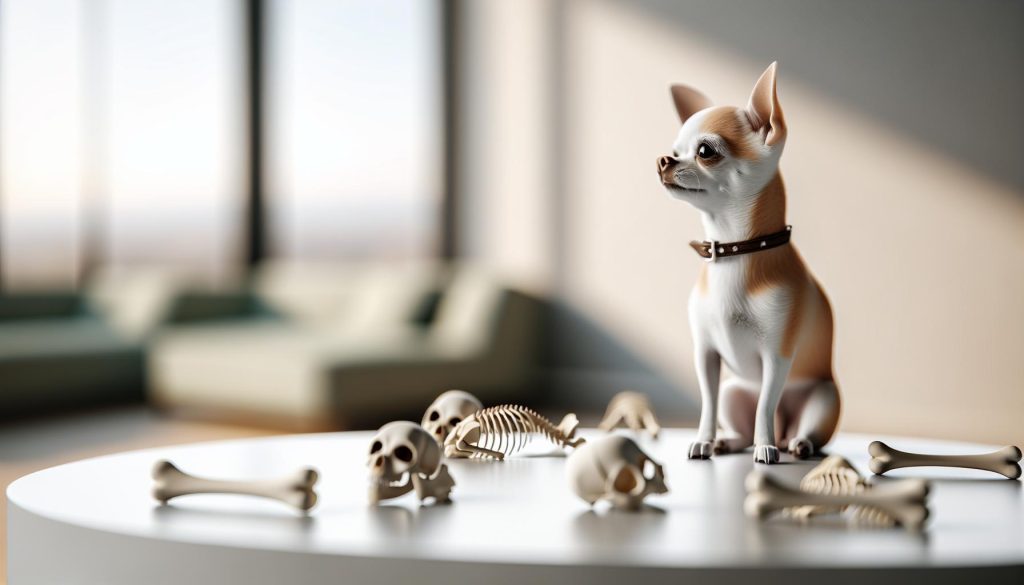
Did you know that despite their tiny stature, Chihuahuas boast a skeletal structure that’s just as fascinating as their bold personalities? Understanding how many bones your Chihuahua has can shed light on their overall health and development. Typically, Chihuahuas possess around 200 bones, similar to most dog breeds, but their small size means each bone plays a crucial role in supporting their lively, spirited nature. Whether you’re a first-time owner or a seasoned Chihuahua enthusiast, knowledge about your dog’s skeletal structure can help you better care for your furry friend, from ensuring safe play to recognizing signs of potential issues. As we delve deeper into the unique aspects of your Chihuahua’s skeletal makeup, you’ll find valuable insights that can enhance your bond and promote their well-being. Keep reading to discover more about this charming breed and the amazing structure that supports their lively antics!
How Many Bones Are in a Chihuahua’s Body?
On average, a Chihuahua has around 200 bones in its body, similar to other dog breeds. However, what sets Chihuahuas apart is their tiny stature and unique skeletal structure, which can be quite delicate. These small but mighty dogs can often experience health issues related to their bone density and structure, making it vital for owners to be aware of how to support their skeletal health.
The Chihuahua’s skeletal system is designed for agility and remarkable mobility, allowing them to perform impressive leaps and bounds despite their diminutive size. Their lightweight bones contribute to their overall energetic and sprightly demeanor. However, this can also lead to challenges, especially in older Chihuahuas or those prone to certain health conditions. For instance, luxating patellas and bone fractures are common concerns. Understanding these risks is essential for keeping your little companion safe and healthy.
Furthermore, the number of bones can vary slightly among individual Chihuahuas due to natural variations in skeletal structure, breeding, and mixed heritage. Younger Chihuahuas typically have a more flexible skeletal frame, which can impact their overall bone count as some bones may fuse together as they mature.
As a Chihuahua owner, ensuring your furry friend has strong bones involves regular veterinary check-ups, an age-appropriate diet rich in vitamins and minerals, and cautious exercise routines that promote muscle development without straining their joints. By understanding the unique aspects of your Chihuahua’s bone structure, you can take proactive steps to support their health and vitality throughout their life.
Understanding the Chihuahua Skeletal Structure
Chihuahuas are captivating little companions, and their unique skeletal structure is a big part of what makes them so special. These tiny dogs boast an average of about 200 bones, which is comparable to many larger breeds. However, the distinct size and shape of a Chihuahua’s bones can greatly influence their overall health and behavior. The skeletal design of Chihuahuas emphasizes agility, allowing them to dart around with impressive speed and grace, despite their small stature.
The composition of their bones is quite lightweight, contributing to their energetic demeanor. Yet, this very feature can lead to vulnerabilities. For instance, the fragility of their bones makes them susceptible to injuries like fractures, particularly in high-energy situations or during play. Additionally, health issues such as luxating patellas-a condition where the kneecap dislocates-are relatively common in this breed due to their unique bone structure. As any experienced Chihuahua owner will tell you, ensuring that their pup is safe during interactions with other dogs or even during daily walks is essential to keeping those tiny bones healthy.
Another intriguing aspect of a Chihuahua’s skeletal development is how it can vary individually. Factors such as genetics, diet, and overall health can lead to slight differences in bone formation. For instance, a purebred apple-headed Chihuahua might have particular skeletal traits distinct from a fawn-colored, mixed-breed pup. As your Chihuahua ages, some of their bones may also begin to fuse together, altering their skeletal structure further. This gradual change is especially noticeable as they transition from the playful exuberance of puppyhood to the more measured movements of their senior years.
Understanding these skeletal dynamics can help you as a loving owner to provide the best care for your furry friend. Regular veterinary check-ups, combined with a balanced diet rich in crucial nutrients, support healthy bone development. Exercise, tailored to their age and ability, can strengthen their muscles and joints, promoting overall skeletal health. Caring for a Chihuahua means celebrating their spirited personality while also safeguarding their delicate yet resilient frame.
Unique Features of Chihuahua Bones
Chihuahuas are fascinating little dogs, and their skeletal structure is one of the most unique aspects of their charm. With an average of around 200 bones, Chihuahuas possess a skeletal framework similar in number to many larger breeds; however, their bone structure tells a different story. These bones are lightweight, contributing to the breed’s agility and energetic demeanor, which allows them to navigate their surroundings with remarkable speed and grace. It’s as if they were designed for quick dashes and spontaneous zoomies in the living room!
One standout feature of Chihuahua bones is their relative fragility. This delicate nature means that while Chihuahuas can be spirited and bold, they are also more prone to injuries, such as fractures. For instance, a playful leap off the couch can lead to a significant injury if precautions aren’t taken. Additionally, certain health conditions, like luxating patellas, are common in the breed, often linked to the structure of their legs and knees. Understanding these nuances is crucial for owners who want to provide a safe environment for their little companions.
Individual variations can also impact the skeletal characteristics of a Chihuahua. Factors like genetics and diet shape how their bones develop. For example, a classic apple-headed Chihuahua might exhibit unique skeletal traits compared to a deer-headed counterpart. Owners should be mindful that as their Chihuahua ages, bone structure can change, with some bones beginning to fuse, altering how their furry friend moves and plays. This aspect often results in a transition from the playful antics of puppyhood to the more reserved behavior seen in senior dogs.
To ensure health and longevity, it’s vital to support your Chihuahua’s unique bone structure through a balanced approach. Regular vet visits, coupled with a nutritious diet rich in calcium and vitamin D, can promote strong bone development. Adequate exercise tailored to their age will also help strengthen their muscles and joints, contributing to overall skeletal health. By taking these steps, owners can celebrate their Chihuahua’s spirited personality while safeguarding those precious, tiny bones that make them so special.
Common Health Issues Related to Bone Structure
Chihuahuas are not just snacks for larger dogs; they are vibrant companions with unique needs, especially concerning their skeletal health. With their around 200 bones, these little dynamos are remarkably agile, yet their lightweight and delicate bone structure can lead to specific health concerns. It’s essential to be aware of these potential issues so you can protect your precious pup and keep them happily zipping around the living room.
One common problem for Chihuahuas is luxating patella, a condition where the kneecap dislocates or moves out of its normal position. This condition can cause pain and lameness, especially after periods of play or activity. It often requires management through physical therapy or surgery in severe cases. Owners of Chihuahuas, particularly those with the apple-headed variety, might notice some signs like reluctance to jump, skipping, or sudden limping after a bout of excitement. Keeping your pup at a healthy weight (which is crucial for their overall health) can significantly reduce the risk of a luxating patella.
Another concern tied to their bone structure is bone fractures. Due to their small size and high energy, Chihuahuas can be vulnerable to injuries from falls, playful leaps, or even rough play with larger dogs. Providing a safe environment-like using pet stairs or protecting them from high places-can help mitigate these risks. Always supervise your Chihuahua during playtime, and consider soft bedding to prevent accidents.
Chihuahuas can also suffer from osteoporosis as they age, which weakens their bones and makes them more susceptible to fractures. Adequate nutrition is critical; a diet rich in calcium and vitamin D, along with regular vet check-ups, supports their bone health and helps combat these issues. Pay attention to any sudden changes in your Chihuahua’s movement or behavior, as these can be early indicators of bone-related problems.
Moreover, maintaining a balance of exercise is vital. While it’s tempting to let your Chihuahua romp freely, structured exercise that’s gentle on their joints is key to long-term health. Incorporating short, controlled play sessions can keep them fit without putting undue stress on their fragile skeletal system.
Ultimately, understanding these common health issues allows you to provide better care for your Chihuahua, ensuring they remain the lively little heartthrobs you adore. With proactive measures and a watchful eye, you can help your furry friend enjoy a full, active life filled with love and loyal companionship.
Comparing Chihuahua Bones to Other Breeds
When you think of a tiny Chihuahua, it’s easy to overlook their remarkable skeletal structure. With an average of around 200 bones, these little companions are often more agile than they seem. This bone count is comparable to that of many other dog breeds, but the significant difference lies in the size and fragility of their bones. Let’s explore how Chihuahua bones compare to those of larger breeds, and what that means for their health.
Chihuahuas have a unique skeletal structure that contributes to their bold and lively character. While their bone count is similar to that of larger breeds, like Golden Retrievers or German Shepherds, the challenge arises not just from the number, but from the size and density of their bones. Larger breeds typically have thicker and sturdier bones that support more weight and impact, whereas Chihuahuas possess lighter, less dense bones, making them more susceptible to fractures and other injuries. For example, a playful leap off the couch can lead to a serious injury for a Chihuahua, while a larger dog might handle the same fall without issue.
Moreover, the shape of Chihuahua bones often varies significantly depending on whether they are apple-headed or deer-headed. Apple-headed Chihuahuas, for instance, have a more rounded skull that can influence the shape of their jaw and teeth, leading to different dental challenges compared to other breeds. This distinct feature may predispose them to dental issues, emphasizing the importance of regular vet check-ups to monitor their bone and dental health.
In terms of mobility, the lighter frame of Chihuahuas allows for quick, agile movements-ideal for their energetic demeanor. This agility, however, comes with a downside; it can often mask underlying health issues until they manifest in more severe ways. Owners of Chihuahuas should maintain close observation of their pet’s movements, particularly after play, as changes in activity could indicate bone-related problems that need immediate attention.
For owners of both small and large breeds, it’s crucial to tailor care to their unique needs. For Chihuahuas, this means prioritizing safety measures around the home and ensuring they have a balanced diet rich in nutrients that support bone health. By understanding the differences in bone structure and health risks between their beloved Chihuahuas and larger breeds, owners can provide more focused care that suits their individual companions perfectly.
How Age Affects a Chihuahua’s Bone Count
As your tiny Chihuahua matures, you’ll notice a fascinating aspect of their skeletal development. While the average Chihuahua has around 200 bones throughout its life, the way age influences these bones is quite significant, especially during their early growth stages. Puppies start with softer bones that gradually ossify (harden) as they grow, providing the necessary support for their playful antics. This transformation is crucial; young Chihuahuas, who often engage in rambunctious play, rely on their developing skeletons to bear the stresses of their active lifestyle.
It’s essential to recognize that age affects not only the hardness of bones but also their density and overall health. In younger dogs, their bones are lighter and more flexible, allowing for greater agility-characteristic of the breed. However, as they age, Chihuahuas can experience a decline in bone density, making them more vulnerable to fractures and other injuries. This is particularly important for elderly Chihuahuas, whose bones may not recover as quickly from shocks or falls, which are all too common given their energetic nature. As they get older, their bones may change in structure, leading to health challenges like arthritis or osteoporosis.
To support your furry friend through these changes, focus on maintaining a balanced diet rich in essential nutrients, including calcium and phosphorus. Regular vet check-ups are crucial to monitor bone health and catch potential problems early. Furthermore, integrating gentle exercise into their routine, suitable for their age and ability, promotes bone strength and keeps them agile.
Keeping a watchful eye on your Chihuahua’s movements can also help detect issues. If your usually active companion seems hesitant to jump or avoids certain activities, it could be a sign that age is taking a toll on his bones. Addressing these concerns early ensures your Chihuahua continues to enjoy their playful disposition well into their golden years.
Importance of Bone Health in Chihuahuas
The well-being of your Chihuahua is heavily tied to their bone health. Did you know that despite their tiny stature, Chihuahuas can suffer from significant bone-related issues if not properly cared for? Approximately 200 bones make up your little companion’s body, and maintaining their strength and health is crucial as they navigate their playful world. Understanding the importance of bone health allows you to give your furry friend the happiest and most active life possible.
Chihuahuas are known for their exuberance, and this high energy can put a strain on their delicate skeletal structure. As they age, maintaining bone density becomes increasingly important. Older Chihuahuas can become vulnerable to conditions such as osteoporosis, making them more prone to fractures and injuries. To prevent such issues, regular vet check-ups are essential. These visits not only help in monitoring the health of your dog’s bones but also in early identification of potential problems.
Diet plays a pivotal role in bone health. Incorporating foods rich in calcium, phosphorus, and other vital nutrients can strengthen your Chihuahua’s bones. A well-balanced diet not only supports their growing bodies but also helps manage age-related bone deterioration. Additionally, integrating age-appropriate exercise routines into their daily life can reinforce their bone strength-gentle walks and supervised playtime can work wonders while keeping them active.
As a proud Chihuahua parent, keeping an eye on your dog’s movements is vital. If you notice any signs of discomfort, such as hesitance in jumping or climbing stairs, it could signal an underlying bone issue. Prompt attention to these signs will ensure your companion maintains their lively spirit well into their golden years. Cherish your tiny friend’s quirks and provide them the support they need to flourish-because every little bark and wag of their tail is a testament to their joy!
Tips for Maintaining Your Chihuahua’s Bone Health
Ensuring your Chihuahua’s bone health is essential, especially given their compact size and high energy levels. These little dynamo pups can be prone to bone-related issues, but with a proactive approach, you can help your furry friend thrive. Here are some valuable tips to keep those bones strong and healthy.
Nutrition is Key
A balanced diet plays a crucial role in maintaining your Chihuahua’s bone health. Look for dog food fortified with essential nutrients, particularly calcium and phosphorus, which are vital for bone strength. Additionally, consider incorporating the following into their meals:
- Lean Meats: Great source of protein and necessary minerals.
- Vegetables: Leafy greens like spinach provide vital vitamins.
- Supplementation: Consult your veterinarian about adding specialized supplements if needed.
Regular Exercise
Keeping your Chihuahua active is not just fun but also pivotal for their bone density. Gentle, age-appropriate exercises like short walks can strengthen their bones and improve overall fitness. Playtime with toys that encourage movement helps with agility and coordination, which are essential as they grow older. Just remember to tailor activities to your pup’s unique energy levels and physical condition.
Routine Veterinary Check-ups
Regular vet visits are essential in monitoring your Chihuahua’s bone health. These check-ups allow your veterinarian to assess bone density and detect any early signs of issues such as osteoporosis or arthritis. Don’t hesitate to bring up any changes in behavior or mobility during these visits; your insights can be incredibly valuable for preventative care.
Watch for Signs of Trouble
Being vigilant about your Chihuahua’s movements can make a big difference. Watch for signs of discomfort such as reluctance to jump or play, limping, or unusual grooming behavior focused on specific limbs. If you notice anything concerning, consult your vet promptly; early intervention can significantly improve outcomes for your pup.
By integrating these practices into your Chihuahua care routine, you not only support their skeletal system but also enhance their overall well-being. With love, care, and attention, your little companion will continue to bounce around with that signature Chihuahua zest for life!
The Role of Diet in Bone Development
Ensuring your Chihuahua’s bones grow strong and healthy relies heavily on the nutrients they consume. Surprisingly, a Chihuahua has approximately 210 to 220 bones, influenced by factors such as age and genetics. Strong bones not only support their petite frame but also keep them agile and active, allowing them to embrace life with their characteristic boldness.
A diet rich in essential vitamins and minerals acts as the foundation for your pup’s bone development. Prioritize foods high in calcium and phosphorus, as these minerals are crucial for bone density and strength. High-quality dog food formulated specifically for small breeds often provides a balanced ratio of these nutrients, but it’s important to look for options that meet the Association of American Feed Control Officials (AAFCO) standards to ensure you’re giving your furry friend the best.
Foods that Promote Bone Health
Incorporating a variety of healthy foods into your Chihuahua’s diet can make a world of difference. Consider these options:
- Dark Leafy Greens: Veggies like kale and spinach are great sources of calcium and vitamins.
- Fish: Salmon or sardines, rich in omega-3 fatty acids, support joint health and inflammation control.
- Bone Broth: A nutritious treat that can be added to meals, contributing additional nutrients and flavor.
Supplements and Consultation
If you notice your Chihuahua is a picky eater or if you’re considering a home-cooked diet, talk to your veterinarian about including vitamin supplements, particularly if you believe they may be lacking in certain areas. Look for specialized calcium supplements that are designed for canine health, ensuring that you adhere to the recommended dosages.
Balanced Diet Equals Happy Bones
Remember, a well-rounded diet tailored to their specific needs will not only aid in bone development but can also boost their immune system and overall vitality. Every Chihuahua is unique, and their diet should reflect their individual health requirements and activity levels. Monitor your pup’s response to dietary changes, and keep an eye on their energy and mobility. A healthy diet combined with routine vet check-ups can safeguard against bone-related problems and ensure that your tiny companion remains as lively and spirited as ever.
Incorporating these dietary practices into your Chihuahua’s routine can help support their long-term health, aiding their natural vitality and charm. With the proper nutrition, your feisty little one will be able to run, jump, and play to their heart’s content, embodying all the joys that come with being a proud Chihuahua owner.
Signs of Bone-Related Problems in Chihuahuas
Recognizing the signs of bone-related problems in your Chihuahua is crucial to maintaining their health and happiness. Due to their small size and unique physical structure, Chihuahuas can be prone to certain skeletal issues that may arise from injury, nutritional deficiencies, or genetic predispositions. Paying close attention to your furry friend’s behavior and physical condition can help catch potential problems early, which is vital for effective treatment and management.
One of the first signs you might notice is a change in your Chihuahua’s activity level. If your normally spirited pet is suddenly less willing to engage in play or seems hesitant to jump or run, it could indicate discomfort. Watch for indications of pain such as yelping when touched, limping, or avoiding use of a leg. Additionally, if your Chihuahua has difficulty climbing stairs or struggles to get up after lying down, it may suggest underlying bone or joint issues.
Another area to monitor is their appetite; a decrease in food intake can sometimes signal health problems, including bone pain. Your Chihuahua might also exhibit behavioral changes, becoming more withdrawn or irritable. Changes in posture, such as an arched back or holding the head low, may also point to discomfort associated with bone issues.
Regular vet check-ups are essential for keeping your Chihuahua’s bones strong and healthy. If you observe any of these signs, it’s crucial to consult your veterinarian promptly. They can conduct a thorough examination and recommend appropriate diagnostics, such as X-rays, to better understand the problem. Remember, proactive health management is key to ensuring your feisty little companion remains vibrant and full of life for years to come.
Lastly, being informed about the unique skeletal characteristics of Chihuahuas-like their delicate bone structures and predisposition to certain conditions-can empower you as a caring owner to take steps that include regular exercise, balanced diets, and vigilant health monitoring. The more proactive you are about your Chihuahua’s health, the better their quality of life will be!
How to Support Your Chihuahua’s Overall Well-being
Supporting your Chihuahua’s overall well-being relies on understanding their unique needs and characteristics. With their tiny frames and spirited personalities, Chihuahuas have specific health requirements that foster a long, vibrant life. One exciting aspect is their playful nature; incorporating daily playtime not only keeps them physically active but also stimulates their minds. Engaging with toys that challenge their instincts, like puzzle feeders or squeaky toys, can promote both mental and physical health, supporting a balanced lifestyle.
Diet and Nutrition
Chihuahuas thrive on quality nutrition that caters to their small size and high metabolism. A balanced diet rich in protein, healthy fats, and essential vitamins supports their bone health and overall vitality. Look for high-quality dog food specifically formulated for small breeds, as this ensures the right balance of nutrients. Remember to keep portions managed; obesity can cause strain on their delicate bones and joints. As a guideline, many owners find success with a combination of dry and wet food to keep mealtime exciting and to help with hydration.
Routine Veterinary Care
Regular vet check-ups are crucial for monitoring their health and catching any potential issues early. Blood tests, dental check-ups, and vaccinations are vital components of their healthcare routine. Chihuahuas can be prone to dental disease due to their small mouths, so maintaining oral hygiene with dental chews and regular brushing can prevent costly vet visits later. If you notice any sudden changes in behavior or health, don’t hesitate to schedule an appointment. Early intervention can significantly impact your Chihuahua’s quality of life.
Exercise and Socialization
Chihuahuas are typically energetic little companions that require daily exercise. Tailored walks suited to their ability and age can enhance bone strength and curb behavioral issues stemming from boredom. They also thrive on social interaction, so be sure to expose them gradually to new environments and other dogs. This helps them develop confidence and reduces anxiety, making them happy, well-adjusted members of your family.
Ultimately, loving your little friend means recognizing the uniqueness of their breed. Celebrate their quirks-whether it’s their boldness when encountering larger dogs or the way they cuddle into your lap for warmth-and offer the care that supports their health and happiness. By paying attention to their needs and maintaining a proactive approach to their well-being, you’re ensuring that your Chihuahua remains a joyful and lively companion for years to come.
Fun Facts About Chihuahuas and Their Bones
Did you know that a Chihuahua typically has around 200 bones in its tiny body? This number is quite similar to that of most other dog breeds, but the size of each individual bone is proportionally smaller, making them unique in their skeletal structure. Chihuahuas often have delicate frames, which contribute to their charming appearance but also makes them vulnerable to certain health issues. Understanding their bone structure is key to ensuring your little friend thrives.
Chihuahuas are known for their distinctive bone shapes and sizes, particularly among different types-such as the apple-head and deer-head varieties. The apple-head Chihuahuas have round skulls and shorter snouts, which can sometimes lead to unique health considerations, including hydrocephalus, a condition where fluid accumulates in the brain. On the other hand, deer-head Chihuahuas possess longer snouts and more elongated skulls, allowing for better airflow but still requiring careful monitoring as they age.
One fascinating aspect of Chihuahua bones is their density; they may seem small, but these bones are quite robust relative to the dog’s overall size. This dense bone structure supports their energetic lifestyle, allowing them to engage in playful activities without the same risk of injury that might affect a larger breed. However, this sturdiness also means that you must keep an eye on their weight-excess pounds can lead to unnecessary strain on their delicate skeletons.
To maintain your Chihuahua’s bone health, consider providing them with a balanced diet rich in essential nutrients that support strong bones. Key vitamins, such as Vitamin D and calcium, play critical roles in bone growth and maintenance. Regular vet check-ups can also help monitor your Chihuahua’s bone health over time, catching any issues before they escalate. Engaging your pup in daily exercise is vital, too-not just for their bones but for their overall happiness and well-being. Chihuahuas may be small, but they have big personalities; ensure they have the right care to match their spirited nature!
Frequently Asked Questions
Q: How many bones do baby Chihuahuas have?
A: Baby Chihuahuas are born with approximately 270 bones in their bodies. As they grow, some of these bones fuse, resulting in the typical adult count of around 200 bones. Understanding this growth can help owners monitor their puppy’s health and development.
Q: What factors influence the skeletal structure of Chihuahuas?
A: The skeletal structure of Chihuahuas can be influenced by several factors, including genetics, diet, and physical activity. Proper nutrition and exercise are crucial for healthy bone development, particularly in young Chihuahuas.
Q: Are some Chihuahua bones more prone to injury?
A: Yes, certain Chihuahua bones, particularly the femur and vertebrae, can be more susceptible to injury due to their small size and weight. Owners should take care to prevent falls or accidents that could lead to fractures, especially in older dogs.
Q: How does the Chihuahua’s bone density compare to larger breeds?
A: Chihuahuas typically have lower bone density compared to larger breeds because their bones are adapted for their smaller size. This can increase their risk of fractures, making it essential to maintain bone health through diet and limited high-impact activities.
Q: What are some signs of bone problems in Chihuahuas?
A: Signs of bone problems in Chihuahuas may include limping, reluctance to move, and changes in behavior like increased irritability. Regular veterinary check-ups can help detect issues early, especially as Chihuahuas age.
Q: How does age affect a Chihuahua’s bone health?
A: As Chihuahuas age, their bones can become less dense and more brittle, potentially leading to conditions like osteoporosis. Regular vet visits and a tailored diet can help manage and mitigate these effects to maintain bone health throughout their life.
Q: Can diet impact the bone structure of Chihuahuas?
A: Absolutely, a balanced diet rich in calcium and phosphorus is vital for maintaining strong bones in Chihuahuas. Consider consulting your veterinarian for food recommendations that support skeletal health.
Q: What precautions should Chihuahua owners take to protect their dog’s bones?
A: To protect your Chihuahua’s bones, ensure they have a safe environment free from hazards, provide appropriate exercise, and consider using pet-safe ramps or steps to prevent injury from jumping. Regular vet check-ups are also crucial for early detection of bone issues.
Insights and Conclusions
Thank you for diving into the fascinating world of Chihuahuas with us! You now know that Chihuahuas have approximately 200 bones, just like most dog breeds. Understanding their unique skeletal structure is vital because it influences their health, behavior, and care. If you’re a first-time owner, remember, these little guys can be quite vocal and have bold personalities, requiring special attention to their needs.
Want to learn more? Check out our articles on Chihuahua behavior and tips for caring for their distinct coat types. Don’t forget to subscribe to our newsletter for the latest insights and updates on what makes your furry friend unique! Have questions or stories about your Chihuahua? Comment below-your experiences might help another owner connect with their little companion. Explore further, and embrace every quirky moment with your beloved fur baby!
Get our latest guides, news, and insights highlighted in your Google Search & AI Overviews.