

Did you know that the Chihuahua is not just a tiny companion but a breed rich in history and culture? Understanding how the Chihuahua came to be is essential for every owner who wants to deepen their bond with these vocal, loyal, and bold little dogs. From their ancient roots in Mexico, where they were revered by indigenous peoples, to their evolution as a beloved pet today, Chihuahuas carry a unique story that reflects not only their physical characteristics but also their spirited personalities.
As an owner, appreciating their heritage can enhance your experience, whether you’re navigating health challenges or embracing their quirky nature. This exploration will reveal the fascinating journey of the Chihuahua, offering insights that can empower you as you care for your furry friend. So, let’s dive into the captivating history that has shaped your beloved Chihuahua, turning these tiny dogs into giant hearts and companions.
How Did Chihuahuas Evolve? A Brief History
Chihuahuas have a rich and fascinating history that traces back to ancient Mexico, believed to have originated from the Techichi, a companion dog of the ancient Toltecs. These small canines were highly valued for their companionship and were often depicted in ancient art and artifacts. It’s astonishing to think that this type of dog has been a cherished companion for thousands of years, making it an integral part of Mexican culture.
As Chihuahuas evolved, they developed distinctive physical characteristics that set them apart from their ancestors. Many Chihuahuas, particularly the beloved apple-headed variety, exhibit a rounded skull, large, expressive eyes, and a compact body. These traits not only make them adorable but also contribute to their unique persona. It’s worth noting that they come in both smooth and long-coat varieties, each with its own charm and personality.
The influence of climate and geography has also played a significant role in shaping the Chihuahua’s traits. Originating in warmer regions, they’ve adapted well to both hot and temperate climates, although owners must be mindful of extreme temperatures. A Chihuahua’s small size makes them particularly sensitive to the cold, which means providing adequate shelter and warmth during chillier months is essential.
In modern breeding practices, there’s been a push to enhance certain traits, which can impact Chihuahua health and behavior. Responsible breeding emphasizes health checks and genetic testing to mitigate common issues such as patellar luxation and dental problems. As an owner, being aware of these potential health concerns can help you provide better care for your Chihuahua, ensuring they lead a happy, fulfilling life.
The Ancient Roots: Where Chihuahuas Began
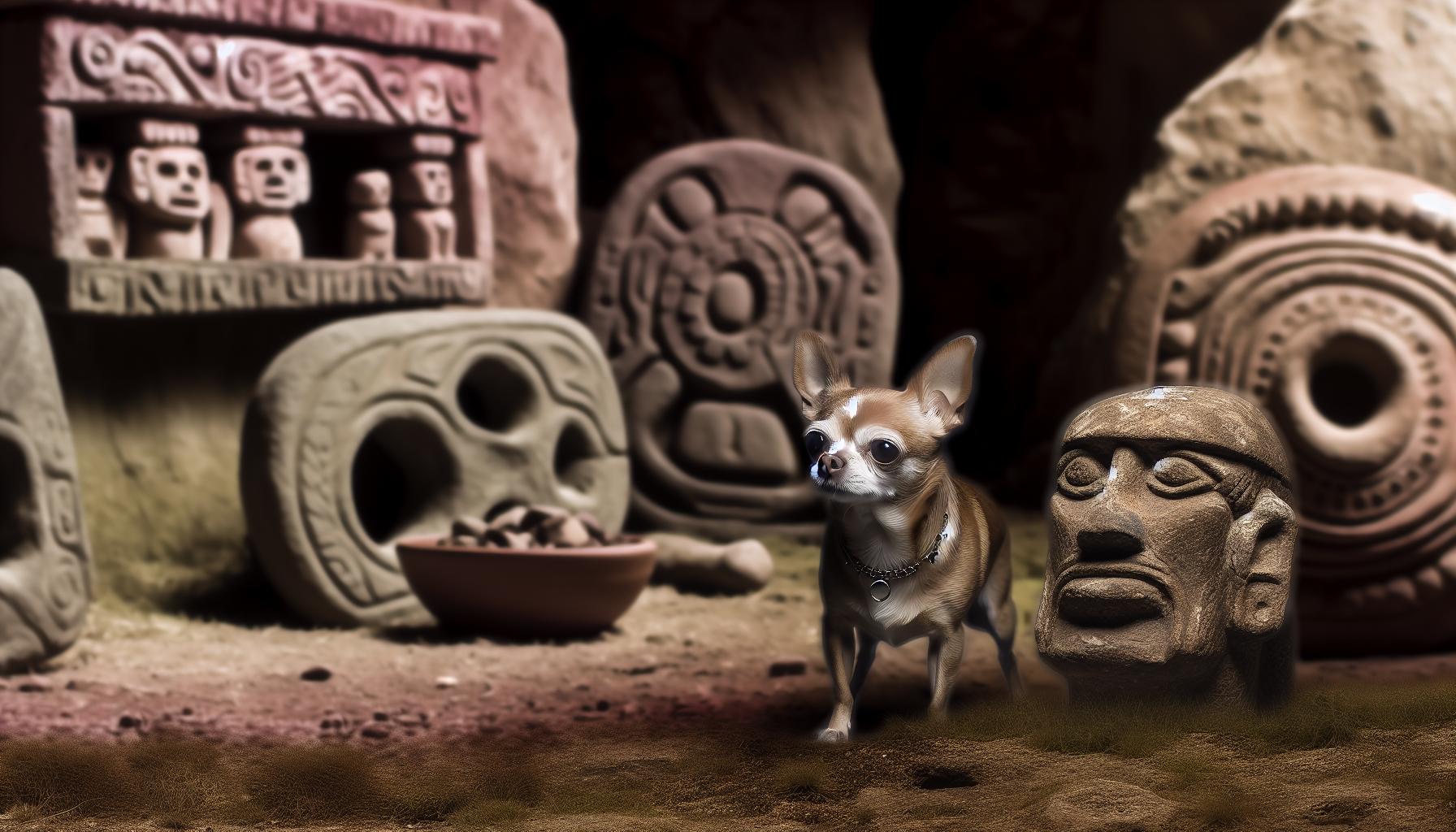
Chihuahuas trace their origins back to the ancient civilizations of Mexico, specifically linked to a breed known as the Techichi. This small companion dog became a treasured part of the Toltec culture, revered not just for its size but for its loyalty and companionship. It’s fascinating how these tiny dogs were integral to the lives of their human counterparts, often depicted in ancient artifacts and art forms, symbolizing not only companionship but spiritual significance as well. This bond with humans has persisted through the centuries, shaping the Chihuahua into the loving companion we know today.
Despite their small stature, Chihuahuas have played a remarkable role in Mexican history. The Techichi was more than a pet; it was a sacred creature, believed to guide its owner in the afterlife. This connection between Chihuahuas and their human families illustrates the breed’s long-standing importance in cultural traditions. Many modern owners of Chihuahuas might find it interesting to ponder how their little furballs carry on this legacy, embodying traits of loyalty and bravery that have been celebrated for millennia.
Distinct physical characteristics began to emerge through breeding, emphasizing the unique charm of the Chihuahua. Owners often notice the broad variety within the breed: apple-headed Chihuahuas are known for their rounded skulls and large, expressive eyes, while the deer-headed variety boasts a more elongated face with a graceful silhouette. This diversity, alongside the options of smooth and long coats, contributes to the Chihuahua’s appeal. No matter the type, each Chihuahua carries the spirit of its ancestors, showcasing resilience and a larger-than-life personality.
As we appreciate the profound history of the Chihuahua, it’s also essential to recognize how these historical roots inform our responsibilities as owners today. Understanding their background not only fosters a deeper appreciation of the breed but also enhances our commitment to caring for them. For instance, Chihuahuas, sensitive to extreme temperatures, require special attention in both hot and cold climates. Owners should ensure proper shelter and clothing for chilly days, so their dogs remain comfortable-after all, being a loving guardian means considering not just their needs but their rich heritage as well.
Cultural Significance: Chihuahuas in Ancient Civilizations
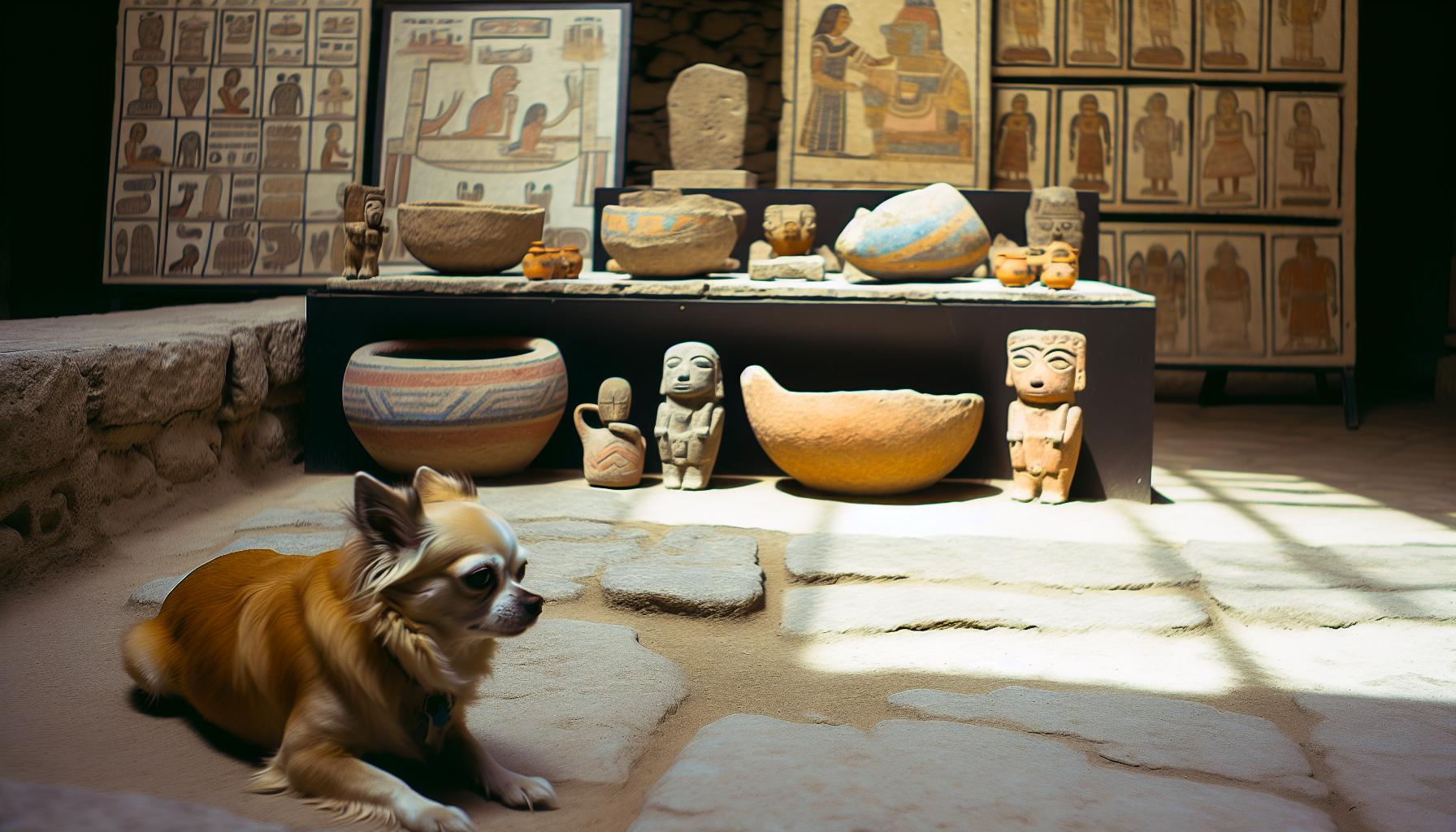
Long cherished in Mexican culture, Chihuahuas are much more than just adorable pets; they are steeped in history and mythology. In ancient civilizations, particularly among the Toltecs, these small dogs were revered as sacred creatures. The early breed known as the Techichi was believed to possess spiritual significance, often accompanying their owners in life and believed to assist them in the afterlife. This unique bond highlights the Chihuahua’s role beyond companionship-representing loyalty, protection, and even guiding souls on their journeys. Understanding this deep-rooted history can foster a greater appreciation for the bold, loving nature of your Chihuahua today.
Throughout history, Chihuahuas have been depicted in various forms of art, including pottery and stone carvings, reflecting their importance to ancient peoples. Owners might find it fascinating to learn that these small dogs played a vital role in rituals and were often buried alongside their owners, signifying their loyalty and value in life. Even today, many Chihuahua owners can recognize these ancient traits-such as fierceness and a protective demeanor. The vocal nature of Chihuahuas, often seen as a quirk, can be traced back to their ancestral role as guardians of the home.
Chihuahuas have endured through the ages, adapting to the needs of their human companions while retaining distinctive traits that make them unique. Their varied physical characteristics, such as the adorable apple head or the more elongated deer head, showcase how cultural significance has influenced breeding practices over centuries. This appreciation for diversity not only enhances their charm but also connects modern owners to a legacy that celebrates companionship.
In caring for your Chihuahua, embrace this rich heritage by considering their sensitivities and needs. Chihuahuas, being small and often fearless, have unique temperaments and require proper socialization to ensure they thrive. Remember, as you navigate the joys and challenges of being a Chihuahua owner, you are not just providing a home; you are continuing a legacy of love, loyalty, and companionship that spans generations.
Distinct Physical Traits: Understanding the Chihuahua’s Unique Features
Chihuahuas are not just known for their bold personalities; their unique physical traits also set them apart as a breed with a fascinating evolutionary background. Among the most distinctive features of Chihuahuas are their diverse head shapes, which can be classified mainly into two types: the apple head and the deer head. The apple head variety, characterized by a rounded skull and short muzzle, is often perceived as the traditional Chihuahua look. This shape is not just a hallmark of cuteness; it has roots in the breed’s ancient heritage as a symbol of status and spirituality in various cultures. In contrast, the deer head Chihuahua has a longer, more refined muzzle and a less pronounced dome-shaped skull, resembling the appearance of a small deer. This physical divergence illustrates the breed’s adaptability and the influence of selective breeding practices over generations.
Chihuahuas are also well-known for their coat types, which can be either smooth or long-haired. The smooth coat is short and glossy, while the long-haired variant features flowing locks that can range from wavy to straight. This variety not only showcases the breed’s adaptability to different environments but also reflects the preferences of dog lovers throughout history. For instance, some owners favor the long-haired Chihuahuas for their softness and elegance, while others appreciate the easy maintenance of the smooth coats, which require minimal grooming.
Size is another defining feature of Chihuahuas, generally making them the ideal lap dogs. They typically weigh between 2 to 6 pounds and stand about 6 to 9 inches tall, showcasing incredible versatility despite their small stature. Being so tiny allows Chihuahuas to thrive in various living situations, from bustling urban apartments to cozy rural homes. Their size also contributes to their big personalities; many owners often remark on their little one’s fascinatingly feisty nature, which seems to defy their physical dimensions.
Finally, the Chihuahuas’ expressive eyes and large ears enhance their endearing looks and serve a practical purpose. Their big, bright eyes can convey emotion and alertness, while oversized ears help with temperature regulation, particularly in hot climates. As a Chihuahua owner, you might notice how your dog uses these features to communicate, from perked ears during playtime to intense gazes that often beg for treats. All these traits come together to create a breed that not only demands attention but also captivates hearts with their rich history and charming presence.
The Role of Climate and Geography in Chihuahua Evolution
The Chihuahua’s fascinating evolution is deeply intertwined with the climates and geographies of where they originated. Native to Mexico, these tiny companions have adapted remarkably to diverse environments, ranging from warm deserts to cooler highland areas. Historically, Chihuahuas were bred in regions with hot climates, which influenced their physical traits, such as their short coats and smaller size. This has made them particularly well-suited for life in arid conditions, where managing body temperature is crucial.
In these harsh environments, the Chihuahua’s ears play a significant role beyond just cute aesthetics; their large ears help dissipate heat, ensuring that your little friend stays comfortable even on sweltering days. Likewise, their compact bodies require less energy to maintain warmth, enabling them to thrive in fluctuating temperatures. For many owners, this adaptability translates into a breed that is not only resilient but also relatively easy to manage in various living situations, from urban apartments to outdoor exploration.
Adaptations to Environment
Chihuahuas exhibit traits that are adaptations to their historical surroundings. Their size is perhaps the most obvious. Being smaller allows them to maneuver easily through rocky terrains and bushes, proving advantageous when hunting for tiny prey or navigating their natural habitats. Additionally, their vocal nature is a product of their evolution in lesser-known environments; these little dogs would alert their human companions to potential dangers or the approach of predators.
Moreover, the variety in coat types-from smooth to long-haired-has evolved as a response to different climates. In hotter areas, smooth-coated Chihuahuas are favored for their minimal grooming needs and heat tolerance. In contrast, in cooler regions, longer-haired varieties can provide additional warmth, catering to the needs of owners living in more temperate climates.
Embracing Chihuahua’s Heritage
Understanding how climate and geography have shaped Chihuahuas not only reveals their remarkable adaptability but also enhances your experience as a dedicated owner. When you adapt your care practices-such as grooming, exercise, and even hydration-to suit your Chihuahua’s needs, you’re honoring the legacy of this incredible breed. Consider the climate where you live when selecting outdoor activities or gear, ensuring your Chihuahua remains comfortable and happy every day.
In essence, the Chihuahua is not just a product of selective breeding; she is a remarkable blend of genetics shaped by the earth’s elements. As a proud Chihuahua parent, celebrating these unique traits can enhance your bond and comprehension of her behavior, further enriching your shared life together.
Modern Breeding Practices: Impact on Chihuahua Health and Behavior
The evolution of Chihuahuas reflects not only their origins but also the significant effects of modern breeding practices on their health and behavior. Today, many breeders focus on specific traits, which can lead to both positive outcomes and potential health challenges. By understanding these dynamics, you can be a more informed and effective owner, helping your little companion live a happy and healthy life.
Chihuahuas are often bred for their size and distinctive looks, like the sought-after apple-head shape. While these traits can make your Chihuahua exceptionally adorable, they may also contribute to several health issues. For example, the compact skull structure can lead to dental problems and issues with their tiny airways, making it essential to monitor their breathing and dental health closely. Regular veterinary check-ups are crucial to catch any potential problems early. As a responsible owner, it’s important to choose a breeder who prioritizes the well-being of their dogs and conducts health screenings to minimize these risks.
The emphasis on appearance can also impact the behavioral aspects of Chihuahuas. Selected for traits like boldness and vocalization, your little furball may have a larger-than-life personality. While this confidence can make for a spirited companion, it can also lead to challenges, especially with socialization. Chihuahuas may be more prone to fear-based behaviors if not properly socialized early in life. Making a conscious effort to expose your Chihuahua to various environments, dogs, and people can help alleviate these tendencies, ensuring a well-adjusted and sociable pet.
Furthermore, responsible breeding should consider the overall temperament and health of the Chihuahua. This includes maintaining genetic diversity to reduce the risk of hereditary health issues. Always look for breeders who test for common health problems associated with the breed and who can provide a health guarantee. When you invest in a healthy puppy from a reputable source, you’re setting the foundation for a lifelong companionship filled with love, loyalty, and spirited adventures.
In conclusion, understanding the ramifications of modern breeding practices is key to fostering a happy and healthy environment for your Chihuahua. By being proactive in their care and choosing a well-bred pup, you’re not just enhancing their quality of life but also embracing the joy that comes with being a Chihuahua owner.
Common Health Issues: What Every Owner Should Know
Despite their small stature, Chihuahuas can face a range of health issues due to their unique physical traits and modern breeding practices. Understanding these health concerns is crucial for every owner, ensuring your little companion lives a happy, healthy life. Some of the most common health problems in Chihuahuas include dental issues, heart problems, and patellar luxation.
One of the most significant concerns for this breed is dental disease. Chihuahuas are prone to periodontal disease because of their small mouths and crowded teeth. Regular dental cleanings, both at home and at the vet, can help maintain their oral health. Incorporating dental chews into their routine is also beneficial. Watch for signs like bad breath or difficulty eating, as these can indicate underlying dental problems.
Chihuahuas are also susceptible to heart conditions, particularly mitral valve disease, which can develop over time. Symptoms may include coughing, difficulty breathing, or lethargy. It’s essential to have your veterinarian conduct regular heart check-ups, especially as your Chihuahua ages. Considering breed-specific heart tests and maintaining a healthy weight can help reduce the risk of these serious conditions.
Another common issue is patellar luxation, where the kneecap dislocates. This can cause discomfort or lead to mobility problems. If your Chihuahua seems to skip or hold their hind leg up, it’s critical to consult a veterinarian. Early detection can make a significant difference in managing this condition.
To further promote their health, owners should also be aware of temperature sensitivity. Chihuahuas are not well-suited for extreme weather. They can easily overheat or get too cold due to their small size and low body fat.
- Keep your Chihuahua indoors during extreme temperatures.
- Provide a warm blanket or coat during colder months.
- Monitor them closely during outdoor activities to avoid heatstroke.
Investing in regular veterinary care, being observant of your Chihuahua’s behavior, and providing a balanced diet will significantly contribute to their longevity and well-being. By recognizing these health issues and taking proactive steps, you’ll be better equipped to provide the perfect loving home for your affectionate little friend.
Personality Traits: Exploring the Boldness of Chihuahuas
Chihuahuas exude a boldness that belies their tiny stature. Often regarded as one of the “small dog” breeds with the biggest personalities, these little companions can act as if they were much larger than their size suggests. Their confidence is rooted in a rich history of loyal companionship that dates back to ancient civilizations, where they were cherished not just as pets but as significant members of the family. This inherent boldness can manifest in vocal expressions, fearlessness, and an unwavering loyalty to their owners, making them truly unique.
These spirited dogs are known for their vocal nature, often barking at strangers or even other animals, asserting themselves as protectors of their domain. It’s crucial for owners to recognize that this trait can be both endearing and challenging. Training is essential; socializing Chihuahuas from a young age can help them learn when it’s appropriate to be vocal and when to remain calm. An apple-head Chihuahua, for example, may be less prone to barking excessively than one with a more traditional build, though individual temperament always plays a significant role.
Moreover, Chihuahuas are incredibly loyal and form strong bonds with their humans. This attachment can lead to a degree of separation anxiety if they’re left alone for extended periods. Ensuring that your Chihuahua has toys to keep them engaged or arranging playdates with other dogs can help alleviate boredom and anxiety. Providing a safe environment where they can express their bold personality is vital to their happiness.
In addition to their loyalty and vocal tendencies, Chihuahuas possess a distinct charm through their quirky behaviors. Some may shiver when excited or anxious, and their preference for snuggling into warm spots showcases their loving nature. Owners often delight in their little quirks, from the way they tilt their heads to understand commands to their adorable playfulness during fetch. Celebrating these personality traits not only enhances the bond between Chihuahuas and their owners but also ensures a fulfilling relationship where both parties flourish together.
Chihuahua Care Guide: Supporting Their Unique Needs
Chihuahuas, with their tiny bluster and boundless energy, have unique needs that every owner should be ready to meet. These spirited dogs are not just small companions; they carry a personality as vibrant as their little frames. Understanding their care is crucial for ensuring they thrive and remain happy members of the family.
When it comes to nutrition, choose high-quality dog food specifically formulated for small breeds. Chihuahuas have fast metabolisms, which means they need high-energy food that supports their activity levels. Consider feeding small, frequent meals to accommodate their petite stomachs. Owners often find success with grain-free diets or specialized formulas that cater to the Chihuahua’s dietary sensitivities. Additionally, always monitor their weight; obesity can be a significant health concern, especially for this small breed.
Given their playful nature, regular exercise is essential to keep your Chihuahua healthy and mentally stimulated. Short walks, gentle play sessions, and engaging toys can provide the physical and mental challenges they require. For instance, a spirited game of fetch or simple agility courses can be exhilarating for them. Socialization is equally important-expose your Chihuahua to various people and environments to foster confidence and reduce anxiety. Many owners advocate for puppy classes as a way to promote social skills while also bonding with their pups.
Chihuahuas are known for their strong bonds with their owners; however, they can be prone to separation anxiety. To mitigate this, establish a routine and ensure your Chihuahua has opportunities to engage in stimulating activities while you’re away. Interactive toys or treat puzzle games can keep them occupied. Also, consider securing a cozy space for them with warm blankets and toys that smell like you. For example, one owner shared that leaving a piece of their clothing helped their Chihuahua feel more secure during alone times.
Lastly, regular vet check-ups are vital for your Chihuahua’s health. Many health issues, such as dental problems or patellar luxation, are common in the breed, so staying proactive is key. Establishing good dental hygiene at home and being mindful of any behavioral changes can go a long way in maintaining their health.
By understanding and catering to these aspects of your Chihuahua’s care, you can ensure they lead a happy, healthy life full of the charm and spunk that makes this breed incredibly beloved by many.
Adapting to Ownership: Tips for First-Time Chihuahua Owners
Chihuahuas are not just small dogs; they are a vibrant blend of history, quirks, and personality. For first-time owners, understanding how to adapt to their unique needs can set the stage for a fulfilling relationship. One captivating aspect of Chihuahuas is their ancient lineage, believed to trace back to the Techichi, a small companion dog of the ancient civilizations in Mexico. This rich history has endowed them with a personality that’s both bold and assertive, making them a delightful yet sometimes challenging breed to care for.
To ensure a smooth transition into Chihuahua ownership, one of the first steps is to create a safe and comfortable environment. Because of their tiny stature, it’s essential to be mindful of their surroundings. Avoid spaces where she could easily slip away or get injured. Invest in a cozy bed and blankets to make her feel secure, as they love to burrow and nestle into their spots. Many owners find that adding an item with their scent, like a piece of clothing, helps their Chihuahua feel more at home during the initial days.
Socialization is another critical area for a Chihuahua’s development. These dogs can be quite vocal and may exhibit protective behaviors. Therefore, exposing her to different people and environments helps foster confidence and mitigate potential anxiety. Puppy classes can be an excellent way to introduce your Chihuahua to other dogs while also reinforcing positive behaviors. A well-socialized Chihuahua will be happier and more adaptable.
Training should begin as soon as you bring your new friend home. Chihuahuas may be small, but they have a big personality, which means they often try to assert their will. Basic commands, such as sit, stay, and come, should be taught early on. Positive reinforcement works wonders with this breed; rewarding her with treats or praise for good behavior builds trust and encourages her to listen. Remember, patience is key. Consistent training paired with love will go a long way in helping her thrive.
Lastly, be mindful of her health. Regular vet visits are essential, as small breeds are prone to unique health challenges like dental issues and heart conditions. Establish a routine that includes daily dental care and watch for any signs of discomfort. Many owners advocate for a grain-free diet tailored to small breeds, as Chihuahuas often have sensitive stomachs. By being proactive about her health and well-being, you’re setting up a solid foundation for a long and happy life together. Embrace her bold personality, and soon you’ll find that having a Chihuahua is not just about ownership; it’s about building a cheerful and dynamic friendship.
The Future of Chihuahuas: Trends in Evolution and Breeding
The Chihuahua, a breed known for its spunky personality and diminutive size, faces an intriguing future shaped by changing societal trends and evolving breeding practices. Today, the demand for Chihuahuas continues to rise, often driven by their popularity as compact companions suitable for urban living. This shift has prompted breeders to adapt, focusing not only on appearance but also on the health and temperament of these charming little dogs.
Current Trends in Breeding Practices
Modern breeding practices now emphasize genetic health and behavioral stability. Responsible breeders aim to produce Chihuahuas that maintain the breed’s distinct characteristics, such as the apple-head shape and playful spirit, while also minimizing common health issues like patellar luxation and heart diseases. Many owners now seek out breeders who conduct genetic testing to screen for hereditary conditions, ensuring they bring home a healthy puppy and contributing to the breed’s overall vitality.
Additionally, there is increasing awareness about ethical breeding practices. Prospective owners are encouraged to look for breeders who prioritize the well-being of their dogs over mere aesthetics. This shift not only benefits the dogs but also enhances the breed’s reputation and potential longevity, as ethical practices lead to healthier and more balanced Chihuahuas.
The Importance of Socialization and Training
As Chihuahuas evolve, so does the understanding of their needs for socialization and training. These dogs thrive on human interaction and require early exposure to various environments and experiences to foster a secure temperament. While they may seem feisty, well-socialized Chihuahuas can be great companions, showcasing a blend of courage and affection. New owners should focus on providing a nurturing environment, with consistent training that includes positive reinforcement.
Implementation of social training programs focusing on group interactions can greatly enhance their adaptability. First-time owners often find success by engaging their Chihuahuas in puppy classes, which not only teach basic commands but also help in building the pup’s confidence around other dogs.
The Road Ahead: Embracing Change
Looking forward, the future of Chihuahuas will likely be influenced by ongoing research in canine genetics and behavior. With advancements in veterinary care and an increase in owner education, the hope is for a healthier and more robust breed. Community initiatives promoting rescue and adoption emphasize the importance of giving Chihuahuas a second chance, contributing to a more vibrant gene pool and reducing the number of dogs in shelters.
As these trends develop, Chihuahuas will continue to be celebrated for their unique charm and loyalty. They embody the quintessential companion dog-tiny in size but mighty in personality, bringing joy and richness to their owners’ lives. Being informed and proactive as an owner is essential, ensuring that these spirited little dogs not only thrive but also carry on as beloved family members for generations to come.
FAQ
markdown
Q: What are the historical influences on Chihuahua evolution?
A: Chihuahuas evolved from ancient Mexican dogs, influenced by the civilizations like the Toltecs and Aztecs. These small dogs were thought to have been religious companions and played roles in customs and ceremonies. Understanding this history can enhance your appreciation of the breed's rich cultural significance.

Q: How did climate affect the development of Chihuahuas?
A: Climate played a key role in Chihuahua development, particularly in their size and coat types. The hotter climates of Mexico favored smaller dogs with less fur, making them more suitable for survival. This adaptation is crucial for understanding the breed's characteristics today.

Q: What are the main ancestors of the Chihuahua breed?
A: The Chihuahua is primarily descended from the Techichi, a small companion dog of ancient Mesoamerican cultures. These ancestral roots provide insight into the breed's personality traits and physical attributes, emphasizing their long history as devoted companions.

Q: Why are Chihuahuas considered a symbol of Mexico?
A: Chihuahuas are seen as a symbol of Mexican culture due to their ties to ancient civilizations and their prominence in folklore and art. This representation adds to the breed's charm and significance, making them beloved worldwide.

Q: How do modern breeding practices affect Chihuahua evolution?
A: Modern breeding practices have focused on specific physical traits and temperaments, sometimes leading to health issues. Understanding these practices can help future Chihuahua owners make informed decisions about breeding and care, ensuring healthier dogs.

Q: What should first-time owners know about Chihuahua evolution?
A: First-time owners should recognize that Chihuahuas, as a breed, have a unique evolutionary history that impacts their behavior and health needs. Learning about this can help you provide better care and create a supportive environment for your new pet.

Q: How does the Chihuahua's evolution influence its behavior?
A: The Chihuahua's evolution has shaped its bold and loyal personality. Its history as a companion dog means they often exhibit strong attachments to their owners, making understanding their social needs vital for harmonious living.

Q: When did Chihuahuas become popular outside of Mexico?
A: Chihuahuas gained popularity in the United States in the late 20th century, largely due to celebrities and pop culture. This surge in popularity has led to increased breeding, affecting the breed's characteristics and health profiles today.
Final Thoughts
Now that you’ve learned about the fascinating evolution of the Chihuahua, you may be curious about how to best care for and celebrate the unique qualities of this beloved breed. From their vibrant personalities to their specific health needs, understanding these little dogs is essential for any owner. If you’re considering welcoming a Chihuahua into your home, be sure to check out our guides on Chihuahua training, health tips, and even the distinguishing traits of the apple-head versus the deer-head variety.
Don’t miss out! Join our community by signing up for our newsletter to receive expert advice and firsthand stories from other Chihuahua enthusiasts. Your feedback matters, so share your thoughts or experiences in the comments below! Explore more about their behavioral quirks, and check out our resources on ideal environments and routines tailored for your tiny companion.
The journey with your Chihuahua is just beginning-let’s make it the best it can be! Embrace their loyalty, energy, and that big personality in a tiny package. They’ll fill your days with joy and surprises.
Get our latest guides, news, and insights highlighted in your Google Search & AI Overviews.