
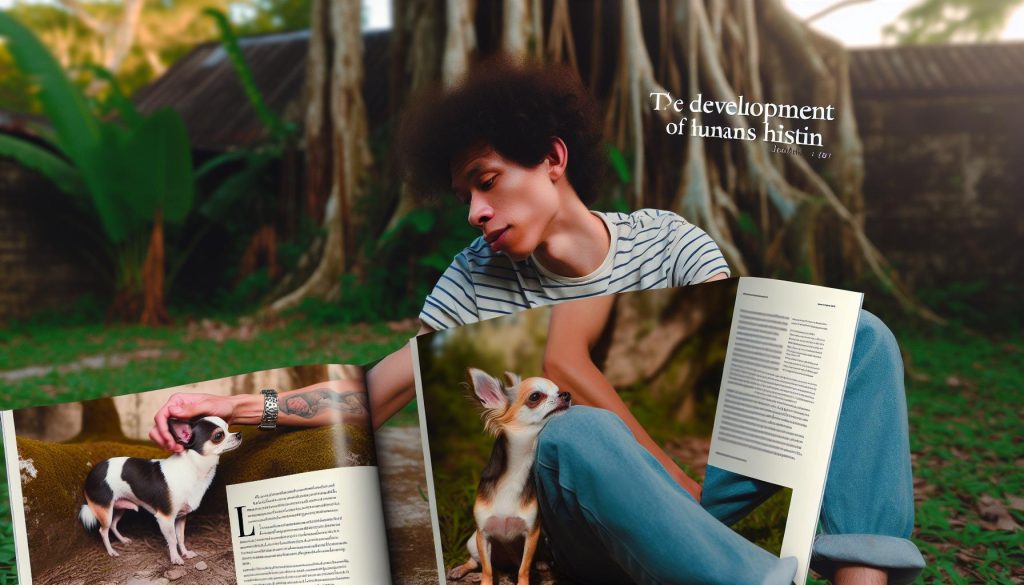
The Chihuahua, one of the smallest dog breeds, has a rich history that traces back to ancient Mexico. Known for their vibrant personalities and unwavering loyalty, Chihuahuas not only charm their owners but also embody a unique connection to their cultural roots. Understanding how this breed came about is essential for current and prospective owners alike; it informs us about their temperament, health needs, and behavioral traits. As you delve into the history of the Chihuahua, you’ll uncover fascinating insights into their development, from their early ancestors to their prominent role in today’s homes. This knowledge will not only deepen your appreciation for this spirited little companion but also enhance your ability to care for and nurture the unique qualities that make them so special. Join me as we explore the intriguing journey of the Chihuahua-from its ancient beginnings to the beloved pet you cherish today.
The Origin of the Chihuahua: A Fascinating History
The Chihuahua’s captivating history is as vibrant and spirited as the breed itself. With origins tracing back to Mexico, this small yet fiercely loyal companion has roots in the ancient civilizations of the region. The most notable ancestor is the Techichi, a small dog revered by the Toltec civilization. These dogs were not only beloved pets but also played significant roles in religious ceremonies. As the Aztecs rose to prominence, they too adopted the Techichi, further intertwining their lineage with cultural practices and spiritual beliefs.
Over the centuries, the breed evolved, particularly during the 19th century when Chihuahuas were “discovered” by American tourists in Mexico. Their petite size and playful demeanor quickly caught the attention of dog lovers, leading to a surge in popularity. This period marked the transition from a culturally significant pet to a beloved household companion in the United States and beyond. Notably, the recognizable physical variations, such as the apple-headed and deer-headed Chihuahuas, emerged from selective breeding and a blend of influences from other small breeds.
The Chihuahua’s emergence as a popular breed is also tied to its unique personality traits. Known for their boldness and loyalty, Chihuahuas have captured the hearts of many with their larger-than-life attitudes packed into tiny bodies. Their vocal nature and spirited behavior make them delightful companions, while their loyalty towards their owners establishes an undeniable bond. However, understanding their history is crucial for modern owners, as it sheds light on their behavior and care requirements.
Caring for a Chihuahua means embracing their history with admiration and respect. Awareness of their heritage can guide owners in nurturing these dogs’ innate instincts, whether through training techniques that align with their temperament or suitable socialization practices. Through a careful blend of knowledge and compassion, owners can ensure their Chihuahuas thrive as happy, healthy members of the family.
Key Traits and Characteristics of Chihuahuas
Chihuahuas may be small in stature, but their personalities are anything but tiny. Renowned for their confidence, these little companions possess a unique blend of traits that make them stand out among dog breeds. Despite their size, they often carry themselves with an air of self-importance, strutting around as if they own the place. This boldness, coupled with their unwavering loyalty, makes them cherished family members.
One of the most distinctive features of Chihuahuas is their wide range of physical appearances. The breed is best known for two primary head shapes: the apple head and the deer head. Apple-headed Chihuahuas have a rounded skull and a well-defined stop, giving them an endearing, slightly exaggerated appearance. In contrast, deer-headed Chihuahuas have a more elongated skull, resembling their larger ancestors. In addition to head shapes, Chihuahuas come in various coat types-smooth (short-haired) and long-haired-each requiring different grooming techniques to keep them looking their best.
Their vocal nature is another characteristic that defines Chihuahuas. Owners often describe their dogs as chatty, with a tendency to bark at almost anything, from passing cars to new guests. This spirited behavior can be both entertaining and a little challenging. Effective training is essential to manage their barking and ensure they understand when it’s time to be quiet. Early socialization helps cultivate a well-rounded personality, enabling your Chihuahua to confidently engage with both people and other dogs.
Chihuahuas also exhibit remarkable adaptability when it comes to living environments. They thrive in apartments, homes with small yards, and even large houses, as long as they receive the necessary exercise and mental stimulation. Daily walks, interactive play sessions, and opportunities to explore new environments will keep your little friend happy and healthy. An excellent companion for first-time dog owners or seasoned pet parents, Chihuahuas offer an abundance of love, loyalty, and joy that truly belies their size.
Understanding the Chihuahua’s Unique Behavior
Chihuahuas are not just adorable little companions; they pack a personality punch that is hard to ignore. Their unique behavior is influenced by a rich history that traces back to ancient civilizations in Mexico, where they were revered and treated almost like royalty. Understanding your Chihuahua’s behavior is key to fostering a harmonious relationship, as their boldness, loyalty, and sometimes vocal nature can be as challenging as they are charming.
One of the most fascinating aspects of a Chihuahua’s behavior is their vocalization. These tiny dogs are known for their penchant for barking, often viewing themselves as protectors of their territory, no matter how small it may be. Early training and socialization are crucial in teaching your Chihuahua when it’s appropriate to bark. Engaging with your pup during their formative months helps them feel secure and better integrates them into various social settings. Regular exposure to different environments, people, and other animals can help curb excessive barking and create a balanced temperament.
Additionally, Chihuahuas often demonstrate strong attachments to their owners, a reflection of their loyalty that many owners cherish. They thrive on companionship and frequently seek to be near their humans. It’s not unusual for a Chihuahua to follow their owner from room to room, ready to offer love and affection. Create a nurturing environment that includes quality time together, whether through play, training, or simply relaxing on the couch. This bonding fosters confidence and a sense of security, crucial for managing any anxiety-related behaviors.
Moreover, Chihuahuas exhibit a unique blend of playfulness and assertiveness. Despite their small size, they don’t shy away from standing their ground, especially when encountering larger dogs. This fearless trait can lead to both heartwarming and comical moments, but it’s essential to supervise interactions with larger animals to ensure your little friend’s safety. Implementing controlled play dates with other dogs, especially those who are known to be gentle, can facilitate healthy social behavior and help your Chihuahua learn appropriate play styles.
Ultimately, understanding the nuances of your Chihuahua’s behavior-combined with patience, consistency, and a touch of humor-will enrich your relationship with this loving breed. These little companions may be small in stature but have the hearts of giants, making them unforgettable members of the family.
Exploring Chihuahua Coat Types: A Visual Guide
The Chihuahua is not just a tiny wonder; its coat types are as diverse and vibrant as the breed itself. With a rich history that dates back to ancient Mexico, where these dogs were cherished companions, understanding the various coat types enhances your appreciation for this remarkable breed. The two primary coat varieties are smooth and long-haired, each showcasing unique characteristics that can influence not only their appearance but also their care needs.
Smooth Coat Chihuahuas exhibit a short, sleek, and glossy coat that lies close to the body. This type usually requires less grooming, making it a great choice for busy owners. Smooth Chihuahuas can have a range of colors from fawn to black and even patterns like brindle or spotted. Their skin is often more exposed, requiring owners to be mindful of sun exposure and temperature fluctuations. Regular bathing and occasional brushing will help maintain a healthy shine and keep any loose hairs at bay.
On the other hand, Long-Haired Chihuahuas boast a beautiful, flowing coat that can add a touch of elegance to their personality. The fur is longer around the ears, chest, and tail, creating a feathery appearance. While they often elicit “oohs” and “aahs,” their grooming needs are higher. Daily brushing helps prevent matting and tangles, especially in areas like the ear and armpits where hair can easily knot. Bathing should be done as needed to keep their coat clean and healthy. Long-haired Chihuahuas also come in an array of colors and patterns, often showcasing a rich diversity that adds to their charm.
Understanding Coat Colors and Patterns
Chihuahuas come in a spectrum of colors besides their coat types. Here are some common colors and patterns you might encounter:
- Fawn: A warm yellow-brown color, often with a black mask.
- Chocolate: A rich, warm brown hue that can also have cream or white markings.
- Black: Solid black coats are striking, often with tan or brown highlights.
- White: Pure white Chihuahuas shine like little pearls, though they may have faint markings.
- Brindle: A striped pattern that can appear on any base coat color, adding a unique flair.
Coat types and colors can influence your Chihuahua’s personality and health. For instance, long-haired varieties may require more socialization to ensure they’re comfortable with frequent handling during grooming. It’s also crucial to consider how each dog will thrive in your environment-some may handle the cold better due to their fur, while others might prefer the warmth of your lap.
Adopting a Chihuahua means embracing not just their adorable size and feisty personality but also the beautiful variety their coats bring to the table. Whether you choose a smooth or long-haired companion, understanding their needs will pave the way for a happy, healthy life together. Cherish their individuality and enjoy this rewarding journey with your furry friend!
Chihuahua Size Variations: From Teacup to Standard
Chihuahuas are not only celebrated for their spirited personalities but also for their fascinating size variations, which make them all the more intriguing as companions. Ranging from the petite teacup to the sturdy standard size, each Chihuahua brings its unique charm and distinct requirements. For example, teacup Chihuahuas typically weigh under 3 pounds and stand about 6 to 9 inches tall. These tiny pups are often favored for their compact size, which allows them to fit comfortably in purses or lap bags, earning them the title of true “pocket dogs.” However, prospective owners should be cautious; due to their small stature, teacups can be more prone to health issues, requiring careful handling and a nurturing environment.
On the other hand, standard Chihuahuas typically weigh between 4 to 6 pounds and can reach about 6 to 12 inches in height. These dogs showcase a sturdier build compared to their teacup counterparts, and many owners find they can be more resilient. This size allows them to engage in typical dog activities without being as vulnerable to injuries or health concerns that often accompany the extreme miniature size of the teacup variety. Standard Chihuahuas also tend to have a more varied personality range, often being playful, feisty, and very loyal to their owners.
Understanding the Size Spectrum
Comparing the two sizes, here are some important considerations:
- Health Risks: Teacup Chihuahuas are more susceptible to genetic health issues, such as heart problems, due to their small size. Regular veterinary check-ups are crucial.
- Activity Levels: Both types enjoy playtime, but standard Chihuahuas may be better suited for more vigorous activities due to their sturdier frame.
- Living Environment: While teacups are great for apartment living due to their size, standard Chihuahuas can thrive in a variety of environments, including homes with backyards.
- Temperament: Despite common myths, both sizes can display similar levels of loyalty and boldness, though the individual dog’s personality will vary.
As a proud owner of a Chihuahua, understanding these size variations not only enriches your appreciation for the breed but also helps in creating the best environment for your furry friend. Whether you choose a teacup or a standard Chihuahua, embracing their unique characteristics will lead to a fulfilling companionship. By considering their size and temperament, you can better meet their needs, ensuring they lead a happy, healthy life.
The Chihuahua’s Development: From Ancestors to Today
The Chihuahua’s lineage is as rich and colorful as their bold personalities. Emerging from ancient Mexico, this breed is believed to be a descendant of the Techichi, a small companion dog that was cherished by the ancient Toltec civilization. These charming little dogs were not only companions but also played a role in the spiritual practices of their owners, believed to guide souls to the afterlife. The blend of history and culture surrounding the Chihuahua adds a layer of depth to understanding this beloved breed today.
Over the centuries, selective breeding has shaped the Chihuahua into the variety we know today. The breed was officially recognized in the early 20th century, primarily in the United States, where their popularity skyrocketed. This surge in demand led to distinct types of Chihuahuas, such as the apple-head and deer-head varieties, each with unique physical traits and personalities. Apple-head Chihuahuas are known for their rounded skulls and compact bodies, while deer-head Chihuahuas feature a more elongated skull and a straighter profile. Understanding these distinctions is essential for prospective owners as each type may exhibit different health and behavioral characteristics.
In current dog culture, Chihuahuas have taken on a larger-than-life persona, celebrated for their feisty demeanor and unwavering loyalty. They thrive in various living environments, whether cozy apartments or spacious homes. However, their small size does come with its challenges, including susceptibility to certain health issues such as dental problems and heart conditions. Awareness of these potential risks can empower owners to take proactive steps in providing the best care for their furry companions.
To nurture your Chihuahua’s development, focus on a well-rounded approach that includes proper nutrition, regular veterinary visits, and engaging activities. Socialization is also crucial; exposing your Chihuahua to diverse environments and experiences fosters adaptability and happiness. Remember, each Chihuahua is unique, so tapping into their personality through play, training, and affection strengthens the bond and deepens your understanding of their needs. Embracing both the historical significance and the present-day charm of Chihuahuas will ensure a fulfilling journey as a proud owner of this remarkable breed.
Health Considerations for Chihuahuas: What Owners Should Know
Chihuahuas, with their spunky personalities and compact size, bring immense joy to their owners, but their unique characteristics also come with specific health considerations. As a proud Chihuahua parent, it’s important to be aware of the potential health issues that can affect this breed, allowing you to provide the best possible care. Understanding these health concerns not only enhances your pup’s quality of life but also reinforces the special bond you share.
One primary health issue to be vigilant about is dental health. Chihuahuas often suffer from dental problems due to their small mouths and compact teeth. Regular dental care, including professional cleanings and routine brushing, is essential to prevent gum disease and tooth loss. A Chihuahua owner recounted how introducing her dog to daily brushing transformed his dental health, eliminating the bad breath that previously plagued him and saving expensive vet visits.
Another concern specific to the breed is patellar luxation, a condition where the kneecap dislocates. This is particularly common in smaller dogs, including Chihuahuas. To help prevent this issue, keeping your Chihuahua at a healthy weight is crucial, as excess weight puts additional strain on their joints. Engaging in regular, low-impact exercises like short walks and playtime can support their joint health.
Chihuahuas are also predisposed to heart conditions, such as heart murmur and congestive heart failure. Regular veterinary check-ups, especially as they age, are vital for early detection and management of these potential issues. A concerned owner shared that routine vet visits helped catch a minor heart murmur in her Chihuahua before it became a serious problem. Moreover, high-quality food tailored to their nutritional needs can also support their overall heart health.
Lastly, it’s essential to consider the Chihuahua’s unique size and temperature sensitivity. They can easily get cold, so investing in sweaters or dog coats during colder months can keep them comfortable. Maintaining a cozy living environment can prevent hypothermia and ensure your little companion remains warm and happy.
By staying informed about these health considerations and proactively addressing potential issues, you can help your Chihuahua live a vibrant, fulfilling life. After all, these tiny dynamos deserve all the care and love in the world!
Training Your Chihuahua: Tips for Success
Training a Chihuahua can be a rewarding experience, especially given their unique personalities and intelligence. Did you know that Chihuahuas are often considered one of the most trainable small breeds? Their lively spirit and eagerness to please make them great companions, but this also means that early training is crucial to prevent behavioral issues down the line. With patience and love, you can teach your Chihuahua everything from basic obedience to fun tricks.
Start with the Basics
Establishing a strong foundation is key. Begin with essential commands such as sit, stay, and come. Use positive reinforcement techniques-reward her with treats or praise when she follows your command. Chihuahuas thrive on attention, so think of training as bonding time. For example, one Chihuahua owner shared that her dog learned to sit within days simply by associating the command with a small treat and lots of affection.
Consistency is Critical
Chihuahuas, like any dog, respond best to consistent cues and routines. Use the same words and gestures every time to help her understand what you expect. This breed’s tenacity can sometimes translate into stubbornness, so staying consistent with training sessions will help reinforce good behavior. Incorporate training into your daily routine; for instance, practice commands during walks or meal times to keep it engaging and relevant.
Socialization is Essential
From a young age, expose your Chihuahua to different environments, people, and other dogs. Socialization helps her feel comfortable in various situations and reduces anxiety. Consider enrolling her in a puppy class or taking her to dog-friendly parks. Owners have found that their Chihuahuas who socialize regularly are more confident and adaptable, managing new experiences with ease.
Addressing Behavioral Quirks
Recognize that Chihuahuas can be vocal and protective. If your pup tends to bark excessively, it’s important to teach her the “quiet” command. Calmly redirect her attention with treats and praise when she stops barking. Remember, Chihuahuas often act as little guardians, but it’s crucial to mitigate unwanted behaviors without suppressing their natural instincts.
Remember to keep training sessions short and fun. Chihuahuas have a short attention span but are eager to impress their owners. By fostering a positive learning environment filled with love and joy, you not only teach your Chihuahua essential skills but also strengthen the bond you share. Happy training!
Nurturing Your Chihuahua’s Well-Being and Happiness
Embracing the well-being and happiness of your Chihuahua is essential, as these little companions thrive on love, attention, and proper care. Did you know that Chihuahuas are not just the smallest dog breed but also among the most loyal? Understanding their unique needs based on their developmental lineage can enhance your bond and ensure they flourish as cherished family members. With roots tracing back to ancient civilizations in Mexico, Chihuahuas have evolved into spirited pets that require an attentive owner to nurture their distinct personalities and health requirements.
To keep your Chihuahua healthy and happy, consider setting up a balanced routine that encompasses nutrition, exercise, and mental stimulation. Chihuahuas can be prone to obesity due to their small size, so providing high-quality, age-appropriate food in measured servings is critical. Choose a diet that meets their specific stage of life, and consult your veterinarian for any special dietary recommendations. Regular exercise, though minimal compared to larger breeds, remains essential; short walks and playful indoor sessions keep their spirits high without risking injury.
Socialization plays a paramount role in your Chihuahua’s happiness. Given their protective and sometimes territorial nature, introducing your pup to varied environments, people, and other animals from an early age contributes to their confidence and adaptability. For instance, structured playdates or puppy socialization classes foster community engagement and teach dogs how to interact respectfully. One owner shared that her Chihuahua, after successfully navigating a local park’s dog group, became noticeably calmer and happier at home.
Furthermore, consider incorporating mental challenges into your Chihuahua’s daily routine. These intelligent dogs enjoy problem-solving activities such as puzzle toys or learning new tricks. Regularly engaging your Chihuahua’s mind not only alleviates boredom but also strengthens your connection. Remember, Chihuahuas might be small, but they possess big personalities. Their loyalty and loving nature are rewards that come with a little extra care and understanding. By fostering their well-being through thoughtful practices, owners can enjoy a rich, fulfilling relationship with these bold, lively companions.
The Role of Chihuahuas in Popular Culture
From movies to social media, Chihuahuas have undoubtedly captured the hearts of many, becoming iconic symbols of not only loyalty but also individuality. These tiny, spunky pups often portray larger-than-life personalities in popular culture, reflecting their bold nature and unique quirks. From the memorable character of “Gidget” in the Taco Bell commercials to the stylish companion of celebrities like Paris Hilton, Chihuahuas have made a fascinating mark on our collective consciousness.
One particularly noteworthy aspect of Chihuahuas in popular culture is the way they reflect and influence fashion trends. Their petite size and charming antics make them the perfect accessory for stylish individuals. Many owners dress their Chihuahuas in customized outfits, from chic little sweaters to playful costumes. This trend doesn’t just stop at fashion; it extends to dog-themed merchandise, elevating the Chihuahua’s status from merely a pet to a pop culture phenomenon. It’s not uncommon to see Chihuahua-themed art, toys, and even home décor items, demonstrating their widespread appeal.
Beyond the fashion statements, Chihuahuas also play significant roles in films and television shows, often representing the quirky, fun-loving nature of their breed. Movies like “Beverly Hills Chihuahua” showcase their spirited personalities in entertaining storylines, while also opening the door for discussions on responsible pet ownership and the joys of companionship. Much like the breed itself, these portrayals remind us that it’s not size but character that truly captivates hearts.
Moreover, the representation of Chihuahuas in social media and internet culture has been another avenue for their popularity. Countless cute videos and memes featuring Chihuahuas showcase their vocalizations and amusing antics, contributing to their status as social media stars. They act as both a source of entertainment and a means for owners to connect and share their love for the breed.
Through their roles in fashion, film, and social media, Chihuahuas reflect a broader narrative about companionship, loyalty, and individuality. This breed not only brings joy into homes but also leaves an indelible mark on popular culture, confirming that even the smallest of dogs can have the biggest impact.
Common Myths About Chihuahuas Debunked
Many people have misconceptions about Chihuahuas, often misunderstanding their behavior and characteristics due to their small size. One prevalent myth is that Chihuahuas are inherently aggressive; however, this stems from their protective instincts. Chihuahuas are known for their loyalty, often fiercely protective of their owners. With proper socialization and training, they can be friendly and well-adjusted companions. Remember, an unruly Chihuahua often reflects their owner’s lack of guidance rather than a flaw in the breed itself.
Another common belief is that Chihuahuas are not suitable for families or young children. In reality, a well-socialized Chihuahua can thrive in a family setting. Many owners report that their Chihuahuas are not only loving companions but also playful and gentle with children. The key is ensuring that interactions are supervised; Chihuahuas are small and can be injured easily if mishandled.
People often assume all Chihuahuas are the same, but the breed is remarkably diverse. You may encounter different physical traits, such as the “apple-head” and “deer-head” types, along with a variety of coat types, including smooth and long-haired. This diversity adds to the breed’s charm and means there’s likely a Chihuahua that fits the specific preferences of any potential owner.
Lastly, a myth worth debunking is that Chihuahuas don’t need much exercise due to their size. While they may be small, these active little dogs require regular physical activity to stay healthy and happy. Daily walks and playtime are essential for their mental and physical well-being. Engaging them in interactive games can also channel their energy constructively, keeping them from becoming bored or anxious.
Chihuahuas bring a wealth of personality and joy to their owners, but it’s vital to dispel these myths for a better understanding of what it’s like to welcome one of these adorable companions into your life.
What Makes Chihuahuas So Loyal and Bold?
Chihuahuas are renowned for their unwavering loyalty and bold demeanor, traits that can be traced back to their rich heritage as ancient companions. Originating from Mexico, they are believed to have descended from the Techichi, a small companion dog that was revered by the Toltec civilization. This historical bond with humans has shaped their innate loyalty, making Chihuahuas deeply affectionate towards their owners. Their size may suggest delicacy, but what they lack in physical stature, they more than compensate with a fearless personality that frequently belies their tiny frames.
One of the striking characteristics of Chihuahuas is their fierce protectiveness. They naturally adopt the role of a guardian, making them vigilant watchdogs despite their small size. Many owners share stories of how their Chihuahuas alert them to visitors or unusual noises around the house, often barking with a bravado that surprises anyone unfamiliar with their bold nature. This protective instinct can be harnessed positively with early socialization; exposing your Chihuahua to different environments, people, and pets helps them develop confidence and reduces unnecessary stress or fear in new situations.
Another reason for their loyalty lies in their strong attachment to their human companions. Chihuahuas thrive on close interaction and often form deep bonds with their families. For example, many owners report that their Chihuahuas follow them from room to room, eager to stay close. This close-knit nature isn’t just endearing but is beneficial for creating a trusting relationship. To nurture this bond, give your Chihuahua plenty of attention and engage in activities together, such as interactive play or basic obedience training, which not only stimulates their minds but also reinforces your role as a loving leader.
Being vocal is another trait that enhances their boldness. Chihuahuas are notorious for their expressive barks, which can be used to convey excitement, alert to danger, or simply to demand attention. While some may consider this a nuisance, understanding that this behavior is part of their personality allows owners to appreciate-and manage-it more effectively. Training and setting boundaries around barking can help maintain a harmonious environment at home while still celebrating your Chihuahua’s unique voice.
In essence, the loyalty and boldness of Chihuahuas stem from their deep historical connections with humans, their protective instincts, and their desire for companionship. By understanding and embracing these traits, owners can foster a rewarding relationship, ensuring their tiny companions feel secure, loved, and confident in their roles as beloved family members.
FAQ
Q: What are the historical ancestors of the Chihuahua breed?
A: The Chihuahua’s ancestors likely include the Techichi, a small dog kept by the ancient Toltec civilization in Mexico. These dogs were believed to provide companionship and spiritual guidance, forming the foundation of the Chihuahua’s lineage. For more on breed development, see “The Chihuahua’s Development: From Ancestors to Today.”
Q: How did the Chihuahua become popular in the United States?
A: The Chihuahua gained popularity in the U.S. during the 20th century, influenced by its charming personality and small size. The breed was showcased in movies and pop culture, solidifying its status as a favored companion dog among Americans. Explore its cultural impact in “The Role of Chihuahuas in Popular Culture.”
Q: What traits distinguish Chihuahuas from other small dog breeds?
A: Chihuahuas are unique for their brave demeanor and strong loyalty, often bonding closely with their owners. Distinctive features include their large, expressive eyes and varied coat types. For in-depth characteristics, check “Key Traits and Characteristics of Chihuahuas.”
Q: How can understanding the Chihuahua’s history improve their care?
A: Knowing the Chihuahua’s history can enhance care by emphasizing their need for companionship and mental stimulation. Historically bred for loyalty, Chihuahuas thrive in social environments. For tips on care and well-being, see “Nurturing Your Chihuahua’s Well-Being and Happiness.”
Q: Why were Chihuahuas revered in ancient cultures?
A: Ancient cultures, particularly the Toltecs, revered Chihuahuas as sacred symbols thought to protect the spirit in the afterlife. Their spiritual significance reflected their close relationship with humans. Learn more in “The Origin of the Chihuahua: A Fascinating History.”
Q: What impact did the Chihuahua’s size have on its development?
A: The Chihuahua’s small size has made it a popular breed for urban living, leading to selective breeding for compactness. This emphasis on size affects their behavior, requiring specialized care and training. For insights on training, visit “Training Your Chihuahua: Tips for Success.”
Q: How do coat types affect the Chihuahua’s breed standard?
A: The Chihuahua comes in both smooth and long-haired varieties, each recognized in breed standards. Coat type can influence grooming needs and personality traits, with some long-haired Chihuahuas being more laid-back. For more on coat variations, see “Exploring Chihuahua Coat Types: A Visual Guide.”
Q: What common misconceptions exist about Chihuahuas?
A: A prevalent misconception is that Chihuahuas are aggressive due to their small size. In reality, their temperament is shaped by socialization and training, with many being affectionate and sociable. For a deeper look, check “Common Myths About Chihuahuas Debunked.”
To Conclude
Now that you’ve discovered the fascinating history of the Chihuahua, it’s time to explore how this breed can enrich your life today. Chihuahuas are not just adorable companions; they’re vibrant, loyal little personalities that bring joy and warmth to any home. If you’re considering welcoming one into your life or already have a furry friend, check out our detailed guide on Chihuahua care tips, where we cover health, behavior, and training strategies to ensure your pup thrives.
Don’t miss out on connecting with other Chihuahua enthusiasts! Join our community to share experiences and tips or comment below to ask questions that may linger after reading. Whether you’re curious about the best diets for Chihuahuas or need advice on dealing with their spirited nature, we have resources just for you.
Stay engaged by exploring our articles on Chihuahua health issues and training techniques-your pup will thank you with their boundless love and loyalty. Remember, each moment invested in understanding your Chihuahua pays off in a lifetime of companionship. Keep the conversation going, and don’t hesitate to reach out-we’re here to support you and your Chihuahua every step of the way!
Get our latest guides, news, and insights highlighted in your Google Search & AI Overviews.