
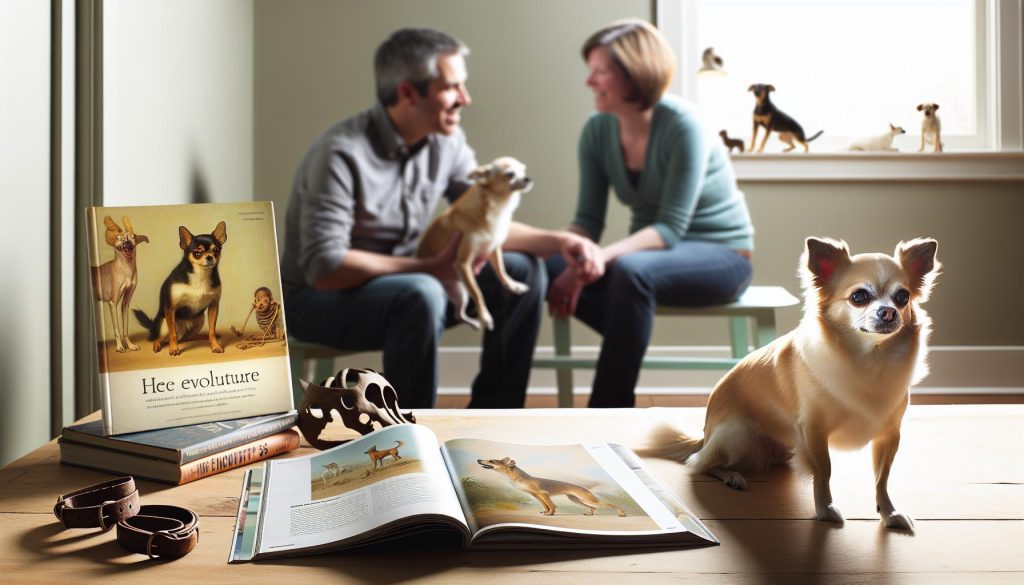
Did you know that Chihuahuas are one of the oldest dog breeds in the Americas, tracing their lineage back to ancient civilizations? These delightful little companions are not just adorable; understanding their evolutionary history can help us appreciate their unique personalities and needs even more. Whether you’re a new owner or an experienced Chihuahua enthusiast, knowing how this breed has evolved can enhance your relationship with your furry friend. From their bold, spunky nature to their distinct physical traits, such as the apple-head shape and varied coat types, Chihuahuas have fascinating stories woven into their DNA. Join us as we explore the evolution of Chihuahuas, uncover their rich history, and discover how their past shapes the vibrant companions we adore today. Understanding these roots can empower you to provide better care and foster a deeper bond. Let’s dive into the world of Chihuahuas, where history and loyalty meet!
Understanding the Origins of Chihuahuas
Chihuahuas boast a rich and fascinating history that seamlessly blends ancient origins with modern-day allure. These tiny canines, often weighing no more than six pounds, trace their lineage back to pre-Columbian civilizations in Mexico. The most widely accepted theory suggests they are descendants of the Techichi, a small companion dog revered by the ancient Toltec civilization. Archaeological evidence indicates that the Techichi served not only as companions but also held spiritual significance, often accompanying their owners in burial practices. Their evolution over the centuries established the Chihuahua as a devoted friend and cherished family member in various cultures.
In modern times, Chihuahuas have garnered a reputation for their bold and spirited personalities, characteristics that can be traced to their ancestral roots. These little dogs are known for their confidence and loyalty, with many owners recounting tales of their fierce protectiveness despite their diminutive size. For first-time owners, it’s essential to embrace these traits, understanding that proper socialization and training are vital in guiding their behavior. Chihuahuas thrive on social interaction and can develop strong bonds with their owners, often mimicking the affectionate and sometimes demanding nature of their ancestors.
Caring for a Chihuahua requires awareness of their unique health needs, many of which stem from their evolutionary journey. They can be prone to dental issues due to their small mouths, and their delicate frame can make them susceptible to injuries. Regular veterinary check-ups, consistent dental care, and a balanced diet tailored to their size and activity level are crucial in ensuring a long, healthy life. Additionally, their coat types-ranging from smooth to long-haired-present different grooming needs, making it essential for owners to establish a routine that fits their Chihuahua’s specific requirements.
As we delve deeper into the remarkable history of the Chihuahua, we can appreciate how their past shapes their present, influencing not only their physical traits but also their vibrant personalities. Understanding these origins enriches the bond between owner and pet, highlighting the fierce loyalty and affection that make Chihuahuas one of the most beloved breeds today.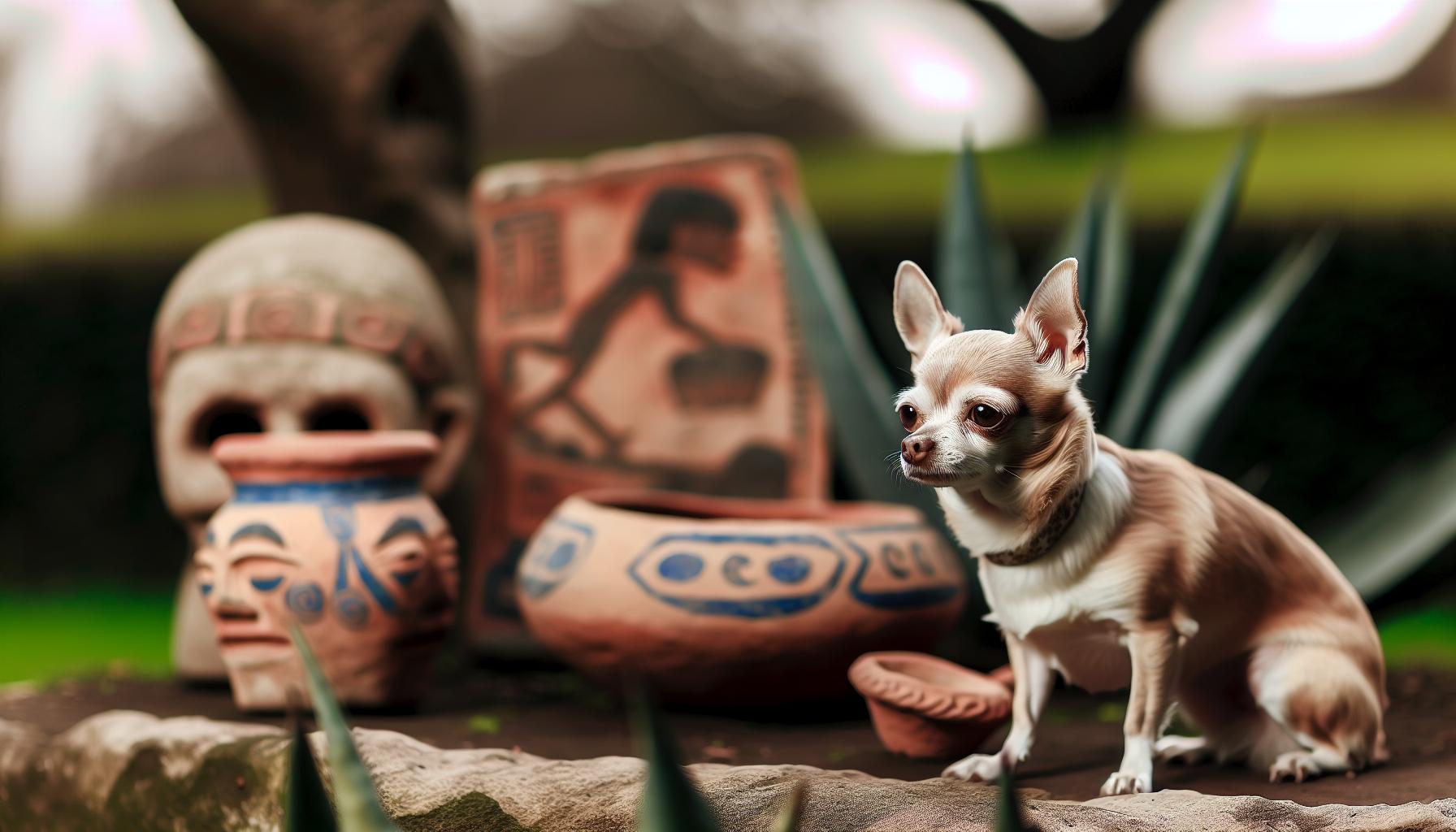
The Unique Characteristics of Chihuahuas
Chihuahuas are not just adorable companions; their unique characteristics make them one of the most captivating breeds. Standing out in both size and personality, these tiny dogs often weigh no more than six pounds, yet their presence is anything but small. Chihuahuas possess a boldness that belies their stature-they are often as feisty as they are affectionate, and many owners relate stories of their courageous protectiveness. It’s not uncommon for a Chihuahua to take on much larger dogs, showcasing a spirit that resonates with their ancient lineage.
Vocal and Expressive
Chihuahuas are known for their expressive nature. They communicate openly, whether they’re alerting you to an unfamiliar sound or simply demanding attention. This vocal trait can be charming but may also require training to manage excessive barking, especially in urban settings. Teaching your Chihuahua commands like “quiet” or using distraction techniques with toys can help balance their vocalizations with peaceful moments.
Healthcare and Maintenance
Given their small size, Chihuahuas need special attention to their health. They’re prone to specific health issues, including dental problems due to their compact mouths. Regular dental care is crucial, including brushing their teeth and providing dental chews. Moreover, their delicate frame can lead to injuries, so safe play environments are essential. Keeping them on a leash during walks not only promotes safety but also helps in building their confidence through social interaction.
Socialization and Training
For both new and experienced owners, understanding a Chihuahua’s social needs is vital. These dogs thrive in environments where they can engage with their surroundings and other pets. When socialized properly, Chihuahuas can be wonderfully friendly companions. Engaging them in positive reinforcement training encourages good behavior and strengthens your bond. Many owners find that setting a routine helps their Chihuahua feel more secure and confident, making training smoother and more effective.
Ultimately, the allure of Chihuahuas lies not only in their endearing size and looks but in their spirited personalities and deep capacity for loyalty. Embracing their quirks and understanding their needs can lead to an incredibly rewarding companionship. Each Chihuahua is unique, and their history of evolution enriches their character, providing both challenges and countless joys for their devoted owners.
Key Milestones in Chihuahua Evolution
The evolution of Chihuahuas is a fascinating journey that highlights their unique heritage and remarkable adaptability. These spirited little companions, often mistaken for just adorable pets, are rooted in a history that dates back over a thousand years. Initially, they likely descended from the ancient Techichi, a small dog cared for by the Toltec civilization in Mexico. The Techichi was more than a pet; they were believed to have spiritual significance, serving as guides for their owners in the afterlife. This cultural association set the stage for the Chihuahua’s rise from a revered companion to a beloved breed around the globe.
As time progressed, the introduction of European dog breeds into the mix further shaped the Chihuahua we know today. The Spanish conquest of the Aztec Empire in the 1500s brought new dog breeds that interbred with the native Techichi, introducing traits that contributed to the Chihuahua’s current variations. The breed saw a significant transformation in size and personality during these changes, amplifying both its bold demeanor and tiny stature. By the late 19th century, the Chihuahua began capturing the hearts of dog lovers in the United States, leading to its official recognition by kennel clubs and the establishment of breed standards that celebrate their distinct characteristics, like the prominent apple-head and the more elongated deer-head types.
The evolution of Chihuahuas also reflects how environmental influences, such as city living, shaped their behavior and health. Urban settings have encouraged Chihuahuas to adapt, thriving as apartment-friendly pets with a big presence in small bodies. However, these living conditions also pose challenges; their size makes them vulnerable to injuries, so proper socialization and training become essential. Owners often find it rewarding to engage with their Chihuahua’s lively spirit, turning their walk routines into fun adventures that enhance socialization and physical activity.
As we look towards the future, the impact of modern breeding practices looms large. With a focus on maintaining health standards while preserving their vibrant personalities, responsible breeding will ensure that Chihuahuas continue to thrive. Enthusiasts and breeders alike should take heed of genetic health concerns while also celebrating the unique quirks that make each Chihuahua a delightful and beloved member of the family. Whether your Chihuahua is an energetic ball of joy or a calm cuddle bug, understanding their evolution deepens our appreciation for these charming companions who have navigated centuries of change to remain the cherished pets we adore today.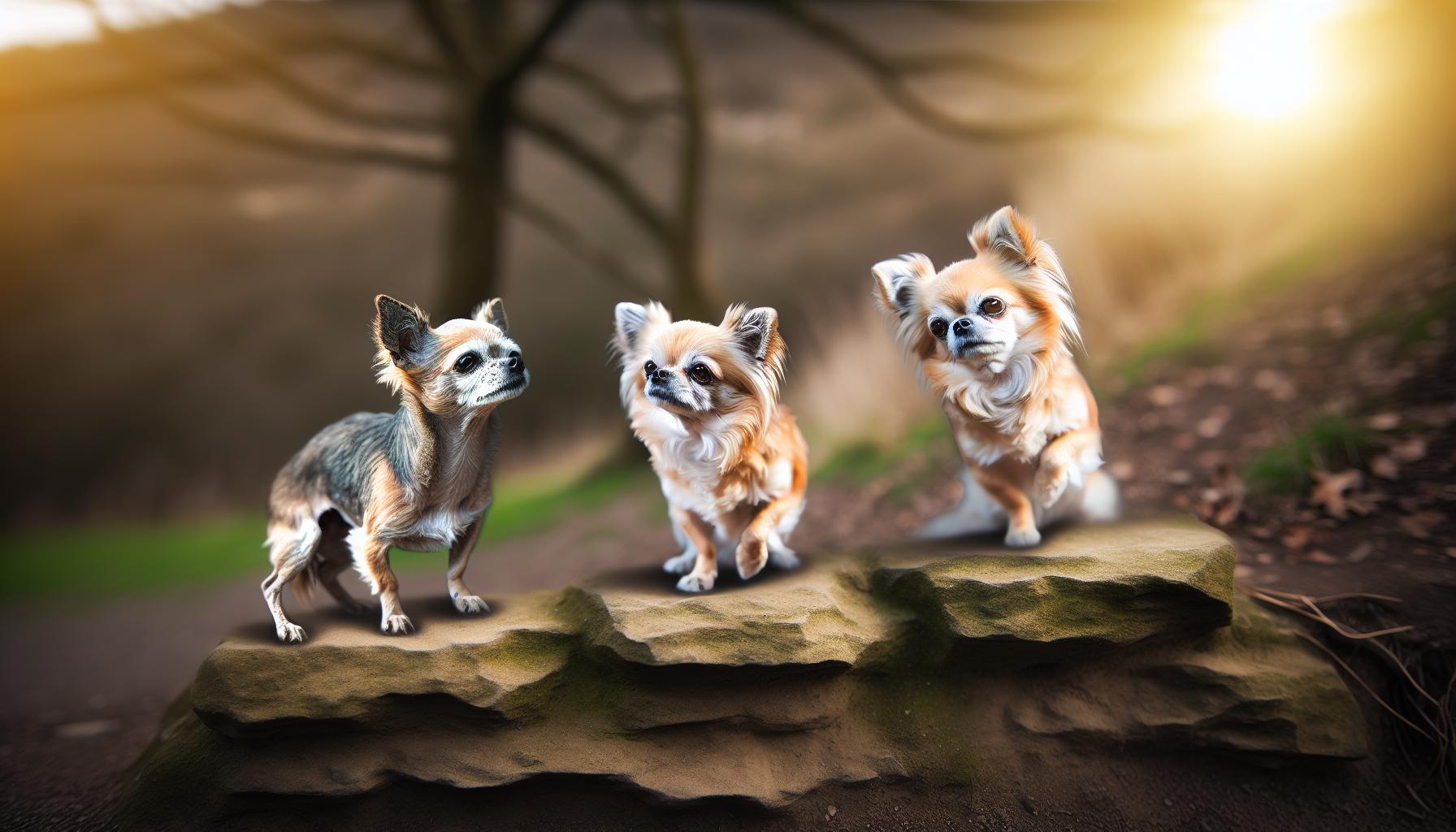
Distinct Breeds: Apple-Head vs. Deer-Head Chihuahuas
The Chihuahua breed showcases two distinct types, the Apple-Head and the Deer-Head, each with unique characteristics that cater to different aesthetics and temperaments. Understanding these differences is essential for any potential owner and can influence not just your choice of canine companion but also the care and training they may require.
Chihuahuas with an apple-head feature a rounded skull and a short muzzle, giving them a distinctive, almost baby-faced appearance. This type is often associated with a more compact build, which enhances their already petite stature. Apple-Head Chihuahuas tend to be quite vocal and have a personality that truly fits the saying “big dog in a small body.” They can be fiercely loyal and protective, making them exceptional companions. However, these characteristics can sometimes lead to stubbornness during training sessions; consistency and patience are crucial. For instance, a loving owner may find that a firm but affectionate approach helps their apple-head flourish.
In contrast, the deer-head Chihuahua is known for its elongated, more graceful features, including a longer muzzle and a flatter forehead. This type resembles a miniature deer, hence the name. Deer-Head Chihuahuas generally have a taller appearance and can weigh slightly more than their apple-headed counterparts. These Chihuahuas often have a more playful and less territorial temperament, making them delightful in social settings. A friend with a deer-head Chihuahua noted that her dog was easier to socialize than some of her apple-head friends’ dogs, which sometimes demonstrated more possessive tendencies.
Both types possess the same charming personality attributes-vocality, loyalty, and a spice of sass-but they may exhibit different behaviors based on their physical traits. It’s also worth noting that health considerations-particularly skull shape-can affect both types differently. Apple-headed Chihuahuas might be more prone to certain neurological issues while deer-head Chihuahuas typically have fewer problems in this regard. Care-wise, it’s important to provide both types with regular vet check-ups and to be mindful of their dental health, as Chihuahuas are susceptible to dental issues at a young age.
Whether you choose an apple-head or a deer-head, your Chihuahua will bring endless joy and companionship. Embrace their unique quirks and understand their specific needs to form a lasting bond that enriches both your lives.
How Environment Influences Chihuahua Traits
Chihuahuas are remarkable little dogs, and their environment plays a crucial role in shaping their traits and behaviors. Various factors in their surroundings can profoundly influence aspects of their personality, health, and even their physical appearance. Exposure to different stimuli-from urban apartment living to rural settings-can lead to significant variations in how Chihuahuas behave and interact with their families and the world around them.
The environments in which Chihuahuas are raised can impact their socialization skills dramatically. For instance, a Chihuahua raised in a busy city, bustling with people and other pets, is likely to be more outgoing and confident than one raised in a quieter, more isolated setting. This is especially beneficial for both the apple-head and deer-head varieties; for example, while apple-heads might develop vocal tendencies and protective behaviors, a well-socialized environment can help mitigate excessive barking and promote better interactive skills. Owners often report that exposing their Chihuahuas to various experiences-like trips to dog parks or visits from friends-helps them develop more balanced personalities.
Moreover, the physical environment can influence health and behavior in more subtle ways. Chihuahuas thrive in moderate climates but can struggle with extreme temperatures due to their small size. Owners in colder regions need to take extra precautions, like providing warm clothing or investing in a heated bed, to ensure their Chihuahuas remain comfortable and healthy. Likewise, a Chihuahua that experiences chronic stress, whether from a noisy household or from being left alone too often, can develop anxiety traits that may need to be addressed with specific training or even behavioral therapy.
Finally, when considering how environment shapes Chihuahuas, it’s essential to recognize the role of owner interaction. Chihuahuas are highly attuned to their humans, and a nurturing, engaging approach fosters confidence and security in these tiny companions. Experiences that are positive, stress-free, and involve interaction can lead to exciting quirks, such as a love for playtime or snuggling on the couch. Therefore, when you nurture their environment-physically and emotionally-you create a haven that allows your Chihuahua to flourish. By providing a supportive space filled with love, you will help your Chihuahua develop into a well-rounded, happy member of your family.
Chihuahuas Through the Ages: A Historical Overview
The Chihuahua, with its commanding presence and spirited personality, boasts a rich historical tapestry that dates back centuries. Originating in Mexico, this breed is believed to have descended from the Techichi, a small dog kept by the ancient Toltec civilization. These dogs were cherished not only as companions but also played a significant role in spiritual and cultural ceremonies. Their size and affectionate nature made them suitable for various roles, from guardians of the home to beloved family members.
The Rise of the Chihuahua
As the Toltec empire gave way to the Aztecs, the Techichi continued to thrive, evolving alongside societal changes. The Aztecs revered these dogs, often depicting them in their art and rituals. Interestingly, they believed that Chihuahuas could guide the souls of the deceased to the afterlife. This spiritual significance contributed to their esteemed status within Mesoamerican cultures.
By the mid-1800s, Chihuahuas began making their way beyond Mexican borders, captivating American audiences with their charming demeanor and bold personalities. The breed’s popularity skyrocketed after being showcased at dog shows and featured in Hollywood films. This newfound fame led to more structured breeding practices, differentiating the two main types we recognize today: the apple-head and the deer-head Chihuahua. Each variety showcases distinct features, with the apple-head possessing a rounded skull and larger eyes while the deer-head is known for its longer nose and more pronounced muzzle.
Modern Influence and Cultural Significance
In contemporary times, Chihuahuas have become emblematic of loyalty, sassiness, and companionship. They are often seen as symbols of the urban lifestyle, fitting seamlessly into the lives of busy city dwellers. Moreover, their presence in popular culture-most notably through celebrities and social media-has solidified their position as one of the most adored toy breeds worldwide.
As a Chihuahua owner, embracing this breed’s storied past enriches your relationship with your tiny companion. Understanding their unique characteristics and historical context can provide insight into their behaviors and needs. For instance, their loyalty stems from generations of being regarded as family protectors, while their spirited nature can be traced back to their vibrant ancestral roots. By nurturing this intricate history, you not only celebrate who your Chihuahua is but also foster a deeper bond that honors their legacy.
The Role of Domestication in Chihuahua Development
The journey of the Chihuahua from its ancient roots to the cherished pet we know today is a testament to the profound effects of domestication. These tiny dogs, with their spirited personalities and protective instincts, have been shaped significantly by their close relationship with humans over centuries. Initially bred by the Toltec civilization, they were treasured companions and had spiritual roles, a trend that continued under the Aztecs, who believed in their mystical abilities.
As Chihuahuas entered homes across the globe, particularly in the United States during the 19th century, breeders began to refine these dogs, selecting for traits that enhanced companionship qualities. The process of domestication brought about a distinct shift in behavior. For instance, their natural instincts to guard and protect were nurtured, making them fiercely loyal companions. This loyalty manifests in their often bold nature, where they might bark at perceived threats despite their small size.
Moreover, the specific characteristics of Chihuahuas, including their vocal tendencies and keen alertness, can be attributed to domestication practices that emphasized their roles as companion animals rather than working dogs. Owners today often find joy not only in their lively disposition but in the unique quirks that make each Chihuahua an individual. For example, your Chihuahua might charm friends with a dramatic bark that seems to say, “I’m here, and I’m important!” This vocalization is a behavior rooted in their history as alert guardians, showcasing how their lineage informs present-day traits.
Understanding can deepen your relationship with your fur friend. Acknowledging that these dogs thrive on companionship and often seek your attention can help you provide a loving environment that caters to their unique needs. Whether you’re a first-time owner or a seasoned Chihuahua enthusiast, knowing that your dog’s quirky behavior and heartfelt loyalty are products of centuries of evolution allows you to appreciate the little nuances that come with your Chihuahua’s personality. In nurturing this connection, you not only celebrate their history but also strengthen the bond you share.
Health Considerations Linked to Evolution
The evolution of Chihuahuas not only shaped their physical characteristics but also significantly influenced their health. As you welcome this tiny, spirited companion into your life, understanding the health considerations that stem from their history will help you provide the best care possible. Chihuahuas are prone to specific health issues, many of which can be linked back to their evolutionary lineage, paired with modern breeding practices.
One major health concern in Chihuahuas is dental disease, which can be traced to their genetic predisposition for overcrowded teeth in their small jaws. Regular dental care is crucial, including brushing their teeth frequently and providing dental chews approved by your vet. Additionally, bringing your Chihuahua for professional dental cleanings can prevent more serious health problems down the line.
Another health issue tied to their evolution is patellar luxation, a condition where the kneecap dislocates. This ailment is common in smaller breeds due to their unique structure. Regular vet check-ups can help catch this early, and lifestyle adjustments like maintaining a healthy weight can minimize stress on their joints.
Chihuahuas, particularly the apple-head variety, may also face issues related to their soft spot in the skull – known as the fontanelle. While many Chihuahuas live long, healthy lives, care should always be taken to prevent trauma to this area. Ensuring your home is a safe environment will help protect your little one from accidents that could cause injury.
The quirks and charm of Chihuahuas also come with specific needs as they relate to health. For instance, their bold and vocal nature can sometimes lead them to be overly protective, which might result in anxiety if not managed properly. Providing your Chihuahua with socialization opportunities from an early age can help curb anxiety and promote a balanced temperament.
Ultimately, staying informed about these health considerations allows you to appreciate your Chihuahua’s vibrant personality while also safeguarding their well-being. Being proactive with regular vet visits, a balanced diet, and mental stimulation can ensure your fur friend remains not just a beloved pet but a healthy companion for years to come.
Behavioral Traits Shaped by Chihuahua Lineage
Chihuahuas are not just tiny companions; they embody a proud history that significantly shapes their behavioral traits today. One of the most notable characteristics of this breed is their vocal nature. Originally bred as companions, Chihuahuas tend to be quite talkative. This vocalization can range from cheerful barks to firm alerts, acting as protectors of their human family. Many owners have shared how their little friends can raise the alarm even at the slightest sound, showcasing their innate guardianship instinct. This boldness is often fueled by their small stature, leading them to compensate with a larger-than-life attitude.
Social Aspects and Loyalty
The deep loyalty Chihuahuas exhibit towards their owners can be traced back to their lineage. These dogs have historically formed strong bonds with their human counterparts, and their affectionate nature makes them ideal companions. They thrive on companionship and are known for wanting to remain close to their humans, often following them from room to room. For instance, many owners recall how their Chihuahuas curl up in their laps while watching TV or sleep next to them at night, providing comfort and warmth. This strong attachment can also mean that Chihuahuas may experience separation anxiety, so ongoing socialization and training from a young age are essential.
Boldness and Caution
A Chihuahua’s assertive personality often leads them to be bold and confident. They don’t shy away from challenging larger dogs or even asserting themselves in social situations. This behavior can stem from their historical role as companions to ancient civilizations, which encouraged a fearless demeanor. However, their boldness can sometimes manifest as wariness of strangers, making early socialization crucial. A great approach is to expose your Chihuahua to various environments and people gradually. Real-life examples from owners often highlight how exposure to different settings-from dog parks to pet-friendly cafes-can help reduce anxiety and promote confidence in their pets.
The fascinating evolution of Chihuahuas has shaped more than just their physical traits; their behaviors are a delightful blend of loyalty, boldness, and a deep-seated desire for companionship. Understanding these foundational aspects can help you better appreciate the unique personality of your Chihuahua and cater to their emotional and social needs.
Modern Breeding Practices and Their Impact
Modern breeding practices have profoundly influenced the Chihuahua we know and love today. As breeders have sought to create ideal companion dogs, a spotlight has been placed on specific traits that enhance their appeal. This has led to a variety of decisions, often prioritizing popular aesthetics over health, which can significantly impact the breed’s well-being. For instance, the two well-known types of Chihuahuas, apple-head and deer-head, have been emphasized in breeding shows to the point where their distinct features are often sought after at the expense of genetic diversity.
Understanding how these practices affect health should be a priority for any Chihuahua owner. Common health issues like patellar luxation, heart problems, and dental issues may stem from breeding choices focused largely on appearance rather than overall health. Therefore, it is crucial for potential Chihuahua owners to research breeders thoroughly. Ethical breeders prioritize the puppy’s health and temperamental stability over conforming strictly to breed standards. They often perform health screenings and focus on genetic diversity to minimize inherited health risks.
Additionally, training and socialization practices can be intertwined with modern breeding trends. Many breeders advocate for puppies to engage with a variety of people and situations to cultivate a well-rounded temperament. Owners who embrace this approach often share heartwarming stories of their Chihuahuas overcoming shyness or excessive barking through early socialization. These experiences highlight not only the importance of nurturing a dog’s innate traits but also the role that responsible breeding plays in shaping a harmonious pet-owner relationship.
In summary, awareness of modern breeding practices equips Chihuahua owners with the knowledge to make informed choices, ensuring their furry friends lead healthy, happy lives. By selecting breeders who emphasize health, socialization, and temperament, owners can contribute to the propagation of Chihuahuas who embody both beauty and resilience, allowing these little companions to continue being the vivacious and affectionate creatures we cherish.
Cultural Significance of Chihuahuas Throughout History
Chihuahuas are more than just adorable tiny dogs; they hold a rich place in history and culture that many may not be aware of. Believed to be descendants of the Techichi, a companion dog of the ancient Toltec civilization of Mexico, Chihuahuas have been celebrated and revered for centuries. Archaeological digs reveal that the Techichi were used in religious ceremonies and were often buried with their owners as they were thought to accompany them in the afterlife. This deep-rooted connection to humans highlights the emotional bonds we share with these little companions, demonstrating their significance beyond mere aesthetics.
As we journey through the ages, we see the Chihuahua’s role evolve dramatically. During the Mexican Revolution, these little dogs became symbols of Mexican culture and identity. Their vibrant personalities and bold natures resonated with the spirit of the people, leading many revolutionaries and citizens alike to adopt them. The breed gained international attention in the mid-20th century, especially with celebrities like Marilyn Monroe and later, the Taco Bell chihuahua, bringing them into pop culture spotlight.
Today, the Chihuahua remains a beloved breed around the world. Their unique characteristics, such as being fiercely loyal and surprisingly vocal, continue to endear them to families and individuals alike. Their compact size often makes them ideal for urban living, providing companionship without requiring extensive outdoor space. However, their boldness should not be underestimated; many owners will recount tales of their Chihuahuas bravely confronting much larger dogs, showcasing their fearless demeanor.
The cultural significance of Chihuahuas also extends into art and literature. They frequently appear in various forms of media, from paintings to social media, embodying a sense of personality and charm that resonates with dog lovers everywhere. As a Chihuahua owner, sharing and celebrating these quirks is part of what makes the experience rewarding. Whether you’re new to the breed or have loved Chihuahuas for years, understanding their cultural background enhances the appreciation of these spirited companions that have truly earned their place in our hearts and homes.
Future of Chihuahua Evolution: Trends and Predictions
As we look to the future of Chihuahuas, it’s intriguing to consider how their evolution may continue in response to changing societal trends, breeding practices, and owner lifestyles. This iconic breed, known for its feisty spirit and loyal nature, is likely to adapt in ways that reflect our modern world. Predictions suggest that Chihuahuas will increasingly be bred with an emphasis on temperament and health, as responsible ownership becomes more prevalent.
One significant trend is the growing awareness of health issues commonly affecting Chihuahuas, such as patellar luxation and dental problems. Knowledgeable breeders are beginning to prioritize genetic screening and responsible breeding practices to mitigate these health concerns. For instance, by focusing on lineage and genetic health testing, breeders can ensure that puppies are less likely to inherit serious health issues that can accompany this small breed. Owners should actively seek out breeders who are committed to transparency regarding health histories, thus safeguarding the future health of their cherished companions.
Social media has also revolutionized how we perceive and interact with our pets. With platforms dedicated to showcasing unique breeds, Chihuahuas are gaining a worldwide following. This visibility can drive demand for distinct traits, such as the popularization of the long-haired Chihuahua or variations in coat color. It’s essential for owners to celebrate the individuality of their Chihuahuas while advocating responsible breeding standards to ensure that the popularity does not lead to health compromises.
Furthermore, urban living trends continue to shape the Chihuahua’s role in families. As more people opt for city life, the demand for compact, adaptable companions rises. Chihuahuas naturally fit this niche, offering companionship in smaller living spaces. Urban owners are likely to emphasize traits like sociability and adaptability, encouraging breeding practices that promote good temperament in varied environments. Owners can contribute by providing proper socialization experiences for their Chihuahuas, ensuring they thrive in diverse situations.
Lastly, as our understanding of canine behavior deepens, comprehensive training techniques will pave the way for a well-mannered future for Chihuahuas. Encouraging traits like obedience and social skills will not only enhance their relationships with owners but also foster a positive reputation for the breed as a whole. Engaging with positive reinforcement training methods from an early age will help ensure that our Chihuahuas remain the charming, vocal companions we adore, while also being well-adjusted members of society.
In essence, the future of Chihuahuas lies in thoughtful breeding, social adaptability, and responsible ownership, ensuring that these spirited little dogs continue to evolve alongside us while retaining the qualities that make them so beloved.
Q&A
Q: How did Chihuahuas originate?
A: Chihuahuas originated from ancient small dog breeds in Mexico, closely related to the Techichi, a companion dog of the ancient Toltec civilization. This lineage highlights their strong bond with humans and their role as companions historically. For more on their origins, check the section on Understanding the Origins of Chihuahuas.
Q: What are the evolutionary traits of Chihuahuas?
A: Chihuahuas evolved unique traits such as their small size and bold personality, adapting to various environments. Their traits were influenced by both natural selection and selective breeding practices, shaping them into the distinct breed we know today. Explore more in the Key Milestones in Chihuahua Evolution section.
Q: What role did domestication play in Chihuahua evolution?
A: Domestication profoundly influenced Chihuahua evolution, as these dogs were bred for companionship and care. This process reduced their natural survival instincts and enhanced their sociability, making them excellent pets. Learn about this in more detail under The Role of Domestication in Chihuahua Development.
Q: How have environmental factors affected Chihuahuas?
A: Environmental factors, such as climate and living conditions, have shaped Chihuahuas’ physical and behavioral traits. For instance, some Chihuahuas adapt better to warmer climates due to their small size and lower body fat. For a deeper understanding, refer to How Environment Influences Chihuahua Traits.
Q: What health issues are associated with Chihuahua evolution?
A: Chihuahuas face specific health issues linked to their evolutionary traits, including patellar luxation, heart problems, and dental issues. Being aware of these can help owners take preventive measures. More on this can be found in Health Considerations Linked to Evolution.
Q: How do breeding practices impact Chihuahua characteristics?
A: Modern breeding practices heavily influence Chihuahua characteristics, promoting desired traits while often neglecting health concerns. Ethical breeding focuses on maintaining genetic diversity and improving overall health. For tips on responsible breeding, visit the Modern Breeding Practices and Their Impact section.
Q: What distinct types of Chihuahuas exist, and how do they differ?
A: The two main types of Chihuahuas are Apple-Head and Deer-Head. While Apple-Head Chihuahuas have a rounded skull and shorter muzzles, Deer-Head Chihuahuas feature a more elongated muzzle and flatter skull. This distinction affects their appearance and temperament. Check out Distinct Breeds: Apple-Head vs. Deer-Head Chihuahuas for more.
Q: What is the cultural significance of Chihuahuas throughout history?
A: Chihuahuas hold significant cultural importance, especially in Mexican tradition, symbolizing loyalty and companionship. They are often featured in art and folklore. To explore their historical role, see the section Cultural Significance of Chihuahuas Throughout History.
Future Outlook
Thanks for joining us on this journey through the fascinating evolution of Chihuahuas! By understanding their rich history, from their ancient ancestors to their unique traits today, you’re better equipped to appreciate and care for your tiny companion. Remember, whether you’re curious about their vocal personality or specific care needs like health and behavior, you’re not alone in this adventure. If you loved learning about Chihuahuas, check out our articles on “Top Tips for Chihuahua Care” and “Understanding Your Chihuahua’s Behavior” for even more insights.
Don’t forget to subscribe to our newsletter for updates and tips that enhance your Chihuahua experience! Share your thoughts below – we’d love to hear how your Chihuahua’s personality shines through every day. Keep exploring, learning, and embracing all the quirks that make your Chihuahua so special!
Get our latest guides, news, and insights highlighted in your Google Search & AI Overviews.